EN
EN



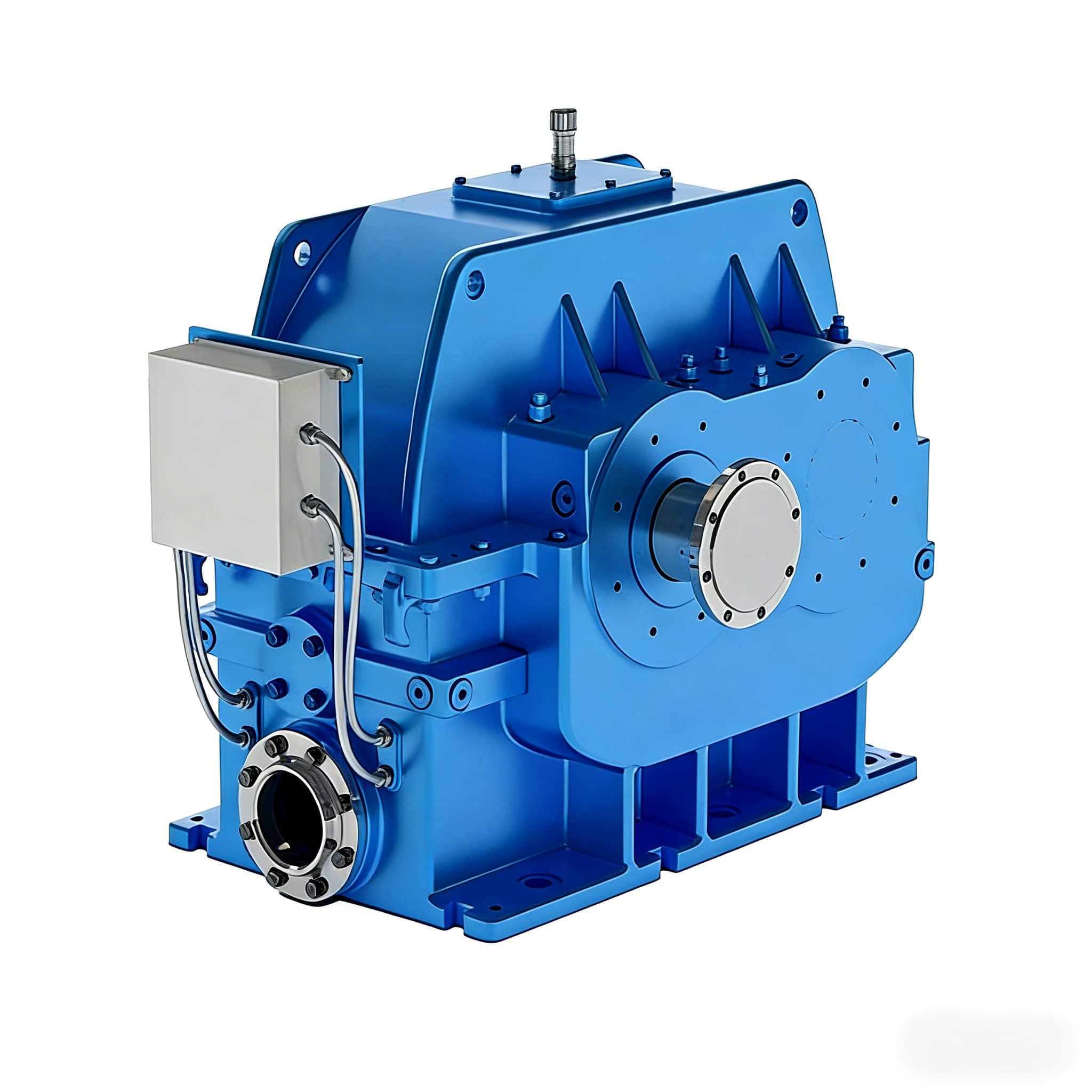
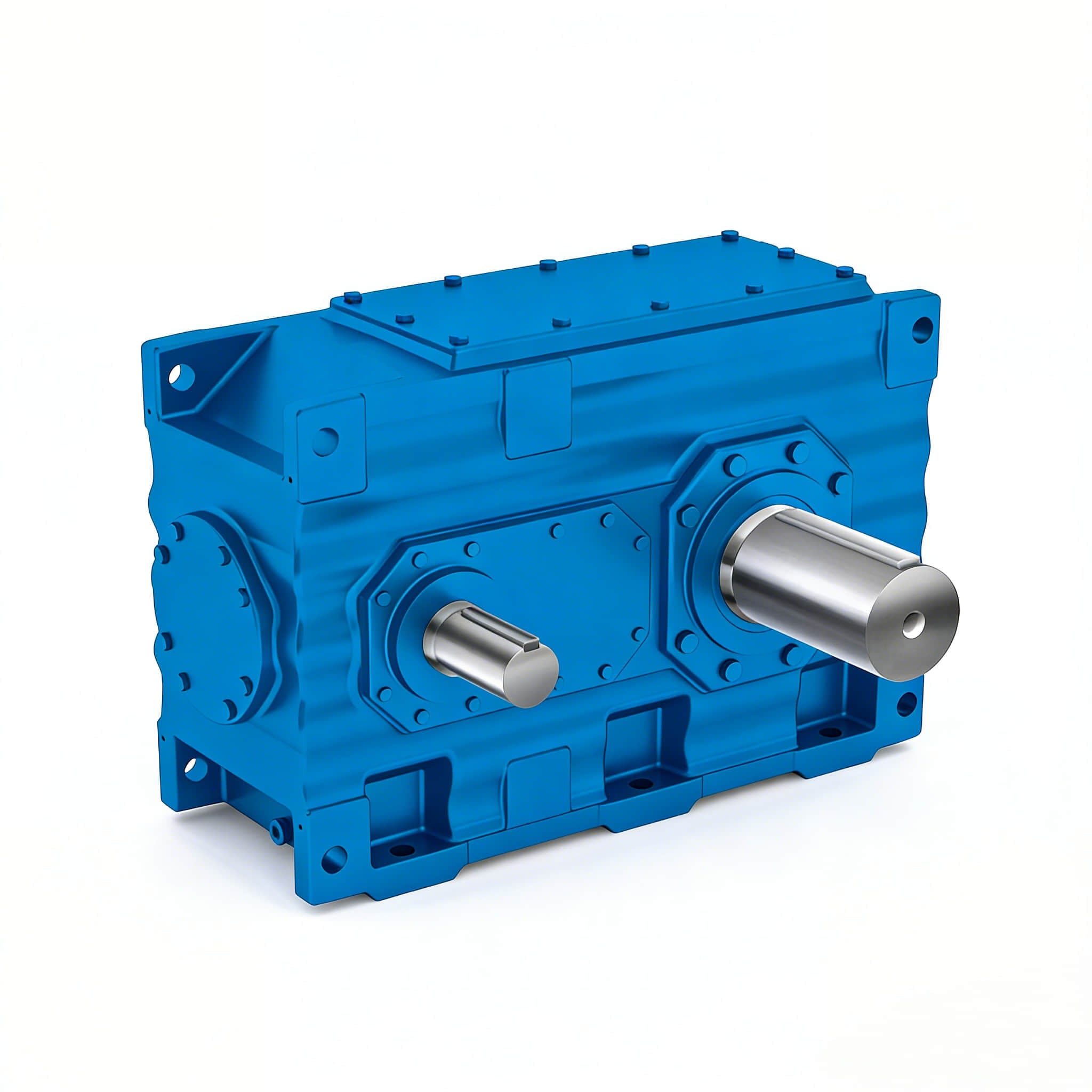
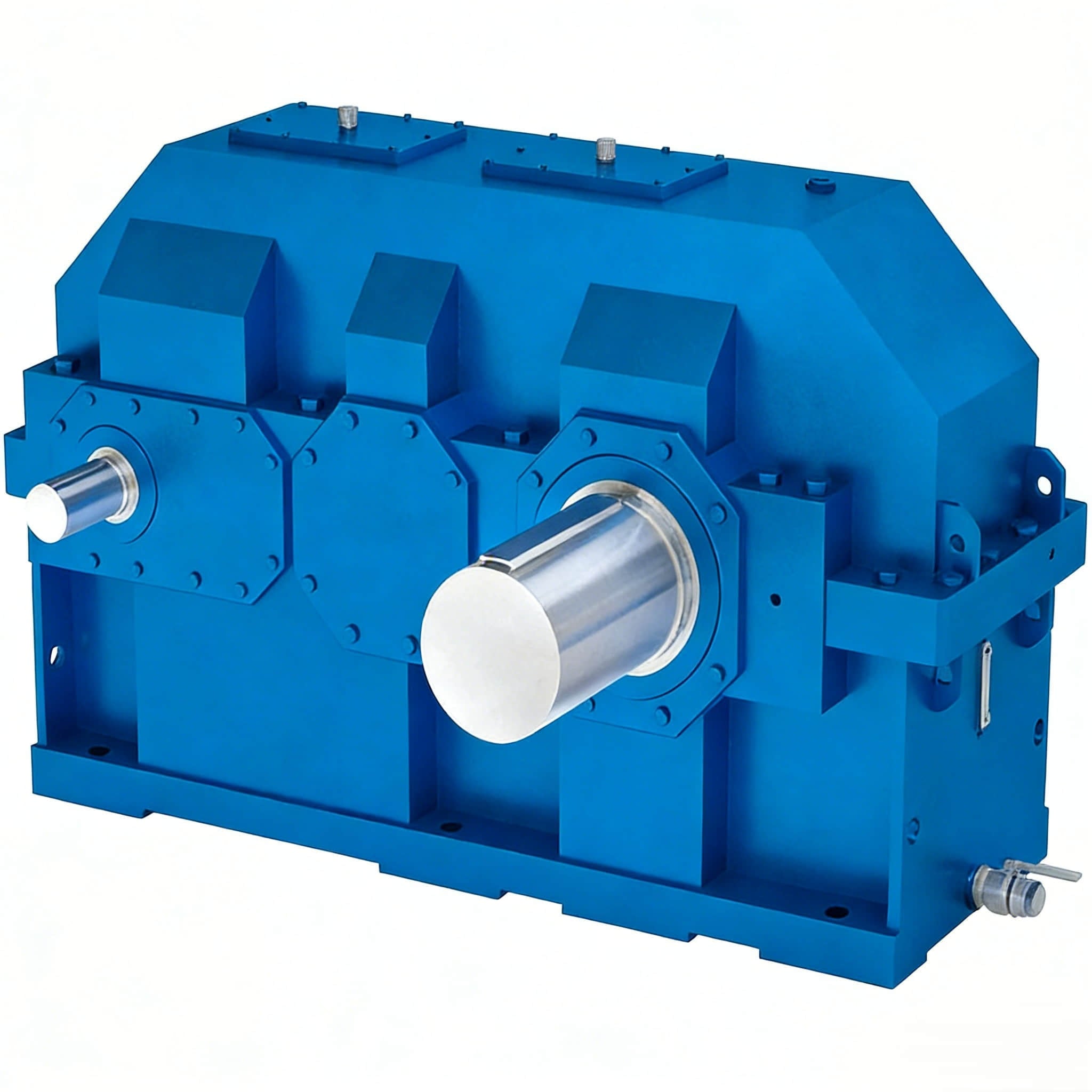
High-Speed Gearbox
Quick Detail:
- Different names of the product: High-speed Gearbox, High-speed Reducer
- Main application: The high-speed gearbox is a core transmission component designed for high-speed operating conditions, enabling precise transmission of high-speed power, speed reduction adjustment and torque matching.
- Core specification parameters:The high-speed gearbox adopts high-precision gears and a modular structure, featuring stable transmission, strong combinability and excellent interchangeability. It can directly replace imported brands, with a dense range of models for convenient selection.
- Product Model:/
- Overview
- Recommended Products
- Modular Design
- Gear Profile Modification Technology
- Gear Parameter Optimization
- Finite Element Parameter Optimization
- High-precision Manufacturing Process
- Patented Sealing Design
Description:
As a core solution for industrial high-speed transmission scenarios, high-speed gearboxes are tailor-made for various equipment requiring stable, precise, and efficient power transmission. Widely used in high-end manufacturing fields such as wind power, aerospace, precision machine tools, rail transit, and petrochemicals, they are key core components that ensure the continuous operation of industrial production and improve equipment operational efficiency. Their core value lies not only in achieving efficient power transmission but also in breaking transmission limits through sophisticated design, providing solid guarantee for the stable operation of high-end equipment.
In terms of transmission performance, high-speed gearboxes are equipped with high-precision ground gears, which are integrally formed from high-quality high-strength alloy materials. Through multiple precision machining and heat treatment processes, the wear resistance, impact resistance, and transmission accuracy of the gears are effectively improved. The gear meshing surfaces are finely polished, and combined with a dedicated lubrication system and sealing structure, they can not only reduce friction loss and operational noise during high-speed operation but also prevent lubricating oil leakage and external impurity intrusion. This ensures stable transmission even under high-speed and high-load working conditions, with a transmission efficiency of over 98%, minimizing power loss and providing reliable power support for precise equipment operation.
Advanced modular design is one of the core competitive advantages of high-speed gearboxes. Abandoning the limitations of traditional integrated structures, the product decomposes core functions of the gearbox such as power input, transmission and speed change, and power output into standardized modules. Each module undergoes strict compatibility testing, featuring extremely strong versatility and interchangeability of components. This design not only simplifies the production process, improves production capacity and quality stability but also greatly reduces later maintenance costs. When equipment malfunctions, there is no need to disassemble the entire gearbox; only the corresponding module needs to be replaced targetedly, significantly shortening downtime for maintenance and reducing economic losses caused by production interruptions.
In terms of model adaptation, high-speed gearboxes adopt a scientifically dense model layout, with torque coverage ranging from low to high in a stepped and uniform distribution, forming a complete product matrix. R&D teams, combined with the operational characteristics of different industries, conduct refined adjustments to each model based on core requirements such as equipment power, load conditions, operating speed, and installation space, ensuring that each model can accurately match specific scenarios. Customers can quickly lock in the suitable model through parametric selection, avoiding waste of procurement and operating costs due to functional redundancy, and fundamentally eliminating equipment jams, component wear, and even shutdown accidents caused by insufficient performance, providing dual guarantees for production safety and efficiency.
In addition, high-speed gearboxes incorporate intelligent design concepts. Some high-end models can be equipped with condition monitoring modules, which real-time collect operating data such as rotational speed, temperature, and vibration, and early warn potential faults through data analysis to achieve predictive maintenance. At the same time, the product has strong expandability. Relying on the modular architecture, it can flexibly add or remove functional modules according to customers' subsequent production capacity upgrade needs without replacing the entire equipment, effectively extending the service life of the equipment and providing strong support for enterprises' digital and intelligent production transformation, making it an indispensable core equipment in the field of industrial high-speed transmission.
Applications:
Target Industries: Energy, Transportation, Industrial Manufacturing, Aerospace, Testing Equipment, etc.
Applicable Equipment:Wind Turbines, Steam Turbines, BPRT Units, MVR Compressors, Blast Furnace Blowers, Axial Flow Compressors, etc.
Specifications:
| Type | Parameters |
| Torque | —— |
| Ratio | |
| Power | |
| Mounting Methods |
Competitive Advantage:
Core components are universal across different models. No customized parts are required for maintenance, enabling quick replacement and commissioning, shortening equipment downtime and ensuring continuous operation of the production line.
Enables more uniform load distribution during gear meshing, avoiding local stress concentration, achieving both high-strength transmission and low-noise operation, and creating a more operator-friendly working environment.
Targeting the requirements of high-speed transmission scenarios, core parameters such as gear module and number of teeth are optimized, significantly improving the product’s load-bearing capacity and fatigue resistance to adapt to long-term high-load operation.
During the R&D phase, finite element simulation tests are conducted to optimize part structural design, avoiding stress concentration issues in advance, and greatly improving the product’s mechanical reliability and service life.
Gear accuracy meets high industry standards, ensuring smooth meshing transmission and stable transmission efficiency.
Effectively blocks dust and moisture ingress, prevents lubricating oil leakage, and adapts to complex and harsh working conditions.