Exceptional Reliability and Maintenance Efficiency
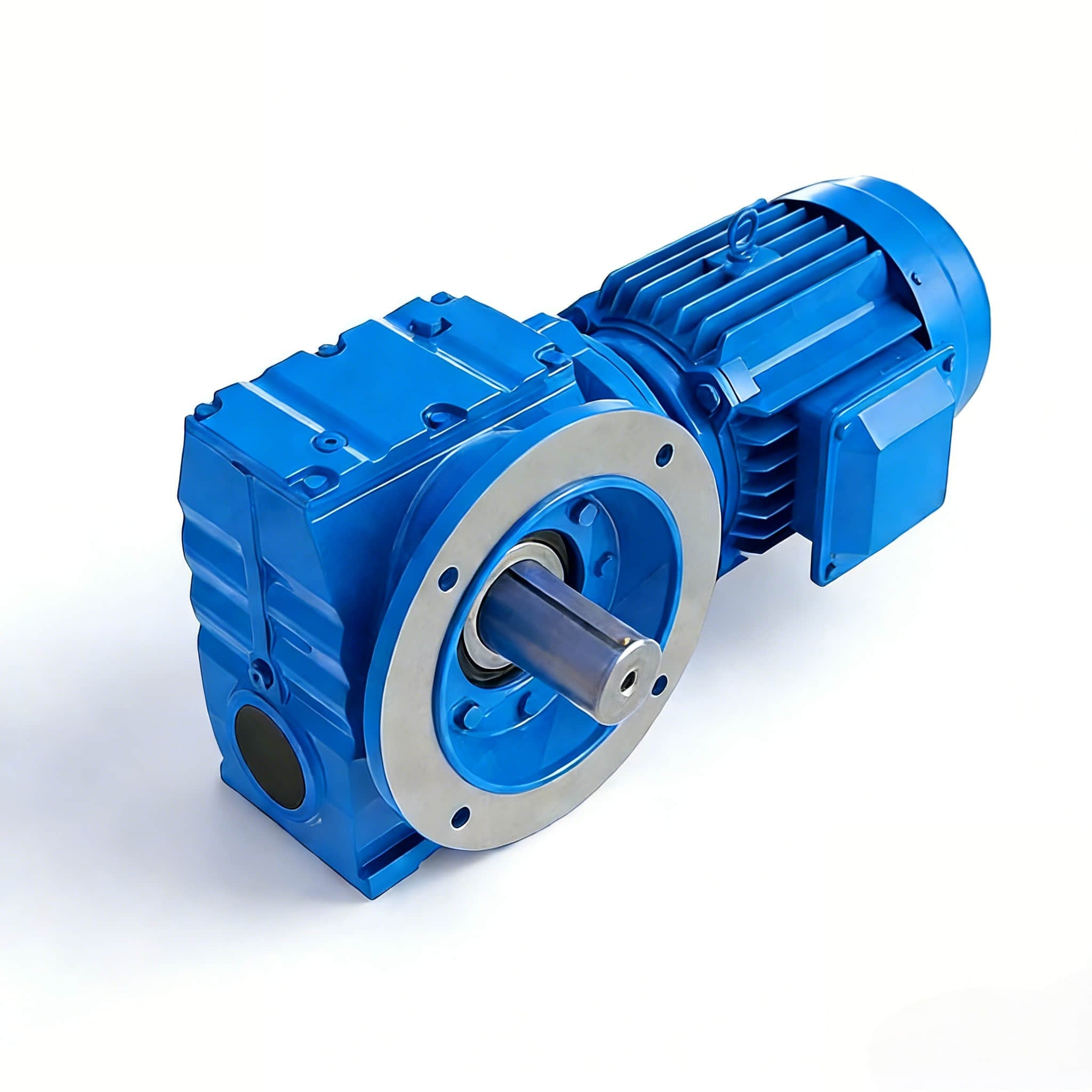
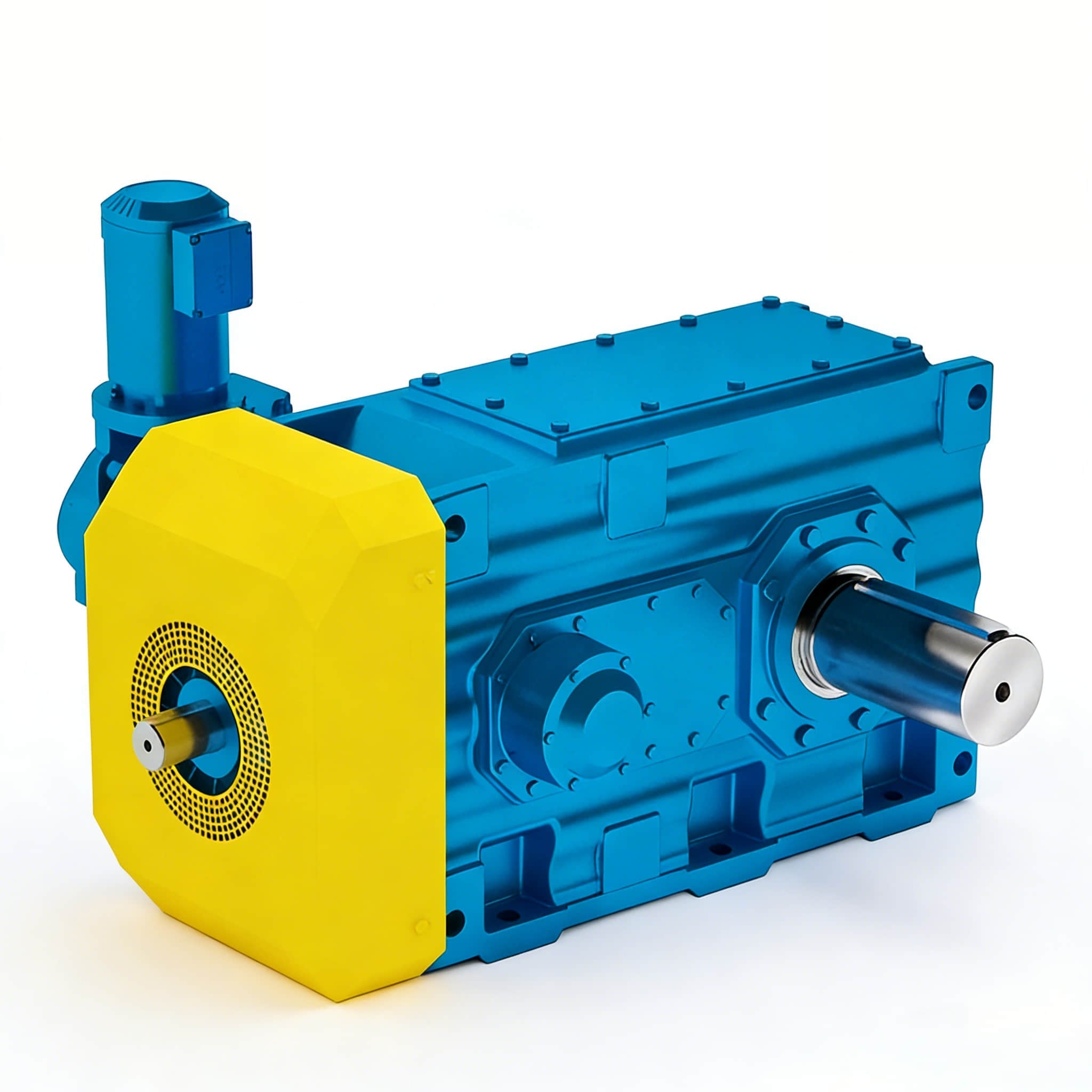
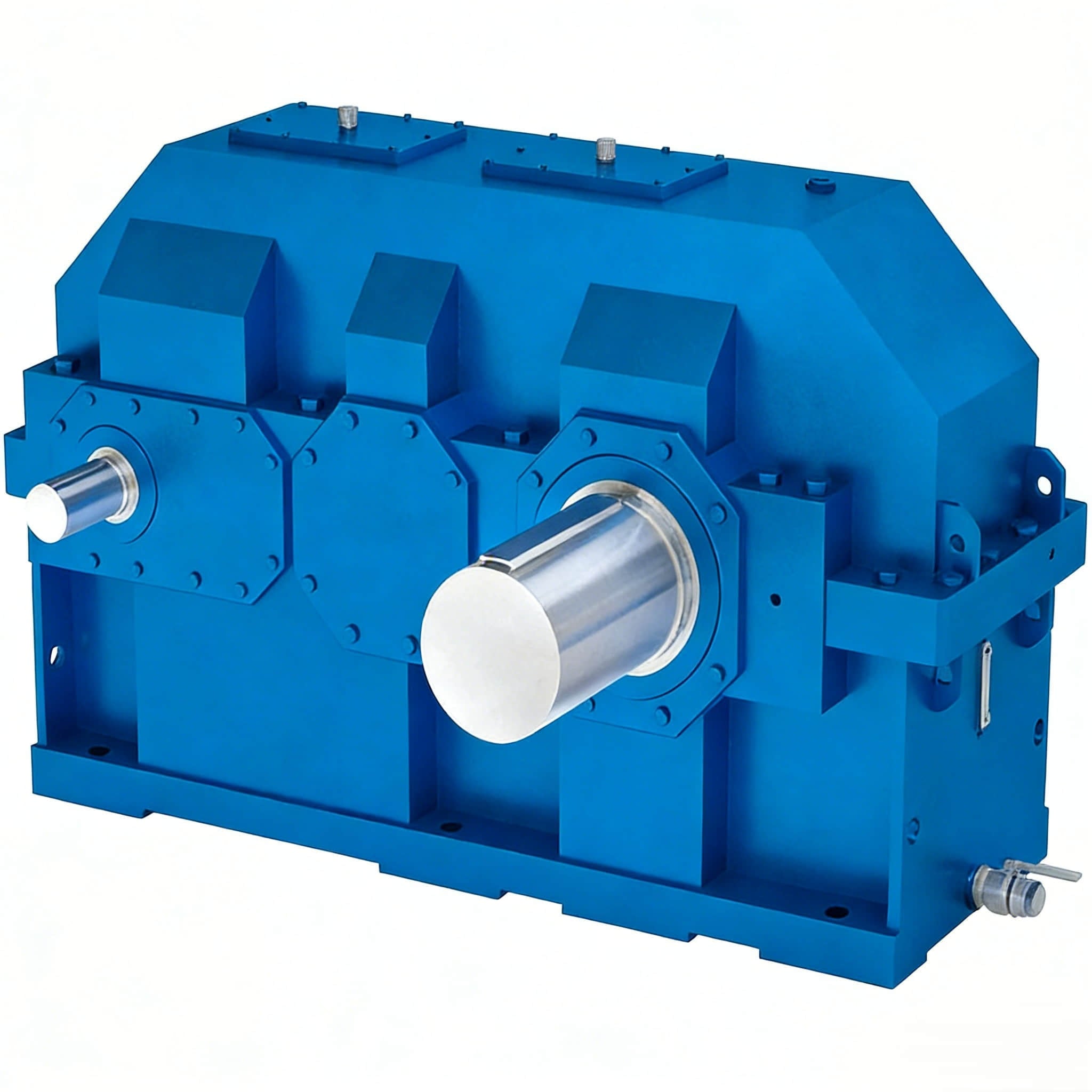
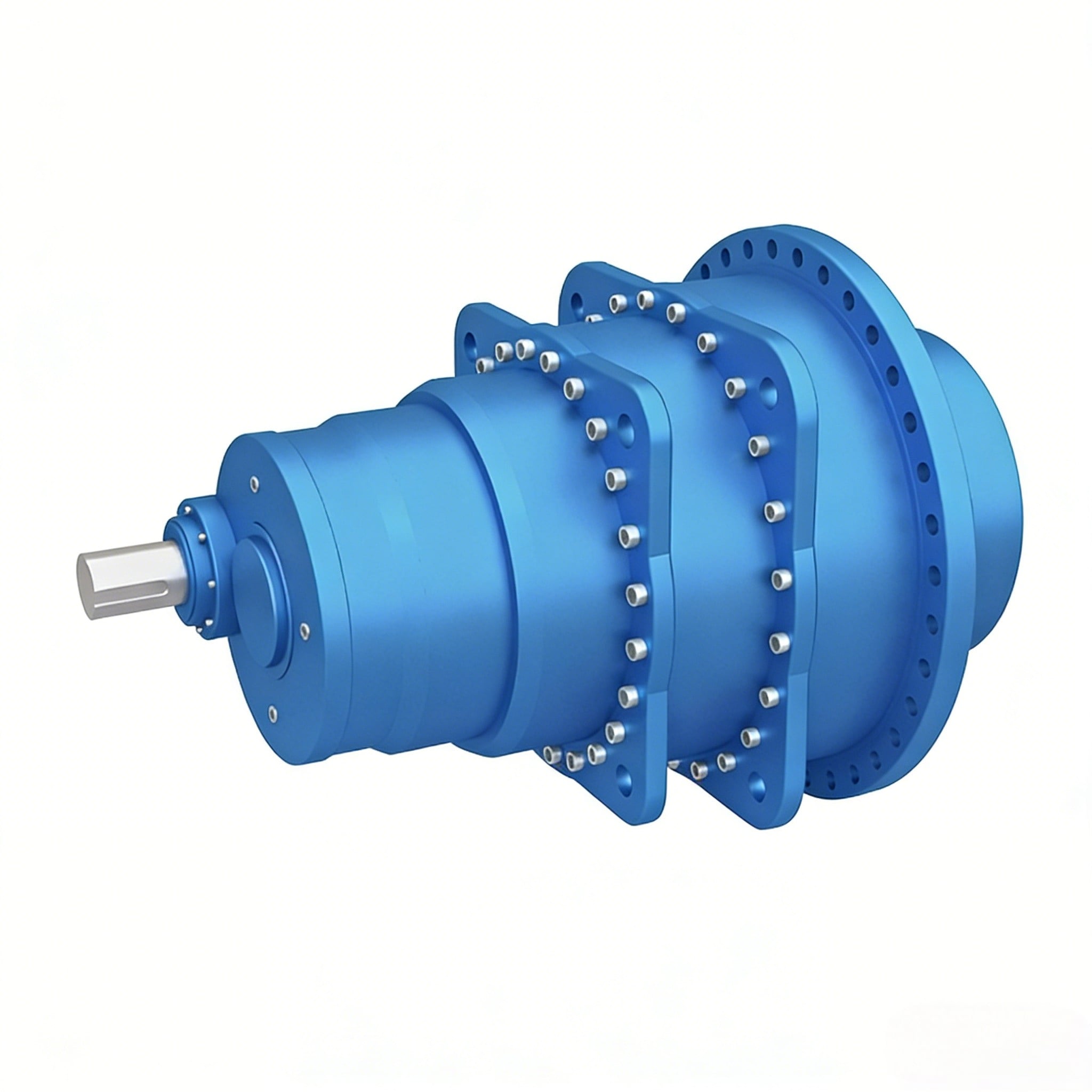
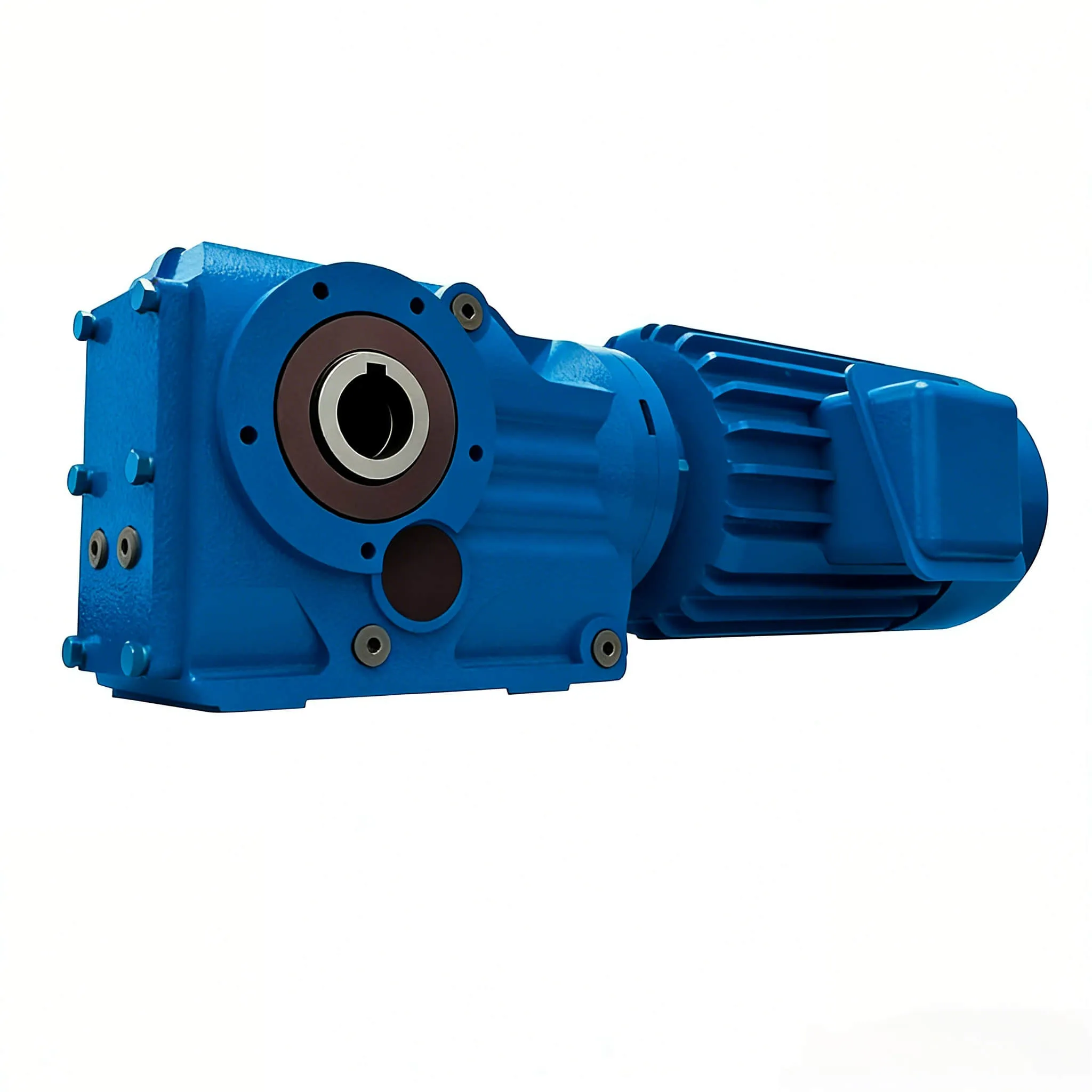
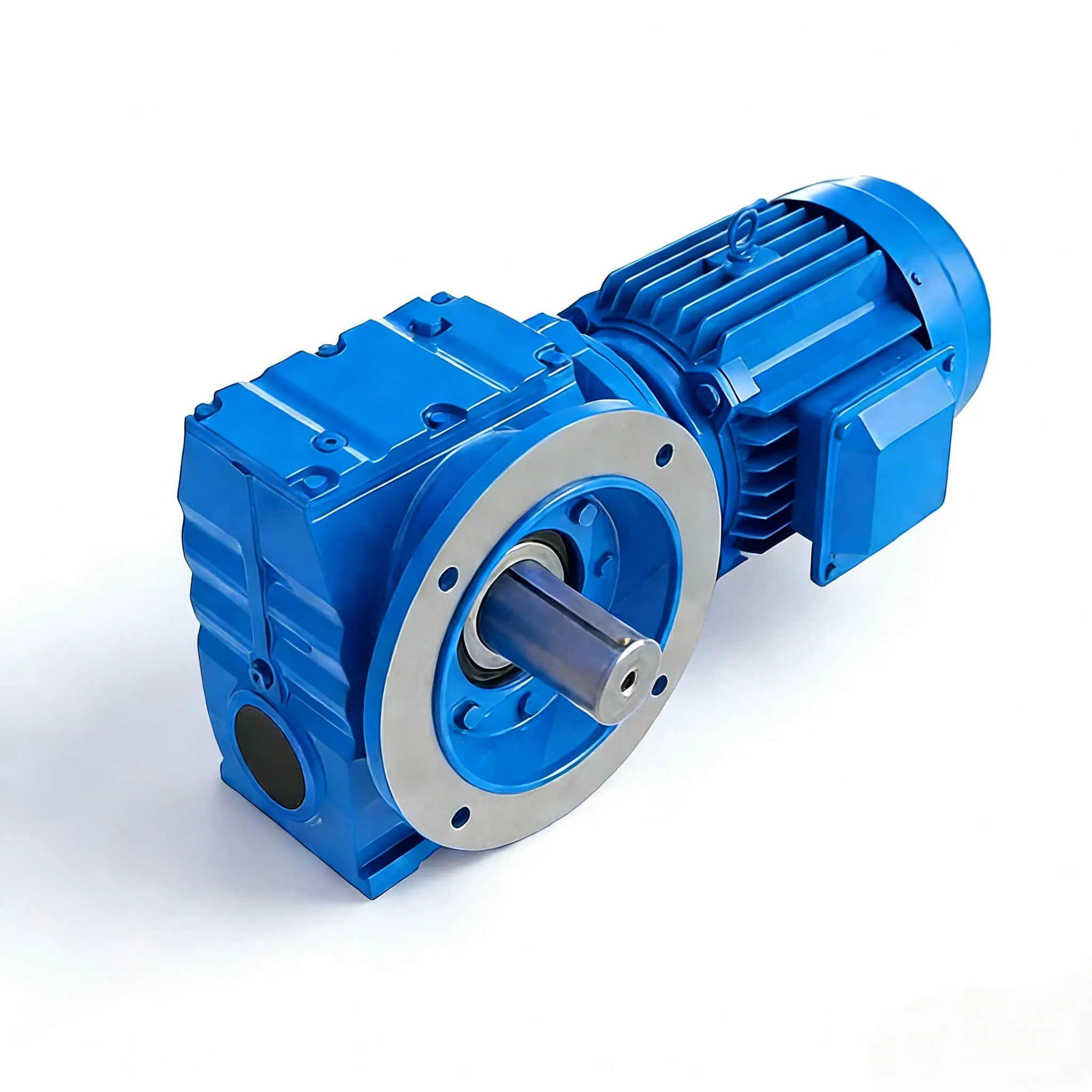
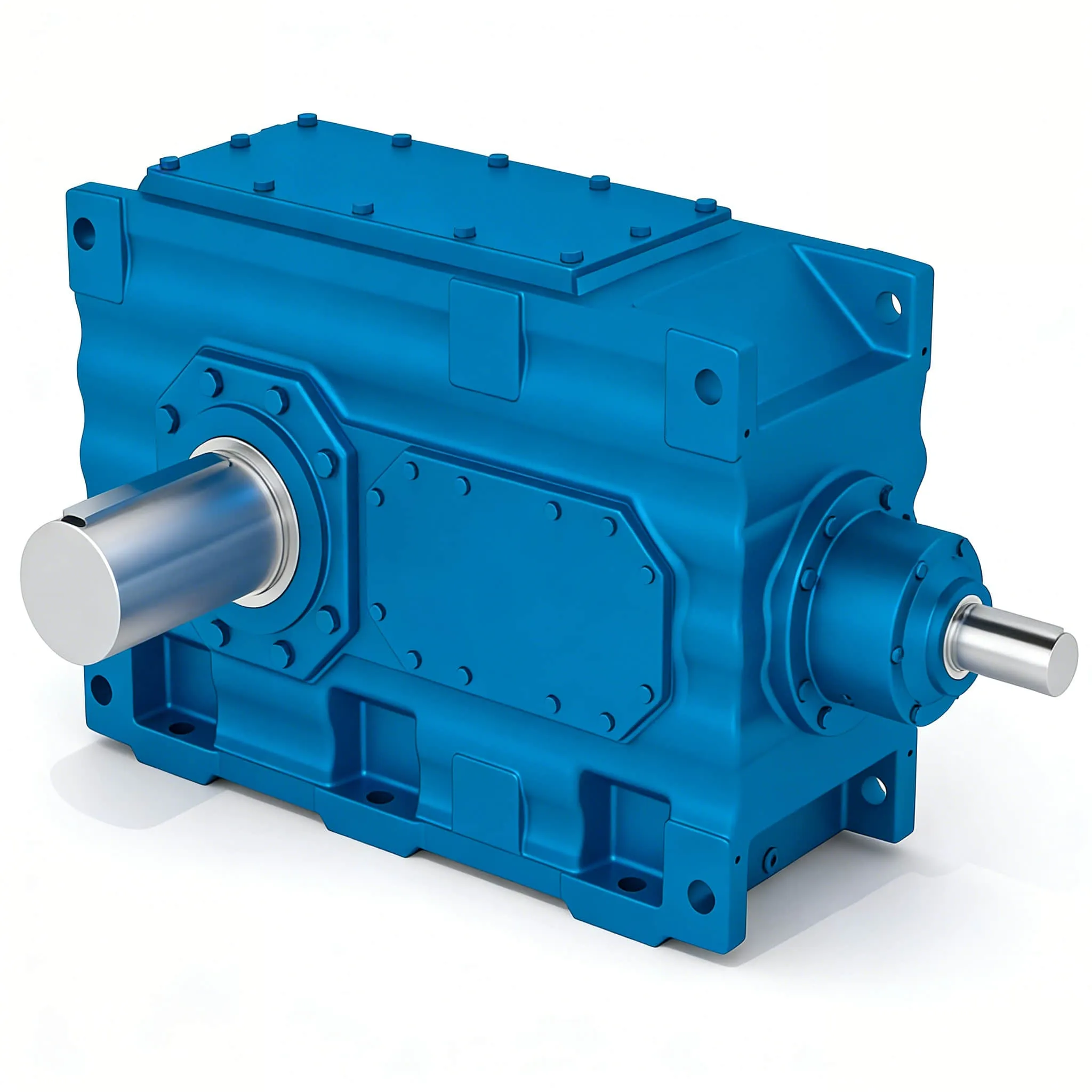
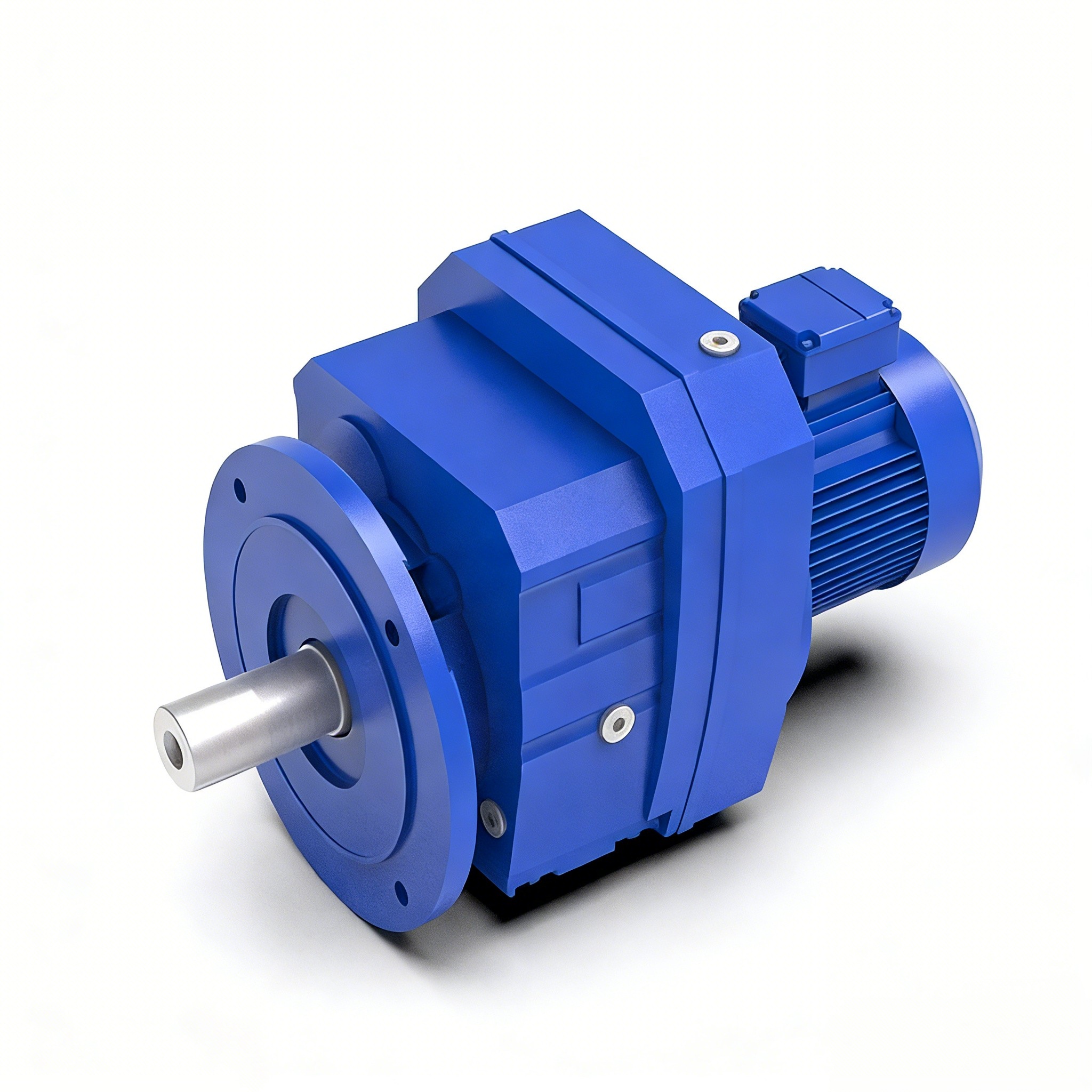
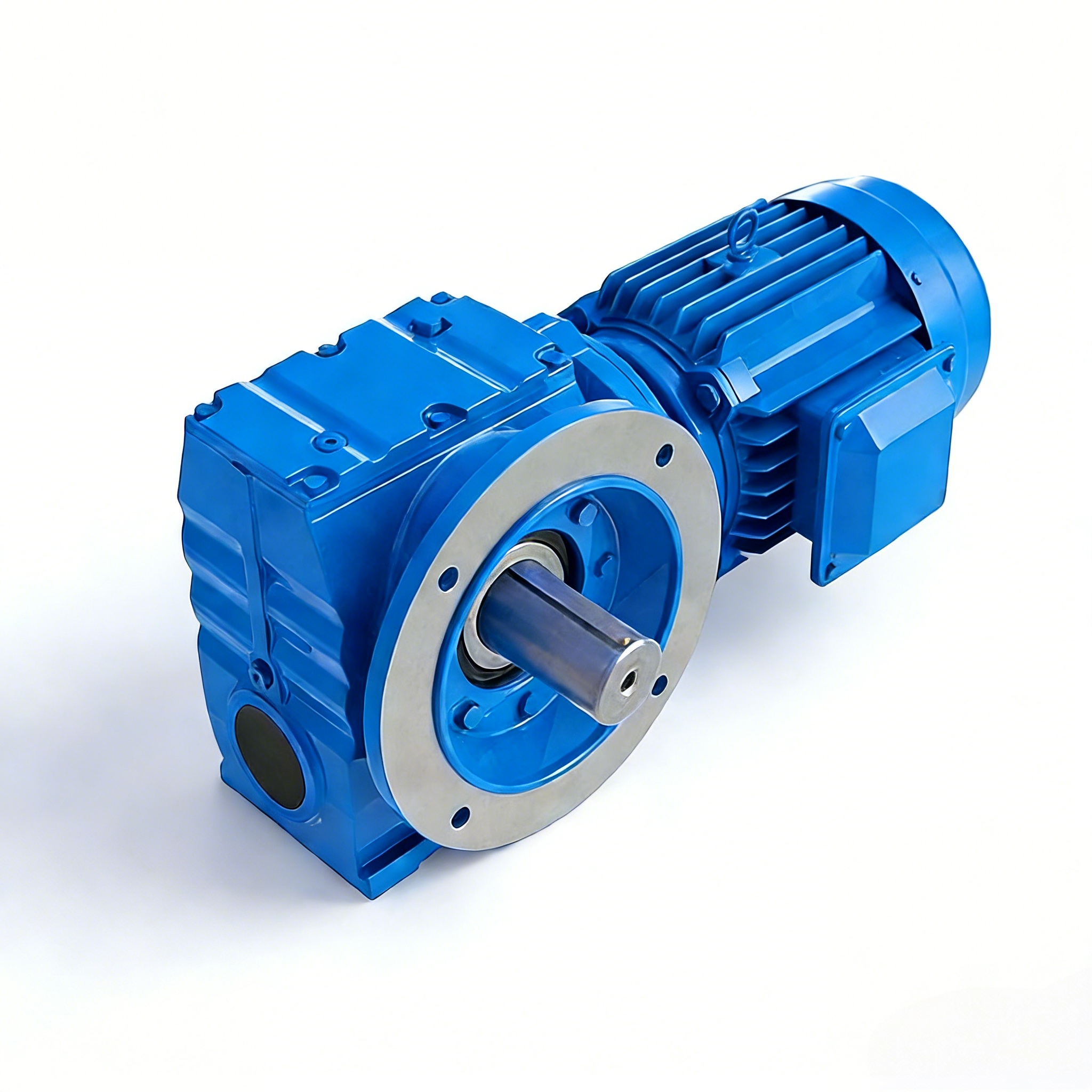
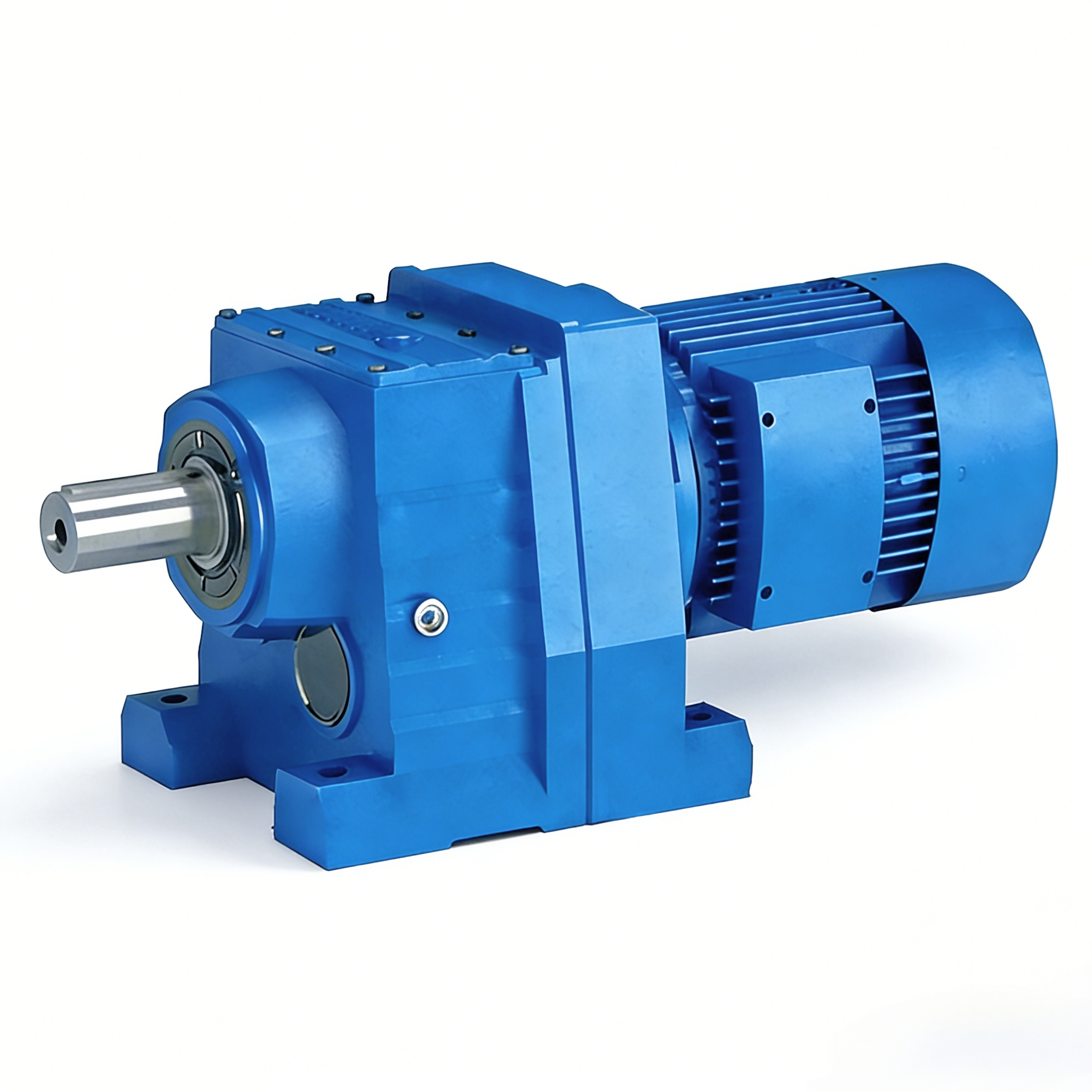
Motor reducer systems demonstrate outstanding reliability characteristics that minimize operational disruptions while maximizing equipment uptime through robust construction, integrated design advantages, and simplified maintenance requirements that reduce total cost of ownership over extended service periods. The integrated construction eliminates potential failure points associated with separate motor and gearbox installations, such as coupling misalignment, shaft deflection, and connection loosening that commonly plague traditional drive systems, resulting in inherently more reliable operation with fewer maintenance interventions required throughout the equipment lifecycle. The precision manufacturing processes used in modern motor reducer production ensure optimal gear mesh characteristics, proper bearing preload, and exact component tolerances that contribute to smooth, quiet operation with minimal wear patterns and extended component lifespan under normal operating conditions. Advanced lubrication systems incorporated within motor reducer housings provide optimal lubricant distribution to all moving components while preventing contamination ingress, ensuring consistent performance across wide temperature ranges and diverse environmental conditions commonly encountered in industrial applications. The sealed construction typical of motor reducer units protects internal components from moisture, dust, and chemical exposure that could otherwise accelerate wear or cause premature failure, making these systems suitable for harsh environments including outdoor installations, washdown areas, and chemically aggressive atmospheres. Maintenance requirements for motor reducer systems are significantly reduced compared to separate motor and gearbox installations, as the integrated design eliminates alignment procedures, reduces the number of lubrication points, and simplifies inspection protocols while providing convenient access to key maintenance areas through strategically positioned service ports and removable covers. The standardized mounting interfaces and connection methods facilitate rapid replacement procedures when service is required, minimizing downtime and reducing labor costs associated with maintenance activities. Furthermore, the distributed load characteristics of motor reducer gear trains result in gradual wear patterns rather than sudden failures, enabling predictive maintenance strategies that allow scheduled service intervals rather than emergency repairs, contributing to improved production scheduling and reduced operational disruptions that benefit overall facility efficiency and profitability metrics.

 EN
EN