
 EN
EN


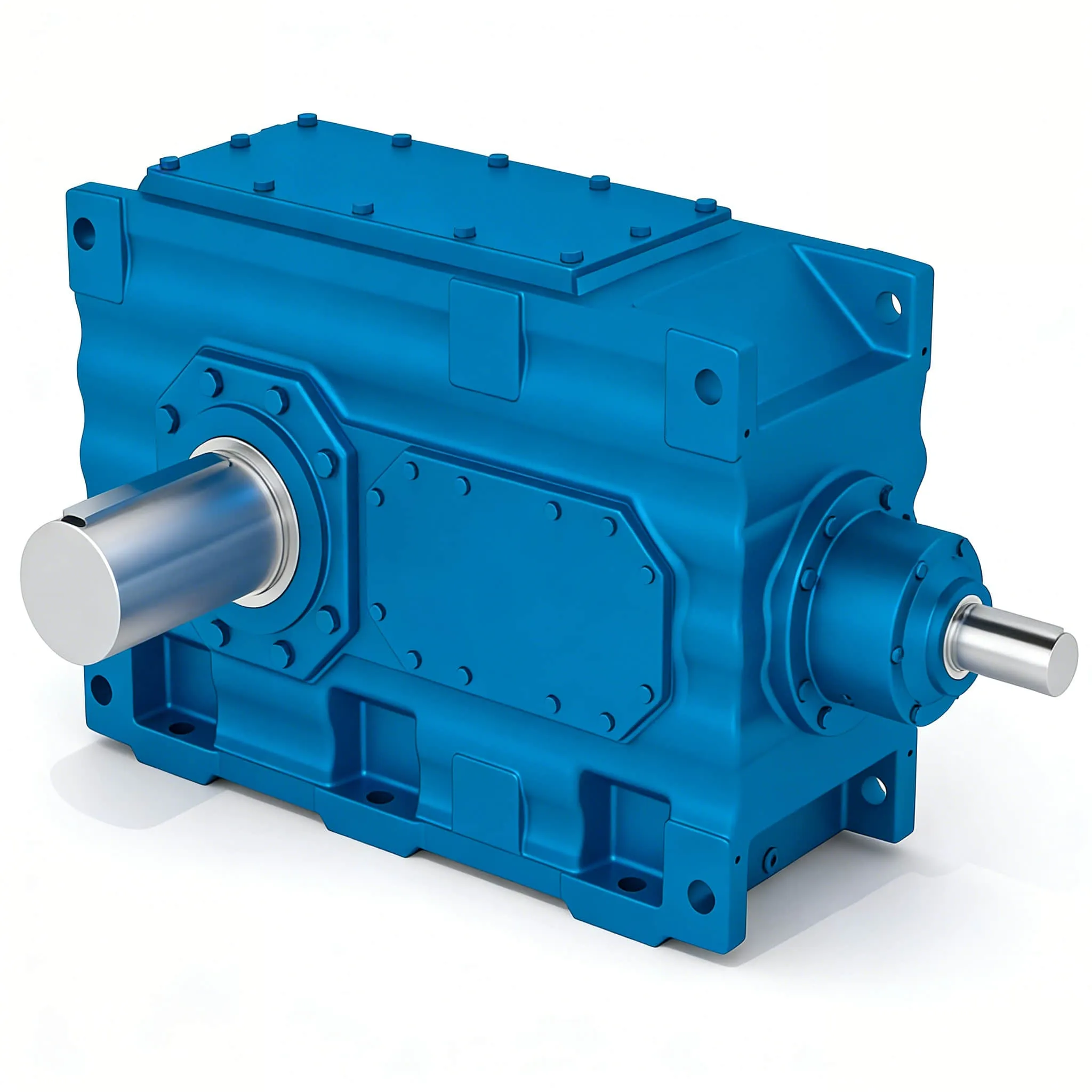
Selecting the appropriate drive gearbox for your conveyor system represents one of the most critical decisions in industrial material handling design. The gearbox serves as the mechanical heart of any conveyor operation, determining not only the system's efficiency and reliability but also its operational costs and maintenance requirements over the equipment's entire lifecycle.
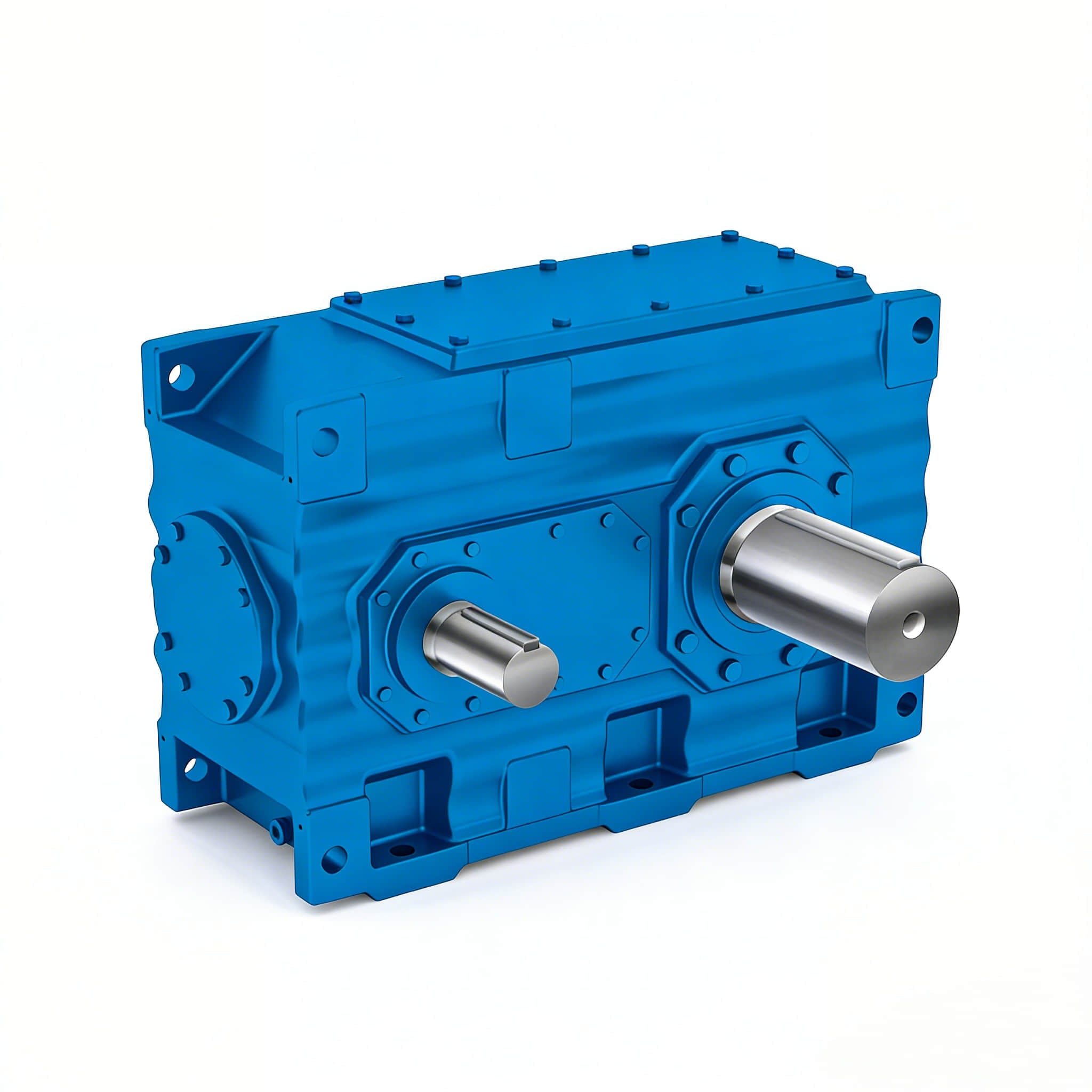
The complexity of modern conveyor applications demands a systematic approach to gearbox selection that considers multiple technical, operational, and economic factors. From mining operations moving bulk materials across vast distances to precision assembly lines in electronics manufacturing, each conveyor application presents unique challenges that directly influence the optimal gearbox configuration. Understanding these selection criteria and their interdependencies enables engineers and facility managers to make informed decisions that optimize both immediate performance and long-term operational success.
Load Analysis and Power Requirements
Calculating Conveyor Load Characteristics
Accurate load analysis forms the foundation of proper gearbox selection for any conveyor system. The total load on a conveyor drive system includes not only the weight of materials being transported but also the resistance forces generated by belt tension, bearing friction, and incline effects. Engineers must calculate the effective tension required to move the loaded belt, considering factors such as belt length, material density, conveyor speed, and any elevation changes throughout the transport path.
Dynamic loading conditions significantly impact gearbox requirements beyond static calculations. Conveyor systems experience varying loads during startup, normal operation, and emergency stops. Starting torque requirements often exceed running torque by factors of 2 to 4, depending on the system configuration and load distribution. Additionally, shock loads from material impact, belt splice joints, or uneven material distribution create momentary torque spikes that the gearbox must accommodate without damage or excessive wear.
Material characteristics directly influence the load profile that the conveyor gearbox must handle. Abrasive materials like sand or crushed stone create different operational stresses compared to packaged goods or bulk agricultural products. The particle size distribution, moisture content, and flow characteristics of transported materials affect both the steady-state power requirements and the dynamic loading patterns that influence gearbox selection criteria.
Power Transmission Efficiency Considerations
Gearbox efficiency directly impacts the overall power consumption and operational costs of conveyor systems. Modern industrial gearboxes typically achieve efficiency ratings between 94% and 98%, with helical and planetary configurations generally offering superior efficiency compared to worm gear designs. The efficiency rating affects not only energy consumption but also heat generation, which influences lubrication requirements and component longevity in conveyor applications.
Service factor selection accounts for the uncertainty and variability inherent in conveyor operations. Industry standards typically recommend service factors ranging from 1.25 to 2.0 for conveyor applications, depending on the duty cycle, load variability, and operational environment. Higher service factors provide additional safety margin but require larger, more expensive gearboxes. Proper service factor selection balances equipment cost against operational reliability and maintenance requirements.
Power transmission requirements must account for future system modifications and capacity expansions. Many conveyor installations undergo upgrades or modifications during their operational life, potentially increasing load requirements or changing operational parameters. Selecting a gearbox with appropriate reserve capacity enables future system enhancements without complete drive system replacement, providing long-term operational flexibility and cost effectiveness.
Speed Reduction and Torque Multiplication
Determining Required Gear Ratios
The gear ratio selection process begins with establishing the relationship between motor speed and desired conveyor belt speed. Most industrial conveyor systems operate with belt speeds ranging from 50 to 500 feet per minute, while standard AC motors operate at synchronous speeds of 1800 or 3600 RPM. The required gear ratio calculation must account for drive pulley diameter, belt speed requirements, and any intermediate speed reduction components in the drive train configuration.
Torque multiplication characteristics of the gearbox must align with the torque requirements of the conveyor system. Higher gear ratios provide greater torque multiplication, enabling smaller motors to drive heavily loaded conveyor systems. However, increased gear ratios also result in proportional speed reduction, which may limit system responsiveness or require larger gearbox housings to accommodate the additional gear stages necessary for high reduction ratios.
Standard gear ratio availability influences both initial equipment cost and long-term maintenance considerations. Manufacturers typically offer standard ratio increments, with custom ratios available at premium pricing and extended delivery times. Selecting from standard ratio offerings reduces initial cost and ensures readily available replacement components. However, system optimization may occasionally justify custom ratios when significant operational benefits result from precise speed matching.
Multi-Stage Reduction Strategies
Complex conveyor systems often require multi-stage speed reduction to achieve optimal performance characteristics. Two-stage gearboxes provide gear ratios typically ranging from 10:1 to 100:1, while three-stage configurations can achieve ratios exceeding 500:1. The number of reduction stages affects gearbox size, efficiency, cost, and maintenance requirements, requiring careful analysis of system requirements and operational priorities.
Planetary gear configurations offer compact multi-stage reduction with high torque capacity and excellent efficiency characteristics. These designs prove particularly advantageous in space-constrained conveyor installations or applications requiring high torque density. Planetary gearboxes typically provide longer service life and lower maintenance requirements compared to conventional parallel shaft designs, though at higher initial cost.
The arrangement of reduction stages within the gearbox affects both performance characteristics and maintenance accessibility. Front-mounted reduction stages handle higher speeds but lower torques, while final reduction stages operate at high torque and low speed. This arrangement influences gear tooth design, bearing selection, and lubrication requirements throughout the gearbox assembly, affecting both performance and maintenance planning.
Environmental Conditions and Mounting Requirements
Operating Environment Assessment
Environmental conditions significantly influence gearbox selection criteria for conveyor applications. Temperature extremes affect lubricant viscosity, seal performance, and thermal expansion characteristics that impact gearbox operation and longevity. Cold temperature operations may require synthetic lubricants and special seal materials, while high-temperature environments demand enhanced cooling provisions and high-temperature lubricant formulations to maintain reliable operation.
Dust and contamination levels in the operating environment directly impact gearbox sealing requirements and maintenance intervals. Conveyor systems in mining, cement, or agricultural applications typically operate in highly contaminated environments requiring specialized sealing systems and robust housing designs. Food processing and pharmaceutical applications may require washdown capability and special surface treatments to meet sanitary requirements.
Vibration and shock conditions from conveyor operation or adjacent equipment influence gearbox mounting and internal component design requirements. Heavy-duty mining conveyors generate significant vibration that requires robust gearbox construction and specialized mounting systems. Precision assembly line conveyors may require vibration-dampened gearbox mounting to prevent interference with sensitive positioning or quality control operations.
Mounting Configuration and Space Constraints
Physical space limitations often dictate gearbox configuration and mounting options for conveyor installations. Foot-mounted gearboxes provide stable mounting and easy maintenance access but require adequate floor space and structural support. Flange-mounted configurations enable space-efficient installation but may complicate maintenance access and require specialized lifting equipment for service operations.
Input and output shaft orientations must align with motor and driven equipment configurations while accommodating space constraints and maintenance access requirements. Inline shaft arrangements provide compact installations with efficient power transmission, while right-angle configurations enable flexible layout options but may sacrifice some efficiency. Universal mounting provisions allow field adjustment of input and output orientations, providing installation flexibility at modest cost increases.
Foundation and structural requirements vary significantly based on gearbox size, mounting configuration, and operational loads. Large conveyor gearboxes may require dedicated concrete foundations with vibration isolation provisions, while smaller units may mount directly to structural steel frameworks. Proper foundation design ensures stable operation, reduces vibration transmission, and provides adequate access for maintenance and service operations.
Maintenance and Reliability Factors
Lubrication System Requirements
Lubrication system design significantly impacts the reliability and maintenance requirements of conveyor drive gearboxes. Splash lubrication systems offer simplicity and reliability for smaller gearboxes operating at moderate speeds and loads. Larger conveyor gearboxes often require forced circulation lubrication systems with filtration and cooling provisions to handle the heat generation and ensure adequate lubrication of all internal components under varying load conditions.
Lubricant selection criteria include viscosity requirements, temperature stability, and compatibility with seal materials and gearbox metallurgy. Synthetic lubricants offer superior temperature stability and longer service intervals but at higher initial cost. Conventional petroleum-based lubricants provide adequate performance for most conveyor applications at lower cost but may require more frequent change intervals and closer monitoring of operating temperatures.
Oil analysis programs enable predictive maintenance strategies that maximize gearbox reliability while minimizing maintenance costs. Regular analysis of lubricant condition, wear particle concentration, and contamination levels provides early warning of developing problems before they result in equipment failure. Implementing systematic oil analysis programs requires initial investment in sampling procedures and laboratory analysis but typically provides significant returns through extended equipment life and reduced unplanned downtime.
Component Accessibility and Service Requirements
Maintenance accessibility considerations affect both routine service requirements and major repair costs over the gearbox service life. Removable inspection covers enable visual inspection of internal components and lubricant condition without complete disassembly. Drain and fill ports located for easy access reduce service time and improve the likelihood of proper maintenance execution by plant personnel.
Bearing and seal replacement procedures significantly impact maintenance costs and downtime requirements. Gearboxes designed with replaceable bearing cartridges or modular seal assemblies enable faster service operations and reduce the specialized tools required for maintenance. Standard bearing sizes and readily available seal components reduce inventory requirements and ensure rapid availability of replacement parts.
Predictive maintenance compatibility enables condition-based maintenance strategies that optimize both equipment reliability and maintenance costs. Vibration monitoring provisions, temperature sensing capabilities, and oil analysis ports facilitate systematic monitoring of gearbox condition. These features enable early detection of developing problems and allow maintenance scheduling during planned shutdowns rather than emergency repairs during critical production periods.
FAQ
What is the typical service life expectation for a properly selected conveyor drive gearbox?
A properly selected and maintained conveyor drive gearbox typically provides 15 to 25 years of reliable service life, depending on operating conditions, duty cycle, and maintenance practices. Heavy-duty mining and bulk material handling applications may experience shorter service life due to extreme operating conditions, while precision assembly line applications often exceed 25 years with proper care. Key factors affecting service life include load factor, environmental conditions, lubrication quality, and adherence to recommended maintenance schedules.
How do I determine if my existing conveyor gearbox is properly sized for current operating conditions?
Evaluating existing gearbox sizing involves analyzing current operating temperatures, vibration levels, and lubricant condition compared to manufacturer specifications. Operating temperatures consistently above 180°F (82°C) or unusual vibration patterns may indicate overloading or improper application. Oil analysis revealing excessive wear particles or shortened lubricant life also suggests potential sizing issues. Professional evaluation should include power measurement, thermal imaging, and vibration analysis to determine if the gearbox operates within design parameters.
What are the key differences between helical and worm gear designs for conveyor applications?
Helical gearboxes offer superior efficiency (95-98%) and higher speed capability but require backstopping devices to prevent reverse rotation in inclined conveyor applications. Worm gear designs provide inherent backstopping and compact size but operate at lower efficiency (70-90%) and generate more heat. Helical designs typically offer longer service life and lower operating costs, while worm gears excel in applications requiring self-locking capability and compact mounting arrangements.
When should I consider upgrading to a premium efficiency gearbox for my conveyor system?
Premium efficiency gearboxes justify their higher initial cost in applications operating more than 4000 hours annually or systems exceeding 25 horsepower. Energy savings from 2-4% efficiency improvement typically recover the cost premium within 2-4 years in continuous operation applications. Additional benefits include reduced heat generation, longer lubricant life, and improved reliability. The decision should consider energy costs, duty cycle, environmental regulations, and corporate sustainability goals alongside pure economic factors.
Table of Contents
- Load Analysis and Power Requirements
- Speed Reduction and Torque Multiplication
- Environmental Conditions and Mounting Requirements
- Maintenance and Reliability Factors
-
FAQ
- What is the typical service life expectation for a properly selected conveyor drive gearbox?
- How do I determine if my existing conveyor gearbox is properly sized for current operating conditions?
- What are the key differences between helical and worm gear designs for conveyor applications?
- When should I consider upgrading to a premium efficiency gearbox for my conveyor system?