
 EN


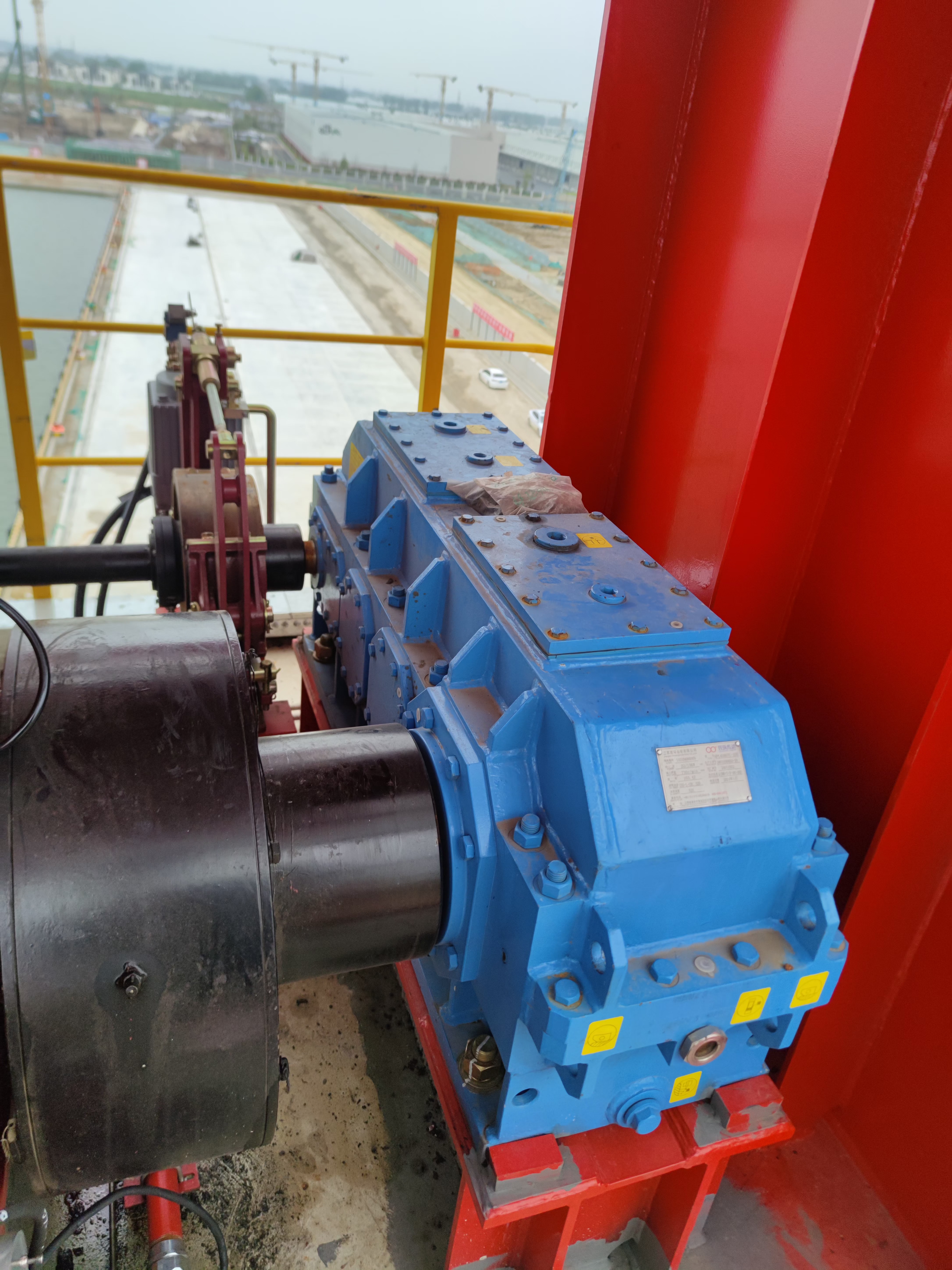
Selecting the right gearbox for a winch application requires understanding which features directly impact performance, reliability, and operational efficiency. A winch gearbox must deliver consistent torque transmission, handle heavy loads, and maintain durability under demanding conditions. The choice of gearbox features determines whether your winch system operates smoothly under rated capacity or fails prematurely under stress. This guide explores the critical gearbox features that matter most when designing or upgrading a winch system.

Industrial winch applications span construction, mining, marine, and heavy equipment sectors. Each environment demands specific gearbox characteristics to ensure safe load handling and extended service life. Understanding how gearbox design, material selection, and engineering specifications influence winch performance allows operators and engineers to make informed procurement decisions. A well-engineered winch gearbox balances efficiency, strength, and cost-effectiveness.
Gear Ratio and Load Handling Capacity
Why Gear Ratio Matters for Winch Performance
The gear ratio in a winch gearbox determines the mechanical advantage that translates motor input into pulling force. A higher gear ratio multiplies torque output, enabling the winch to lift heavier loads at slower line speeds. Conversely, a lower gear ratio prioritizes speed over maximum pulling capacity. The correct gear ratio depends on your specific load requirements and duty cycle. For a winch designed to handle 10-ton loads, the gearbox must provide sufficient gear reduction to generate the necessary mechanical advantage without exceeding motor power limits. Engineers calculate winch gear ratios by considering motor horsepower, desired line speed, and maximum load weight.
Torque Transmission and Safety Margins
A winch gearbox must reliably transmit torque from the motor to the drum without slipping or failure. The gearbox housing, gear teeth, and internal bearings all contribute to this torque transmission capability. Safety margins are critical because peak loads during emergency stops or sudden resistance changes can spike torque 20 to 40 percent above rated values. The winch gearbox design must accommodate these transient spikes while remaining within acceptable stress limits. Undersized gear teeth or inadequate material strength in a winch gearbox can lead to catastrophic tooth fracture, drum seizure, or complete loss of load control. Properly engineered winch systems include rated torque specifications with clearly defined safety factors.
Durability and Material Selection
Gear Material and Surface Treatment
The material composition directly influences how long a winch gearbox performs reliably. Cast iron, ductile iron, and alloy steel are common choices for winch gear bodies and internal components. Alloy steel gears in a winch application offer superior strength and fatigue resistance compared to cast iron, allowing smaller, more efficient gearbox designs. Surface treatments such as case hardening, nitriding, or induction hardening extend the wear life of winch gear teeth, particularly in high-cycle or continuous-duty applications. These treatments create a hardened outer layer that resists tooth pitting and micropitting while maintaining toughness in the core material. A winch gearbox specified for marine or corrosive environments may require special coatings or stainless-steel components to prevent rust and degradation.
Bearing Quality and Lubrication Systems
Bearings support the rotating shafts and gears within the winch gearbox, so their quality directly affects system longevity. High-precision ball or roller bearings reduce friction and heat generation, improving overall efficiency. The lubrication system in a winch gearbox must supply clean, mineral oil or synthetic lubricant at proper viscosity to reduce wear between gear teeth and bearing races. Many winch gearboxes use sealed bearing arrangements that minimize contamination ingress, extending service intervals. Proper oil circulation throughout the winch gearbox case prevents hotspots and ensures consistent cooling. Maintenance checks should verify oil level, clarity, and adherence to the manufacturer's recommended grade for your specific winch application.
Efficiency and Temperature Management
Heat Dissipation in Continuous Winch Operations
Continuous-duty winch applications generate considerable friction and internal heat within the gearbox. A winch gearbox operating at full capacity may produce significant temperature rise if cooling is inadequate. Finned or ribbed housings increase the surface area available for passive heat dissipation to ambient air. Some industrial winch systems incorporate cooling fans or circulation pumps to actively manage gearbox temperature. Excessive heat in a winch gearbox accelerates lubricant breakdown, reduces gear tooth strength, and can cause seal failure. Temperature monitoring or thermal cutoff features protect the winch from overheating damage. Selecting a winch gearbox with appropriate thermal capacity for your duty cycle prevents premature wear and unexpected shutdowns.
Efficiency Losses and Power Transmission
Energy efficiency in a winch gearbox directly impacts operating costs and motor sizing requirements. Friction within the gearbox, from gear mesh sliding and bearing resistance, creates efficiency losses typically ranging from 5 to 15 percent depending on design and maintenance. Well-lubricated, precision-cut gear teeth reduce sliding friction and improve overall efficiency of the winch system. Higher efficiency means more of the motor's input power transfers to useful load pulling rather than being wasted as heat. A winch gearbox with 92 percent efficiency requires 8 percent less motor horsepower than one with 86 percent efficiency for the same pulling capacity. Operators should verify the efficiency rating when comparing winch gearbox options for cost-benefit analysis.
Environmental Adaptation and Sealing
Protection Against Contamination and Moisture
Winch applications in construction sites, mines, and marine environments expose the gearbox to dust, water spray, and corrosive chemicals. Advanced sealing systems in a winch gearbox prevent these contaminants from entering the oil reservoir and degrading gear surfaces. Multi-stage labyrinth seals, felt wipers, and dynamic oil seals work together to keep the winch gearbox interior clean. Magnetic drain plugs in some winch systems capture ferrous wear particles, allowing operators to monitor gearbox health through debris analysis. Contaminated oil in a winch gearbox accelerates wear, reduces efficiency, and can cause unexpected failures. Proper sealing extends the interval between oil changes and reduces maintenance costs over the winch system's operational life.
Corrosion Resistance for Harsh Environments
Winch systems deployed in coastal, marine, or chemically intensive environments require gearbox materials and finishes that resist corrosion. Epoxy-coated housings or stainless-steel fasteners prevent rust formation on a winch gearbox exterior. Internal surfaces benefit from premium lubricants containing corrosion inhibitors that protect steel and cast iron components within the winch system. Choosing a winch gearbox designed for your specific environmental conditions ensures long-term reliability without unexpected corrosion damage. Harsh-duty winch applications often specify sealed, maintenance-free gearbox designs to minimize oil exposure and contamination risk.
FAQ
What gear ratio should I select for my winch application?
Gear ratio selection depends on your motor horsepower, desired line speed, and maximum load weight. A higher gear ratio provides greater pulling force at lower speeds, ideal for heavy, intermittent loads. Lower ratios prioritize speed for faster cycle times. Calculate the required torque by multiplying load weight by drum radius, then divide by motor torque to find the necessary gear reduction. Consult the winch manufacturer's selection chart or engineering team to match the right ratio to your application.
How often should I change the oil in a winch gearbox?
Oil change intervals for a winch gearbox depend on duty cycle, operating temperature, and oil type. Light-duty winch systems may operate 1,000 to 2,000 hours between oil changes, while continuous-duty winch gearboxes require changes every 500 to 1,000 hours or annually. Follow the manufacturer's maintenance schedule and monitor oil condition through regular inspection. Dark, milky, or gritty oil indicates contamination and requires immediate oil change and investigation of seal integrity.
Can I upgrade my existing winch with a higher-capacity gearbox?
Yes, upgrading to a higher-capacity winch gearbox is possible if the mounting footprint, shaft interfaces, and power input match your motor specifications. A more robust winch gearbox with higher gear ratio or improved materials can handle greater loads or extend service life. Verify that the upgraded winch gearbox integrates with your existing drum, controls, and safety systems. Consult with a gearbox engineer to ensure compatibility and optimal performance of the upgraded winch system.