
 EN


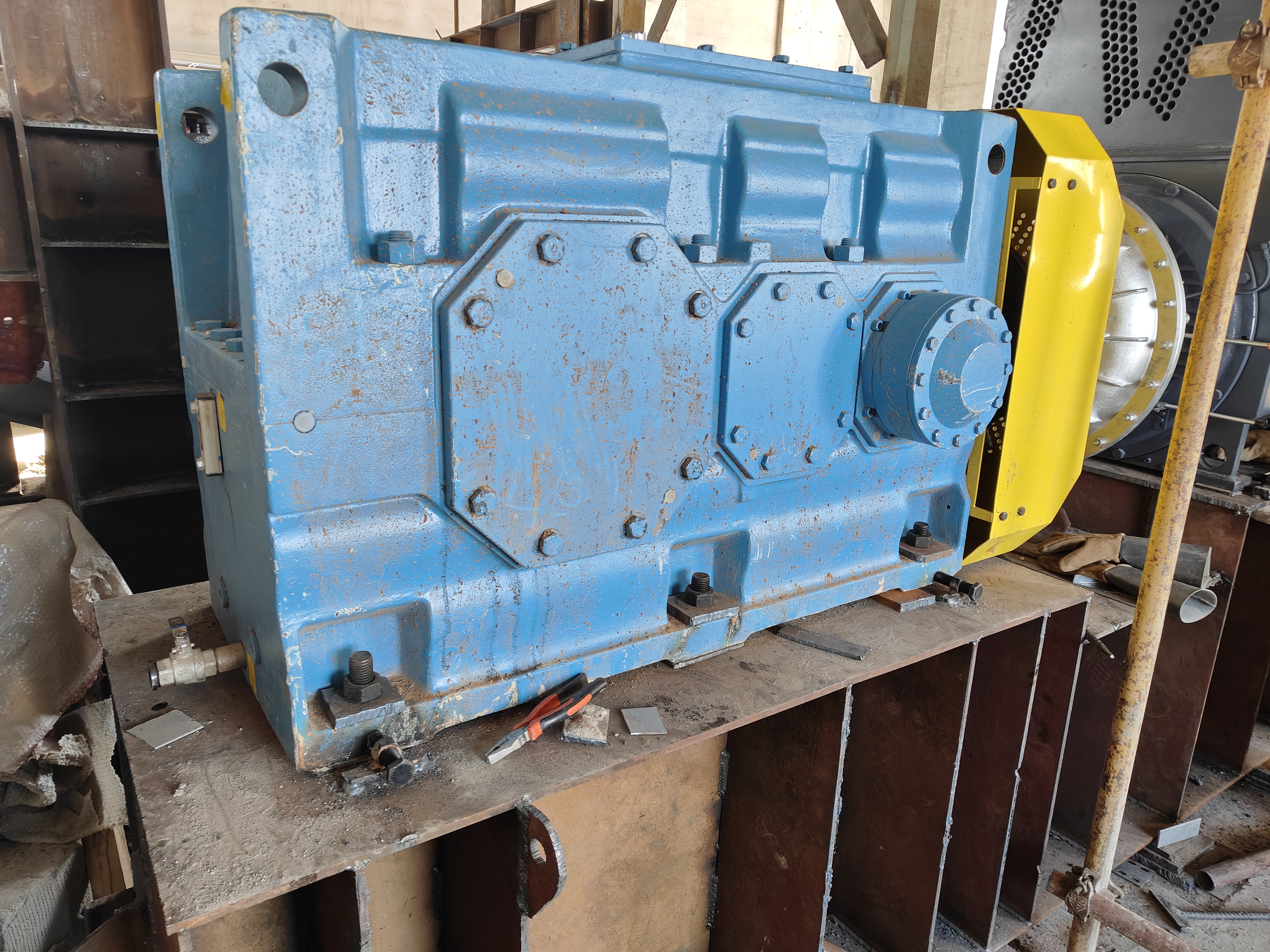
Selecting the right winch for heavy lifting tasks is one of the most critical decisions in industrial operations. A properly chosen winch ensures safe, efficient, and reliable load handling across construction sites, manufacturing facilities, maritime operations, and mining environments. Whether you operate a single winch or manage an entire fleet, understanding how to evaluate and select a winch gearbox directly impacts operational safety, equipment longevity, and project costs. This guide walks you through the essential factors that determine whether a winch will perform reliably under your specific conditions.

A winch gearbox serves as the power transmission heart of any lifting system. It converts the rotational force from a motor into the torque and speed needed to raise, lower, or hold loads safely. The gearbox quality, design, and specification directly influence how well your winch performs in demanding environments. Choosing a winch without proper analysis of load requirements, duty cycles, and environmental conditions often leads to premature failures, safety incidents, and unplanned maintenance downtime that disrupts production schedules.
Understanding Load Capacity and Duty Cycle Requirements
Calculating Your True Load Capacity Needs
The first step in choosing a winch is determining the maximum load you need to lift regularly and occasionally. Many operators focus only on the heaviest single load and neglect the average working load, which determines how long your winch gearbox will actually perform efficiently. A winch rated for 10 tons can technically lift 10 tons, but if you consistently load it to that maximum, the gearbox will experience accelerated wear. Calculate both your maximum load and your typical daily load profile. Then add a safety margin—typically 20 to 30 percent—to ensure your winch operates well within its safe working range. This margin protects your winch against unexpected surges, shock loads, and degradation over time. For a winch handling loads between 2 and 8 tons daily with occasional 10-ton lifts, a winch rated for 15 tons provides realistic operational headroom.
Assessing Duty Cycle and Frequency
Duty cycle defines how often and for how long your winch operates each day. A light-duty winch used occasionally in a warehouse environment differs fundamentally from a heavy-duty winch operating continuously at a shipyard or construction site. Heavy-duty and continuous-duty winches require more robust gearbox designs, premium bearing materials, and enhanced cooling systems. An industrial winch in heavy-duty service undergoes constant thermal cycling, which stresses the gearbox seals and lubricant. When choosing a winch for frequent operation, specify a gearbox engineered for continuous duty, not light-duty. Manufacturers typically classify winches by duty cycle: light-duty for occasional use, medium-duty for regular use, and heavy-duty for near-continuous operation. Selecting a winch one category below your actual needs guarantees premature gearbox failure and safety risks.
Evaluating Gearbox Design and Mechanical Specifications
Gear Type and Reduction Ratio Selection
The gearbox design fundamentally affects how your winch performs under load. Helical gears, bevel gears, and planetary systems each offer different efficiency, noise, and load distribution characteristics. A helical gearbox in your winch provides smooth, quiet operation with high efficiency, making it ideal for operations requiring consistent speed control. Bevel gears excel in winches requiring compact designs or perpendicular shaft arrangements. When choosing a winch for your application, the reduction ratio—the speed reduction from motor to drum—determines lifting speed and torque output. A winch with a high reduction ratio lifts slower but with greater force, suitable for heavy loads and safety-critical applications. A lower reduction ratio on a winch provides faster lifting speeds but less lifting power, appropriate for lighter loads or rapid positioning tasks. Industrial winches for heavy lifting typically use reduction ratios between 50:1 and 200:1, depending on load class and operational requirements.
Bearing Quality and Structural Integrity
The bearings inside your winch gearbox carry all the rotational and radial forces generated during lifting. Premium roller bearings and sealed ball bearings resist contamination and wear far longer than standard components. When choosing a winch, verify that the gearbox uses sealed or shielded bearings appropriate for your environment. Corrosive salt spray, dust, moisture, and extreme temperatures all degrade bearing performance. A winch operating in marine environments must have grease-lubricated sealed bearings, not oil-bathed open bearings. The gearbox housing material and wall thickness also matter—cast iron provides durability in high-vibration applications, while aluminum reduces weight but offers less damping. For heavy lifting tasks, cast iron winch gearboxes withstand years of demanding service better than lighter designs.
Environmental and Operational Compatibility
Temperature, Moisture, and Corrosion Resistance
Environmental conditions directly determine gearbox longevity. A winch used outdoors experiences temperature swings, moisture infiltration, and salt spray that accelerate corrosion and seal degradation. Choosing a winch with appropriate paint finishes, stainless steel fasteners, and corrosion-resistant lubricants extends service life dramatically. Tropical environments demand different gearbox specifications than arctic operations. High-temperature environments above 120 degrees Fahrenheit require synthetic lubricants engineered to remain stable in heat, preserving the film strength that protects gears inside your winch. Cold-weather winches need lubricants that remain pumpable at low temperatures. When choosing a winch for extreme climates, specify environmental ratings explicitly rather than assuming standard specifications apply.
Motor Type Integration and Power Source Compatibility
Your winch gearbox must integrate seamlessly with your available power source. Electric winches suit operations with reliable grid power or permanent installations. Hydraulic winches deliver compact power for mobile equipment and remote locations. When choosing a winch, match the motor type to your site infrastructure. An electric winch requiring three-phase industrial power won't function on single-phase supply. A hydraulic winch demands compatible pump capacity and hose routing. Pneumatic winches work well in explosive atmospheres where electrical equipment poses hazards. The coupling between motor and winch gearbox must align perfectly—misalignment introduces vibration that destroys gearbox bearings within months. Verify that your chosen winch includes proper motor interface specs and coupling support before purchase.
FAQ
What load rating should I choose for my winch if I typically lift 5 tons?
Choose a winch rated for at least 6.5 to 7 tons to include the recommended 20 to 30 percent safety margin above your typical load. This protects your winch gearbox from operating at maximum capacity continuously, which accelerates wear on internal components. A winch with excess capacity runs cooler, experiences lower stress, and lasts significantly longer in industrial service.
How often should I service my winch gearbox?
Heavy-duty winches in continuous operation benefit from gearbox oil analysis and filter changes every 500 operating hours or monthly, whichever comes first. Seasonal or occasional-use winches require inspection before each season and oil changes annually. Regular maintenance on your winch prevents costly failures and ensures safe operation. Always follow the manufacturer's specific maintenance schedule for your winch model.
Can I upgrade my existing winch to handle heavier loads?
Upgrading an existing winch gearbox to handle significantly heavier loads requires replacing internal gears, bearings, and possibly the motor—essentially installing a new winch. It is usually more cost-effective and safer to purchase a winch properly rated for your new load requirements. A winch engineered for specific loads performs more reliably than a modified system operating outside its design parameters.