
 EN
EN



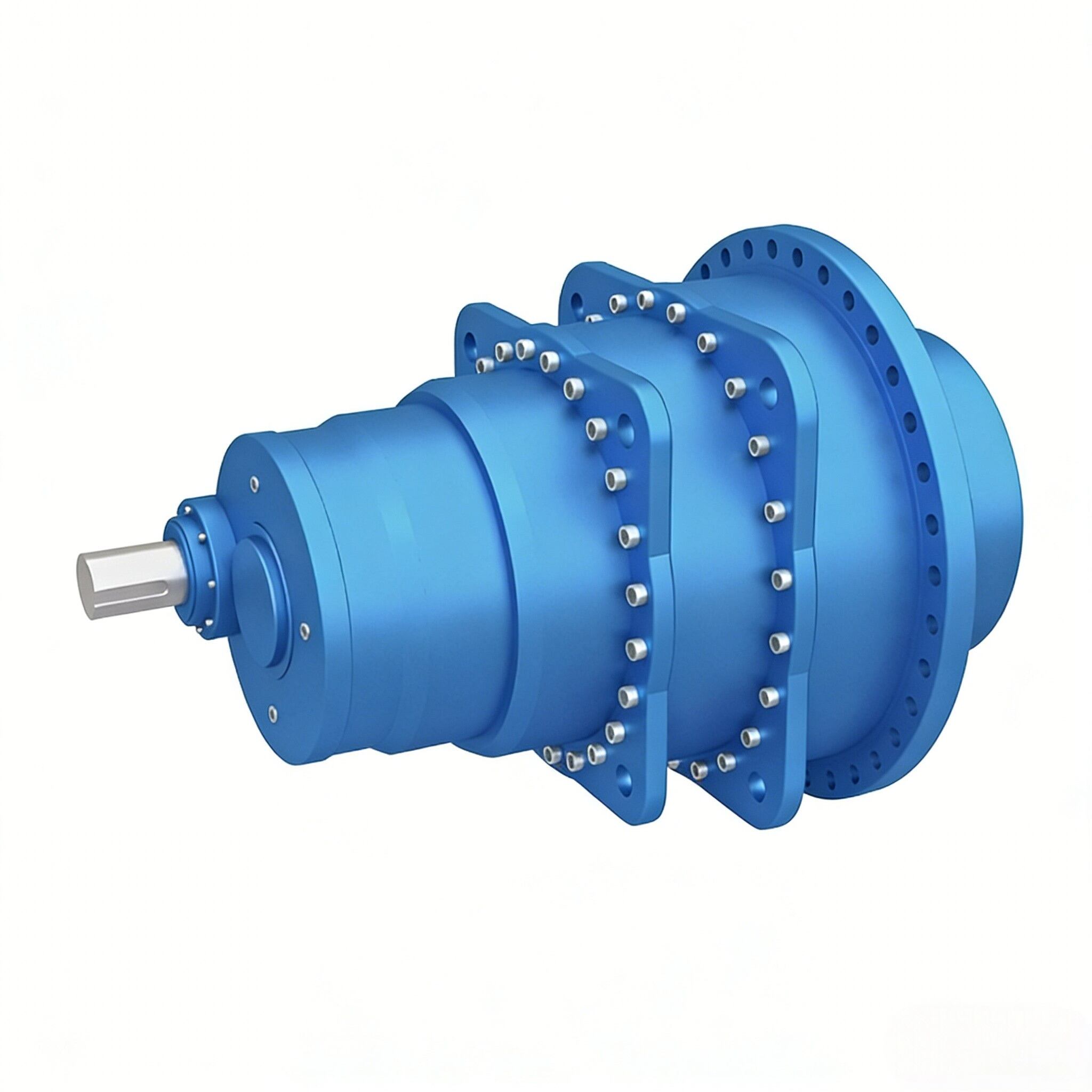
When mechanical systems operate under heavy loads, maintaining stability becomes critical for both performance and longevity. A coupling serves as the essential mechanical interface that connects rotating shafts while accommodating misalignment, vibration, and torque fluctuations that naturally occur during operation. Understanding how a coupling functions under load conditions reveals why these components are fundamental to system reliability and operational efficiency.
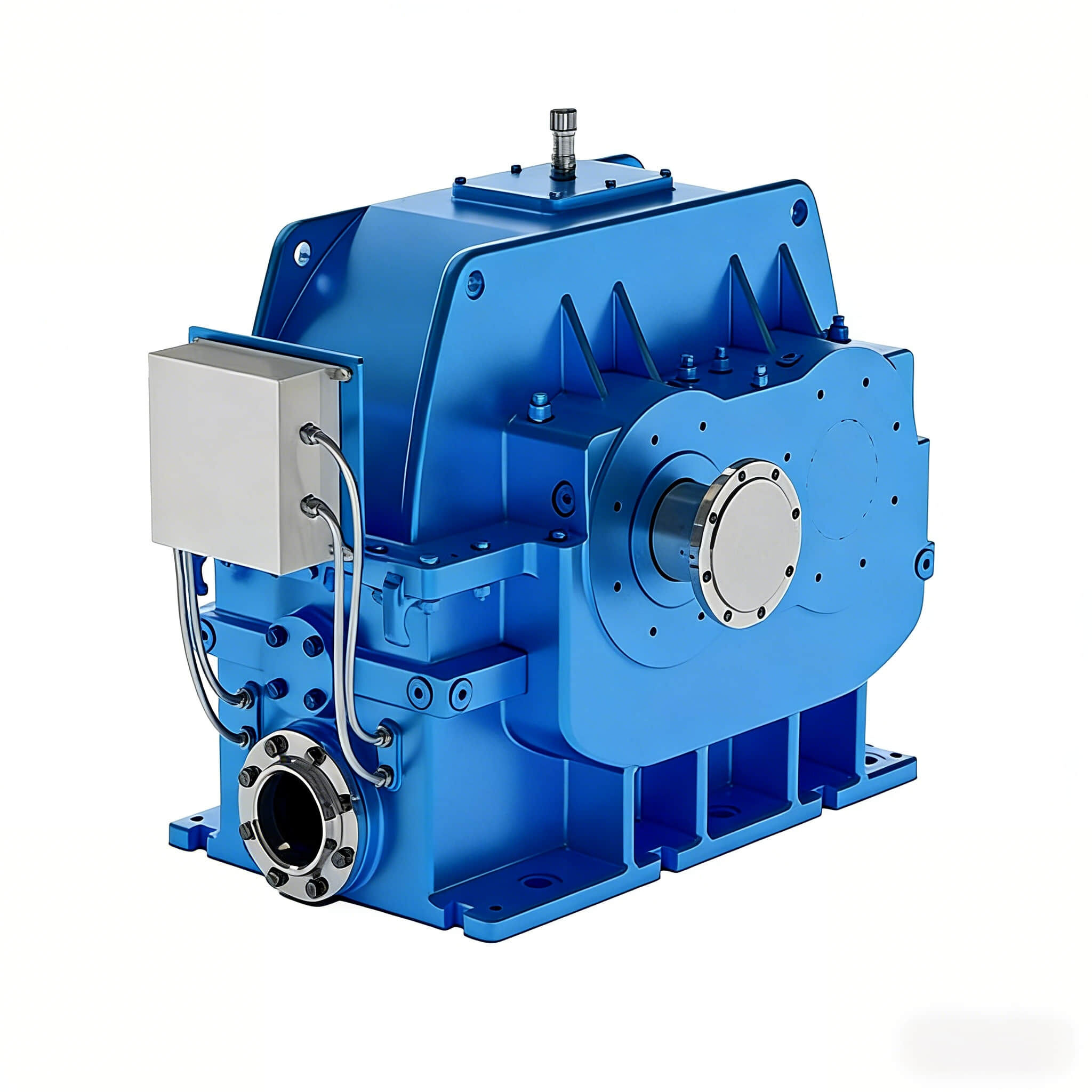
The stabilization mechanisms within a coupling extend beyond simple shaft connection, encompassing complex engineering principles that address dynamic forces, thermal expansion, and rotational irregularities. Through specialized design features and material properties, a coupling transforms potentially destructive forces into manageable energy transfer, creating a buffer zone that protects connected equipment while maintaining precise power transmission. This stabilizing effect becomes increasingly important as system loads increase and operational demands intensify.
Mechanical Stabilization Through Load Distribution
Force Redistribution Mechanisms
A coupling achieves system stability by redistributing concentrated forces across multiple contact surfaces and structural elements. When excessive loads enter the system, the coupling elements work collectively to spread these forces rather than allowing them to concentrate at single failure points. This distribution principle prevents localized stress concentrations that could lead to catastrophic component failure or system instability.
The internal geometry of a coupling plays a crucial role in force redistribution. Multiple engaging surfaces, whether through gear teeth, elastomeric elements, or disc configurations, create parallel load paths that share the transmitted torque. This redundancy ensures that if one load path experiences temporary overload or minor failure, the remaining paths maintain system operation while the coupling continues to provide stabilizing influence throughout the mechanical train.
Load distribution also extends to thermal management within the coupling assembly. As loads increase, generated heat becomes a destabilizing factor that can cause thermal expansion, material degradation, and performance inconsistency. A well-designed coupling incorporates thermal distribution features that prevent hot spots and maintain consistent material properties across operating temperature ranges, preserving stability characteristics even under sustained heavy load conditions.
Dynamic Response Characteristics
System stability under load depends heavily on how quickly and effectively the coupling responds to changing conditions. Dynamic response characteristics determine whether load variations result in smooth adaptation or destabilizing oscillations that propagate throughout the connected machinery. A coupling with appropriate dynamic properties acts as a mechanical filter, smoothing out load spikes and preventing resonant conditions that could amplify vibrations.
The stiffness characteristics of a coupling directly influence dynamic stability. Too much stiffness can transmit shock loads and vibrations without attenuation, while insufficient stiffness may allow excessive deflection that compromises positional accuracy. Optimal coupling design balances these characteristics to provide sufficient rigidity for precise motion control while incorporating enough compliance to absorb dynamic disturbances and maintain stable operation under varying load conditions.
Response time considerations become critical when loads change rapidly or when the system must adapt to sudden operational demands. A coupling that responds too slowly to load changes can create temporary instabilities as forces build up before compensation occurs. Conversely, overly sensitive coupling responses can create hunting behaviors where the system oscillates around optimal operating points rather than achieving stable equilibrium.
Misalignment Compensation and Stability Enhancement
Angular and Parallel Misalignment Management
One of the primary ways a coupling improves system stability under load involves its ability to accommodate shaft misalignments that would otherwise create destabilizing forces. Angular misalignment between connected shafts generates cyclical loads that vary with rotation, creating vibration patterns that can escalate into system-wide instability. A coupling designed for misalignment compensation absorbs these cyclical forces, preventing them from transmitting to connected equipment.
Parallel misalignment presents different challenges for system stability, as the coupling must accommodate lateral displacement while maintaining consistent torque transmission. Under load conditions, parallel misalignment forces tend to increase due to equipment deflection and thermal expansion. A coupling that effectively manages parallel misalignment maintains stable operation by providing the necessary flexibility without introducing backlash or positional uncertainty that could destabilize precise control systems.
The interaction between misalignment compensation and load transmission creates complex mechanical relationships within the coupling assembly. As loads increase, misalignment tolerance may decrease due to higher internal stresses and reduced available compliance. Understanding these relationships allows engineers to select coupling configurations that maintain stability characteristics across the full range of expected operating conditions and load variations.
Axial Movement Accommodation
Axial displacement between shafts creates another category of forces that can destabilize mechanical systems, particularly under heavy load conditions where thermal expansion and mechanical deflection become significant factors. A coupling that accommodates axial movement prevents the buildup of axial forces that could overload bearings, distort shaft alignment, or create binding conditions within the connected equipment.
Temperature-induced axial expansion becomes increasingly problematic as system loads increase and operating temperatures rise. A coupling with adequate axial accommodation prevents thermal growth from creating internal stresses that could compromise system stability or reduce component life. This capability becomes essential in applications where thermal cycling occurs regularly or where sustained high-load operation generates significant heat buildup.
The design approach for axial accommodation varies significantly among different coupling types, each offering specific advantages for stability enhancement. Some designs provide floating arrangements that allow free axial movement, while others incorporate controlled axial compliance that provides defined spring rates for predictable system behavior. The choice between these approaches depends on the specific stability requirements and the nature of forces present in the particular application.
Damping and Vibration Control Mechanisms
Energy Dissipation Properties
A coupling contributes to system stability through its energy dissipation characteristics, which transform potentially destructive vibrational energy into heat that can be safely dissipated. This damping function becomes increasingly important under heavy load conditions where increased power transmission levels generate higher vibration amplitudes and more complex frequency spectra. Effective energy dissipation prevents these vibrations from building to levels that could destabilize the system or damage connected equipment.
Internal friction within coupling elements provides one mechanism for energy dissipation, though the amount and characteristics of this friction must be carefully controlled to avoid introducing unwanted torque variations or efficiency losses. Elastomeric coupling elements excel in this regard, providing inherent damping through material hysteresis while maintaining consistent torque transmission characteristics across a wide range of operating conditions.
The frequency response of coupling damping characteristics determines how effectively the coupling attenuates different types of vibrations. Low-frequency disturbances, often associated with load variations or rotational irregularities, require different damping approaches than high-frequency vibrations from gear mesh frequencies or bearing defects. A well-designed coupling provides appropriate damping across the frequency spectrum relevant to system stability while avoiding over-damping that could compromise dynamic response.
Resonance Avoidance Strategies
System resonance represents one of the most serious threats to stability under load, as resonant conditions can amplify small disturbances into destructive vibrations that quickly overwhelm system capacity. A coupling plays a critical role in resonance avoidance by modifying the overall system dynamics to shift natural frequencies away from operating speeds and forcing frequencies generated by the application.
The mass and stiffness characteristics of a coupling directly influence system natural frequencies, providing opportunities to tune dynamic behavior for optimal stability. By selecting appropriate coupling parameters, engineers can position system resonances in frequency ranges where excitation levels are minimal or where operational speeds never occur. This tuning approach becomes particularly important in variable-speed applications where operating conditions span wide frequency ranges.
Multiple-element coupling designs offer additional flexibility for resonance control by introducing intermediate masses and compliance elements that create more complex but manageable dynamic behavior. These designs can incorporate anti-resonant features that provide high stiffness at specific frequencies while maintaining compliance at others, creating frequency-selective stability enhancement that addresses particular application challenges.
Torque Smoothing and Load Regulation
Torque Ripple Attenuation
Load irregularities in mechanical systems often manifest as torque ripple, which creates cyclical stress variations that can destabilize operation and accelerate component wear. A coupling addresses this challenge through design features that smooth torque transmission, reducing peak loads while filling in torque valleys to create more consistent power delivery. This smoothing effect becomes particularly valuable in applications where load variations occur frequently or where connected equipment is sensitive to torque irregularities.
The compliance characteristics of a coupling determine its effectiveness in torque smoothing applications. Controlled flexibility allows the coupling to store energy during peak torque periods and release it during low-torque intervals, acting as a mechanical filter that attenuates torque variations. This energy storage and release mechanism helps maintain stable operation by preventing sudden load changes from propagating directly to connected equipment.
Torque smoothing capabilities must be balanced against other performance requirements such as positioning accuracy and dynamic response. Excessive compliance that provides excellent torque smoothing may introduce unacceptable backlash or reduce system bandwidth for control applications. Optimal coupling selection requires careful consideration of these tradeoffs to achieve the best overall system stability under the specific load conditions encountered in each application.
Peak Load Accommodation
System stability depends critically on the ability to handle occasional peak loads without experiencing failure or performance degradation. A coupling contributes to this capability by providing overload accommodation that allows temporary excursions beyond normal operating levels while protecting connected equipment from damage. This protection becomes essential in applications where load spikes are unavoidable or where system robustness is a primary design requirement.
Peak load accommodation strategies vary among different coupling designs, with some providing elastic overload protection while others incorporate deliberate failure modes that protect more expensive system components. Elastomeric couplings typically provide gradual load limiting through material compliance, while mechanical designs may incorporate torque-limiting features that engage only during extreme overload conditions.
The duration and frequency of peak load events influence the coupling design requirements for stable operation. Brief infrequent peaks may be accommodated through energy storage mechanisms, while sustained or repeated overloads require different approaches that maintain coupling integrity over extended periods. Understanding the specific peak load characteristics allows optimal coupling selection for long-term system stability.
Material Properties and Stability Performance
Temperature Stability Considerations
The materials used in coupling construction directly impact system stability through their response to temperature variations that accompany load changes. As system loads increase, operating temperatures typically rise due to increased friction, fluid heating, and electrical losses in driven equipment. A coupling must maintain consistent performance characteristics across this temperature range to preserve system stability under varying thermal conditions.
Thermal expansion coefficients become critical factors in coupling design when temperature variations are significant. Differential expansion between coupling elements can alter internal clearances, change stiffness characteristics, or introduce unwanted preloads that affect system behavior. Materials selection and design geometry must account for these thermal effects to maintain stable coupling performance across the operating temperature range.
Material degradation under elevated temperatures presents another challenge for maintaining long-term stability. Elastomeric materials may experience hardening, softening, or chemical breakdown that changes their mechanical properties over time. Metallic components may experience stress relief, creep, or metallurgical changes that affect their contribution to system stability. Understanding these degradation mechanisms allows appropriate material selection and maintenance planning to preserve stability performance throughout the coupling service life.
Fatigue Resistance and Reliability
System stability depends not only on initial coupling performance but also on the maintenance of that performance over extended operating periods. Fatigue resistance becomes a critical factor as cyclic loading from normal operation gradually accumulates damage that could eventually compromise stability characteristics. A coupling designed for fatigue resistance maintains consistent performance despite the accumulation of operational cycles and load variations.
The stress distribution within coupling elements determines their fatigue life and long-term reliability. Designs that minimize stress concentrations and provide uniform load sharing among multiple elements typically demonstrate superior fatigue resistance and more predictable performance degradation. This predictability allows maintenance planning and replacement scheduling that prevents stability degradation from progressing to system failure.
Environmental factors such as contamination, corrosion, and wear also influence coupling reliability and its contribution to system stability. Sealed designs that exclude contaminants maintain consistent internal conditions that preserve material properties and mechanical tolerances. Corrosion-resistant materials and coatings prevent degradation that could alter coupling characteristics or introduce unwanted clearances that compromise stability performance.
FAQ
How does coupling stiffness affect system stability under varying loads?
Coupling stiffness creates a balance between rigid power transmission and flexible accommodation of dynamic forces. Higher stiffness provides better positioning accuracy and faster dynamic response but transmits vibrations and shock loads more directly to connected equipment. Lower stiffness offers better vibration isolation and shock absorption but may reduce system bandwidth and introduce positioning errors. Optimal stiffness depends on the specific application requirements and the nature of load variations encountered during operation.
What happens when a coupling reaches its load capacity limits?
When a coupling approaches its load capacity, several protective mechanisms may engage depending on the coupling design. Elastomeric couplings typically exhibit increasing stiffness that provides gradual load limiting, while mechanical designs may incorporate torque-limiting features that slip or disengage to protect connected equipment. Some couplings include deliberate failure modes designed to fail safely rather than transmit destructive overloads to more expensive system components. Understanding these behaviors is essential for system design and safety planning.
Can coupling selection compensate for poor system design regarding stability?
While a coupling can significantly improve system stability through vibration damping, misalignment accommodation, and load smoothing, it cannot completely compensate for fundamental design deficiencies in the overall system. Coupling selection should be viewed as optimization of an already well-designed system rather than as a solution for correcting major design problems. Proper system design must address alignment capabilities, foundation stability, and dynamic balance before coupling selection can provide optimal stability enhancement.
How do environmental conditions affect coupling stability performance?
Environmental factors such as temperature extremes, humidity, contamination, and chemical exposure can significantly impact coupling performance and its contribution to system stability. Temperature variations alter material properties and internal clearances, while contamination can cause wear or binding that changes coupling characteristics. Corrosive environments may degrade materials over time, affecting long-term stability performance. Proper environmental protection through sealing, material selection, and maintenance practices is essential for maintaining consistent coupling performance under varying conditions.