
 EN
EN



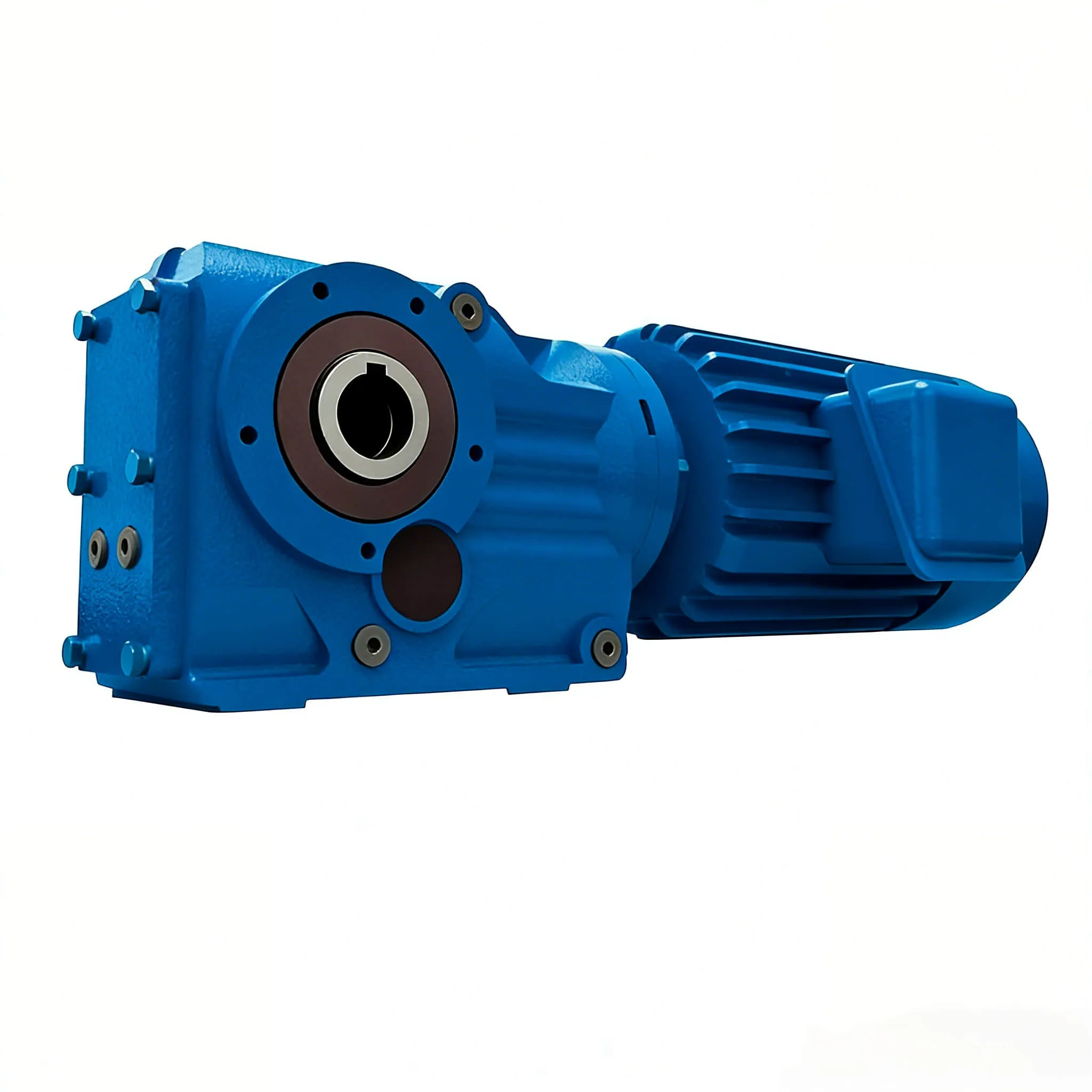
High-torque industrial motors form the backbone of modern manufacturing and heavy-duty operations, delivering the rotational force necessary to power equipment that handles extreme loads and challenging conditions. Understanding which applications specifically demand these powerful motor systems is crucial for engineers, facility managers, and industrial decision-makers who must ensure optimal performance while managing operational costs and reliability requirements.
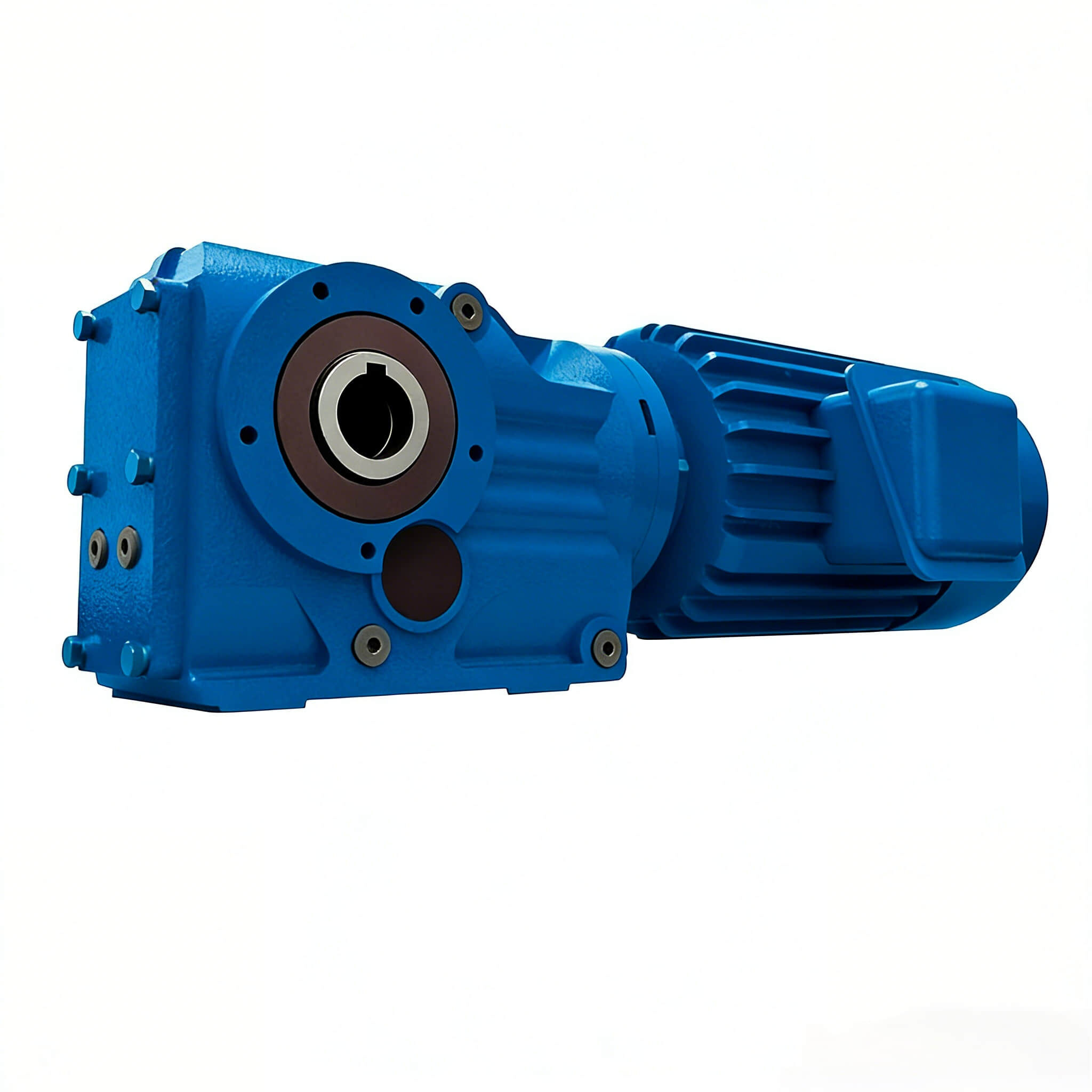
The selection of high-torque motor technology directly impacts production efficiency, equipment longevity, and overall system performance across diverse industrial sectors. From heavy machinery that processes raw materials to precision equipment requiring controlled movement under load, the torque characteristics of an industrial motor determine whether an application can operate successfully or face frequent breakdowns and performance limitations.
Heavy Manufacturing and Material Processing Applications
Steel and Metal Processing Operations
Steel mills and metal processing facilities represent some of the most demanding environments for high-torque motor applications. Rolling mills require enormous torque to shape steel billets into sheets, plates, and structural components. These operations involve continuous high-load conditions where a standard motor would quickly fail under the mechanical stress and heat generated during the forming process.
The motor systems in steel processing must overcome the initial resistance of cold metal and maintain consistent torque output as materials heat up and their resistance characteristics change. Forging presses, stamping equipment, and metal shearing machines all depend on high-torque motor configurations to deliver the precise force control necessary for quality metal fabrication.
Extrusion processes for aluminum, copper, and specialty alloys require motor systems capable of pushing heated metal through dies under tremendous pressure. The torque demands fluctuate significantly as different alloy compositions and cross-sectional geometries create varying resistance levels, making motor selection critical for maintaining production consistency.
Cement and Aggregate Production
Cement manufacturing facilities utilize high-torque motors throughout their production chains, from raw material crushing to final product grinding. Rotary kilns, which operate continuously at high temperatures, require motor systems that can handle the massive inertial loads of rotating drums filled with tons of raw materials while maintaining precise rotational speeds for proper chemical reactions.
Ball mills and vertical roller mills used for grinding clinker into finished cement demand exceptional starting torque to overcome the static friction of heavy grinding media and material loads. These motor applications must also provide consistent torque output across varying load conditions as material feed rates and grinding requirements change throughout production cycles.
Aggregate processing equipment, including jaw crushers, cone crushers, and impact crushers, subjects motor systems to shock loads and sudden torque spikes when processing hard rock materials. High-torque motor designs in these applications must withstand these dynamic loading conditions while maintaining operational reliability in dusty, high-vibration environments.
Mining and Extraction Industry Requirements
Underground Mining Equipment
Underground mining operations present unique challenges for motor applications due to confined spaces, harsh environmental conditions, and the need for continuous operation. Conveyor systems that transport ore from extraction points to surface facilities require high-torque motors capable of moving heavily loaded belts up steep inclines while operating in dusty, humid conditions.
Mining hoists and winches demand exceptional motor torque characteristics to lift heavy loads from significant depths. These systems must provide precise speed control during lifting operations while maintaining safety margins for emergency stopping. The motor selection directly impacts both operational efficiency and worker safety in these critical applications.
Drilling equipment used for tunnel boring and ore extraction requires motor systems that can maintain consistent torque output against varying rock hardness and geological conditions. The motor must deliver high starting torque to initiate drilling operations and sustain power output as cutting tools encounter different material densities and formations.
Surface Mining and Quarrying
Large-scale surface mining operations utilize massive equipment that depends on high-torque motor systems for primary functions. Dragline excavators and bucket wheel excavators require motor configurations capable of handling enormous inertial loads while providing precise movement control for efficient material extraction.
Quarry operations employ motor-driven equipment for stone cutting, crushing, and processing that must overcome the high resistance of hard rock materials. Diamond wire saws and gang saws used in dimension stone quarries require motor systems that maintain consistent cutting speeds while adapting to varying stone hardness and cutting resistance.
Mobile crushing plants and screening equipment in mining operations need motor systems that can handle variable feed conditions and material characteristics while maintaining production throughput targets. The torque requirements fluctuate significantly based on material size distribution and hardness variations in the ore being processed.
Marine and Offshore Application Demands
Ship Propulsion and Maneuvering Systems
Marine propulsion systems represent some of the most demanding applications for high-torque motor technology. Large vessel propulsion requires motor systems capable of turning massive propellers against water resistance while providing variable speed control for different operational conditions. The motor must deliver consistent torque output across a wide speed range to accommodate everything from harbor maneuvering to open ocean cruising.
Thruster systems used for dynamic positioning and harbor maneuvering require precise torque control to maintain vessel position against currents and wind forces. These motor applications must respond quickly to control inputs while providing the sustained torque necessary to hold position in challenging sea conditions.
Anchor windlass and mooring winch systems demand high starting torque to break anchor hold and lift heavy chain loads from significant depths. The motor system must provide controlled lowering and raising capabilities while handling the dynamic loads created by vessel movement in seaway conditions.
Offshore Drilling and Production
Offshore drilling platforms utilize high-torque motor systems for rotary table operations that must turn drill strings against formation resistance while maintaining precise rotational speeds. These motor applications operate in corrosive marine environments while handling the enormous torque loads generated during drilling operations in hard rock formations.
Draw works systems on drilling rigs require motor configurations capable of lifting and lowering drill pipe strings weighing hundreds of tons. The motor must provide precise speed control during pipe handling operations while maintaining the torque capacity necessary for emergency disconnection procedures.
Production equipment on offshore platforms, including pumps and compressors for oil and gas handling, requires motor systems that can operate reliably in harsh marine environments while delivering consistent performance for continuous production operations.
Water Treatment and Infrastructure Applications
Municipal Water Treatment Facilities
Water treatment plants require high-torque motor systems for various critical processes that ensure clean water delivery to communities. Primary clarifiers and sedimentation tanks use motor-driven scrapers and rakes that must operate continuously while handling varying sludge loads and debris accumulations.
Filtration systems, including rotary drum filters and belt filter presses, depend on motor systems that can maintain consistent operation while processing water with different contamination levels and flow rates. The motor must provide reliable torque output regardless of filter loading conditions and cleaning cycle requirements.
Aeration systems in biological treatment processes require motor configurations that can drive large blower assemblies and maintain consistent airflow rates. These motor applications must operate efficiently across varying load conditions while providing the torque necessary to overcome system resistance changes due to fouling and maintenance requirements.
Industrial Wastewater Processing
Industrial wastewater treatment facilities handle more challenging conditions that demand robust motor systems capable of processing contaminated water with high solid content and chemical residues. Thickener mechanisms require motor systems that can turn large diameter rake assemblies against heavy sludge loads while maintaining precise rotational speeds for optimal settling.
Centrifuge systems used for sludge dewatering require high-torque motor applications that can accelerate heavy rotating assemblies to operational speeds while maintaining consistent performance as solid loading conditions vary throughout processing cycles.
Chemical feed systems and mixing equipment in treatment processes depend on motor systems that provide precise speed control for optimal chemical dosing and reaction conditions. The motor must deliver consistent torque output while operating in corrosive environments with varying viscosity and density conditions.
FAQ
What torque specifications should I consider when selecting a motor for heavy-duty applications?
When selecting a motor for heavy-duty applications, focus on both starting torque and continuous torque ratings. Starting torque should be 150-300% of rated torque to overcome initial load resistance, while continuous torque must match or exceed your application's steady-state requirements. Consider torque curves across the operating speed range and ensure the motor can handle peak torque demands during normal operation cycles.
How do environmental conditions affect motor torque performance in industrial applications?
Environmental factors significantly impact motor torque performance through temperature effects on winding resistance, altitude effects on cooling, and contamination effects on bearing friction. High temperatures reduce motor efficiency and available torque, while dusty or corrosive environments increase mechanical resistance. Select motors with appropriate environmental ratings and consider derating factors for extreme conditions to maintain reliable torque delivery.
What maintenance considerations are critical for high-torque motor applications?
High-torque motor applications require regular monitoring of bearing condition, winding insulation, and cooling system performance. Implement vibration analysis to detect bearing wear early, perform thermal imaging to identify hot spots, and maintain proper lubrication schedules. Regular torque output testing ensures the motor maintains its performance capabilities, while preventive maintenance of cooling systems prevents thermal stress that can reduce torque capacity.
Can variable frequency drives improve torque performance in demanding applications?
Variable frequency drives can significantly enhance torque performance by providing precise speed and torque control, improved starting characteristics, and energy efficiency optimization. VFDs enable soft starting to reduce mechanical stress, maintain constant torque at low speeds, and provide overload protection. However, proper VFD sizing and motor compatibility are essential to realize these benefits without introducing harmonic distortion or heating issues that could compromise motor performance.
Table of Contents
- Heavy Manufacturing and Material Processing Applications
- Mining and Extraction Industry Requirements
- Marine and Offshore Application Demands
- Water Treatment and Infrastructure Applications
-
FAQ
- What torque specifications should I consider when selecting a motor for heavy-duty applications?
- How do environmental conditions affect motor torque performance in industrial applications?
- What maintenance considerations are critical for high-torque motor applications?
- Can variable frequency drives improve torque performance in demanding applications?