
 EN
EN



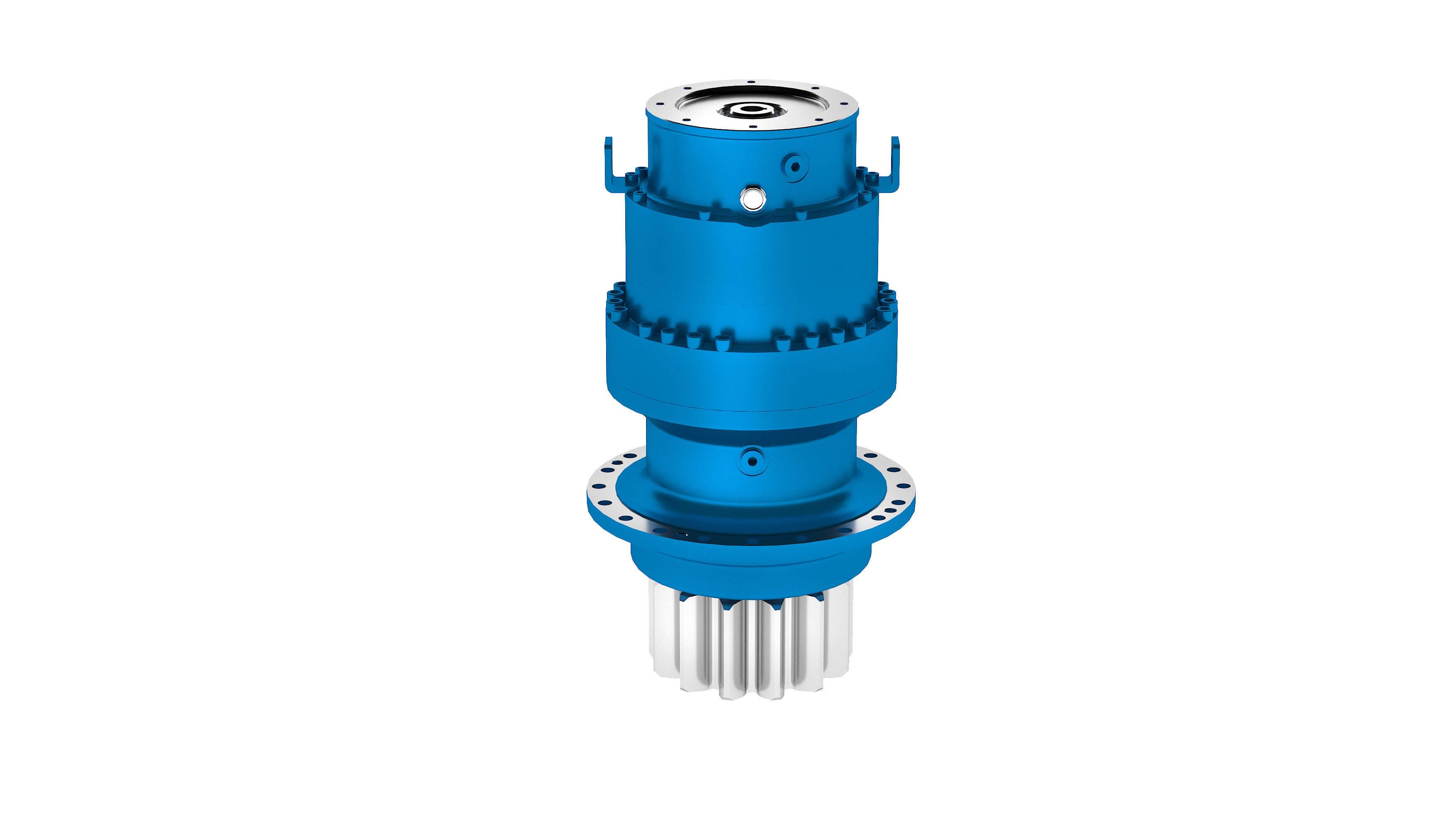
Inadequate torque control represents one of the most critical yet often overlooked operational challenges in industrial machinery and mechanical systems. When torque specifications are not properly maintained, monitored, or controlled, the resulting operational issues can cascade through entire production lines, causing equipment failures, safety hazards, and significant financial losses. Understanding these operational consequences is essential for maintenance managers, engineers, and facility operators who depend on reliable mechanical systems for consistent performance.
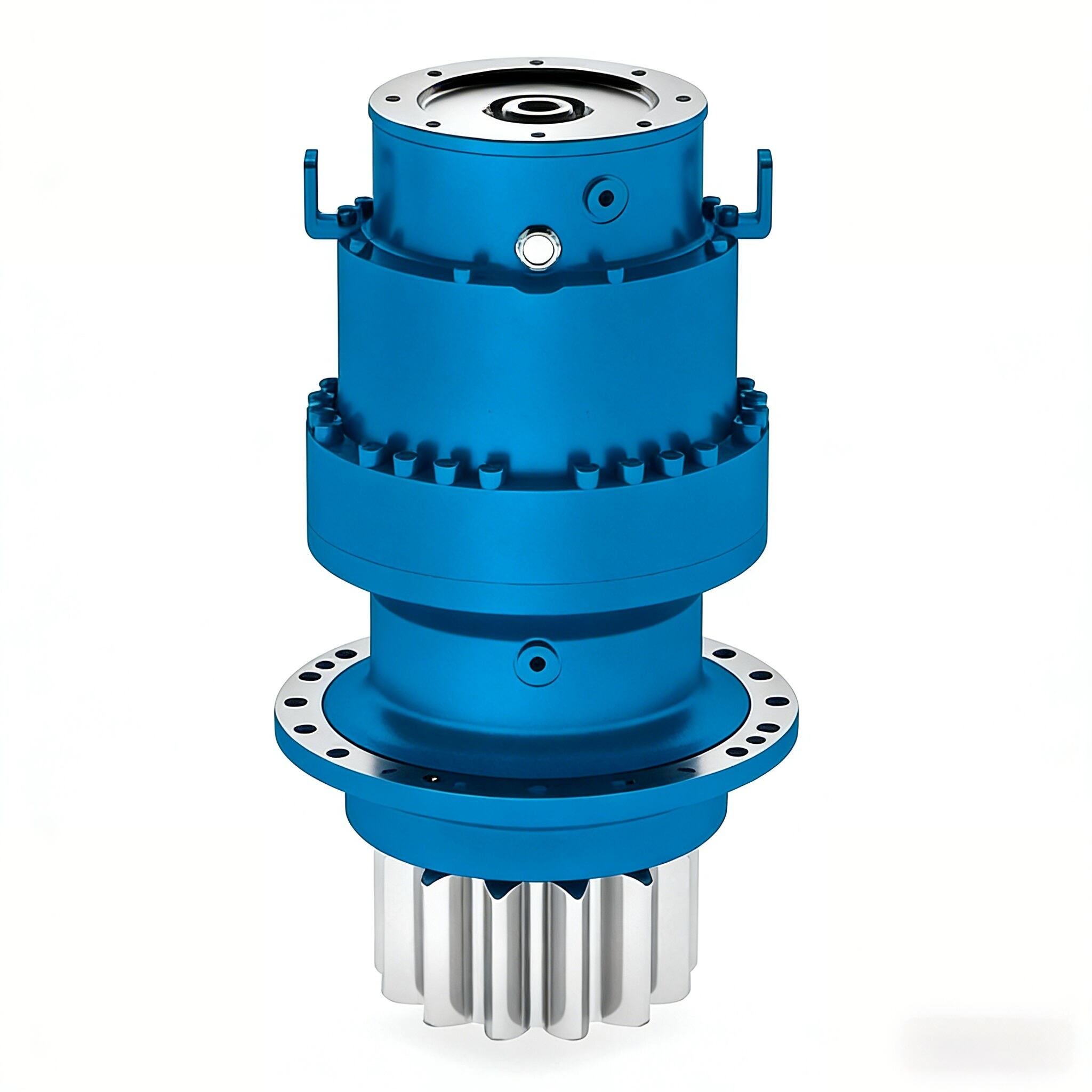
The operational ramifications of poor torque control extend far beyond simple mechanical wear, affecting production efficiency, product quality, energy consumption, and overall equipment effectiveness. Modern industrial operations rely heavily on precise torque management to maintain optimal performance across rotating equipment, fastening systems, and power transmission components. When this fundamental control parameter fails to meet specifications, operators face a complex web of interconnected problems that can severely impact business operations and profitability.
Mechanical System Failures and Component Damage
Bearing and Shaft Deterioration
Insufficient torque control directly accelerates bearing degradation and shaft misalignment issues within rotating machinery. When torque levels fluctuate beyond acceptable ranges, bearings experience uneven loading patterns that lead to premature wear, increased friction, and eventual seizure. The irregular stress distribution caused by inadequate torque management creates hot spots within bearing assemblies, reducing lubrication effectiveness and accelerating metal fatigue processes.
Shaft components suffer similarly when torque control systems fail to maintain proper rotational forces. Excessive torque variations generate torsional stress concentrations that can cause shaft cracking, keyway damage, and coupling failures. These mechanical degradations often manifest gradually, making early detection challenging until catastrophic failure occurs, resulting in unplanned downtime and expensive emergency repairs.
Gear System Complications
Gear assemblies represent particularly vulnerable components when torque control becomes inadequate. Improper torque management leads to irregular tooth contact patterns, causing accelerated gear wear, pitting, and eventual tooth breakage. The precise meshing requirements of gear systems demand consistent torque delivery to maintain optimal load distribution across gear surfaces.
When torque control fails in gear-driven systems, operators often observe increased noise levels, vibration patterns, and reduced transmission efficiency. These symptoms indicate that gear teeth are experiencing excessive stress concentrations due to inconsistent torque application. Over time, this mechanical stress accumulation leads to catastrophic gear failures that can damage entire gearbox assemblies and connected equipment.
Production Efficiency and Quality Degradation
Throughput Reduction and Process Interruptions
Operations suffering from inadequate torque control experience significant throughput reductions as equipment struggles to maintain consistent performance levels. Variable torque delivery creates speed fluctuations in production machinery, disrupting carefully calibrated process timing and reducing overall system efficiency. These performance variations force operators to reduce production speeds to maintain product quality, directly impacting manufacturing capacity.
Process interruptions become increasingly common when torque control systems cannot maintain stable operating conditions. Equipment protection systems frequently trigger shutdowns when torque parameters exceed safe operating limits, causing production line stoppages that ripple through entire manufacturing processes. The cumulative effect of these interruptions significantly reduces overall equipment effectiveness and compromises production scheduling reliability.
Product Quality Inconsistencies
Manufacturing processes that depend on precise torque control for product assembly or processing suffer from quality inconsistencies when torque management fails. Fastening operations require specific torque values to ensure proper joint integrity, and inadequate control leads to under-tightened or over-tightened connections that compromise product reliability and safety.
Processing equipment that relies on controlled torque for material handling, mixing, or forming operations produces inconsistent results when torque parameters deviate from specifications. These quality variations often require additional inspection processes, rework procedures, or product rejection, increasing overall production costs and reducing customer satisfaction levels.
Energy Consumption and Operational Cost Impacts
Increased Power Demands
Inadequate torque control typically results in elevated energy consumption as mechanical systems work harder to overcome inefficiencies caused by poor torque management. When torque delivery becomes erratic, motors must compensate by drawing additional power to maintain required output levels, leading to higher electricity costs and increased thermal loading on electrical components.
The energy waste associated with poor torque control extends beyond immediate power consumption increases. Mechanical inefficiencies caused by inadequate torque management generate excess heat that requires additional cooling capacity, further increasing energy demands and operational expenses. This thermal stress also accelerates component degradation, creating a cycle of increasing maintenance requirements and energy consumption.
Maintenance Cost Escalation
Operations with inadequate torque control face dramatically increased maintenance costs due to accelerated component wear and more frequent failure events. The unpredictable nature of equipment failures caused by poor torque management makes maintenance planning difficult, often forcing reactive maintenance approaches that are significantly more expensive than planned preventive maintenance programs.
Emergency repair costs multiply when torque control failures lead to catastrophic equipment damage. These unplanned maintenance events typically require expedited parts procurement, overtime labor rates, and potential production loss compensation, creating substantial financial impacts that far exceed the costs of proper torque control implementation and maintenance.
Safety Hazards and Operational Risks
Personnel Safety Concerns
Inadequate torque control creates serious safety risks for personnel working near mechanical equipment. Unexpected equipment failures caused by poor torque management can result in flying debris, sudden mechanical movements, or catastrophic component releases that pose immediate dangers to nearby workers. The unpredictable nature of these failures makes traditional safety protocols less effective at protecting personnel.
Vibration and noise increases associated with inadequate torque control also create long-term health risks for operators and maintenance personnel. Excessive mechanical vibrations can cause structural fatigue in equipment mounting systems, potentially leading to equipment displacement or collapse that threatens worker safety in surrounding areas.
Equipment and Infrastructure Damage
Poor torque control can cause cascading equipment damage that extends far beyond the immediate mechanical system experiencing torque problems. Vibrations and shock loads generated by inadequate torque management can damage nearby equipment, piping systems, electrical connections, and building structures, creating comprehensive infrastructure damage that requires extensive repair efforts.
The financial implications of this collateral damage often exceed the costs of the original torque control failure, as interconnected systems suffer progressive damage that may not become apparent until significant deterioration has occurred. This hidden damage accumulation makes comprehensive risk assessment difficult and increases the likelihood of surprise failure events.
Long-term Reliability and Asset Management Consequences
Asset Lifespan Reduction
Chronic inadequate torque control significantly reduces the operational lifespan of mechanical assets, forcing premature replacement of equipment that should provide years of additional service. The accelerated wear patterns caused by poor torque management create irreversible damage that cannot be corrected through standard maintenance procedures, necessitating complete component or system replacement.
This premature asset replacement disrupts capital planning processes and increases overall facility ownership costs. Equipment that should operate reliably for decades may require replacement within years when subjected to inadequate torque control, creating unexpected capital expenditure requirements that strain maintenance budgets and operational planning processes.
Predictive Maintenance Complications
Modern predictive maintenance programs rely on consistent operating conditions to establish baseline performance parameters and identify developing problems. Inadequate torque control creates erratic operational patterns that make predictive maintenance techniques less reliable, reducing the effectiveness of condition monitoring systems and vibration analysis programs.
The irregular operating signatures caused by poor torque management mask developing problems and create false alarms in monitoring systems, reducing maintenance team confidence in predictive maintenance data. This degraded reliability forces facilities to rely more heavily on reactive maintenance approaches, increasing overall maintenance costs and reducing equipment availability.
FAQ
How quickly do operational issues develop from inadequate torque control?
Operational issues from inadequate torque control can manifest within hours to weeks depending on the severity of the torque deviation and the specific mechanical system affected. Critical systems operating under high stress conditions may experience immediate problems, while less demanding applications might develop issues gradually over several weeks or months of operation.
What are the most common early warning signs of torque control problems?
Early indicators include increased vibration levels, unusual noise patterns, elevated operating temperatures, irregular speed variations, and higher than normal energy consumption. These symptoms often appear before visible mechanical damage occurs, providing opportunities for corrective action before catastrophic failures develop.
Can inadequate torque control affect multiple connected systems simultaneously?
Yes, inadequate torque control in one system component can create cascading effects throughout interconnected mechanical systems. Vibrations, shock loads, and irregular operating patterns can propagate through drive trains, mounting structures, and connected equipment, causing widespread operational disruptions and damage to multiple system elements.
How do seasonal or environmental conditions influence torque control effectiveness?
Environmental factors such as temperature fluctuations, humidity changes, and thermal expansion can significantly affect torque control accuracy and consistency. Cold temperatures may increase material stiffness and change lubricant properties, while high temperatures can cause thermal expansion that alters component clearances and torque transmission characteristics, requiring seasonal adjustments to maintain proper control.
Table of Contents
- Mechanical System Failures and Component Damage
- Production Efficiency and Quality Degradation
- Energy Consumption and Operational Cost Impacts
- Safety Hazards and Operational Risks
- Long-term Reliability and Asset Management Consequences
-
FAQ
- How quickly do operational issues develop from inadequate torque control?
- What are the most common early warning signs of torque control problems?
- Can inadequate torque control affect multiple connected systems simultaneously?
- How do seasonal or environmental conditions influence torque control effectiveness?