
 EN
EN



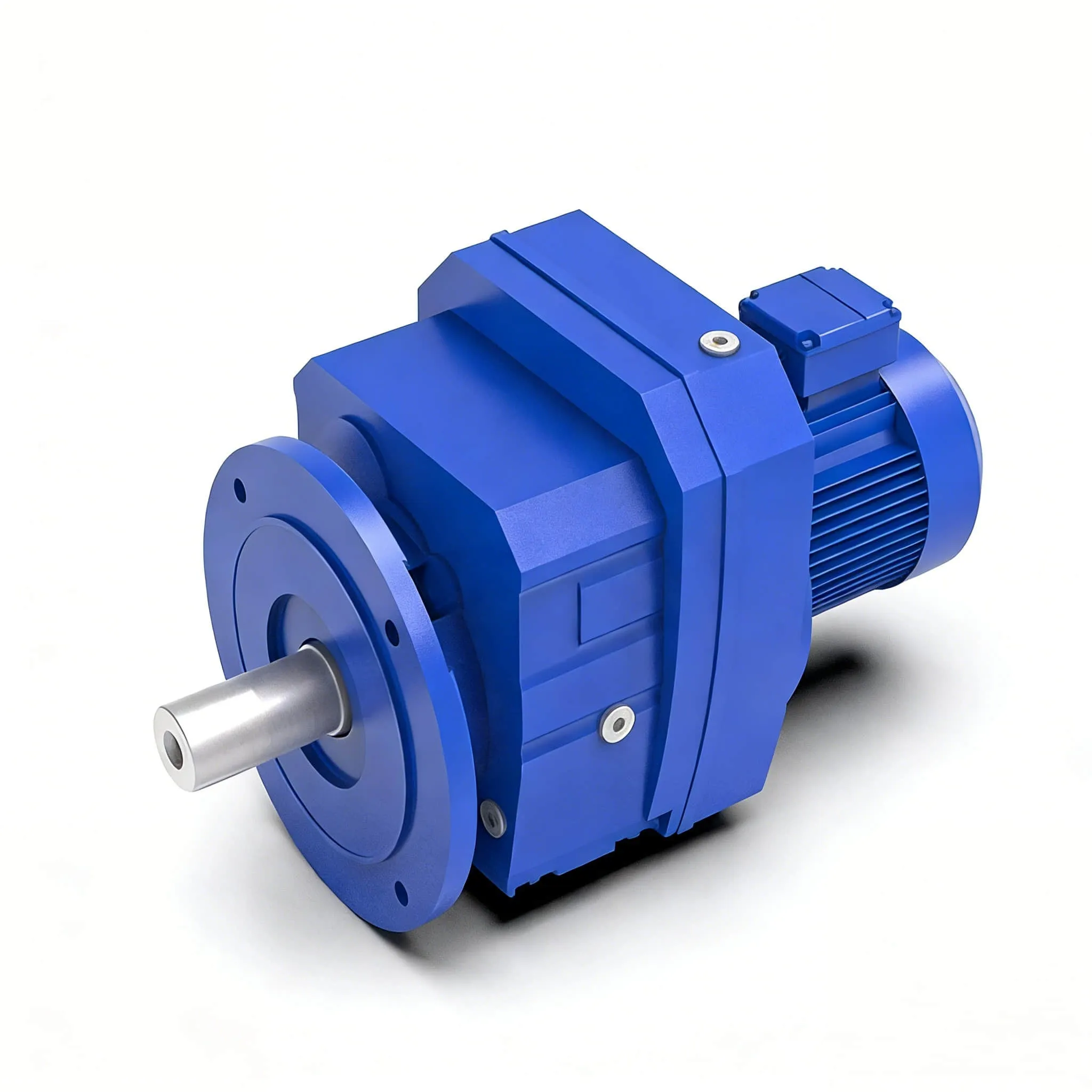
Industrial machinery and mechanical systems across numerous sectors depend on reliable high-torque output to operate effectively under demanding conditions. Understanding which applications specifically require stable torque delivery is crucial for engineers and system designers when selecting appropriate drive solutions. High-torque requirements typically emerge in applications involving heavy loads, precise positioning, or continuous operation under variable conditions where torque consistency directly impacts performance and reliability.
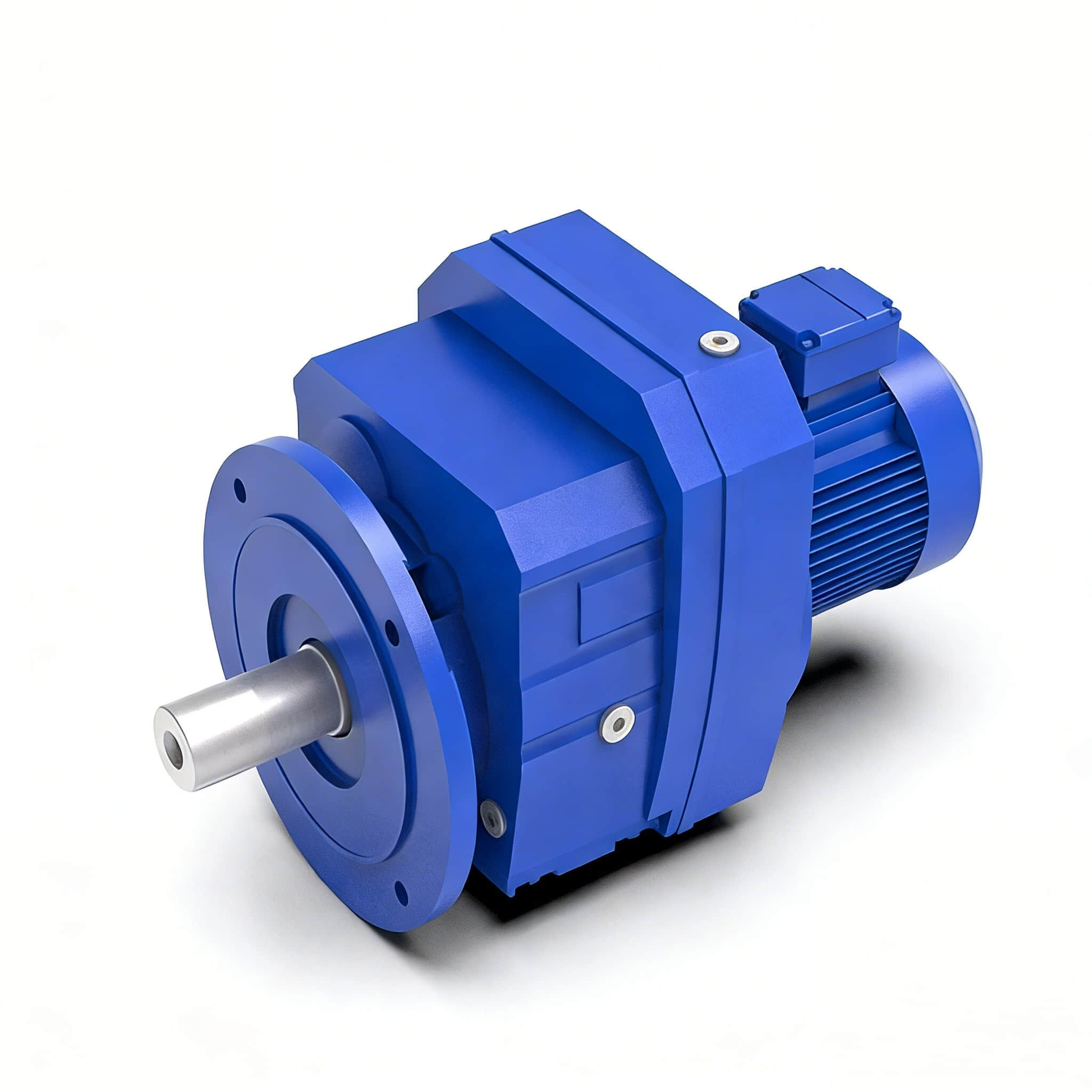
The distinction between applications needing high torque and those requiring stable high-torque output lies in the consistency and predictability demands. While peak torque capability addresses maximum load conditions, stable torque delivery ensures consistent performance throughout operational cycles, preventing vibrations, positioning errors, and premature component wear. This stability becomes particularly critical in precision manufacturing, heavy-duty material handling, and continuous process operations where torque fluctuations can compromise product quality and system longevity.
Manufacturing and Production Applications
Precision Machining Operations
Precision machining centers, lathes, and milling machines require stable high-torque output to maintain consistent cutting forces and surface finishes. The torque demands in these applications vary significantly based on material properties, cutting parameters, and tooling conditions, yet the drive system must deliver smooth, consistent torque to prevent chatter marks, dimensional variations, and tool wear. CNC spindle drives particularly benefit from stable torque characteristics during heavy roughing operations and delicate finishing passes.
Metal forming operations such as stamping, bending, and rolling require precise torque control throughout the forming cycle. Press brake operations demand consistent torque delivery to achieve uniform bend angles and prevent material springback variations. Rolling mills processing steel, aluminum, and other metals rely on stable torque to maintain consistent thickness tolerances and surface quality across the entire product width.
Assembly Line Automation
Automated assembly systems utilize stable high-torque drives for fastening operations, component insertion, and material handling tasks. Robotic assembly cells require consistent torque output to ensure proper component seating, prevent over-tightening of fasteners, and maintain assembly quality standards. Servo-driven assembly stations benefit from stable torque characteristics when handling varying component weights and positioning requirements.
Conveyor systems in manufacturing facilities require stable torque to maintain consistent material flow rates regardless of load variations. Heavy-duty belt conveyors, chain drives, and roller systems depend on consistent torque delivery to prevent material accumulation, spillage, and system jamming during peak production periods.
Material Handling and Logistics
Crane and Hoist Applications
Overhead cranes, gantry systems, and industrial hoists require stable high-torque output for safe and precise load positioning. The torque requirements fluctuate based on load weight, lifting height, and environmental conditions, yet consistent torque delivery ensures smooth load handling without sudden movements that could compromise safety or damage materials. Bridge crane trolley drives particularly benefit from stable torque characteristics when positioning heavy loads with millimeter precision.
Container handling equipment at ports and logistics centers depends on reliable torque output for efficient cargo operations. Ship-to-shore cranes require consistent torque delivery to handle containers of varying weights while maintaining positioning accuracy. Rubber-tired gantry cranes benefit from stable torque characteristics when stacking containers in tight spaces where precise movements are essential.
Warehouse Automation Systems
Automated storage and retrieval systems require stable torque for reliable inventory handling operations. High-bay warehouse systems utilize consistent torque delivery to position storage and retrieval machines accurately within narrow aisles while carrying maximum payloads. The torque stability ensures smooth acceleration and deceleration cycles that prevent load shifting and maintain system productivity.
Sorting systems in distribution centers require stable torque output to maintain consistent throughput rates during peak operational periods. Cross-belt sorters, tilt-tray systems, and diverter mechanisms rely on consistent torque delivery to handle packages of varying sizes and weights while maintaining sorting accuracy and system reliability.
Process Industries and Continuous Operations
Mixing and Blending Applications
Industrial mixers processing chemicals, pharmaceuticals, and food products require stable high-torque output to ensure consistent product quality. The viscosity changes during mixing cycles create varying torque demands, yet stable drive characteristics prevent ingredient segregation and maintain homogeneous mixing results. Large-scale planetary mixers particularly benefit from consistent torque delivery when processing high-viscosity materials.
Concrete mixing operations require stable torque to achieve proper ingredient distribution and prevent segregation during transport. Ready-mix truck drums depend on consistent torque delivery to maintain concrete workability while preventing over-mixing that could compromise strength characteristics. Batch plant mixers require stable torque output to ensure uniform concrete quality across multiple discharge cycles.
Pumping and Compression Systems
Positive displacement pumps handling viscous fluids, slurries, and abrasive materials require stable torque output to maintain consistent flow rates and prevent system pulsations. Progressive cavity pumps, gear pumps, and piston pumps benefit from consistent torque delivery when processing materials with varying viscosity and density characteristics.
Compressor applications in industrial processes require stable torque to maintain consistent pressure ratios and prevent surging conditions. Rotary screw compressors particularly benefit from stable torque characteristics during load and unload cycles, ensuring efficient compression while minimizing energy consumption and mechanical stress on system components.
Infrastructure and Utilities
Water and Wastewater Treatment
Wastewater treatment facilities utilize stable high-torque drives for sludge handling, mixing, and dewatering operations. Clarifier rake mechanisms require consistent torque output to handle varying sludge densities and prevent system overload during peak flow conditions. Thickener drives benefit from stable torque characteristics when processing different waste stream compositions.
Pump station operations require stable torque delivery to maintain consistent water pressure and flow rates throughout distribution networks. Variable speed pump drives benefit from consistent torque characteristics when responding to demand fluctuations while maintaining system efficiency and preventing cavitation conditions.
Power Generation Applications
Coal handling systems at power plants require stable torque for reliable fuel preparation and delivery operations. Coal crushers, pulverizers, and conveyor systems depend on consistent torque output to maintain fuel quality and prevent system bottlenecks during peak demand periods. The torque stability ensures continuous operation despite variations in coal moisture content and hardness.
Wind turbine pitch control systems require stable torque output to maintain optimal blade positioning for maximum energy capture. The varying wind conditions create fluctuating torque demands, yet consistent drive characteristics ensure precise blade angle adjustments that optimize power generation while protecting the turbine from overload conditions.
FAQ
What distinguishes stable high-torque requirements from peak torque demands?
Stable high-torque requirements focus on consistent torque delivery throughout operational cycles, while peak torque demands address maximum momentary load conditions. Stable torque applications prioritize smooth, predictable power transmission to prevent vibrations, positioning errors, and component wear, whereas peak torque specifications ensure the system can handle maximum expected loads without failure.
How do environmental conditions affect stable torque requirements?
Environmental factors such as temperature variations, humidity, and contamination can significantly impact torque stability requirements. Extreme temperatures affect lubricant viscosity and component thermal expansion, potentially causing torque fluctuations. Dusty or corrosive environments may increase bearing friction and require more consistent torque delivery to maintain reliable operation and prevent premature component failure.
Which drive technologies provide the most stable high-torque output?
Worm gear drives, planetary gearboxes, and servo motor systems typically provide the most stable high-torque characteristics for demanding applications. Worm gear systems offer inherent torque multiplication with excellent stability due to their high reduction ratios and self-locking properties. Planetary gearboxes distribute loads across multiple gear stages, providing smooth torque transmission, while servo systems offer precise torque control through advanced feedback mechanisms.
What maintenance considerations apply to stable high-torque applications?
Stable high-torque applications require regular monitoring of torque output consistency, vibration levels, and temperature patterns to detect performance degradation. Lubrication systems need frequent inspection to ensure proper viscosity and contamination levels, as lubricant conditions directly affect torque stability. Coupling alignment, bearing condition, and gear wear patterns require periodic assessment to maintain consistent torque delivery throughout the equipment lifecycle.