
 EN
EN



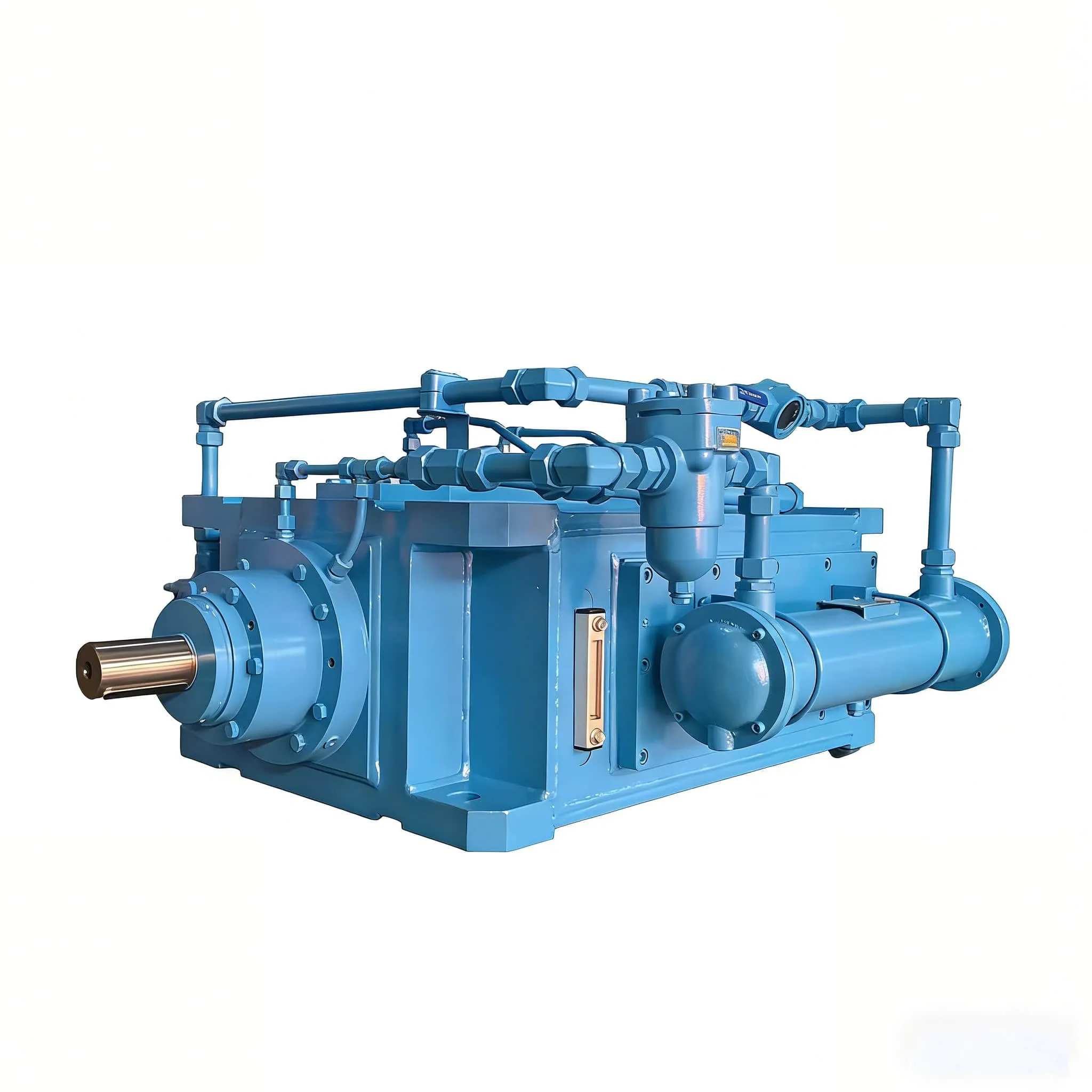
High-load transmission applications demand mechanical systems capable of handling extreme forces while maintaining operational reliability and efficiency. A gearbox serves as the critical mechanical interface that enables power transmission equipment to manage substantial torque loads, convert rotational speeds, and distribute mechanical energy across industrial systems. Understanding how a gearbox functions in these demanding environments reveals the sophisticated engineering principles that make heavy-duty operations possible.
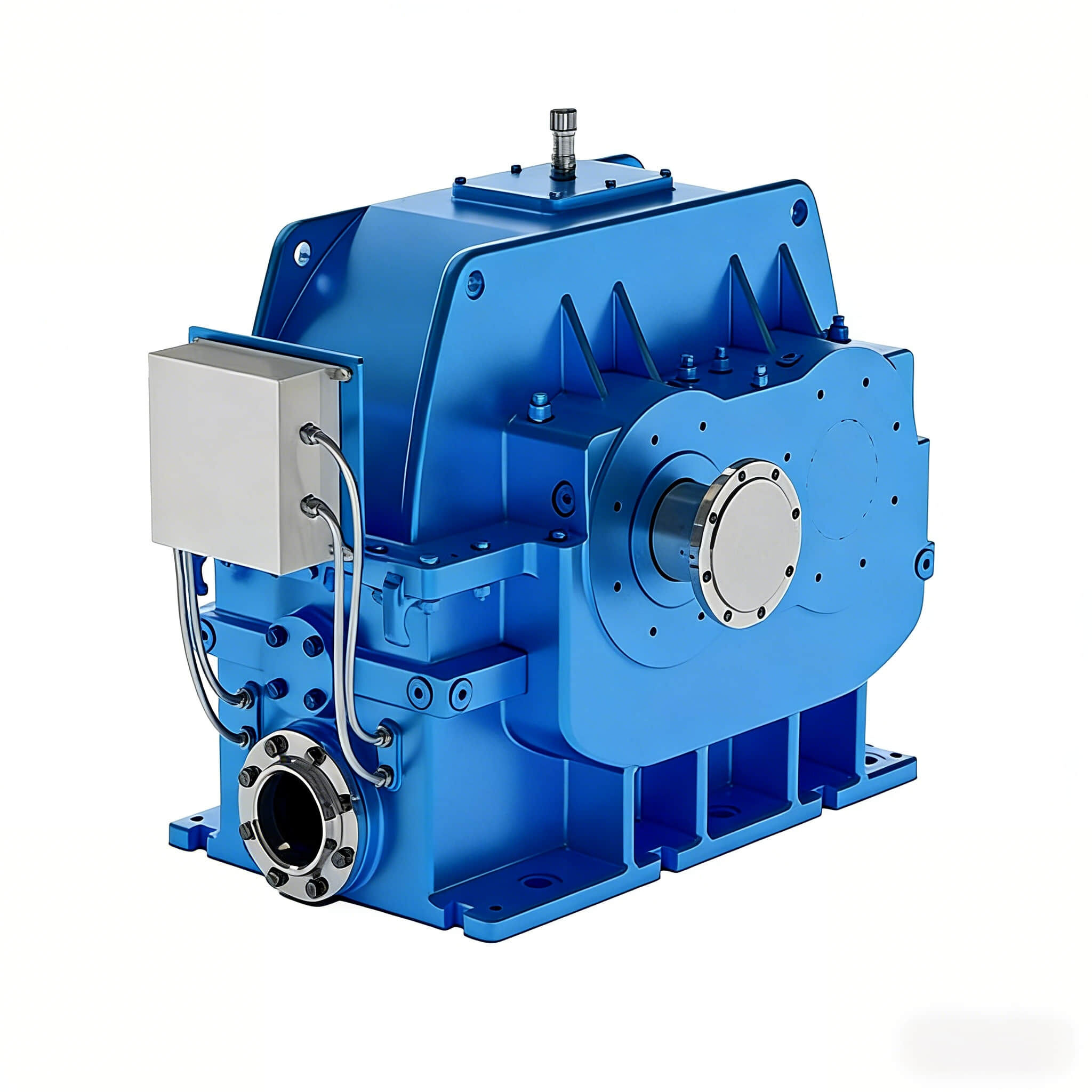
The fundamental mechanism through which a gearbox supports high-load applications involves torque multiplication, load distribution, and mechanical advantage optimization. When input power enters the gearbox assembly, the internal gear configurations transform the rotational characteristics to match the specific requirements of downstream equipment. This transformation process enables systems to handle loads that would otherwise exceed the capacity of direct-drive configurations, making gearbox technology essential for industries requiring substantial power transmission capabilities.
Mechanical Principles Behind High-Load Support
Torque Multiplication and Force Distribution
The primary mechanism enabling a gearbox to support high-load transmission involves the fundamental principle of torque multiplication through gear ratio engineering. When the input shaft rotates at high speed with relatively low torque, the internal gear system converts this motion into higher torque output at reduced rotational speed. This mechanical advantage allows the gearbox to handle loads significantly greater than what the prime mover could manage through direct coupling.
Load distribution across multiple gear teeth creates another critical support mechanism within the gearbox assembly. Rather than concentrating all transmitted force on a single contact point, properly designed gear systems distribute the mechanical load across several simultaneous contact zones. This distribution reduces stress concentration and enables the gearbox to sustain continuous high-load operation without experiencing premature wear or catastrophic failure.
The gear tooth geometry and material properties work together to optimize force transmission efficiency. Involute gear profiles ensure smooth power transfer while minimizing friction losses, while case-hardened steel construction provides the surface durability necessary to withstand repeated high-stress contact cycles. These design elements enable the gearbox to maintain consistent performance under demanding load conditions.
Structural Integrity and Load Path Engineering
Housing design plays a fundamental role in how a gearbox supports high-load applications by providing rigid structural support for all internal components. The gearbox casing must resist deflection under load while maintaining precise gear alignment and bearing support. Cast iron or fabricated steel housings typically provide the necessary rigidity to prevent structural deformation that could compromise gear mesh quality or bearing performance.
Internal load paths within the gearbox assembly channel mechanical forces through optimized structural elements designed to handle maximum anticipated loads. Bearing selection and placement ensure that radial and axial forces generated during power transmission are properly supported and directed through the housing structure. This careful load path engineering prevents stress concentrations that could lead to component failure or reduced operational life.
Engineering Design Features for High-Load Performance
Gear Configuration and Material Selection
High-load gearbox applications require specific gear configurations optimized for maximum power transmission capability. Helical gear arrangements provide superior load-carrying capacity compared to straight-cut designs due to increased contact ratios and smoother engagement characteristics. The helical angle creates multiple simultaneous tooth contacts, effectively distributing transmitted loads across a larger surface area within the gearbox assembly.
Material selection for gearbox components directly impacts high-load performance capabilities. Through-hardened alloy steels provide excellent core strength for heavily loaded gear teeth, while surface treatments like carburizing or nitriding enhance contact fatigue resistance. These metallurgical approaches enable the gearbox to withstand the cyclical stress patterns characteristic of high-load transmission applications.
Precision manufacturing processes ensure that gear quality meets the demanding tolerances required for reliable high-load operation. CNC machining and grinding operations create the accurate tooth profiles and surface finishes necessary to minimize stress concentrations and optimize load distribution. Quality control measures verify that each gearbox component meets specifications critical for sustained high-load performance.
Lubrication Systems and Thermal Management
Lubrication technology plays a crucial role in enabling gearbox operation under high-load conditions by reducing friction losses and managing heat generation. Circulating oil systems provide continuous lubricant flow to gear mesh zones, bearing surfaces, and other critical contact areas. This lubrication approach ensures adequate cooling and contamination removal while maintaining the lubricant film thickness necessary for proper component separation.
Thermal management within the gearbox becomes increasingly important as load levels increase and generate additional heat through friction and fluid churning. External cooling systems, including air-cooled or water-cooled heat exchangers, maintain optimal operating temperatures that preserve lubricant properties and prevent thermal degradation of gearbox components. Temperature control ensures consistent performance and extended component life under demanding operating conditions.
Application-Specific Design Considerations
Load Characteristics and Duty Cycle Requirements
Different high-load applications impose unique demands on gearbox design, requiring customized approaches to meet specific operational requirements. Continuous duty applications necessitate gearbox designs optimized for sustained power transmission without thermal buildup or component degradation. Intermittent duty cycles may allow higher peak loads but require different material and cooling considerations to handle cyclical stress patterns.
Shock load resistance becomes a critical design factor for applications involving sudden load changes or impact forces. The gearbox must incorporate features like flexible couplings, overload protection, or enhanced structural rigidity to withstand these transient conditions without damage. Understanding the complete load profile enables engineers to select appropriate safety factors and design margins.
Environmental factors significantly influence gearbox design for high-load applications, particularly in harsh industrial settings. Contamination protection, corrosion resistance, and temperature extremes require specialized sealing systems, protective coatings, and material selections. These environmental considerations ensure reliable gearbox operation despite challenging external conditions.
Integration with Power Transmission Systems
Successful high-load gearbox applications require careful integration with upstream and downstream equipment to optimize overall system performance. Coupling selection affects how loads are transmitted into the gearbox and influences the internal stress distribution patterns. Proper alignment procedures ensure that external forces don't create additional loads that could compromise gearbox performance or longevity.
System-level considerations include foundation design, mounting arrangements, and structural support that affect how the gearbox interacts with the complete power transmission assembly. Rigid mounting prevents vibration-induced loads while allowing for thermal expansion and operational deflections. These installation factors directly impact the gearbox's ability to support high-load transmission effectively.
Performance Optimization and Maintenance
Monitoring Systems and Condition Assessment
Modern high-load gearbox applications incorporate sophisticated monitoring systems that track key performance indicators related to load support capability. Vibration analysis provides early detection of gear wear, bearing deterioration, or structural problems that could compromise load-carrying capacity. Temperature monitoring ensures that thermal conditions remain within acceptable limits for sustained high-load operation.
Oil analysis programs enable proactive assessment of gearbox condition by detecting wear particles, contamination, and lubricant degradation that could affect high-load performance. Regular sampling and laboratory analysis provide quantitative data about internal component condition and remaining service life. This information supports informed maintenance decisions that preserve the gearbox's load support capabilities.
Load monitoring systems track actual operating conditions compared to design specifications, ensuring that the gearbox operates within safe parameters. Overload protection systems prevent damage from excessive forces while data logging capabilities provide historical records for performance analysis and optimization opportunities.
Preventive Maintenance and Service Strategies
Systematic maintenance programs preserve gearbox performance in high-load applications by addressing wear patterns before they compromise load support capability. Regular inspections identify potential issues like gear tooth wear, bearing degradation, or seal deterioration that could lead to reduced performance or catastrophic failure. Scheduled maintenance intervals balance operational availability with component preservation requirements.
Lubricant management forms a critical component of high-load gearbox maintenance, involving regular oil changes, filtration system maintenance, and additive monitoring. Maintaining proper lubricant quality ensures continued protection of gear surfaces and bearing components under demanding load conditions. Contamination control prevents abrasive wear that could reduce the gearbox's load-carrying capacity over time.
FAQ
What determines the maximum load capacity of a gearbox?
The maximum load capacity of a gearbox depends on several interconnected factors including gear tooth strength, bearing capacity, shaft dimensions, and housing rigidity. Material properties, heat treatment processes, and manufacturing precision all influence the ultimate load limits. Service factors account for application-specific conditions like shock loads, duty cycles, and environmental factors that affect actual operating capacity compared to theoretical ratings.
How does gear ratio selection affect high-load performance?
Gear ratio selection directly impacts torque multiplication and speed reduction characteristics that determine how effectively a gearbox supports high-load applications. Higher reduction ratios provide greater torque multiplication but may require larger, more robust internal components to handle the increased forces. The optimal ratio balances load support requirements with efficiency, size, and cost considerations specific to each application.
What maintenance practices are most critical for high-load gearbox applications?
Critical maintenance practices for high-load gearbox applications include regular lubricant analysis and replacement, vibration monitoring, temperature tracking, and periodic internal inspections. Proper coupling alignment and foundation maintenance prevent external loads that could compromise performance. Contamination control through effective sealing and filtration systems preserves component life under demanding operating conditions.
Can existing gearboxes be upgraded to handle higher loads?
Existing gearbox upgrades for higher load capacity are possible but limited by fundamental design constraints including housing strength, shaft dimensions, and gear tooth geometry. Improvements may include enhanced lubrication systems, better cooling, upgraded materials for specific components, or modified operating parameters. However, significant load increases typically require complete gearbox replacement with appropriately rated equipment designed for the higher load requirements.