
 EN
EN



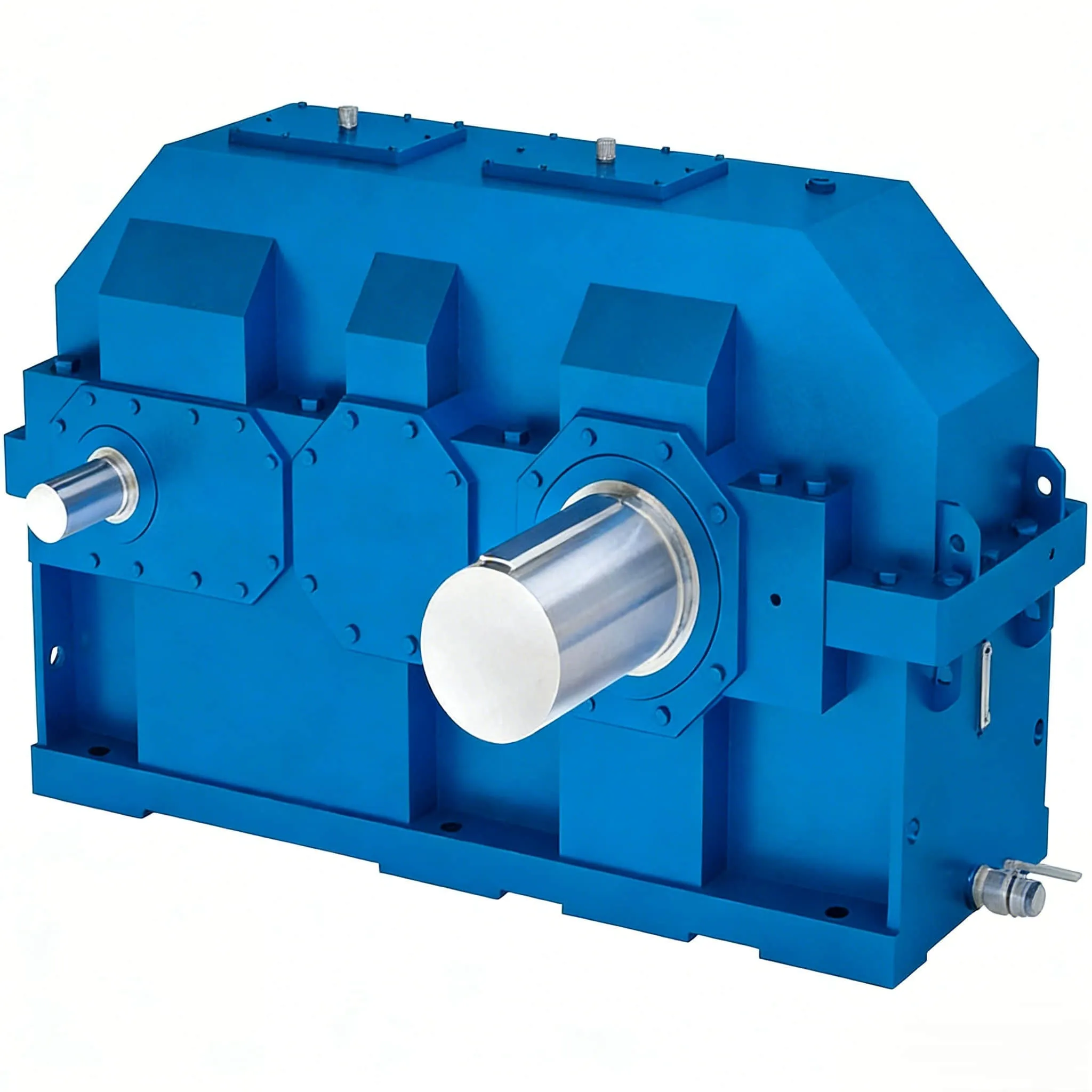
Industrial gearboxes deliver fundamental performance advantages that transform how mechanical systems operate across manufacturing, mining, and heavy industry applications. These sophisticated transmission devices provide torque multiplication, speed reduction, and precise motion control that enable equipment to handle demanding operational requirements while maintaining efficiency and reliability.
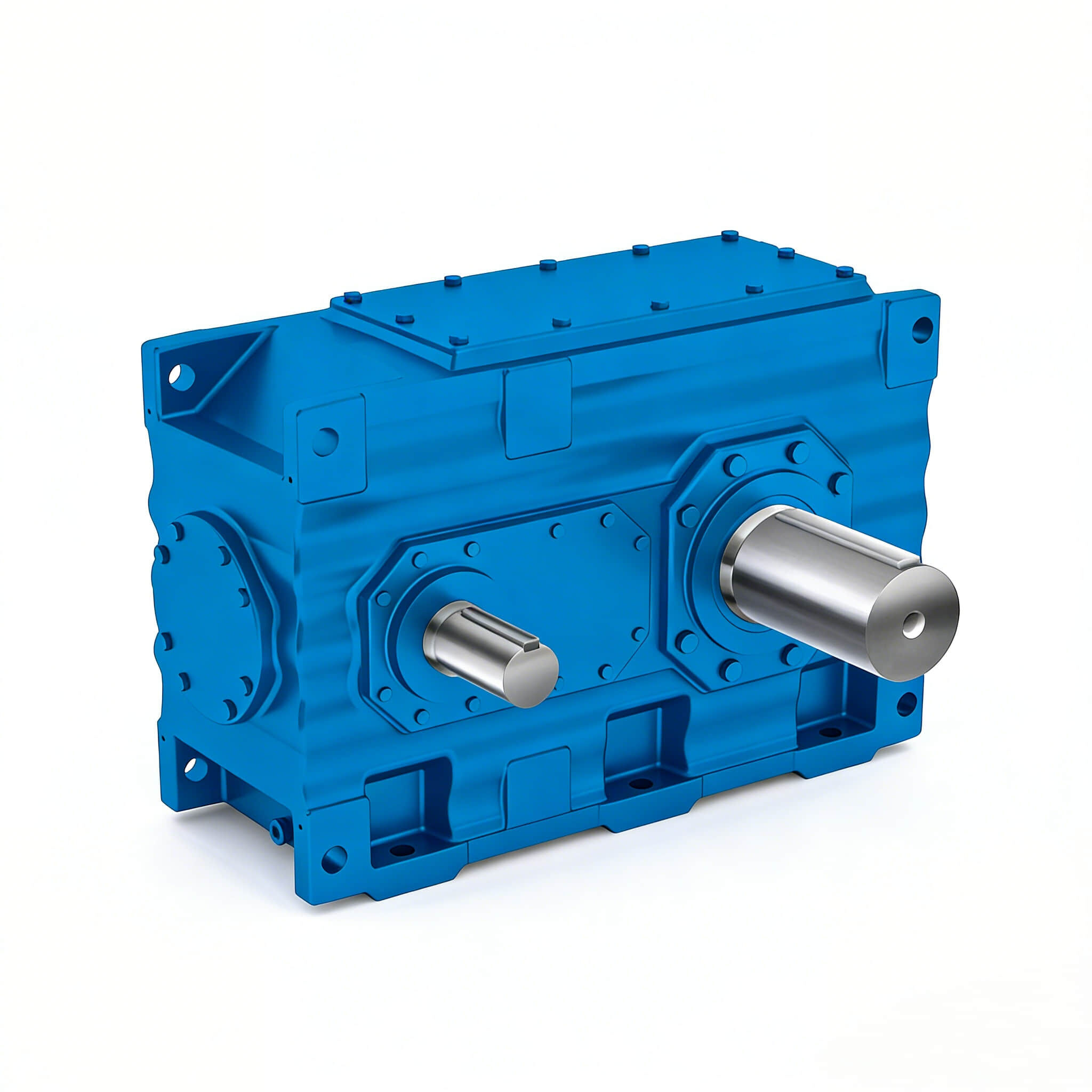
The performance advantages of an industrial gearbox extend beyond simple mechanical transmission to encompass energy efficiency improvements, operational cost reductions, and enhanced system longevity. Understanding these benefits helps industrial decision-makers optimize their equipment configurations and achieve superior productivity outcomes in their specific operational environments.
Power Transmission Efficiency Advantages
Torque Multiplication Capabilities
An industrial gearbox provides exceptional torque multiplication that allows smaller input motors to drive heavy loads effectively. This torque amplification occurs through carefully engineered gear ratios that convert high-speed, low-torque input into low-speed, high-torque output. The mechanical advantage created by the gearbox eliminates the need for oversized motors, reducing initial equipment costs and ongoing energy consumption.
The torque multiplication factor in a quality gearbox can range from 3:1 to over 100:1, depending on the specific application requirements. This capability enables industrial systems to operate at optimal efficiency points where motors perform most effectively. By matching motor characteristics to load demands through gearbox selection, facilities achieve better power factor, reduced electrical losses, and improved overall system performance.
Speed Reduction Optimization
Speed reduction represents another critical performance advantage where the gearbox excels in industrial applications. High-speed motors typically offer better power-to-weight ratios and lower costs than their low-speed counterparts. The gearbox enables these efficient high-speed motors to drive applications requiring precise, controlled motion at significantly reduced speeds.
This speed reduction capability proves particularly valuable in conveyor systems, mixers, and processing equipment where controlled material handling requires specific rotational speeds. The gearbox maintains consistent output speeds regardless of minor input variations, providing stable operation that enhances product quality and process repeatability across industrial manufacturing environments.
Mechanical Performance Benefits
Load Distribution and Shock Absorption
Industrial gearboxes distribute mechanical loads across multiple gear teeth simultaneously, reducing stress concentrations and extending component life. This load distribution characteristic prevents premature wear and failure that often occurs in direct-drive systems subjected to variable or shock loads. The gear train absorbs and dampens sudden load changes, protecting upstream motors and downstream equipment from damaging force spikes.
The shock absorption properties of a well-designed gearbox become particularly important in applications involving cyclical loads, such as crushers, mills, and heavy-duty conveyors. By buffering these dynamic forces, the gearbox prevents catastrophic failures and reduces maintenance requirements throughout the entire drive system. This protective function translates into improved equipment availability and reduced unplanned downtime costs.
Precision Motion Control
Modern industrial gearboxes provide exceptional motion control precision through minimal backlash designs and high manufacturing tolerances. This precision enables accurate positioning in automated systems, consistent product handling in packaging equipment, and reliable operation in process control applications. The mechanical advantage provided by the gearbox amplifies control accuracy from the input motor to achieve fine positioning resolution at the output.
Precision motion control through gearbox implementation reduces positioning errors, improves product quality consistency, and enables tighter process control parameters. These advantages become critical in industries such as food processing, pharmaceuticals, and electronics manufacturing where product specifications demand precise mechanical movements and consistent operational repeatability.
Energy Efficiency and Operational Cost Advantages
Motor Optimization Benefits
The gearbox enables optimal motor selection by decoupling motor speed characteristics from application requirements. This separation allows engineers to specify high-efficiency motors operating at their peak efficiency points while still meeting specific torque and speed demands at the application level. The result is reduced energy consumption, lower electrical costs, and improved overall system efficiency compared to direct-drive alternatives.
Energy efficiency improvements through proper gearbox implementation typically range from 15% to 30% compared to oversized direct-drive motors. These efficiency gains compound over the equipment lifecycle, generating substantial cost savings in energy-intensive industrial operations. Additionally, the improved power factor and reduced electrical demand often qualify facilities for utility incentives and reduced demand charges.
Maintenance Cost Reduction
Industrial gearboxes reduce overall maintenance costs by protecting expensive motors from mechanical stress and enabling standardized motor inventory. When a gearbox handles torque multiplication and shock absorption, motors operate in more benign conditions with reduced bearing loads and mechanical stress. This protection extends motor life and reduces the frequency of costly motor repairs or replacements.
The standardization benefits of gearbox implementation allow facilities to maintain fewer motor types in inventory while still serving diverse application requirements. A single motor type paired with different gearbox ratios can address multiple applications, reducing spare parts inventory costs and simplifying maintenance procedures. This standardization also enables bulk purchasing advantages and streamlined maintenance training programs.
Application-Specific Performance Enhancements
Heavy-Duty Industrial Applications
In heavy-duty industrial environments, the gearbox provides essential performance advantages for equipment handling extreme loads and harsh operating conditions. Mining conveyors, steel mills, and cement plants rely on robust gearbox designs to transmit massive torques while withstanding contamination, temperature extremes, and continuous operation demands. The mechanical advantage and load distribution capabilities of industrial gearboxes enable these applications to operate reliably where direct-drive systems would fail.
The overload protection characteristics of a properly selected gearbox prevent catastrophic system failures during upset conditions or emergency stops. This protection capability proves invaluable in continuous process industries where equipment failures result in significant production losses and potential safety hazards. The gearbox serves as a mechanical fuse that limits transmitted forces and protects critical downstream equipment investments.
Process Industry Integration
Process industries benefit from gearbox performance advantages through improved process control and operational flexibility. Chemical processing, food manufacturing, and pharmaceutical production require precise control over mixing speeds, conveyor rates, and material handling systems. The gearbox enables fine-tuned speed control and consistent operation that maintains product quality and process parameters within tight specifications.
The isolation characteristics of an industrial gearbox prevent process vibrations and disturbances from affecting motor operation and electrical systems. This vibration isolation improves sensor accuracy, reduces electrical noise, and enhances overall process control system performance. The mechanical decoupling provided by the gearbox also enables process equipment modifications without requiring electrical system changes, improving operational flexibility and reducing modification costs.
Reliability and Longevity Benefits
Extended Equipment Life
Industrial gearboxes significantly extend the operational life of connected equipment through load management and mechanical protection. By absorbing shock loads, distributing forces, and providing controlled power transmission, the gearbox reduces wear and stress throughout the entire drive system. This protection translates into longer intervals between major maintenance events and extended equipment replacement cycles.
The lubrication systems in modern industrial gearboxes also contribute to extended equipment life by maintaining proper operating temperatures and reducing friction losses. Quality gearbox designs incorporate advanced sealing systems and lubrication management that minimize contamination and ensure consistent performance over extended operational periods. These features reduce the total cost of ownership and improve return on equipment investments.
System Reliability Enhancement
The mechanical redundancy and robust construction of industrial gearboxes enhance overall system reliability compared to direct-drive alternatives. Multiple gear teeth share loads at any given time, providing inherent redundancy that prevents single-point failures. This redundancy characteristic enables continued operation even with minor component wear or damage, improving system availability and reducing unplanned downtime risks.
Predictive maintenance capabilities in modern gearbox designs further enhance reliability through condition monitoring and early warning systems. Vibration analysis, oil analysis, and thermal monitoring enable maintenance teams to identify potential issues before failures occur. This predictive approach minimizes emergency repairs, reduces maintenance costs, and optimizes equipment availability for critical industrial processes.
FAQ
How much can an industrial gearbox improve energy efficiency compared to direct-drive systems?
Industrial gearboxes typically improve energy efficiency by 15% to 30% compared to oversized direct-drive motors. This improvement comes from enabling optimal motor selection, operating motors at peak efficiency points, and reducing electrical losses through better power factor management. The actual efficiency gain depends on the specific application, load characteristics, and duty cycle requirements.
What maintenance advantages does a gearbox provide in industrial applications?
A gearbox reduces maintenance costs by protecting motors from mechanical stress, enabling motor standardization, and providing predictable maintenance schedules. The shock absorption and load distribution capabilities extend motor life, while standardized motor inventory reduces spare parts costs. Additionally, modern gearboxes offer predictive maintenance capabilities through condition monitoring systems.
Can an industrial gearbox handle variable load conditions effectively?
Yes, industrial gearboxes excel at handling variable load conditions through load distribution across multiple gear teeth and shock absorption capabilities. The mechanical advantage and robust construction enable gearboxes to manage sudden load changes, cyclical loads, and overload conditions while protecting connected equipment. This capability makes gearboxes ideal for applications with unpredictable or varying operational demands.
What size range of industrial applications can benefit from gearbox implementation?
Industrial gearboxes provide performance advantages across a wide range of applications, from small material handling systems requiring fractional horsepower to massive industrial installations exceeding 10,000 horsepower. The scalability of gearbox technology allows customization of torque ratios, mounting configurations, and performance characteristics to match specific application requirements regardless of size or industry sector.
Table of Contents
- Power Transmission Efficiency Advantages
- Mechanical Performance Benefits
- Energy Efficiency and Operational Cost Advantages
- Application-Specific Performance Enhancements
- Reliability and Longevity Benefits
-
FAQ
- How much can an industrial gearbox improve energy efficiency compared to direct-drive systems?
- What maintenance advantages does a gearbox provide in industrial applications?
- Can an industrial gearbox handle variable load conditions effectively?
- What size range of industrial applications can benefit from gearbox implementation?