
 EN
EN



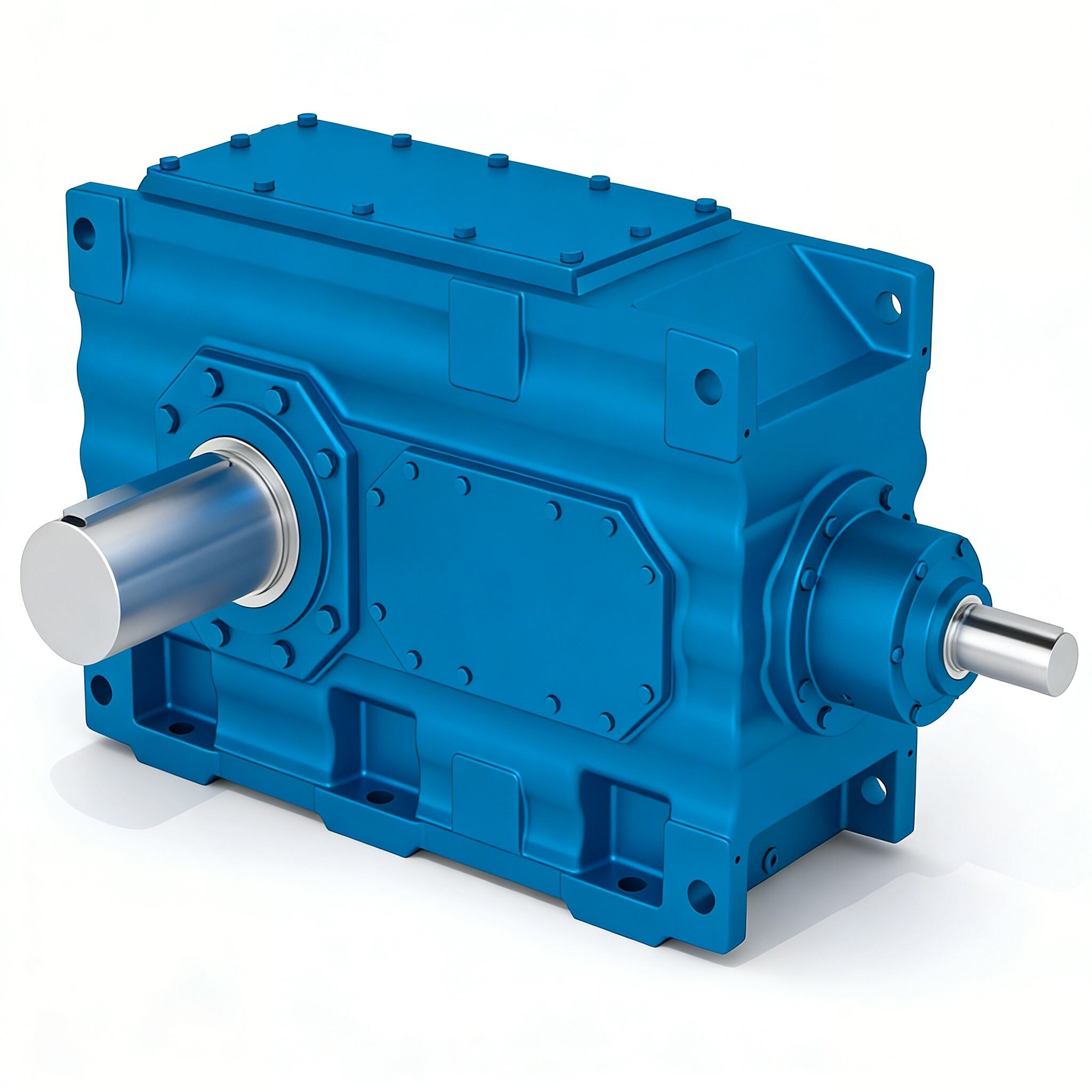
In industrial drive systems, achieving consistent and stable torque output remains a critical challenge that directly impacts equipment performance, operational efficiency, and system reliability. A reducer serves as the fundamental mechanical component that transforms the high-speed, low-torque output from motors into the low-speed, high-torque requirements of industrial machinery, while simultaneously providing the torque stability necessary for precise control and smooth operation across varying load conditions.
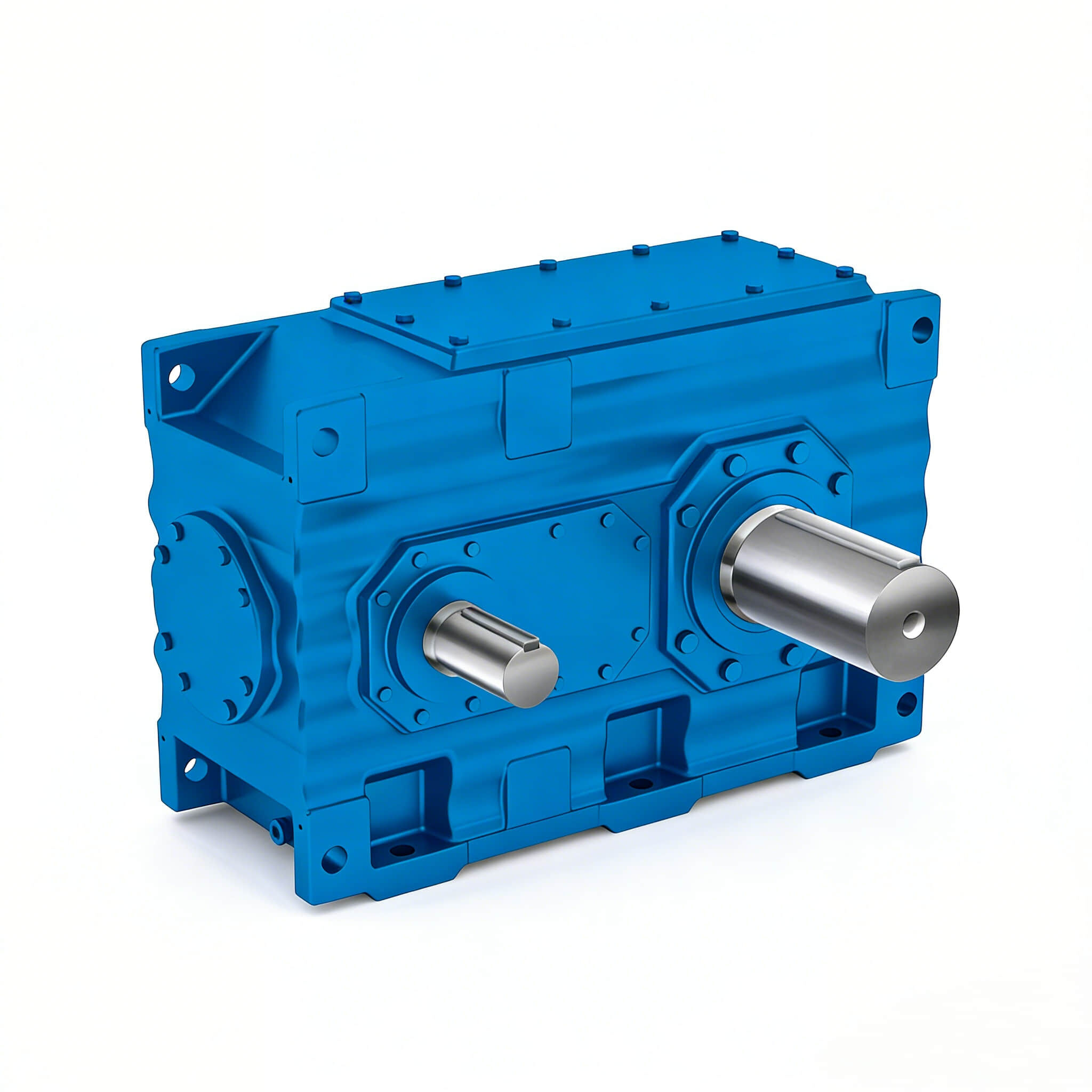
The mechanism through which a reducer enhances torque stability involves multiple engineering principles working in coordination to dampen fluctuations, absorb shock loads, and maintain consistent power transmission characteristics. Understanding this relationship between reducer design and torque stability enables engineers to make informed decisions about drive system optimization and helps maintenance teams recognize the critical role that proper reducer selection and maintenance plays in overall system performance.
Mechanical Principles Behind Torque Stabilization
Gear Train Inertia and Momentum Effects
The fundamental way a reducer improves torque stability lies in its ability to increase the rotational inertia of the drive system through the gear reduction process. When a high-speed motor connects to a reducer, the gear train effectively multiplies the system's moment of inertia at the output shaft, creating a natural flywheel effect that resists sudden changes in rotational speed and torque output. This increased inertia acts as a mechanical buffer, smoothing out the pulsations and variations that commonly occur in motor output.
The mathematical relationship between input and output inertia in a reducer system demonstrates how gear ratios directly influence stability characteristics. As the gear ratio increases, the reflected inertia from the load side appears much larger to the motor, creating a more stable operating condition where sudden load changes produce proportionally smaller effects on the motor's operating point. This principle explains why systems with higher reduction ratios typically exhibit superior torque stability compared to direct-drive configurations.
Additionally, the distributed mass of gears, shafts, and housing components within the reducer contributes to the overall system inertia, providing mechanical energy storage that helps maintain consistent motion during brief interruptions or fluctuations in motor torque output. This energy storage capacity becomes particularly valuable in applications where load demands vary cyclically or unpredictably.
Load Distribution and Stress Absorption
A properly designed reducer distributes torque loads across multiple gear teeth simultaneously, preventing the concentration of stress that can lead to sudden torque variations or mechanical failures. The load sharing mechanism inherent in quality reducer designs ensures that no single gear tooth carries the entire transmitted load, creating a more stable and predictable torque transmission path from input to output.
The contact patterns and engagement characteristics of gear teeth within a reducer create natural damping effects that absorb high-frequency vibrations and torque oscillations before they can propagate to the driven equipment. This mechanical filtering action removes many of the disturbances that would otherwise compromise torque stability, particularly those originating from motor commutation, electromagnetic effects, or external vibration sources.
Furthermore, the backlash characteristics of a reducer, when properly controlled, provide a small amount of mechanical compliance that accommodates minor misalignments and thermal expansions without creating binding conditions that could lead to erratic torque behavior. This controlled flexibility helps maintain smooth operation across a range of operating temperatures and load conditions.
Dynamic Response Characteristics
Frequency Filtering and Vibration Damping
The internal structure of a reducer creates natural frequency filtering characteristics that prevent high-frequency disturbances from reaching the output shaft, significantly improving torque stability in applications sensitive to rapid fluctuations. The gear mesh frequencies and structural resonances of the reducer housing work together to attenuate vibrations and oscillations that originate from the motor or external sources, creating a more stable torque environment for connected equipment.
The oil film present in lubricated reducer systems provides additional damping effects that help stabilize torque transmission by creating viscous resistance to rapid changes in gear motion. This hydrodynamic damping effect becomes more pronounced under higher loads and speeds, automatically providing greater stability when the system needs it most. The lubricant also helps maintain consistent friction characteristics across the gear interfaces, preventing stick-slip phenomena that could introduce torque irregularities.
The multi-stage design common in many industrial reducers creates cascading stabilization effects, where each gear stage contributes its own inertia and damping characteristics to the overall system response. This layered approach to torque conditioning results in progressively smoother output characteristics as the power flows through successive reduction stages.
Thermal Stability and Expansion Management
Temperature variations in industrial environments can significantly affect torque stability, but a well-designed reducer incorporates thermal management features that minimize these effects. The thermal mass of the reducer housing and internal components provides temperature buffering that prevents rapid thermal cycling from affecting gear clearances and contact patterns, maintaining consistent torque transmission characteristics across varying ambient conditions.
The controlled expansion characteristics of reducer components, achieved through proper material selection and design practices, ensure that gear meshes maintain optimal contact patterns as temperatures change during operation. This thermal stability prevents the development of tight spots or excessive clearances that could introduce torque variations or noise into the system.
Effective heat dissipation through the reducer housing helps maintain stable operating temperatures, preventing thermal-induced changes in lubricant viscosity that could affect damping characteristics and gear mesh behavior. The thermal design of the reducer thus directly contributes to maintaining consistent torque stability over extended operating periods.
Load Handling and Shock Absorption
Overload Protection Mechanisms
Industrial applications often subject drive systems to sudden load increases, shock loads, or temporary overload conditions that can destabilize torque output and potentially damage equipment. A reducer provides inherent overload protection through its mechanical design, absorbing and distributing these disturbances before they can affect the motor or downstream equipment. The gear train acts as a mechanical fuse that can handle brief overloads while protecting more sensitive system components.
The service factor built into reducer designs provides a safety margin that allows the unit to handle load variations without compromising performance or stability. This design margin ensures that normal operating load fluctuations remain well within the reducer's capability range, maintaining stable torque characteristics even when applications demand varying power levels.
The progressive engagement characteristics of gear teeth under increasing loads help prevent sudden torque drops or irregular behavior when systems approach their design limits. This graduated response to load changes maintains predictable torque output characteristics across the entire operating range of the drive system.
Cyclic Load Management
Many industrial applications involve cyclic loading patterns that can create resonance conditions or instability in direct-drive systems, but a reducer's inertial and damping characteristics help smooth these variations into more manageable torque profiles. The mechanical time constants introduced by the reducer effectively low-pass filter the load variations, presenting a more stable load profile to the motor and improving overall system stability.
The energy storage capability of the reducer's rotating components allows the system to supply power during peak demand periods and absorb energy during lighter load conditions, creating a natural load leveling effect that improves torque stability. This energy buffering becomes particularly valuable in applications with highly variable duty cycles or intermittent heavy loads.
The mechanical compliance inherent in gear mesh interfaces provides controlled flexibility that accommodates load variations without creating hard impacts or sudden torque reversals that could destabilize the system. This controlled compliance helps maintain smooth operation during load transitions and prevents the development of resonant conditions that could compromise stability.
System Integration and Control Benefits
Motor Performance Optimization
The presence of a reducer in the drive system significantly improves motor performance characteristics by creating more favorable operating conditions that enhance torque stability. The reduced speed requirements at the motor output allow the motor to operate closer to its optimal efficiency point, where torque ripple and electromagnetic disturbances are minimized. This improved motor operating condition directly translates to more stable torque output at the reducer's output shaft.
The reflected load inertia created by the reducer and driven equipment helps stabilize motor operation by reducing the impact of load variations on motor speed and torque. This stabilizing effect allows motor control systems to maintain more precise speed regulation and reduces the hunting behavior that can occur when motors attempt to maintain constant speed under varying load conditions.
The mechanical advantage provided by the reducer reduces the instantaneous power demands on the motor during load transients, allowing the motor to respond more gradually to changing conditions and maintain more stable output characteristics. This gradual response capability prevents the rapid torque fluctuations that can occur when motors are forced to respond quickly to sudden load changes.
Control System Response Enhancement
Modern industrial drive systems often incorporate sophisticated control algorithms that benefit significantly from the torque stabilization effects of a properly selected reducer. The mechanical filtering provided by the reducer removes high-frequency disturbances that could confuse feedback control systems and lead to unstable control behavior. This mechanical preprocessing of the torque signal allows control systems to focus on longer-term trends rather than responding to every minor fluctuation.
The predictable mechanical characteristics of a quality reducer provide control systems with a more linear and stable plant to control, improving the effectiveness of PID controllers and other feedback control strategies. The reduced sensitivity to disturbances allows control systems to use higher gains and faster response times without risking instability or oscillation.
The mechanical time constants introduced by the reducer create natural separation between the control system response time and the mechanical system response time, preventing control-structure interaction problems that can lead to instability in high-performance positioning or speed control applications. This natural decoupling improves overall system stability and control precision.
FAQ
How does gear ratio affect torque stability in reducer applications?
Higher gear ratios in a reducer generally provide better torque stability because they increase the effective system inertia and reduce the impact of load variations on motor operation. The gear ratio multiplies both the torque output and the reflected inertia, creating a more stable mechanical system that resists sudden changes. However, very high ratios can introduce other considerations such as increased backlash and reduced system response speed, so the optimal ratio depends on the specific application requirements for both stability and dynamic performance.
What maintenance practices help preserve reducer torque stability over time?
Regular lubrication maintenance is crucial for maintaining torque stability, as proper oil films provide damping effects and prevent gear wear that could introduce irregularities. Monitoring and adjusting backlash settings helps maintain proper gear engagement characteristics, while regular vibration analysis can detect developing problems before they affect torque stability. Temperature monitoring ensures that thermal effects don't compromise gear mesh characteristics, and proper alignment maintenance prevents binding conditions that could create torque variations.
Can a reducer improve torque stability in variable speed drive applications?
Yes, a reducer can significantly improve torque stability in variable speed drives by providing mechanical filtering of the torque ripple and electromagnetic disturbances commonly associated with variable frequency drives. The reducer's inertia and damping characteristics help smooth the discrete switching effects of power electronic converters, while the mechanical advantage allows the motor to operate in more favorable speed ranges where torque characteristics are more stable. This combination often results in smoother operation and better speed regulation across the entire operating range.
What role does reducer backlash play in torque stability?
Controlled backlash in a reducer provides necessary mechanical clearance for thermal expansion and manufacturing tolerances, but excessive backlash can create dead zones that compromise torque stability during direction changes or light load conditions. Optimal backlash settings provide enough clearance to prevent binding while maintaining positive gear contact under normal operating loads. Modern precision reducers often incorporate backlash adjustment mechanisms or use specialized gear designs to minimize backlash while maintaining the mechanical compliance needed for stable operation.