
 EN
EN



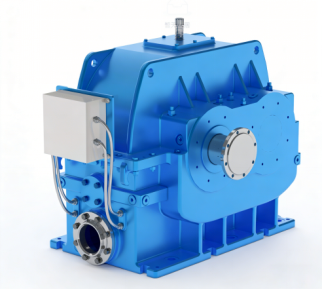
Heavy-duty equipment manufacturers face constant pressure to deliver machinery that combines raw power with precise control, operational efficiency, and long-term reliability. The integration of a reducer into these systems represents one of the most critical engineering decisions that directly impacts performance outcomes, energy consumption, and maintenance costs across industrial applications.
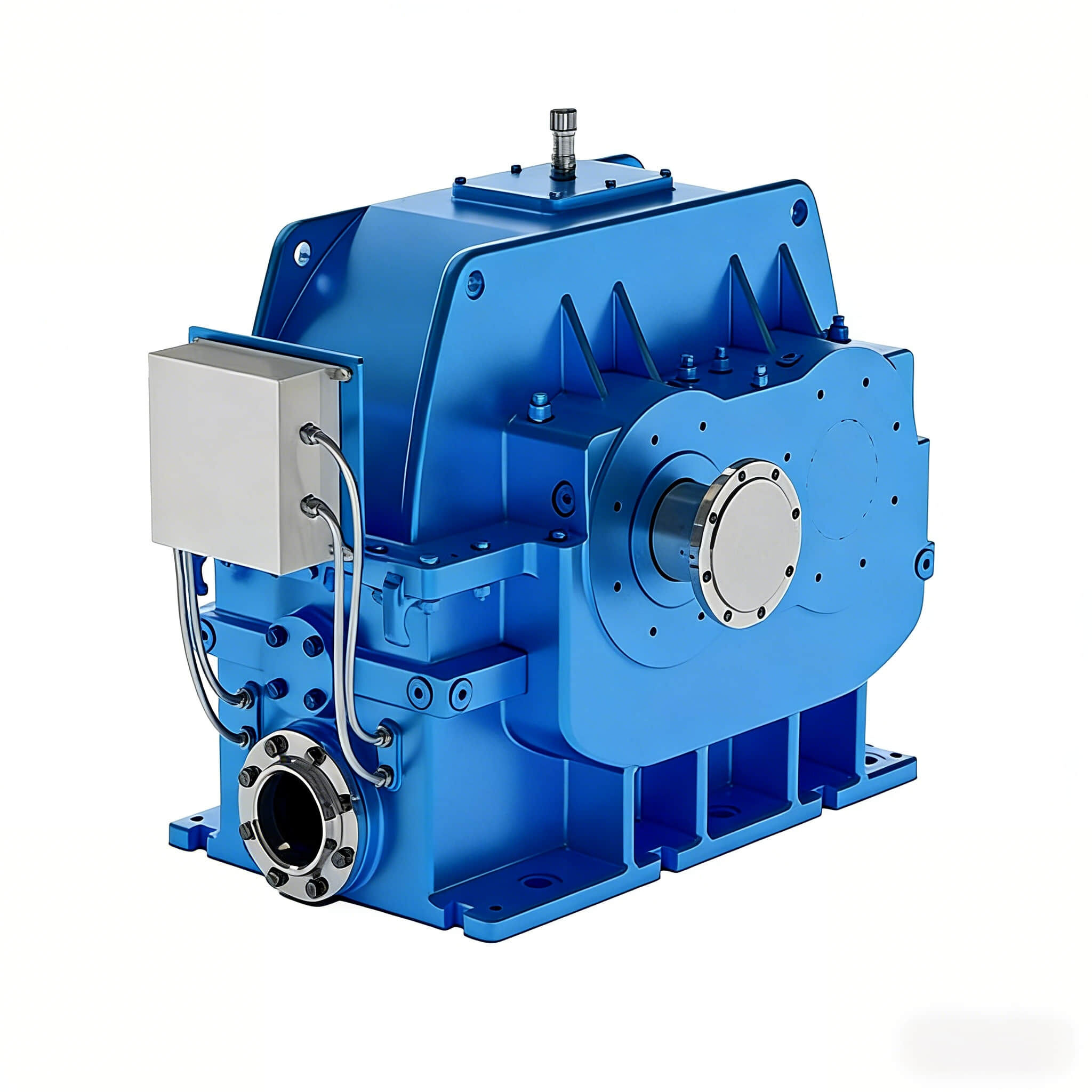
Understanding why manufacturers systematically choose to integrate reducer technology reveals the fundamental engineering challenges inherent in heavy-duty operations and the sophisticated solutions required to overcome them. This integration decision stems from specific operational requirements that cannot be effectively addressed through motor technology alone, making the reducer an indispensable component in modern industrial equipment design.
Power Management and Torque Multiplication Requirements
High Torque Demand in Heavy-Duty Applications
Heavy-duty equipment operates under extreme load conditions that require significantly higher torque output than standard electric motors can provide at optimal operating speeds. Manufacturing operations involving material handling, mining equipment, and construction machinery demand torque levels that would require impractically large motors without reducer integration. The reducer serves as a torque multiplier, enabling manufacturers to specify smaller, more efficient motors while achieving the necessary force output for heavy-duty applications.
The torque multiplication factor provided by a reducer allows equipment designers to match motor characteristics with load requirements more precisely. This matching process ensures that the motor operates within its optimal efficiency range while the reducer transforms the motor's high-speed, low-torque output into the low-speed, high-torque characteristics required for heavy-duty operations. The result is a power transmission system that maximizes both performance and efficiency.
Speed Reduction and Control Precision
Heavy-duty equipment typically requires operating speeds significantly lower than the optimal speed range of electric motors. Industrial motors achieve peak efficiency at speeds ranging from 1,200 to 3,600 RPM, while heavy-duty applications often require output speeds between 10 and 300 RPM. The reducer bridges this speed gap by providing precise speed reduction ratios that match motor characteristics to application requirements.
This speed reduction capability enables manufacturers to achieve precise control over equipment operation, particularly in applications requiring accurate positioning, controlled material flow, or synchronized multi-axis movement. The reducer's gear train provides mechanical advantage that translates into improved control resolution and positioning accuracy, essential factors in modern automated manufacturing environments.
Operational Efficiency and Energy Optimization
Motor Efficiency Optimization
Integrating a reducer allows manufacturers to select motors that operate within their peak efficiency zones, resulting in significant energy savings over the equipment's operational lifetime. Electric motors exhibit varying efficiency curves across their operating range, with maximum efficiency typically occurring at specific speed and load combinations. By incorporating a reducer, equipment designers can ensure that the motor operates consistently within its optimal efficiency window regardless of the final output requirements.
This efficiency optimization translates into reduced operational costs for end users, as properly matched motor-reducer combinations can achieve overall system efficiencies exceeding 95%. The energy savings become particularly significant in continuous-duty applications where equipment operates for extended periods, making the reducer integration a critical factor in the total cost of ownership calculations that drive purchasing decisions in heavy-duty equipment markets.
Load Distribution and Mechanical Advantage
The reducer provides mechanical advantage that distributes operational loads more effectively throughout the power transmission system. This load distribution reduces stress concentrations on individual components, particularly the motor shaft and bearings, extending component life and reducing maintenance requirements. Heavy-duty applications subject equipment to shock loads, vibration, and varying load conditions that can damage direct-drive systems, making the reducer's load-smoothing characteristics essential for reliable operation.
The gear train within the reducer also serves as a mechanical filter, dampening vibrations and shock loads before they reach the motor. This protective function is particularly valuable in applications involving impact loading, irregular material flow, or cyclic operations where sudden load changes could damage sensitive motor components. The reducer's ability to absorb and distribute these mechanical stresses contributes significantly to overall system reliability and longevity.
Design Flexibility and Space Optimization
Compact System Integration
Reducer integration enables manufacturers to create more compact equipment designs by allowing the use of smaller, lighter motors while maintaining required output performance. This size optimization is particularly critical in mobile equipment, overhead installations, and applications where space constraints limit design options. A properly selected reducer can reduce the overall motor size requirement by factors of 3:1 to 10:1 while maintaining equivalent output torque and speed characteristics.
The compact nature of modern reducer designs also provides mounting flexibility that simplifies equipment integration. Manufacturers can position the motor-reducer assembly to optimize weight distribution, access for maintenance, and integration with other system components. This design flexibility becomes particularly valuable in complex machinery where multiple systems must be integrated within limited space envelopes.
Standardization and Component Interchangeability
Reducer integration supports standardization strategies that reduce manufacturing costs and simplify maintenance logistics. Manufacturers can utilize standard motor sizes across multiple equipment models by varying reducer specifications to match different performance requirements. This standardization reduces inventory complexity, simplifies service support, and enables volume purchasing advantages that improve overall cost competitiveness.
The modular nature of motor-reducer combinations also enables manufacturers to offer performance variants of equipment models without redesigning the entire power transmission system. Different reducer ratios can be specified to modify equipment characteristics for specific applications, providing customization flexibility while maintaining production efficiency and cost control.
Reliability and Maintenance Considerations
Extended Component Life and Durability
The reducer's role in protecting motor components from excessive loads and operating stress directly contributes to extended equipment life and reduced maintenance requirements. By providing mechanical isolation between the motor and load, the reducer allows each component to operate within its designed parameters, minimizing wear and extending service intervals. This protection is particularly valuable in heavy-duty applications where equipment downtime represents significant operational costs.
Modern reducer designs incorporate advanced lubrication systems and wear-resistant materials that enable extended operation under demanding conditions. The gear train's ability to distribute loads across multiple contact points reduces individual component stress levels compared to direct-drive systems, contributing to improved reliability and predictable maintenance schedules that support effective asset management strategies.
Serviceability and Maintenance Access
Reducer integration can improve equipment serviceability by isolating motor components from the harsh operating environment typical of heavy-duty applications. The reducer housing provides environmental protection for precision motor components while concentrating lubrication and maintenance requirements in easily accessible locations. This separation enables more efficient maintenance procedures and reduces the risk of contamination or damage during service operations.
The predictable wear patterns and maintenance requirements of quality reducer systems also enable proactive maintenance scheduling that minimizes unplanned downtime. Manufacturers can provide clear maintenance guidelines and component replacement schedules that help end users optimize equipment availability and control maintenance costs over the equipment's operational lifetime.
Economic and Performance Benefits
Total Cost of Ownership Optimization
The integration of a reducer into heavy-duty equipment represents an investment in long-term operational economics rather than simply an additional component cost. The efficiency gains, extended component life, and reduced maintenance requirements enabled by proper reducer integration typically result in significant total cost of ownership improvements that justify the initial investment. Energy savings alone can often recover the reducer cost within the first year of operation in continuous-duty applications.
The reducer's contribution to system reliability also reduces the risk of unexpected downtime and associated production losses. In industrial environments where equipment availability directly impacts productivity and profitability, the reducer's role in ensuring consistent, reliable operation provides economic benefits that extend far beyond the immediate performance characteristics of the power transmission system.
Performance Predictability and Control
Reducer integration enables manufacturers to provide equipment with predictable, repeatable performance characteristics across varying operating conditions. The mechanical speed reduction and torque multiplication provided by the reducer create consistent relationships between input commands and output responses, essential for automated systems and precision applications. This predictability simplifies system integration and reduces commissioning time for complex installations.
The reducer also enables manufacturers to specify precise performance parameters that match application requirements exactly. Rather than oversizing motors to handle peak loads or variable operating conditions, the reducer allows optimization for average operating conditions while maintaining capability to handle peak demands efficiently. This optimization results in better performance matching and improved overall system efficiency.
FAQ
What are the primary advantages of using a reducer in heavy-duty equipment compared to direct-drive systems?
Reducer integration provides significant advantages including torque multiplication for high-load applications, speed reduction to match motor efficiency curves with application requirements, mechanical protection for motor components, and improved system efficiency. The reducer enables the use of smaller, more efficient motors while achieving the high torque and low speed characteristics required for heavy-duty operations, resulting in better energy efficiency and extended component life compared to direct-drive alternatives.
How does reducer integration impact the overall energy consumption of heavy-duty equipment?
Proper reducer integration typically reduces overall system energy consumption by enabling motors to operate within their peak efficiency ranges. The speed reduction and torque multiplication provided by the reducer allows manufacturers to specify motors that operate at optimal efficiency points, often resulting in system efficiencies exceeding 95%. This optimization can reduce energy consumption by 10-20% compared to oversized direct-drive systems, providing significant operational cost savings over the equipment's lifetime.
What maintenance considerations should be evaluated when selecting a reducer for heavy-duty applications?
Key maintenance considerations include lubrication requirements, access for service procedures, wear component replacement intervals, and environmental protection capabilities. Quality reducers designed for heavy-duty applications typically feature extended lubrication intervals, easily accessible service points, and robust sealing systems that protect internal components from contamination. Manufacturers should also consider the availability of replacement parts and service support when selecting reducer systems for critical applications.
How does reducer selection affect equipment design flexibility and customization options?
Reducer integration provides significant design flexibility by enabling manufacturers to offer multiple performance variants using standard motor platforms. Different reducer ratios can be specified to modify equipment speed and torque characteristics for specific applications without redesigning the entire power transmission system. This modularity reduces manufacturing complexity while enabling customization for diverse application requirements, supporting both cost-effective production and market responsiveness.
Table of Contents
- Power Management and Torque Multiplication Requirements
- Operational Efficiency and Energy Optimization
- Design Flexibility and Space Optimization
- Reliability and Maintenance Considerations
- Economic and Performance Benefits
-
FAQ
- What are the primary advantages of using a reducer in heavy-duty equipment compared to direct-drive systems?
- How does reducer integration impact the overall energy consumption of heavy-duty equipment?
- What maintenance considerations should be evaluated when selecting a reducer for heavy-duty applications?
- How does reducer selection affect equipment design flexibility and customization options?