
 EN
EN



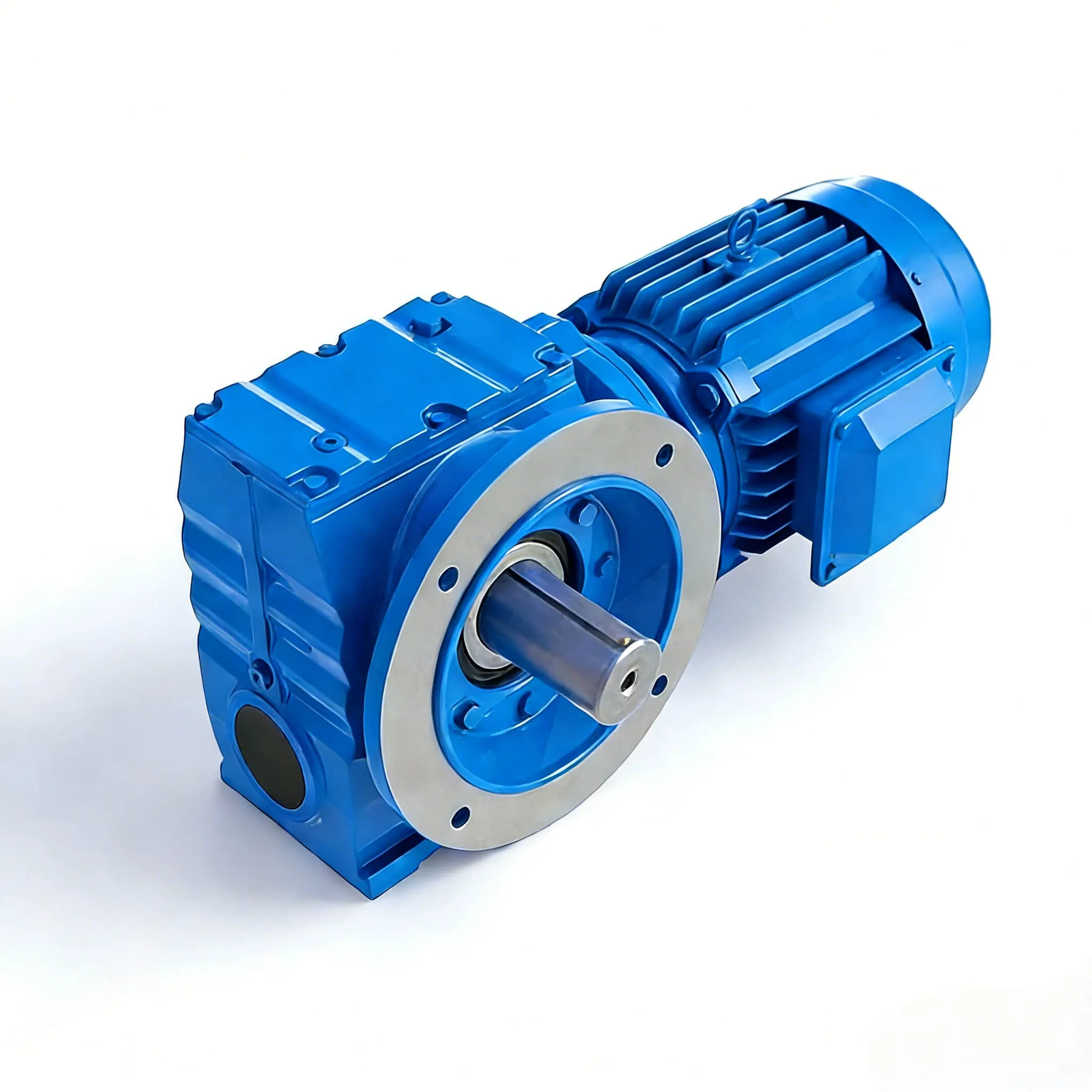
Industrial operations demanding continuous performance require motors engineered with specific characteristics that differentiate them from standard commercial applications. A motor designed for continuous industrial operation must withstand prolonged duty cycles, extreme environmental conditions, and varying load demands while maintaining consistent performance over extended periods. Understanding these defining features is crucial for engineers and facility managers responsible for selecting equipment that ensures reliable production uptime and operational efficiency.
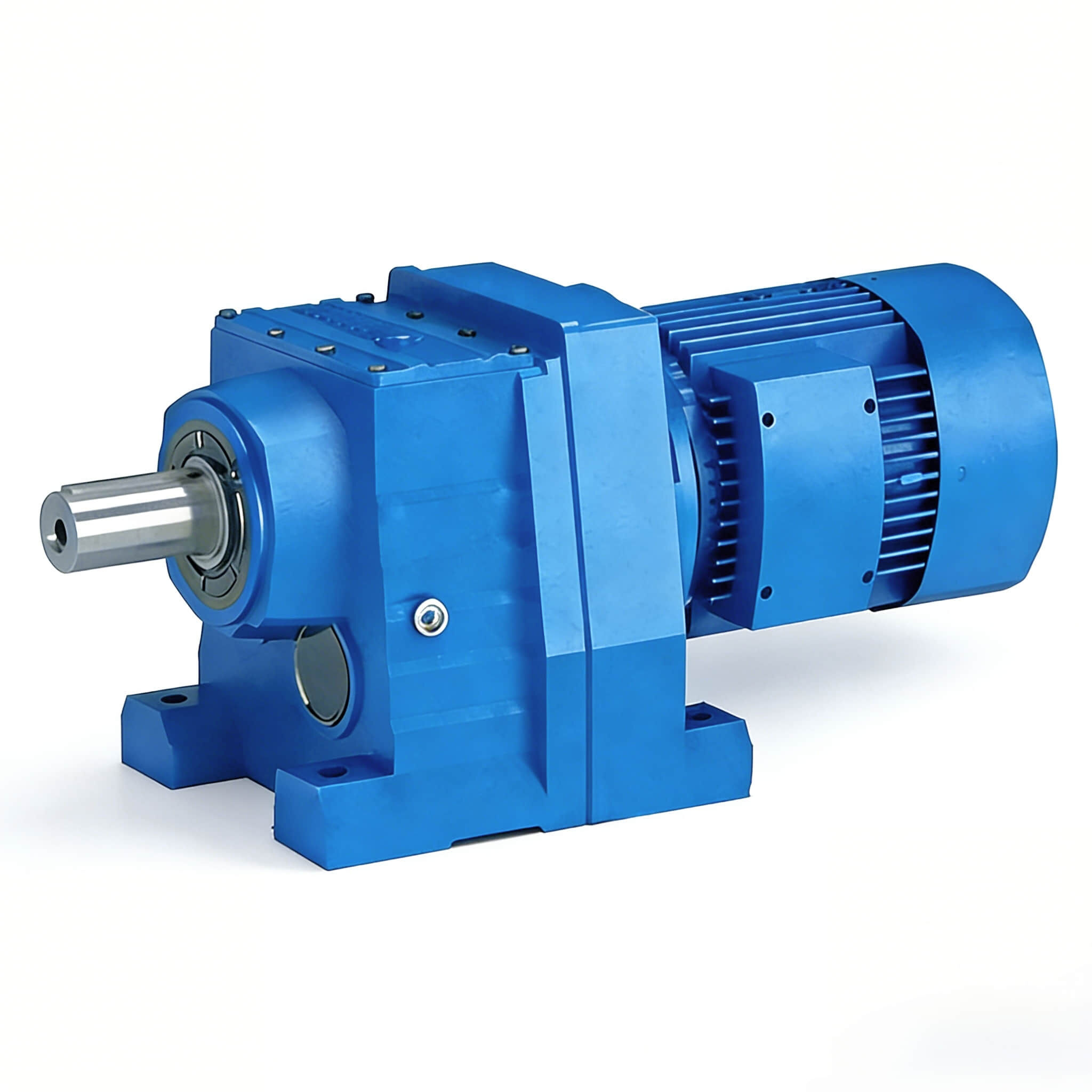
The distinction between a standard motor and one suitable for continuous industrial duty lies in its construction quality, thermal management capabilities, and design tolerances. These specialized motors incorporate advanced materials, enhanced cooling systems, and robust electrical insulation to handle the demanding requirements of industrial environments. Every component, from the windings to the bearing systems, is engineered to operate reliably under conditions that would quickly degrade conventional motor designs.
Thermal Management and Heat Dissipation Capabilities
Advanced Cooling System Integration
Effective thermal management represents the most critical feature of any motor intended for continuous operation. Industrial duty motors incorporate sophisticated cooling systems that actively manage heat generation through multiple pathways. These systems typically include enlarged cooling fins, forced air circulation, and in some applications, liquid cooling circuits that maintain optimal operating temperatures even during extended high-load operations.
The motor housing design plays a vital role in heat dissipation, featuring strategically positioned ventilation channels and heat sink configurations. Premium continuous-duty motors often employ aluminum or specially treated steel housings that maximize thermal conductivity while providing structural integrity. The cooling fan assemblies are engineered with aerodynamic blade profiles that optimize airflow patterns across critical motor components.
Temperature Monitoring and Protection Systems
Continuous operation motors integrate multiple temperature sensing elements throughout their construction to provide real-time thermal monitoring. These embedded sensors track winding temperatures, bearing temperatures, and ambient conditions within the motor housing. Advanced motor designs incorporate thermal protection devices that automatically adjust operating parameters or initiate protective shutdowns when temperature thresholds are exceeded.
The insulation system in a continuous-duty motor utilizes high-temperature rated materials that maintain their electrical properties even under sustained thermal stress. Class F or Class H insulation systems are standard in these applications, providing temperature ratings well above those required for intermittent duty cycles. This thermal margin ensures reliable operation even when ambient temperatures fluctuate or cooling systems experience temporary reduced efficiency.
Mechanical Construction and Durability Features
Enhanced Bearing Systems and Lubrication
The bearing system in a continuous operation motor represents a critical wear component that requires specialized design consideration. These motors typically employ sealed ball bearings or roller bearings with extended lubrication intervals and superior load ratings. The bearing selection process considers both radial and axial load requirements, as well as the expected operating speed range and environmental exposure conditions.
Lubrication systems in continuous-duty motors often feature automatic greasing systems or oil bath configurations that maintain optimal bearing lubrication without manual intervention. The motor shaft assemblies are precisely balanced to minimize vibration and bearing stress, contributing to extended operational life. Premium designs incorporate vibration dampening elements and flexible coupling interfaces that accommodate minor misalignments without compromising performance.
Robust Frame Construction and Protection
The mechanical frame of an industrial continuous-duty motor must withstand not only operational stresses but also environmental challenges common in industrial settings. These motors feature reinforced mounting configurations with precision-machined interfaces that maintain alignment under mechanical stress. The frame materials are selected for their strength-to-weight ratio and corrosion resistance, often incorporating protective coatings or anodizing treatments.
Vibration resistance is engineered into every aspect of the motor construction, from the stator mounting system to the rotor balancing specifications. Dynamic balancing procedures ensure smooth operation across the entire speed range, while the frame design incorporates dampening characteristics that minimize resonance frequencies. These features collectively contribute to reduced wear rates and extended maintenance intervals.
Electrical Design and Performance Characteristics
Winding Configuration and Insulation Systems
The electrical design of a continuous operation motor emphasizes reliability and efficiency over peak performance characteristics. The winding configuration utilizes larger conductor cross-sections to reduce resistive heating and improve current-carrying capacity. Specialized winding techniques, such as random wound or form wound configurations, optimize space utilization while maintaining electrical isolation between phases.
Insulation systems in these motors exceed standard requirements through the use of multiple insulation layers and high-temperature materials. The motor windings incorporate corona-resistant insulation that prevents electrical degradation over time. Vacuum pressure impregnation processes ensure complete insulation coverage and eliminate air gaps that could lead to partial discharge phenomena during operation.
Starting and Control System Compatibility
Industrial continuous-duty motors are designed to accommodate various starting methods and control systems without compromising their operational integrity. These motors typically feature low starting current characteristics that reduce stress on electrical distribution systems while providing adequate starting torque for demanding applications. The motor design incorporates thermal mass that allows for multiple start-stop cycles without overheating.
Variable frequency drive compatibility represents an essential feature in modern continuous operation motors. The motor construction includes enhanced insulation systems that withstand the voltage stress imposed by PWM inverter drives. Special attention is given to bearing current mitigation through insulated bearing systems or shaft grounding brushes that prevent electrical damage from drive-induced common mode currents.
Environmental Protection and Sealing Systems
Ingress Protection and Contamination Resistance
Continuous operation motors must maintain performance in challenging environmental conditions that would quickly degrade standard motor designs. These motors incorporate advanced sealing systems that provide protection against dust, moisture, and chemical contaminants. IP ratings of IP55 or higher are standard, with specialized applications requiring IP65 or IP67 protection levels.
The sealing system design extends beyond simple gasket applications to include labyrinth seals, magnetic seals, and pressure equalization systems that prevent contamination ingress while allowing for thermal expansion. Critical seal points, including shaft penetrations and junction box interfaces, feature redundant sealing elements that maintain protection even if primary seals experience wear or damage.
Corrosion Protection and Material Selection
Material selection for continuous operation motors considers long-term exposure to industrial environments that may include aggressive chemicals, high humidity, or temperature cycling. The motor housing and external components utilize corrosion-resistant materials or protective coating systems that maintain structural integrity and appearance over extended service periods.
Internal components, including fasteners, conductor materials, and magnetic core laminations, are selected for their compatibility with the intended operating environment. Stainless steel fasteners, tinned copper conductors, and specially treated steel laminations ensure that all motor components maintain their properties throughout the expected service life. These material choices contribute to overall motor reliability and reduce maintenance requirements.
Monitoring and Diagnostic Capabilities
Integrated Sensor Systems
Modern continuous operation motors incorporate comprehensive monitoring systems that provide real-time feedback on motor health and performance parameters. These integrated sensor systems track vibration levels, temperature distribution, electrical parameters, and bearing condition to enable predictive maintenance strategies. The sensor data integration allows facility management systems to optimize motor performance and identify potential issues before they result in operational failures.
Advanced motor designs feature wireless communication capabilities that transmit operational data to centralized monitoring systems. These communication systems utilize industrial protocols such as Modbus, Profinet, or Ethernet/IP to ensure compatibility with existing facility automation infrastructure. The diagnostic capabilities enable trend analysis and performance optimization that maximizes motor efficiency and service life.
Predictive Maintenance Integration
Continuous operation motors are designed to support predictive maintenance programs that minimize unplanned downtime while optimizing maintenance resource allocation. The motor construction includes access points for external monitoring equipment such as vibration sensors, thermal imaging, and oil analysis sampling ports. These features enable maintenance teams to assess motor condition without interrupting operation.
The motor control systems interface with facility maintenance management systems to provide automated alerts when operating parameters exceed normal ranges. This integration supports condition-based maintenance strategies that extend motor life while reducing maintenance costs. The data collection capabilities enable statistical analysis of motor performance trends that inform maintenance scheduling and operational optimization decisions.
FAQ
What makes a motor suitable for 24/7 continuous operation compared to standard motors?
A motor designed for continuous operation features enhanced thermal management systems, superior insulation materials rated for higher temperatures, robust bearing systems with extended lubrication intervals, and comprehensive environmental protection. These motors undergo more stringent testing procedures and utilize higher quality components that can withstand the stress of prolonged operation without degradation. The key difference lies in the thermal design margin and component durability that allows sustained operation at rated load without overheating or premature wear.
How do cooling systems in continuous operation motors differ from standard designs?
Continuous operation motors incorporate active cooling systems with larger heat dissipation surfaces, enhanced airflow designs, and often forced ventilation systems. These motors feature optimized cooling fin configurations, strategic ventilation pathways, and may include liquid cooling circuits for extreme applications. The cooling system design ensures that motor temperatures remain within safe operating limits even during extended high-load operation, preventing thermal degradation of insulation and other temperature-sensitive components.
What electrical features are essential for motors in continuous industrial applications?
Essential electrical features include low starting current characteristics to minimize electrical system stress, compatibility with variable frequency drives through enhanced insulation systems, and multiple protection systems including thermal overload protection and phase monitoring. These motors feature high-quality winding systems with superior insulation ratings, typically Class F or Class H, that maintain electrical integrity under sustained operation. The electrical design emphasizes reliability and efficiency over peak performance to ensure consistent operation throughout the duty cycle.
How important are monitoring and diagnostic capabilities in continuous operation motors?
Monitoring and diagnostic capabilities are crucial for continuous operation motors as they enable predictive maintenance strategies that prevent unexpected failures and optimize performance. These systems provide real-time feedback on critical parameters such as temperature, vibration, and electrical characteristics, allowing operators to identify potential issues before they cause operational disruptions. Advanced diagnostic systems integrate with facility management systems to support data-driven maintenance decisions and performance optimization, ultimately reducing total cost of ownership and maximizing operational availability.
Table of Contents
- Thermal Management and Heat Dissipation Capabilities
- Mechanical Construction and Durability Features
- Electrical Design and Performance Characteristics
- Environmental Protection and Sealing Systems
- Monitoring and Diagnostic Capabilities
-
FAQ
- What makes a motor suitable for 24/7 continuous operation compared to standard motors?
- How do cooling systems in continuous operation motors differ from standard designs?
- What electrical features are essential for motors in continuous industrial applications?
- How important are monitoring and diagnostic capabilities in continuous operation motors?