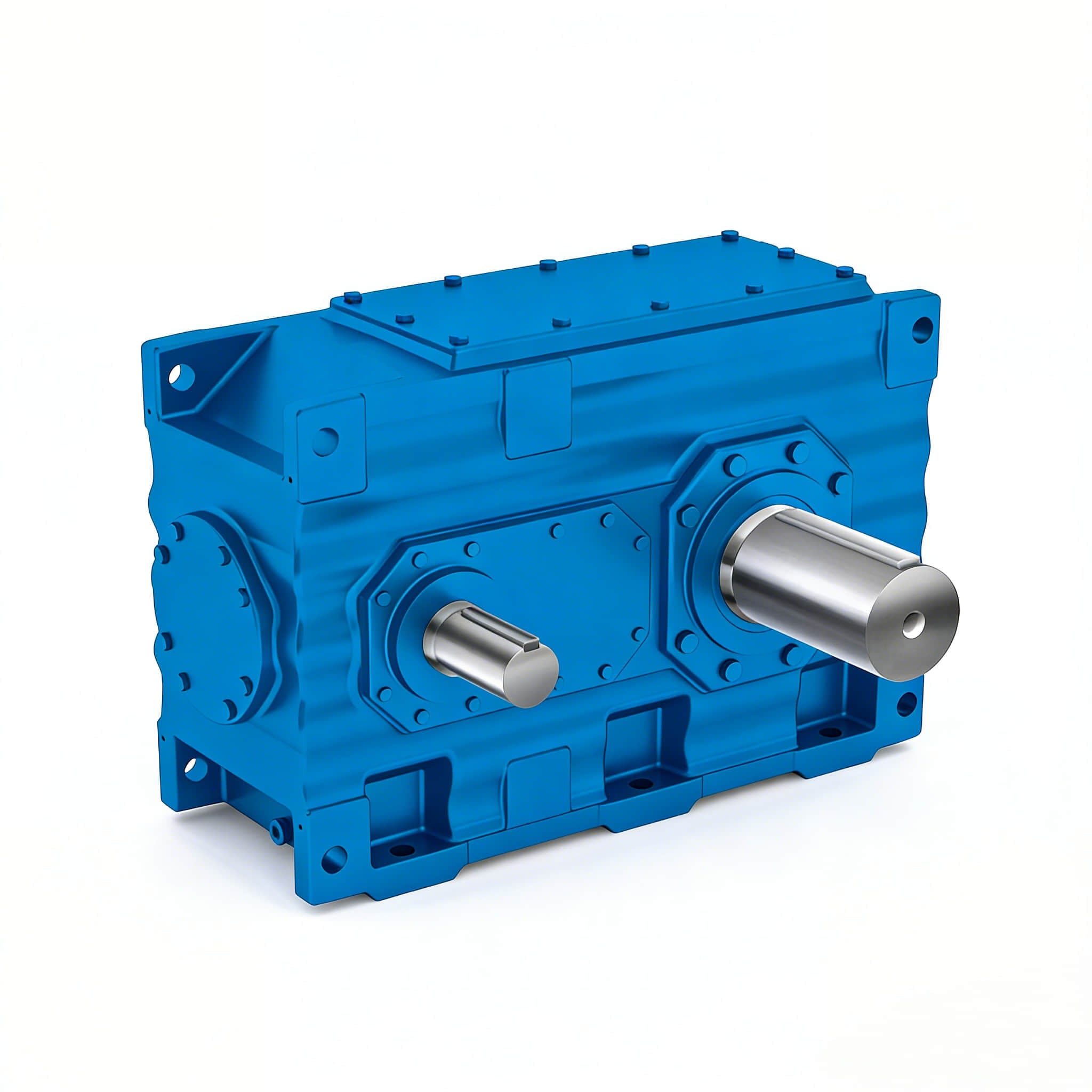
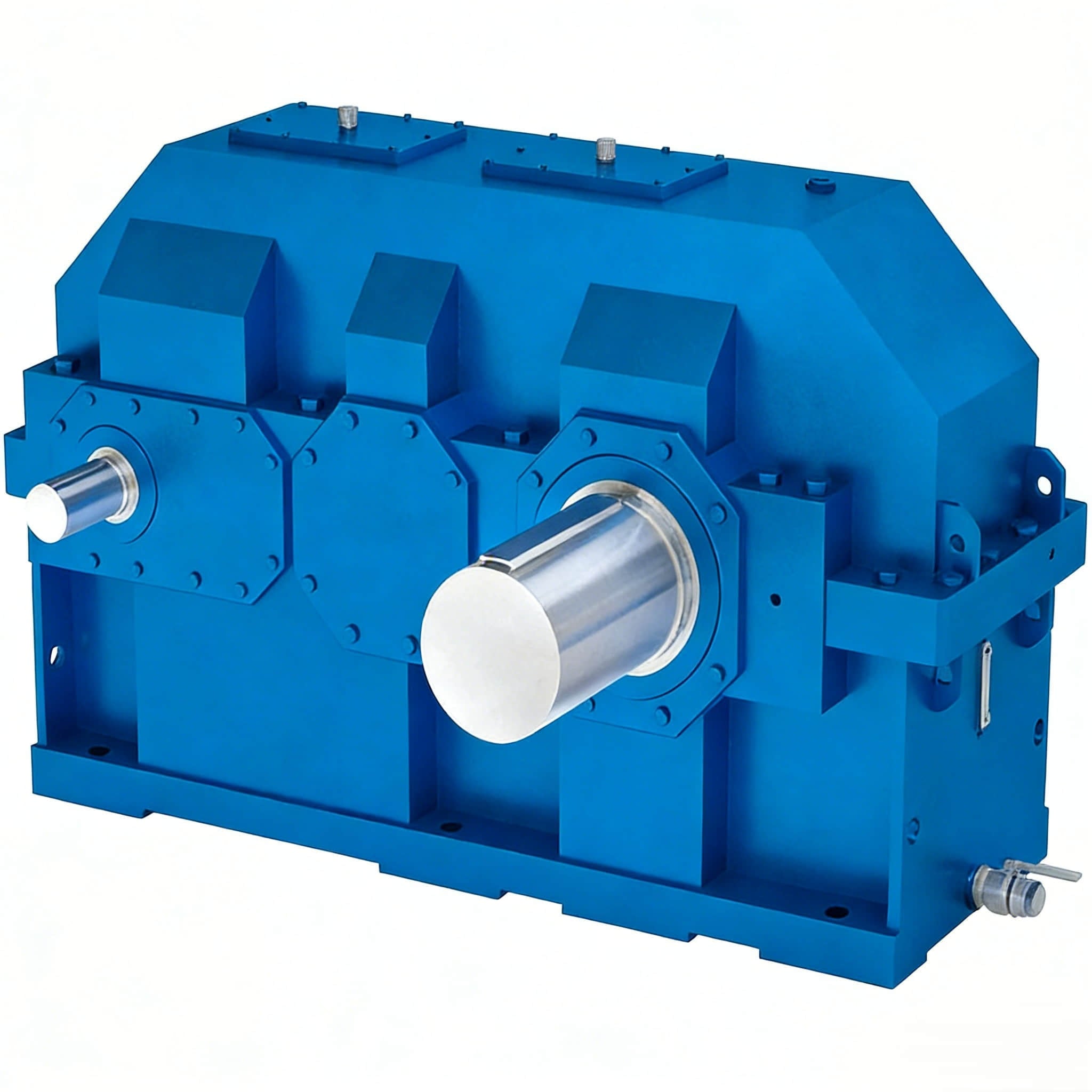
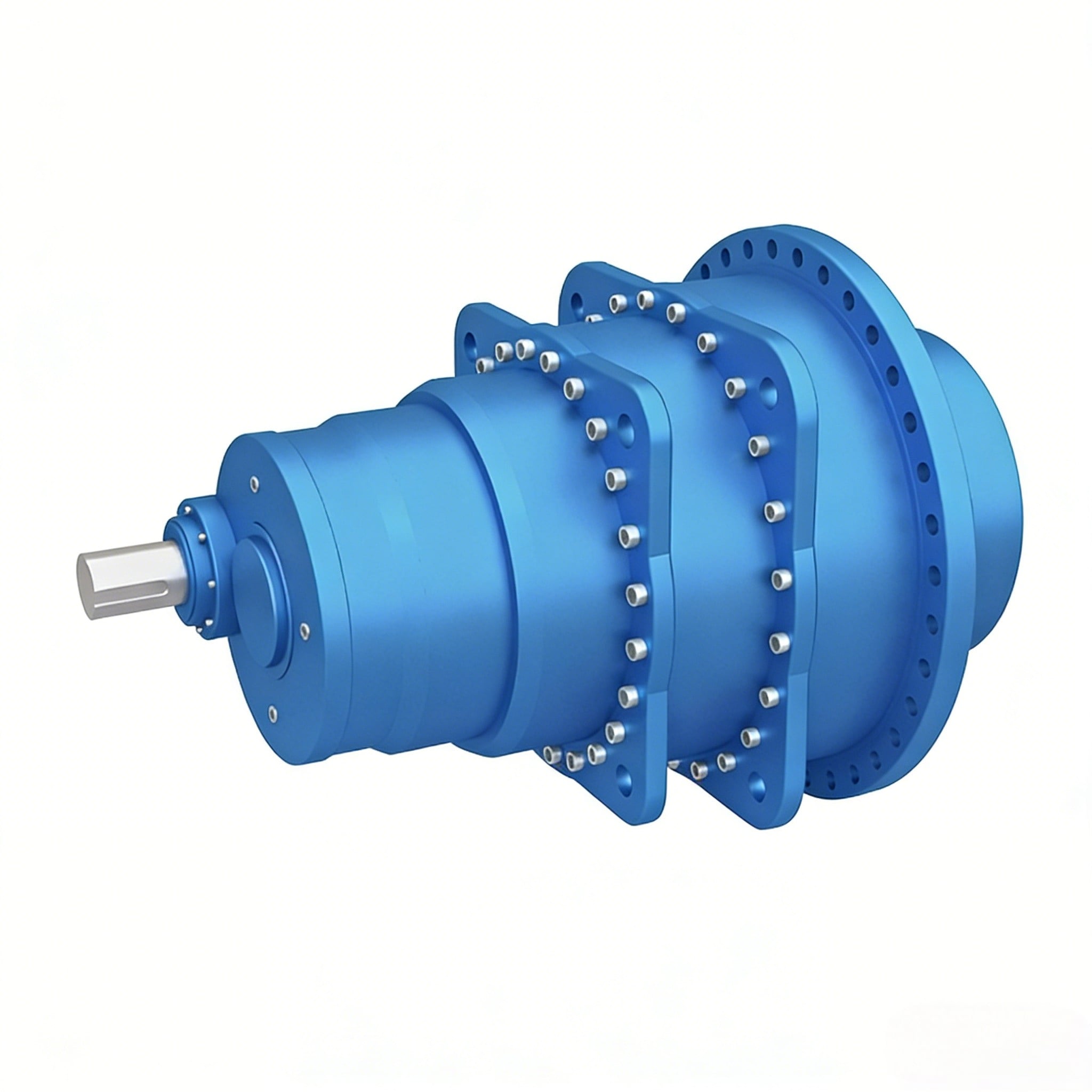
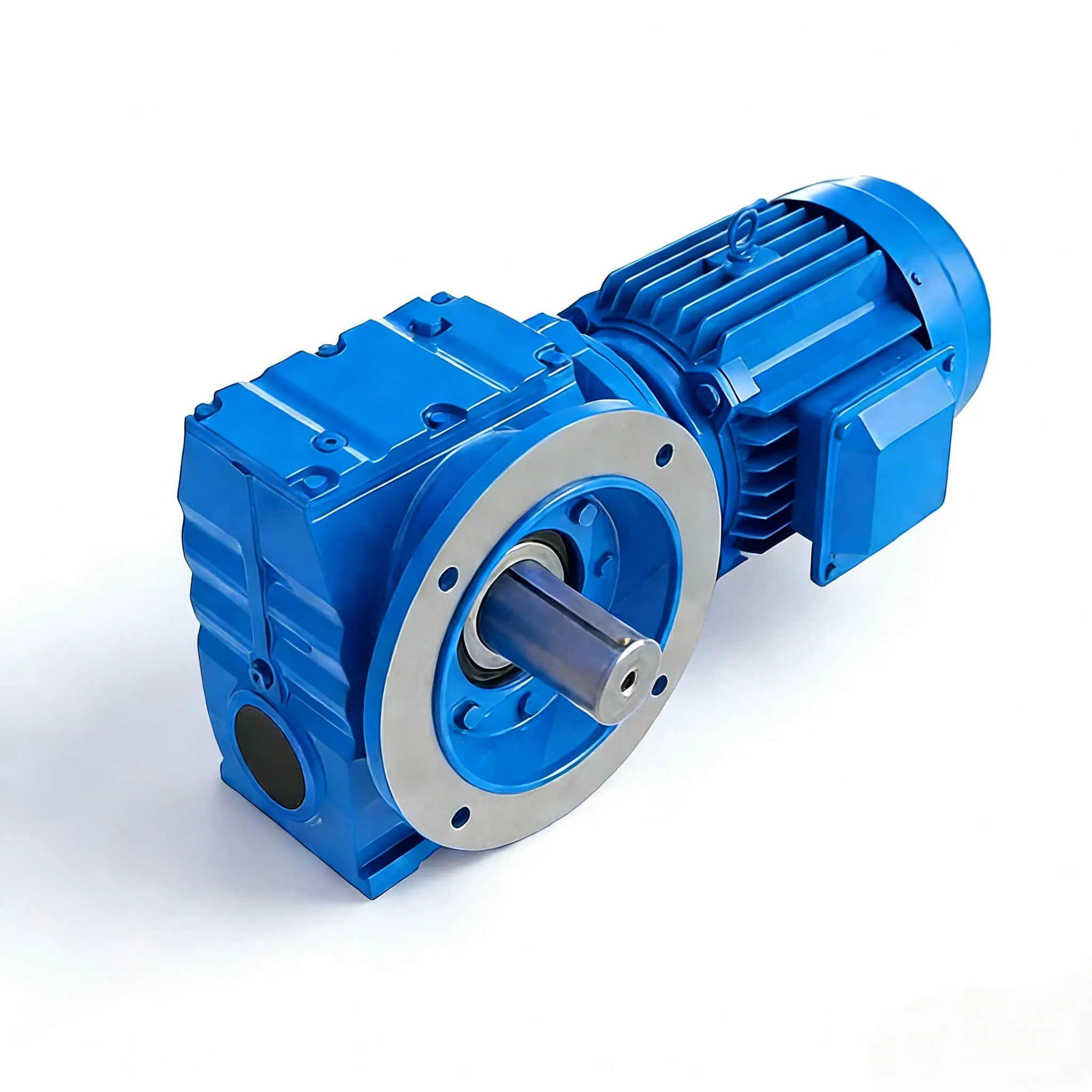
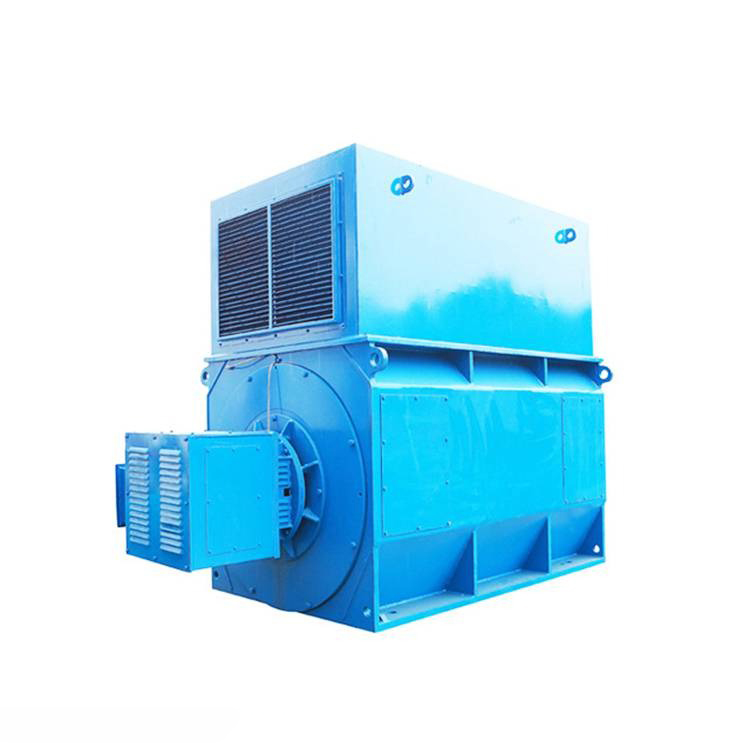
High-Performance Mill Motor Solutions: Advanced Industrial Motors for Grinding Applications

Get a Free Quote

Our representative will contact you soon.
Email
Name
Company Name
Message
0/1000

mill motor

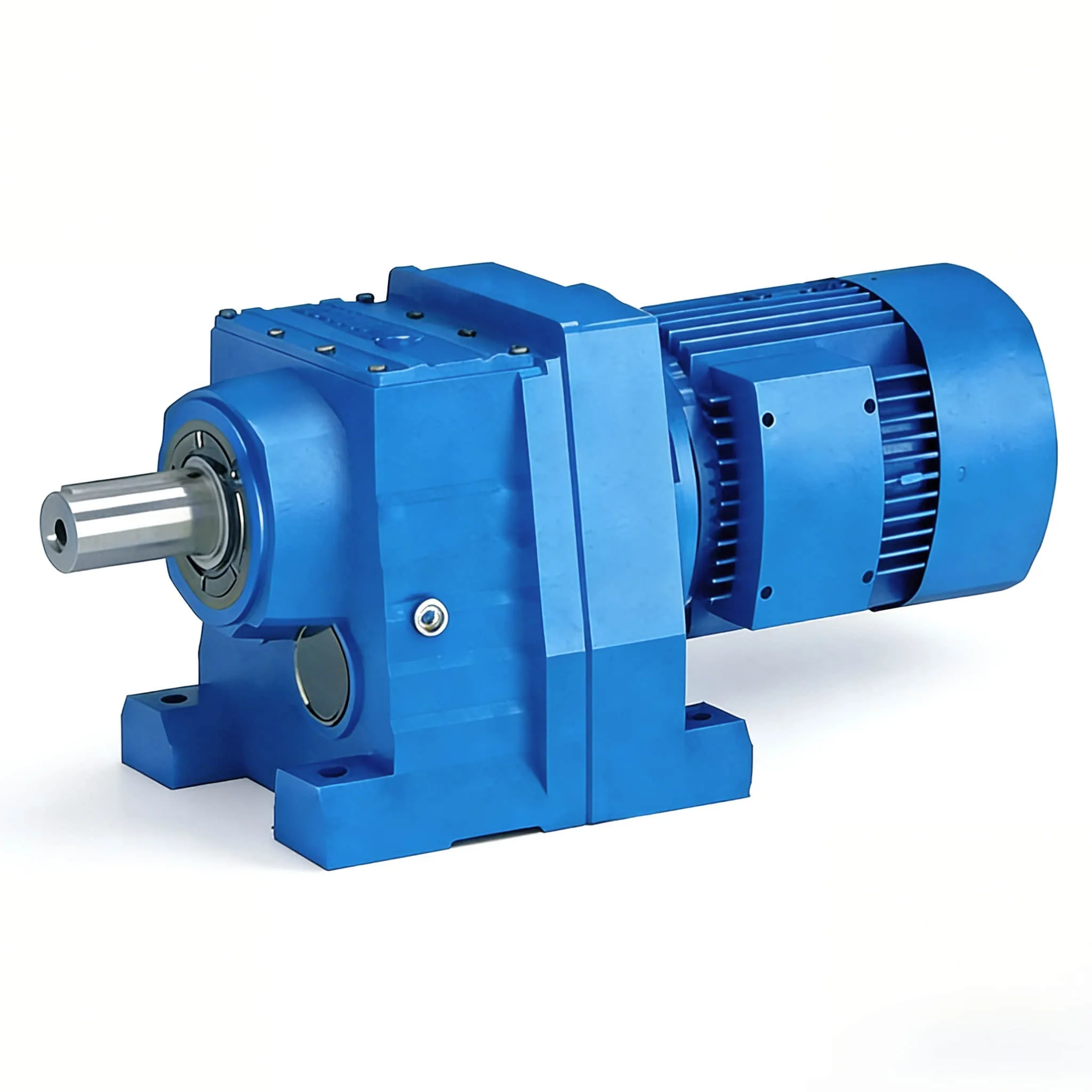
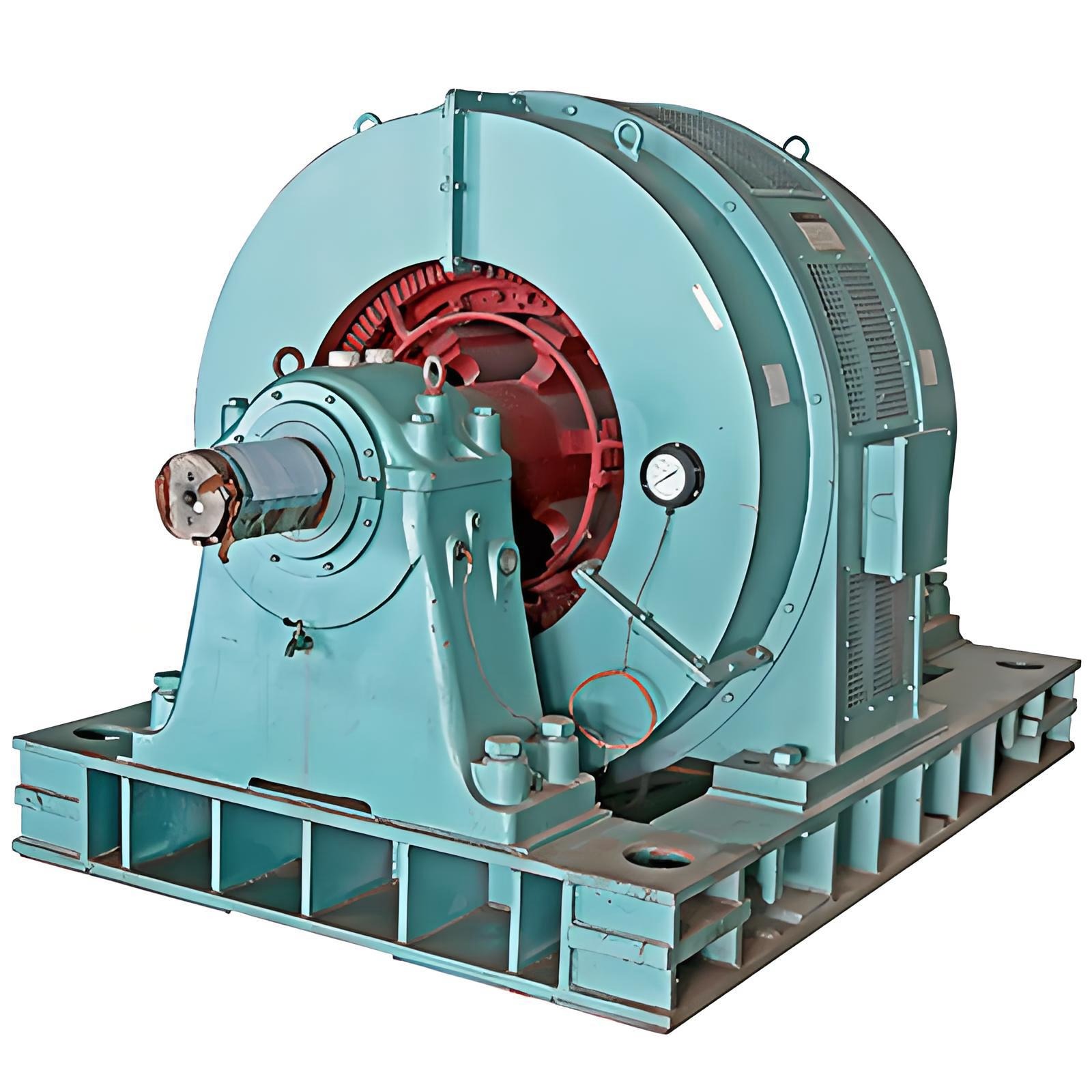
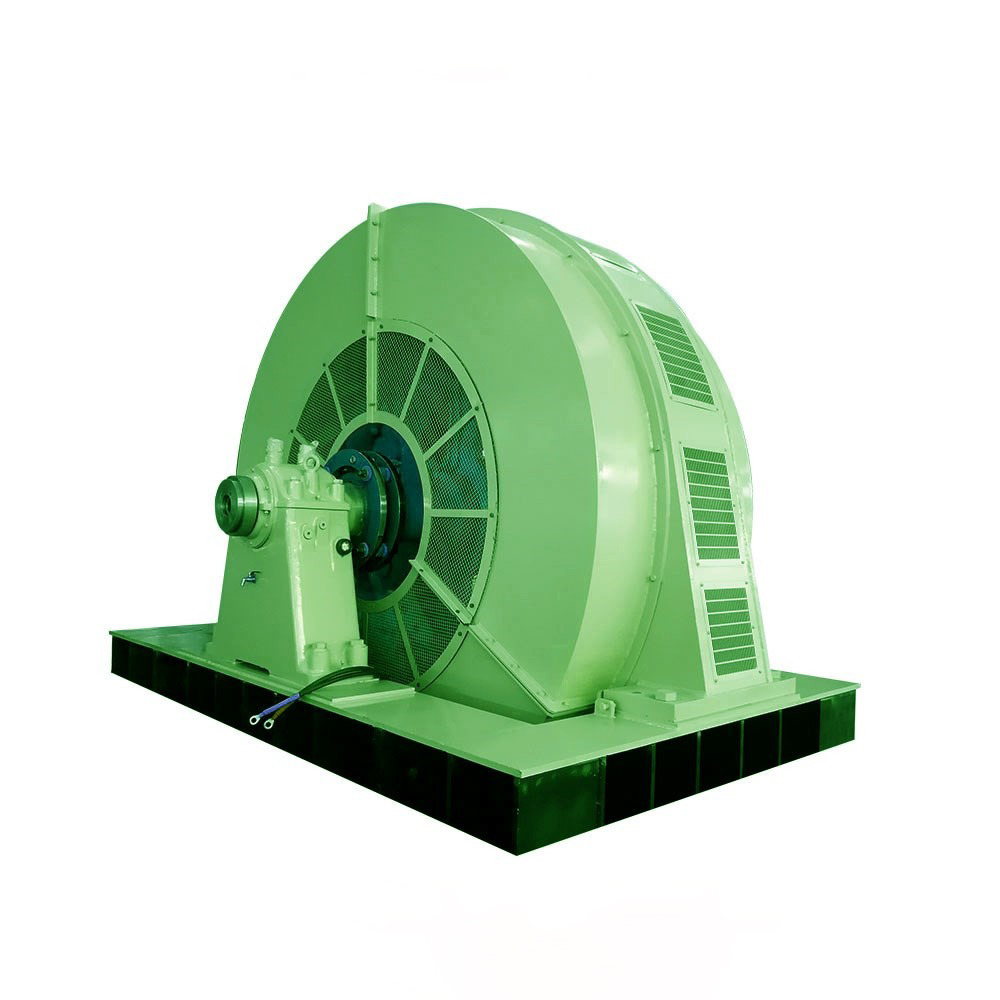
The mill motor represents a crucial component in industrial milling operations, serving as the primary driving force behind various grinding and processing applications across multiple industries. This specialized electric motor delivers reliable power transmission to mill systems, ensuring consistent operation in demanding environments such as cement production, mining operations, steel manufacturing, and chemical processing facilities. The mill motor converts electrical energy into mechanical rotational force, providing the necessary torque to operate large-scale grinding equipment including ball mills, rod mills, autogenous mills, and semi-autogenous grinding systems. Modern mill motor designs incorporate advanced electromagnetic engineering principles, utilizing high-grade materials and precision manufacturing techniques to achieve optimal performance characteristics. These motors typically feature robust construction with heavy-duty bearings, reinforced housing structures, and enhanced cooling systems to withstand the continuous operational demands of industrial milling processes. The technological architecture of mill motor systems includes sophisticated control mechanisms that allow for variable speed operation, enabling operators to optimize grinding efficiency based on specific material properties and production requirements. Advanced mill motor configurations often integrate with automated control systems, providing real-time monitoring capabilities and predictive maintenance features that minimize downtime and extend operational lifespan. The versatility of mill motor applications extends beyond traditional grinding operations, encompassing material mixing, homogenization processes, and specialized crushing applications in various industrial sectors. These motors demonstrate exceptional reliability in harsh operating conditions, maintaining consistent performance despite exposure to dust, moisture, temperature fluctuations, and mechanical vibrations commonly encountered in industrial environments. The engineering excellence behind mill motor technology continues to evolve, incorporating energy-efficient designs that reduce operational costs while maintaining superior performance standards required for modern industrial applications.

New Product Releases

Mill motor technology offers numerous practical benefits that directly impact operational efficiency and cost-effectiveness for industrial facilities. These motors deliver exceptional energy efficiency through advanced design optimization, reducing electricity consumption by up to thirty percent compared to conventional motor systems. The enhanced efficiency translates into substantial cost savings on utility bills, making mill motor installations financially attractive for long-term operations. Reliability stands as another major advantage, with mill motor systems demonstrating superior durability in continuous operation scenarios. These motors operate consistently for extended periods without requiring frequent maintenance interventions, minimizing production disruptions and associated downtime costs. The robust construction of mill motor units enables them to withstand extreme operational stresses, including high torque demands, temperature variations, and mechanical shock loads commonly encountered in industrial milling environments. Maintenance requirements for mill motor systems remain significantly lower than alternative drive solutions, reducing both direct maintenance costs and indirect expenses related to production interruptions. The simplified maintenance procedures allow facility personnel to perform routine inspections and service tasks efficiently, eliminating the need for specialized technical expertise or expensive external service contracts. Installation flexibility represents another compelling advantage, as mill motor systems adapt readily to existing infrastructure without requiring extensive facility modifications. The compact design profiles of modern mill motor units facilitate installation in space-constrained environments while maintaining full operational capabilities. Operators appreciate the user-friendly control interfaces that simplify mill motor operation and monitoring processes. These intuitive control systems enable precise speed adjustment, torque management, and performance optimization without requiring extensive technical training. The integration capabilities of mill motor systems allow seamless connectivity with existing plant automation systems, enabling centralized monitoring and control functions that enhance overall operational oversight. Environmental benefits include reduced noise emissions and lower heat generation compared to alternative motor technologies, creating more comfortable working conditions while minimizing environmental impact. The longevity of mill motor systems provides excellent return on investment, with typical operational lifespans exceeding twenty years under proper maintenance protocols. This extended service life reduces replacement costs and minimizes capital expenditure requirements for facility upgrades. Quality manufacturing standards ensure consistent performance characteristics across all mill motor units, providing predictable operational parameters that facilitate accurate production planning and scheduling. The adaptability of mill motor technology accommodates varying load conditions and processing requirements, making these systems suitable for diverse industrial applications ranging from mineral processing to chemical manufacturing operations.

Latest News

A Warm Invitation to Visit Our Manufacturing Base

15

Jan

A Warm Invitation to Visit Our Manufacturing Base

View More
Precision Quality Control: Safeguarding High-Precision Heavy-Duty Gear Transmission Release Date: August 20 , 2025

15

Jan

Precision Quality Control: Safeguarding High-Precision Heavy-Duty Gear Transmission Release Date: August 20 , 2025

View More
R&D Innovation Upgrade: Focus on Heavy-Duty Conditions, Empower Transmission Tech Breakthroughs

15

Jan

R&D Innovation Upgrade: Focus on Heavy-Duty Conditions, Empower Transmission Tech Breakthroughs

View More

Get a Free Quote

Our representative will contact you soon.
Email
Name
Company Name
Message
0/1000

mill motor

Superior Torque Control and Variable Speed Performance

Superior Torque Control and Variable Speed Performance

The advanced torque control capabilities of mill motor systems represent a revolutionary advancement in industrial grinding technology, providing operators with unprecedented control over milling processes. This sophisticated feature enables precise management of rotational force delivery, allowing for optimal material processing across diverse operational conditions and material characteristics. The variable speed functionality integrated within mill motor designs empowers facilities to adjust grinding parameters dynamically, responding to changing material properties, production demands, and efficiency requirements in real-time. This adaptability proves invaluable in applications where different materials require specific grinding speeds and torque levels to achieve desired particle size distributions and processing outcomes. The precision torque control system prevents motor overload conditions while maintaining consistent grinding performance, protecting both the motor and downstream equipment from damage caused by excessive mechanical stress. Advanced feedback mechanisms continuously monitor torque output and automatically adjust motor parameters to maintain optimal operational conditions, eliminating the need for manual intervention and reducing operator workload. The smooth torque delivery characteristics of mill motor systems minimize mechanical vibrations and stress concentrations within the grinding circuit, extending equipment lifespan and reducing maintenance requirements throughout the entire milling system. Variable speed capabilities enable energy optimization strategies, allowing operators to select the most efficient operating points for specific processing tasks, resulting in significant electricity cost reductions over time. The programmable speed profiles accommodate complex grinding protocols that require staged processing approaches, such as initial coarse grinding followed by fine grinding phases, all within a single automated sequence. This technological sophistication translates into improved product quality consistency, as operators can maintain precise control over grinding conditions throughout production runs. The enhanced control capabilities also facilitate easier startup and shutdown procedures, reducing mechanical stress during transitional periods and extending overall equipment life. Integration with plant-wide control systems enables remote monitoring and adjustment of mill motor parameters, supporting modern Industry 4.0 initiatives and predictive maintenance strategies. The torque control system includes built-in protection features that prevent equipment damage from sudden load changes or material blockages, ensuring safe and reliable operation in challenging industrial environments.
Advanced Cooling and Thermal Management System

Advanced Cooling and Thermal Management System

The innovative cooling and thermal management system integrated within mill motor designs ensures optimal operating temperatures under the most demanding industrial conditions, representing a critical advancement in motor reliability and longevity. This comprehensive thermal control system incorporates multiple cooling mechanisms working in coordination to dissipate heat generated during high-power operations, maintaining motor components within safe temperature ranges regardless of ambient conditions or operational intensity. The sophisticated cooling architecture includes forced-air ventilation systems, enhanced heat dissipation surfaces, and strategically positioned cooling channels that maximize heat transfer efficiency while minimizing energy consumption. Advanced temperature monitoring sensors continuously track thermal conditions throughout the motor structure, providing real-time feedback to control systems that automatically adjust cooling parameters as needed. This proactive thermal management prevents overheating incidents that could lead to motor damage, unexpected shutdowns, or reduced operational lifespan, ensuring consistent performance reliability in critical industrial applications. The enhanced cooling capacity enables mill motor systems to maintain full power output even in high-temperature environments where conventional motors might require derating or frequent shutdowns. This capability proves especially valuable in industries such as cement production, steel manufacturing, and chemical processing, where ambient temperatures often exceed standard motor operating ranges. The thermal management system also incorporates protective features that gradually reduce motor output if extreme temperature conditions are detected, preventing catastrophic failures while allowing continued operation at reduced capacity levels. The efficient heat dissipation design reduces thermal cycling stress on motor components, minimizing material fatigue and extending service life significantly beyond conventional motor systems. Energy efficiency benefits result from optimized cooling system design, as the reduced thermal losses translate into improved overall motor efficiency and lower operating costs. The cooling system requires minimal maintenance, with easy-access components that simplify routine cleaning and inspection procedures, reducing maintenance downtime and associated costs. Specialized coating materials on cooling surfaces enhance heat transfer properties while providing resistance to corrosive environments commonly encountered in industrial facilities. The robust cooling system design accommodates varying operational loads without compromising thermal performance, ensuring consistent cooling effectiveness across the full range of mill motor operating conditions. Integration with predictive maintenance systems enables early detection of cooling system degradation, allowing for proactive maintenance scheduling that prevents unexpected failures and optimizes equipment availability.
Intelligent Control Integration and Monitoring Capabilities

Intelligent Control Integration and Monitoring Capabilities

The state-of-the-art intelligent control integration and comprehensive monitoring capabilities of modern mill motor systems provide unprecedented operational visibility and control precision, transforming traditional milling operations into sophisticated, data-driven processes. This advanced technological framework encompasses sophisticated sensors, real-time data processing capabilities, and seamless connectivity with plant-wide automation systems, creating a comprehensive ecosystem for optimized mill motor management. The intelligent control system continuously monitors critical operational parameters including power consumption, vibration levels, temperature variations, speed fluctuations, and torque output, providing operators with detailed insights into mill motor performance and operational health. Advanced diagnostic algorithms analyze this data stream to identify potential issues before they develop into serious problems, enabling proactive maintenance strategies that minimize unplanned downtime and reduce overall maintenance costs. The integration capabilities extend beyond basic monitoring to include predictive analytics that forecast maintenance needs, optimize operational parameters, and suggest performance improvements based on historical data patterns and real-time operational conditions. Remote monitoring functionality allows operators to oversee mill motor performance from centralized control rooms, reducing the need for personnel to work in potentially hazardous industrial environments while maintaining complete operational oversight. The user-friendly interface design presents complex operational data in easily interpretable formats, enabling operators at all skill levels to make informed decisions quickly and effectively. Customizable alarm systems provide immediate notification of abnormal conditions, allowing rapid response to potential issues before they impact production schedules or equipment integrity. The data logging capabilities create comprehensive operational records that support regulatory compliance requirements, quality assurance protocols, and continuous improvement initiatives within industrial facilities. Integration with enterprise resource planning systems enables mill motor operational data to inform broader production planning and scheduling decisions, optimizing overall facility efficiency and productivity. The intelligent control system supports multiple communication protocols, ensuring compatibility with existing plant infrastructure and facilitating seamless integration with legacy systems. Advanced security features protect sensitive operational data while enabling authorized remote access for maintenance support and technical consultation. The modular design of the control system allows for future capability expansion without requiring complete system replacement, protecting technology investments while accommodating evolving operational requirements. Machine learning algorithms continuously refine operational parameters based on accumulated experience, automatically optimizing mill motor performance for changing conditions and improving overall operational efficiency over time.

Get a Free Quote

Our representative will contact you soon.
Email
Name
Company Name
Message
0/1000