
 EN
EN



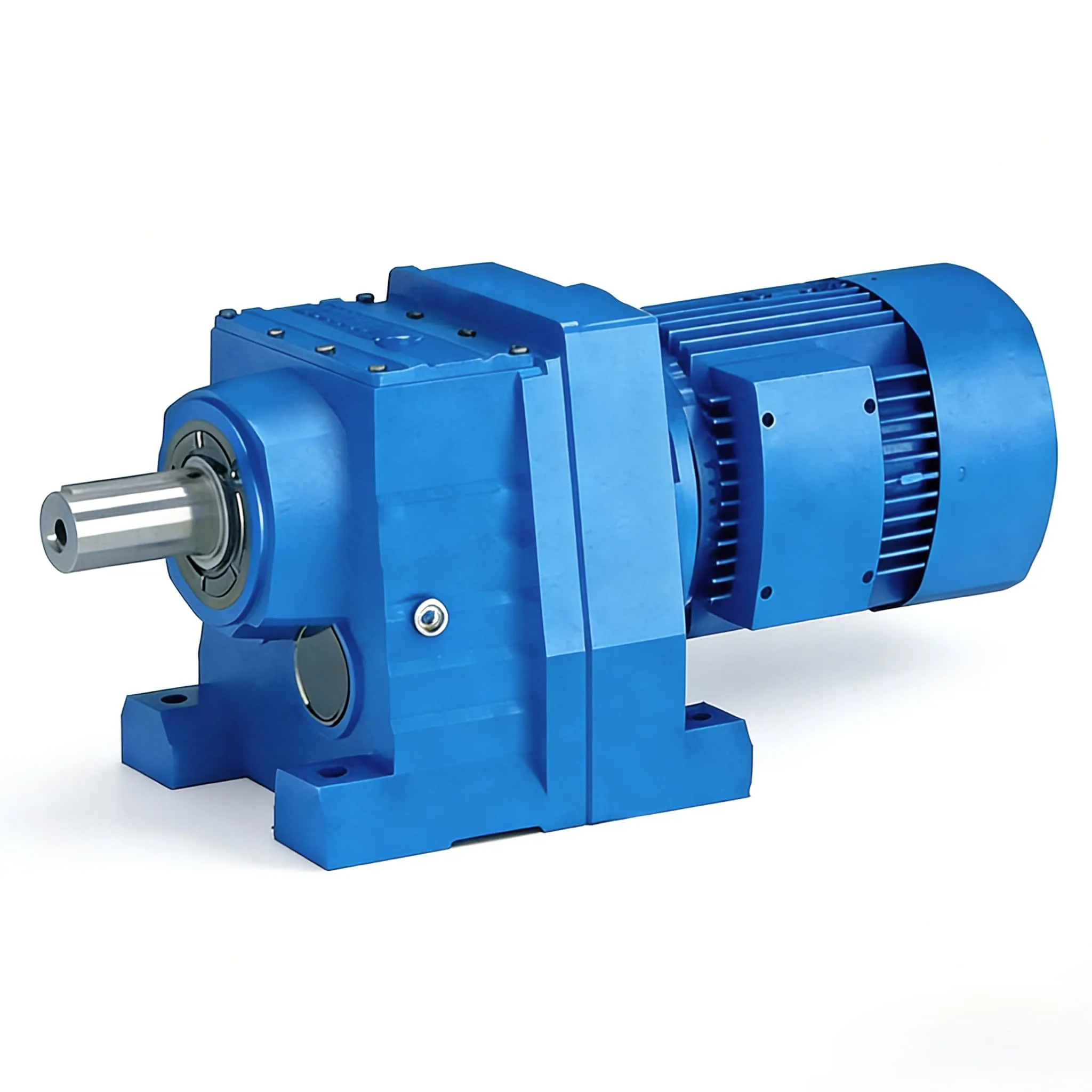
Selecting the right gearmotor for continuous duty systems requires careful consideration of multiple technical and operational factors that directly impact performance, reliability, and total cost of ownership. Unlike intermittent duty applications, continuous operation demands gearmotors capable of sustained performance without thermal degradation, mechanical wear, or efficiency losses over extended periods. The selection process involves analyzing load characteristics, environmental conditions, duty cycles, and integration requirements to ensure optimal system performance.
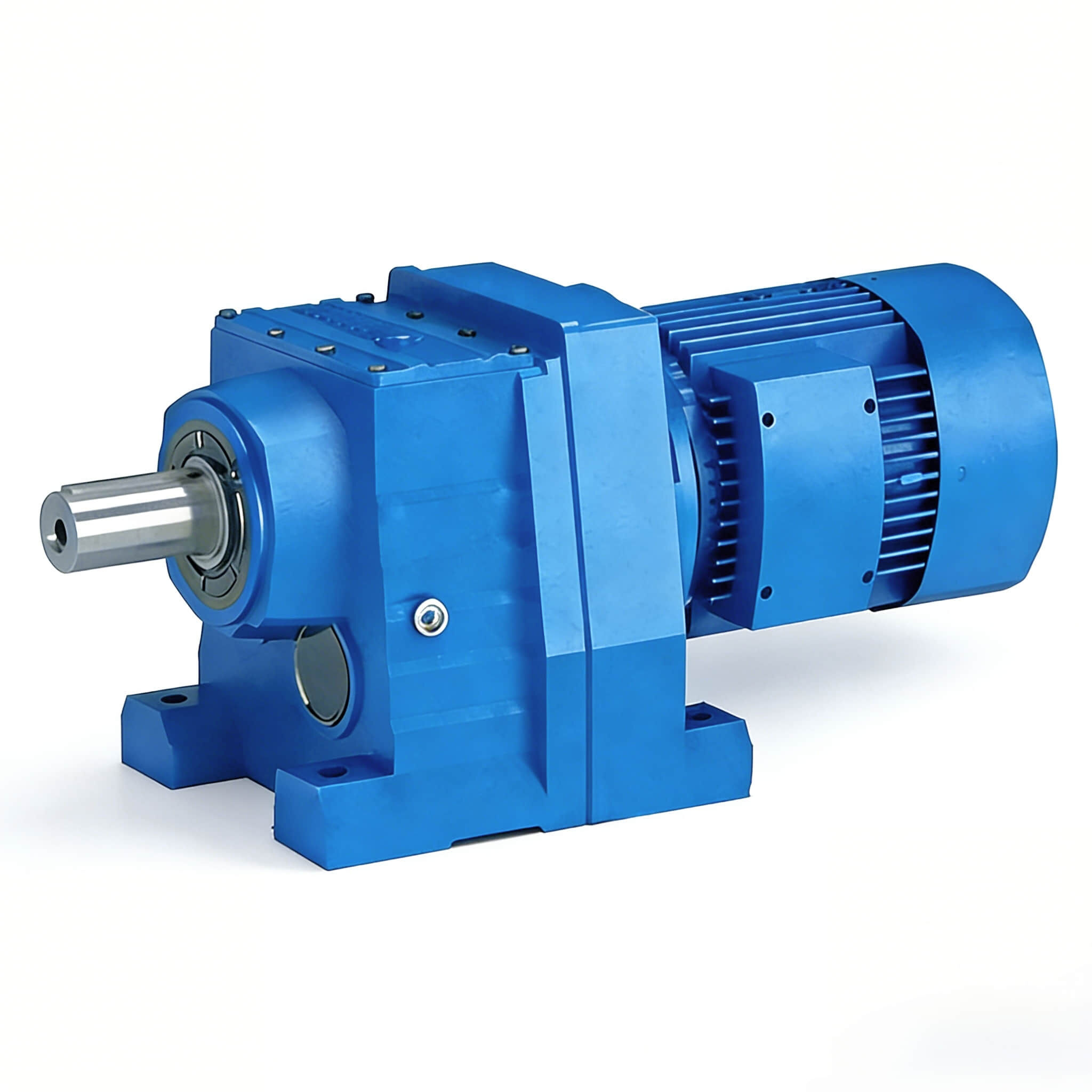
The challenge of continuous duty gearmotor selection lies in balancing performance requirements with long-term durability expectations. Engineers must evaluate thermal management capabilities, mechanical stress tolerances, lubrication systems, and maintenance accessibility while considering the specific operational demands of their applications. A well-chosen gearmotor not only meets immediate performance needs but also provides reliable operation throughout its intended service life, minimizing unplanned downtime and maintenance costs in continuous operation environments.
Understanding Continuous Duty Requirements
Defining Continuous Operation Parameters
Continuous duty operation refers to applications where the gearmotor operates for extended periods, typically exceeding eight hours daily or running continuously for weeks or months without scheduled shutdowns. This operational profile creates unique thermal and mechanical stresses that differ significantly from intermittent duty applications. The gearmotor must maintain consistent performance while managing heat generation, lubricant degradation, and component wear over extended operating cycles.
Temperature management becomes critical in continuous duty applications because prolonged operation generates sustained heat that must be effectively dissipated to prevent component damage. The gearmotor housing design, ventilation requirements, and ambient temperature conditions all influence thermal performance. Engineers must ensure that the selected gearmotor can operate within safe temperature limits throughout the entire duty cycle while maintaining specified torque and speed characteristics.
Load consistency and variability patterns significantly impact gearmotor selection for continuous duty systems. Constant load applications require different design considerations compared to variable load scenarios where the gearmotor experiences changing torque demands throughout the operating cycle. Understanding the complete load profile, including peak demands, average loads, and cyclical variations, enables proper gearmotor sizing and specification for reliable continuous operation.
Service Factor Considerations
Service factors represent the safety margin built into gearmotor specifications to account for application variables and ensure reliable operation under real-world conditions. For continuous duty applications, service factors typically range from 1.5 to 2.0 or higher, depending on load characteristics, environmental conditions, and reliability requirements. Higher service factors provide additional protection against overload conditions and extend operating life in demanding continuous duty environments.
The selection of appropriate service factors involves analyzing application-specific risks and operating conditions that could stress the gearmotor beyond its rated capacity. Factors such as starting loads, shock loads, ambient temperature variations, and duty cycle irregularities all influence the required service factor. A properly applied service factor ensures that the gearmotor operates well within its design limits, even when subjected to the inevitable variations and uncertainties of continuous operation.
Environmental service factors account for operating conditions that may affect gearmotor performance, including temperature extremes, humidity, vibration, and contamination exposure. Continuous duty applications often operate in challenging environments where these factors can accelerate wear and reduce component life. Engineers must evaluate environmental conditions and select gearmotors with appropriate protection ratings and design features to ensure reliable continuous operation.
Load Analysis and Performance Requirements
Torque and Speed Calculations
Accurate torque calculations form the foundation of proper gearmotor selection for continuous duty systems. Engineers must determine both the continuous torque requirements and any intermittent peak torque demands that occur during normal operation. The continuous torque requirement represents the steady-state load that the gearmotor must handle throughout its operating cycle, while peak torque requirements account for starting loads, acceleration phases, and occasional overload conditions.
Speed requirements encompass both the desired output speed and the motor input speed characteristics needed to achieve optimal performance. The gear ratio selection directly affects both torque multiplication and speed reduction, requiring careful balance between torque capacity and speed requirements. Engineers must consider speed variations, acceleration and deceleration requirements, and any speed control needs when specifying the gearmotor for continuous duty applications.
Load inertia calculations become particularly important in continuous duty applications where frequent starts and stops or speed changes occur. High inertia loads require additional torque for acceleration and deceleration, which can stress gearmotor components and affect thermal performance. Proper inertia matching ensures efficient operation and prevents excessive stress on gearbox components during continuous operation cycles.
Efficiency and Power Considerations
Gearmotor efficiency directly impacts energy consumption and heat generation in continuous duty applications. Higher efficiency gearmotors consume less power and generate less waste heat, reducing both operating costs and thermal stress on components. The efficiency rating should be evaluated at the actual operating conditions, including load levels, speed ranges, and temperature conditions expected in the continuous duty application.
Power calculations must account for both mechanical power requirements and electrical power consumption throughout the operating cycle. Engineers should consider power factor, starting current requirements, and any power quality issues that may affect motor performance. In continuous duty applications, consistent power delivery and efficient operation contribute significantly to overall system reliability and operating cost control.
Energy efficiency considerations extend beyond the gearmotor itself to include the entire drive system, including variable frequency drives, control systems, and power transmission components. Optimizing the complete system efficiency reduces heat generation, extends component life, and minimizes energy costs in continuous duty applications where small efficiency improvements can result in significant long-term savings.
Thermal Management and Cooling Requirements
Heat Dissipation Strategies
Effective heat dissipation represents a critical design consideration for gearmotors operating in continuous duty applications. The gearmotor housing design, surface area, and material selection all influence heat transfer capabilities. Aluminum housings typically provide better heat dissipation than cast iron alternatives, while ribbed or finned housing designs increase surface area for improved convective cooling in continuous operation environments.
Ventilation requirements vary based on the gearmotor design and application environment. Totally enclosed fan-cooled motors provide active cooling while maintaining protection against environmental contamination, making them suitable for many continuous duty applications. Open drip-proof designs offer excellent cooling but require clean operating environments, while explosion-proof housings may require special cooling considerations for hazardous location installations.
Ambient temperature conditions significantly affect gearmotor thermal performance and must be carefully considered during selection. High ambient temperatures reduce the available temperature differential for heat dissipation, potentially requiring derating or enhanced cooling systems. Engineers must evaluate both average and peak ambient temperatures, along with any heat sources in the immediate environment that could affect gearmotor thermal performance.
Lubrication System Design
Lubrication systems play a crucial role in continuous duty gearmotor performance by reducing friction, dissipating heat, and protecting components from wear. The lubrication method, oil type, and change intervals all affect long-term reliability in continuous operation. Splash lubrication systems provide adequate protection for many applications, while forced circulation systems offer superior cooling and contamination control for demanding continuous duty environments.
Lubricant selection involves considering viscosity requirements, temperature stability, and additive packages suitable for continuous operation. High-quality synthetic lubricants often provide superior performance in continuous duty applications due to their thermal stability, oxidation resistance, and extended service intervals. The lubricant must maintain its protective properties throughout extended operating periods while resisting degradation from heat and mechanical stress.
Oil monitoring and maintenance systems become increasingly important in continuous duty applications where lubrication failure can result in costly downtime. Condition monitoring systems can track lubricant temperature, contamination levels, and degradation indicators to optimize maintenance schedules and prevent unexpected failures. Proper lubrication maintenance ensures consistent gearmotor performance throughout extended continuous operation periods.
Environmental and Installation Factors
Protection and Enclosure Requirements
Environmental protection requirements for continuous duty gearmotors depend on the operating environment and potential contamination sources. NEMA and IP rating systems classify enclosure protection levels against dust, moisture, and other environmental factors. Continuous duty applications often require higher protection ratings due to extended exposure times and the critical nature of uninterrupted operation in many applications.
Corrosion protection becomes particularly important in continuous duty applications where extended exposure to harsh environments can accelerate component degradation. Special coatings, materials, and sealing systems provide protection against corrosive atmospheres, chemical exposure, and extreme weather conditions. The level of protection required depends on the specific environmental conditions and the consequences of gearmotor failure in the application.
Vibration and shock resistance capabilities ensure reliable operation in applications subject to mechanical disturbances. Continuous duty gearmotors may experience prolonged vibration exposure that can cause fatigue failures in inadequately designed components. Engineers must evaluate the vibration environment and select gearmotors with appropriate mechanical design and mounting systems to withstand continuous operation conditions.
Mounting and Accessibility
Mounting configuration affects both gearmotor performance and maintenance accessibility in continuous duty applications. Foot-mounted, flange-mounted, and shaft-mounted configurations each offer different advantages depending on the application requirements. The mounting system must provide rigid support while allowing for thermal expansion and facilitating access for routine maintenance and service operations.
Maintenance accessibility becomes critical in continuous duty applications where scheduled maintenance may be the only opportunity for inspection and service. The gearmotor installation should provide adequate access for oil changes, inspection ports, and component replacement while maintaining proper alignment and support. Poor accessibility can lead to deferred maintenance and reduced reliability in continuous operation environments.
Foundation and support structure design must accommodate the dynamic loads, vibrations, and thermal effects associated with continuous gearmotor operation. Proper foundation design prevents misalignment, reduces vibration transmission, and ensures stable operation throughout extended duty cycles. The support structure should also facilitate any required cooling airflow and provide access for maintenance activities.
Control Integration and Monitoring Systems
Control System Compatibility
Control system integration requirements for continuous duty gearmotors include compatibility with variable frequency drives, programmable controllers, and process control systems. The motor design must accommodate control system voltage and frequency requirements while providing necessary feedback signals for closed-loop control applications. Proper control integration enables optimized performance and protection throughout continuous operation cycles.
Variable frequency drive compatibility becomes important in applications requiring speed control or soft starting capabilities. The gearmotor must be suitable for VFD operation, including proper insulation systems, bearing protection, and thermal management for variable speed operation. VFD integration can provide energy savings and improved process control in many continuous duty applications while reducing mechanical stress during starting and stopping.
Communication protocols and monitoring capabilities enable integration with plant-wide control and monitoring systems. Modern gearmotors may include built-in sensors and communication interfaces that provide real-time performance data for predictive maintenance and process optimization. These capabilities become particularly valuable in continuous duty applications where early detection of developing problems can prevent costly unplanned downtime.
Condition Monitoring Implementation
Condition monitoring systems provide valuable insights into gearmotor health and performance in continuous duty applications. Vibration monitoring, thermal monitoring, and oil analysis programs can detect developing problems before they result in failure. The monitoring strategy should be tailored to the specific gearmotor design and application requirements while considering the costs and benefits of different monitoring approaches.
Predictive maintenance programs leverage condition monitoring data to optimize maintenance schedules and prevent unexpected failures in continuous duty applications. By tracking performance trends and establishing baseline conditions, maintenance personnel can identify optimal service intervals and detect abnormal operating conditions. This approach maximizes equipment availability while minimizing maintenance costs in critical continuous operation applications.
Data collection and analysis systems enable continuous improvement of gearmotor selection and application practices. Historical performance data from similar applications provides valuable insights for future gearmotor selections and helps refine selection criteria based on actual field experience. This feedback loop improves the accuracy of future gearmotor selections for continuous duty applications.
FAQ
What is the most important factor when selecting a gearmotor for continuous duty operation?
Thermal management capability is typically the most critical factor for continuous duty gearmotor selection. Unlike intermittent operation, continuous duty generates sustained heat that must be effectively dissipated to prevent component damage and maintain performance. This includes evaluating housing design, cooling methods, ambient conditions, and ensuring the gearmotor can operate within safe temperature limits throughout extended operating cycles while maintaining specified torque and speed characteristics.
How do I determine the correct service factor for my continuous duty application?
Service factor selection depends on load characteristics, environmental conditions, and reliability requirements. For continuous duty applications, service factors typically range from 1.5 to 2.0 or higher. Analyze application-specific risks including starting loads, shock loads, temperature variations, and duty cycle irregularities. Higher service factors provide additional protection and extended life in demanding environments, ensuring the gearmotor operates well within design limits even with operational variations.
What lubrication considerations are unique to continuous duty gearmotor applications?
Continuous duty applications require lubrication systems that maintain protective properties throughout extended operating periods while resisting degradation from heat and mechanical stress. Consider synthetic lubricants for superior thermal stability and oxidation resistance. Evaluate lubrication methods, with forced circulation systems offering better cooling and contamination control for demanding applications. Implement oil monitoring systems to track temperature, contamination, and degradation indicators for optimized maintenance scheduling.
How does ambient temperature affect continuous duty gearmotor selection?
High ambient temperatures reduce the available temperature differential for heat dissipation, potentially requiring derating or enhanced cooling systems. Engineers must evaluate both average and peak ambient temperatures, along with local heat sources that could affect thermal performance. Consider gearmotors with superior cooling capabilities, larger thermal capacity, or active cooling systems when operating in high-temperature environments to ensure reliable continuous operation without thermal stress.
Table of Contents
- Understanding Continuous Duty Requirements
- Load Analysis and Performance Requirements
- Thermal Management and Cooling Requirements
- Environmental and Installation Factors
- Control Integration and Monitoring Systems
-
FAQ
- What is the most important factor when selecting a gearmotor for continuous duty operation?
- How do I determine the correct service factor for my continuous duty application?
- What lubrication considerations are unique to continuous duty gearmotor applications?
- How does ambient temperature affect continuous duty gearmotor selection?