Industrial Gear Motors: High-Performance Power Transmission Solutions for Heavy-Duty Applications

Get a Free Quote

Our representative will contact you soon.
Email
Name
Company Name
Message
0/1000

industrial gear motor

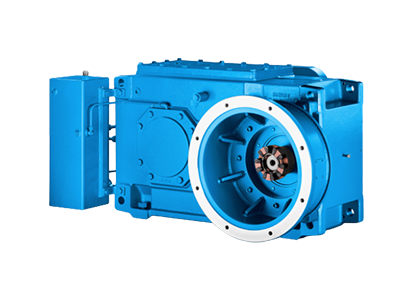
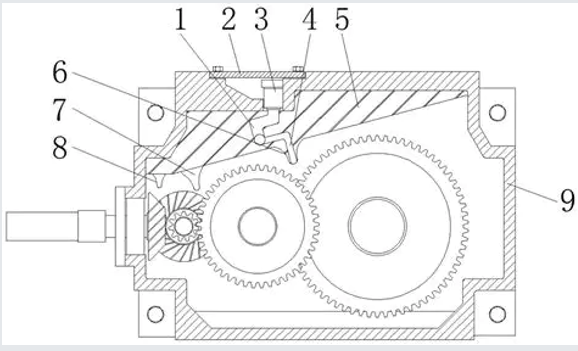
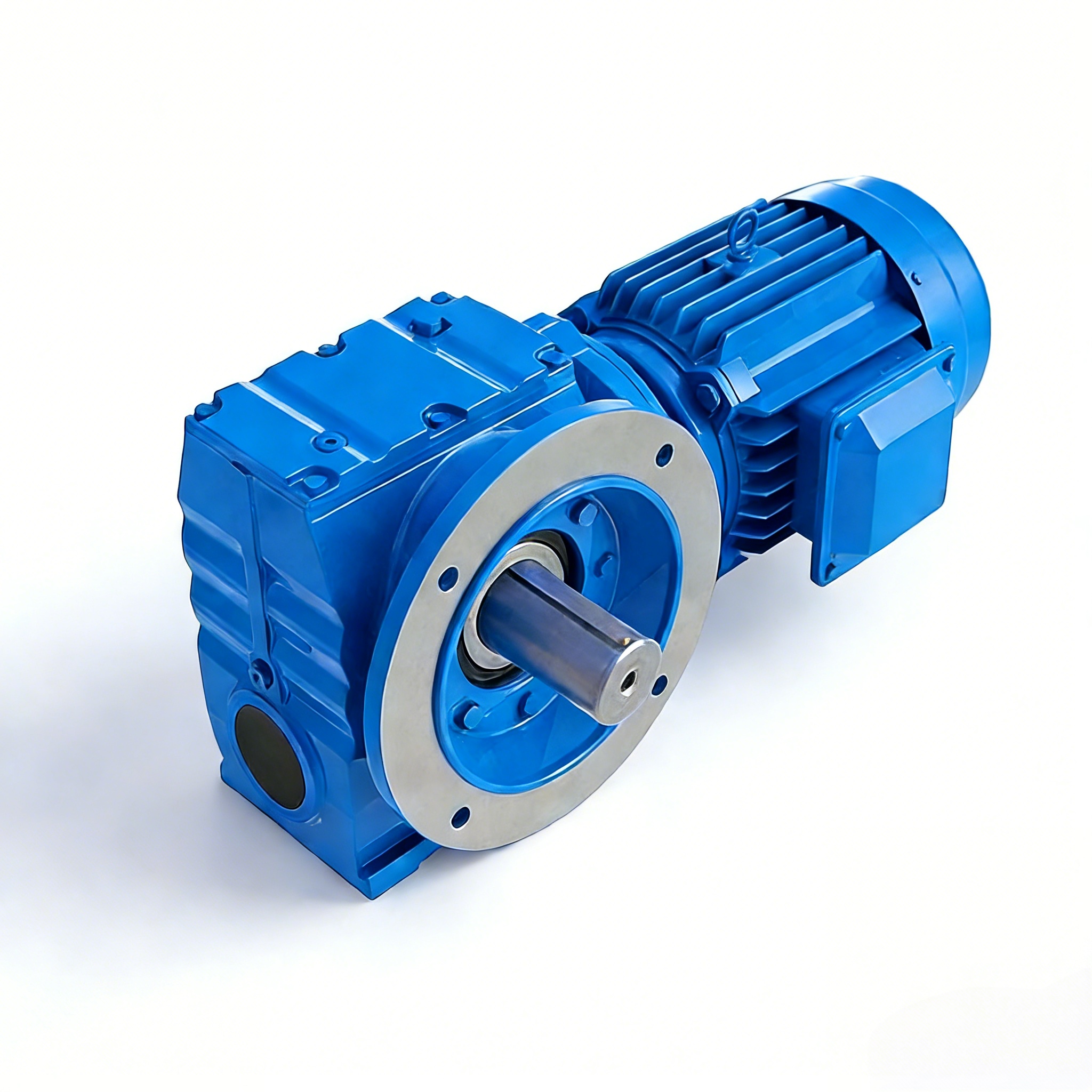
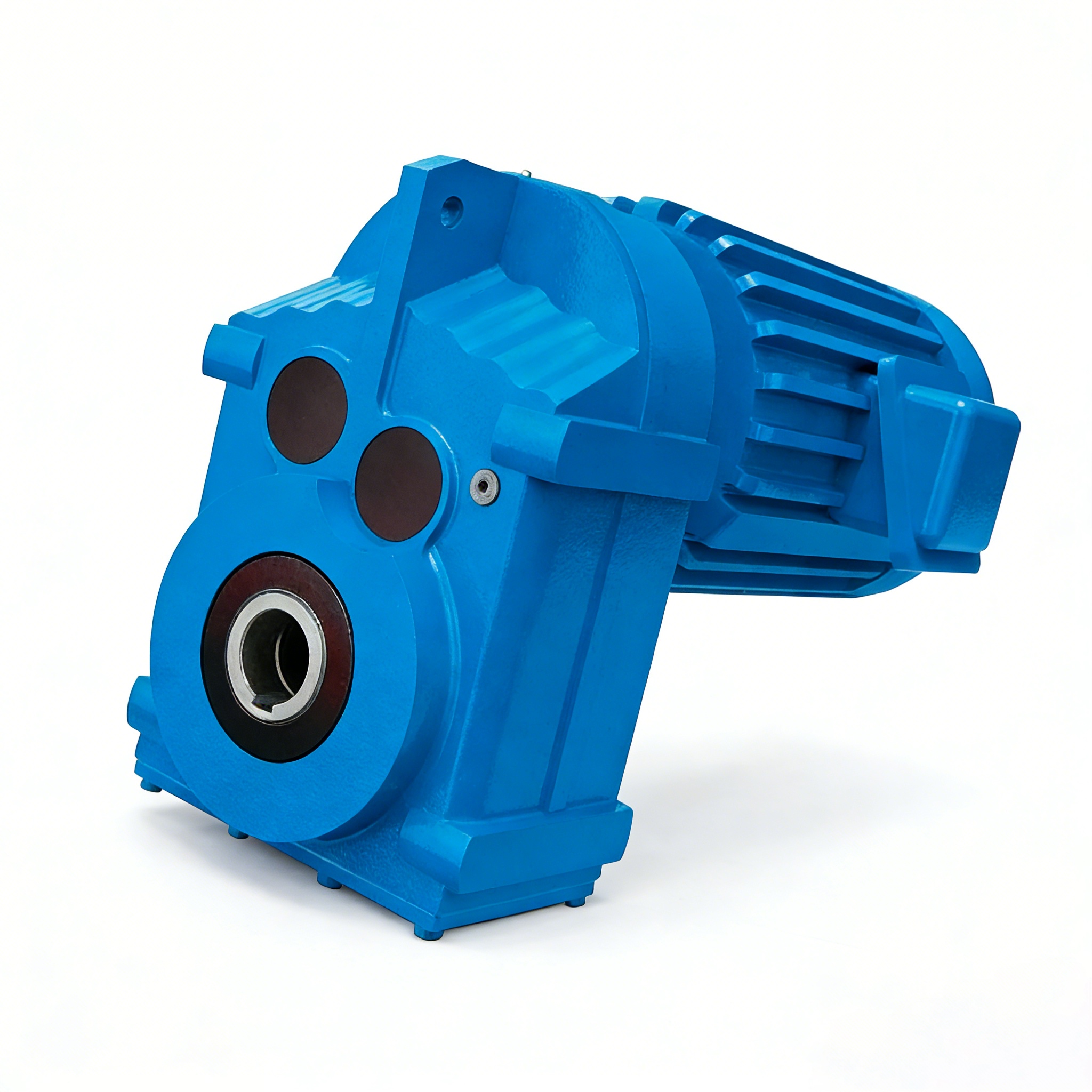
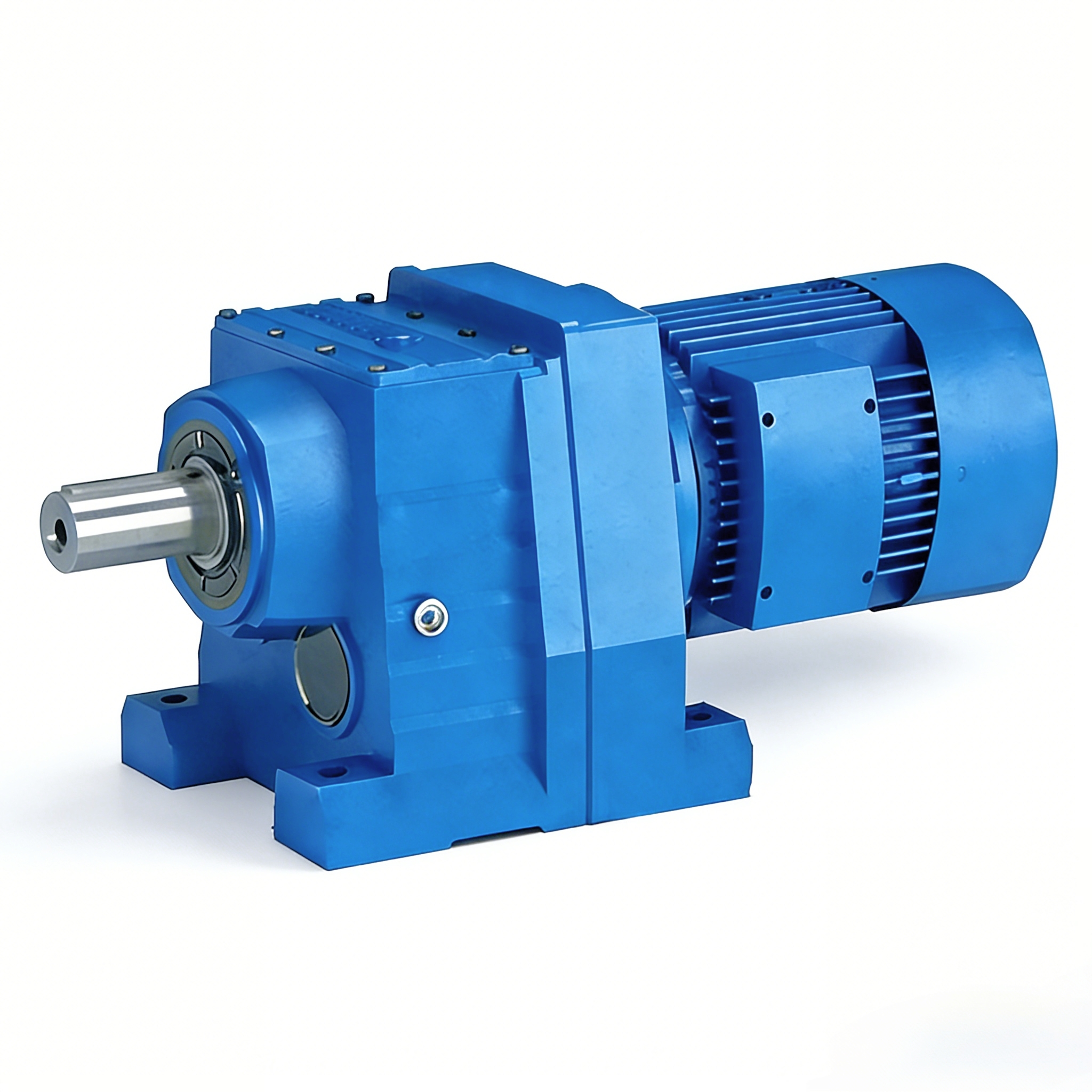
An industrial gear motor represents a sophisticated mechanical power transmission system that combines an electric motor with a precision-engineered gear reduction unit. This integrated solution delivers controlled rotational force and speed reduction for demanding manufacturing and processing applications. The industrial gear motor functions as the backbone of automated systems, converting high-speed motor rotation into powerful, low-speed torque output that drives conveyor belts, mixers, crushers, and countless other industrial equipment. The technological architecture of an industrial gear motor incorporates multiple gear stages that multiply torque while reducing rotational speed. This mechanical advantage allows operators to achieve precise control over heavy machinery and equipment that requires substantial force to operate effectively. Modern industrial gear motors feature advanced bearing systems, hardened steel gears, and robust housing materials that withstand harsh operating conditions including extreme temperatures, vibration, and contamination. These units typically offer gear ratios ranging from 5:1 to over 3600:1, enabling engineers to select the optimal speed and torque characteristics for specific applications. The motor component utilizes either AC or DC electrical power, with three-phase AC motors being most common in industrial settings due to their reliability and efficiency. Advanced industrial gear motors incorporate smart monitoring capabilities, thermal protection systems, and variable frequency drive compatibility that enhances operational flexibility. Applications span across manufacturing sectors including food processing, pharmaceutical production, mining operations, steel mills, paper manufacturing, and chemical processing facilities. The versatility of industrial gear motors makes them essential components in material handling systems, packaging machinery, printing equipment, and renewable energy installations such as wind turbines and solar tracking systems.

New Product Recommendations

Industrial gear motors deliver exceptional performance benefits that directly impact operational efficiency and cost management for businesses across diverse sectors. These systems provide precise speed control that enables manufacturers to optimize production processes and maintain consistent product quality. The torque multiplication capability of industrial gear motors allows equipment to handle heavy loads while consuming minimal electrical energy, resulting in significant power cost savings over extended operating periods. Maintenance requirements remain minimal due to robust construction and sealed gear compartments that protect internal components from environmental contamination and wear. This reliability translates into reduced downtime and lower maintenance expenses compared to alternative drive systems. The compact design of industrial gear motors saves valuable floor space in manufacturing facilities while delivering superior power density compared to belt-driven or chain-driven alternatives. Installation simplicity allows technicians to integrate these units quickly into existing systems without extensive modifications or specialized tools. The smooth operation characteristics eliminate vibration and noise issues that commonly plague other mechanical drive solutions, creating safer and more comfortable working environments for personnel. Industrial gear motors offer exceptional durability with service lives often exceeding 20 years under proper operating conditions, providing excellent return on investment for capital equipment purchases. The wide selection of available gear ratios, motor sizes, and mounting configurations ensures optimal matching to specific application requirements without compromising performance or efficiency. Temperature stability allows continuous operation in extreme environments ranging from freezing cold storage facilities to high-temperature industrial ovens. The overload protection features prevent equipment damage during unexpected load spikes or mechanical blockages, safeguarding expensive downstream machinery from costly repairs. Energy efficiency ratings of modern industrial gear motors often exceed 90 percent, contributing to sustainability goals while reducing operational expenses. The modular design facilitates future upgrades or modifications as production requirements change, extending equipment lifespan and protecting initial investments.

Latest News

A Warm Invitation to Visit Our Manufacturing Base

15

Jan

A Warm Invitation to Visit Our Manufacturing Base

View More
Precision Quality Control: Safeguarding High-Precision Heavy-Duty Gear Transmission Release Date: August 20 , 2025

15

Jan

Precision Quality Control: Safeguarding High-Precision Heavy-Duty Gear Transmission Release Date: August 20 , 2025

View More
R&D Innovation Upgrade: Focus on Heavy-Duty Conditions, Empower Transmission Tech Breakthroughs

15

Jan

R&D Innovation Upgrade: Focus on Heavy-Duty Conditions, Empower Transmission Tech Breakthroughs

View More

Get a Free Quote

Our representative will contact you soon.
Email
Name
Company Name
Message
0/1000

industrial gear motor

Superior Torque Output and Speed Precision

Superior Torque Output and Speed Precision

The fundamental advantage of industrial gear motors lies in their ability to deliver exceptional torque multiplication while maintaining precise speed control across diverse operating conditions. This capability stems from the sophisticated gear reduction mechanisms that transform high-speed, low-torque motor output into powerful, controlled rotational force suitable for heavy-duty applications. The gear reduction process occurs through multiple stages of precisely machined gears that mesh together with minimal backlash, ensuring accurate positioning and smooth power transmission. Industrial gear motors can achieve torque outputs ranging from hundreds to thousands of pound-feet, making them ideal for driving large conveyors, heavy mixers, and massive industrial machinery that requires substantial starting and operating torque. The speed precision offered by these systems enables manufacturers to maintain consistent production rates and product quality standards that are critical in automated manufacturing environments. Advanced industrial gear motors incorporate helical and worm gear configurations that provide superior load distribution and reduced wear compared to straight-cut gear alternatives. This engineering excellence results in consistent performance over extended operating periods, even when subjected to varying load conditions and environmental stresses. The torque characteristics remain stable across the entire speed range, allowing operators to maintain optimal process parameters regardless of production demands. The precision speed control capability proves invaluable in applications requiring synchronized operation of multiple machines or precise material feed rates. Quality control processes benefit significantly from the repeatable performance characteristics that industrial gear motors provide, ensuring that products meet strict dimensional and quality specifications consistently.
Exceptional Durability and Low Maintenance Requirements

Exceptional Durability and Low Maintenance Requirements

Industrial gear motors are engineered for longevity and minimal maintenance demands, making them ideal investments for businesses seeking reliable, cost-effective power transmission solutions. The robust construction incorporates high-grade materials including hardened steel gears, precision ball bearings, and corrosion-resistant housings that withstand harsh industrial environments for decades. The sealed gear compartments protect critical internal components from dust, moisture, chemicals, and other contaminants that commonly cause premature failure in alternative drive systems. This protection significantly extends component lifespan while reducing the frequency of required maintenance interventions. The lubrication systems in industrial gear motors utilize high-quality synthetic oils that maintain their protective properties across wide temperature ranges and extended service intervals. Many units feature lifetime lubrication systems that eliminate the need for regular oil changes, further reducing maintenance costs and operational disruptions. The bearing systems incorporate premium materials and advanced sealing technologies that prevent lubricant leakage while excluding environmental contaminants. This design philosophy results in bearing life expectancy often exceeding 100,000 operating hours under normal conditions. The modular construction facilitates easy access to serviceable components when maintenance becomes necessary, minimizing downtime and labor costs. Predictive maintenance capabilities in modern industrial gear motors include vibration monitoring, temperature sensing, and oil condition analysis that enable proactive maintenance scheduling before failures occur. This approach prevents costly unplanned shutdowns while optimizing maintenance resource allocation. The standardized mounting interfaces and connection systems simplify replacement procedures when units eventually reach end-of-life conditions, ensuring minimal disruption to production schedules.
Energy Efficiency and Environmental Sustainability

Energy Efficiency and Environmental Sustainability

Modern industrial gear motors excel in energy efficiency, delivering significant operational cost savings while supporting corporate sustainability initiatives and environmental responsibility goals. The advanced motor technologies incorporated in these systems achieve efficiency ratings consistently above 90 percent, substantially reducing electrical consumption compared to older drive technologies. This efficiency translates into measurable cost reductions on monthly utility bills, particularly important for operations running equipment continuously or during peak demand periods. The precision gear reduction mechanisms minimize energy losses through friction, heat generation, and mechanical inefficiencies that plague belt-driven and chain-driven alternatives. Variable frequency drive compatibility allows industrial gear motors to operate at optimal speeds for changing load conditions, further enhancing energy conservation while maintaining precise process control. The reduced energy consumption directly correlates to lower carbon emissions and smaller environmental footprints for manufacturing facilities committed to sustainability practices. Heat generation remains minimal due to efficient power transmission, reducing cooling requirements and associated air conditioning costs in industrial facilities. The smooth operation characteristics eliminate energy-wasting vibrations and mechanical losses that occur in less sophisticated drive systems. Power factor correction capabilities in advanced industrial gear motors improve electrical system efficiency throughout the facility while reducing demand charges from utility companies. The long service life of these systems reduces manufacturing impacts associated with frequent equipment replacement, supporting circular economy principles and waste reduction goals. Recyclable materials in construction enable responsible end-of-life disposal while recovering valuable metals and components for future manufacturing. The compact design reduces material requirements during manufacturing while maximizing power output per unit of raw materials consumed. Energy monitoring capabilities provide detailed consumption data that enables facility managers to optimize operations for maximum efficiency and identify opportunities for additional energy savings.

Get a Free Quote

Our representative will contact you soon.
Email
Name
Company Name
Message
0/1000