
 EN
EN


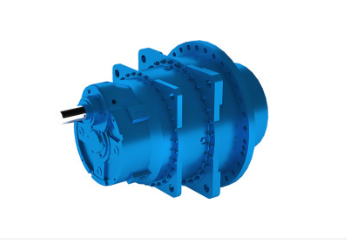
High torque demands in industrial applications require precision-engineered transmission systems capable of withstanding extreme mechanical forces while maintaining operational efficiency. A syntho gearbox addresses these challenges through advanced design principles that optimize load distribution, material selection, and thermal management. Understanding how these specialized transmission systems manage high torque scenarios is crucial for engineers and decision-makers selecting equipment for heavy-duty industrial operations.
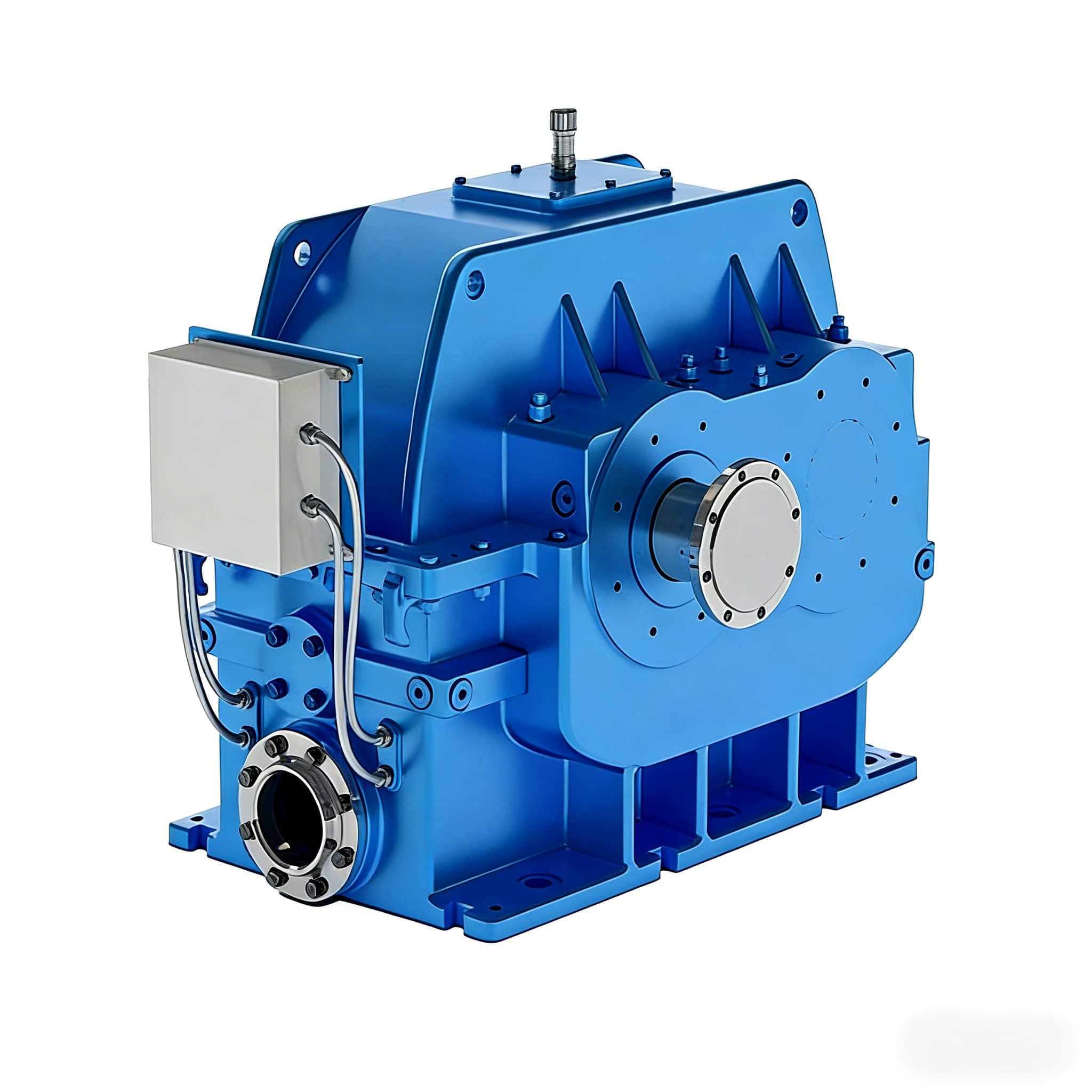
The mechanism by which a syntho gearbox manages high torque involves sophisticated engineering solutions that address both the immediate mechanical stresses and the long-term durability requirements of demanding industrial environments. These systems incorporate multiple design strategies that work synergistically to distribute forces effectively, prevent premature wear, and ensure consistent performance under variable load conditions.
Core Mechanical Design Principles
Load Distribution Architecture
The syntho gearbox employs a multi-stage load distribution system that spreads high torque forces across multiple contact points rather than concentrating stress on individual components. This architecture utilizes precisely calculated gear ratios and tooth profiles that optimize the contact pattern between meshing gears. The distributed loading approach significantly reduces localized stress concentrations that could lead to premature failure under high torque conditions.
Advanced finite element analysis guides the design of gear tooth geometry to ensure uniform stress distribution throughout the engagement cycle. The syntho system incorporates modified involute profiles that maintain consistent load sharing even as torque levels fluctuate during operation. This design methodology ensures that peak torque events do not create catastrophic stress concentrations that could compromise system integrity.
The housing structure of a syntho gearbox features reinforced mounting points and optimized wall thickness distribution to handle reaction forces generated by high torque transmission. Strategic placement of support ribs and internal bracing elements provides additional structural integrity while minimizing weight penalties. This comprehensive approach to load management enables reliable operation under sustained high torque conditions.
Material Engineering and Selection
High-grade steel alloys form the foundation of syntho gearbox construction, with specific material properties selected to optimize performance under high torque loading. The gear components utilize through-hardened or case-hardened steel that provides exceptional surface durability while maintaining core toughness. This material selection ensures that gear teeth can resist surface fatigue and pitting that commonly occurs under high contact stresses.
Heat treatment processes applied to syntho gearbox components create optimized hardness gradients that balance surface wear resistance with impact toughness. The controlled heating and cooling cycles produce microstructures that enhance the material's ability to handle both steady-state and shock loading conditions. These metallurgical characteristics are essential for maintaining dimensional stability and performance integrity under variable torque demands.
Bearing selection within the syntho design emphasizes high load capacity and extended service life under challenging operating conditions. Premium rolling element bearings with specialized cage designs and lubrication features ensure smooth operation while accommodating the radial and axial forces generated by high torque transmission. The integration of these components creates a robust support system for the rotating assemblies.
Torque Transmission Mechanisms
Gear Train Configuration
The gear train configuration in a syntho gearbox optimizes torque multiplication through carefully engineered reduction ratios that balance output torque with rotational speed requirements. Multiple reduction stages allow the system to achieve high torque output while maintaining compact overall dimensions. Each stage is designed to handle specific load ranges, with the final stage optimized for maximum torque delivery.
Helical gear geometries employed in syntho designs provide smooth torque transmission with reduced noise and vibration compared to straight-cut alternatives. The helical angle selection balances load-carrying capacity with axial thrust generation, ensuring optimal performance under high torque conditions. This configuration also provides gradual engagement between teeth, reducing impact loading during torque transitions.
Precision manufacturing tolerances ensure proper gear mesh alignment and backlash control throughout the syntho gearbox assembly. Computer-controlled machining processes maintain consistent tooth spacing and profile accuracy that directly impacts load distribution and transmission efficiency. These manufacturing standards are critical for achieving reliable high torque performance over extended service intervals.
Lubrication and Thermal Management
Effective lubrication systems within syntho gearboxes manage the heat generation and component protection requirements associated with high torque operation. Synthetic lubricants with enhanced viscosity stability maintain protective film thickness even under extreme pressure conditions. The lubrication system design ensures adequate oil delivery to all critical contact surfaces throughout the operating cycle.
Thermal management features in syntho designs include optimized oil circulation paths and heat dissipation surfaces that prevent excessive temperature buildup during high torque operation. External cooling fins or forced air circulation systems may be integrated to maintain operating temperatures within acceptable limits. Temperature control is essential for preserving lubricant properties and preventing thermal expansion that could affect gear mesh characteristics.
Oil filtration and condition monitoring systems help maintain lubricant quality and provide early warning of potential issues before they impact performance. The syntho design incorporates drainage and service access points that facilitate routine maintenance procedures essential for sustaining high torque capability over time.
Performance Optimization Strategies
Dynamic Load Management
Dynamic load management in syntho gearboxes involves sophisticated control of vibration and shock forces that accompany high torque transmission. Torsional damping elements may be integrated to smooth out torque pulsations from the driving equipment and protect downstream components from excessive dynamic loading. These features are particularly important in applications with variable or cyclical torque demands.
Balancing procedures for rotating components minimize vibration that could amplify stress levels and reduce service life under high torque conditions. Precision balancing extends beyond the individual gear components to include complete rotor assemblies, ensuring smooth operation across the full speed and torque range. This attention to dynamic balance is crucial for maintaining syntho performance standards.
Flexible coupling interfaces allow the syntho gearbox to accommodate minor misalignment while protecting internal components from external forces that could compromise torque handling capability. These coupling designs provide necessary flexibility while maintaining positive torque transmission under all operating conditions. Proper coupling selection is integral to system reliability and longevity.
Monitoring and Control Integration
Modern syntho gearbox designs incorporate sensor integration points for monitoring critical parameters during high torque operation. Temperature sensors, vibration monitors, and oil quality indicators provide real-time feedback on system condition and performance. This monitoring capability enables predictive maintenance strategies that optimize availability and prevent unexpected failures.
Control system interfaces allow syntho gearboxes to integrate with automated equipment controls that can adjust operating parameters based on torque demand patterns. These systems can optimize efficiency while protecting components from overload conditions. Integration capabilities are essential for modern industrial applications requiring sophisticated process control.
Data logging and analysis features enable operators to track performance trends and identify optimization opportunities for high torque applications. Historical performance data helps refine operating procedures and maintenance schedules to maximize syntho gearbox service life and reliability. This analytical approach supports continuous improvement in system performance.
Application-Specific Considerations
Industry Requirements and Standards
Different industrial sectors impose varying requirements on syntho gearbox designs for high torque applications. Heavy manufacturing, mining, and steel production environments demand enhanced durability and contamination resistance. The syntho design philosophy adapts to these requirements through appropriate sealing systems, corrosion-resistant materials, and robust construction methods.
Safety standards and regulatory requirements influence syntho gearbox design parameters for high torque applications. Compliance with relevant industry standards ensures that the equipment meets necessary safety factors and performance criteria. These standards often dictate minimum design margins and testing procedures that validate high torque handling capabilities.
Environmental considerations such as operating temperature ranges, humidity levels, and chemical exposure affect material selection and sealing system design for syntho gearboxes. High torque applications often operate in challenging environments that require specialized protection measures. The syntho approach addresses these environmental factors through comprehensive design analysis and appropriate material specifications.
Installation and Maintenance Factors
Proper installation procedures are critical for enabling syntho gearboxes to achieve their full high torque potential. Foundation requirements, alignment tolerances, and coupling procedures must be followed precisely to prevent premature failure and ensure optimal performance. Installation quality directly impacts the system's ability to handle design torque levels safely and reliably.
Maintenance requirements for syntho gearboxes operating under high torque conditions emphasize regular inspection intervals and condition monitoring procedures. Lubricant analysis, vibration trending, and visual inspection protocols help identify potential issues before they affect performance. Proactive maintenance strategies are essential for sustaining high torque capability over extended service periods.
Service accessibility features in syntho designs facilitate routine maintenance and emergency repairs when systems operate under demanding conditions. Strategic placement of inspection ports, drain plugs, and component access panels enables efficient maintenance procedures. These design considerations reduce downtime and maintenance costs while supporting reliable high torque operation.
FAQ
What makes syntho gearboxes particularly suitable for high torque applications?
Syntho gearboxes excel in high torque applications due to their optimized gear tooth geometry, advanced material selection, and robust housing design that distributes loads effectively across multiple contact points. The precision manufacturing processes ensure consistent performance under extreme loading conditions, while integrated thermal management systems prevent overheating during sustained high torque operation.
How do syntho gearboxes prevent failure under sudden torque spikes?
Syntho gearboxes incorporate torsional damping elements and flexible coupling interfaces that absorb shock loads and torque spikes before they can damage internal components. The gear tooth profiles are designed with appropriate safety factors and stress concentration management to withstand transient overload conditions while maintaining operational integrity.
What maintenance practices are essential for syntho gearboxes in high torque service?
Essential maintenance practices for syntho gearboxes include regular lubricant analysis and replacement, vibration monitoring to detect developing issues, and periodic inspection of gear tooth condition and bearing performance. Temperature monitoring and proper filtration system maintenance are also critical for preserving the protective properties of the lubrication system under high torque loading.
Can syntho gearboxes be customized for specific high torque requirements?
Yes, syntho gearboxes can be customized through modifications to gear ratios, material specifications, housing configurations, and cooling system integration to meet specific high torque application requirements. The modular design approach allows for optimization of torque capacity, speed ratios, and environmental protection features to match particular industrial application demands.
Table of Contents
- Core Mechanical Design Principles
- Torque Transmission Mechanisms
- Performance Optimization Strategies
- Application-Specific Considerations
-
FAQ
- What makes syntho gearboxes particularly suitable for high torque applications?
- How do syntho gearboxes prevent failure under sudden torque spikes?
- What maintenance practices are essential for syntho gearboxes in high torque service?
- Can syntho gearboxes be customized for specific high torque requirements?