High-Performance Helical Gearmotor Solutions: Quiet, Efficient Power Transmission Systems

Get a Free Quote

Our representative will contact you soon.
Email
Name
Company Name
Message
0/1000

helical gearmotor

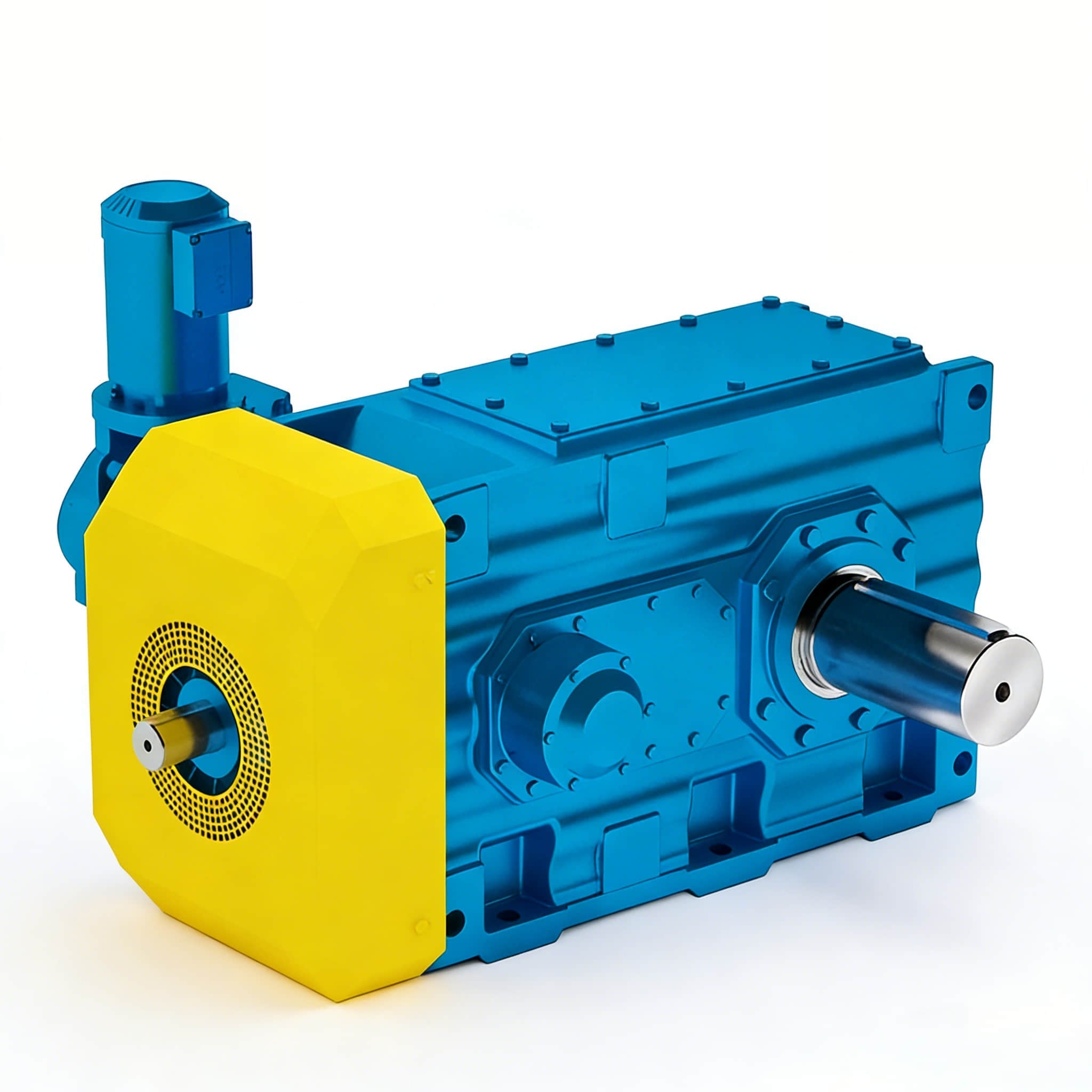
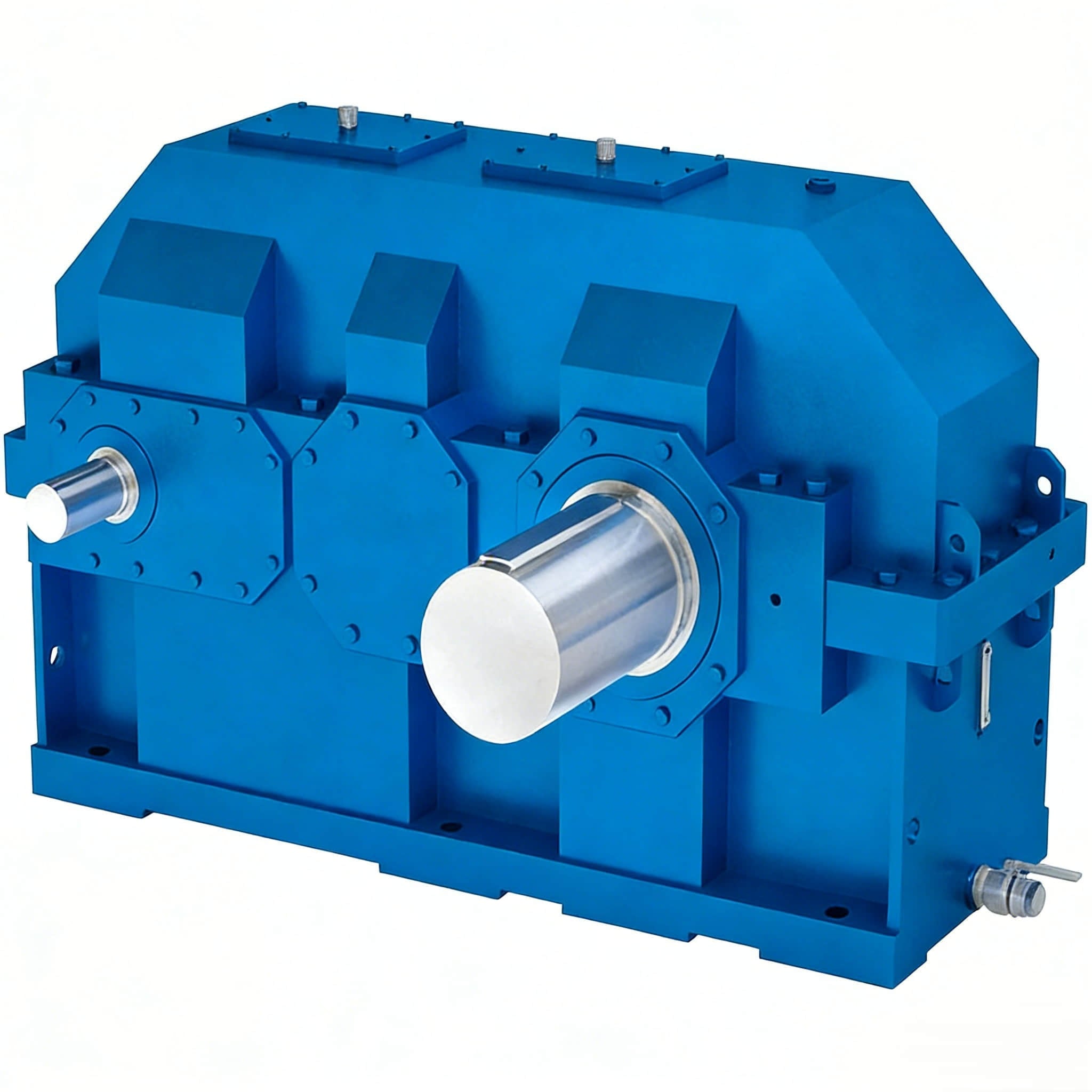
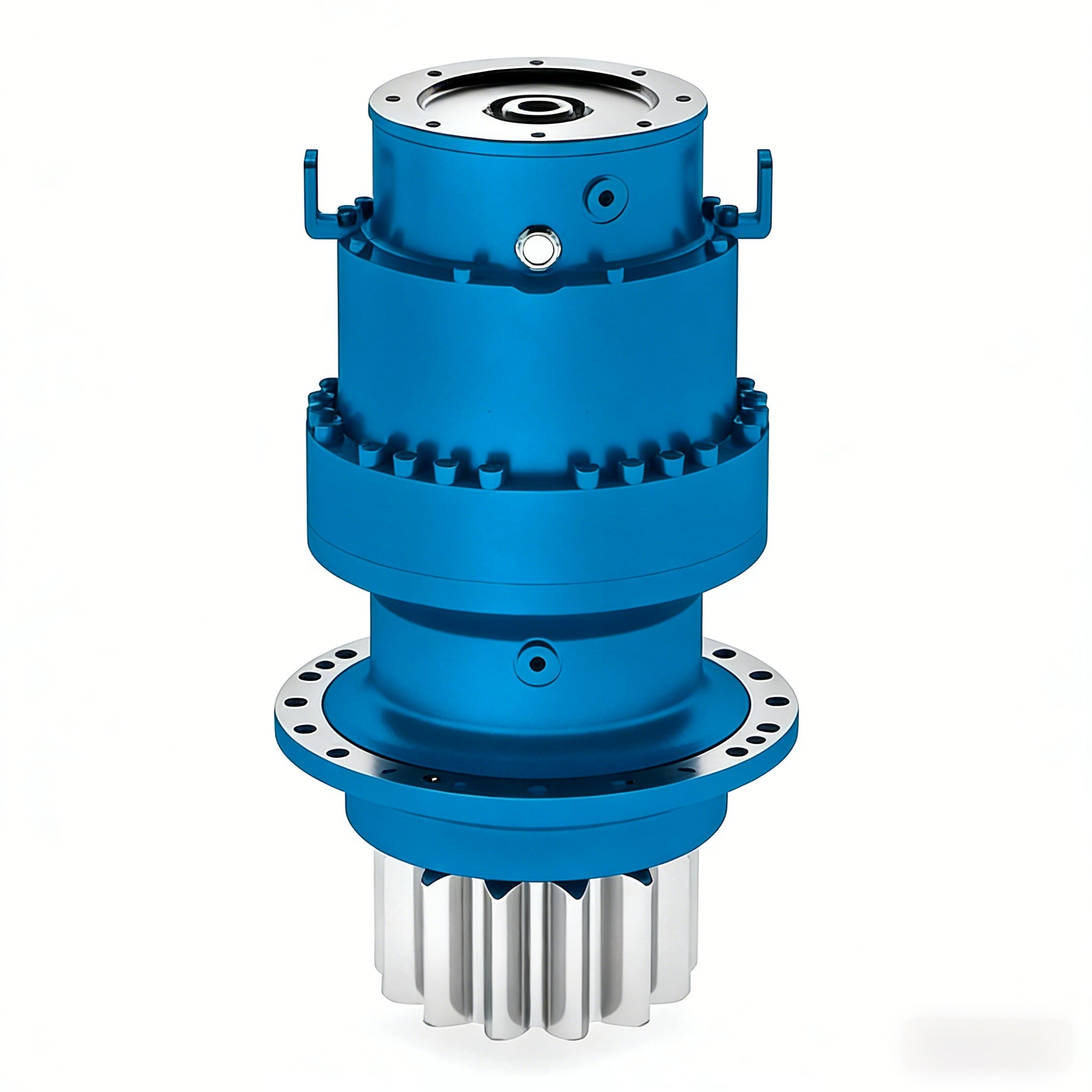
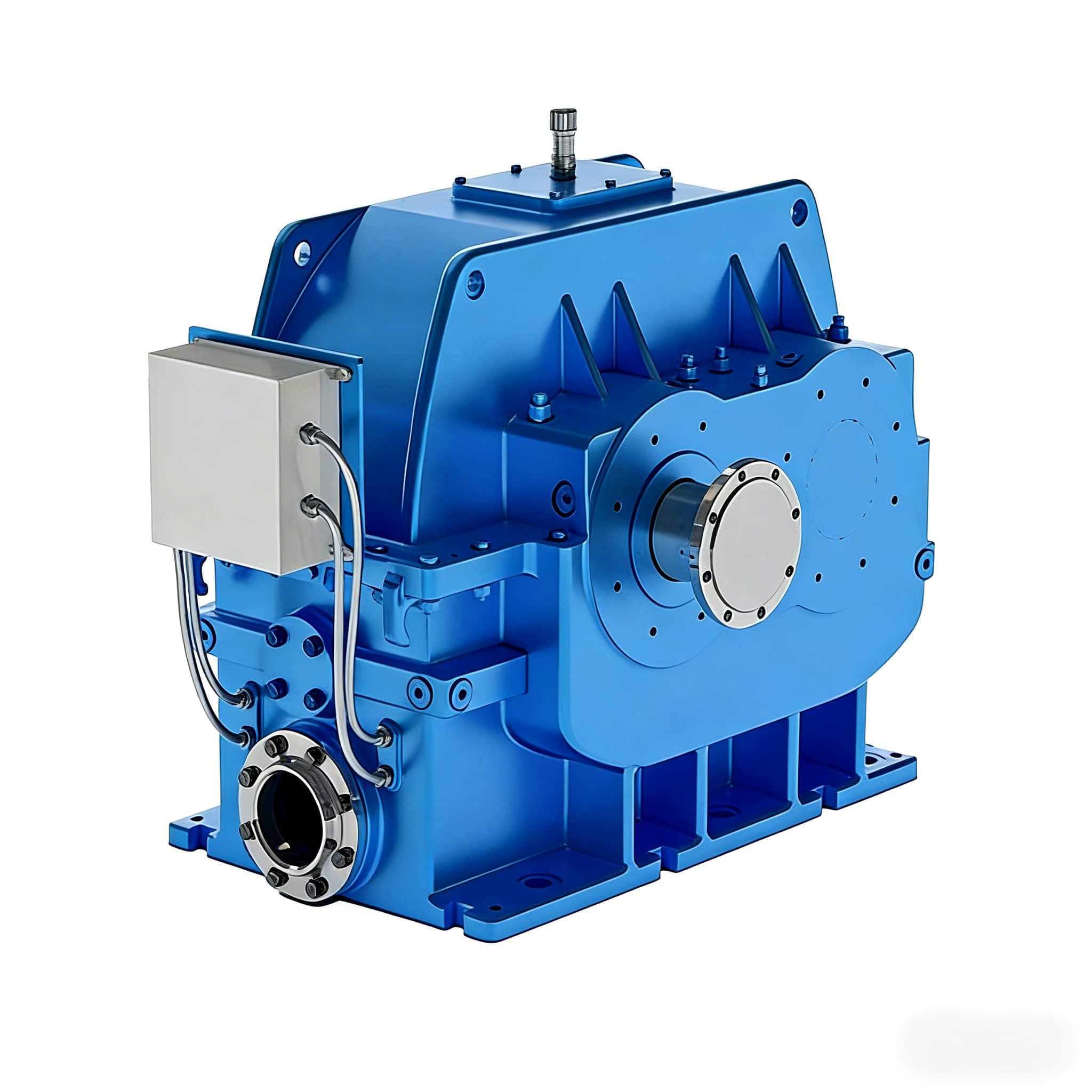
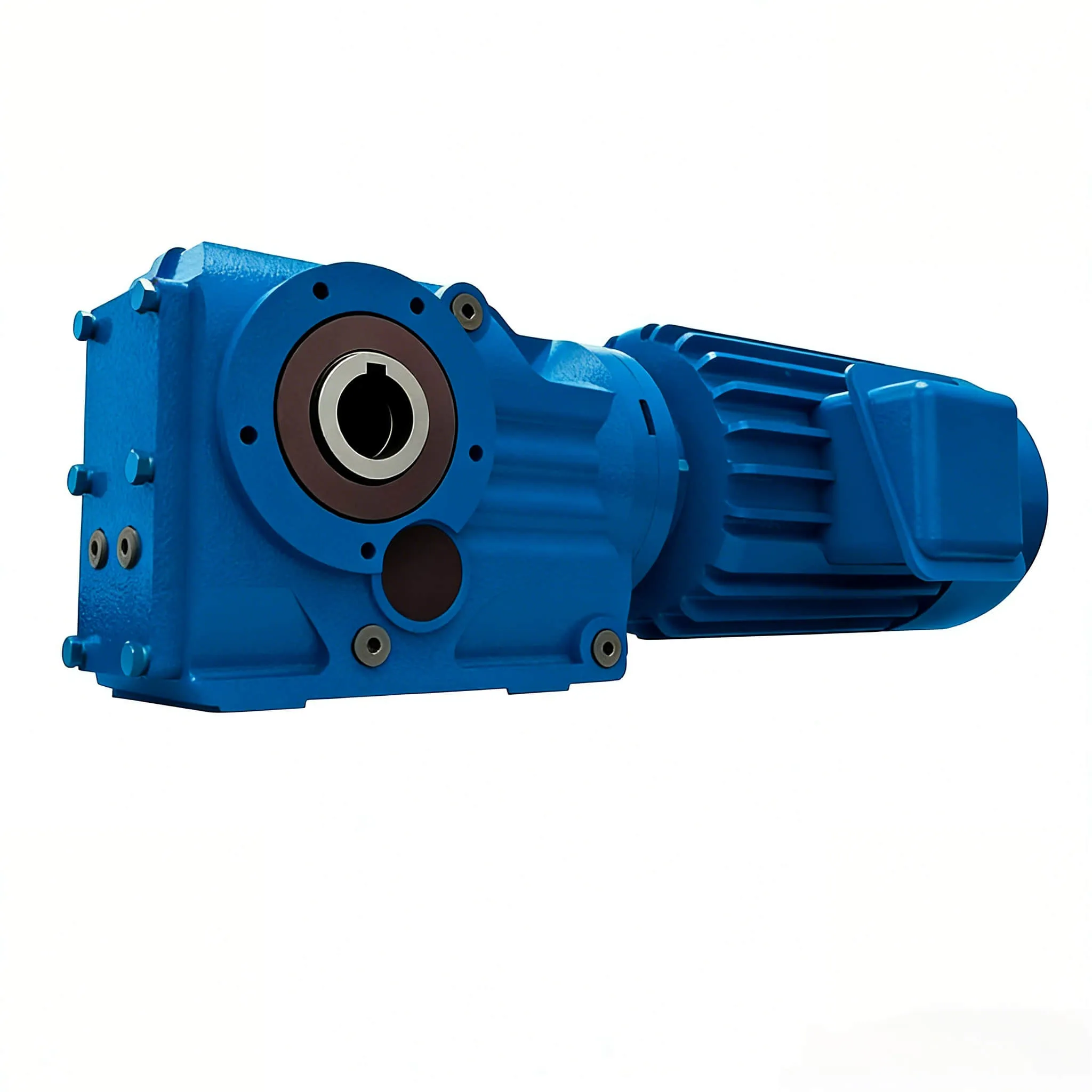
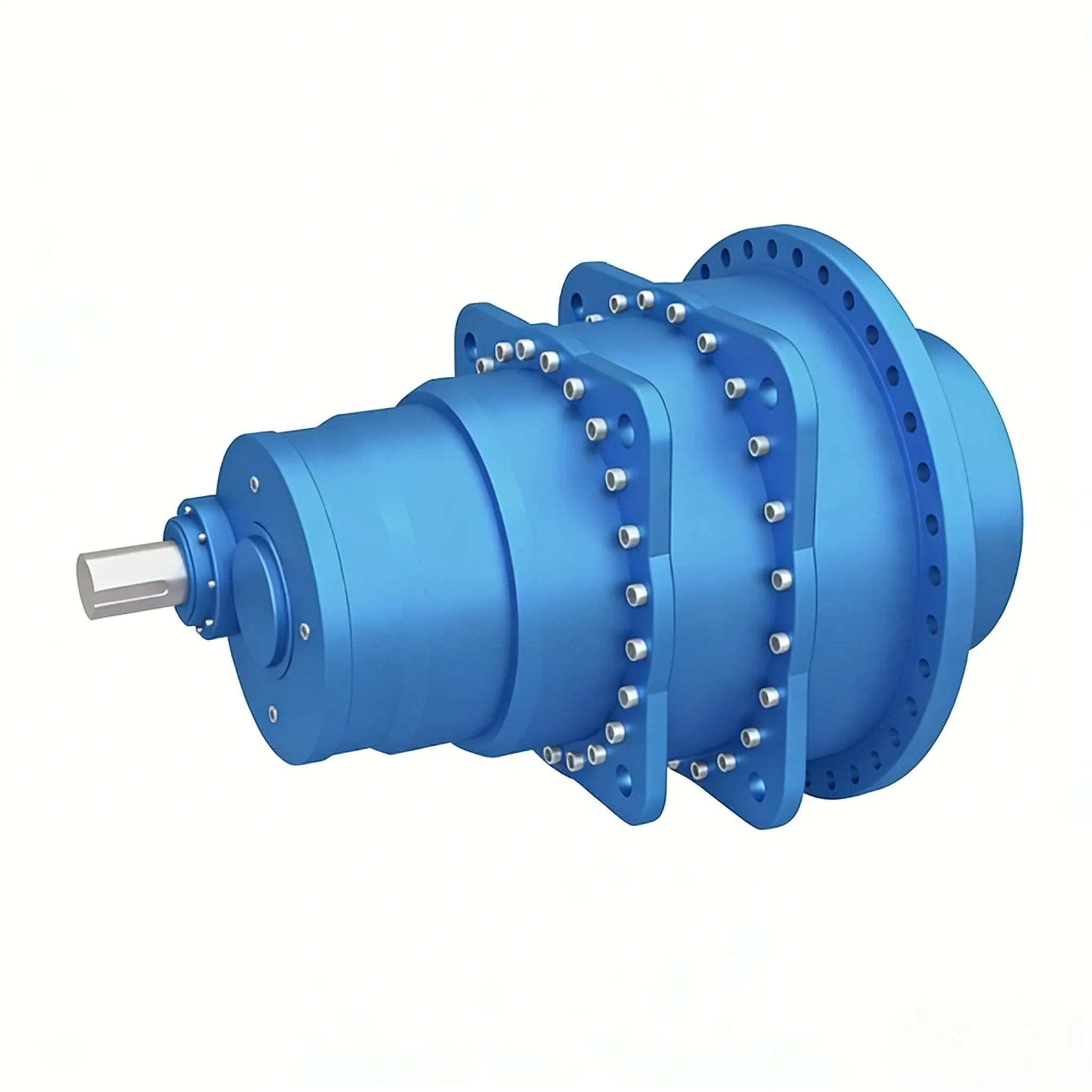
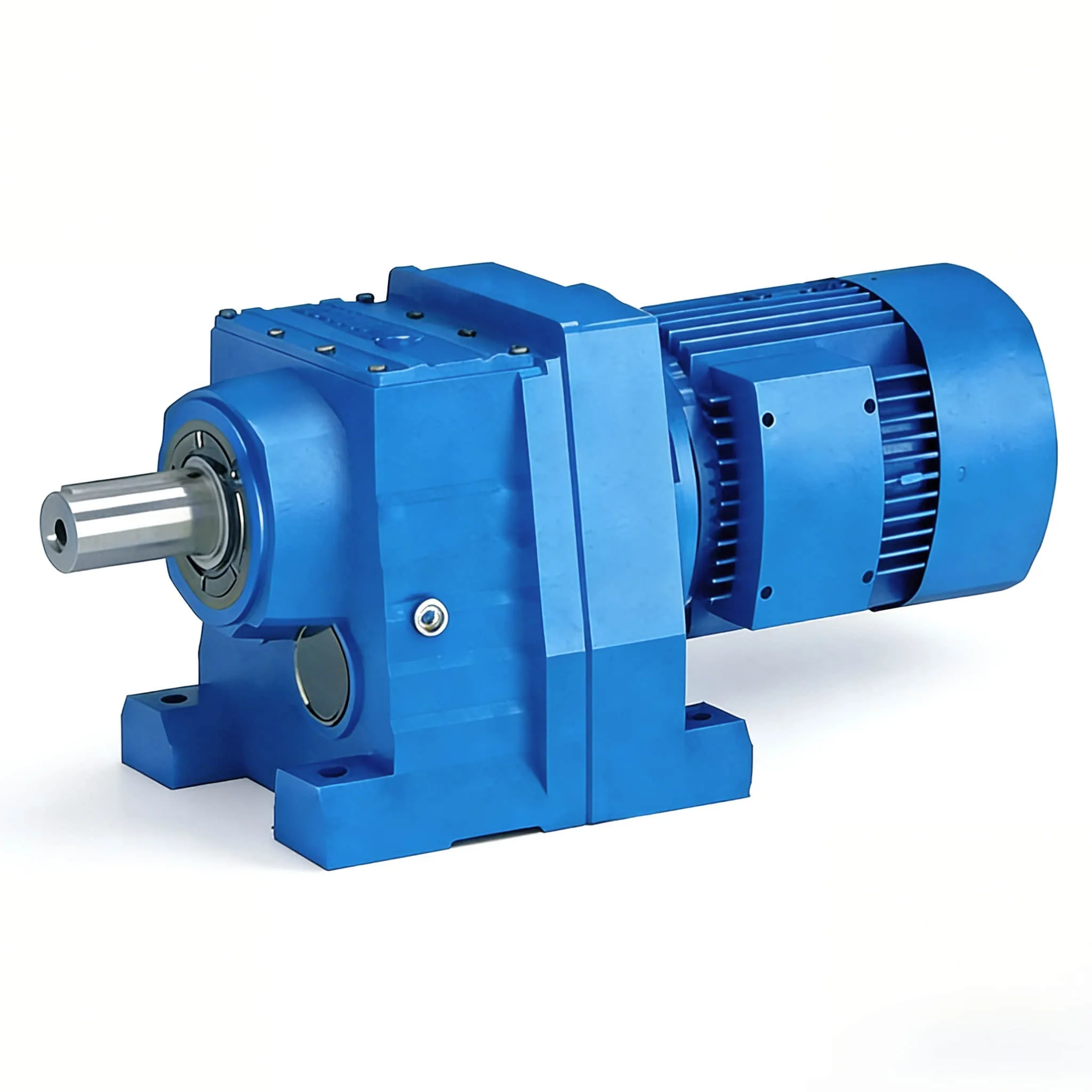
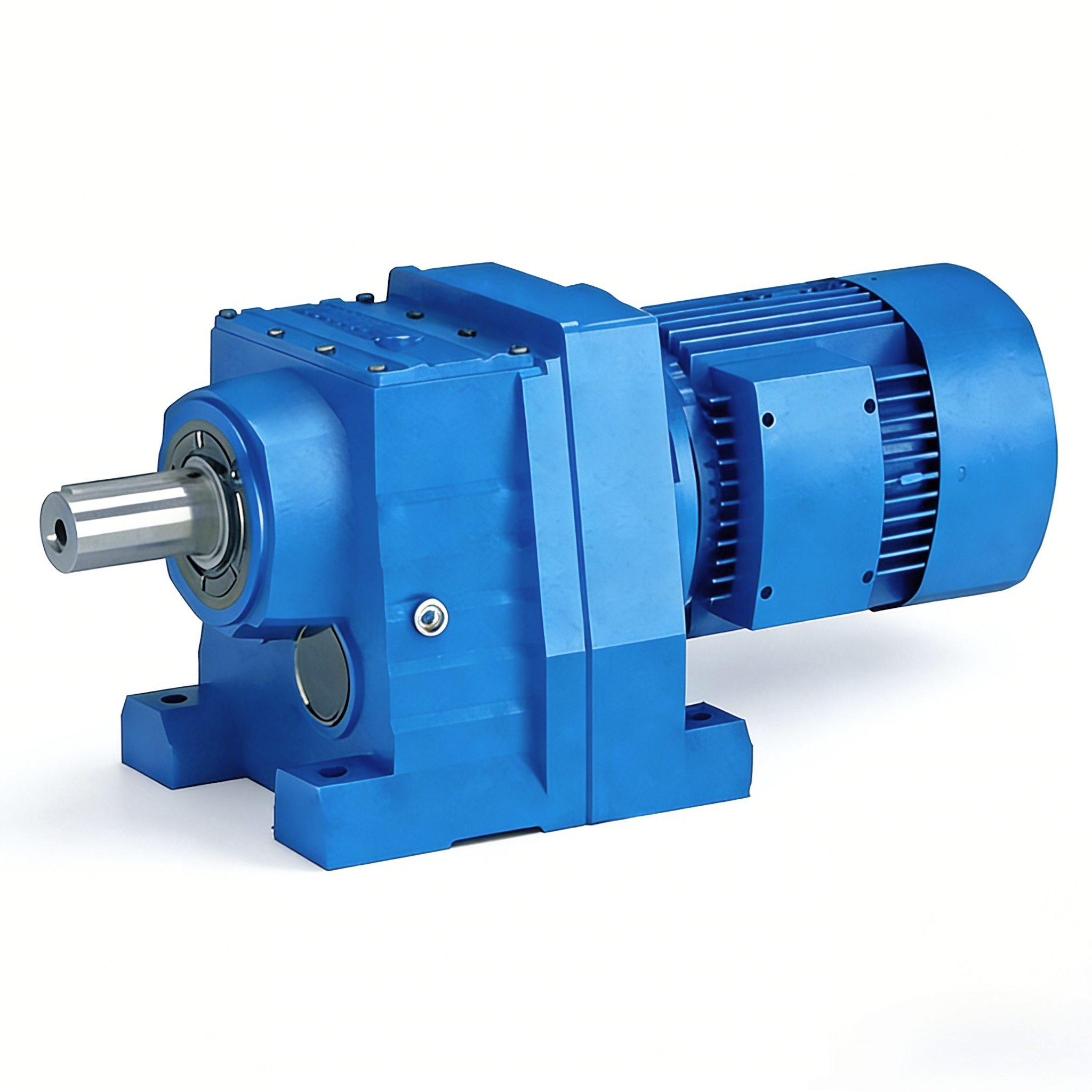
A helical gearmotor represents a sophisticated mechanical solution that combines an electric motor with a helical gear reduction system to deliver controlled power transmission across diverse industrial applications. This integrated unit transforms high-speed, low-torque motor output into low-speed, high-torque output through precision-engineered helical gears. The helical gearmotor design incorporates angled teeth that engage gradually, creating smoother operation compared to traditional straight-cut gear systems. The primary function of a helical gearmotor centers on speed reduction while simultaneously increasing torque output to match specific application requirements. These units excel in converting electrical energy into mechanical power with remarkable efficiency ratings often exceeding 90 percent. The helical gear configuration features teeth cut at an angle to the gear axis, enabling multiple teeth to mesh simultaneously and distribute loads more effectively. Technological features include robust cast iron or aluminum housings that provide excellent heat dissipation and structural integrity. Advanced lubrication systems ensure optimal gear meshing and extended operational life. Many helical gearmotor designs incorporate precision ball bearings and oil seals to minimize friction and prevent contamination. Temperature monitoring capabilities and thermal protection switches safeguard against overheating conditions. Modern helical gearmotors often feature variable speed controls and soft-start capabilities to enhance operational flexibility. Industrial applications span manufacturing automation, conveyor systems, mixing equipment, and material handling machinery. Food processing facilities rely on helical gearmotors for their hygienic designs and reliable performance. Mining operations utilize these units for heavy-duty material transport and processing equipment. Wind energy systems employ large-scale helical gearmotors for turbine positioning and power generation. The versatility of helical gearmotor technology makes it indispensable across automotive manufacturing, pharmaceutical production, and chemical processing industries where precise motion control and dependable torque delivery remain critical operational requirements.

New Products

Helical gearmotor technology delivers exceptional operational benefits that directly translate into improved productivity and reduced operational costs for businesses across various industries. The smooth engagement characteristics of helical gears create significantly quieter operation compared to spur gear alternatives, making helical gearmotor units ideal for noise-sensitive environments such as food processing facilities and office building applications. This quiet operation stems from the gradual tooth engagement pattern that eliminates the sudden impact forces associated with straight-cut gears. Energy efficiency stands as a primary advantage, with modern helical gearmotor designs achieving efficiency ratings between 90 and 96 percent. This superior efficiency translates directly into lower electricity consumption and reduced operational expenses over the equipment lifecycle. The high efficiency results from optimized gear tooth profiles and advanced lubrication systems that minimize internal friction losses. Durability represents another compelling advantage of helical gearmotor technology. The angled tooth design distributes loads across multiple teeth simultaneously, reducing individual tooth stress and extending gear life significantly. Quality helical gearmotors routinely operate for decades with minimal maintenance when properly specified and installed. This longevity reduces replacement costs and minimizes production downtime associated with equipment failures. Precision control capabilities enable helical gearmotor systems to maintain accurate speed and position control essential for modern automation applications. Variable speed operation allows operators to optimize process parameters and adapt to changing production requirements without equipment modifications. The compact design of integrated helical gearmotor units saves valuable floor space while simplifying installation procedures. Installation teams can mount complete units quickly without complex alignment procedures required for separate motor and gearbox combinations. Maintenance requirements remain minimal due to enclosed designs that protect internal components from contamination. Regular oil changes and bearing inspections represent the primary maintenance activities, reducing ongoing service costs. Thermal management features prevent overheating and ensure consistent performance across varying ambient conditions. Advanced helical gearmotor designs incorporate cooling fans and heat dissipation fins to maintain optimal operating temperatures. These temperature control features extend component life and maintain efficiency ratings throughout the operational envelope.

Latest News

A Warm Invitation to Visit Our Manufacturing Base

15

Jan

A Warm Invitation to Visit Our Manufacturing Base

View More
Precision Quality Control: Safeguarding High-Precision Heavy-Duty Gear Transmission Release Date: August 20 , 2025

15

Jan

Precision Quality Control: Safeguarding High-Precision Heavy-Duty Gear Transmission Release Date: August 20 , 2025

View More
R&D Innovation Upgrade: Focus on Heavy-Duty Conditions, Empower Transmission Tech Breakthroughs

15

Jan

R&D Innovation Upgrade: Focus on Heavy-Duty Conditions, Empower Transmission Tech Breakthroughs

View More

Get a Free Quote

Our representative will contact you soon.
Email
Name
Company Name
Message
0/1000

helical gearmotor

Superior Load Distribution and Extended Operational Life

Superior Load Distribution and Extended Operational Life

The helical gearmotor design fundamentally transforms how mechanical loads are distributed throughout the gear reduction system, creating a revolutionary approach to power transmission that extends equipment life far beyond conventional gear systems. Unlike traditional spur gears where individual teeth bear the entire load momentarily, helical gears feature angled teeth that create multiple simultaneous contact points across the gear face. This innovative tooth geometry ensures that load forces spread across several teeth at any given moment, dramatically reducing stress concentrations that typically cause premature gear failure. The angled tooth design creates a helical path of contact that gradually engages and disengages, eliminating the sudden shock loads that characterize straight-cut gear systems. This smooth load transition significantly reduces vibration and mechanical stress throughout the entire helical gearmotor assembly. Engineering studies demonstrate that helical gears can handle loads up to 40 percent higher than equivalent spur gears while maintaining the same safety margins. The extended contact pattern inherent in helical gear design creates a larger effective contact area, distributing forces more evenly and reducing contact pressure at critical stress points. This enhanced load distribution capability allows helical gearmotor units to operate reliably under heavy-duty conditions where conventional gear systems would fail prematurely. Manufacturing precision in helical gear production ensures consistent tooth profiles and optimal meshing characteristics that maximize the load distribution benefits. Computer-controlled machining processes create gear teeth with tolerances measured in thousandths of inches, ensuring perfect helical angles and smooth operation. The superior load handling characteristics of helical gearmotor technology translate directly into extended operational life that can exceed 20 years in properly maintained installations. This exceptional longevity reduces total cost of ownership through decreased replacement frequency and minimized production downtime. Industrial facilities report significant reductions in maintenance costs and improved production reliability when upgrading from conventional gear systems to helical gearmotor technology.
Exceptional Noise Reduction and Smooth Operation

Exceptional Noise Reduction and Smooth Operation

Modern industrial environments increasingly demand equipment that operates quietly without compromising performance, making the exceptional noise reduction capabilities of helical gearmotor technology a critical competitive advantage. The unique helical tooth geometry creates a fundamentally different meshing action compared to traditional spur gears, resulting in dramatically quieter operation that transforms workplace environments. Conventional spur gears produce significant noise levels due to sudden tooth engagement that creates impact forces and vibrations throughout the gear system. These impact forces generate acoustic energy that propagates through equipment structures and into surrounding work areas, creating undesirable noise pollution. Helical gearmotor design eliminates these impact forces through gradual tooth engagement that occurs smoothly along the helical contact path. The angled teeth of helical gears engage progressively, creating a sliding action rather than the abrupt contact characteristic of straight-cut gears. This smooth engagement eliminates the primary noise source in gear systems while simultaneously reducing vibration transmission to connected equipment and supporting structures. Sound level measurements demonstrate that helical gearmotor units operate 15 to 20 decibels quieter than equivalent spur gear systems, representing a substantial noise reduction that improves working conditions significantly. The quiet operation characteristics become particularly valuable in noise-sensitive applications such as food processing facilities, pharmaceutical manufacturing, and office building automation systems. Reduced noise levels contribute to improved worker comfort and productivity while helping facilities meet increasingly stringent noise regulations. The smooth operation of helical gearmotor systems extends beyond noise reduction to encompass vibration damping and enhanced mechanical stability. The continuous tooth engagement pattern inherent in helical gear design creates natural vibration damping that prevents resonance conditions and reduces structural fatigue in connected equipment. This vibration reduction protects sensitive instrumentation and extends the operational life of associated machinery components. Manufacturing facilities report improved product quality and reduced maintenance requirements when implementing helical gearmotor technology due to the elimination of vibration-induced problems.
Compact Integration and Space-Efficient Design

Compact Integration and Space-Efficient Design

Space constraints in modern industrial facilities demand equipment solutions that maximize functionality while minimizing footprint requirements, making the compact integration capabilities of helical gearmotor technology an essential design advantage. Traditional power transmission systems require separate motors, couplings, and gearboxes that consume significant floor space and complicate installation procedures. Helical gearmotor design integrates all power transmission components into a single, compact unit that dramatically reduces space requirements while simplifying system design and installation processes. The integrated approach eliminates the need for flexible couplings, motor mounting brackets, and alignment procedures required for separate component systems. This integration reduces the overall system footprint by up to 50 percent compared to equivalent separate component installations. Manufacturing engineers can design more efficient production layouts when utilizing compact helical gearmotor units, maximizing valuable floor space for productive equipment rather than oversized drive systems. The space savings become particularly valuable in retrofit applications where existing facilities must accommodate new equipment within limited available areas. Helical gearmotor integration extends beyond simple space savings to encompass improved system reliability through eliminated coupling failures and alignment issues. Separate motor and gearbox systems require precise alignment maintenance to prevent premature bearing failures and coupling wear. Integrated helical gearmotor designs eliminate these alignment concerns through precision manufacturing that ensures perfect component alignment throughout the operational life. Installation procedures become significantly simplified when utilizing integrated helical gearmotor units. Maintenance teams can install complete systems using standard mounting procedures without specialized alignment equipment or extensive technical expertise. This installation simplicity reduces project timelines and labor costs while minimizing potential alignment errors that could compromise system performance. The compact design of helical gearmotor units facilitates easier maintenance access and component replacement procedures. Service technicians can remove and replace entire units quickly without disturbing surrounding equipment or extensive disassembly procedures. This maintenance advantage reduces downtime duration and associated production losses. Modern helical gearmotor designs incorporate standardized mounting configurations that ensure compatibility with existing equipment interfaces, facilitating straightforward upgrades and replacements without extensive modifications to supporting structures or connected machinery.

Get a Free Quote

Our representative will contact you soon.
Email
Name
Company Name
Message
0/1000