Harsh conditions such as high temperature, high humidity, heavy dust, and frequent rainfall significantly increase failure rates in standard conveyor systems, resulting in major stability gaps.
Severe Environmental Corrosion
High humidity accelerates corrosion of motors, sensors, and PLC systems, significantly reducing service life.
Dust-Related Failures
Dust accumulation leads to idler jamming and belt slippage. In port and mining environments in regions such as Indonesia and Malaysia, failure rates are up to 40% higher than in temperate regions.
Limited Customization Capability
Standardized equipment struggles to meet diverse and scenario-specific requirements.
Performance Gaps in Specialized Scenarios
In heavy-load handling and high-temperature drying applications (e.g., new energy production lines), conventional systems suffer from low transmission efficiency and structural deformation. Imported alternatives are costly.
①Core components (e.g., bearings, servo motors) from international brands typically require 6–8 months lead time.
②Shipping (sea/land) is highly susceptible to disruptions caused by rainy seasons and port congestion.
③Delivery timelines for customized equipment often fail to meet the required ≤20-day commissioning window.
①High Maintenance Costs
Lack of skilled maintenance personnel and insufficient fault prediction capabilities result in significant downtime losses.
Imported spare parts (e.g., idlers, belts) are expensive, with maintenance costs exceeding 37% of equipment value in some scenarios.
②Energy Consumption & Efficiency Bottlenecks
Traditional systems have high energy consumption. Rising electricity and fuel costs further increase operational pressure.
Low automation penetration (~18%) leads to inefficient sorting and handling compared to China (~67%).
① Insufficient Localization
Limited ability to adapt to local operating conditions and service requirements.
②Spare Parts Shortage
Difficulty sourcing compatible spare parts after 3 years of operation often results in prolonged downtime and disrupted production.
①Core components designed with IP67+ protection and anti-corrosion features to withstand high temperature, humidity, and dust.
②Upgraded idler sealing and anti-slip, wear-resistant conveyor belts reduce failure rates by over 40% in Southeast Asian port and mining environments.
③Custom designs for industries such as electronics, food, and pharmaceuticals, fully compliant with GMP standards.
④Proprietary core components provide import substitution solutions for heavy-load and high-temperature applications, reducing costs by 30%–50%.
①In-house mass production of core components reduces lead time to 1–2 weeks.
②Integration with local logistics ensures delivery of customized systems within ≤20 days.
①Maintenance training and intelligent fault prediction systems reduce O&M costs to below 20% of equipment value.
②Localized spare parts supply ensures fast replacement and reduced downtime.
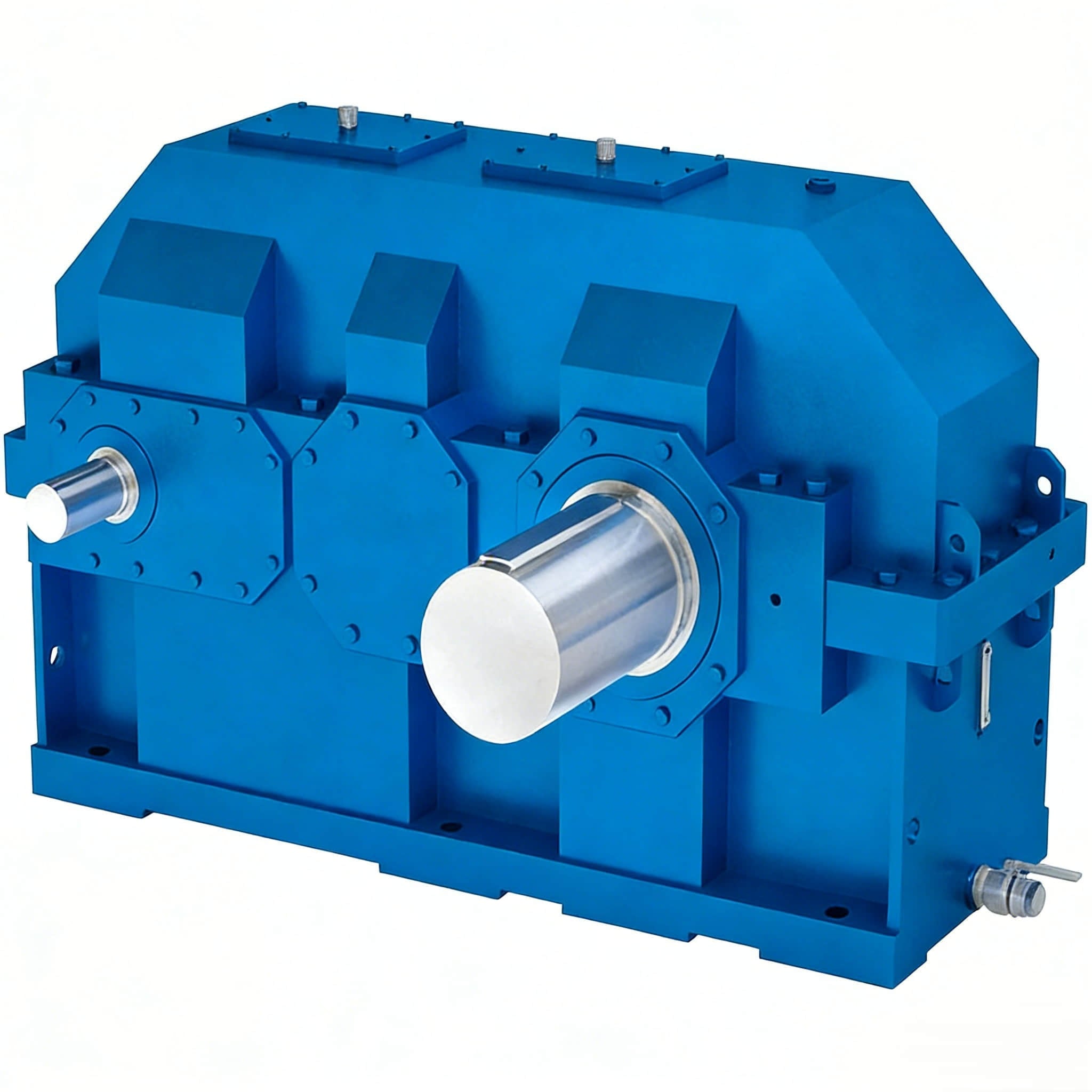
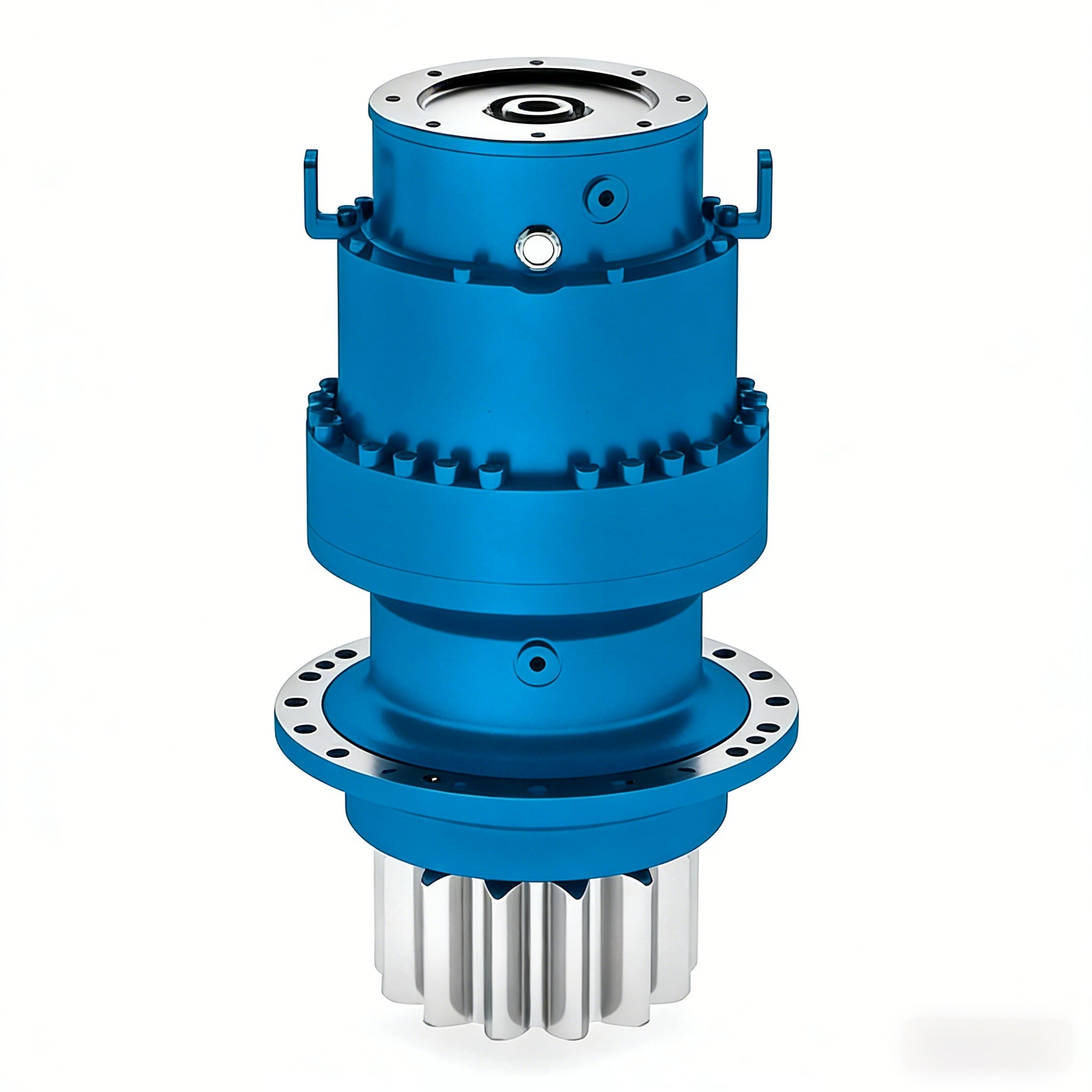
③Adoption of high-efficiency gearboxes and variable frequency drive (VFD) control reduces energy consumption by 25%–30%.
④Upgraded automation solutions increase sorting efficiency to over 60%.
⑤Cost-effective equipment and retrofit solutions for legacy systems further improve ROI.
①Establishment of forward-deployed warehouses with full spare parts inventory.
②Lifetime spare parts supply system ensures zero risk of long-term downtime due to part shortages.
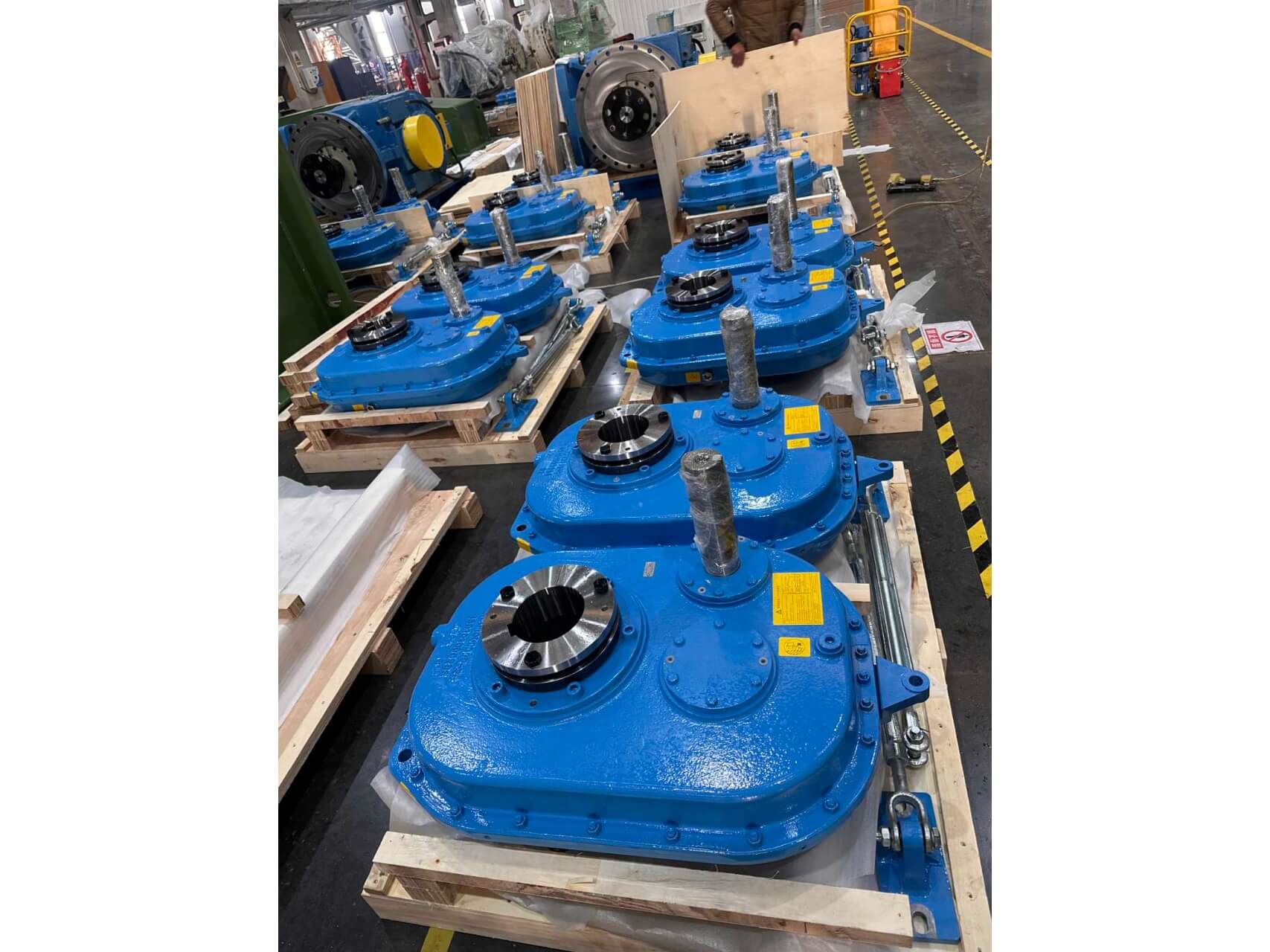
Syntho leverages localized service capabilities and proprietary technologies to comprehensively address industry challenges, delivering a one-stop, full lifecycle conveyor solution.
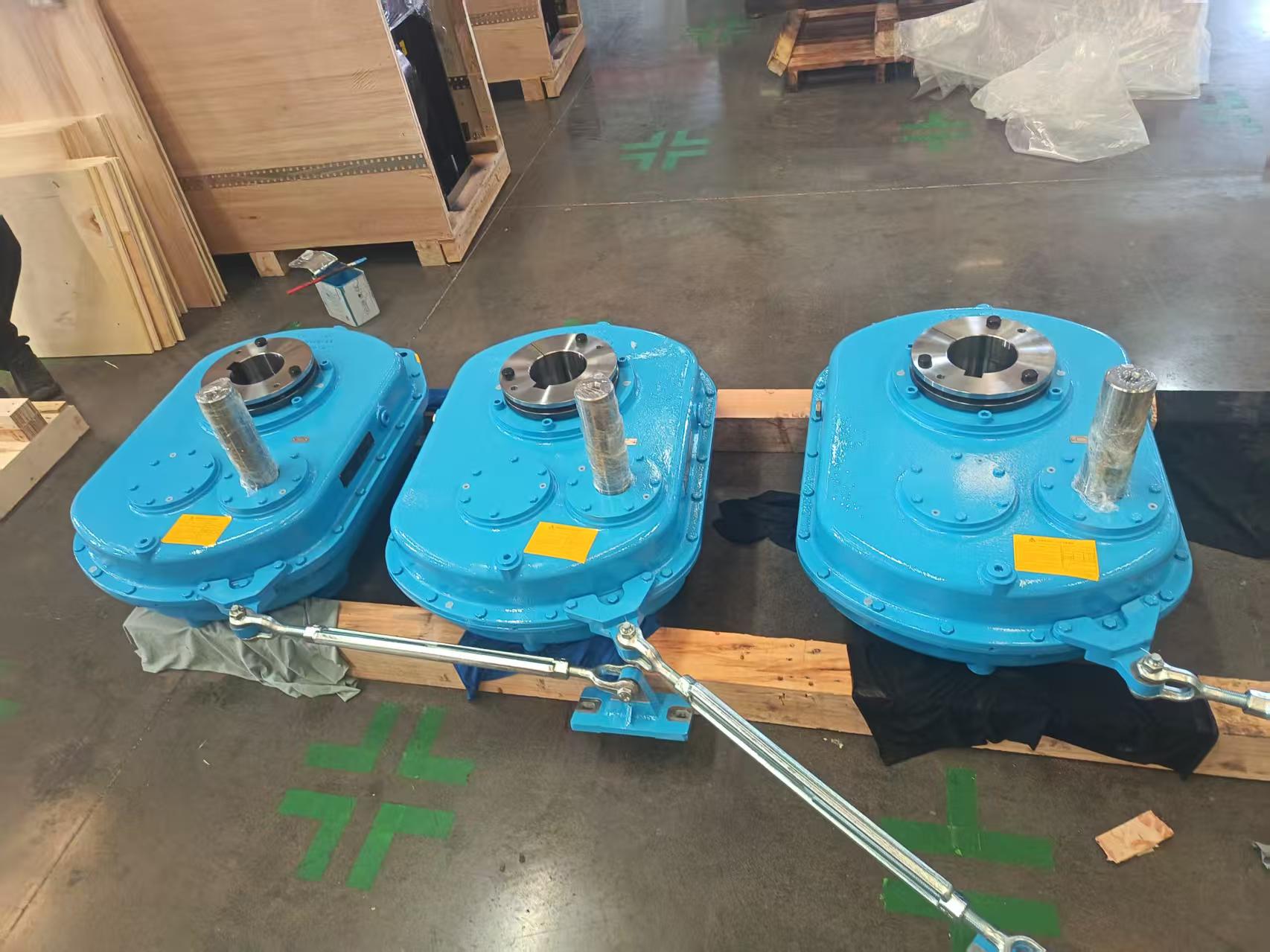
① Advanced Modular Design
High standardization and interchangeability of key components reduce part variety and significantly improve maintenance efficiency.
②Optimized Gear Modification Technology
Ensures uniform load distribution across gear tooth surfaces, achieving high strength, low noise, and low vibration.
③Finite Element Analysis (FEA)-Driven Optimization
Structural optimization and lightweight design enhance overall equipment reliability.
④Innovative Sealing Design
Effectively prevents oil leakage and contamination.
⑤Enhanced Heat Dissipation
Curved housing design increases heat dissipation area for improved thermal performance.
⑥Advanced Lubrication System
Specialized lubrication design ensures optimal lubrication performance and extended service life.
⑦Higher Load Capacity
Optimized gear parameters increase load capacity by approximately 10% compared to conventional products.
⑧Excellent Interchangeability
Fully compatible installation dimensions allow direct replacement of mainstream imported brands.
⑨Dense Product Range
Torque intervals between adjacent models are approximately 25%, providing more precise and flexible selection for customers.

 EN
EN