Vertical Gearbox Solutions: Space-Efficient Power Transmission for Industrial Applications

Get a Free Quote

Our representative will contact you soon.
Email
Name
Company Name
Message
0/1000

vertical gearbox

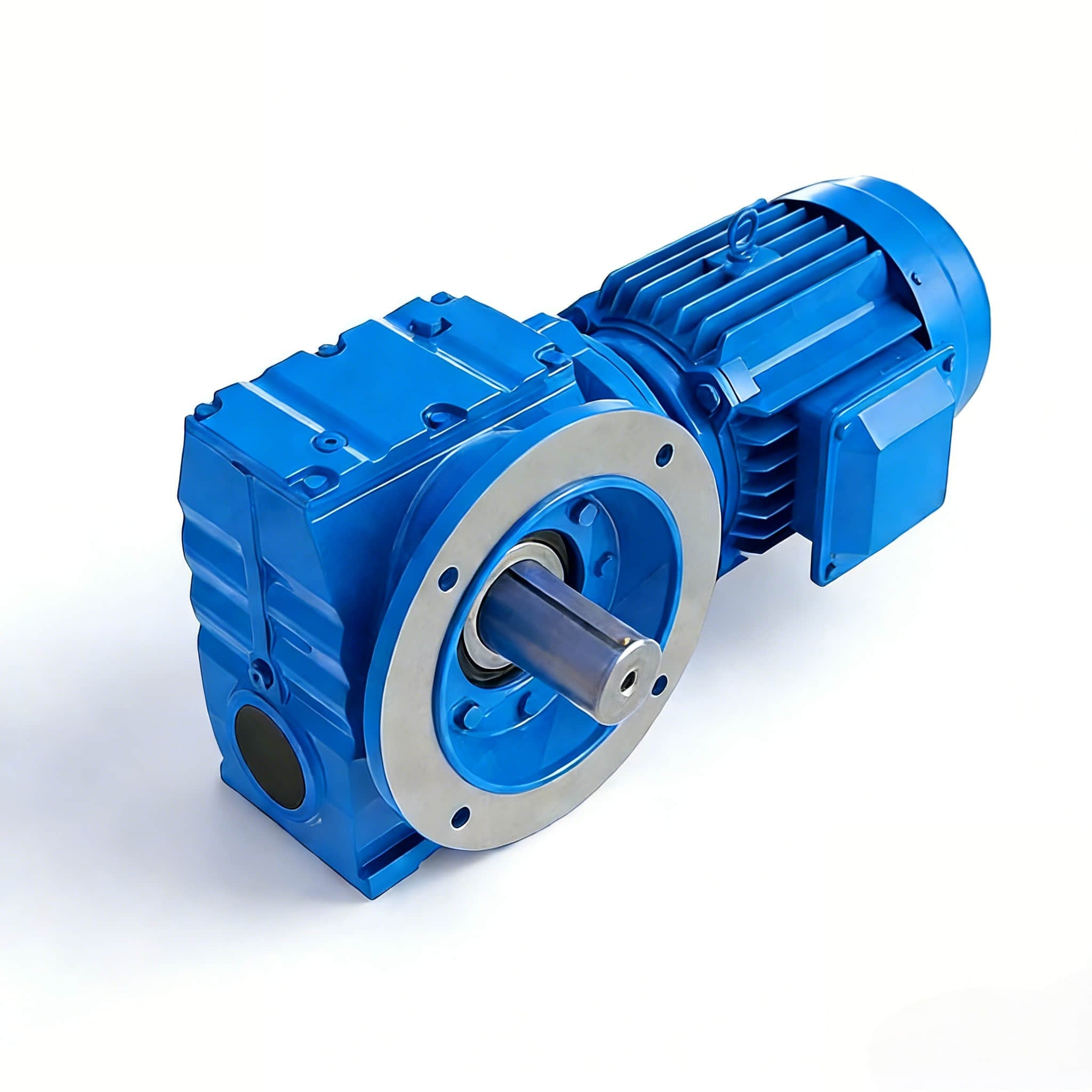
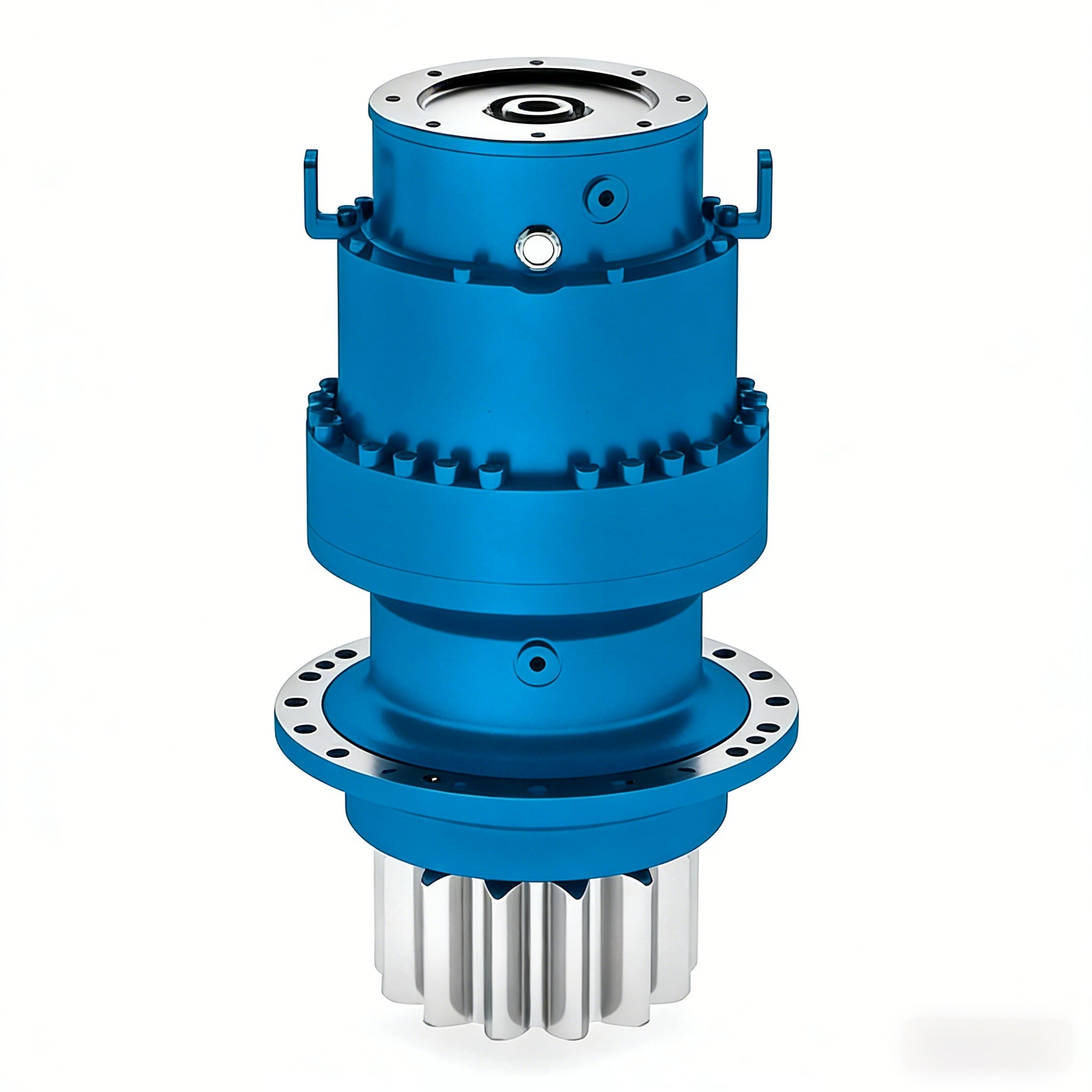
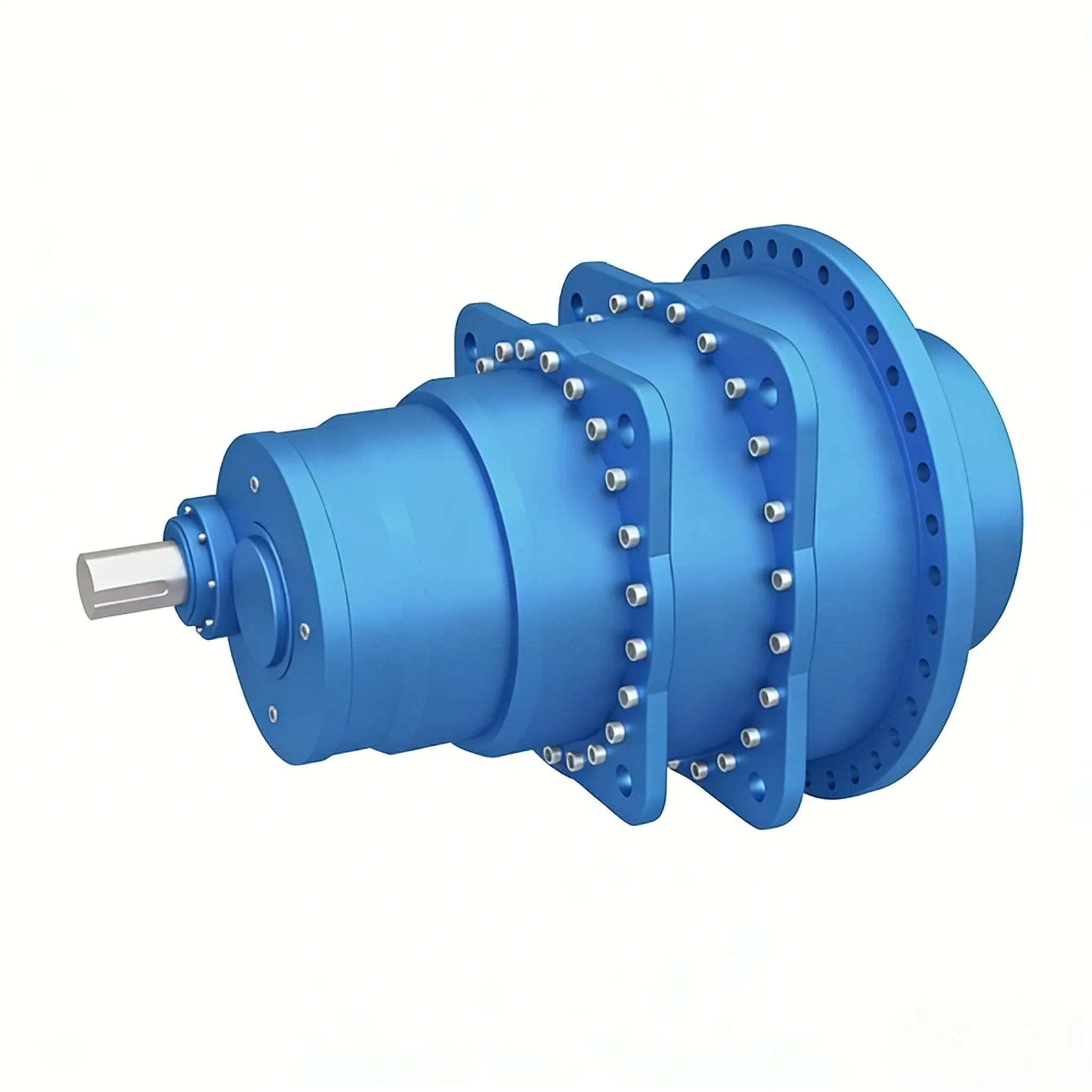
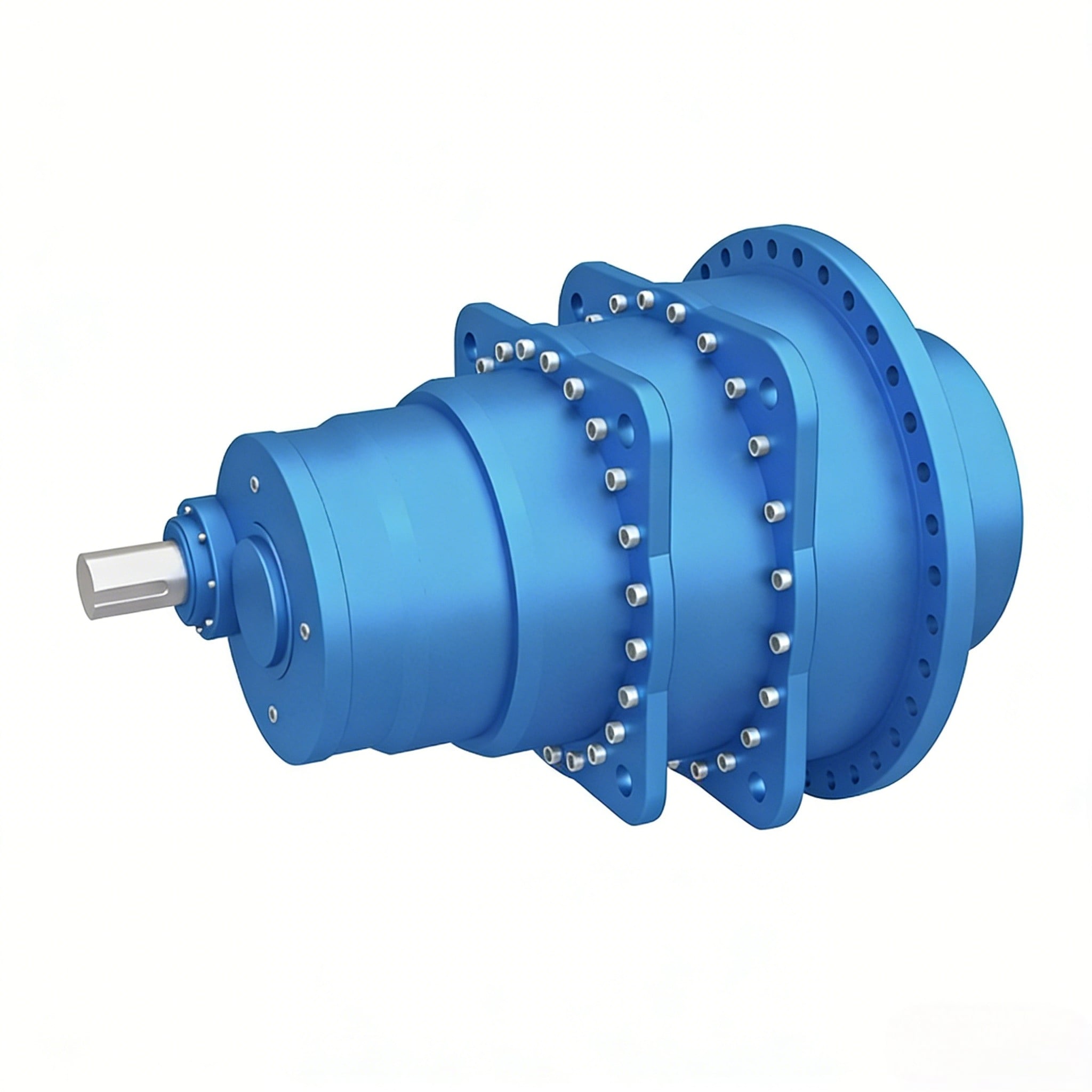
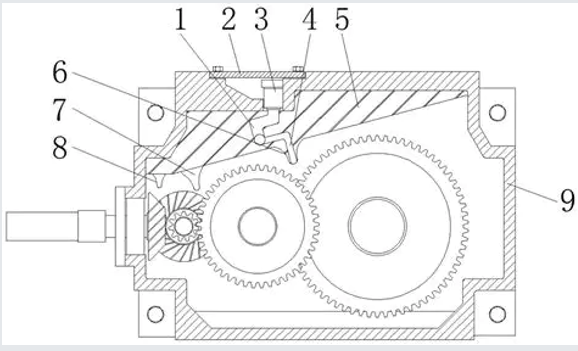
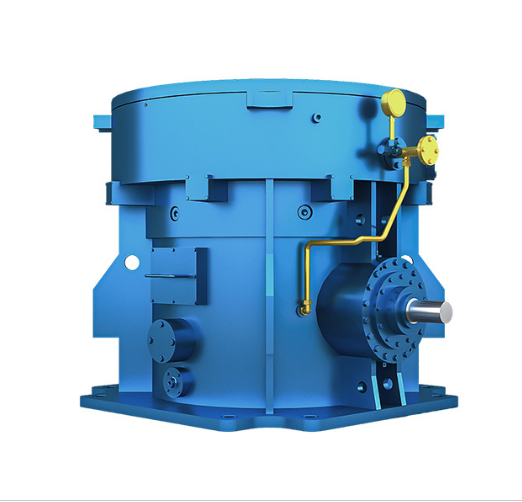
A vertical gearbox represents an essential mechanical power transmission system designed with a distinctive upright configuration that sets it apart from traditional horizontal alternatives. This specialized equipment functions as a crucial intermediary component between motors and driven machinery, effectively converting rotational speed and torque to meet specific operational requirements. The vertical gearbox operates by utilizing precisely engineered gear trains arranged in a compact vertical housing, enabling efficient power transfer while maintaining optimal space utilization in industrial applications. The fundamental design principle centers around the vertical shaft arrangement, where input power enters through the top or side connection points and transmits through multiple gear stages before exiting through the bottom output shaft. This configuration proves particularly valuable in applications where floor space is limited or where the driven equipment requires a downward power transmission path. Modern vertical gearbox systems incorporate advanced metallurgy and precision manufacturing techniques to ensure reliable performance under demanding operating conditions. The internal components typically include helical gears, bevel gears, or planetary gear systems, each selected based on the specific torque requirements and reduction ratios needed for the application. Lubrication systems within the vertical gearbox are specially designed to accommodate the gravitational effects of the upright orientation, ensuring proper oil distribution throughout all bearing surfaces and gear meshes. Temperature management becomes critical in vertical gearbox designs, as heat dissipation patterns differ significantly from horizontal configurations. Many units feature enhanced cooling fins, forced air circulation, or liquid cooling systems to maintain optimal operating temperatures. The robust construction typically includes cast iron or steel housings designed to withstand both operational stresses and environmental challenges. Applications for the vertical gearbox span numerous industries, including mining operations, cement production, steel manufacturing, and heavy industrial processes where reliable power transmission is essential for continuous operation and productivity.

New Products

The vertical gearbox delivers exceptional space-saving benefits that make it an ideal choice for facilities with limited floor space or congested equipment layouts. Unlike horizontal alternatives, this configuration allows engineers to utilize vertical space effectively, creating more room for other essential machinery and maintenance access pathways. The compact footprint directly translates to reduced facility construction costs and improved operational efficiency in manufacturing environments. Installation flexibility represents another significant advantage, as the vertical gearbox can be mounted in various orientations to accommodate different machinery configurations and spatial constraints. The gravitational assistance provided by the vertical orientation enhances lubrication circulation, ensuring consistent oil flow to critical bearing surfaces and gear meshes throughout the entire operating cycle. This natural lubrication advantage extends component life and reduces maintenance requirements compared to horizontal systems that may experience oil pooling or inadequate distribution in certain areas. Maintenance accessibility improves dramatically with vertical gearbox designs, as technicians can easily access the top-mounted input connections and monitoring points without crawling under equipment or working in cramped horizontal spaces. The vertical shaft arrangement simplifies coupling alignment procedures, reducing installation time and minimizing the risk of misalignment-related failures that commonly affect horizontal drive systems. Heat dissipation characteristics prove superior in many vertical gearbox applications, as the natural convection currents created by the upright orientation help remove heat more effectively than horizontal configurations where hot air can become trapped. Vibration characteristics often improve with vertical mounting, as the gravitational forces help stabilize the gear meshes and reduce dynamic loads that can cause premature wear or noise issues. The modular design capabilities of modern vertical gearbox systems allow for easy customization and future modifications without requiring complete system replacement. Load distribution becomes more uniform throughout the gear train in vertical applications, reducing stress concentrations and extending overall system life. Environmental protection features integrate more easily into vertical gearbox housings, providing better sealing against dust, moisture, and other contaminants that might otherwise compromise internal components and reduce operational reliability.

Practical Tips

A Warm Invitation to Visit Our Manufacturing Base

15

Jan

A Warm Invitation to Visit Our Manufacturing Base

View More
Precision Quality Control: Safeguarding High-Precision Heavy-Duty Gear Transmission Release Date: August 20 , 2025

15

Jan

Precision Quality Control: Safeguarding High-Precision Heavy-Duty Gear Transmission Release Date: August 20 , 2025

View More
R&D Innovation Upgrade: Focus on Heavy-Duty Conditions, Empower Transmission Tech Breakthroughs

15

Jan

R&D Innovation Upgrade: Focus on Heavy-Duty Conditions, Empower Transmission Tech Breakthroughs

View More

Get a Free Quote

Our representative will contact you soon.
Email
Name
Company Name
Message
0/1000

vertical gearbox

Superior Space Utilization and Installation Flexibility

Superior Space Utilization and Installation Flexibility

The vertical gearbox excels in maximizing facility space utilization through its innovative upright design that transforms how industrial equipment is arranged and operated. This space-efficient configuration allows manufacturing facilities to accommodate more machinery within existing footprints, directly improving production capacity without requiring facility expansion. The vertical orientation eliminates the need for extensive horizontal clearances typically required by traditional gearbox systems, making it possible to install equipment in previously unusable areas such as narrow corridors or compact production cells. Installation teams benefit from the simplified mounting procedures that vertical gearbox systems provide, as the upright configuration naturally aligns with many driven machines such as mixers, conveyors, and processing equipment. The flexibility extends to retrofit applications where existing horizontal systems can be replaced with vertical alternatives to create additional workspace or accommodate new equipment additions. Facility designers appreciate how the vertical gearbox integrates seamlessly with multi-level production systems, enabling power transmission between different floor elevations without complex coupling arrangements or intermediate drive components. The reduced horizontal footprint directly correlates to lower facility rental or construction costs, providing immediate economic benefits that continue throughout the equipment lifecycle. Maintenance planning becomes more efficient as technicians can access critical components from above rather than requiring confined space entry or equipment disassembly for routine service procedures. The vertical gearbox configuration also supports better workflow organization by eliminating the horizontal obstructions that traditional gearboxes create in production areas, allowing for smoother material handling and personnel movement. Safety improvements result from the elevated input connections that keep electrical and mechanical interfaces away from floor-level hazards such as spills, debris, and mobile equipment traffic. The installation flexibility of vertical gearbox systems enables optimal positioning relative to both drive motors and driven equipment, reducing the need for complex coupling systems or intermediate drive components that add cost and complexity to mechanical systems.
Enhanced Lubrication and Thermal Management Performance

Enhanced Lubrication and Thermal Management Performance

The vertical gearbox demonstrates superior lubrication and thermal management capabilities that directly impact operational reliability and component longevity in demanding industrial applications. The gravitational advantages inherent in the vertical orientation create natural oil circulation patterns that ensure consistent lubrication delivery to all critical components throughout the gear train and bearing assemblies. This gravitational assistance eliminates the oil stagnation problems commonly encountered in horizontal gearbox systems where lubricants can pool in low areas while leaving elevated components inadequately protected. The vertical design facilitates more effective oil distribution during startup conditions when initial lubrication is most critical for preventing component wear and damage. Advanced oil circulation systems integrate more efficiently with vertical gearbox housings, as the natural downward flow patterns complement engineered lubrication circuits to maximize coverage and minimize pumping requirements. Temperature management benefits significantly from the vertical orientation, as heat-generating components are positioned to take advantage of natural convection currents that carry warm air upward and away from critical areas. The thermal stratification that occurs in vertical gearbox housings helps maintain lower operating temperatures in gear mesh areas while allowing heat dissipation through the upper housing sections. Cooling system integration becomes more effective with vertical configurations, as air circulation fans and heat exchangers can be positioned optimally to work with natural airflow patterns rather than against them. The vertical gearbox design typically incorporates larger oil sumps relative to the gear volume, providing better heat absorption capacity and longer oil life compared to space-constrained horizontal alternatives. Oil monitoring and maintenance procedures are simplified in vertical systems, as dipsticks, sight glasses, and drain ports can be positioned for easy access and accurate readings. The consistent lubrication patterns in vertical gearbox systems contribute to more predictable wear characteristics and extended service intervals, reducing both maintenance costs and unplanned downtime risks that can significantly impact production schedules and profitability.
Robust Construction and Operational Reliability

Robust Construction and Operational Reliability

The vertical gearbox showcases exceptional construction quality and operational reliability through engineering designs that address the unique challenges and opportunities presented by the upright configuration. The structural integrity of vertical gearbox housings receives enhanced attention during the design phase, as engineers must account for gravitational loads, dynamic forces, and thermal stresses that differ from horizontal applications. Heavy-duty cast iron or steel housings provide the necessary strength to support both the internal components and external loads while maintaining precise alignment tolerances throughout extended operating periods. The bearing selection and arrangement in vertical gearbox systems utilize specialized designs optimized for axial and radial loads that characterize vertical shaft applications, ensuring long service life even under challenging operating conditions. Precision machining techniques create gear tooth profiles that minimize noise and vibration while maximizing power transmission efficiency and component durability. The vertical orientation naturally supports better shaft alignment stability, as gravitational forces help maintain consistent gear mesh patterns and reduce the dynamic loads that can cause premature wear or failure in horizontal systems. Quality control measures during vertical gearbox manufacturing include specialized testing procedures that verify performance under actual vertical operating conditions rather than relying solely on horizontal test stand results. The modular construction approach used in many vertical gearbox designs enables field serviceability and component replacement without complete system removal, minimizing maintenance downtime and associated production losses. Sealing systems receive particular attention in vertical applications, as the housing orientation requires specialized gaskets and seals that maintain effectiveness despite gravitational effects on lubricants and potential contaminants. Environmental protection features integrate seamlessly with vertical gearbox housings, providing superior resistance to dust, moisture, and chemical exposure that could compromise internal components. The operational reliability of vertical gearbox systems is further enhanced by monitoring capabilities that take advantage of accessible mounting positions for sensors, gauges, and inspection ports. Load distribution characteristics in vertical gearbox designs help prevent stress concentrations that commonly affect horizontal systems, contributing to more predictable maintenance schedules and improved overall equipment effectiveness in demanding industrial applications where reliability directly impacts productivity and profitability.

Get a Free Quote

Our representative will contact you soon.
Email
Name
Company Name
Message
0/1000