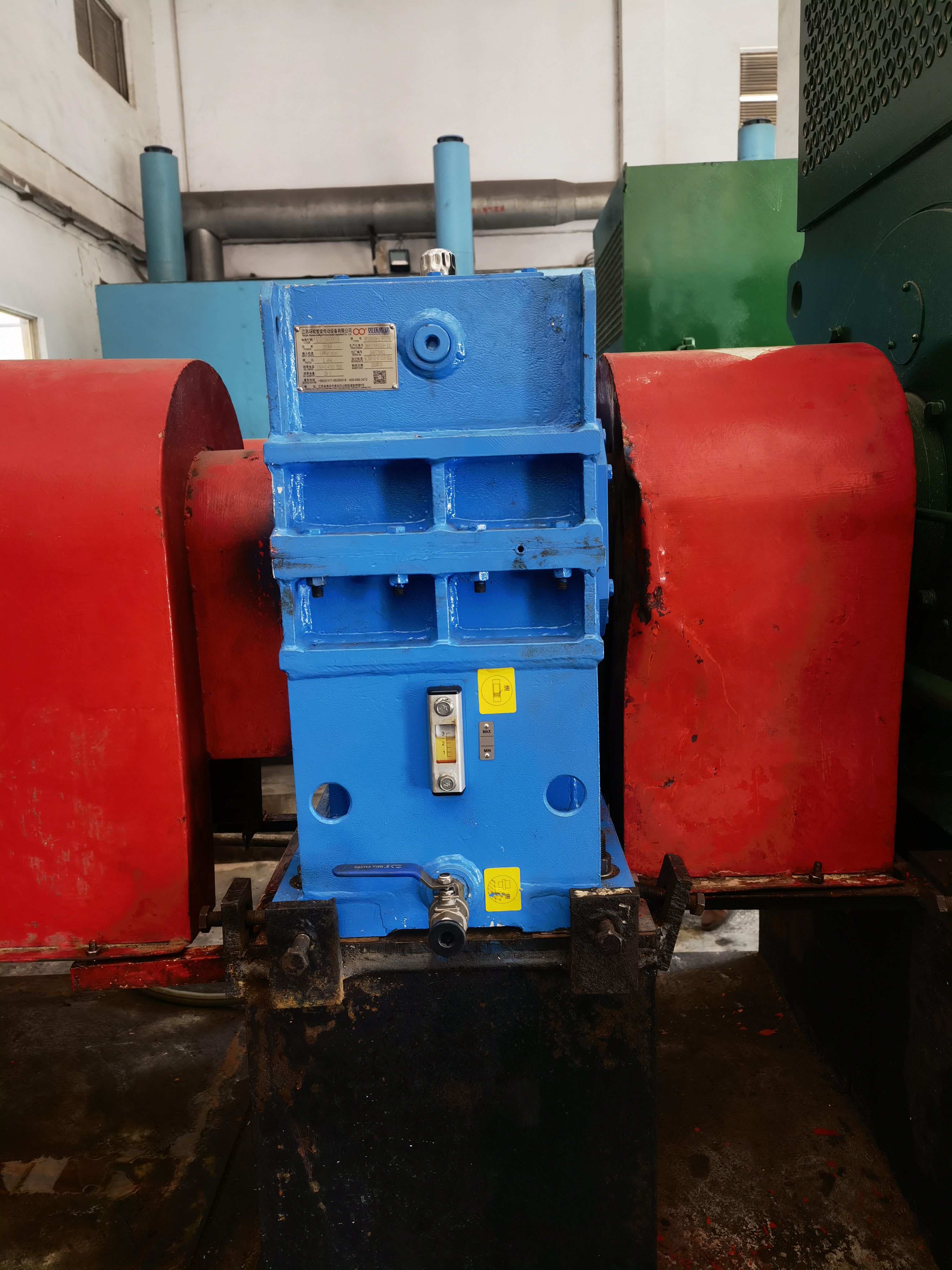
Complete Guide: How to Select Industrial Gearbox Systems for Optimal Performance

Get a Free Quote

Our representative will contact you soon.
Email
Name
Company Name
Message
0/1000

how to select industrial gearbox

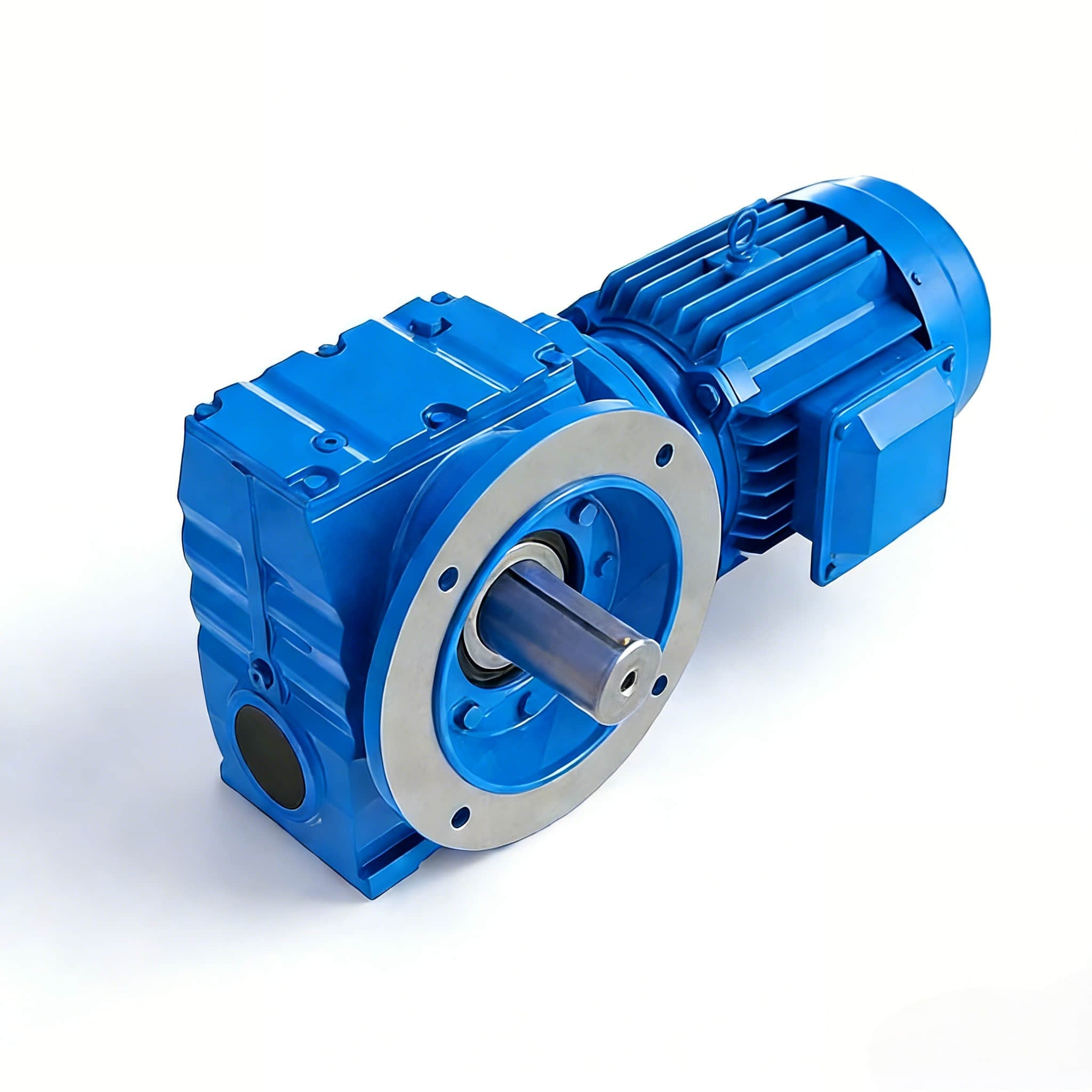
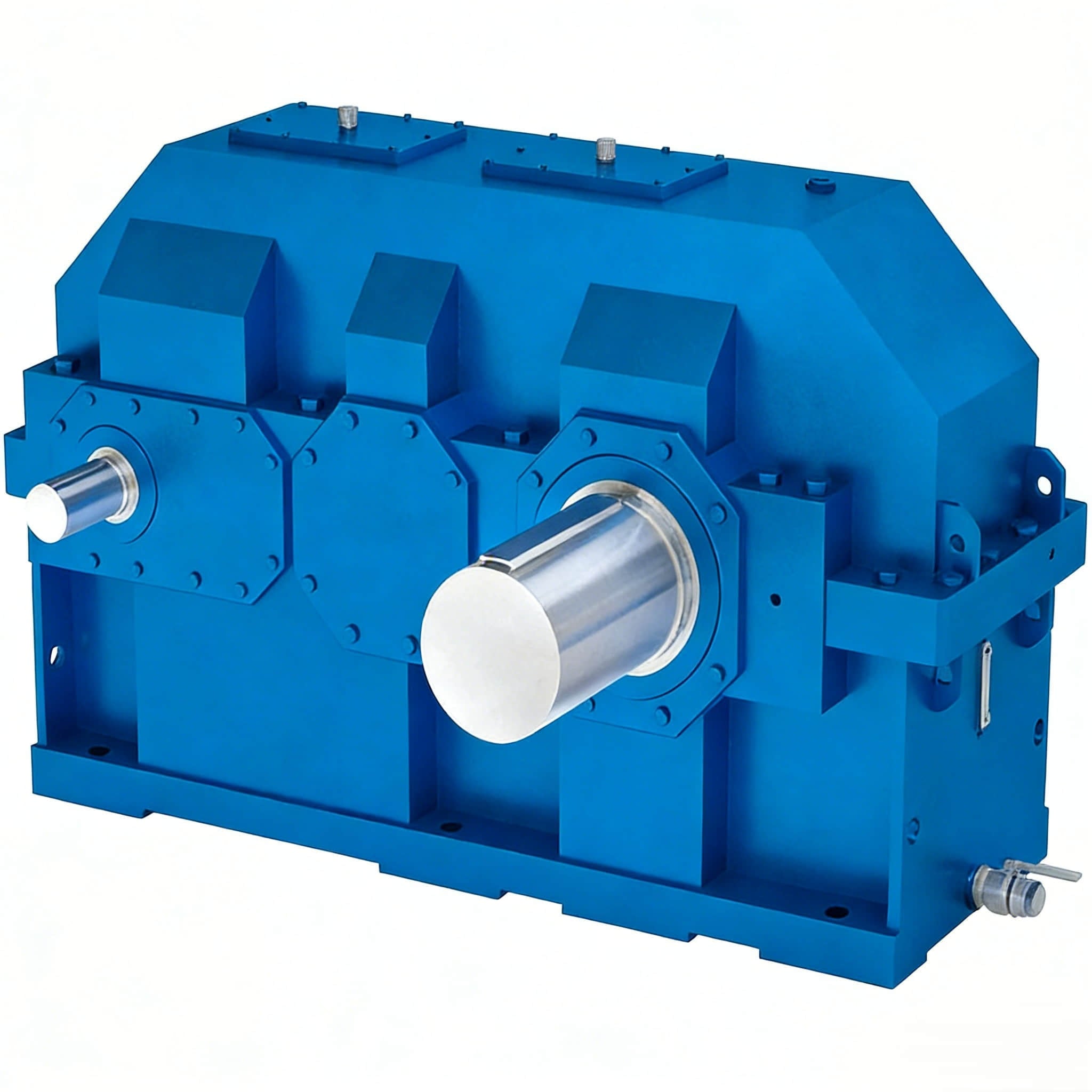
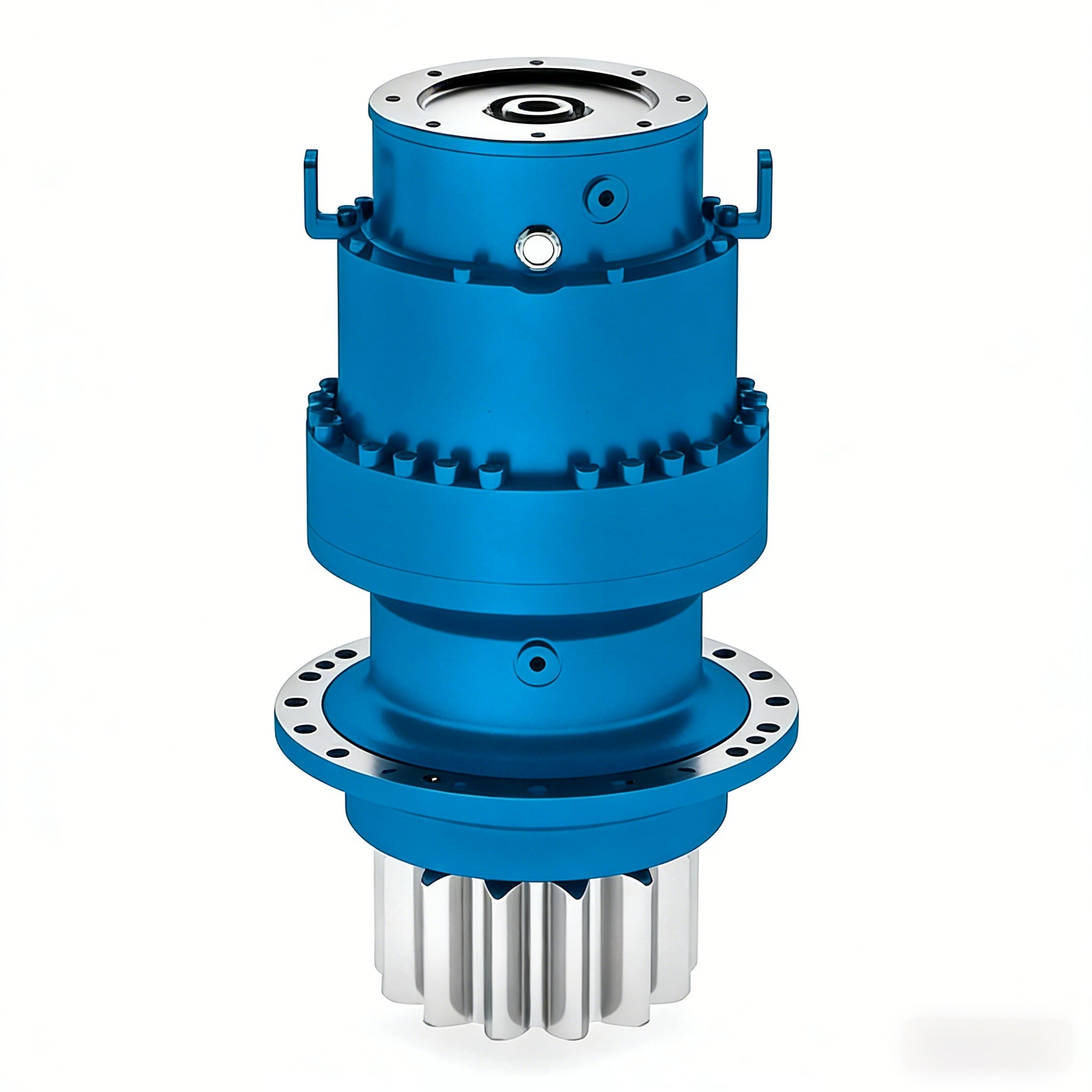
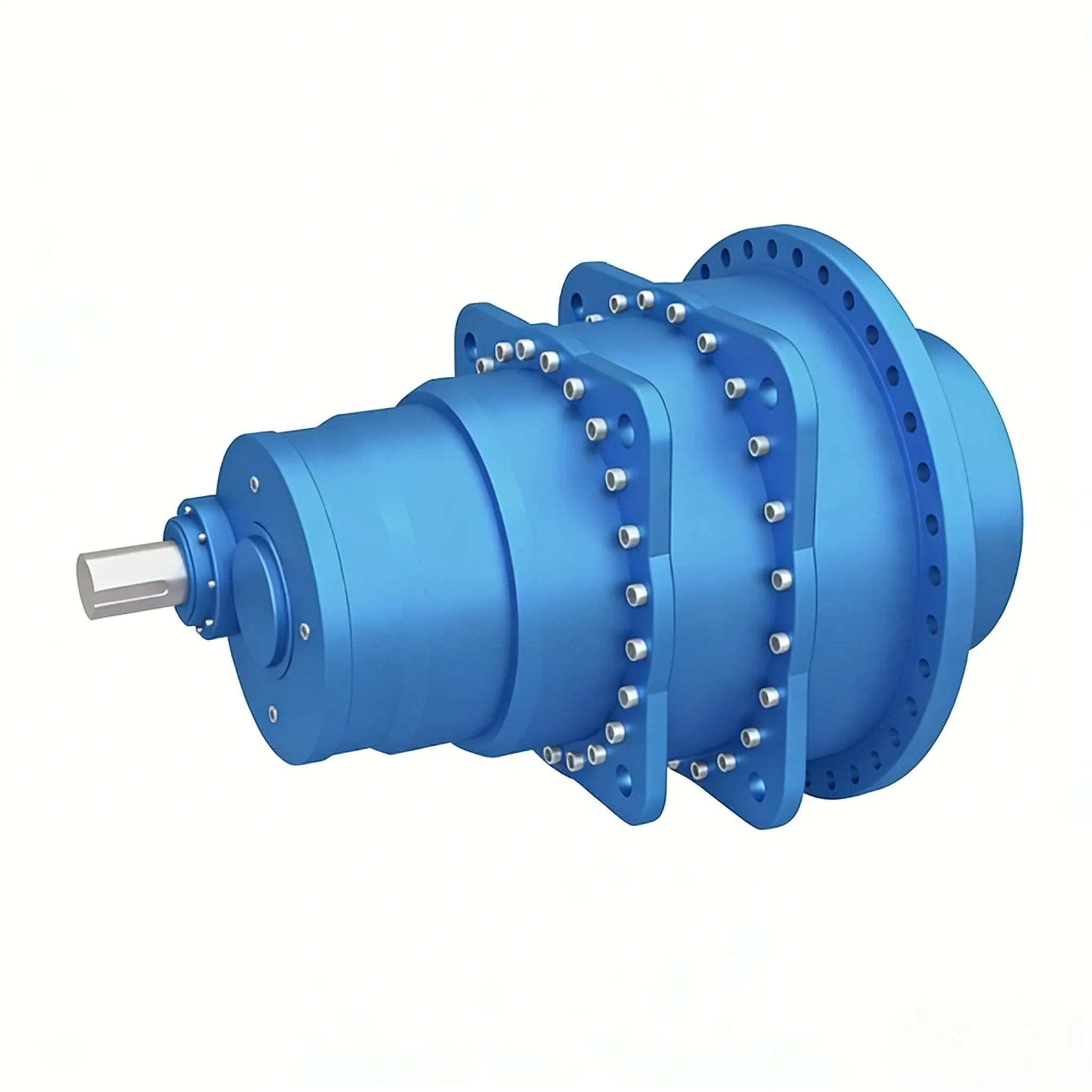
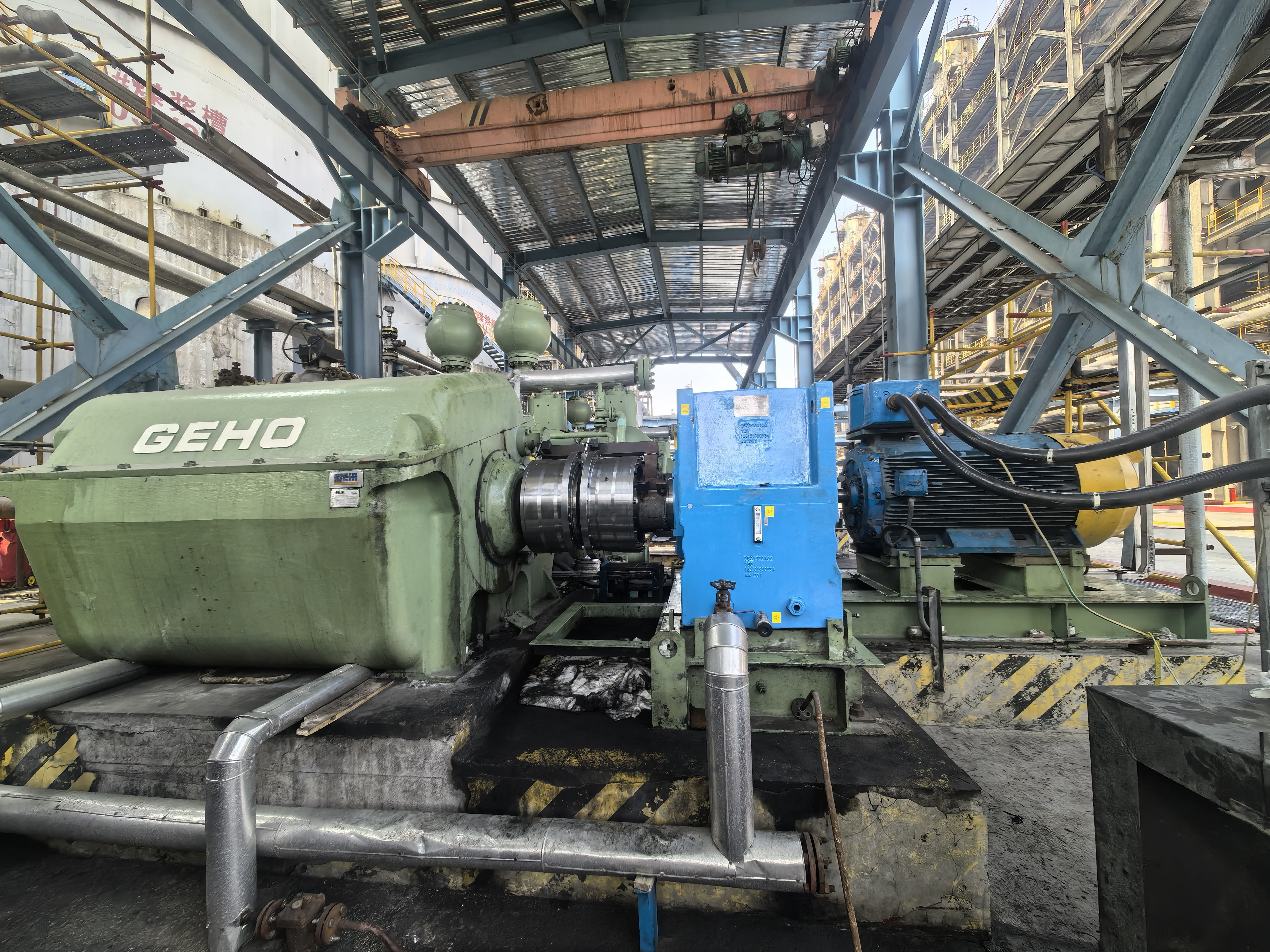
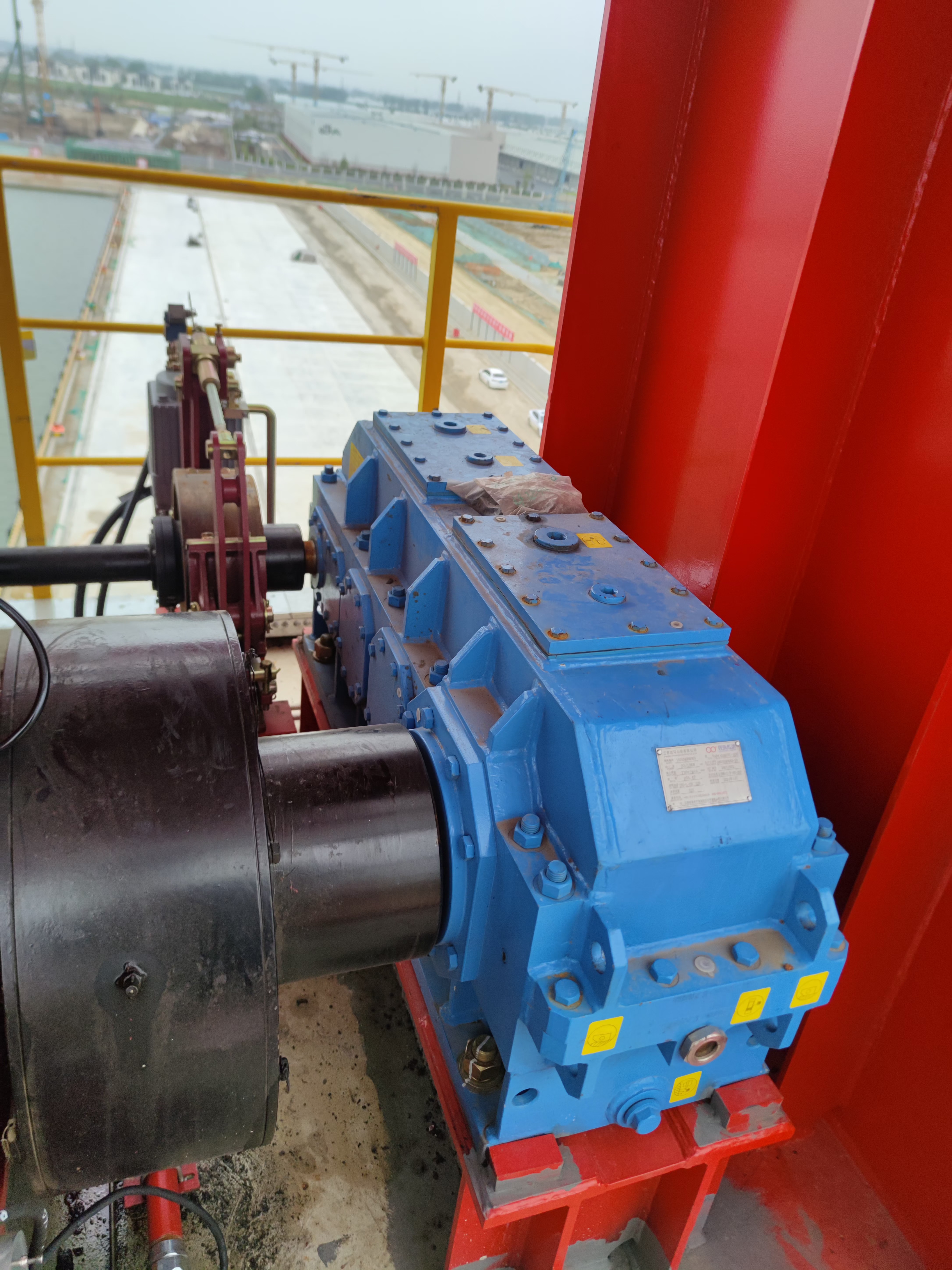
Understanding how to select industrial gearbox systems requires comprehensive knowledge of mechanical power transmission fundamentals and application-specific requirements. Industrial gearboxes serve as critical mechanical components that modify rotational speed and torque between input and output shafts, enabling machinery to operate at optimal performance levels across diverse manufacturing environments. The selection process involves evaluating multiple technical parameters including power ratings, speed ratios, torque capacities, mounting configurations, and environmental operating conditions. When learning how to select industrial gearbox solutions, engineers must consider the primary functions of speed reduction, torque multiplication, and directional changes in rotational motion. These mechanical devices utilize various gear arrangements such as helical, bevel, planetary, and worm gear configurations, each offering distinct advantages for specific applications. Technological features encompass precision gear cutting, advanced lubrication systems, sealed housing designs, and thermal management capabilities that ensure reliable operation under demanding industrial conditions. Modern gearbox designs incorporate sophisticated materials engineering, including hardened steel gears, bronze bearings, and synthetic lubricants that extend operational lifespan while minimizing maintenance requirements. The applications for industrial gearboxes span numerous sectors including manufacturing automation, material handling systems, mining equipment, marine propulsion, wind energy generation, and heavy industrial machinery. Selection criteria must address load characteristics, duty cycles, ambient temperatures, shock loads, and precision requirements specific to each application. Understanding how to select industrial gearbox systems involves analyzing input power sources, output load requirements, space constraints, and cost considerations. Engineers must evaluate efficiency ratings, noise levels, backlash specifications, and serviceability factors when making selection decisions. Proper gearbox selection directly impacts equipment reliability, energy consumption, and overall system performance, making this knowledge essential for successful industrial operations and optimal return on investment.

Popular Products

Learning how to select industrial gearbox systems provides significant operational and economic benefits that directly impact manufacturing efficiency and equipment longevity. Proper gearbox selection reduces energy consumption by ensuring optimal mechanical efficiency ratios between input motors and output loads, resulting in lower electricity costs and improved environmental sustainability. Industrial facilities experience enhanced equipment reliability when gearboxes match application requirements precisely, minimizing unexpected downtime and costly repair interventions. The correct selection process considers load variations, duty cycles, and environmental factors that prevent premature wear and component failures. Understanding how to select industrial gearbox configurations enables engineers to specify units with appropriate safety factors and overload capacities, protecting valuable downstream equipment from damage caused by excessive torques or shock loads. Maintenance costs decrease substantially when gearboxes operate within designed parameters, as properly selected units require less frequent lubrication changes, bearing replacements, and seal repairs. Manufacturing operations benefit from improved precision and repeatability when gearbox selection accounts for backlash requirements, positioning accuracy, and speed control characteristics essential for automated production systems. The selection process enables optimization of space utilization by choosing compact designs with appropriate mounting orientations that fit existing equipment layouts without costly modifications. Economic advantages include extended equipment lifespan, reduced inventory requirements for spare parts, and lower total cost of ownership through improved operational efficiency. Proper gearbox selection supports scalability by ensuring systems can accommodate future capacity increases or process modifications without complete equipment replacement. Safety benefits emerge from selecting gearboxes with adequate thermal ratings, vibration dampening, and emergency stop capabilities that protect personnel and equipment. Quality control improves when gearbox selection considers output speed stability, torque consistency, and noise levels that affect product quality and workplace environments. Understanding how to select industrial gearbox systems enables businesses to achieve competitive advantages through reduced operating costs, improved product quality, and enhanced manufacturing flexibility that supports long-term growth objectives.

Tips And Tricks

A Warm Invitation to Visit Our Manufacturing Base

15

Jan

A Warm Invitation to Visit Our Manufacturing Base

View More
Precision Quality Control: Safeguarding High-Precision Heavy-Duty Gear Transmission Release Date: August 20 , 2025

15

Jan

Precision Quality Control: Safeguarding High-Precision Heavy-Duty Gear Transmission Release Date: August 20 , 2025

View More
R&D Innovation Upgrade: Focus on Heavy-Duty Conditions, Empower Transmission Tech Breakthroughs

15

Jan

R&D Innovation Upgrade: Focus on Heavy-Duty Conditions, Empower Transmission Tech Breakthroughs

View More

Get a Free Quote

Our representative will contact you soon.
Email
Name
Company Name
Message
0/1000

how to select industrial gearbox

Load Analysis and Power Matching Capabilities

Load Analysis and Power Matching Capabilities

Mastering how to select industrial gearbox systems begins with comprehensive load analysis and power matching capabilities that ensure optimal mechanical performance across diverse applications. This critical selection parameter involves calculating actual torque requirements, duty cycles, and power transmission needs specific to each industrial application. Engineers must evaluate both continuous and peak load conditions to determine appropriate gearbox sizing that prevents overloading while avoiding oversized units that waste energy and increase costs. The load analysis process examines dynamic forces, acceleration profiles, and shock loading scenarios that occur during normal operation, emergency stops, and startup conditions. Power matching considerations include motor characteristics, input speed ranges, and output torque delivery requirements that vary with production demands. Understanding how to select industrial gearbox configurations requires analyzing mechanical advantage ratios that optimize power transmission efficiency while maintaining required output speeds and torques. Load analysis encompasses environmental factors such as ambient temperatures, humidity levels, and contamination exposure that affect gearbox performance and longevity. The selection process must account for variable frequency drives, soft starters, and other control systems that influence input power characteristics and operational dynamics. Proper load analysis identifies peak torque multiplication requirements during startup sequences when static friction loads are highest, ensuring gearbox capacity exceeds maximum demand scenarios. Engineers evaluate continuous duty ratings, intermittent service factors, and overload capabilities to match gearbox specifications with actual application requirements. Power matching analysis considers efficiency losses through gear trains, bearing friction, and lubrication systems that affect overall energy consumption and heat generation. The comprehensive approach to load analysis includes future expansion possibilities, process modifications, and equipment upgrades that may alter power requirements over the gearbox operational lifespan. Understanding these load analysis principles enables engineers to specify gearbox solutions that deliver reliable performance, minimize energy costs, and provide adequate safety margins for unexpected operating conditions while supporting long-term industrial productivity objectives.
Environmental Compatibility and Durability Factors

Environmental Compatibility and Durability Factors

Environmental compatibility represents a fundamental aspect of how to select industrial gearbox systems that operate reliably under challenging conditions found in modern manufacturing facilities. This selection criterion encompasses temperature extremes, moisture exposure, chemical contamination, dust infiltration, and vibration levels that affect gearbox performance and service life. Understanding environmental requirements enables engineers to specify appropriate sealing systems, housing materials, and lubrication types that maintain operational integrity despite harsh operating conditions. Temperature considerations include ambient heat sources, process-generated thermal loads, and seasonal variations that influence lubricant viscosity, seal effectiveness, and metal expansion characteristics. The selection process must address cold startup conditions where high-viscosity lubricants create additional friction loads and warm operating temperatures that accelerate component wear rates. Moisture protection involves specifying appropriate IP ratings, drainage systems, and corrosion-resistant materials that prevent water intrusion and internal condensation formation. Chemical compatibility analysis ensures housing materials, seals, and lubricants resist degradation from process chemicals, cleaning agents, and atmospheric pollutants common in industrial environments. Dust and particle infiltration protection requires selecting appropriate filtration systems, sealed bearings, and positive pressure configurations that maintain internal cleanliness essential for precision gear operation. Vibration analysis considers both internally generated forces from gear meshing and externally transmitted vibrations from adjacent equipment that affect bearing life and alignment stability. Understanding how to select industrial gearbox systems includes evaluating shock loading, impact forces, and dynamic loading patterns that stress mechanical components beyond normal operating parameters. Durability factors encompass material selection, heat treatment processes, and manufacturing quality standards that determine component longevity under specified environmental conditions. The environmental compatibility assessment includes maintenance accessibility, service interval requirements, and replacement part availability that affect long-term operational costs and downtime risks. Proper environmental analysis ensures gearbox selection accounts for expansion joints, flexible couplings, and mounting systems that accommodate thermal growth and structural movement while maintaining precise alignment essential for optimal performance and extended service life.
Efficiency Optimization and Energy Conservation Benefits

Efficiency Optimization and Energy Conservation Benefits

Efficiency optimization represents a crucial element in how to select industrial gearbox systems that minimize energy consumption while maximizing mechanical power transmission performance. This selection parameter directly impacts operational costs, environmental sustainability, and equipment performance across industrial applications where energy efficiency translates into significant economic benefits. Understanding efficiency characteristics enables engineers to specify gearbox configurations that reduce electrical demand, lower carbon footprints, and improve overall system performance through optimized power transmission ratios. Efficiency analysis encompasses gear tooth profiles, bearing types, lubrication systems, and mechanical clearances that influence friction losses and heat generation during operation. The selection process must consider efficiency variations across different speed ranges, load conditions, and operating temperatures that affect actual power transmission performance compared to rated specifications. Modern gearbox designs incorporate precision manufacturing techniques, advanced materials, and optimized gear geometries that achieve efficiency levels exceeding ninety-five percent under optimal operating conditions. Energy conservation benefits include reduced electrical consumption, lower cooling requirements, and decreased thermal stress on mechanical components that extend equipment lifespan while reducing maintenance costs. Understanding how to select industrial gearbox systems involves evaluating efficiency curves, load-dependent losses, and temperature-related performance variations that occur during normal operation. The optimization process considers synthetic lubricants, rolling element bearings, and precision gear cutting techniques that minimize friction while maintaining load capacity and durability requirements. Efficiency analysis includes power factor considerations, harmonic distortion effects, and electrical system impacts that affect overall facility energy management and utility costs. Energy conservation extends beyond direct power savings to include reduced cooling system loads, lower ambient heat generation, and improved workplace comfort conditions. The selection process must account for partial load efficiency characteristics where many industrial gearboxes operate below rated capacity most of the time, making part-load efficiency more important than peak efficiency ratings. Optimization benefits encompass reduced carbon emissions, compliance with energy efficiency regulations, and eligibility for utility rebates or tax incentives that offset initial equipment costs. Understanding these efficiency principles enables engineers to specify gearbox solutions that deliver long-term energy savings, support sustainability objectives, and provide competitive advantages through reduced operating costs and improved environmental performance that benefits both business operations and community environmental goals.

Get a Free Quote

Our representative will contact you soon.
Email
Name
Company Name
Message
0/1000