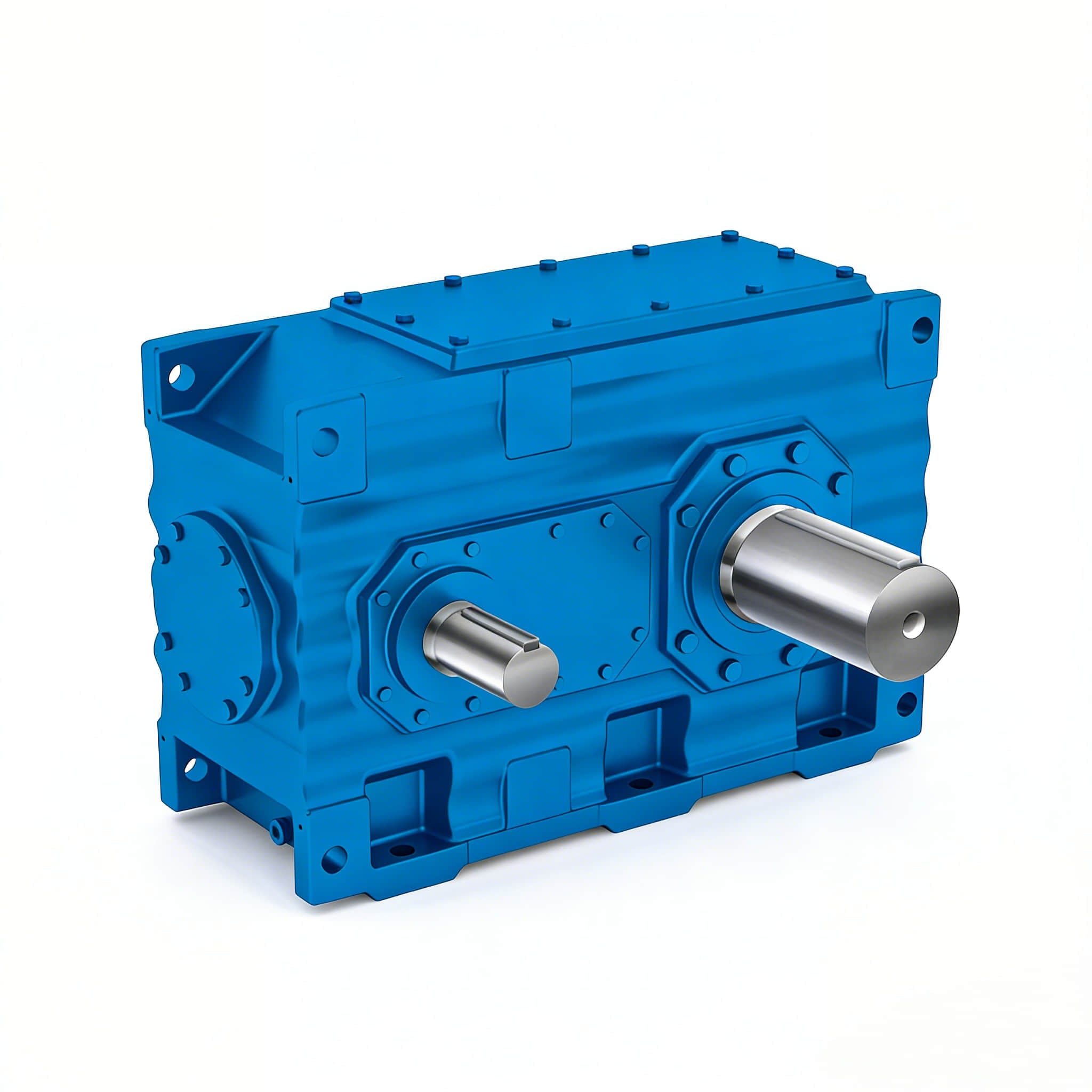
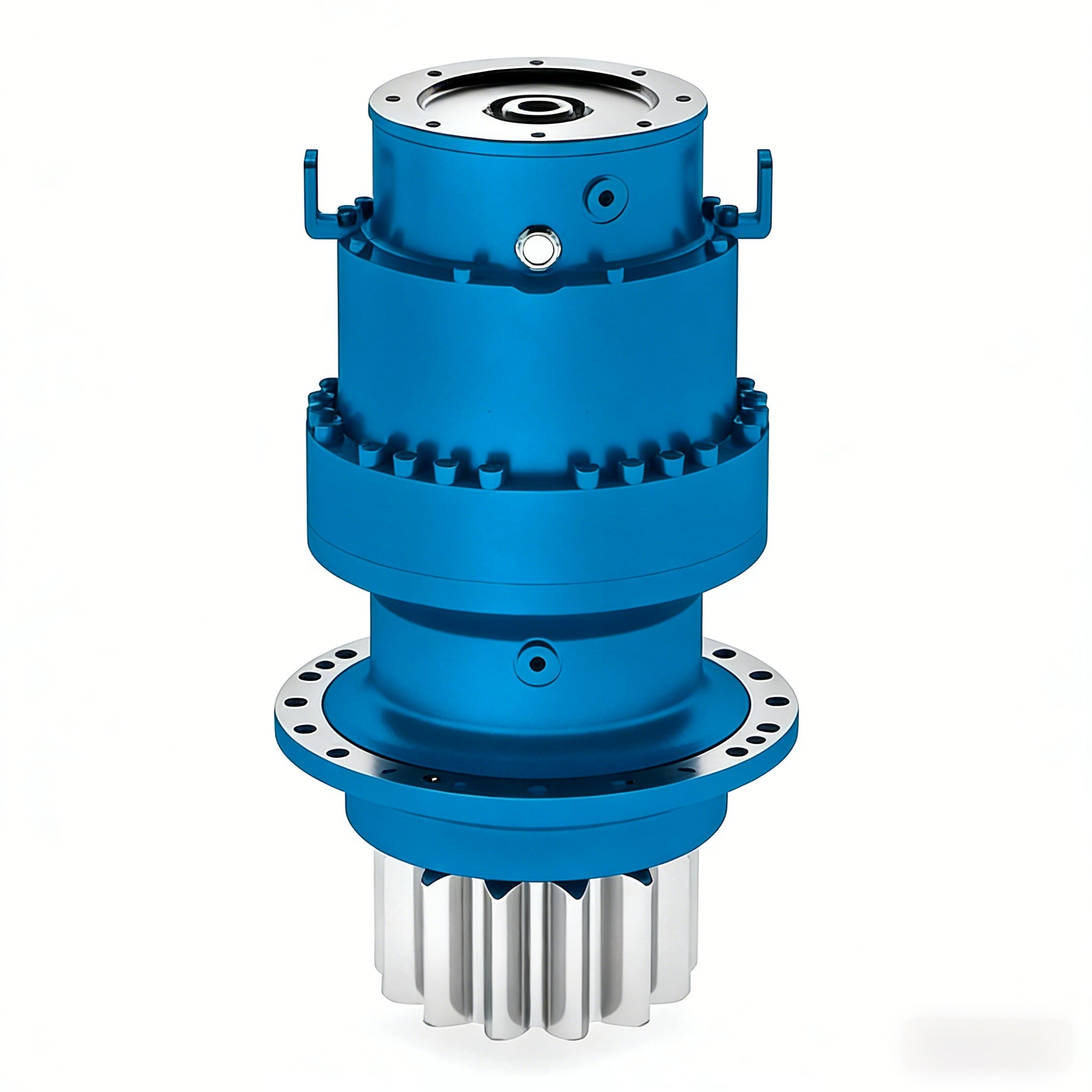
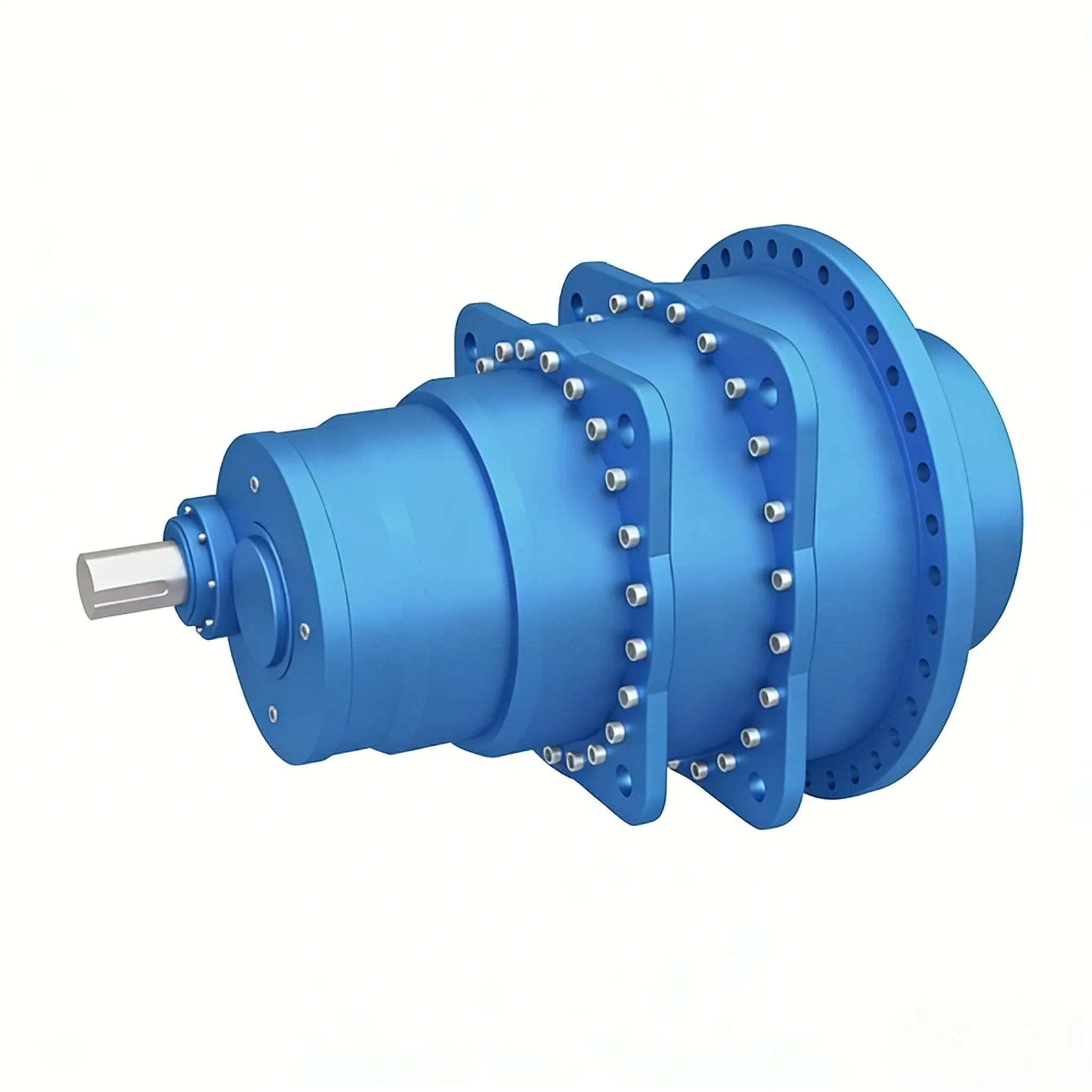
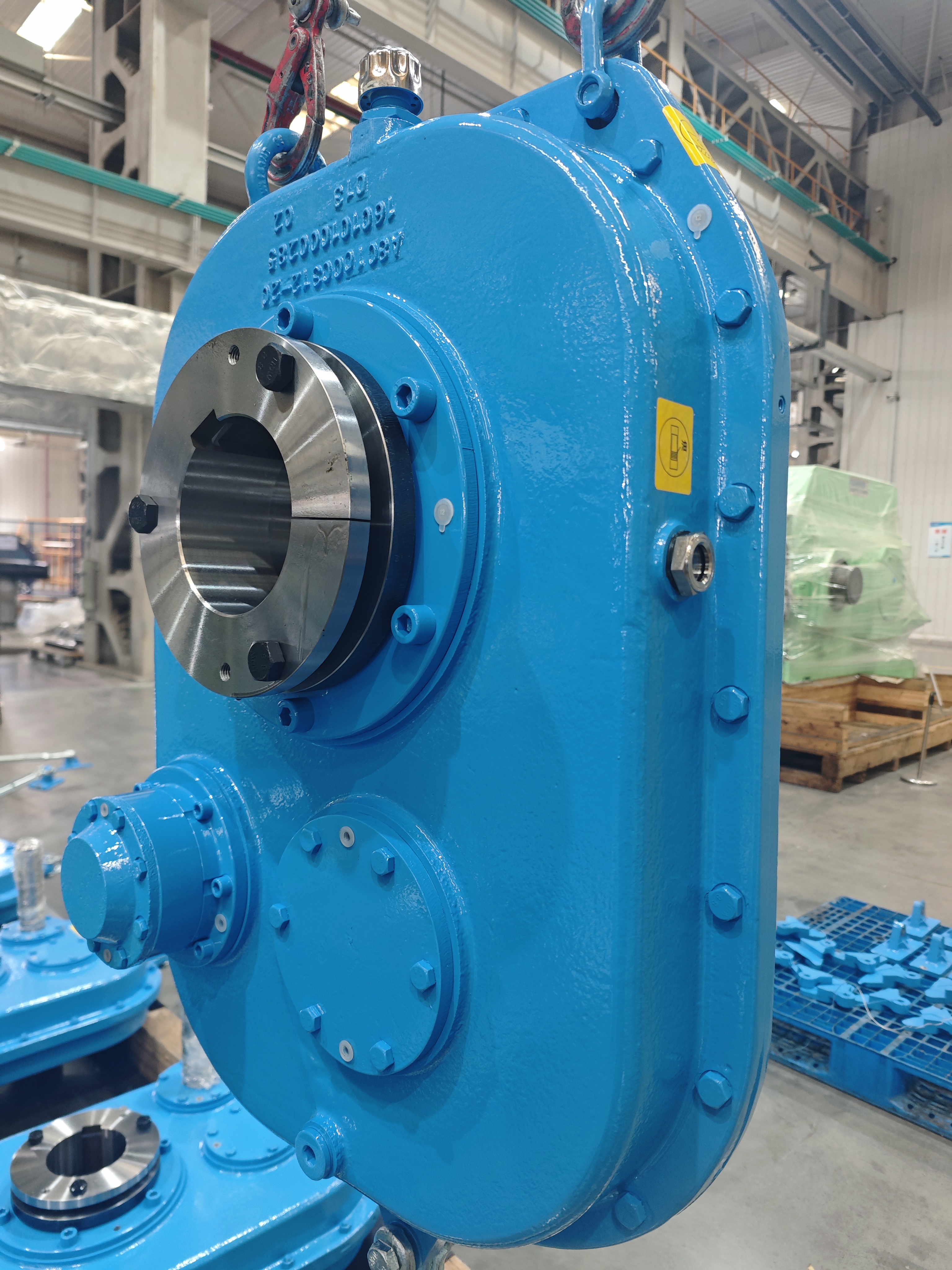
hollow shaft gearbox
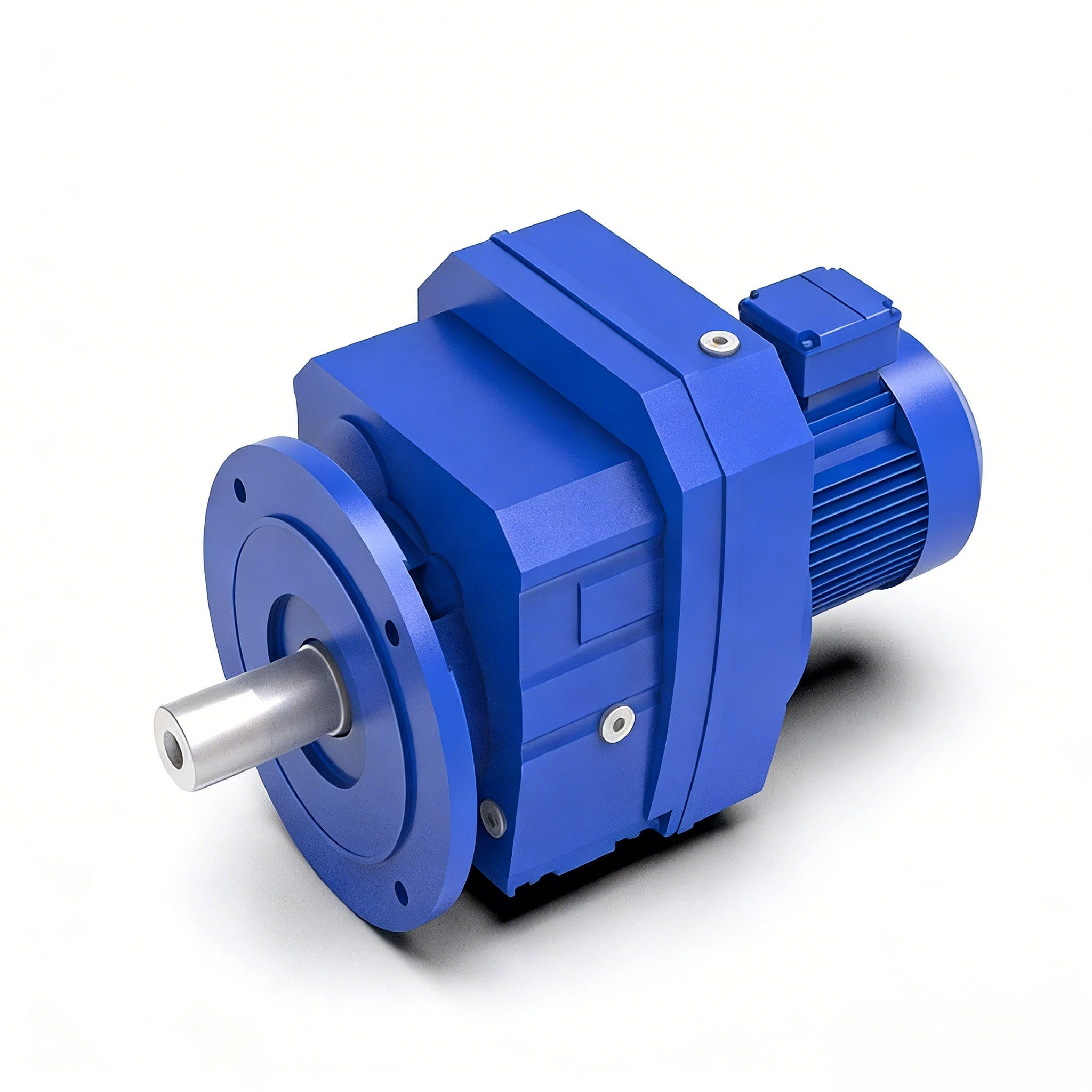
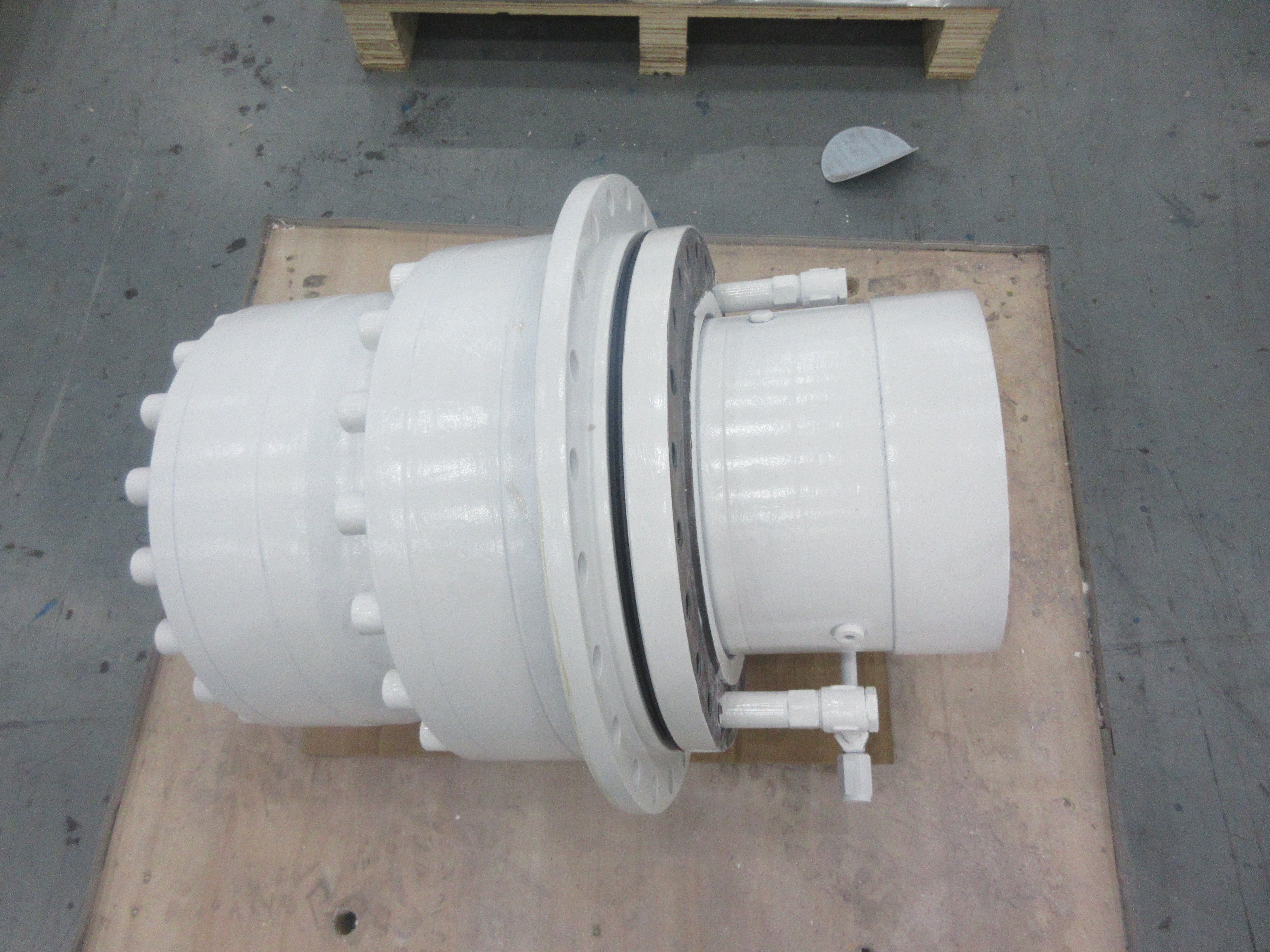
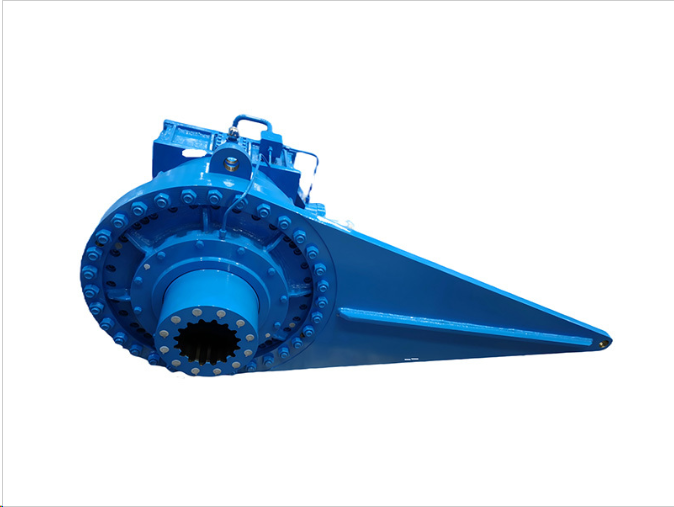
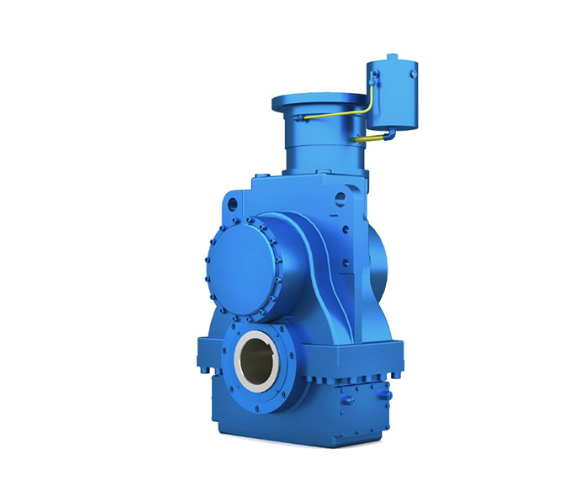
The hollow shaft gearbox represents a sophisticated mechanical solution designed to transmit power while accommodating unique spatial requirements in industrial applications. This specialized gearbox configuration features a distinctive hollow output shaft that allows cables, pipes, or other mechanical components to pass through its center, making it an invaluable solution for complex machinery setups. The hollow shaft gearbox operates on fundamental gear reduction principles while incorporating innovative design elements that maximize operational efficiency and installation flexibility. The primary function of a hollow shaft gearbox involves reducing rotational speed from input to output while simultaneously increasing torque output. This mechanical advantage proves essential in applications requiring precise control over rotational forces. The hollow center design eliminates the need for additional mounting brackets or complex routing solutions, simplifying installation processes significantly. Technological features include precision-machined gear teeth that ensure smooth power transmission, robust bearing systems that support both radial and axial loads, and advanced sealing mechanisms that protect internal components from environmental contamination. The hollow shaft construction utilizes high-strength materials engineered to withstand continuous operational stresses while maintaining dimensional stability over extended service periods. Applications for hollow shaft gearbox systems span numerous industrial sectors, including conveyor systems, packaging machinery, material handling equipment, and automated manufacturing lines. In conveyor applications, the hollow shaft allows drive belts or chains to pass through the gearbox center, creating compact drive solutions. Packaging machinery benefits from the space-saving design that enables efficient integration of pneumatic lines and electrical conduits. The hollow shaft gearbox design philosophy prioritizes operational reliability through enhanced load distribution and reduced mechanical stress concentrations, resulting in extended service life and reduced maintenance requirements.

 EN
EN