Complete Guide to Gearbox Lubrication Systems: Benefits, Technology & Applications

Get a Free Quote

Our representative will contact you soon.
Email
Name
Company Name
Message
0/1000

gearbox lubrication system

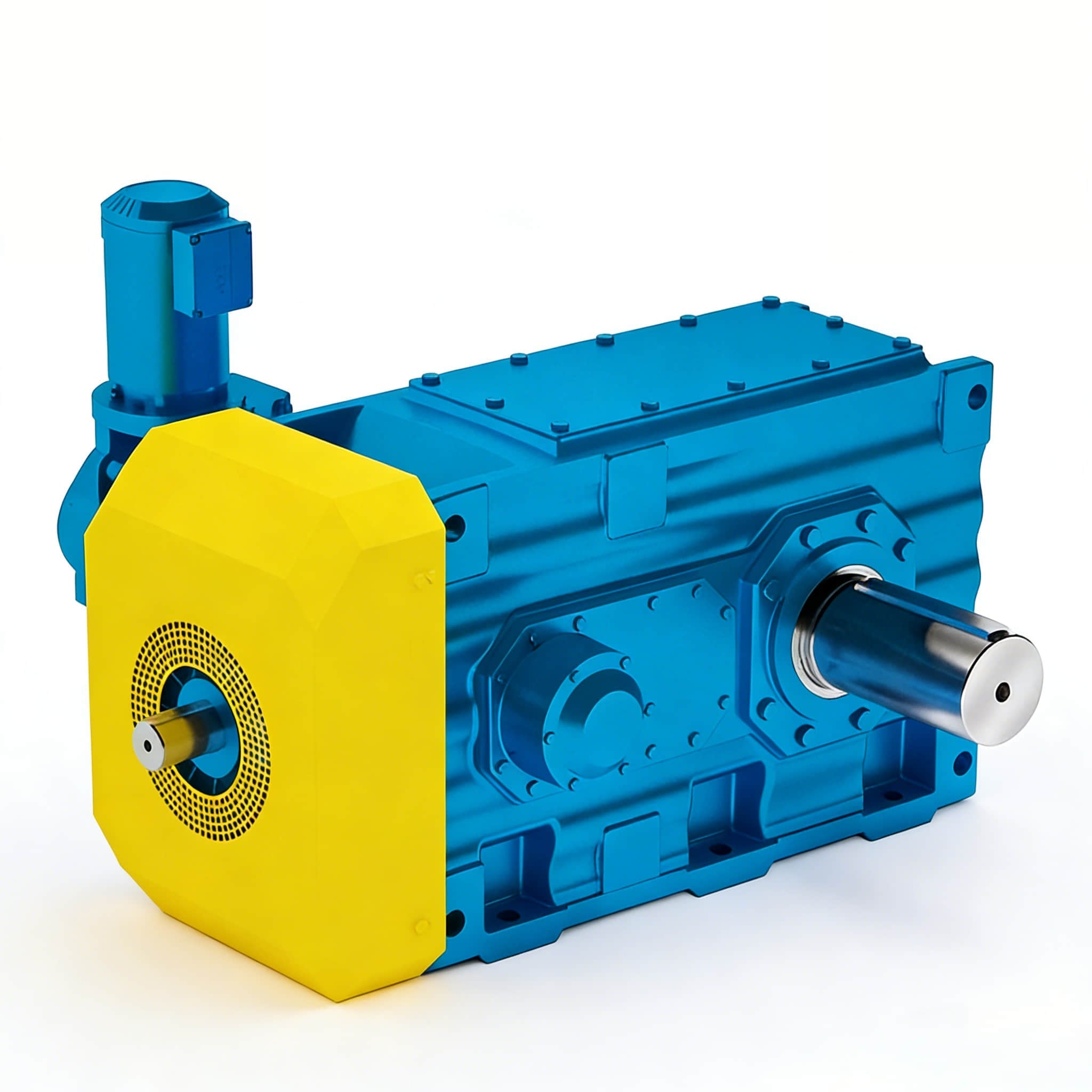
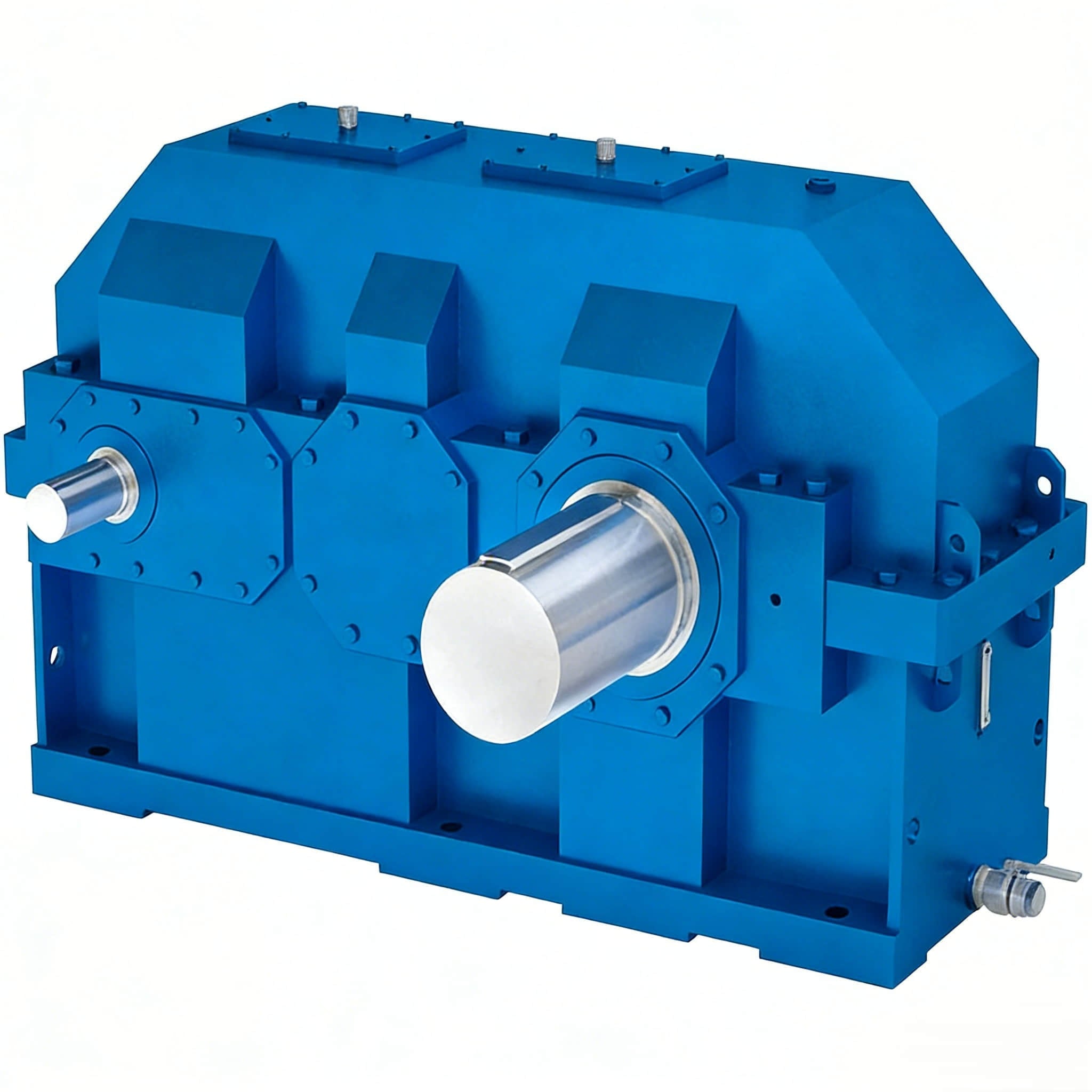
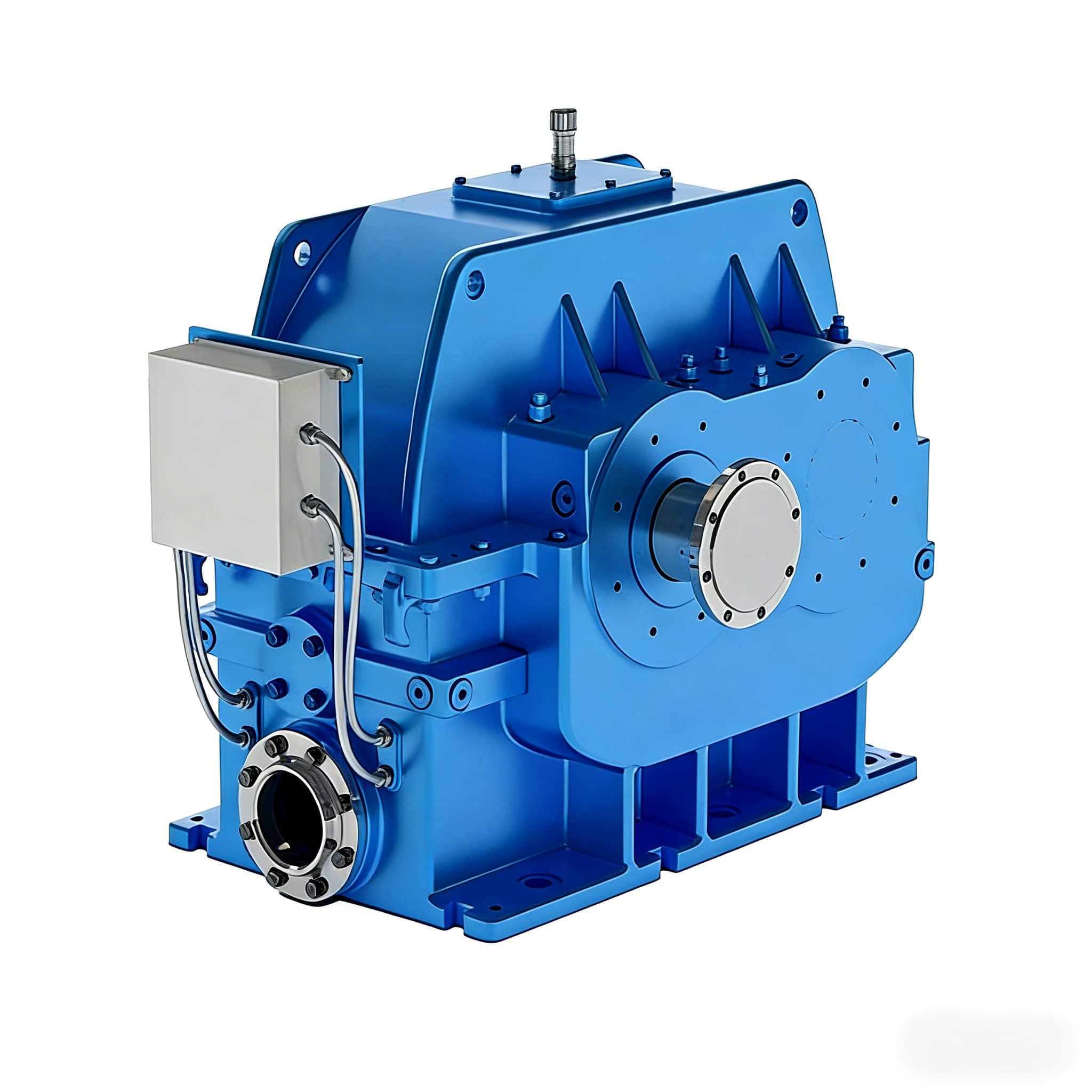
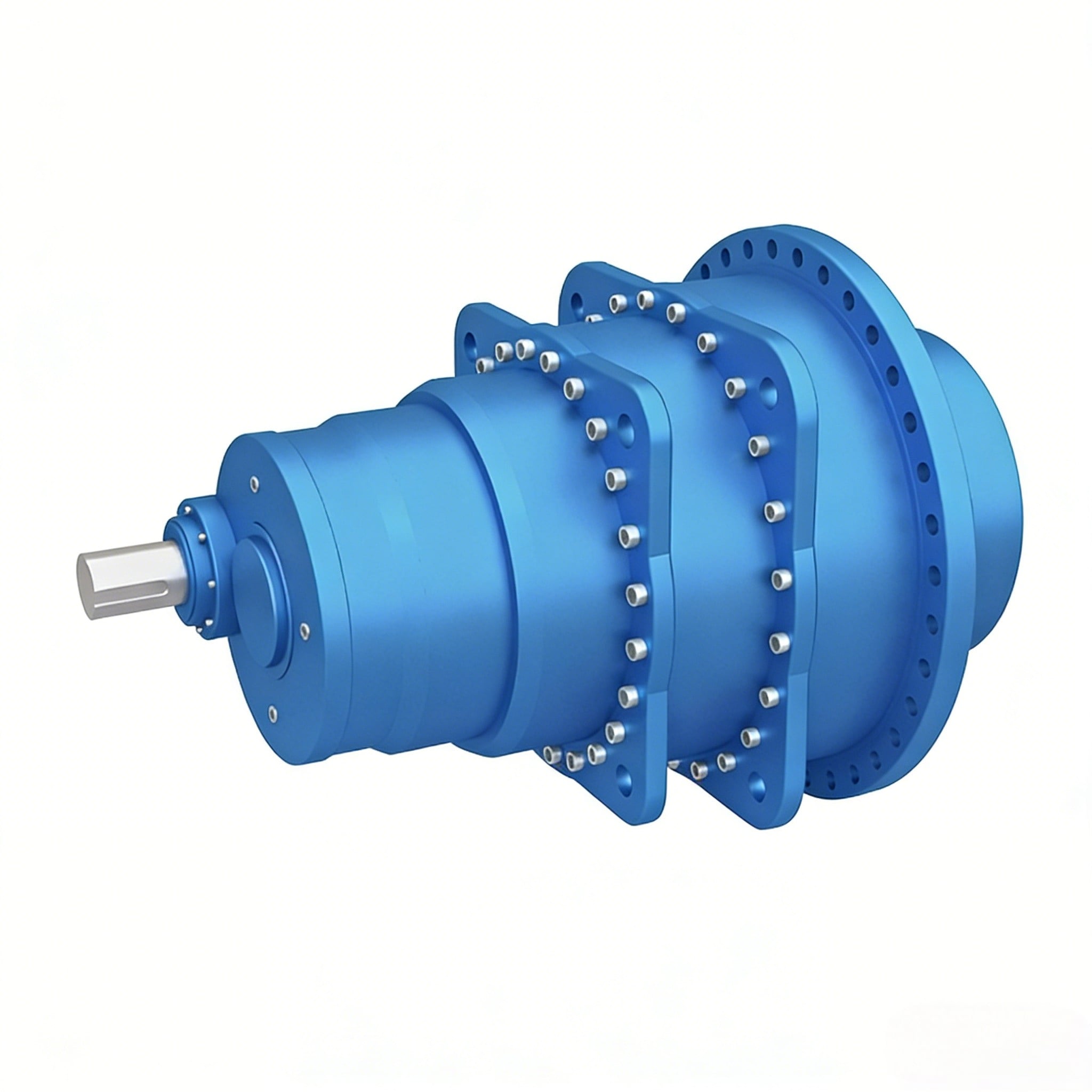
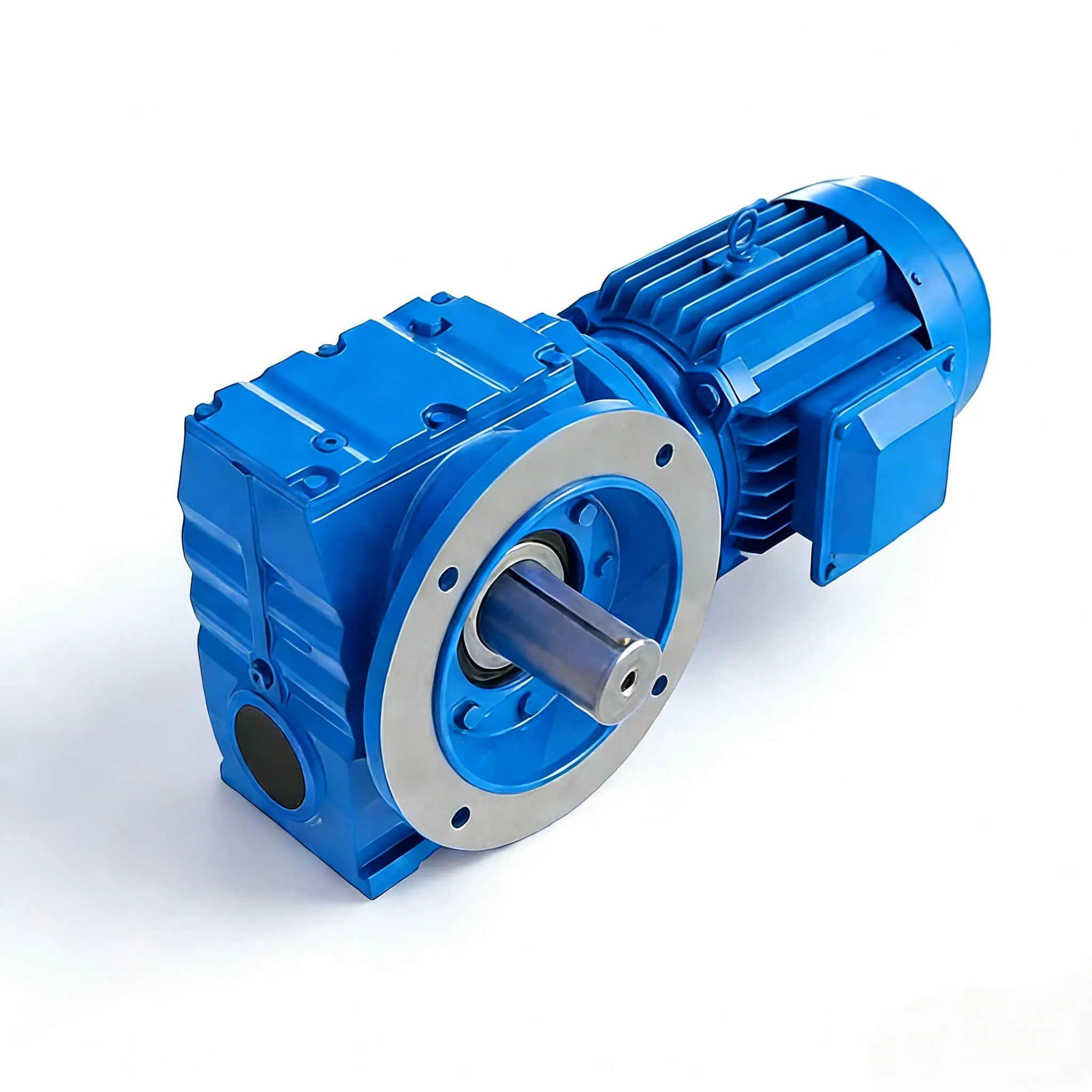
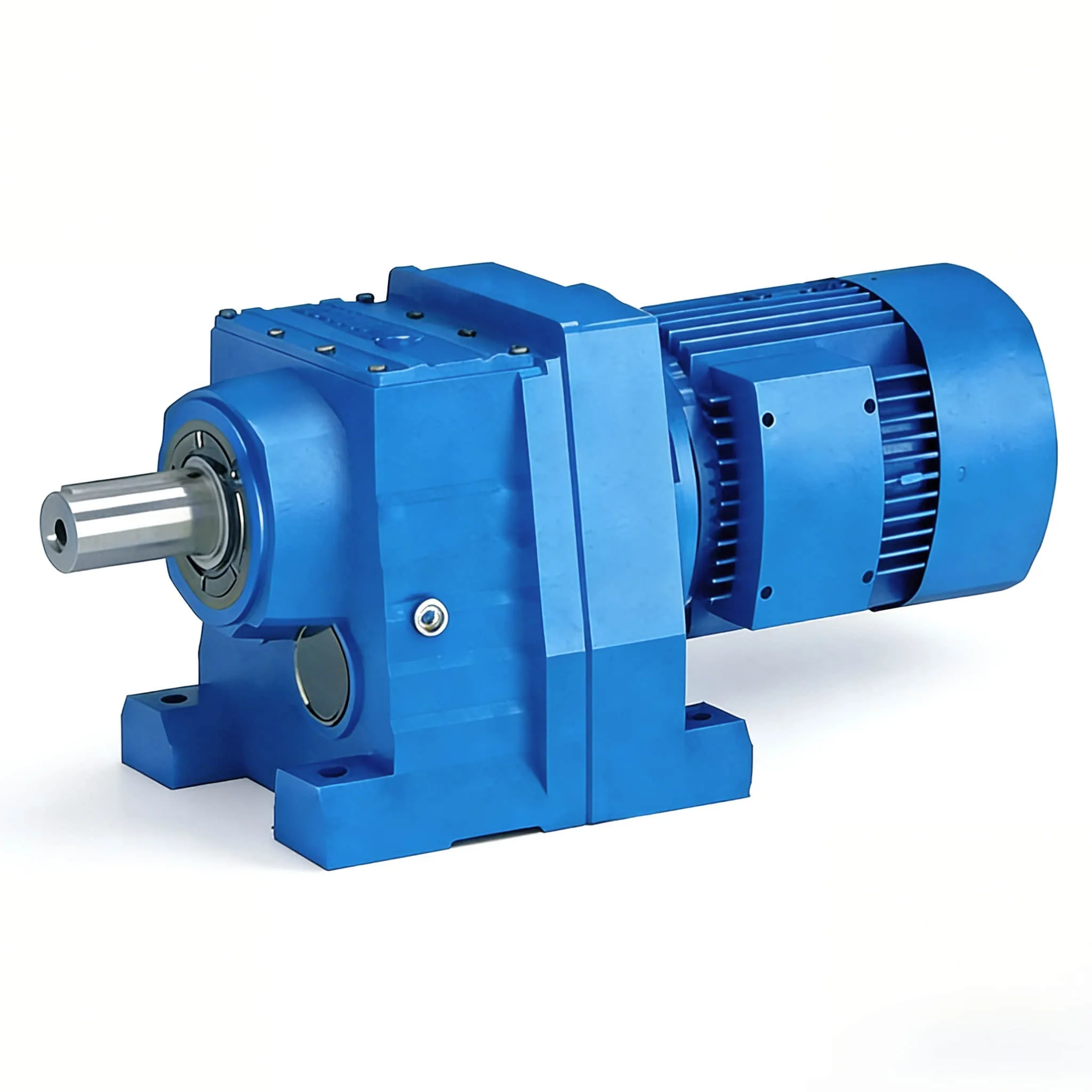
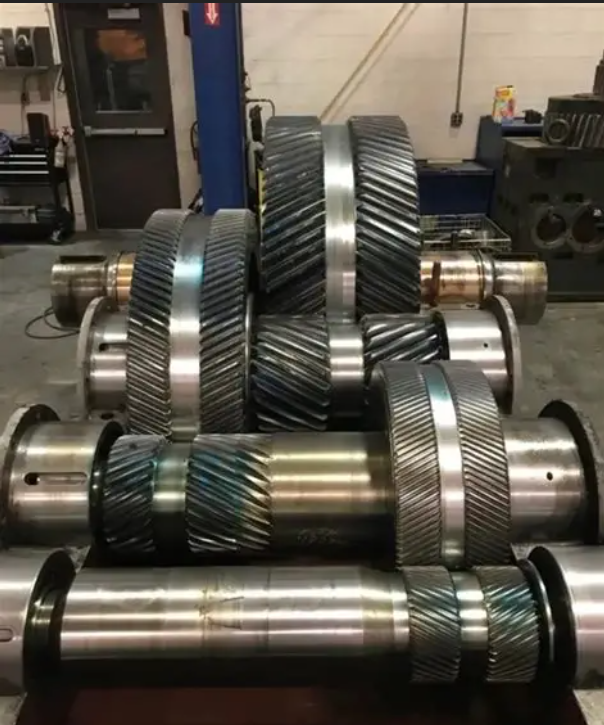
A gearbox lubrication system serves as the lifeline of mechanical transmission equipment, providing essential fluid management that ensures optimal performance and longevity. This sophisticated system delivers precise lubrication to all moving components within the gearbox assembly, creating a protective barrier between metal surfaces while facilitating smooth power transmission. The primary functions of a gearbox lubrication system encompass friction reduction, heat dissipation, contaminant removal, and corrosion protection. By maintaining proper fluid circulation, the system prevents metal-to-metal contact that would otherwise lead to premature wear and catastrophic failure. The technological features of modern gearbox lubrication systems include advanced filtration mechanisms, temperature monitoring capabilities, and automated fluid level management. These systems incorporate precision pumps that maintain consistent pressure throughout the lubrication circuit, ensuring adequate fluid delivery to all critical contact points. Sophisticated filtration units remove particulates and contaminants that could compromise system integrity, while thermal management components regulate operating temperatures within optimal ranges. Contemporary systems also feature real-time monitoring sensors that track fluid quality, pressure levels, and temperature variations, enabling predictive maintenance strategies. The applications of gearbox lubrication systems span across numerous industries, including automotive manufacturing, heavy machinery operation, marine propulsion, and industrial automation. In automotive applications, these systems support transmission functionality in passenger vehicles and commercial trucks. Industrial applications include mining equipment, construction machinery, and manufacturing production lines where reliable power transmission is crucial. Marine applications utilize specialized gearbox lubrication systems designed to withstand harsh saltwater environments and extreme operating conditions. The versatility of these systems allows for customization based on specific operational requirements, load capacities, and environmental conditions, making them indispensable components in modern mechanical systems.

New Products

The gearbox lubrication system offers numerous practical benefits that directly impact operational efficiency and cost-effectiveness for businesses across various industries. One primary advantage is the significant extension of equipment lifespan through consistent lubrication delivery. This system reduces friction between moving parts, preventing excessive wear that leads to costly repairs and unexpected downtime. Companies experience substantial cost savings by avoiding premature component replacement and maintaining steady production schedules. The system maintains optimal operating temperatures by effectively dissipating heat generated during operation. This temperature control prevents thermal damage to sensitive components and maintains fluid viscosity within ideal parameters. Equipment operators notice improved performance consistency and reduced energy consumption as properly lubricated components operate with minimal resistance. Another key advantage is the enhanced reliability that comes from automated fluid management. The system continuously monitors and adjusts lubrication levels, eliminating human error and ensuring consistent protection. This automation reduces maintenance workload and allows personnel to focus on other critical tasks. The filtration capabilities of modern gearbox lubrication systems provide ongoing contamination control, removing harmful particles that could cause damage. Clean lubrication fluid maintains system efficiency and prevents abrasive wear that shortens component life. Businesses benefit from predictable maintenance schedules rather than dealing with emergency repairs. The system also provides valuable diagnostic information through integrated monitoring capabilities. Operators can track fluid condition, pressure levels, and temperature trends to identify potential issues before they become serious problems. This predictive maintenance approach minimizes unexpected failures and optimizes maintenance resource allocation. Environmental benefits include reduced fluid waste through efficient circulation and filtration, supporting sustainability initiatives while lowering disposal costs. The precise fluid delivery eliminates over-lubrication waste and ensures optimal resource utilization. Overall system efficiency improvements translate to lower energy consumption and reduced carbon footprint, aligning with corporate environmental responsibility goals.

Tips And Tricks

A Warm Invitation to Visit Our Manufacturing Base

15

Jan

A Warm Invitation to Visit Our Manufacturing Base

View More
Precision Quality Control: Safeguarding High-Precision Heavy-Duty Gear Transmission Release Date: August 20 , 2025

15

Jan

Precision Quality Control: Safeguarding High-Precision Heavy-Duty Gear Transmission Release Date: August 20 , 2025

View More
R&D Innovation Upgrade: Focus on Heavy-Duty Conditions, Empower Transmission Tech Breakthroughs

15

Jan

R&D Innovation Upgrade: Focus on Heavy-Duty Conditions, Empower Transmission Tech Breakthroughs

View More

Get a Free Quote

Our representative will contact you soon.
Email
Name
Company Name
Message
0/1000

gearbox lubrication system

Advanced Filtration Technology Ensures Maximum System Cleanliness

Advanced Filtration Technology Ensures Maximum System Cleanliness

The advanced filtration technology integrated within modern gearbox lubrication systems represents a revolutionary approach to maintaining system cleanliness and operational integrity. This sophisticated filtration mechanism employs multiple stages of contaminant removal, ensuring that lubrication fluid remains at optimal purity levels throughout extended operating periods. The primary filtration stage captures larger particles and debris that could cause immediate damage to sensitive components, while secondary fine filtration removes microscopic contaminants that might accumulate over time and compromise system performance. The filtration system incorporates high-efficiency filter media specifically designed to handle the unique challenges of gearbox environments, including temperature fluctuations, pressure variations, and diverse contaminant types. This technology extends beyond simple particle removal by also addressing chemical contamination, oxidation products, and moisture content that can degrade lubrication effectiveness. The multi-stage approach ensures comprehensive protection while maintaining optimal fluid flow rates throughout the system. Regular filtration prevents the accumulation of wear particles that would otherwise act as abrasives, accelerating component degradation and reducing overall system lifespan. The filtration technology also includes bypass valves and differential pressure monitoring to maintain consistent lubrication flow even during filter maintenance periods. This continuous protection approach means that critical components never operate without proper lubrication, even during routine maintenance activities. The economic impact of this advanced filtration technology is substantial, as it significantly reduces fluid replacement frequency and extends component service intervals. Businesses experience lower maintenance costs, reduced downtime, and improved overall equipment reliability. The filtration system's ability to maintain fluid quality also supports environmental sustainability by reducing waste oil disposal requirements and minimizing the need for frequent fluid changes. This technology represents a long-term investment in equipment protection that pays dividends through improved operational efficiency and reduced total cost of ownership.
Intelligent Monitoring Capabilities Enable Predictive Maintenance Strategies

Intelligent Monitoring Capabilities Enable Predictive Maintenance Strategies

The intelligent monitoring capabilities embedded in contemporary gearbox lubrication systems transform traditional reactive maintenance approaches into proactive, data-driven strategies that optimize equipment performance and minimize operational disruptions. These sophisticated monitoring systems continuously track critical parameters including fluid temperature, pressure levels, contamination rates, and chemical composition changes, providing real-time insights into system health and performance trends. Advanced sensors strategically positioned throughout the lubrication circuit collect comprehensive data that enables maintenance teams to identify potential issues before they develop into costly failures. The monitoring system processes this information through intelligent algorithms that can detect subtle changes in operating patterns, alerting operators to conditions that might indicate impending component wear or system degradation. This predictive capability allows maintenance scheduling based on actual equipment condition rather than arbitrary time intervals, optimizing resource allocation and minimizing unnecessary interventions. The system generates detailed reports and trend analysis that help maintenance professionals understand long-term equipment behavior and make informed decisions about component replacement timing. Integration with facility management systems enables automated alerts and maintenance request generation, streamlining the entire maintenance workflow. The monitoring capabilities also support root cause analysis when issues do occur, providing historical data that helps identify contributing factors and prevent similar problems in the future. Remote monitoring options allow technical experts to assess system performance from any location, enabling rapid response to emerging issues and reducing the need for on-site diagnostic visits. This technology particularly benefits facilities operating multiple gearbox systems, as centralized monitoring provides comprehensive oversight of entire equipment fleets. The economic advantages of intelligent monitoring include reduced maintenance labor costs, optimized fluid replacement schedules, and minimized emergency repair expenses. Companies implementing these systems report significant improvements in equipment availability and overall operational efficiency, making intelligent monitoring an essential component of modern industrial maintenance strategies.
Precision Fluid Delivery Optimizes Component Protection and Performance

Precision Fluid Delivery Optimizes Component Protection and Performance

Precision fluid delivery technology in gearbox lubrication systems ensures that every critical component receives the exact amount of lubrication required for optimal protection and performance, eliminating both under-lubrication risks and wasteful over-lubrication practices. This advanced delivery mechanism employs variable-flow pumps and precision metering devices that adjust lubrication rates based on operating conditions, load requirements, and component specifications. The system maintains consistent pressure throughout the lubrication circuit, ensuring reliable fluid delivery even under varying operational demands. Sophisticated distribution networks route lubrication fluid through carefully designed pathways that target specific contact points, bearing surfaces, and gear interfaces where protection is most critical. The precision delivery system responds dynamically to changing operational conditions, increasing lubrication flow during high-load periods and reducing consumption during lighter operation to optimize fluid utilization. Temperature-sensitive delivery adjustments account for viscosity changes that occur as operating temperatures fluctuate, maintaining effective lubrication film thickness regardless of thermal conditions. This adaptive capability ensures consistent protection across the full range of operating environments. The delivery system incorporates pressure regulation mechanisms that prevent excessive pressure buildup while maintaining adequate flow rates to all lubrication points. Advanced flow meters and pressure sensors provide continuous feedback that enables real-time system optimization and early detection of delivery system issues. The precision approach also includes timed lubrication cycles for components that require intermittent rather than continuous lubrication, optimizing fluid usage while maintaining protection levels. Strategic placement of delivery points ensures that lubrication reaches difficult-to-access areas that might otherwise experience inadequate protection. This comprehensive coverage approach prevents localized wear patterns and extends overall component life. The economic benefits of precision fluid delivery include reduced lubrication fluid consumption, extended component service intervals, and improved energy efficiency through reduced friction losses. Environmental advantages include minimized fluid waste and reduced disposal requirements, supporting corporate sustainability initiatives while lowering operational costs. This precision technology represents a fundamental advancement in lubrication system design that delivers measurable improvements in equipment reliability and operational efficiency.

Get a Free Quote

Our representative will contact you soon.
Email
Name
Company Name
Message
0/1000