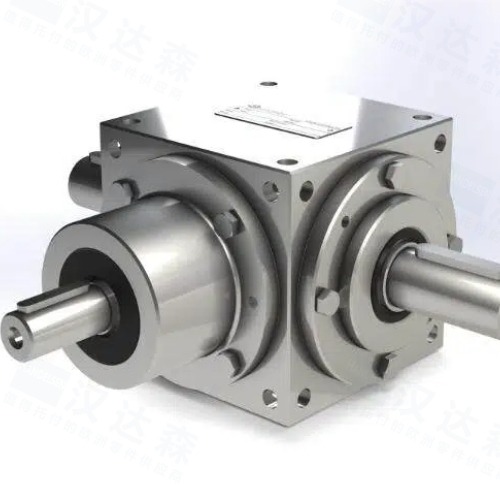
Unmatched Corrosion Resistance for Extreme Environments
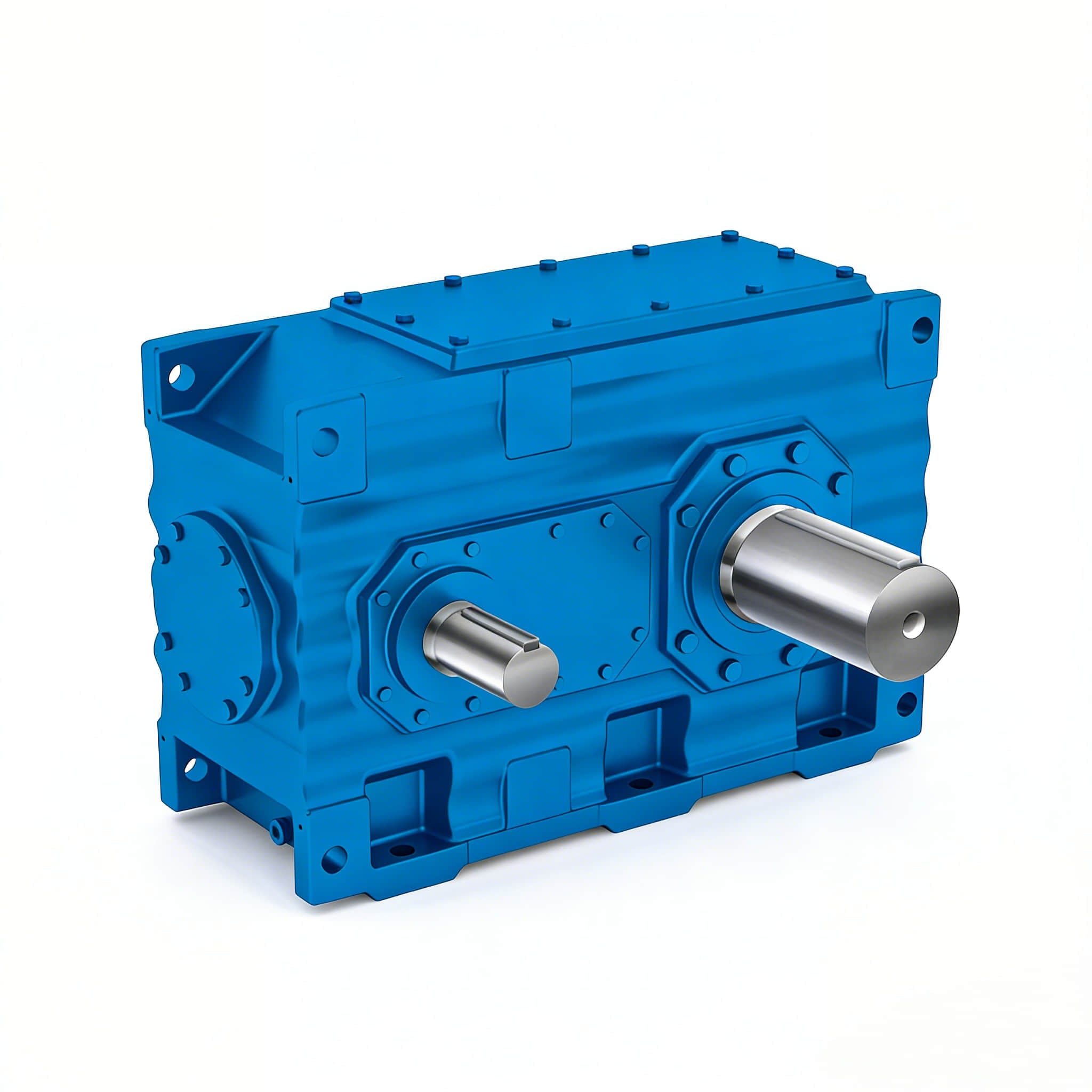
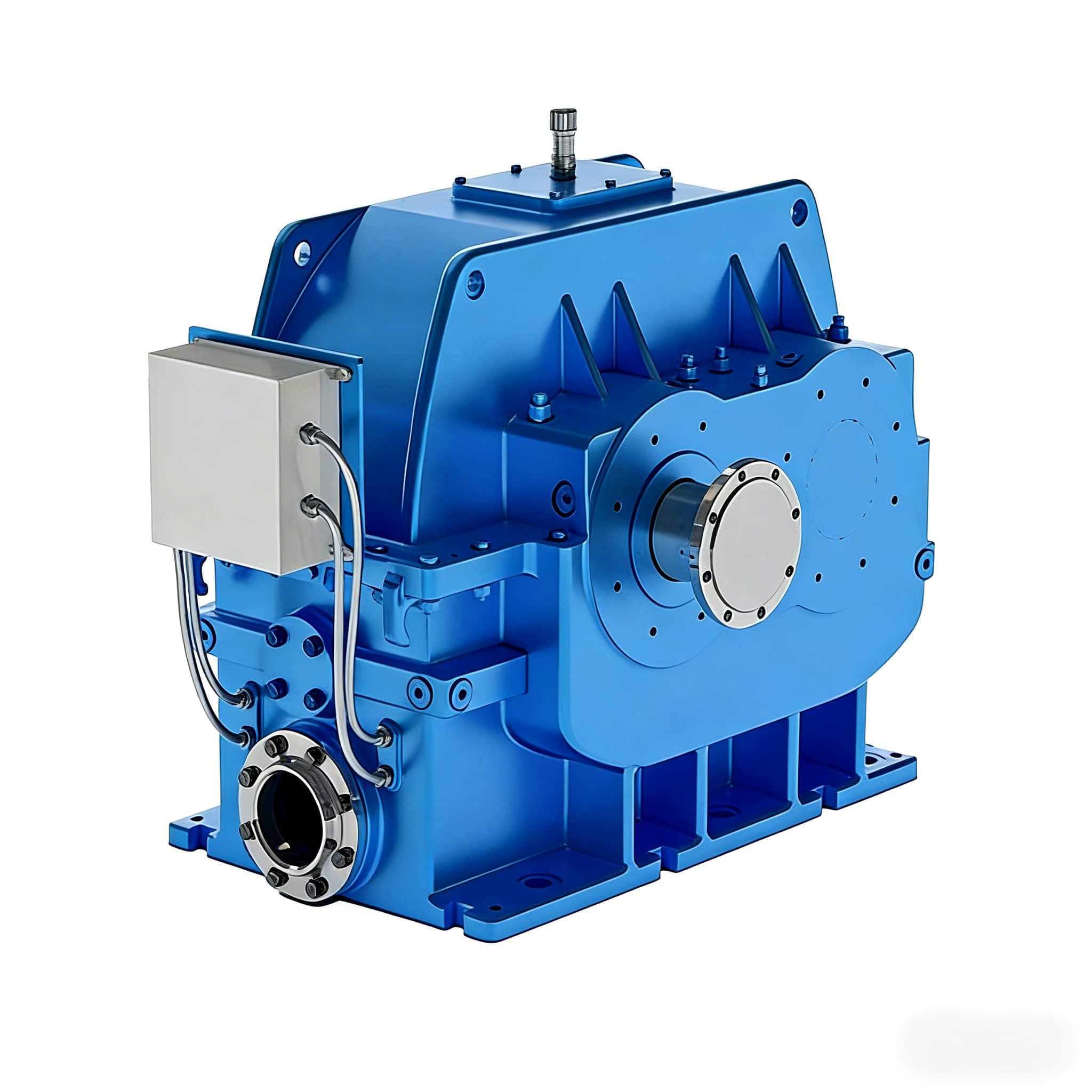
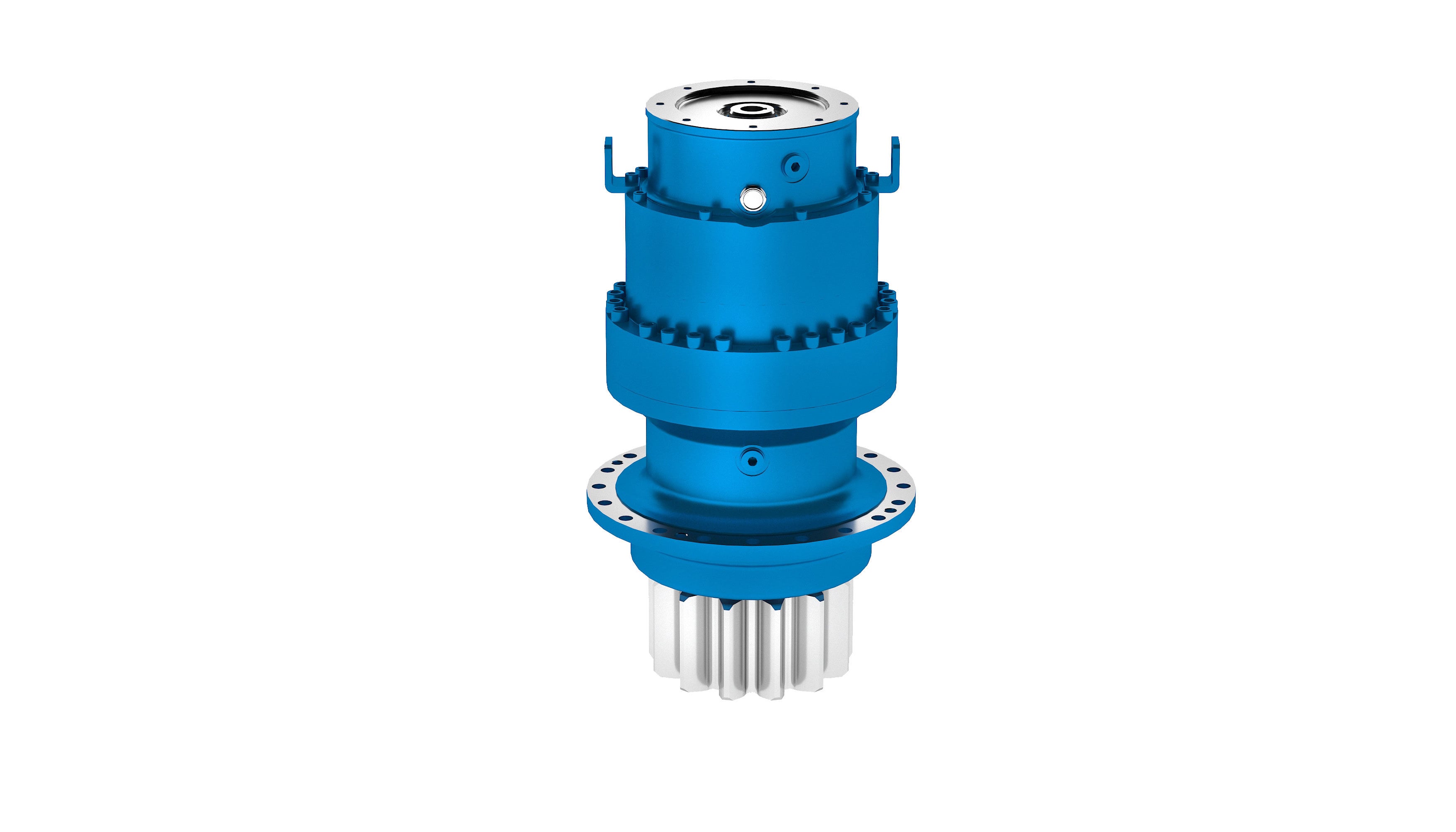
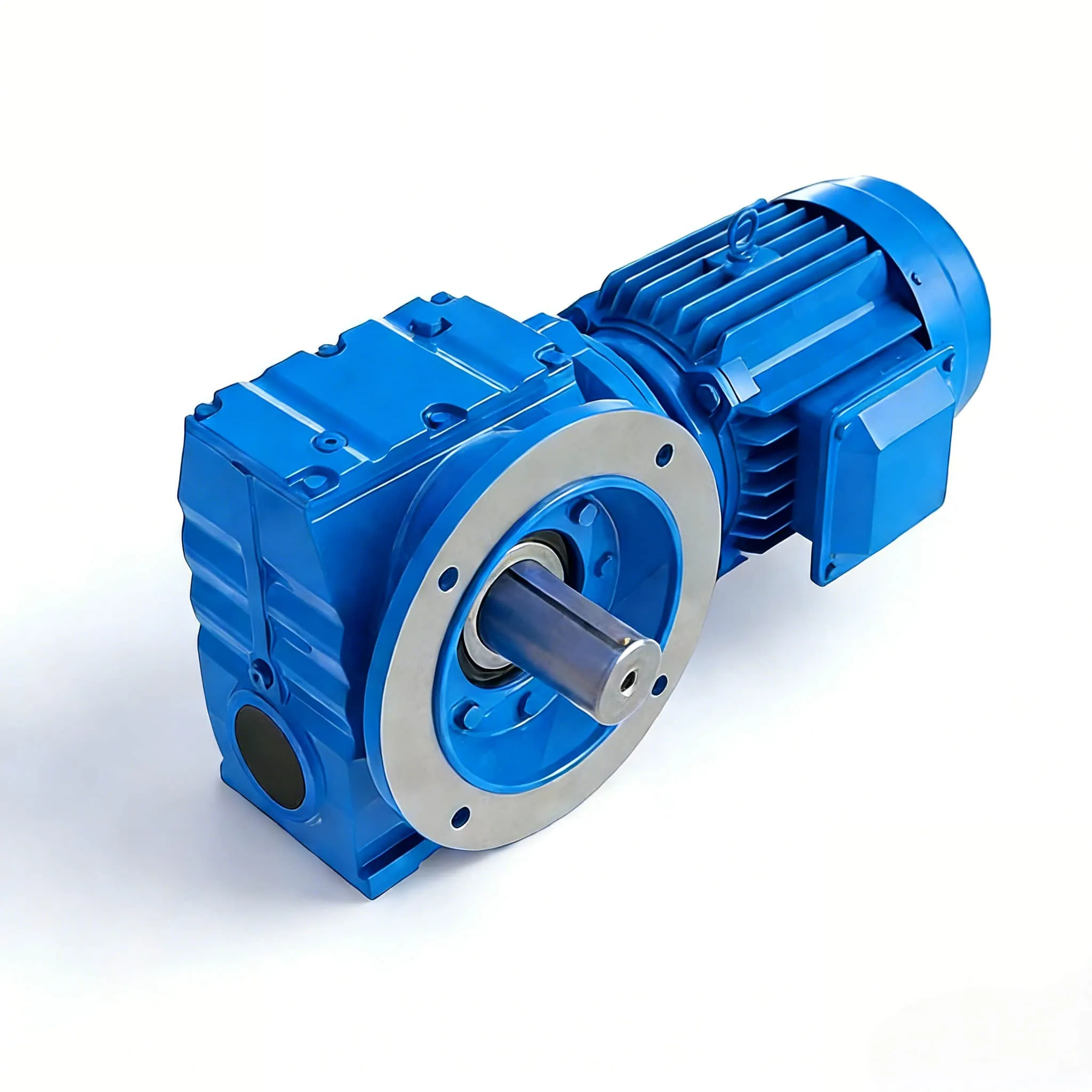
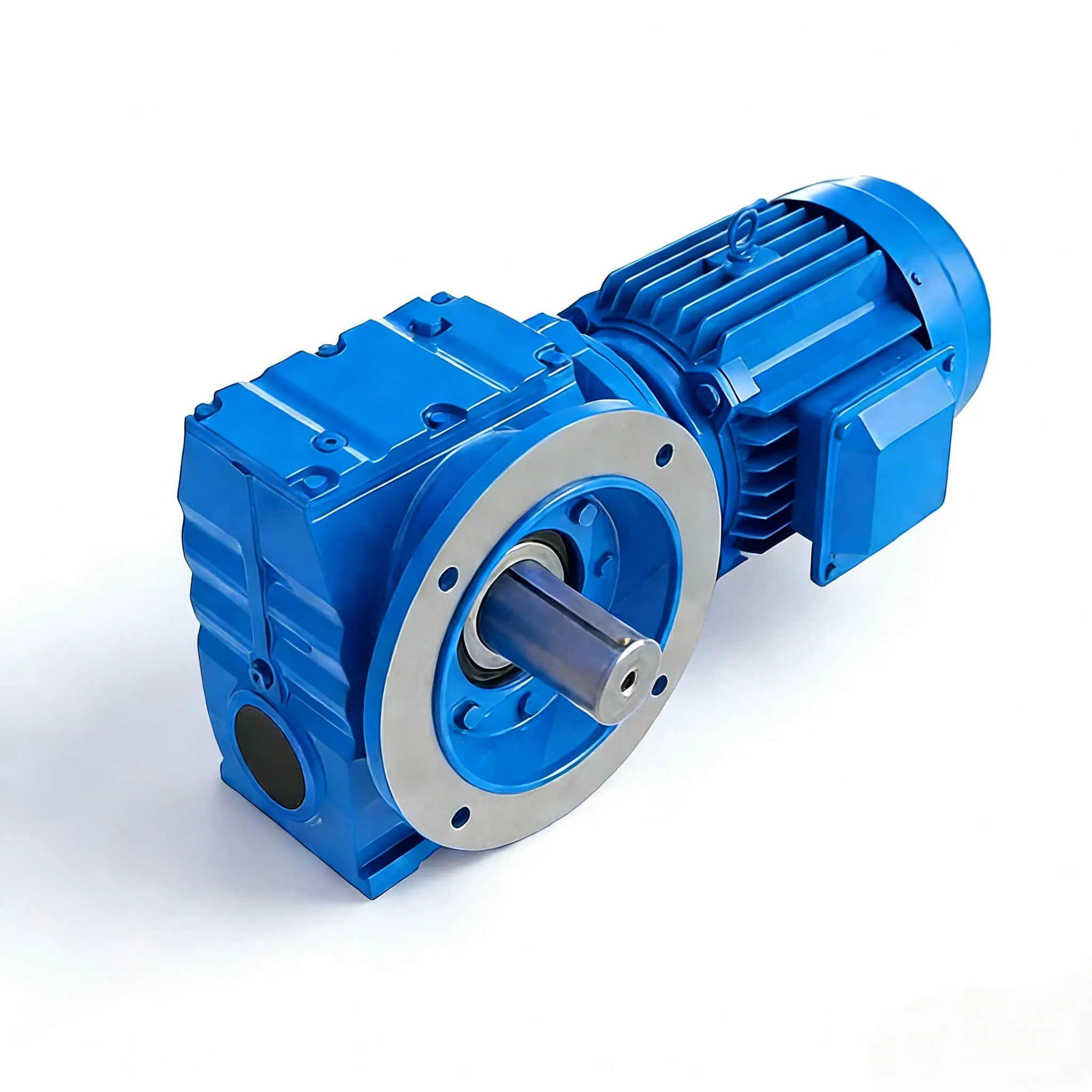
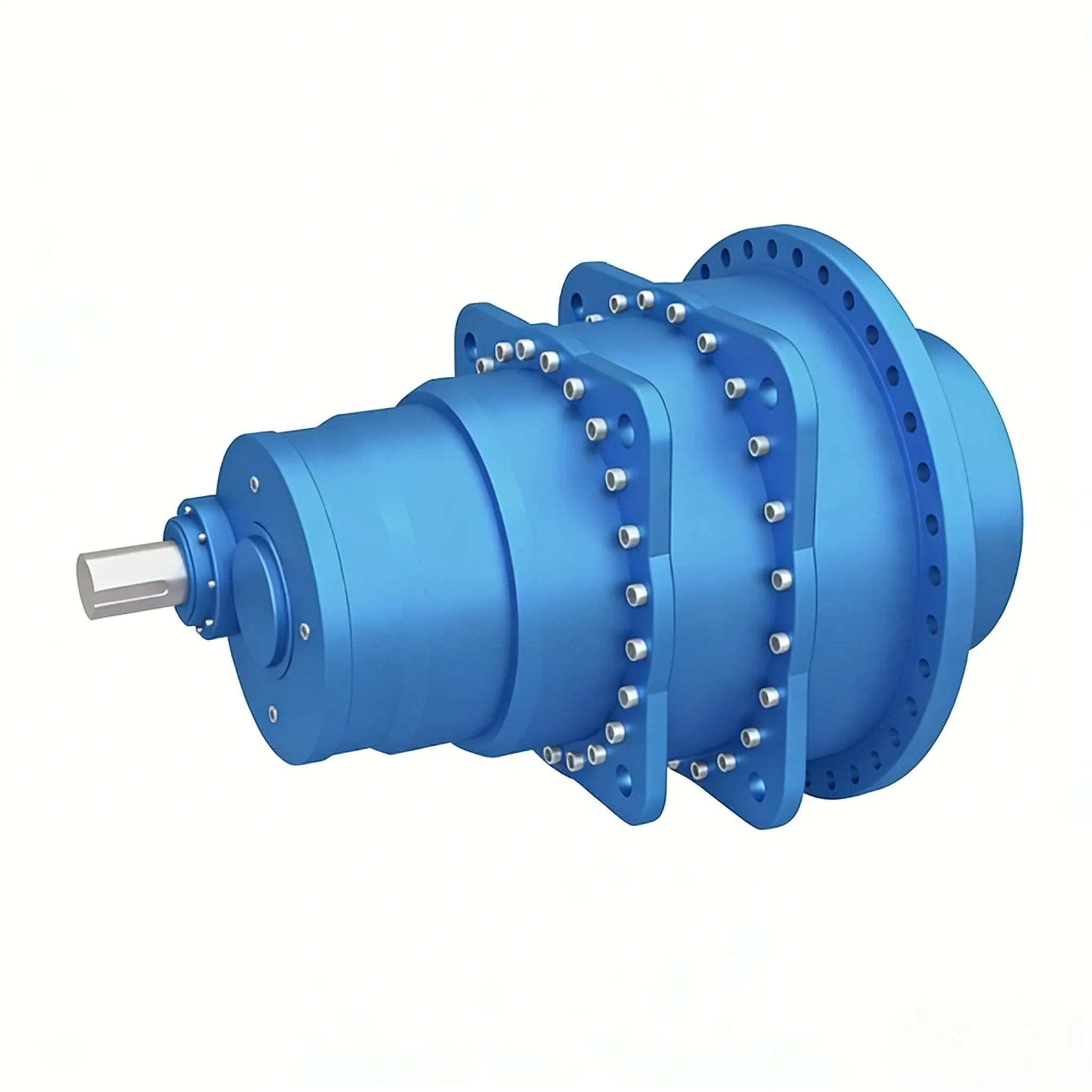
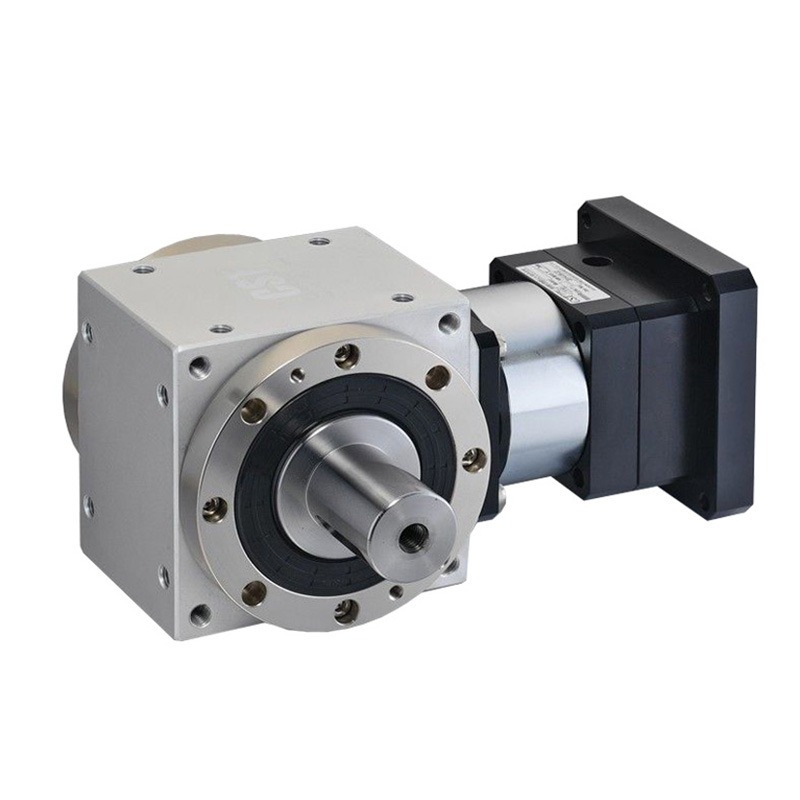
The cornerstone advantage of a stainless steel gearbox lies in its exceptional corrosion resistance properties, making it an indispensable solution for challenging industrial environments. Unlike conventional gearboxes constructed from cast iron or carbon steel, stainless steel gearboxes utilize specialized alloys containing chromium, nickel, and other elements that form a protective oxide layer on the surface. This passive film continuously regenerates when damaged, providing self-healing protection against corrosive attack. In marine applications where saltwater exposure creates highly corrosive conditions, standard gearboxes experience rapid deterioration, leading to premature failure and costly replacements. The stainless steel gearbox maintains structural integrity and operational performance even after prolonged exposure to saltwater, humidity, and aggressive chemical environments. Food processing facilities benefit tremendously from this corrosion resistance, as frequent washdown procedures using sanitizing chemicals would quickly damage traditional materials. The stainless steel construction withstands repeated exposure to cleaning agents, steam cleaning, and high-pressure washing without compromising performance or creating contamination risks. Chemical processing plants require equipment capable of withstanding exposure to acids, bases, and organic solvents that would rapidly corrode conventional materials. The stainless steel gearbox provides reliable operation in these demanding conditions, eliminating concerns about material degradation affecting product purity or process reliability. The long-term economic benefits prove substantial, as the extended service life reduces replacement costs, minimizes unplanned downtime, and eliminates the need for protective coatings or frequent maintenance interventions. Customers investing in stainless steel gearboxes typically experience service lives three to five times longer than conventional alternatives, resulting in significantly lower total cost of ownership and improved operational reliability.

 EN
EN