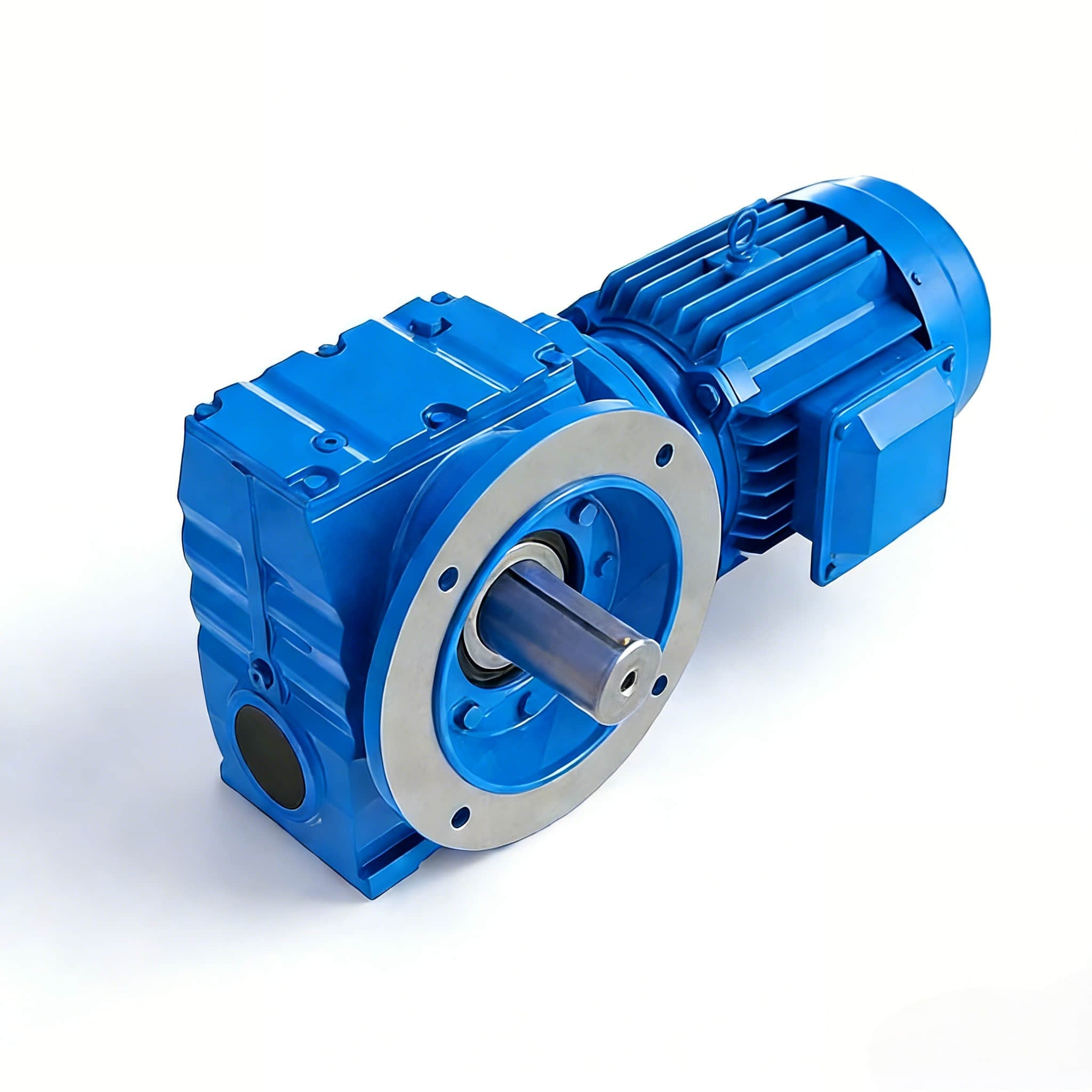
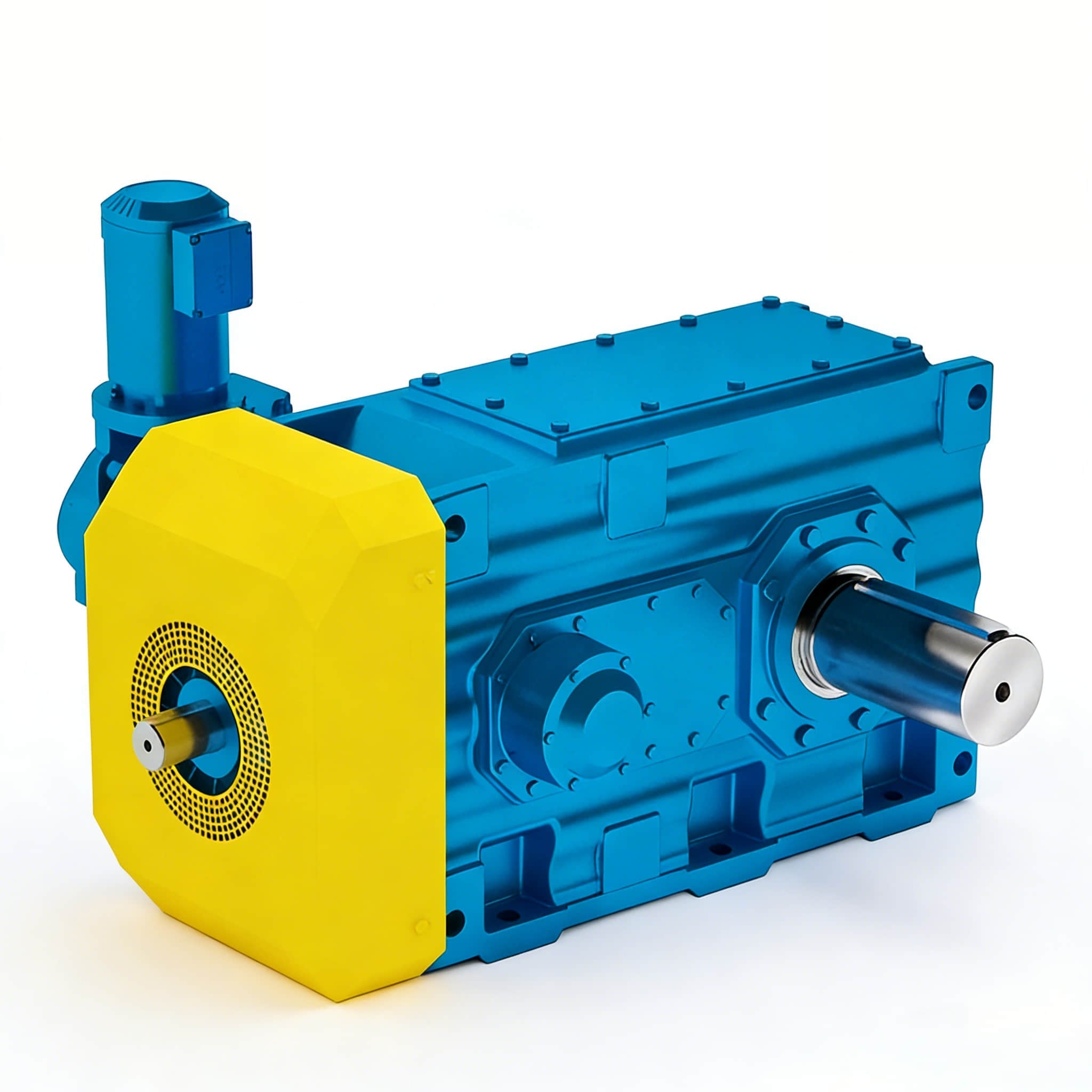
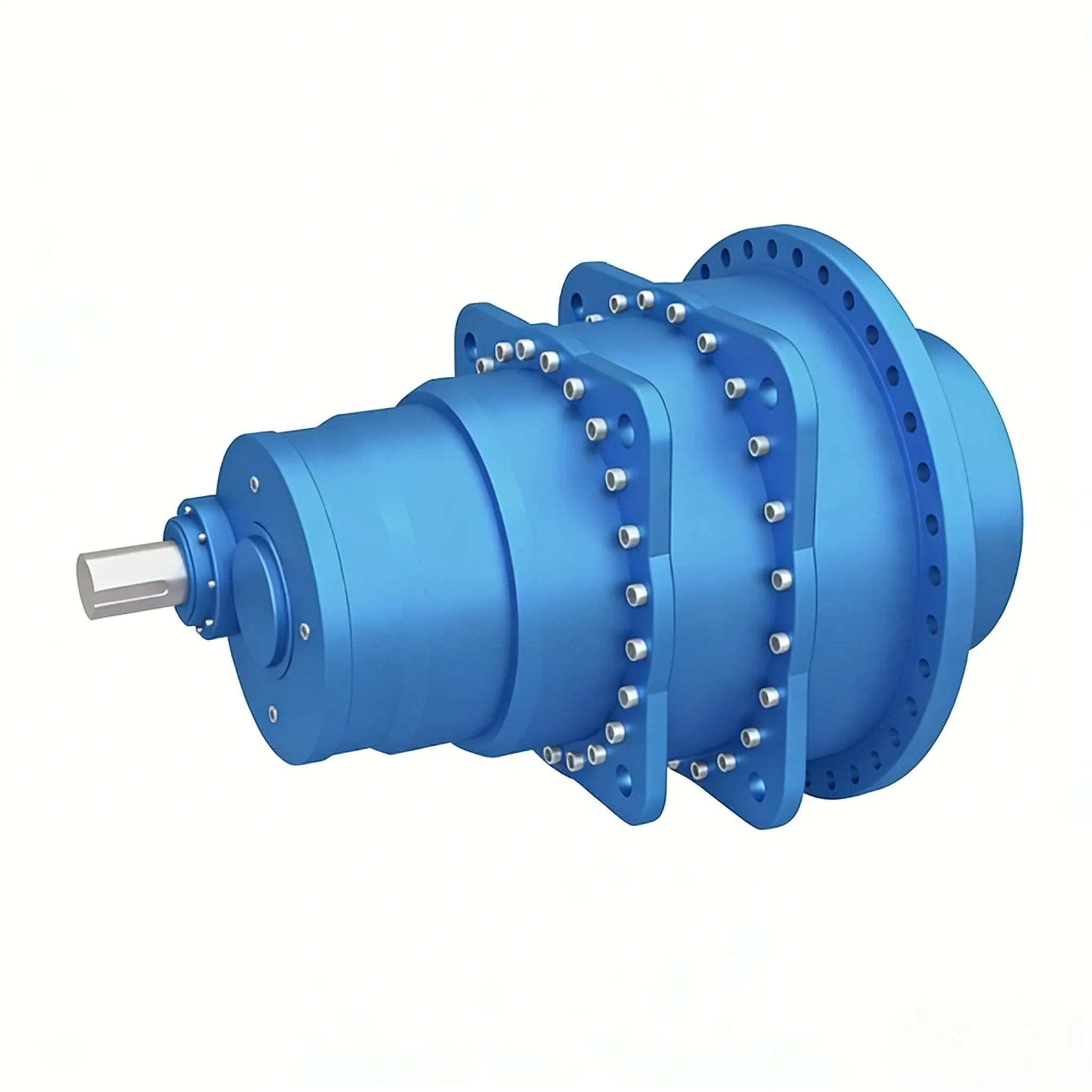
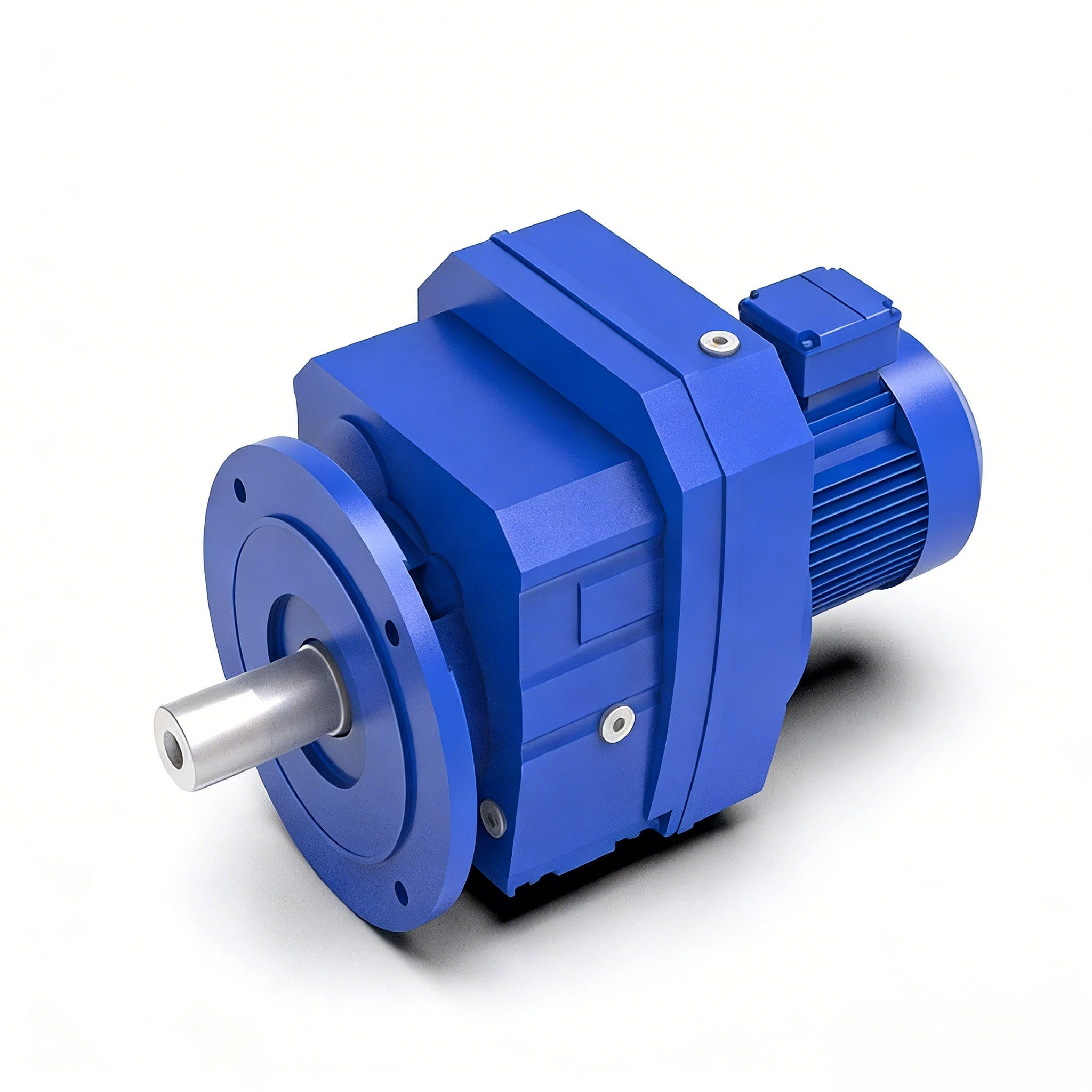
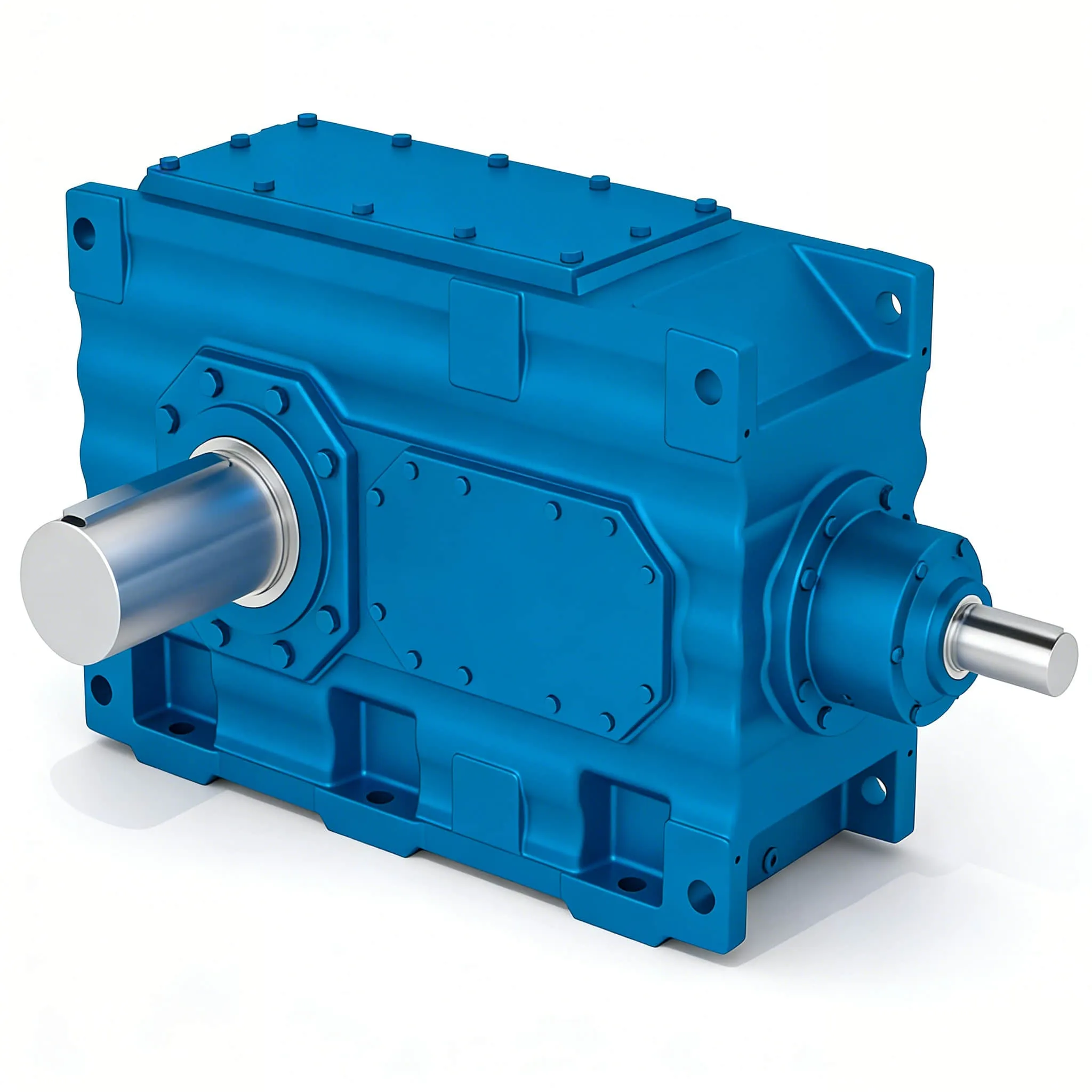
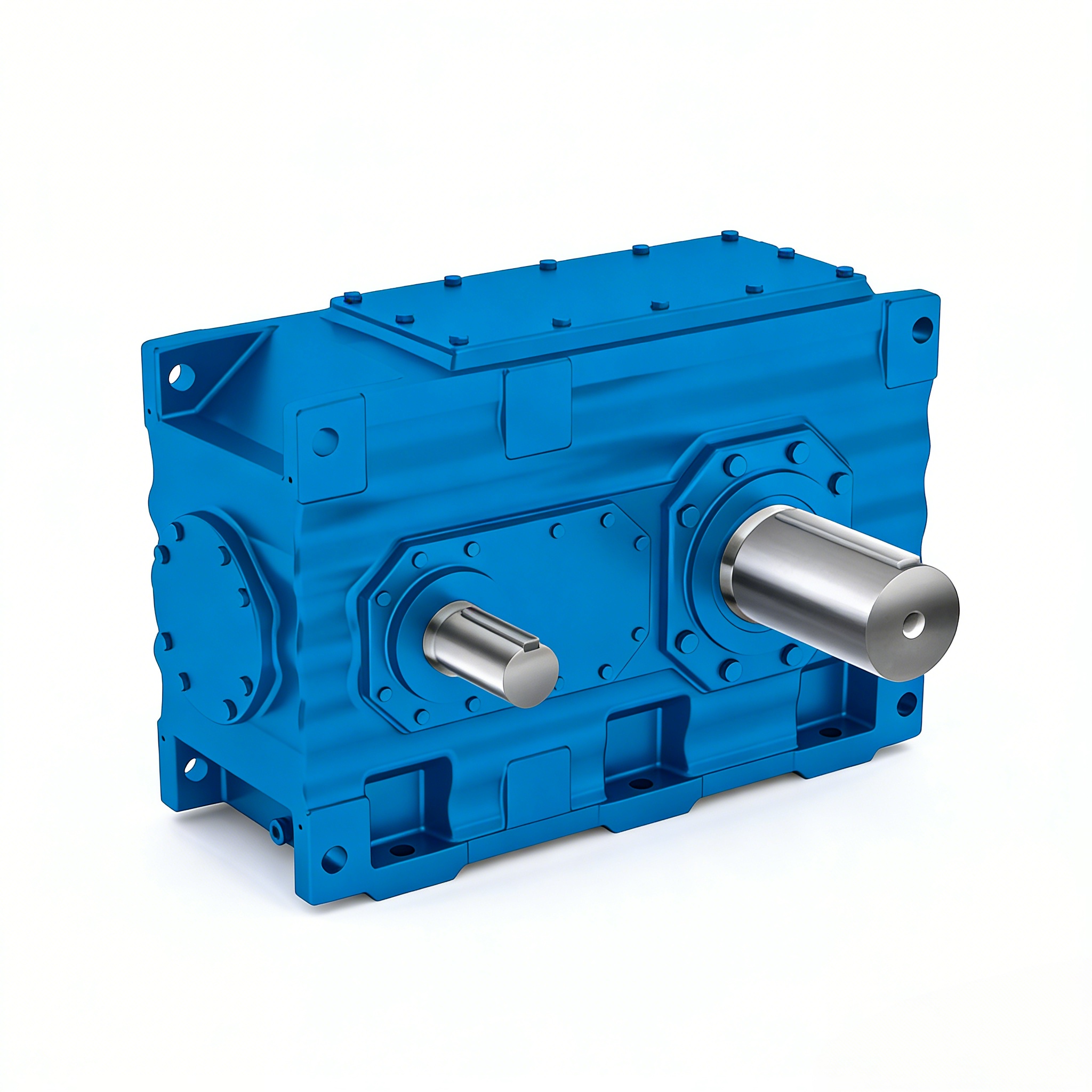
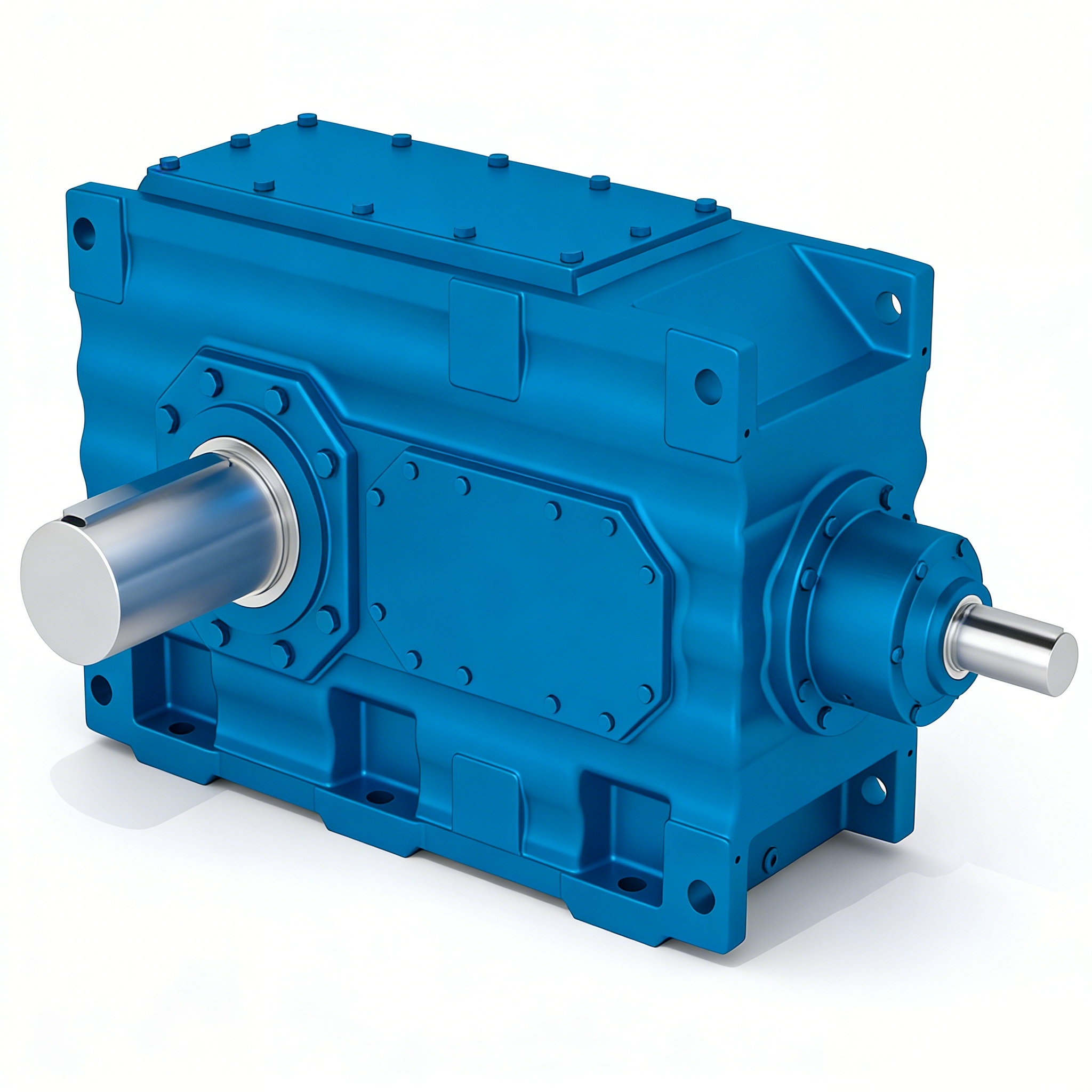
textile machinery gearbox
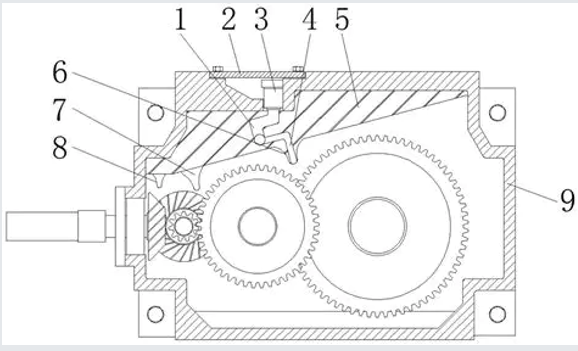
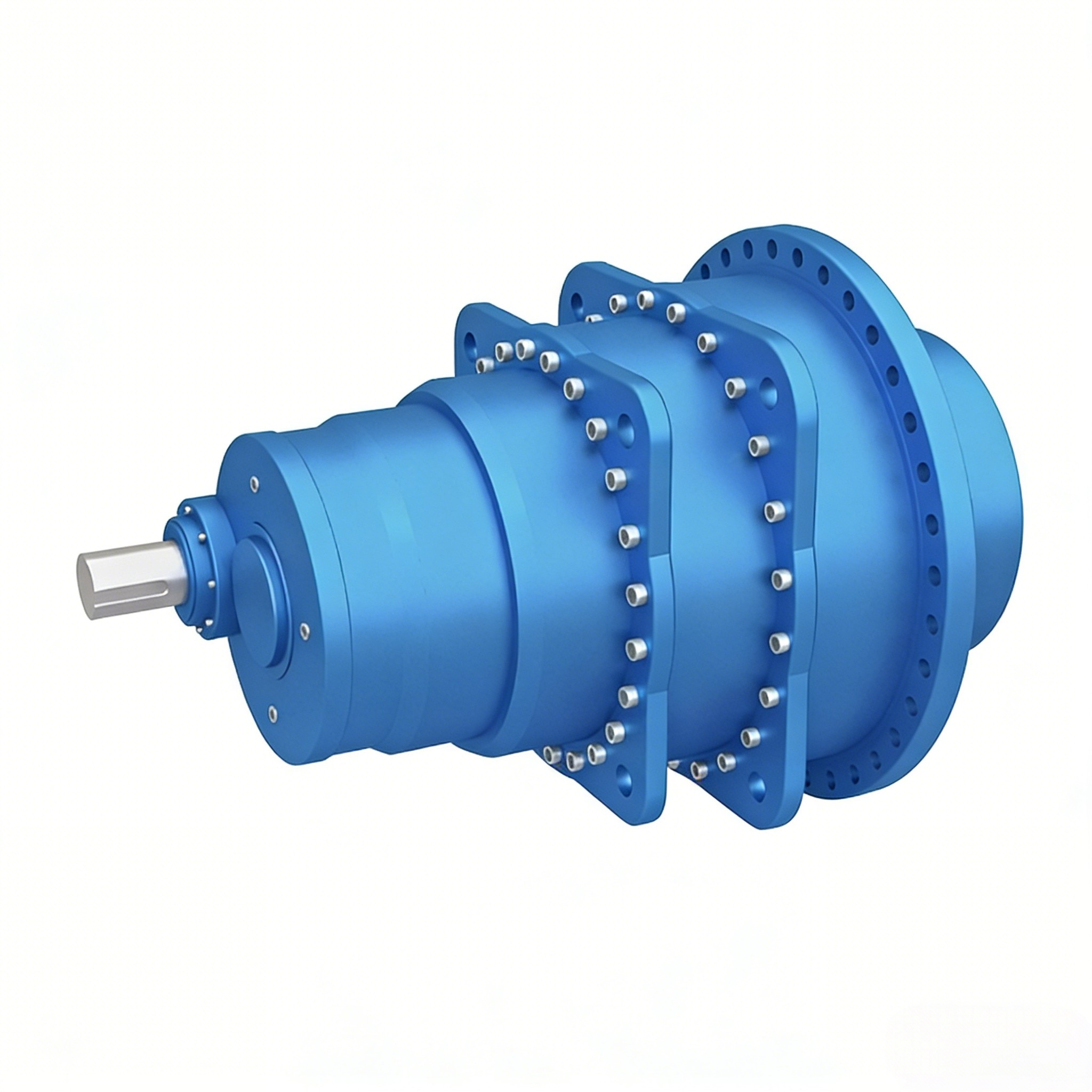
A textile machinery gearbox represents a critical mechanical component designed specifically for the demanding requirements of textile manufacturing operations. This specialized transmission system serves as the power transfer mechanism between motors and various textile processing equipment, ensuring precise speed control and torque multiplication essential for fabric production processes. The textile machinery gearbox operates as an intermediary device that converts high-speed, low-torque motor output into the appropriate speed and torque combinations required by spinning frames, looms, knitting machines, and other textile manufacturing equipment. The fundamental design of a textile machinery gearbox incorporates multiple gear sets arranged in specific configurations to achieve desired speed reduction ratios while maintaining optimal power transmission efficiency. These gearboxes feature robust construction materials including hardened steel gears, precision bearings, and durable housing components engineered to withstand the continuous operational demands typical in textile production environments. Modern textile machinery gearbox designs integrate advanced lubrication systems that ensure consistent performance while minimizing maintenance requirements throughout extended operational periods. The technological features of contemporary textile machinery gearbox units include precision-machined gear teeth with specific tooth profiles optimized for smooth power transmission and reduced noise generation. These systems often incorporate helical or bevel gear arrangements that provide superior load distribution compared to conventional spur gear configurations. Many textile machinery gearbox models feature modular designs allowing for customizable gear ratios to accommodate diverse textile processing requirements. Applications for textile machinery gearbox systems span across various textile manufacturing processes including cotton processing, synthetic fiber production, yarn spinning, fabric weaving, and finishing operations. These versatile transmission systems prove essential in maintaining consistent thread tension, controlling fabric feed rates, and ensuring uniform product quality throughout textile manufacturing workflows.

 EN
EN