pharmaceutical gearbox
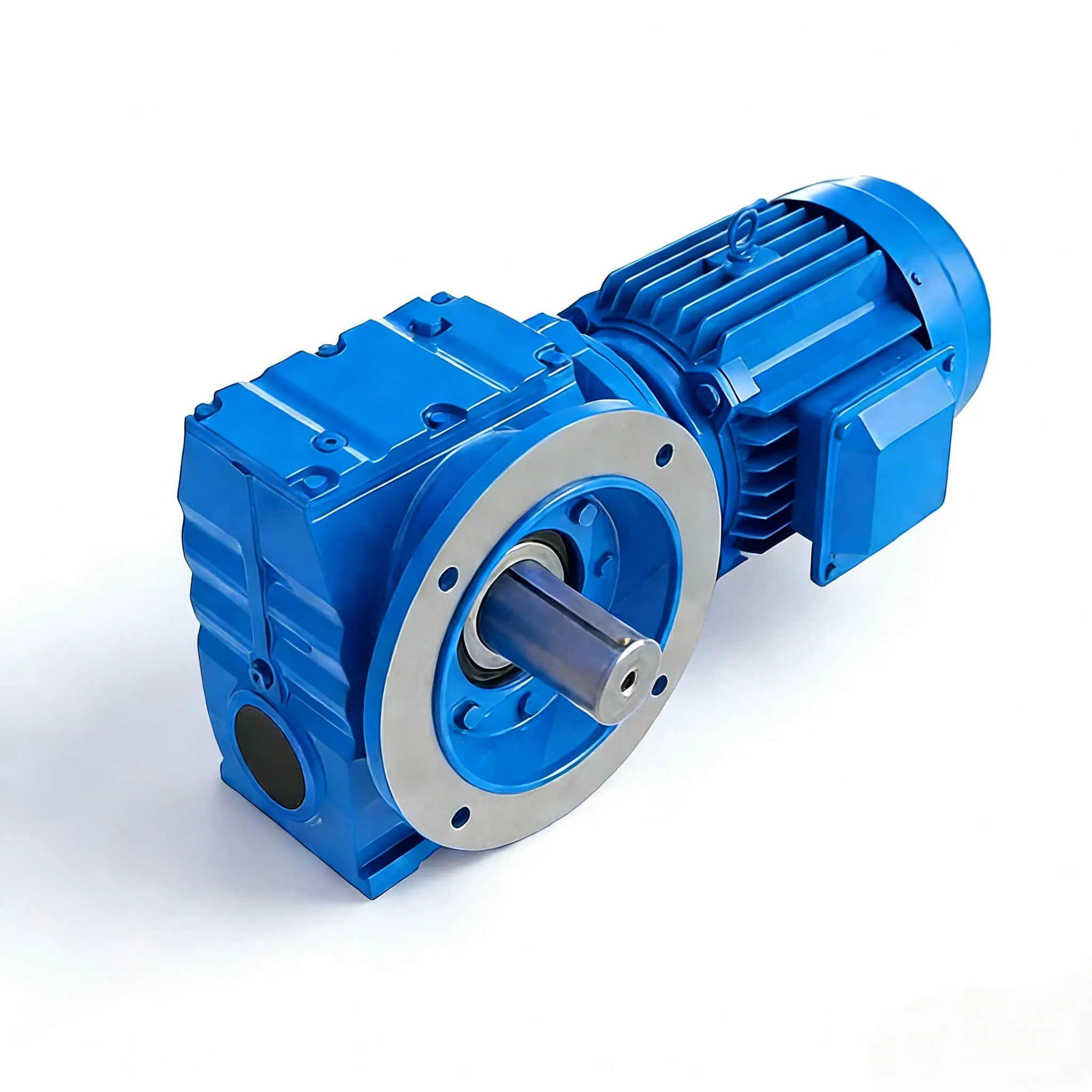
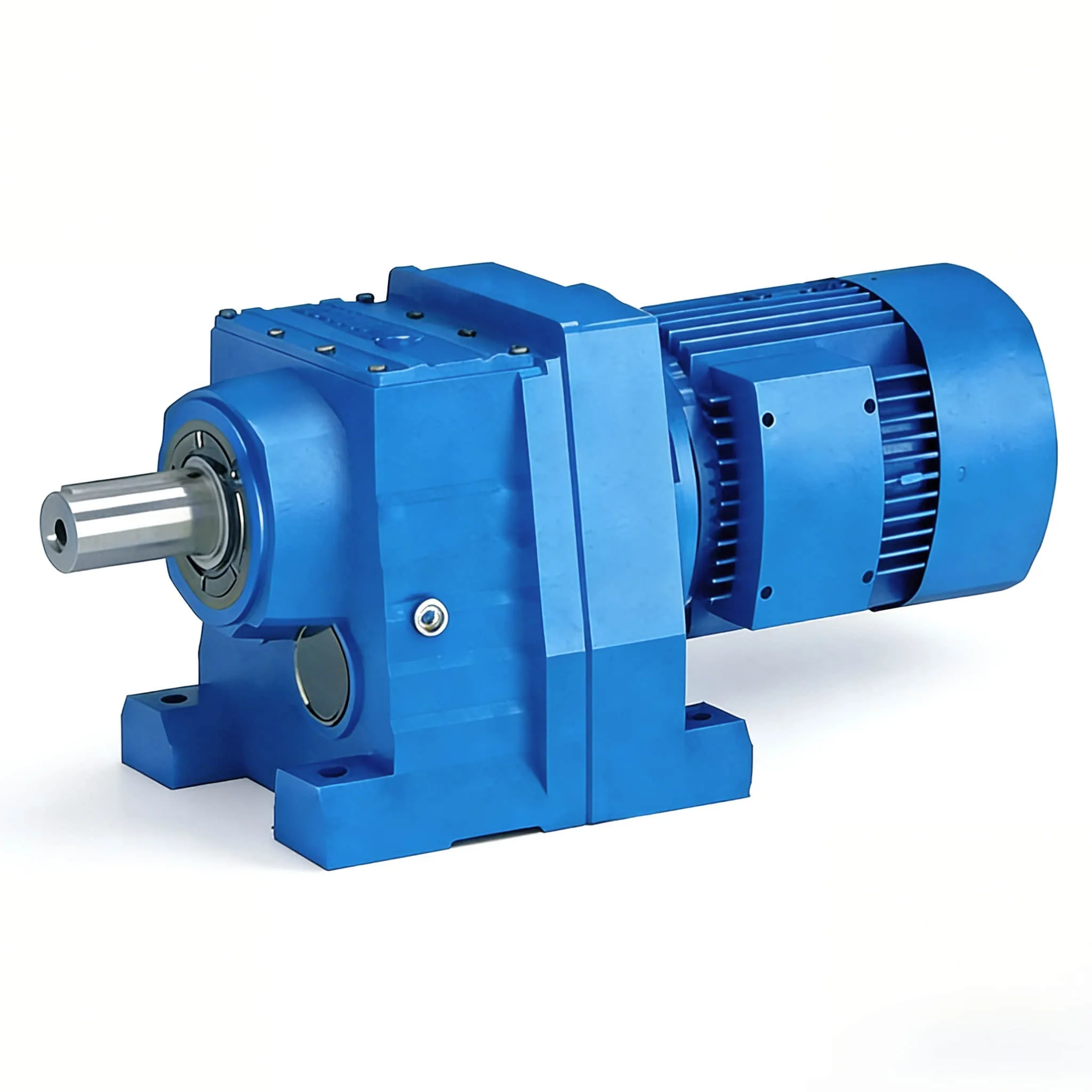
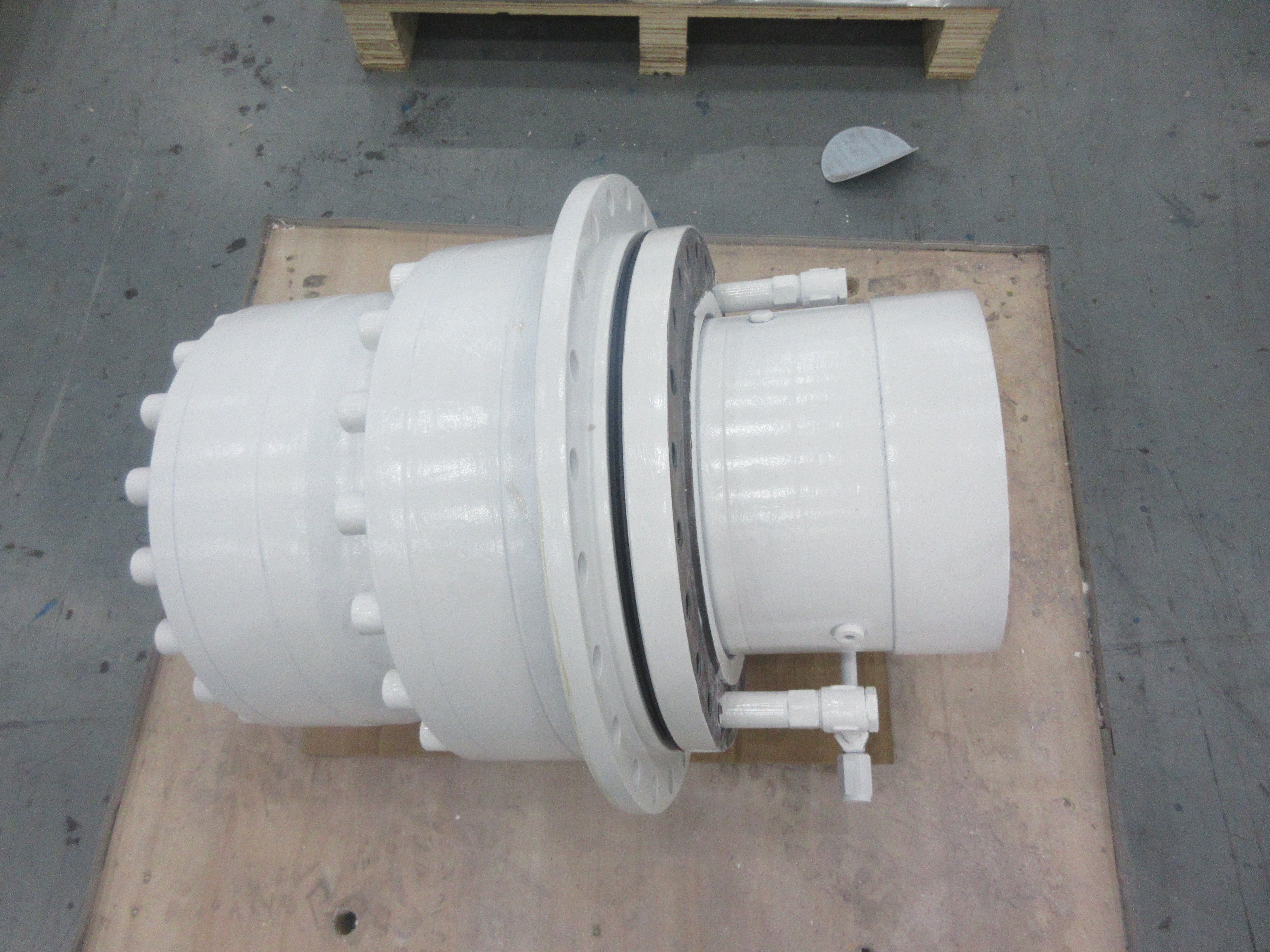
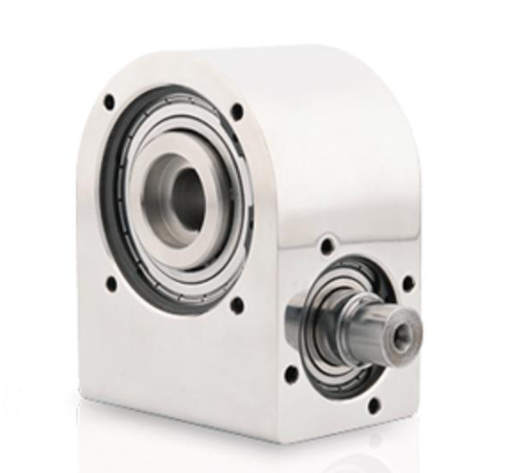
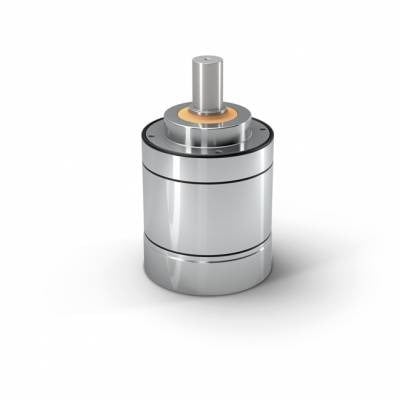
A pharmaceutical gearbox represents a critical mechanical transmission system specifically engineered to meet the stringent requirements of pharmaceutical manufacturing environments. This specialized equipment serves as the driving force behind numerous pharmaceutical production processes, ensuring precise control and reliable operation across various applications. The pharmaceutical gearbox operates by converting high-speed motor rotation into controlled, lower-speed output with increased torque, making it essential for equipment that requires exact speed regulation and consistent performance. These transmission systems are constructed with advanced materials and manufacturing techniques that comply with pharmaceutical industry standards, including FDA regulations and Good Manufacturing Practice guidelines. The primary functions of a pharmaceutical gearbox include speed reduction, torque multiplication, and directional control of rotational motion. These units are designed to handle the demanding operational requirements of pharmaceutical equipment such as tablet presses, capsule filling machines, mixing vessels, conveyor systems, and packaging machinery. The technological features of pharmaceutical gearboxes incorporate precision-ground gears, sealed housings to prevent contamination, corrosion-resistant materials, and specialized lubrication systems that meet food-grade standards. Advanced pharmaceutical gearboxes often include integrated monitoring systems that provide real-time feedback on performance parameters, enabling predictive maintenance and ensuring continuous operation. The applications for pharmaceutical gearboxes span across various stages of drug manufacturing, from raw material handling and processing to final packaging and quality control systems. These transmission units are particularly valuable in sterile manufacturing environments where contamination prevention is paramount. Modern pharmaceutical gearboxes feature modular designs that allow for easy maintenance and cleaning, supporting the industry's emphasis on hygiene and operational efficiency. The precision engineering of these systems ensures minimal backlash, smooth operation, and extended service life, making them indispensable components in pharmaceutical production facilities worldwide.

 EN
EN