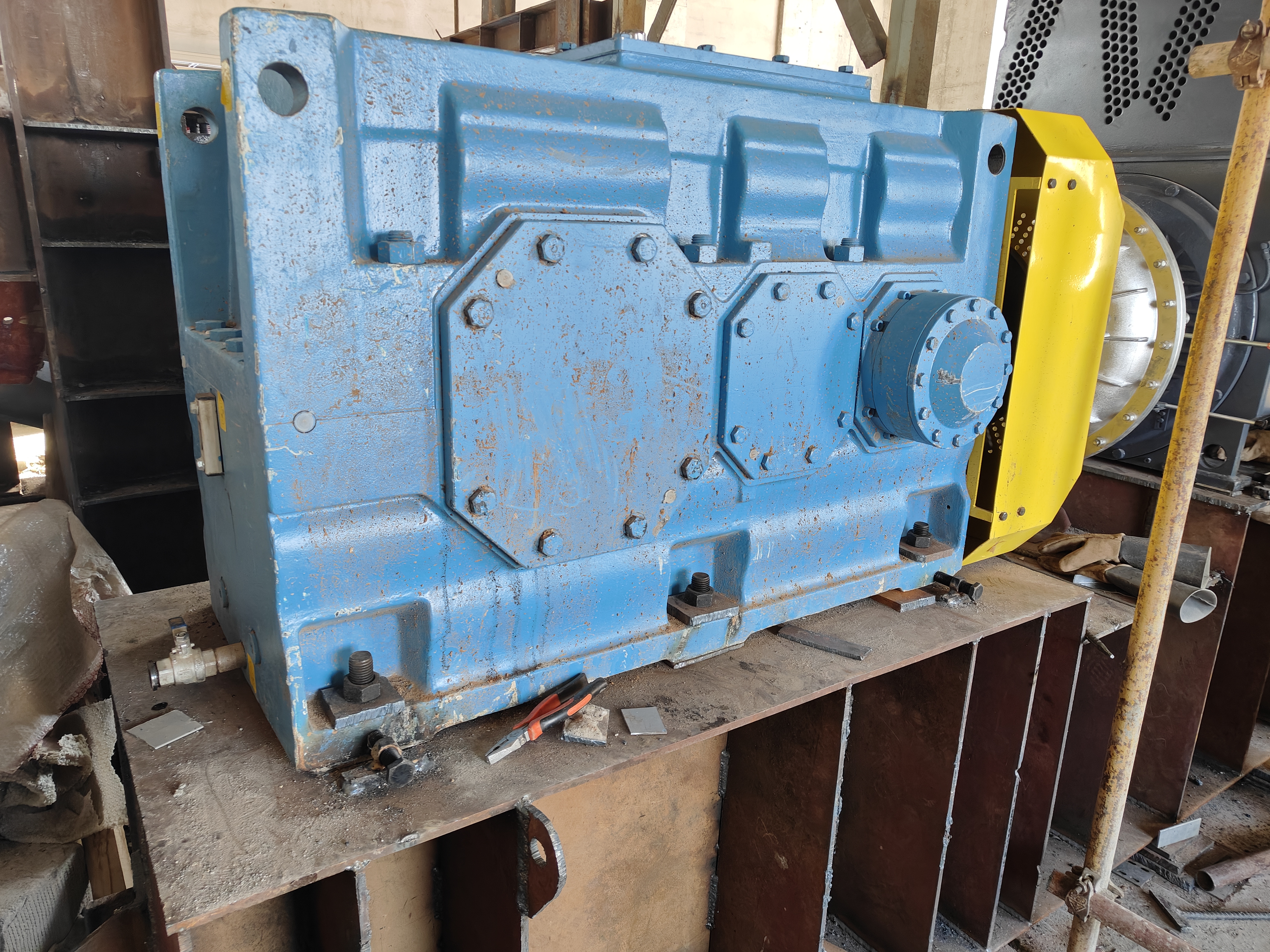
large industrial gearboxes
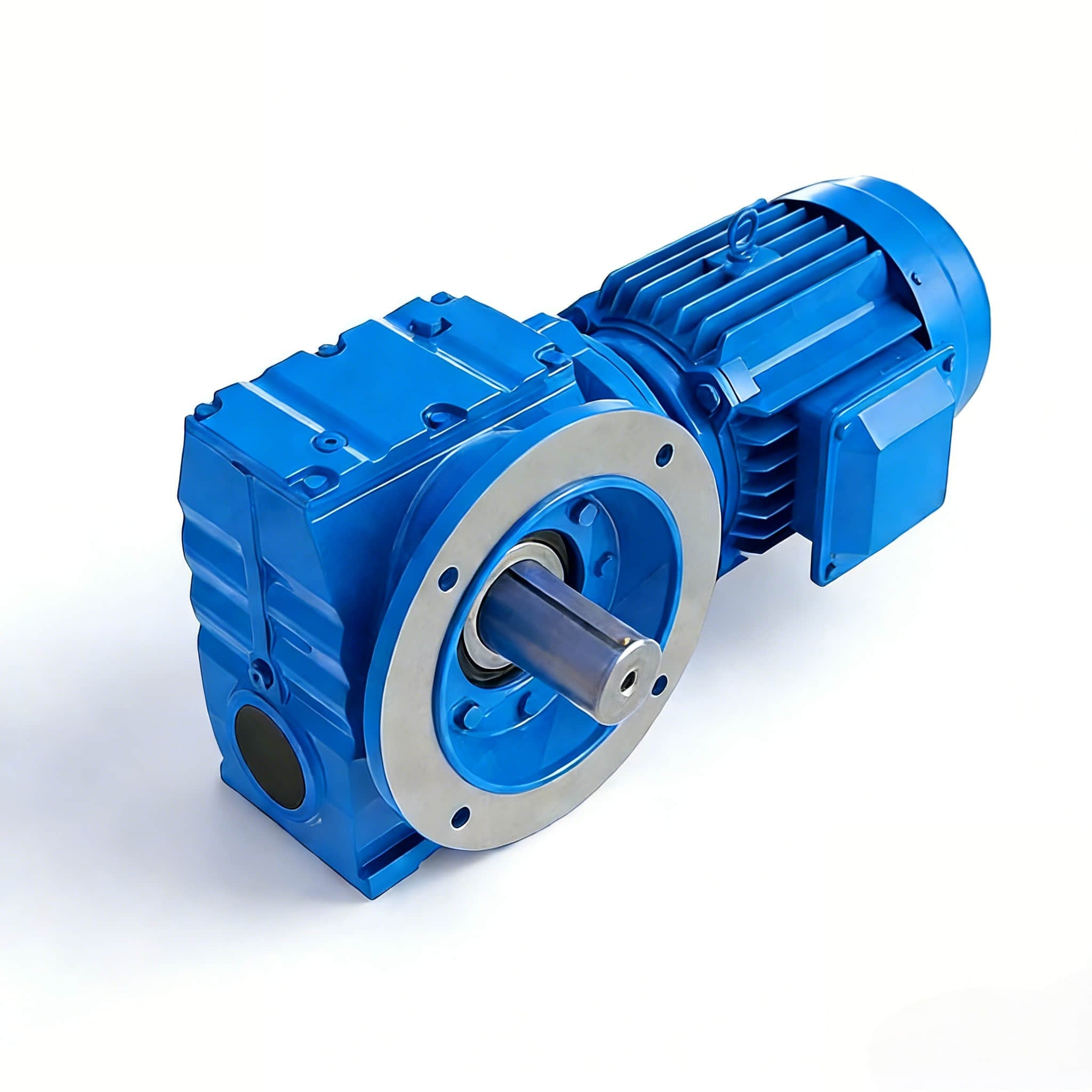
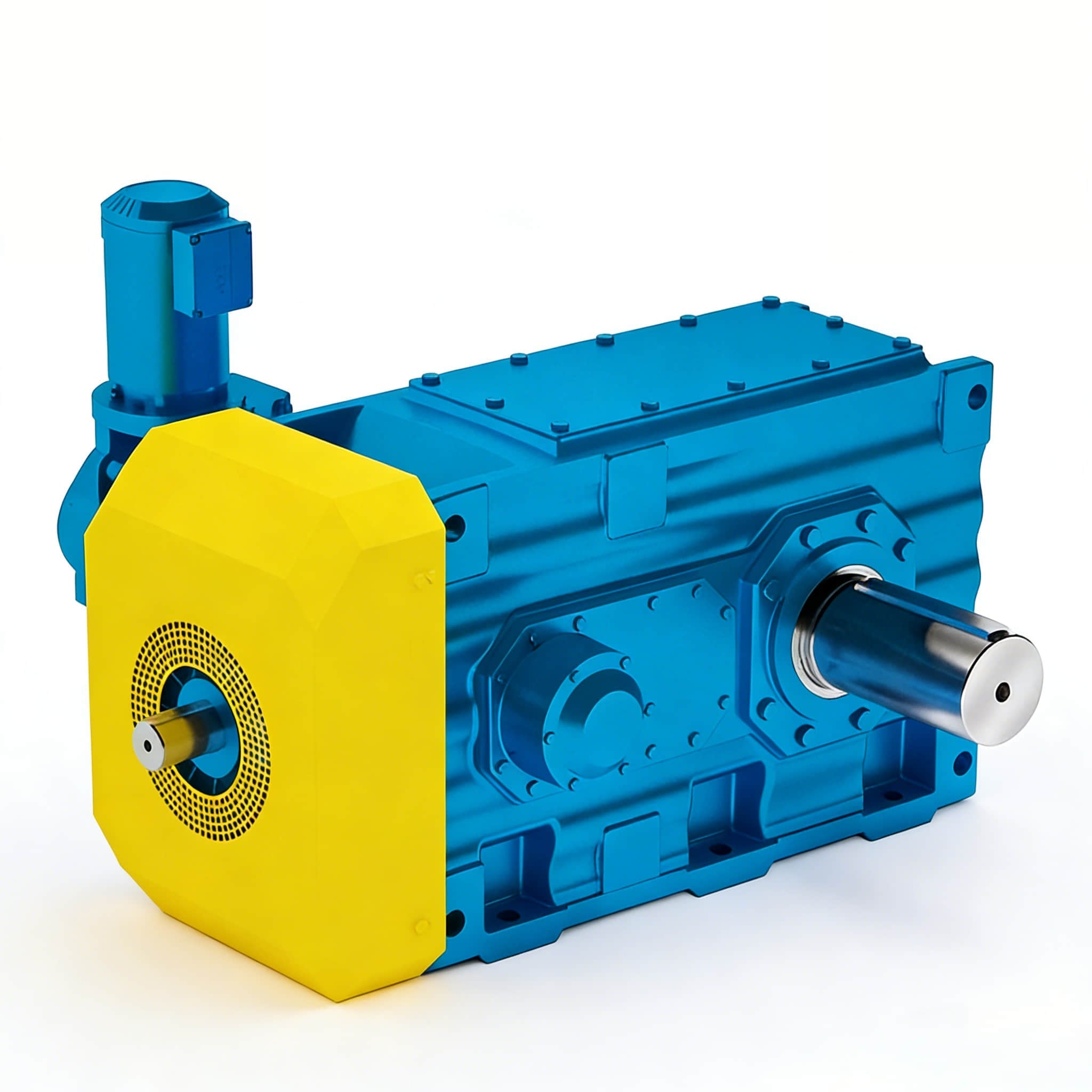
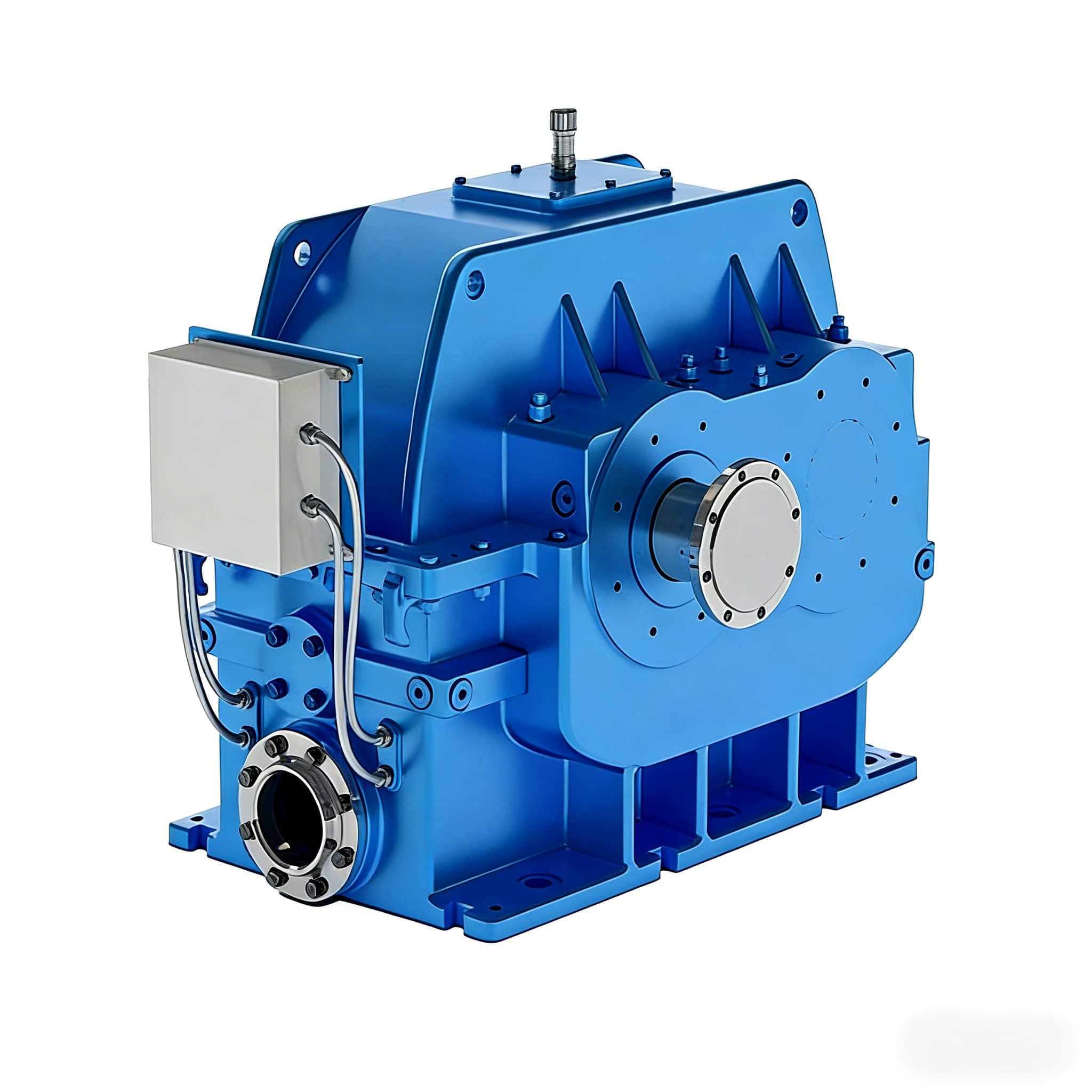
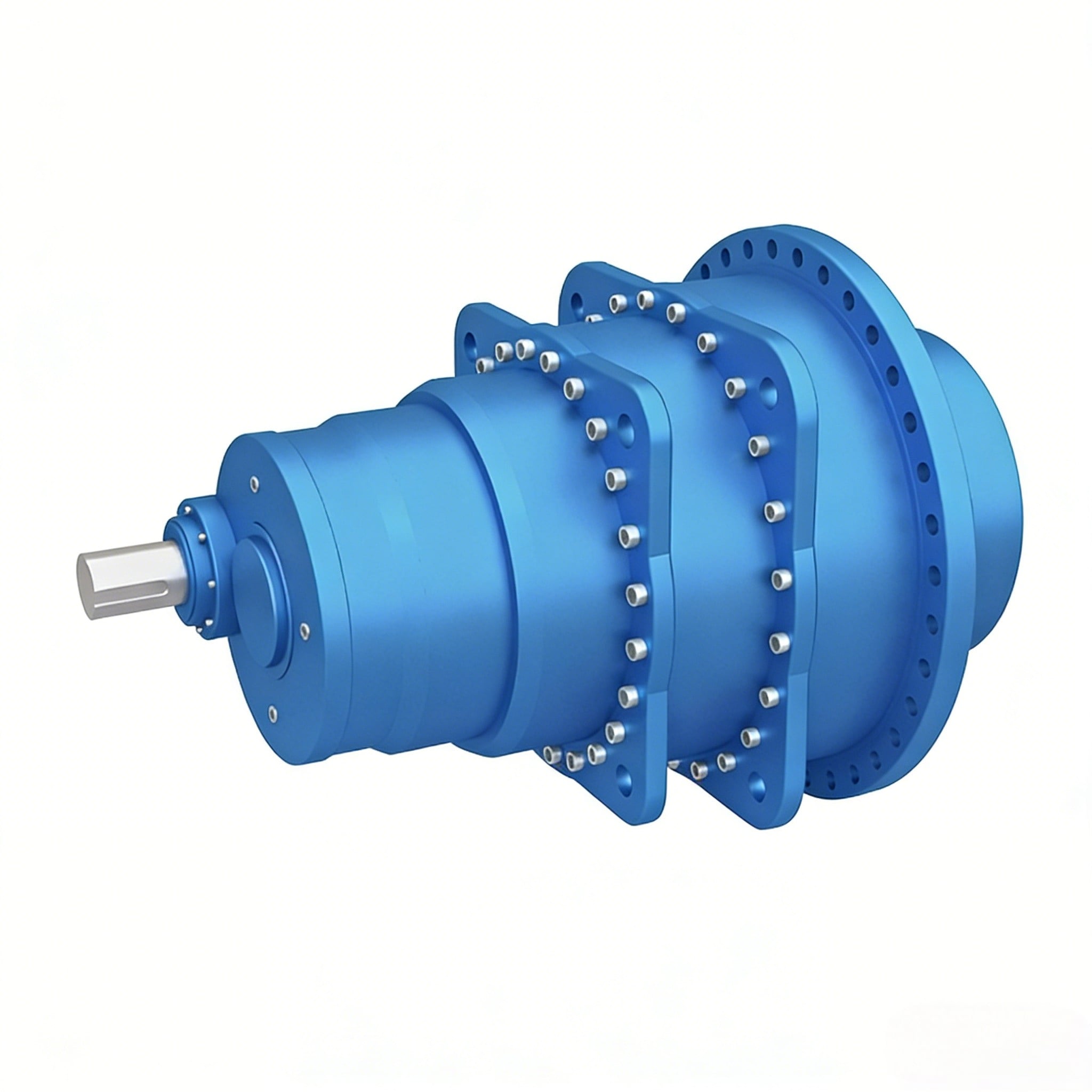
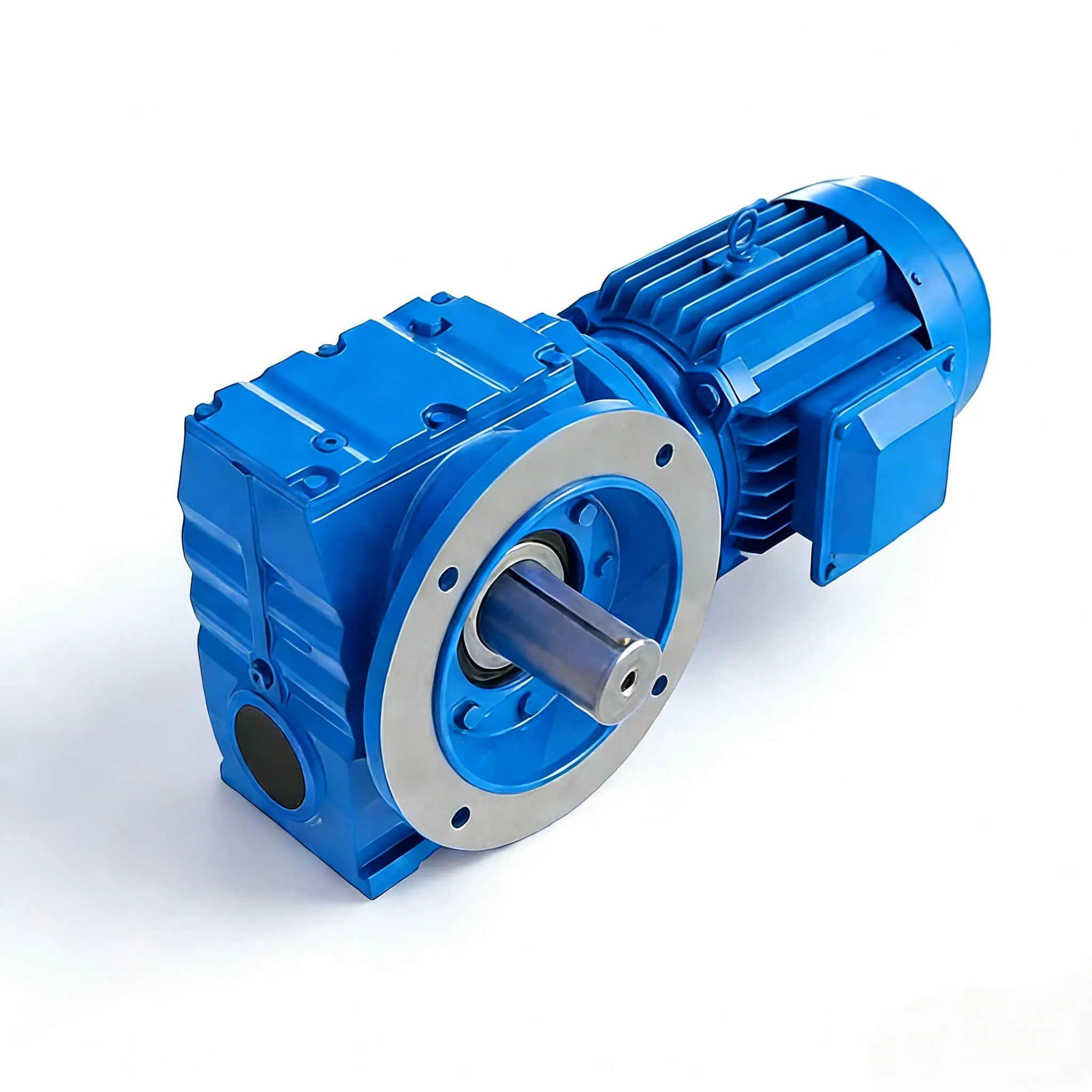
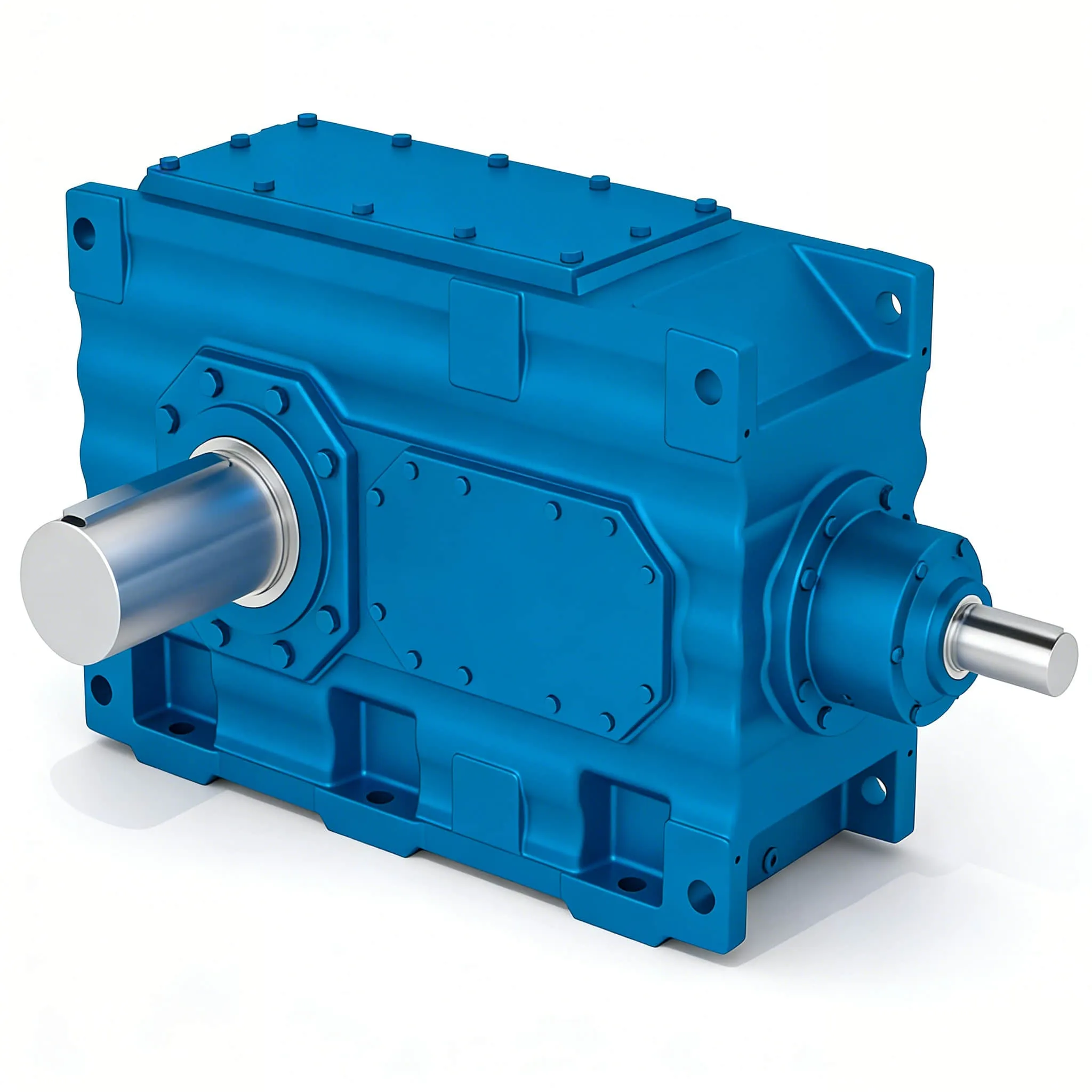
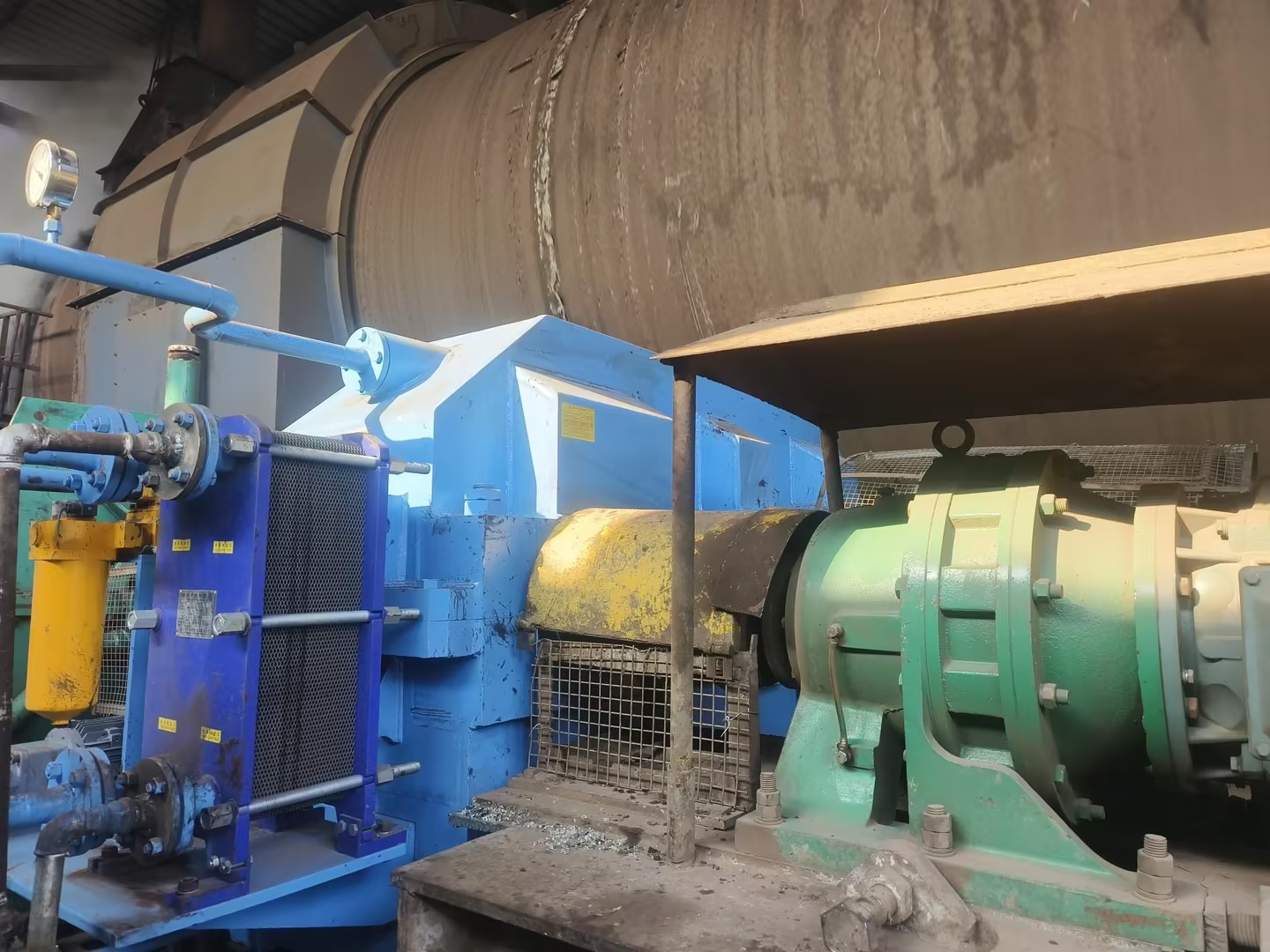
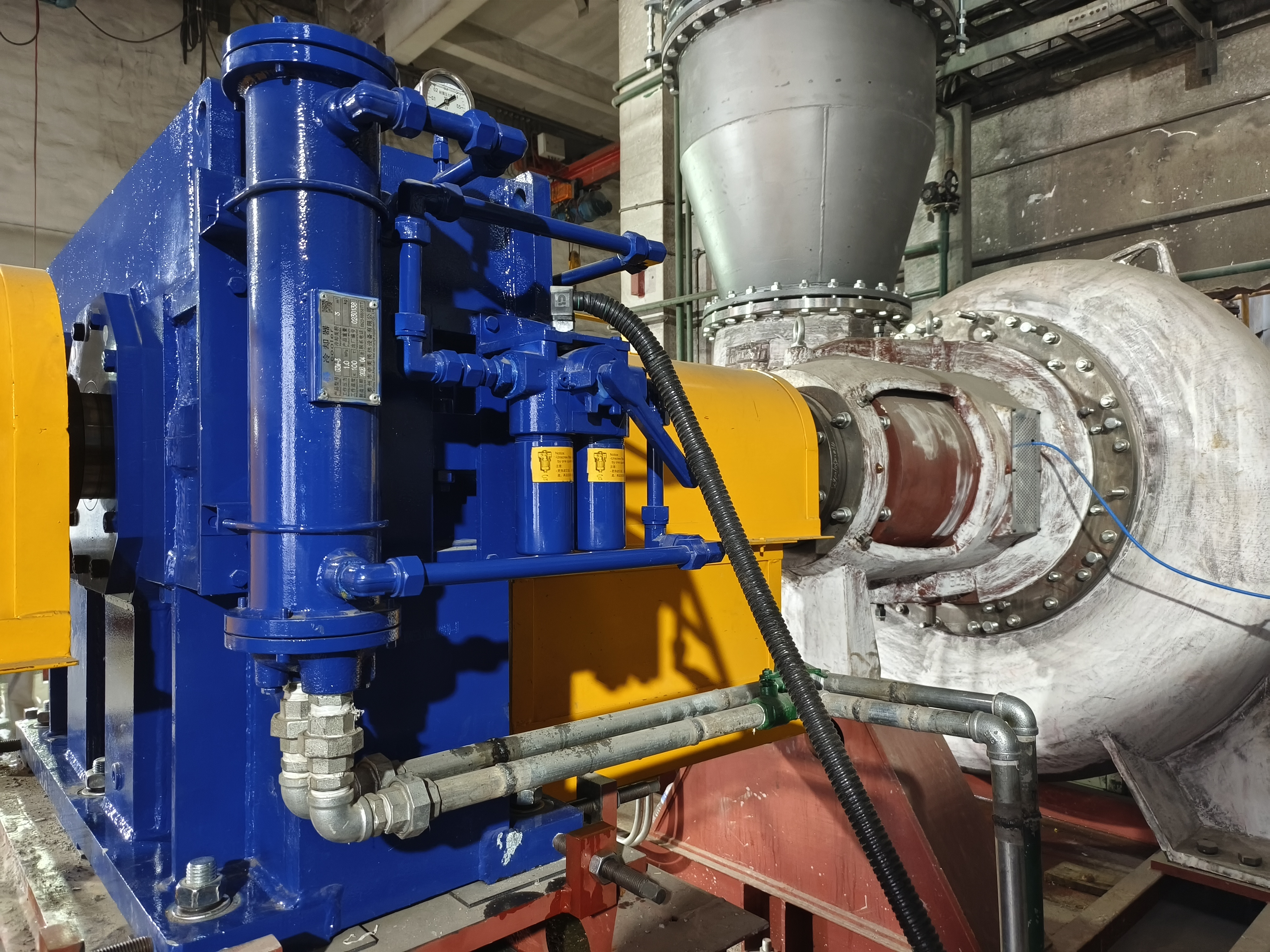
Large industrial gearboxes represent sophisticated mechanical systems that serve as critical power transmission components in heavy-duty industrial operations. These robust units efficiently transfer rotational energy from high-speed input sources to lower-speed, higher-torque output requirements, making them indispensable for countless manufacturing and processing applications. The primary function of large industrial gearboxes involves speed reduction while simultaneously increasing torque output, enabling machinery to operate at optimal performance levels. Modern large industrial gearboxes incorporate advanced engineering technologies including precision-machined gear trains, specialized lubrication systems, and enhanced bearing assemblies that ensure reliable operation under extreme conditions. These units typically feature multiple gear stages arranged in parallel or planetary configurations, allowing for precise speed ratios and exceptional load-handling capabilities. The technological features of contemporary large industrial gearboxes include computer-aided design optimization, advanced materials such as case-hardened alloy steels, and sophisticated sealing systems that prevent contamination while maintaining proper lubrication. Heat treatment processes ensure maximum durability and wear resistance, while precision manufacturing techniques guarantee smooth operation and extended service life. Large industrial gearboxes find extensive applications across diverse sectors including mining operations, cement production facilities, steel mills, power generation plants, marine propulsion systems, and heavy manufacturing equipment. In mining applications, these gearboxes power conveyor systems, crushers, and grinding mills that process raw materials. Cement plants rely on large industrial gearboxes for kiln drives, ball mills, and material handling equipment. Steel production facilities utilize these units in rolling mills, blast furnace operations, and various processing machinery. Power generation applications include wind turbine systems, hydroelectric installations, and thermal power plant equipment where reliable power transmission remains crucial for continuous operation and energy efficiency.

 EN
EN