
 EN
EN



A planetary gearbox offers exceptional torque handling capabilities that make it the preferred choice for heavy-duty industrial applications. Unlike conventional gear systems, the unique planetary configuration distributes load across multiple gear teeth simultaneously, enabling these systems to handle significantly higher torque levels while maintaining compact dimensions. This fundamental advantage stems from the ingenious arrangement of planet gears orbiting around a central sun gear, all contained within a ring gear assembly.
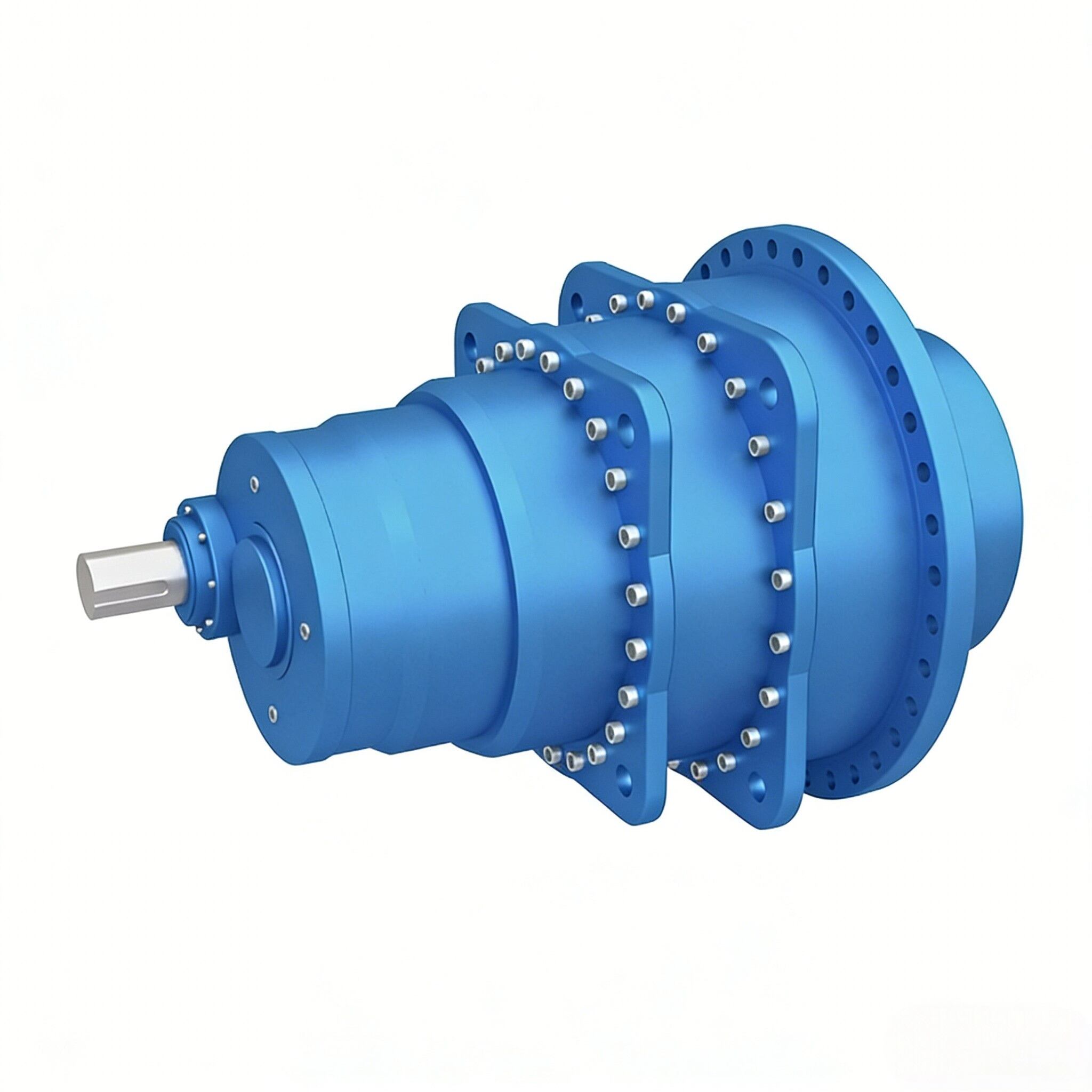
The high torque suitability of a planetary gearbox results from several interconnected design advantages that work together to create a robust transmission system. Understanding these specific benefits helps engineers and procurement professionals make informed decisions when selecting gear systems for demanding applications where torque multiplication and power density are critical factors for operational success.
Load Distribution Architecture
Multiple Contact Points for Enhanced Torque Capacity
The planetary gearbox achieves superior high torque performance through its multi-path load distribution system. When torque enters the system, it gets distributed among typically three to six planet gears that simultaneously engage with both the sun gear and ring gear. This parallel engagement means that each planet gear carries only a fraction of the total load, dramatically reducing stress concentrations that would overwhelm single-path gear systems.
Each planet gear in a planetary gearbox maintains constant mesh with both the central sun gear and the outer ring gear throughout the rotation cycle. This dual engagement creates multiple load paths that share the transmitted torque equally, resulting in lower contact stresses per gear tooth compared to traditional gear arrangements. The symmetric distribution ensures that no single gear element becomes a weak point in the torque transmission chain.
The load sharing mechanism inherent in planetary gearbox design allows for much higher power ratings within compact envelope dimensions. Manufacturing precision ensures that all planet gears contribute equally to torque transmission, preventing uneven load distribution that could compromise the system's high torque capabilities under demanding operational conditions.
Balanced Radial Force Management
The symmetrical arrangement of planet gears in a planetary gearbox creates naturally balanced radial forces that enhance torque handling capacity. As planet gears rotate around the sun gear, the radial forces they generate cancel each other out when properly positioned, eliminating the need for massive bearing systems to counteract unbalanced loads that plague other gear configurations.
This radial force balance allows the planetary gearbox to operate at higher torque levels without generating excessive bearing loads or shaft deflections. The carrier assembly that holds the planet gears experiences minimal side loads, enabling the use of smaller, more efficient bearings that contribute to the overall compactness and reliability of the high torque transmission system.
The balanced force characteristics of a planetary gearbox translate directly into improved fatigue life for all system components. By minimizing dynamic loads and vibrations, the gear teeth maintain better contact patterns under high torque conditions, reducing wear rates and extending operational life compared to gear systems with inherent force imbalances.
Gear Ratio and Torque Multiplication Benefits
High Reduction Ratios in Single Stages
A planetary gearbox can achieve substantial gear reductions in a single stage, typically ranging from 3:1 to 10:1, which directly enhances torque multiplication capabilities. This high reduction ratio capability means that input torque gets multiplied by the gear ratio, allowing relatively small input motors to generate very high output torque levels suitable for heavy machinery and industrial equipment applications.
The ability to achieve high gear ratios in compact single-stage configurations eliminates the need for multiple gear reduction stages that would add complexity, cost, and potential failure points. A single-stage planetary gearbox can often replace multi-stage conventional gear trains while providing superior torque handling and improved efficiency characteristics.
Multiple planetary stages can be combined when even higher torque multiplication is required, with each stage contributing to the overall reduction ratio. The compound effect allows planetary gearbox systems to achieve total reduction ratios exceeding 1000:1 while maintaining the inherent advantages of load distribution and compact design that make them suitable for extreme high torque applications.
Efficient Power Transmission Under Load
The planetary gearbox maintains high efficiency even when operating at maximum torque capacity, typically achieving 95-98% efficiency in well-designed units. This efficiency advantage becomes particularly important in high torque applications where power losses translate directly into heat generation and reduced system performance under demanding load conditions.
Unlike gear systems where efficiency drops significantly under high loads due to sliding friction and gear tooth deflection, the planetary gearbox benefits from pure rolling contact between properly designed gear teeth. The multiple engagement points distribute contact stresses, maintaining optimal gear geometry even under peak torque conditions that would cause performance degradation in conventional gear arrangements.
The maintained efficiency of a planetary gearbox under high torque loads contributes to cooler operation temperatures and longer component life. Reduced heat generation means less thermal expansion and distortion of gear components, preserving the precise clearances and contact patterns essential for sustained high torque performance in industrial applications.
Structural Robustness and Material Efficiency
Compact Design with High Power Density
The planetary gearbox achieves remarkable power density by concentrating multiple gear meshes within a confined space while maintaining the structural integrity needed for high torque applications. The coaxial arrangement of input and output shafts eliminates the need for additional support structures required by parallel shaft gear systems, resulting in more efficient use of materials and space.
This compact configuration allows a planetary gearbox to generate significantly higher torque output per unit weight and volume compared to conventional gear arrangements. The space efficiency becomes critical in mobile equipment and installations where size and weight constraints must be balanced against torque requirements, making planetary designs the optimal choice for many heavy-duty applications.
The inherent structural efficiency of planetary gearbox design means that material costs remain reasonable even for high torque variants. The load-sharing characteristics allow the use of standard gear materials and heat treatments while achieving torque capacities that would require exotic materials or massive sizing in conventional gear systems.
Enhanced Fatigue Resistance
The distributed load nature of planetary gearbox operation significantly improves fatigue resistance under cyclic high torque loading conditions. Each gear tooth in the system experiences lower peak stresses and more uniform loading cycles compared to conventional gear arrangements where individual teeth must handle full system loads independently.
Planet gears in a planetary gearbox benefit from favorable stress distribution patterns that reduce crack initiation and propagation risks. The multiple contact points and shared loading create stress fields that are naturally more resistant to fatigue failure, extending operational life even under severe duty cycles with frequent high torque demands.
The fatigue advantages of planetary gearbox design become particularly pronounced in applications with variable torque loading or shock loads. The system's ability to distribute sudden load increases across multiple gear paths prevents localized overloading that could cause catastrophic failure in single-path gear systems operating at similar torque levels.
Operational Advantages in High Torque Applications
Smooth Torque Delivery and Reduced Backlash
A planetary gearbox provides exceptionally smooth torque delivery characteristics that are essential for high torque applications requiring precise positioning or consistent power output. The multiple gear meshes operating in parallel create overlapping contact cycles that minimize torque ripple and provide more uniform output compared to gear systems with fewer engagement points.
The inherently low backlash characteristics of well-designed planetary gearbox systems enhance their suitability for high torque positioning applications. The simultaneous engagement of multiple planet gears with both sun and ring gears creates a more rigid mechanical connection with minimal angular displacement between input and output shafts under varying load conditions.
Reduced backlash in a planetary gearbox translates to improved system responsiveness and positioning accuracy in high torque servo applications. The mechanical stiffness provided by multiple simultaneous gear meshes ensures that commanded torque changes result in immediate output response without the delays and oscillations associated with higher backlash gear systems.
Versatile Configuration Options
The planetary gearbox offers multiple configuration possibilities that can be optimized for specific high torque requirements. By selecting which element serves as input, output, or stationary member, engineers can achieve different speed reduction ratios and torque multiplication factors while maintaining the fundamental advantages of distributed loading and compact design.
Standard planetary gearbox configurations include reduction drives where the ring gear is fixed, differential applications where all three elements can rotate, and compound arrangements where multiple planetary stages are combined. Each configuration option provides different torque handling characteristics that can be matched to specific application requirements.
The flexibility of planetary gearbox design allows for customization of gear ratios, torque capacity, and envelope constraints without abandoning the fundamental advantages that make these systems suitable for high torque applications. This adaptability ensures optimal performance across diverse industrial applications requiring reliable high torque transmission.
FAQ
How does the load distribution in a planetary gearbox compare to conventional gear systems for high torque applications?
A planetary gearbox distributes torque load among typically three to six planet gears simultaneously, with each gear carrying only a fraction of the total load. This parallel load sharing creates multiple torque paths that reduce stress concentrations and enable higher torque capacity compared to conventional gear systems where single gear pairs must handle the entire load independently.
What gear ratios can planetary gearboxes achieve while maintaining high torque capability?
Single-stage planetary gearbox units typically achieve ratios between 3:1 and 10:1 with excellent torque handling capabilities. For higher ratios, multiple stages can be combined to reach total reductions exceeding 1000:1 while preserving the load distribution advantages that make planetary designs suitable for high torque applications across various industrial sectors.
Why do planetary gearboxes maintain efficiency better than other gear types under high torque loads?
Planetary gearbox systems maintain 95-98% efficiency under high torque conditions because their multiple engagement points distribute contact stresses, preserving optimal gear geometry even at peak loads. The pure rolling contact between gear teeth and balanced radial forces minimize friction losses and heat generation compared to conventional gear arrangements that experience performance degradation under maximum torque operation.
What makes planetary gearboxes more compact than equivalent high torque gear systems?
The coaxial input and output shaft arrangement of a planetary gearbox eliminates the space requirements for parallel shafts and additional support structures needed by conventional gear systems. The concentrated multiple gear meshes within a confined space achieve higher power density, allowing planetary designs to generate significantly greater torque output per unit weight and volume compared to alternative gear configurations.
Table of Contents
- Load Distribution Architecture
- Gear Ratio and Torque Multiplication Benefits
- Structural Robustness and Material Efficiency
- Operational Advantages in High Torque Applications
-
FAQ
- How does the load distribution in a planetary gearbox compare to conventional gear systems for high torque applications?
- What gear ratios can planetary gearboxes achieve while maintaining high torque capability?
- Why do planetary gearboxes maintain efficiency better than other gear types under high torque loads?
- What makes planetary gearboxes more compact than equivalent high torque gear systems?