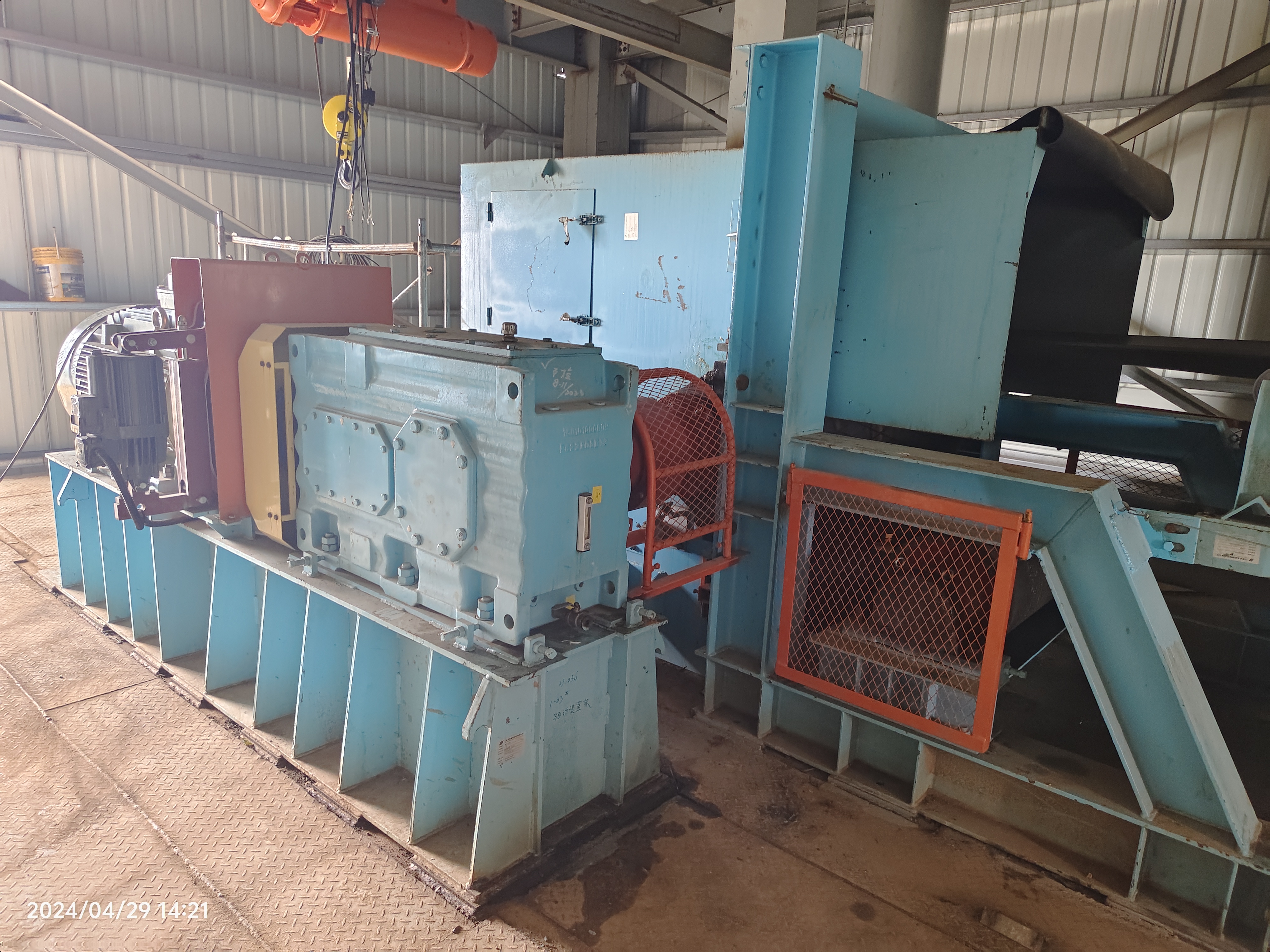
Industrial Gear Reducer: High-Performance Power Transmission Solutions for Heavy-Duty Applications

Get a Free Quote

Our representative will contact you soon.
Email
Name
Company Name
Message
0/1000

industrial gear reducer

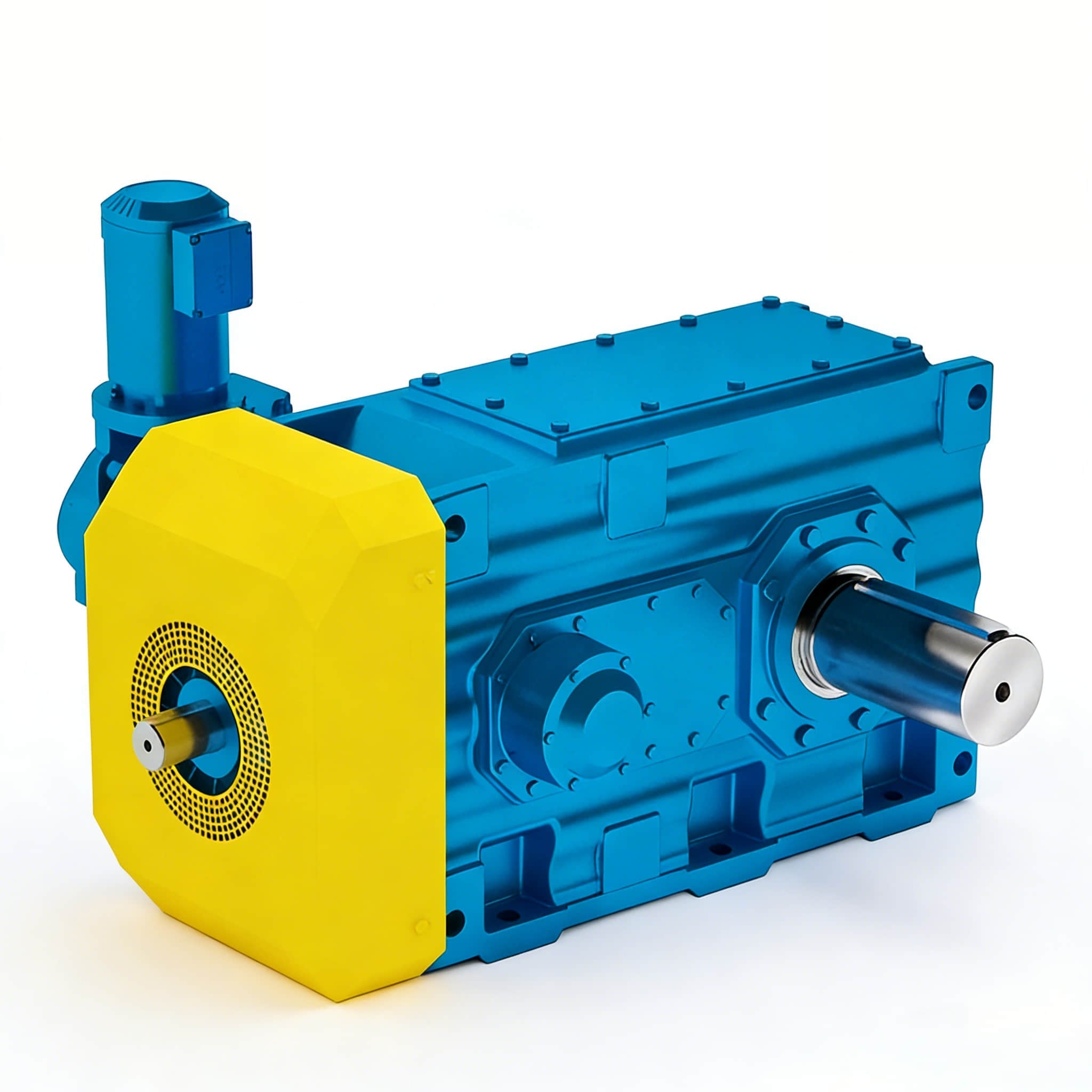
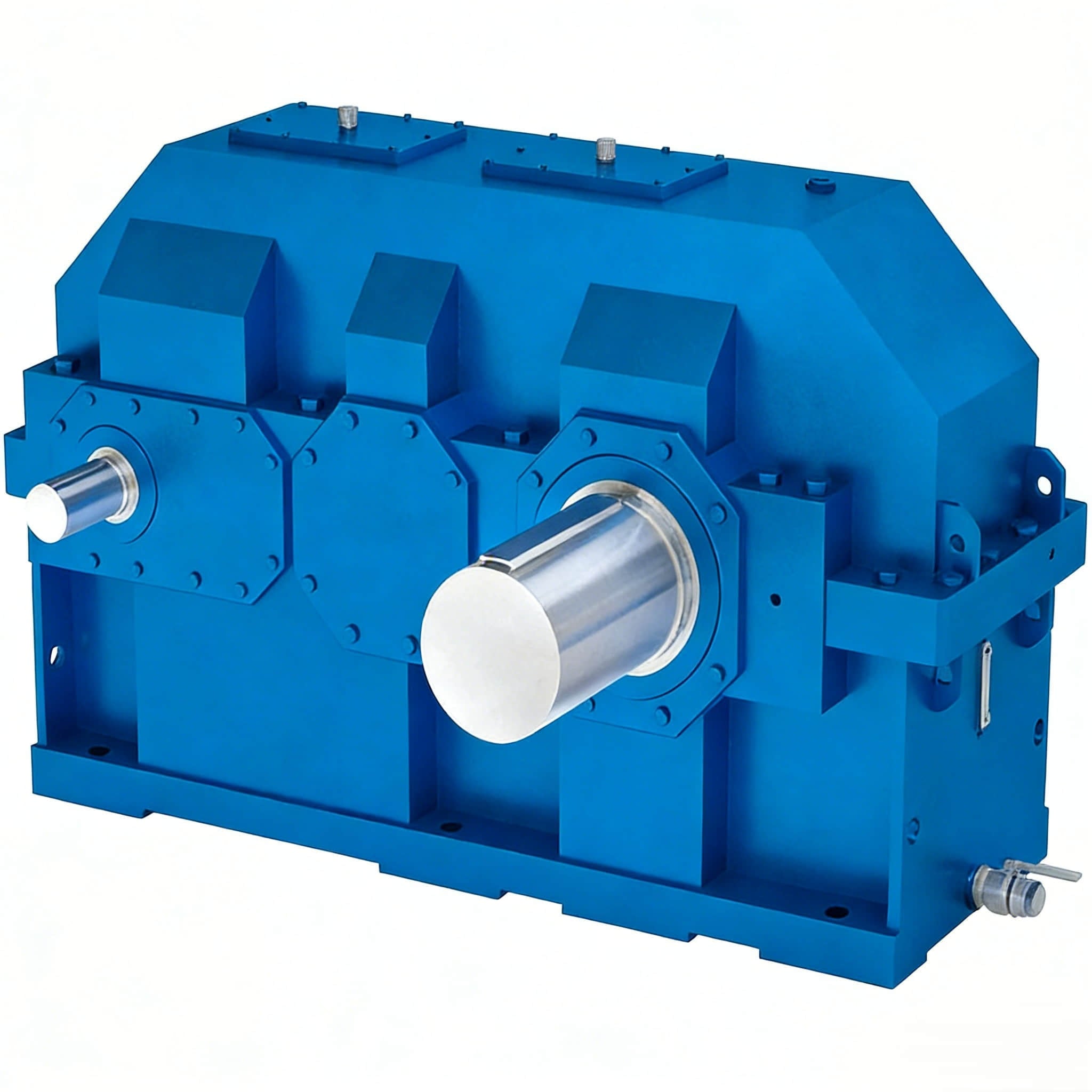
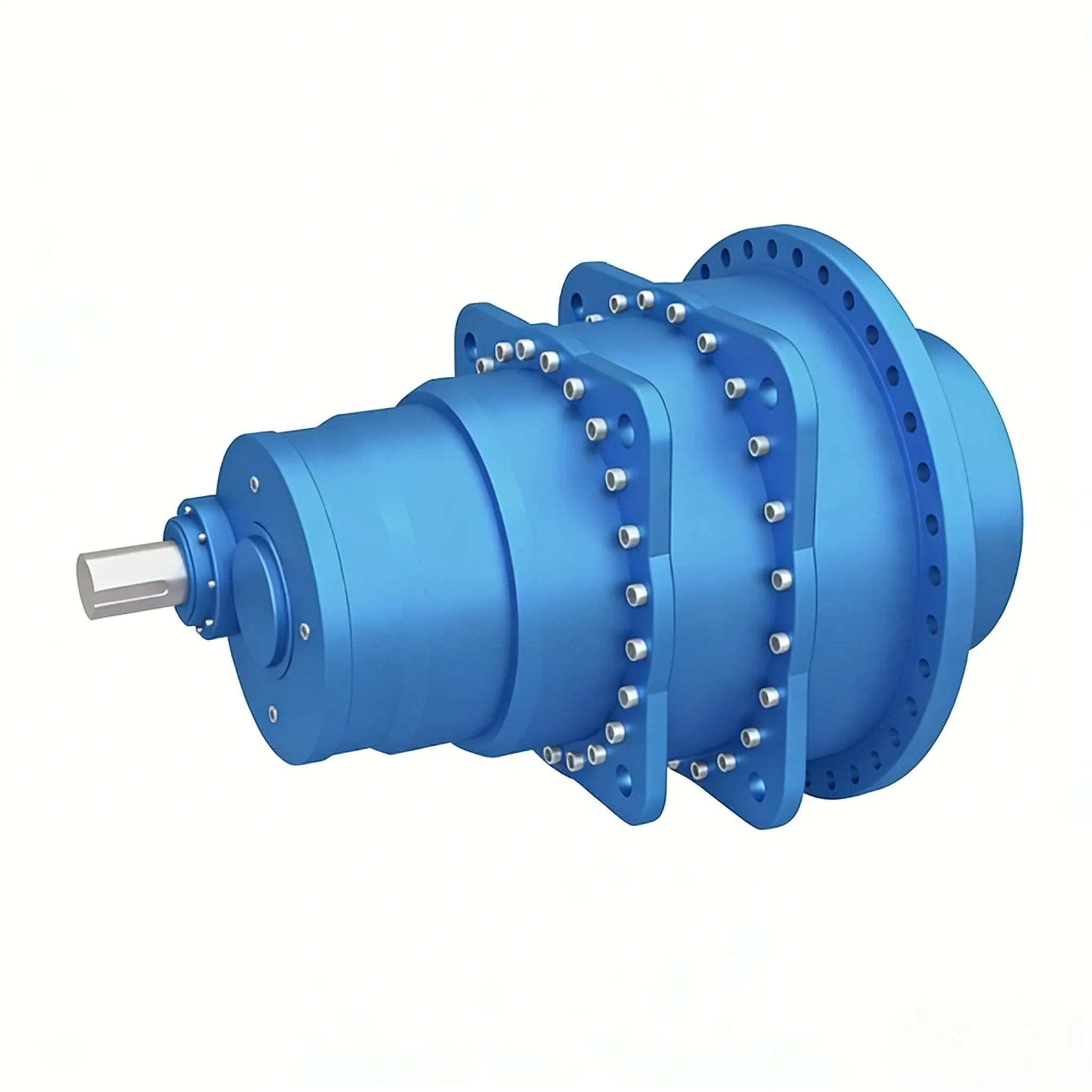
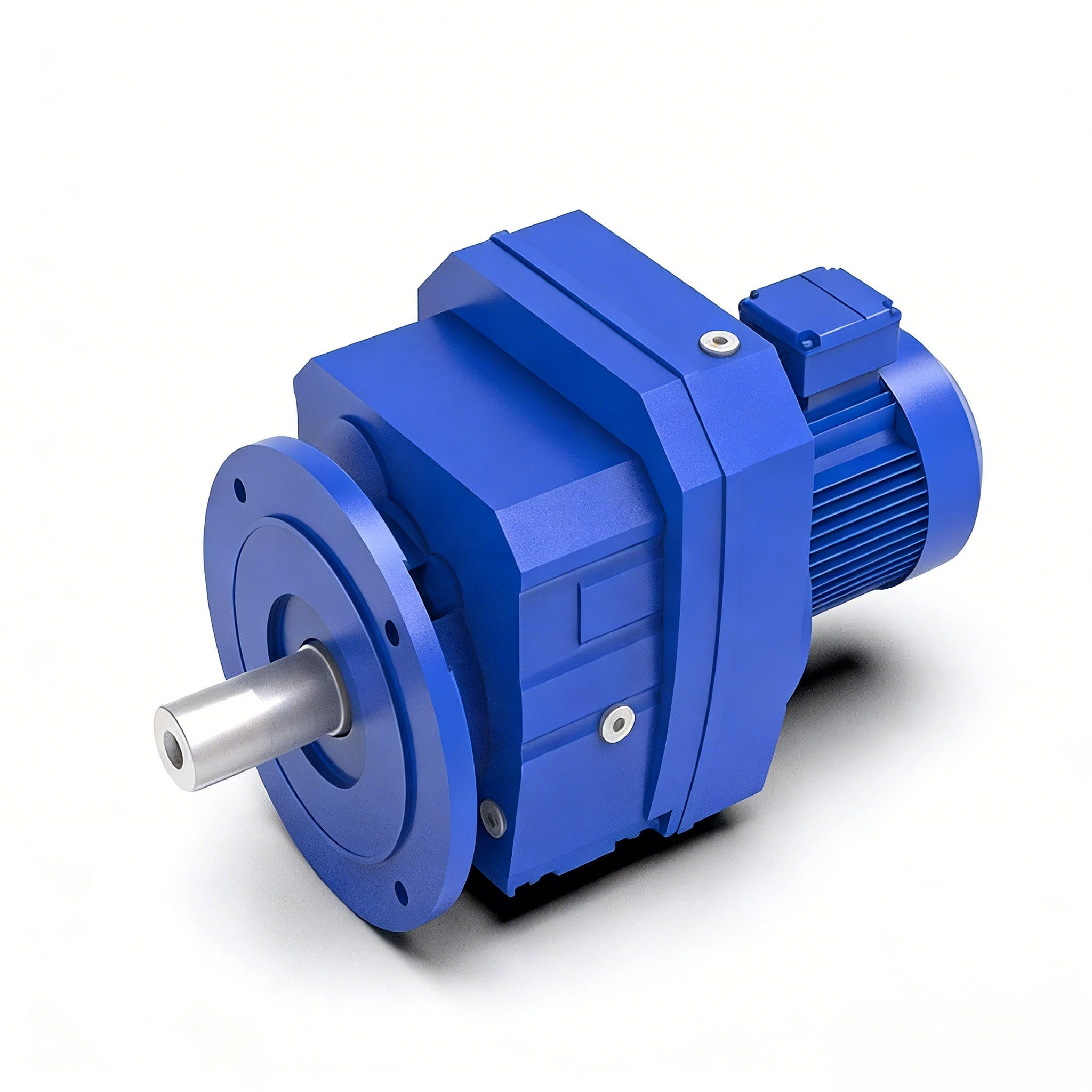
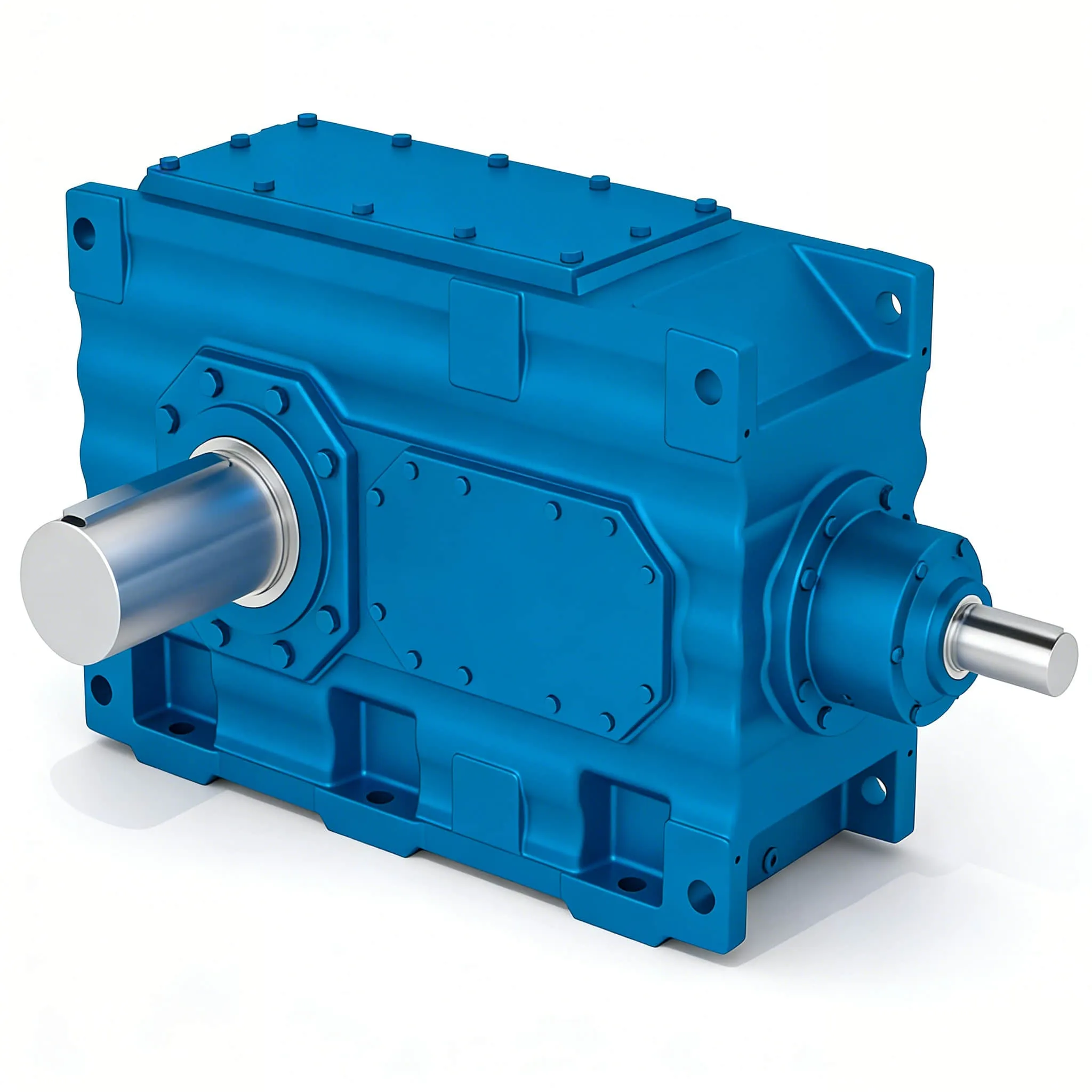
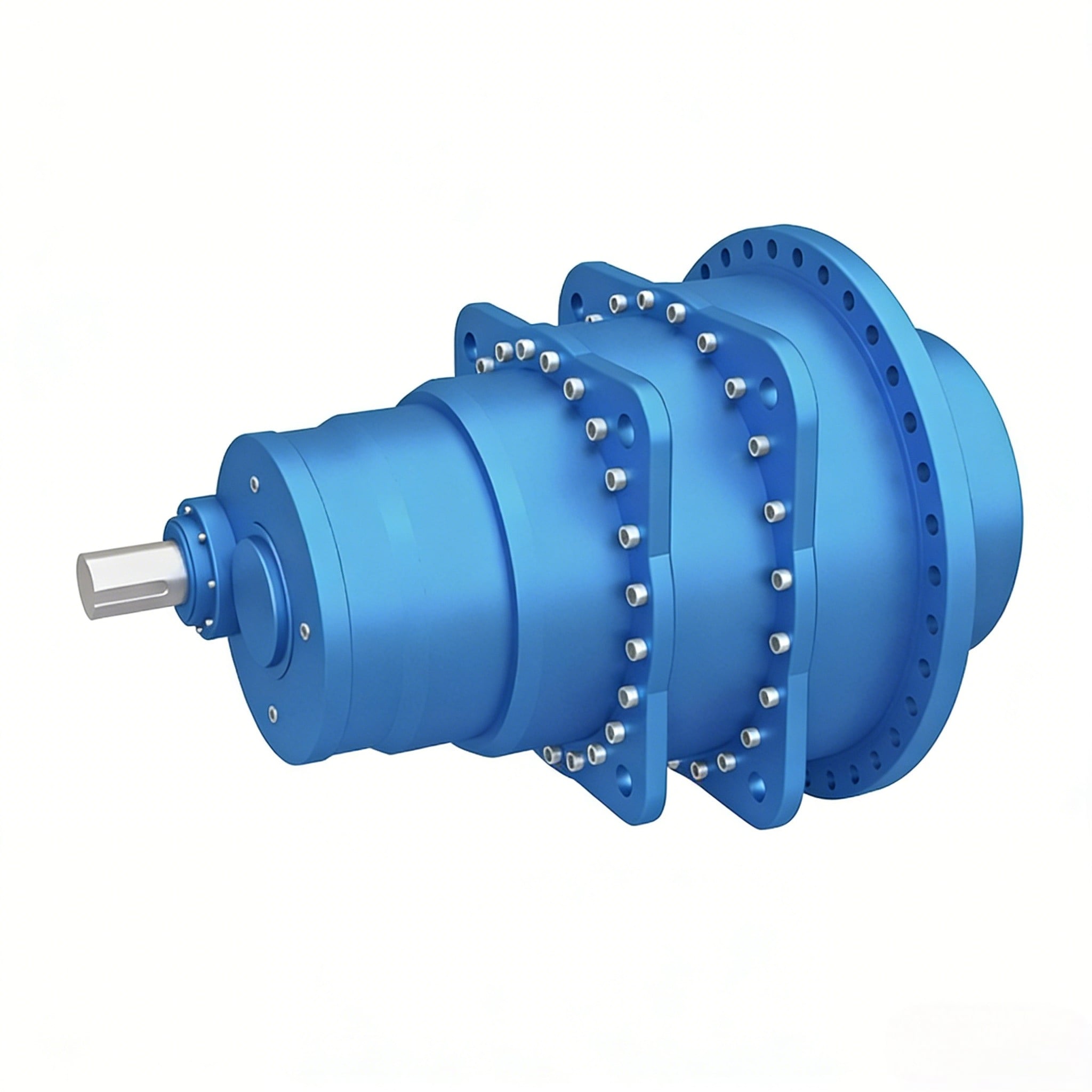
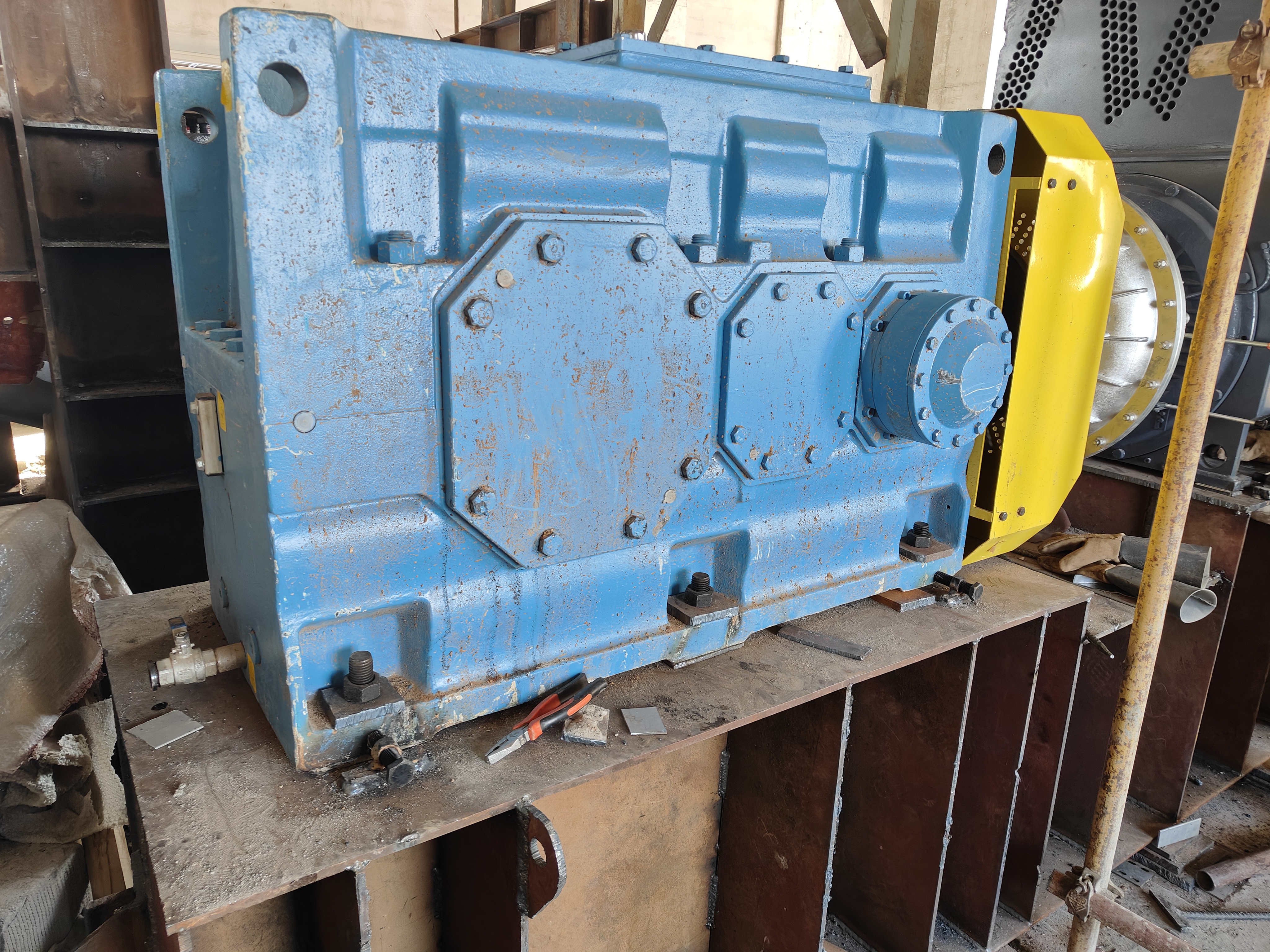
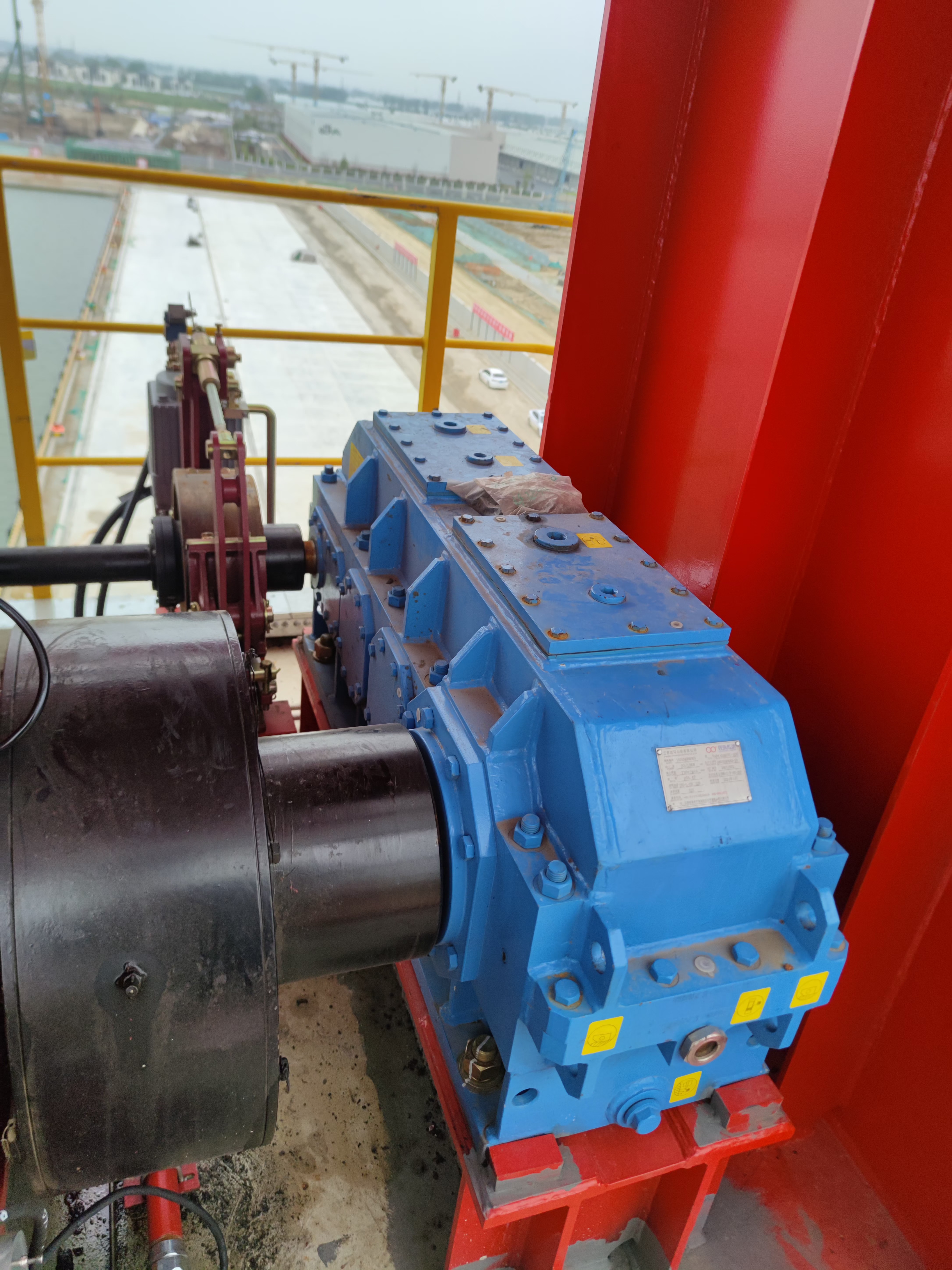
An industrial gear reducer represents a critical mechanical device designed to decrease rotational speed while simultaneously increasing torque output in various industrial applications. This sophisticated piece of equipment serves as the backbone of countless manufacturing processes, power transmission systems, and automated machinery across diverse industries worldwide. The fundamental purpose of an industrial gear reducer lies in its ability to transform high-speed, low-torque input from motors into low-speed, high-torque output that matches specific operational requirements. The technological foundation of modern industrial gear reducer systems incorporates precision-engineered gear trains, robust housing materials, and advanced lubrication systems that ensure optimal performance under demanding conditions. These units feature multiple gear ratios, ranging from simple single-stage configurations to complex multi-stage arrangements that can achieve reduction ratios exceeding 1000:1. The internal components typically include helical gears, worm gears, or planetary gear sets, each offering distinct advantages for specific applications. Manufacturing processes for industrial gear reducer units involve computer-controlled machining, heat treatment procedures, and rigorous quality testing protocols that guarantee dimensional accuracy and material integrity. The housing construction utilizes cast iron, steel, or aluminum alloy materials selected based on environmental conditions, load requirements, and weight considerations. Sealing systems incorporate advanced materials that prevent contamination while maintaining proper lubrication levels throughout extended operational periods. Applications for industrial gear reducer technology span numerous sectors including mining equipment, conveyor systems, mixers, pumps, fans, compressors, and robotics. The versatility of these devices makes them indispensable components in cement plants, steel mills, chemical processing facilities, food production lines, and renewable energy installations such as wind turbines.

New Product Releases

Industrial gear reducer technology delivers substantial benefits that directly impact operational efficiency and cost-effectiveness for businesses across multiple sectors. These mechanical systems provide precise speed control that allows operators to optimize equipment performance according to specific process requirements, resulting in improved product quality and reduced material waste. The torque multiplication capabilities of an industrial gear reducer enable smaller, more economical motors to drive heavy-duty applications, significantly reducing initial equipment costs and ongoing energy consumption. This efficiency translates into lower electricity bills and reduced carbon footprint, making operations more environmentally sustainable while improving profit margins. Reliability stands as another crucial advantage, as quality industrial gear reducer units operate continuously for years with minimal maintenance requirements. The robust construction and precision manufacturing processes ensure consistent performance even under harsh conditions including extreme temperatures, high humidity, and corrosive environments. This dependability minimizes unexpected downtime, reduces replacement costs, and maintains production schedules that are critical for meeting customer demands and contractual obligations. Space efficiency represents a significant practical benefit, as compact industrial gear reducer designs allow engineers to optimize equipment layouts and maximize facility utilization. The integrated design eliminates the need for separate transmission components, reducing installation complexity and maintenance access requirements. Noise reduction capabilities of modern units improve workplace environments while complying with occupational safety regulations. The smooth operation characteristics minimize vibration transmission, extending the service life of connected equipment and reducing structural stress on mounting systems. Flexibility in mounting configurations enables easy integration into existing systems or new installations, accommodating various spatial constraints and operational orientations. Cost-effectiveness extends beyond initial purchase price to include reduced maintenance requirements, extended service intervals, and improved equipment longevity that collectively deliver superior return on investment compared to alternative transmission solutions.

Latest News

A Warm Invitation to Visit Our Manufacturing Base

15

Jan

A Warm Invitation to Visit Our Manufacturing Base

View More
Precision Quality Control: Safeguarding High-Precision Heavy-Duty Gear Transmission Release Date: August 20 , 2025

15

Jan

Precision Quality Control: Safeguarding High-Precision Heavy-Duty Gear Transmission Release Date: August 20 , 2025

View More
R&D Innovation Upgrade: Focus on Heavy-Duty Conditions, Empower Transmission Tech Breakthroughs

15

Jan

R&D Innovation Upgrade: Focus on Heavy-Duty Conditions, Empower Transmission Tech Breakthroughs

View More

Get a Free Quote

Our representative will contact you soon.
Email
Name
Company Name
Message
0/1000

industrial gear reducer

Superior Torque Multiplication and Power Efficiency

Superior Torque Multiplication and Power Efficiency

The torque multiplication capability of an industrial gear reducer stands as its most valuable feature, enabling dramatic increases in output force while maintaining exceptional power efficiency throughout the transmission process. This fundamental characteristic allows relatively small input motors to generate tremendous output torque suitable for driving heavy machinery, large conveyor systems, and high-resistance applications that would otherwise require much larger and more expensive prime movers. The engineering principles behind this torque amplification involve carefully calculated gear ratios that optimize the mechanical advantage while minimizing energy losses through friction and heat generation. Modern industrial gear reducer designs achieve efficiency ratings exceeding 95 percent in many configurations, meaning that virtually all input energy transfers to useful work output rather than being wasted as heat or noise. This high efficiency directly translates to reduced operating costs through lower electricity consumption, decreased cooling requirements, and reduced strain on upstream equipment. The precision manufacturing processes ensure optimal gear tooth contact patterns that distribute loads evenly across engagement surfaces, preventing premature wear and maintaining efficiency throughout the unit's operational lifetime. Advanced lubrication systems further enhance efficiency by reducing internal friction while providing essential cooling and contamination protection. The variable ratio options available in industrial gear reducer designs allow engineers to select the precise torque multiplication factor needed for each specific application, ensuring optimal matching between motor capabilities and load requirements. This customization capability eliminates the need for oversized motors while preventing underpowered situations that could lead to equipment failure or poor performance. The compact design achieves these performance benefits without requiring excessive installation space, making torque multiplication accessible even in space-constrained environments where alternative solutions would be impractical.
Exceptional Durability and Maintenance Efficiency

Exceptional Durability and Maintenance Efficiency

Industrial gear reducer units deliver outstanding longevity through advanced materials science, precision manufacturing, and intelligent design features that minimize wear while maximizing operational reliability. The durability advantage begins with carefully selected materials including high-grade steel alloys for gears, precision-cast housing materials, and advanced bearing systems that withstand extreme loads and harsh environmental conditions. Heat treatment processes create optimal surface hardness characteristics that resist wear while maintaining core toughness necessary for shock load absorption. The manufacturing precision achieved through computer-controlled machining ensures perfect gear tooth profiles that distribute loads evenly, eliminating stress concentrations that typically cause premature failure in lesser quality units. Sealed bearing systems protect critical components from contamination while advanced lubrication systems maintain optimal operating conditions throughout extended service periods. The maintenance efficiency of modern industrial gear reducer designs significantly reduces total cost of ownership through extended service intervals and simplified maintenance procedures. Synthetic lubricants combined with effective sealing systems can extend oil change intervals to thousands of operating hours, reducing both maintenance costs and operational disruptions. Modular construction allows quick replacement of wear components without complete unit disassembly, minimizing downtime during scheduled maintenance events. Condition monitoring capabilities built into advanced units provide early warning of potential issues, enabling proactive maintenance that prevents costly failures and unscheduled shutdowns. The robust construction withstands temperature extremes, chemical exposure, and mechanical shock that would damage less durable alternatives. Corrosion-resistant coatings and materials selection ensure reliable operation in challenging environments including marine applications, chemical processing facilities, and outdoor installations exposed to weather extremes. Quality industrial gear reducer units routinely operate for decades with proper maintenance, providing exceptional return on investment through reliable service and minimal replacement requirements.
Versatile Integration and Application Flexibility

Versatile Integration and Application Flexibility

The integration flexibility of industrial gear reducer systems enables seamless incorporation into virtually any mechanical power transmission application, providing engineers with unprecedented design freedom and operational adaptability. Multiple mounting configurations including foot-mounted, flange-mounted, shaft-mounted, and hollow-shaft arrangements accommodate diverse installation requirements without compromising performance or reliability. This mounting versatility allows optimal positioning for maintenance access, space utilization, and load distribution while supporting various drive orientations including horizontal, vertical, and angular configurations. Input and output connection options include solid shafts, hollow shafts, splined connections, and direct motor mounting interfaces that simplify system integration while reducing component count and potential failure points. The modular design philosophy enables customization of gear ratios, housing materials, sealing systems, and auxiliary features to match specific application requirements without requiring complete custom engineering. Industrial gear reducer units adapt to temperature ranges from arctic conditions to high-temperature industrial processes through appropriate material selection and lubrication systems. Speed ratio ranges from subtle reductions for fine speed control to extreme reductions exceeding 1000:1 for high-torque applications provide solutions for virtually any speed and torque requirement. The compatibility with various motor types including AC induction motors, servo motors, variable frequency drives, and hydraulic motors ensures seamless integration with existing control systems and power sources. Load capacity options span from fractional horsepower applications to multi-thousand horsepower industrial drives, accommodating everything from precision instrumentation to heavy industrial machinery. Environmental adaptability includes explosion-proof housings for hazardous locations, food-grade materials for sanitary applications, and corrosion-resistant treatments for marine and chemical processing environments. The standardized interfaces and dimensional compatibility with industry standards facilitate easy replacement of existing equipment while enabling future system upgrades and modifications without major infrastructure changes.

Get a Free Quote

Our representative will contact you soon.
Email
Name
Company Name
Message
0/1000