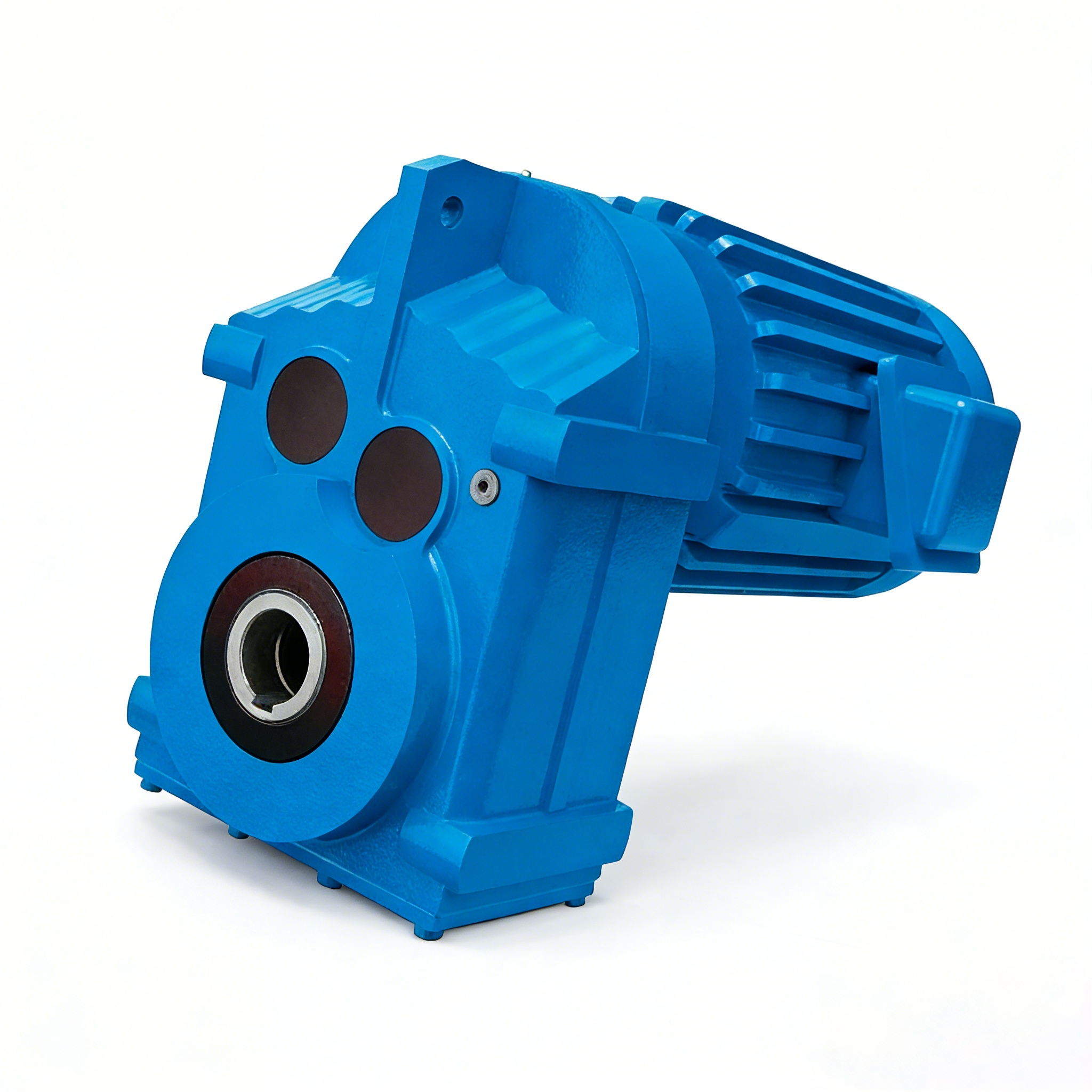
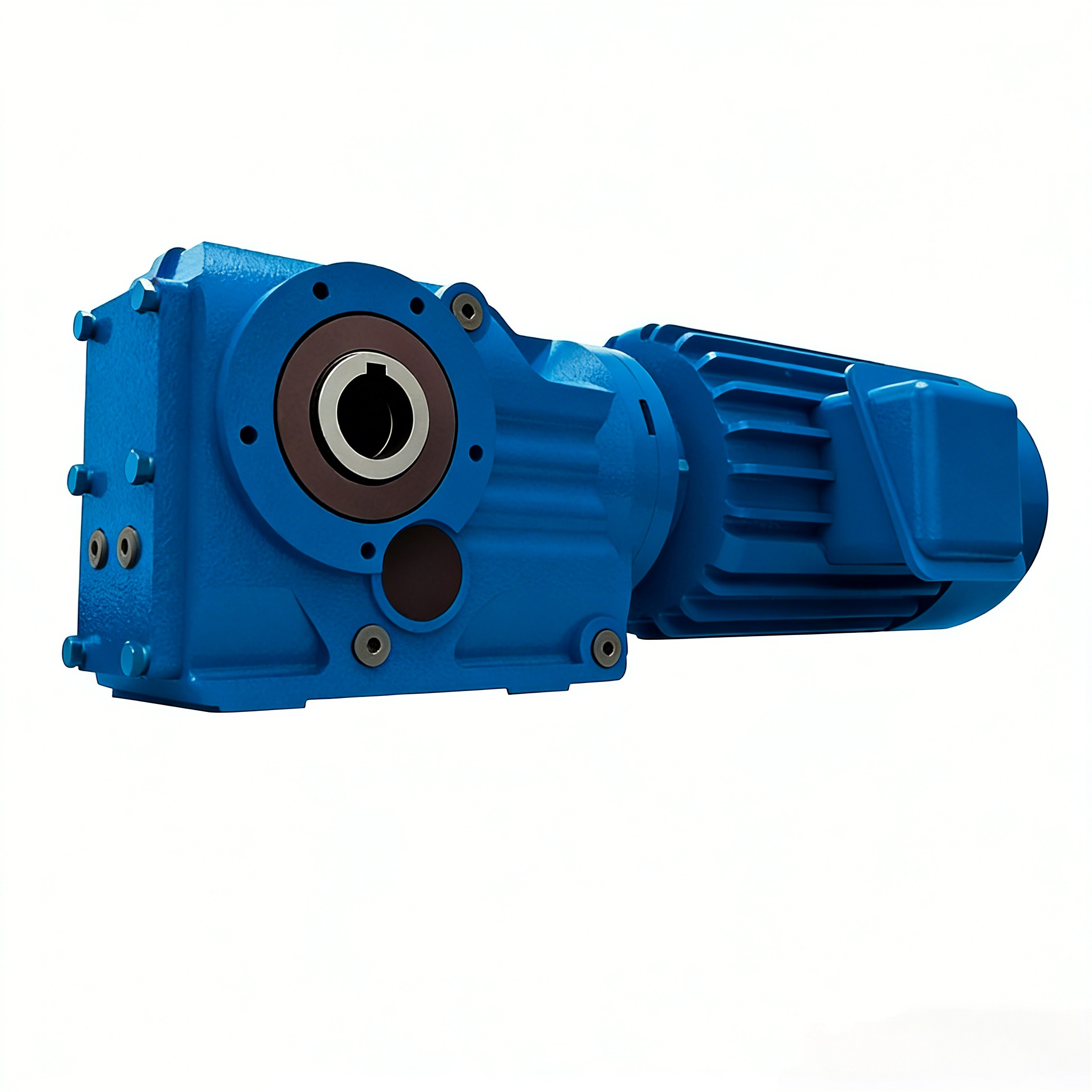
gear motor reducer
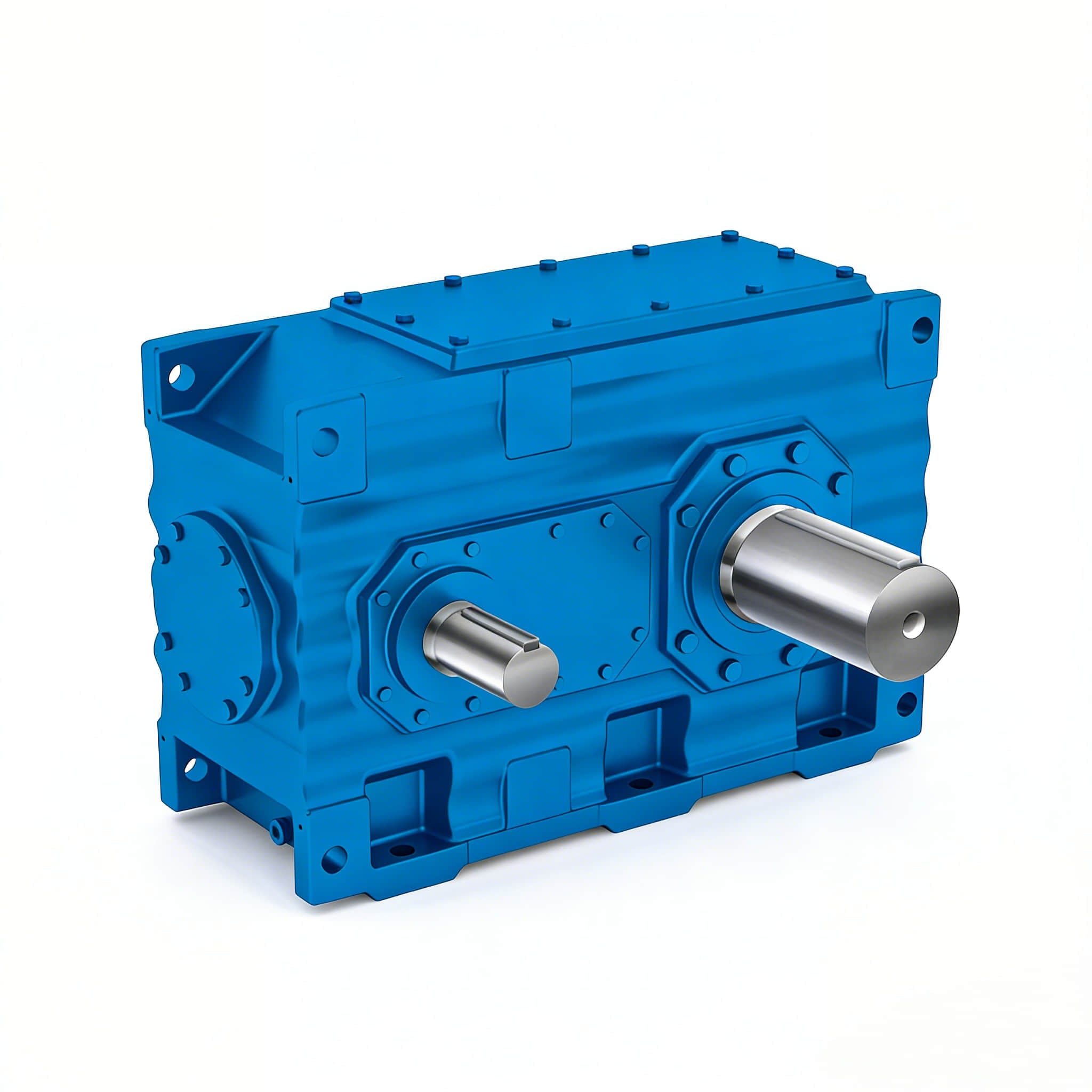
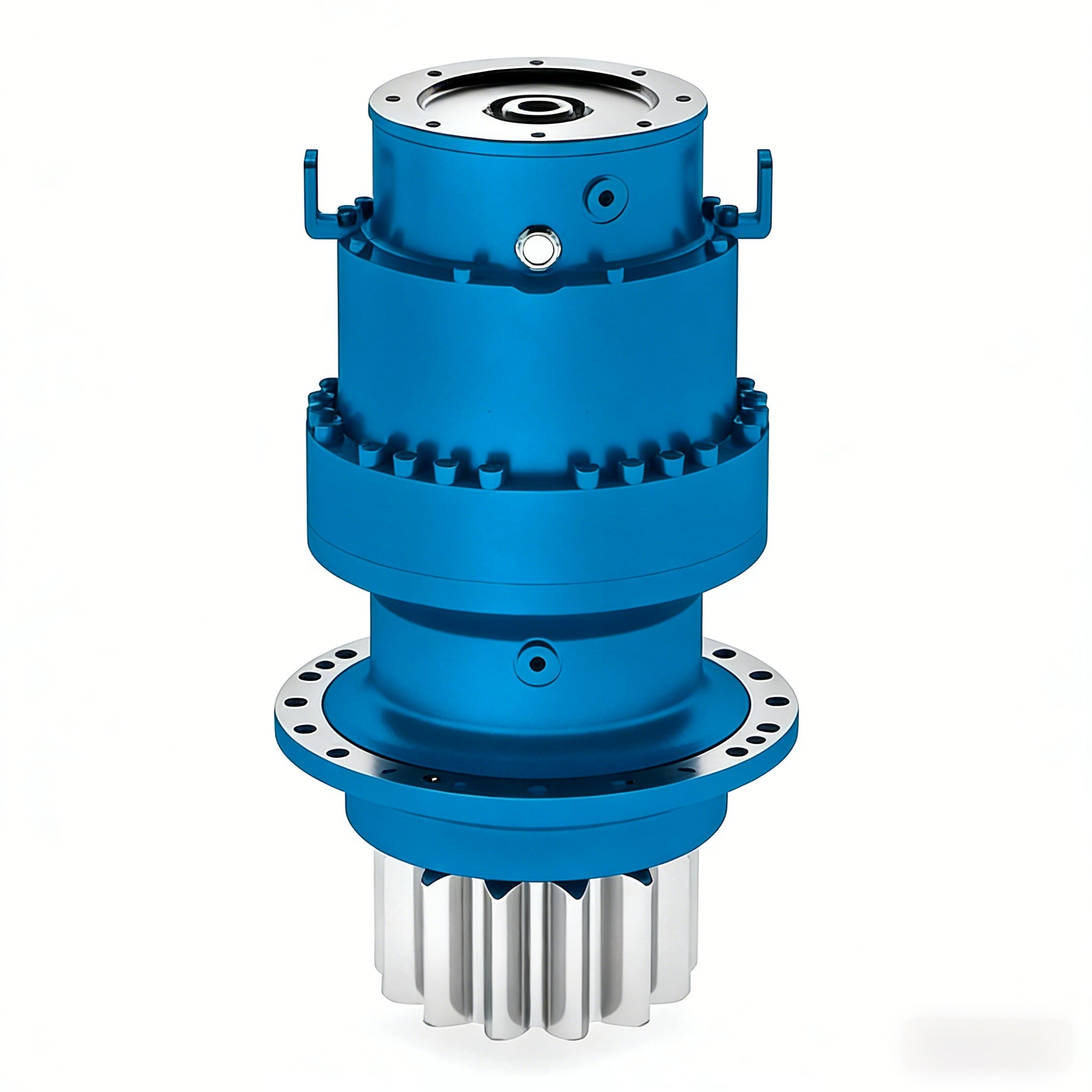
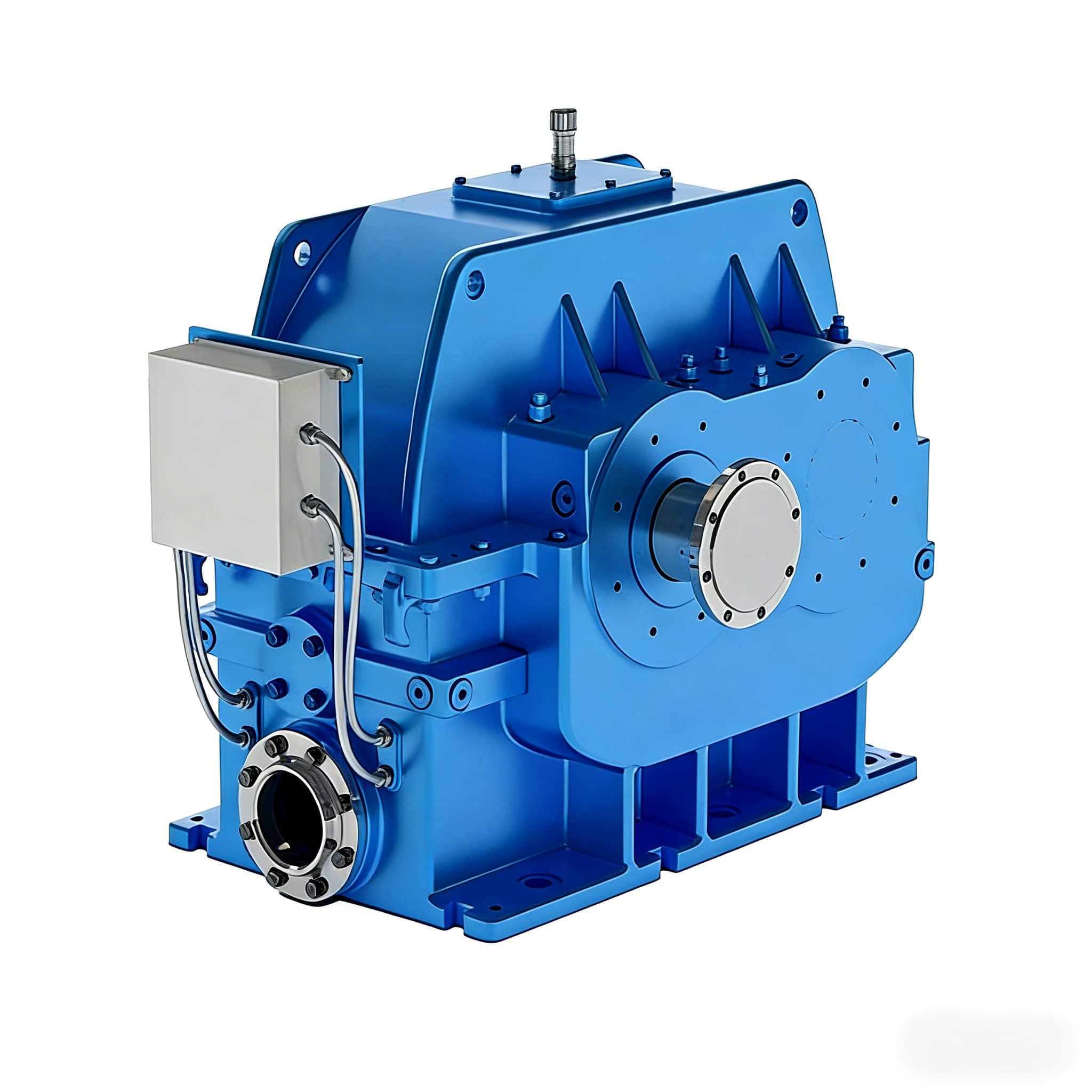
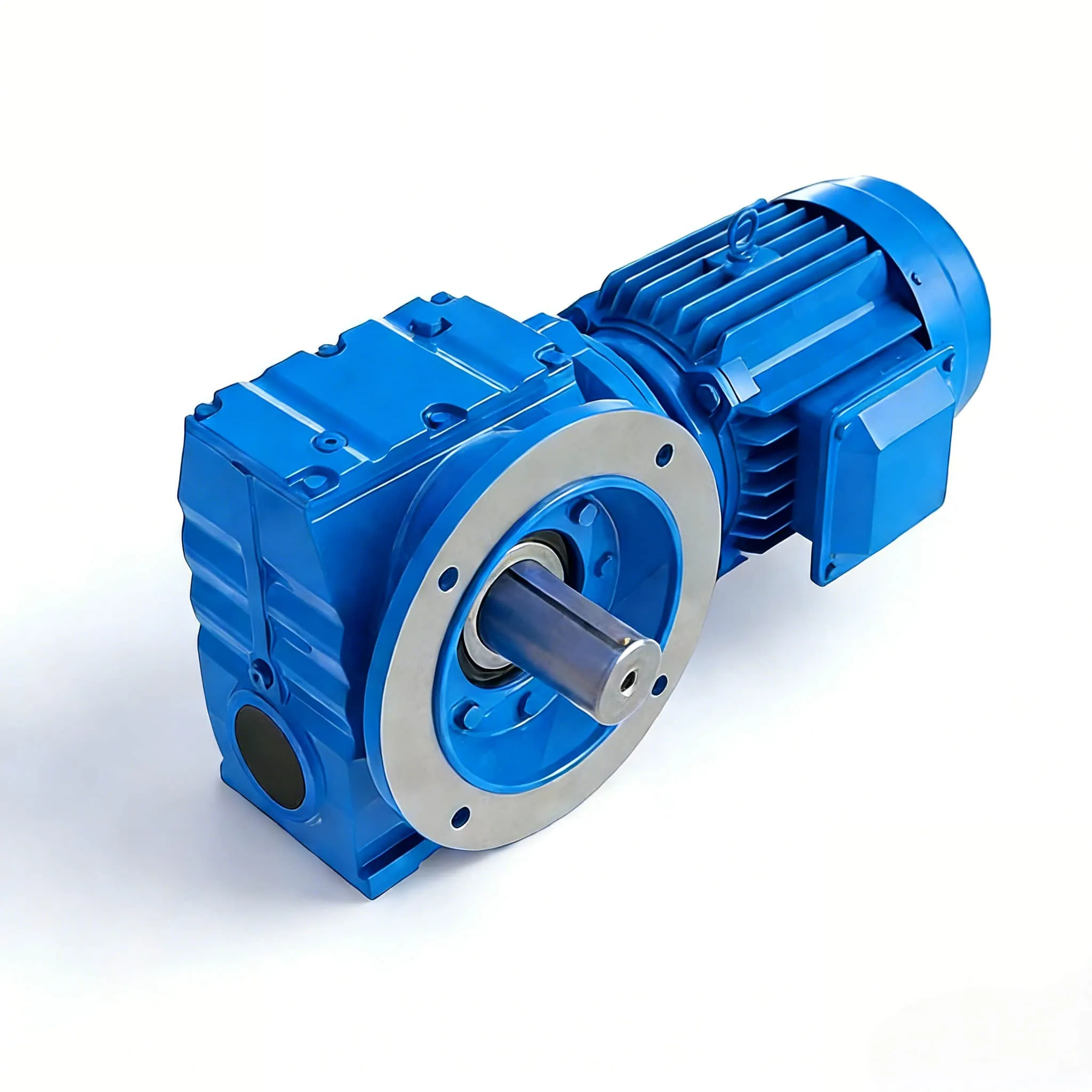
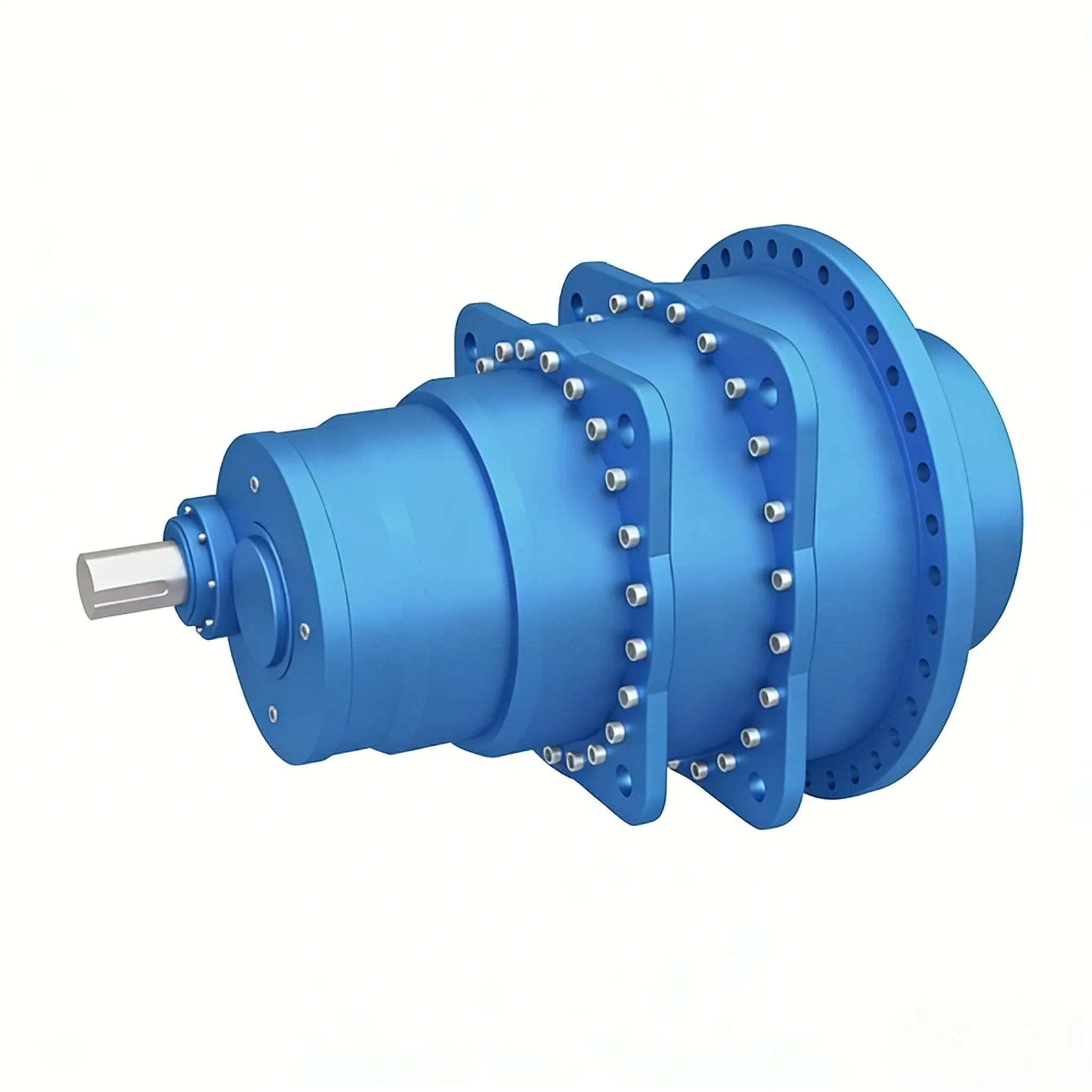
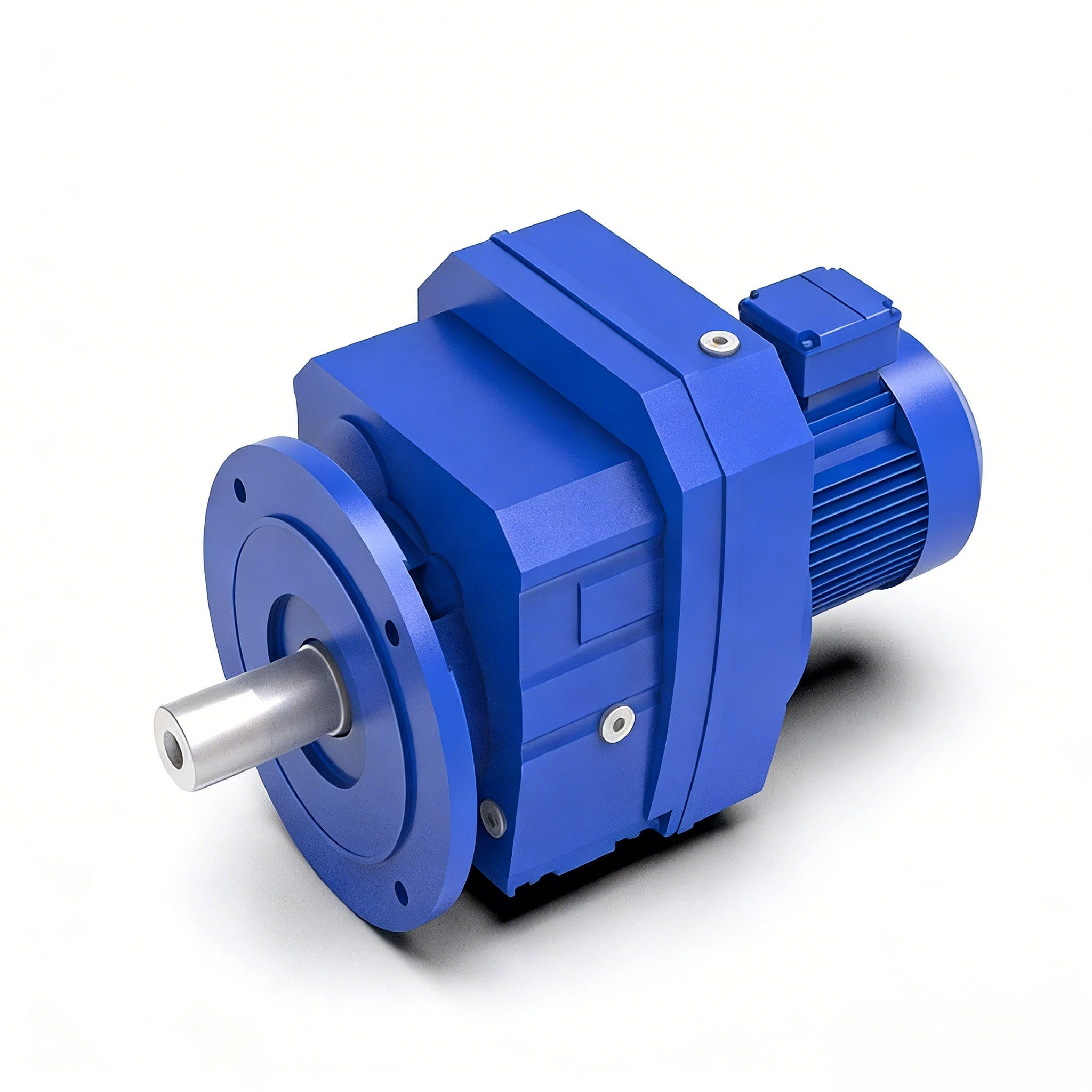
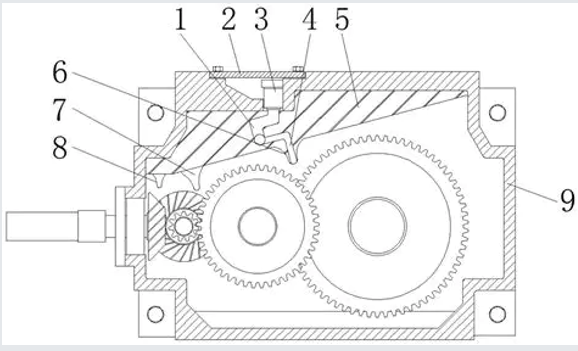
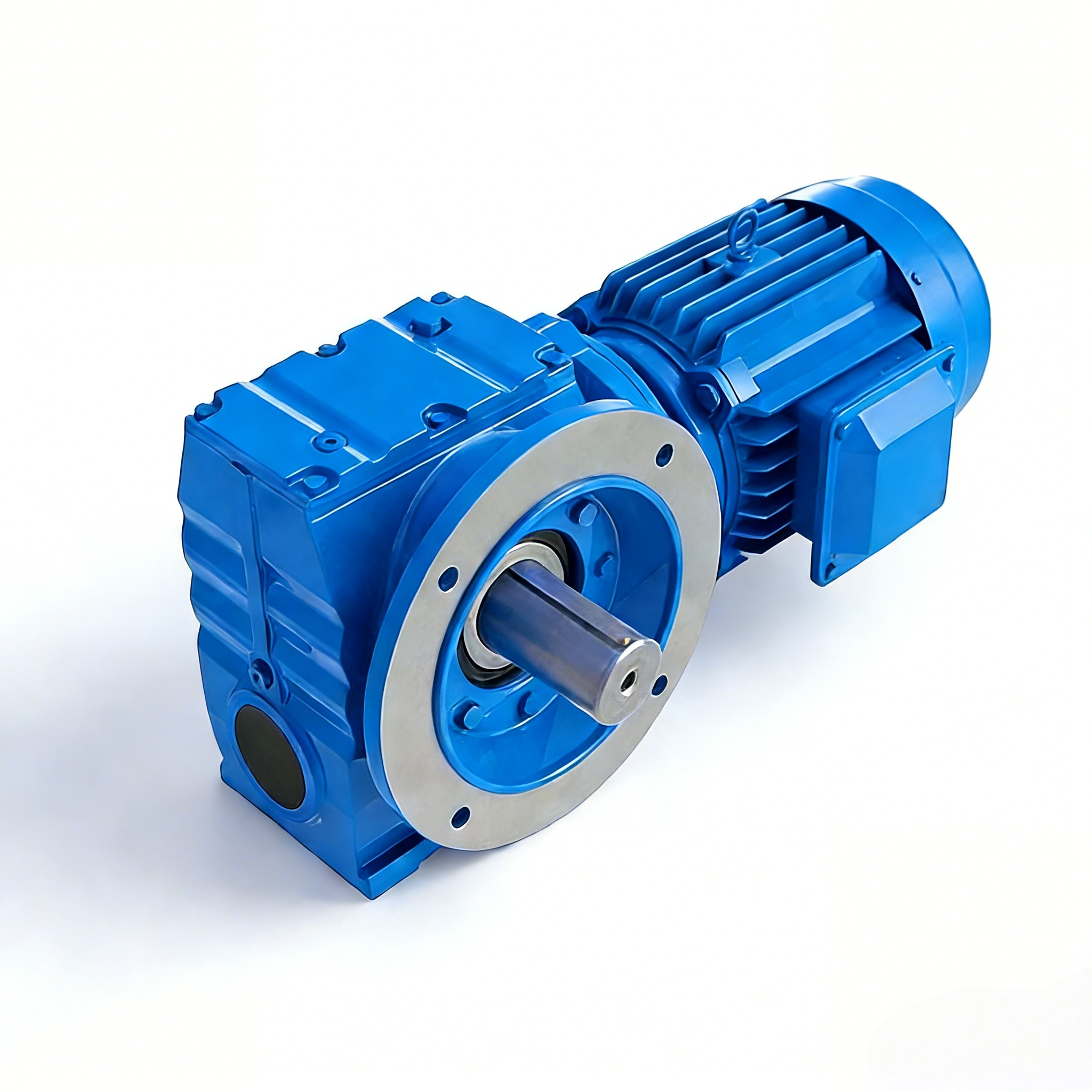
A gear motor reducer represents an essential mechanical component that combines an electric motor with a gear reduction system in a single integrated unit. This sophisticated device serves as the backbone of countless industrial applications, delivering precise speed reduction while amplifying torque output. The gear motor reducer functions by utilizing a series of interconnected gears that systematically decrease rotational speed from the input motor to the output shaft, simultaneously increasing the available torque. The primary function of a gear motor reducer centers on converting high-speed, low-torque motor output into low-speed, high-torque mechanical power. This transformation occurs through carefully engineered gear trains that maintain consistent power transfer while providing exact speed ratios. Modern gear motor reducers incorporate advanced materials and precision manufacturing techniques to ensure reliable operation under demanding conditions. The technological features of contemporary gear motor reducers include hardened steel gears, precision-machined housings, and integrated lubrication systems. These components work together to minimize friction, reduce noise levels, and extend operational lifespan. Many models feature sealed construction that protects internal components from environmental contaminants while maintaining optimal performance. Temperature management systems and vibration dampening technologies further enhance reliability and operational smoothness. Applications for gear motor reducers span numerous industries including manufacturing, material handling, food processing, and renewable energy systems. They power conveyor belts, mixing equipment, pumps, fans, and automated machinery. The versatility of gear motor reducers makes them indispensable in robotics, packaging systems, and process control applications where precise speed and torque control are paramount for operational success.

 EN
EN