Inherent Self-Locking Safety Feature
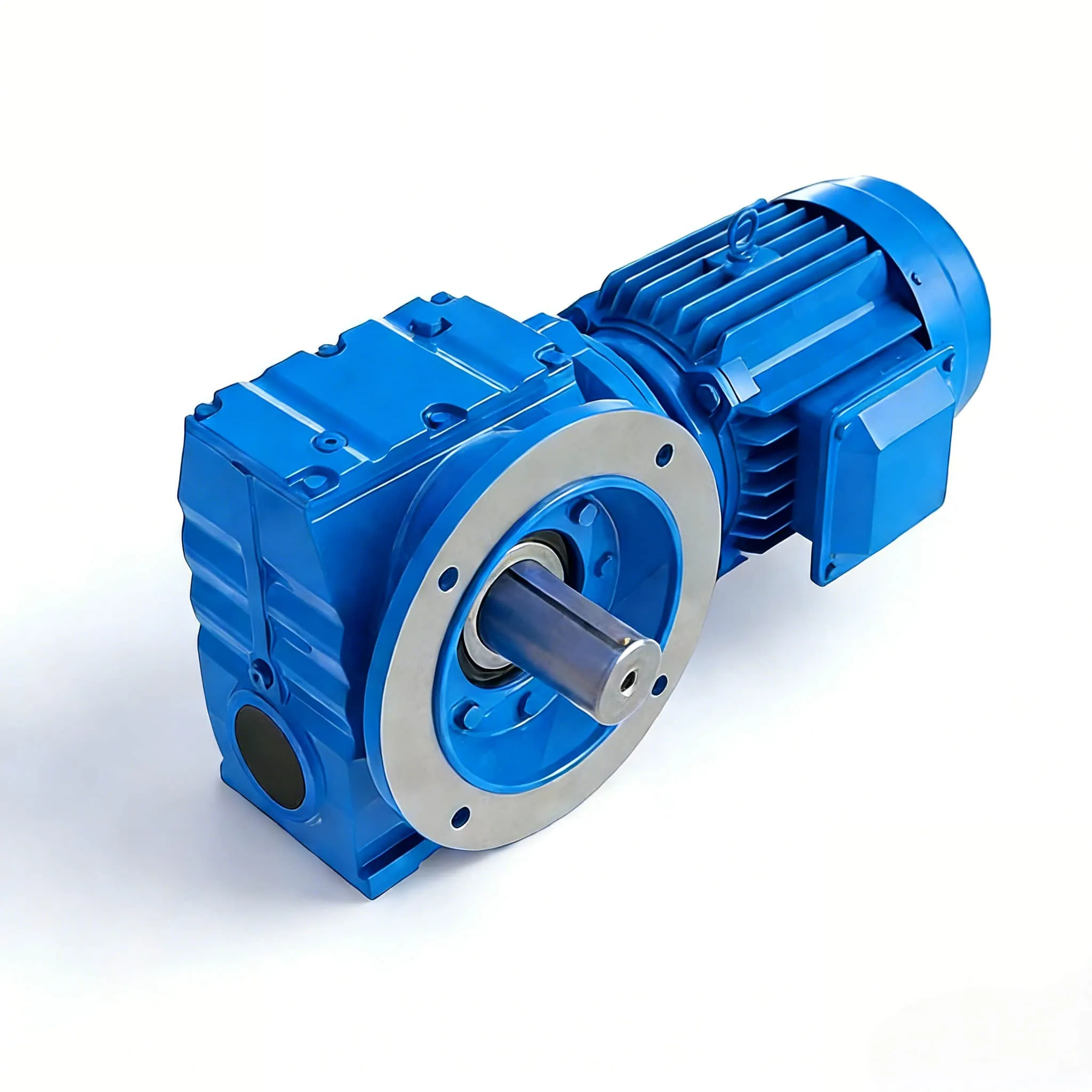
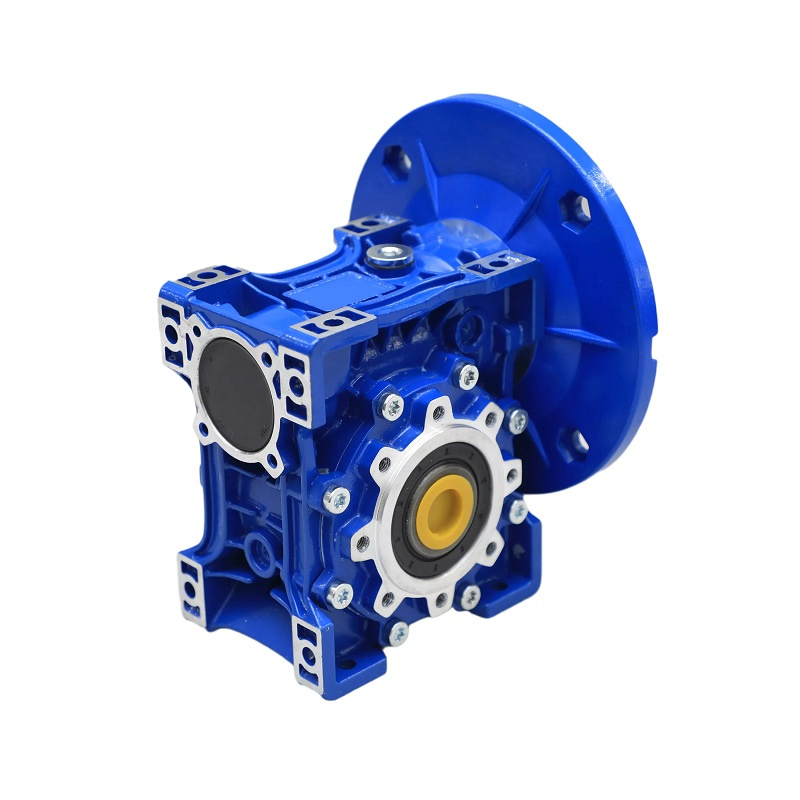
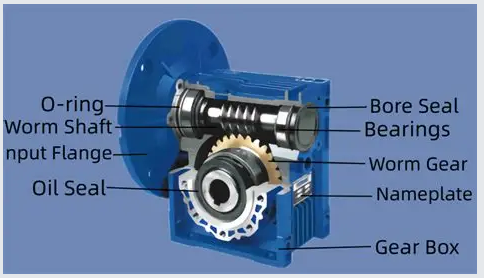
The worm speed reducer incorporates an invaluable self-locking mechanism that automatically prevents reverse rotation when input power is removed, providing an essential safety feature that protects personnel, equipment, and processes without requiring additional components or systems. This self-locking capability results from the specific angle relationships between the worm thread and wheel teeth, creating a mechanical interference that prevents the output shaft from driving the input shaft backward. When the lead angle of the worm is less than the friction angle between the mating surfaces, the system becomes inherently self-locking, ensuring that loads cannot cause reverse motion even when power is interrupted. This critical safety feature proves indispensable in vertical lifting applications, inclined conveyor systems, and positioning mechanisms where unexpected movement could result in property damage, production disruptions, or safety hazards. The self-locking action engages instantaneously upon power removal, providing immediate protection without the delays associated with electromagnetic brakes or mechanical locking systems. Unlike external braking mechanisms that may fail due to electrical faults, worn components, or maintenance issues, the self-locking feature operates purely through mechanical principles, ensuring reliable protection under all conditions. This inherent safety capability eliminates the need for costly additional braking systems, reducing both initial investment and ongoing maintenance expenses while simplifying system design and reducing potential failure points. Emergency stop situations benefit tremendously from the immediate locking action, as the system maintains position regardless of load magnitude or environmental conditions. The self-locking feature also prevents wind-up or spring-back effects that could occur in systems with external brakes, ensuring precise positioning maintenance over extended periods. Quality control processes requiring stable positioning during measurement or inspection procedures rely on this capability to maintain accuracy without continuous power consumption. The mechanical nature of the self-locking action means it operates effectively across all temperature ranges and environmental conditions, providing consistent protection in outdoor installations, extreme temperatures, and contaminated environments where other locking mechanisms might fail or perform inconsistently.

 EN
EN