Core Pain Points of Extruder Equipment
Professional Solutions
1. Vulnerability of Core Components
Solution: Upgraded Core Components + Structural Optimization to extend service life at the source and reduce downtime.
① Screws and Barrels: Utilize bimetallic composite materials combined with wear-resistant coating processes to resist abrasion and high temperatures, extending service life by 2-3 times compared to traditional products.
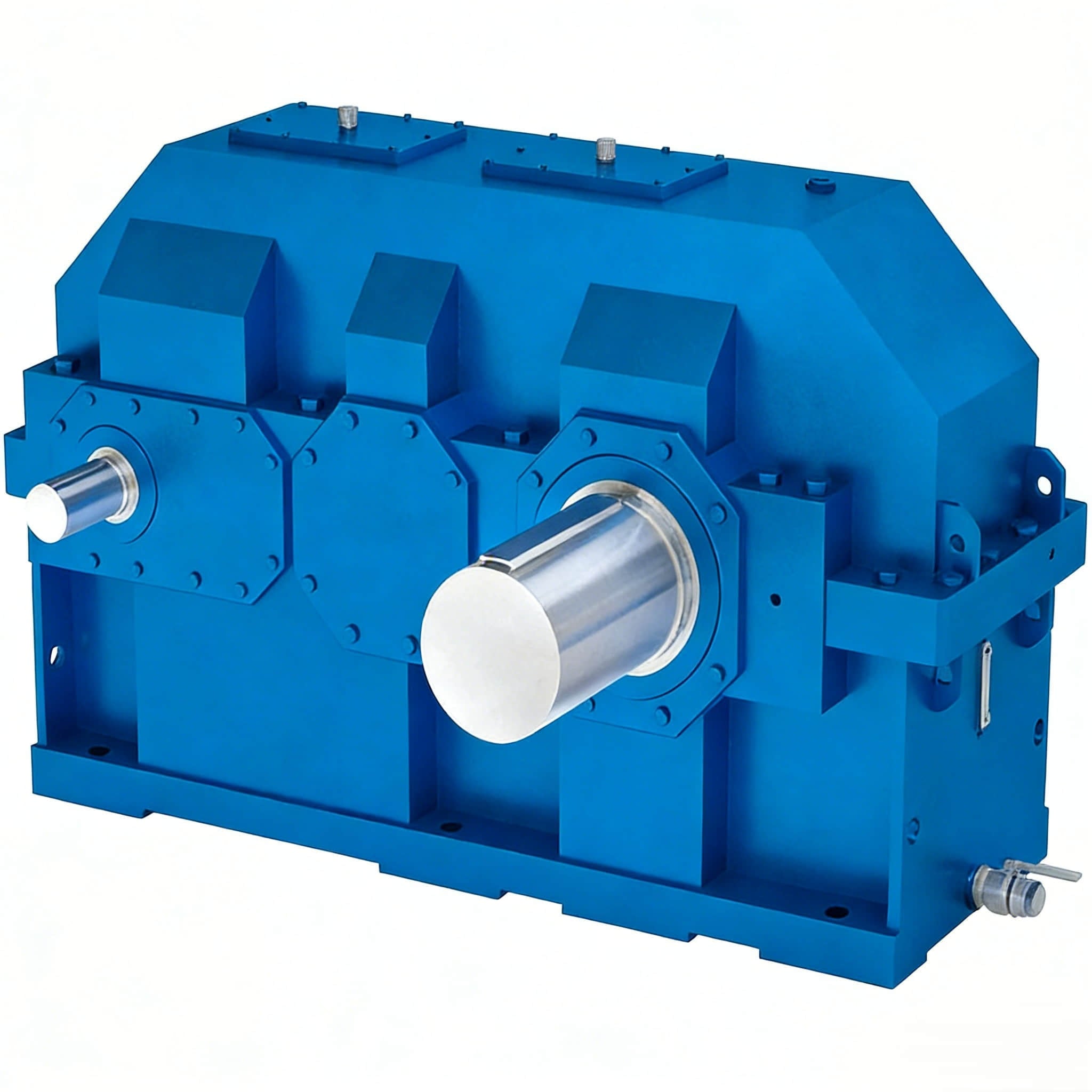
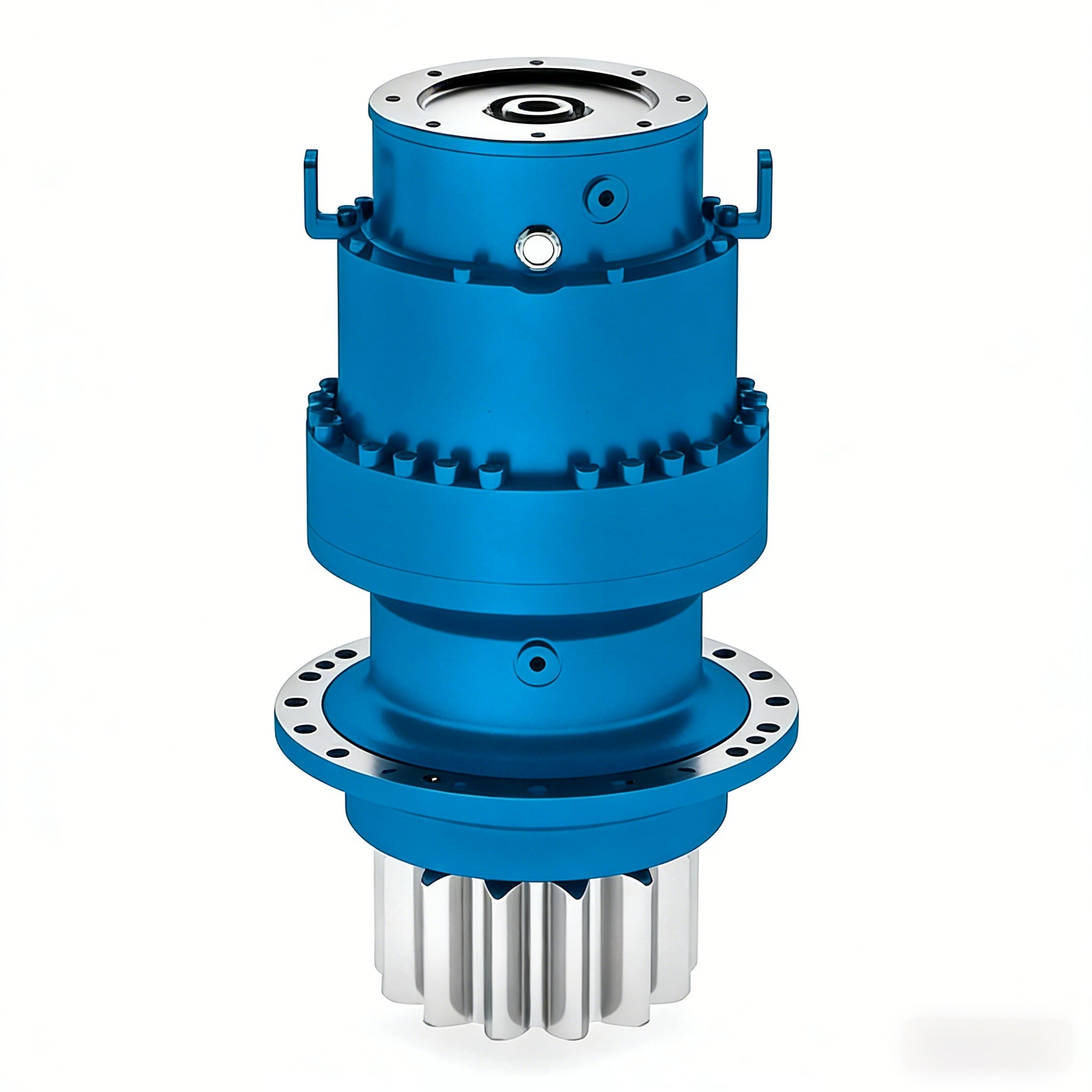
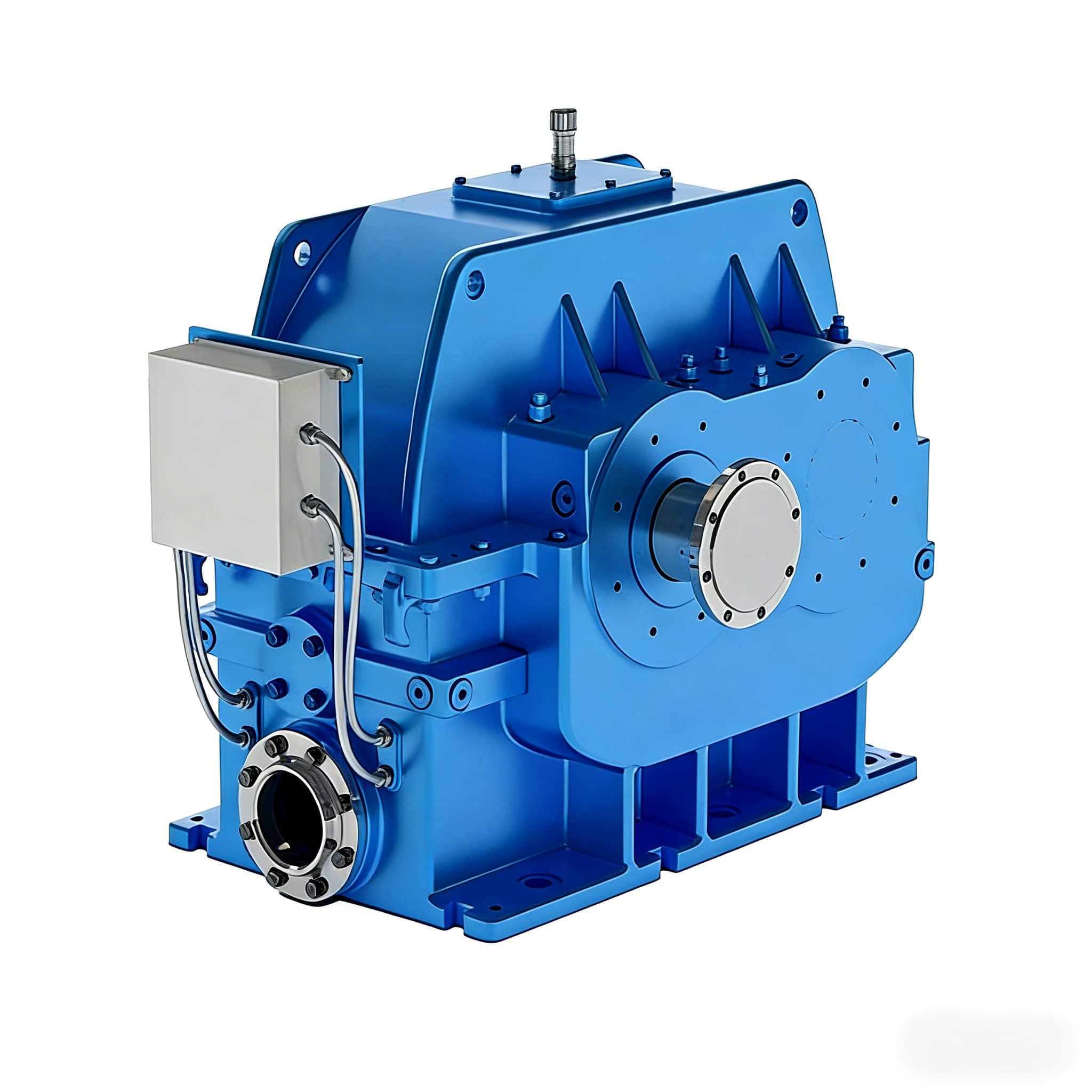
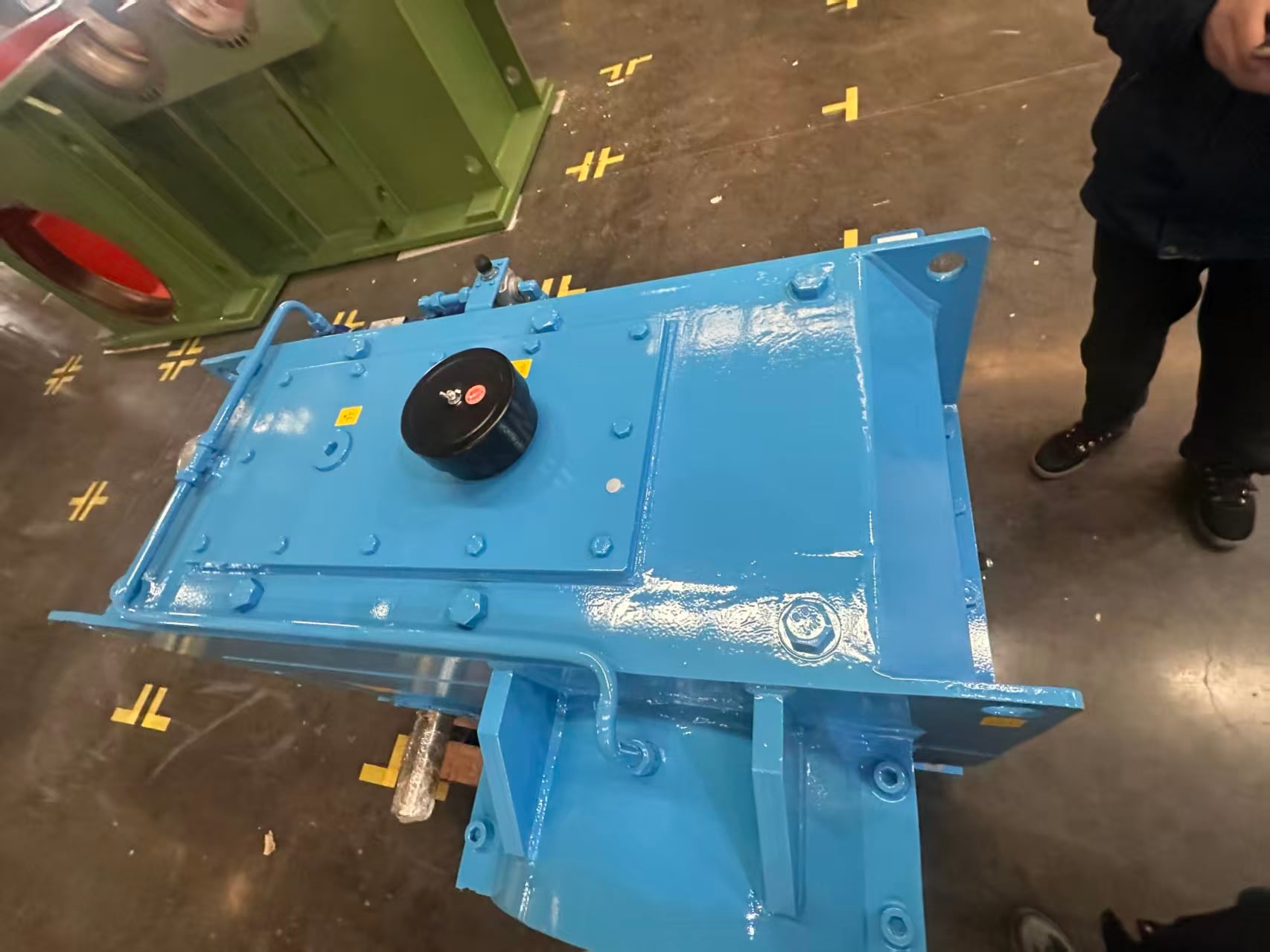
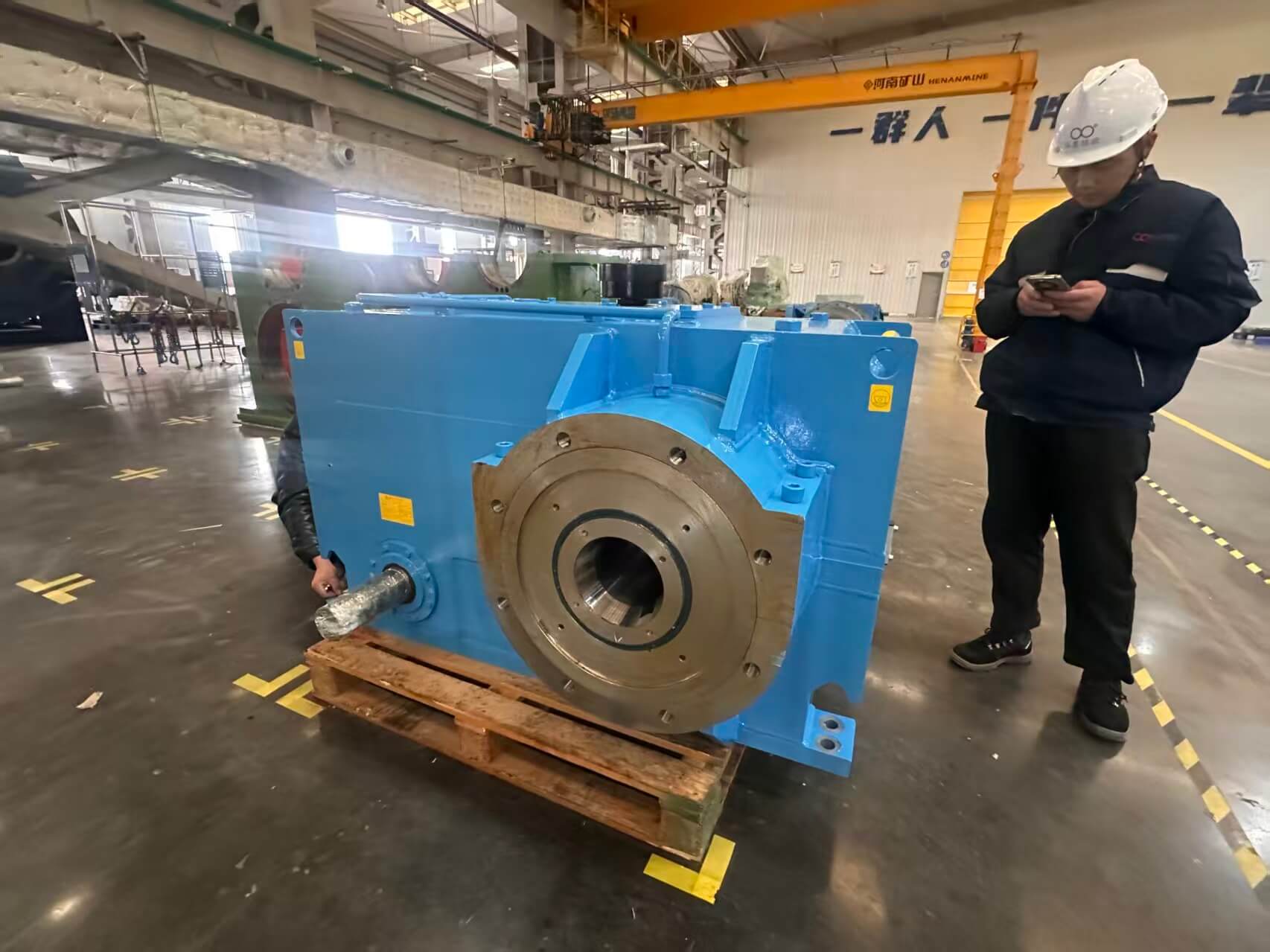
② Gearbox: Integrate with high-precision, hardened gearboxes featuring deep carburizing and quenching processes to enhance impact and heavy-load resistance, reducing gear pitting and tooth breakage failures.
③ Assembly: Optimize component assembly precision to minimize operational wear, reduce replacement frequency, and significantly decrease downtime losses.
2. Poor Temperature Control Accuracy & High Energy Consumption
Solution: Intelligent Temperature Control + Energy-Saving Retrofit to balance product quality and energy consumption.
① Temperature Control: Implement a high-precision PID temperature control system with real-time temperature sensors, maintaining control accuracy within ±0.5°C to eliminate plasticizing inconsistencies and product defects caused by temperature fluctuations.
② Drive & Heating Systems: Upgrade the drive system to permanent magnet synchronous energy-saving motors with variable frequency drives for on-demand power. Replace heating systems with electromagnetic induction heating, boosting thermal efficiency to over 90%. This achieves an overall energy consumption reduction of 20%-30%, complies with national energy-saving standards, and lowers electricity costs.
3. Seal and Lubrication Failure
Solution: Upgraded Seal Structure + Long-Life Lubrication to eliminate leaks and reduce maintenance costs.
① Sealing: Adopt a composite "lip seal + labyrinth seal" structure at shaft ends and equip barrel joint surfaces with high-temperature and wear-resistant seals to completely resolve material and oil leakage, preventing environmental pollution.
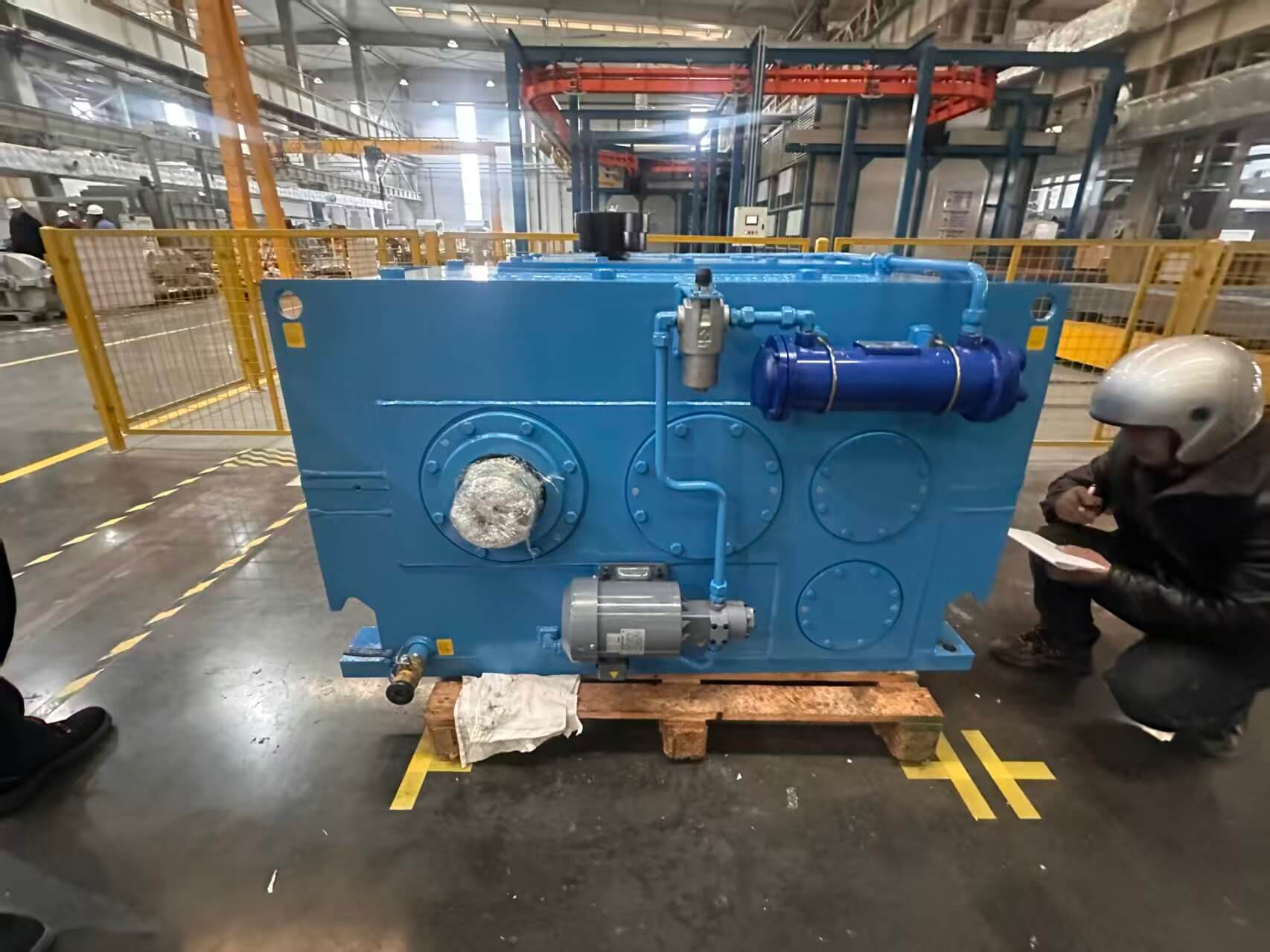
② Lubrication: Equip with an automatic centralized lubrication system for precise, timed, and quantified oil supply. This prevents insufficient or excessive lubrication, extends bearing and gear life, reduces maintenance frequency and costs, and eliminates safety hazards.
4. Low Efficiency in Color/Material Changes
Solution: Flow Channel Optimization + Efficient Cleaning to boost efficiency and minimize waste.
① Flow Design: Optimize the screw geometry and internal barrel flow channels to eliminate material stagnation dead spots, shortening cleaning time by design.
② Cleaning Process: Provide a dedicated cleaning solution paired with a rapid-cleaning structure. This reduces color/material changeover time by over 50% and cuts raw material waste by up to 80%, significantly enhancing equipment utilization and production efficiency.
5. Stability Issues & Difficult Maintenance
Solution: Stability Optimization + Standardized Services to reduce operational and maintenance complexity.
① Stability: Adopt a high-rigidity housing design and optimize component dynamic balancing to reduce operational vibration and noise, enhancing equipment stability.
② Material Adaptability: Optimize the feed structure and screw parameters to mitigate the risk of clogging caused by material variations, ensuring adaptability to a wide range of materials.
③ Maintainability: Utilize modular and standardized designs for core components to improve the interchangeability of spare parts, reducing inventory costs and simplifying maintenance.

 EN
EN