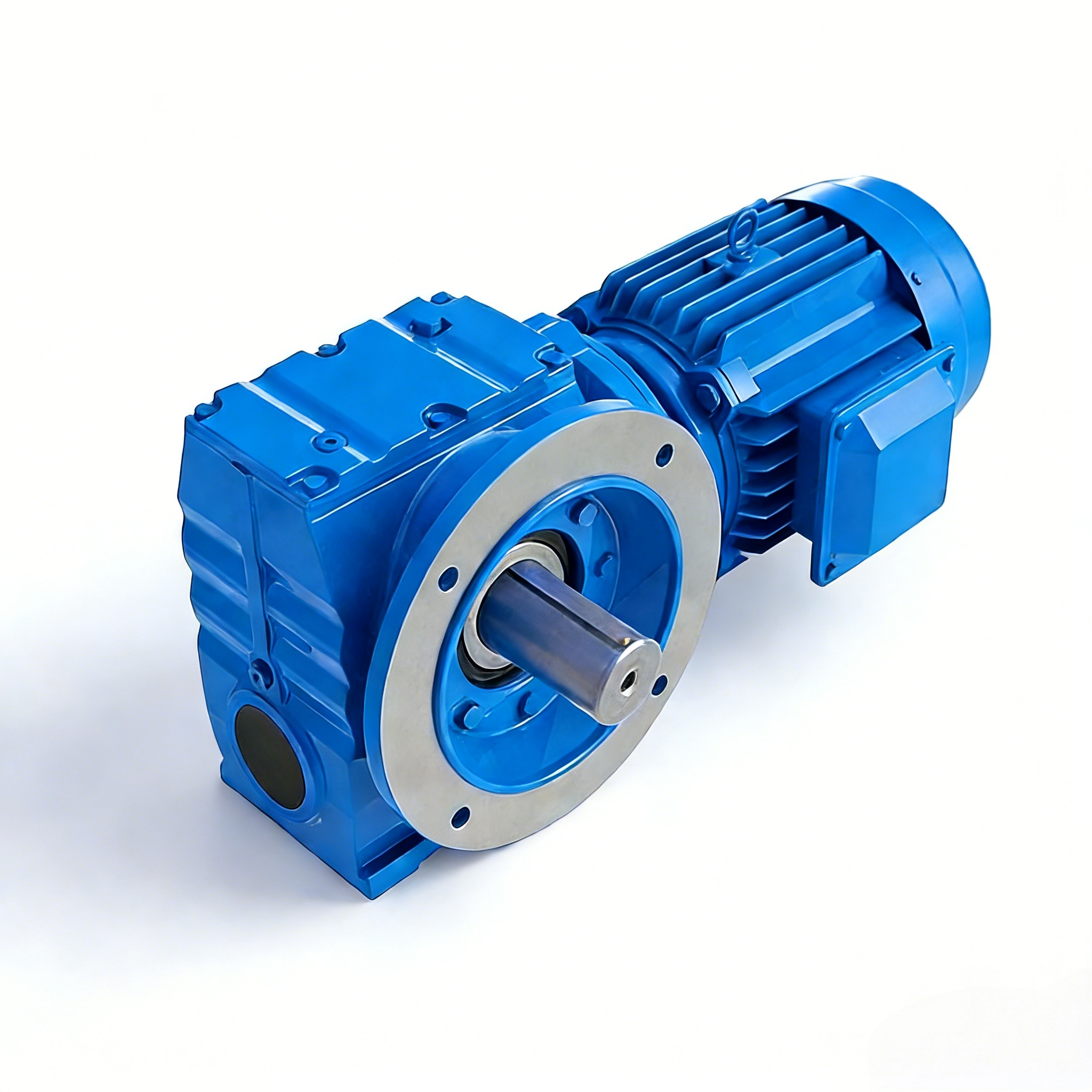
Worm Gear Transmission Systems: Compact, High-Torque Power Solutions

Get a Free Quote

Our representative will contact you soon.
Email
Name
Company Name
Message
0/1000

worm gear transmission

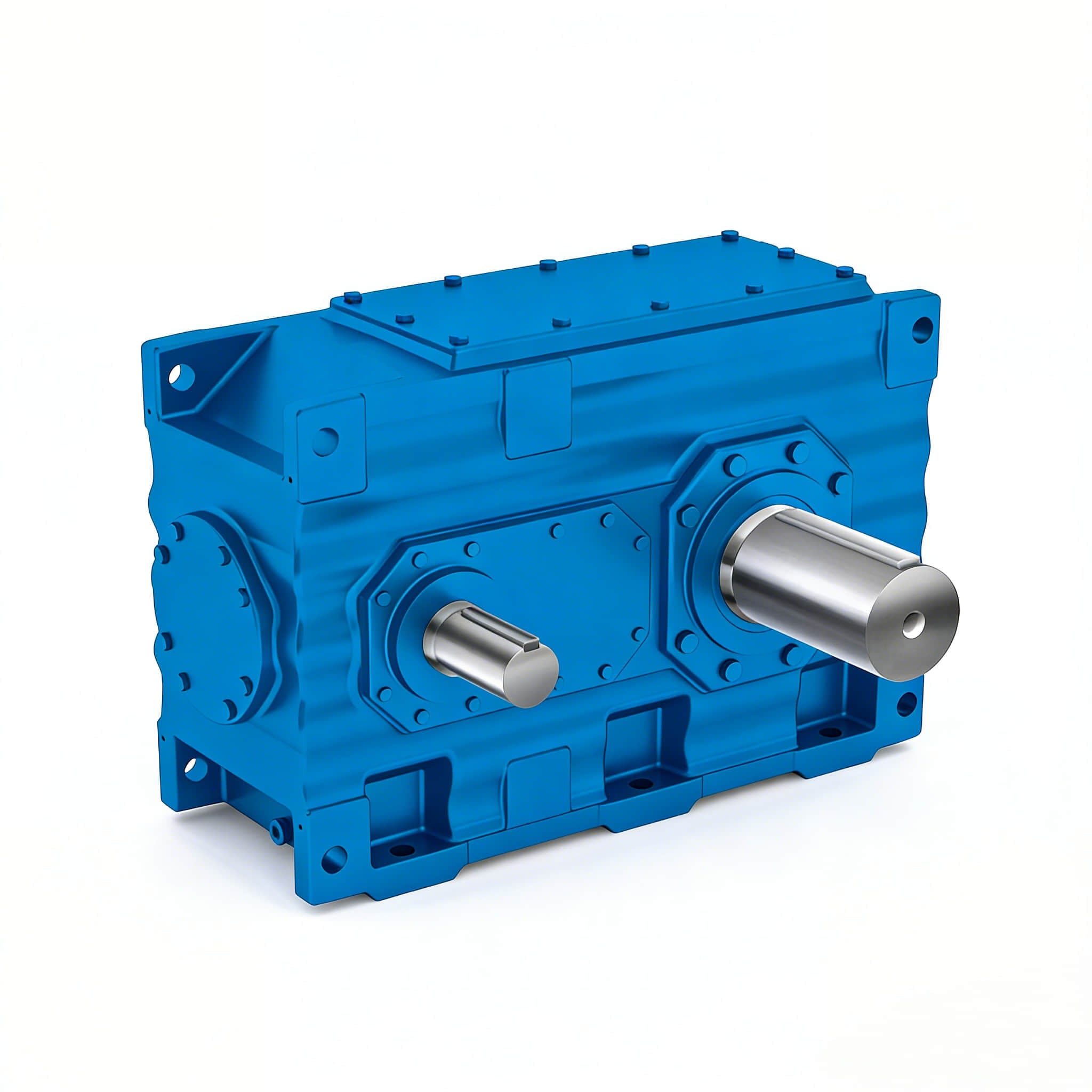
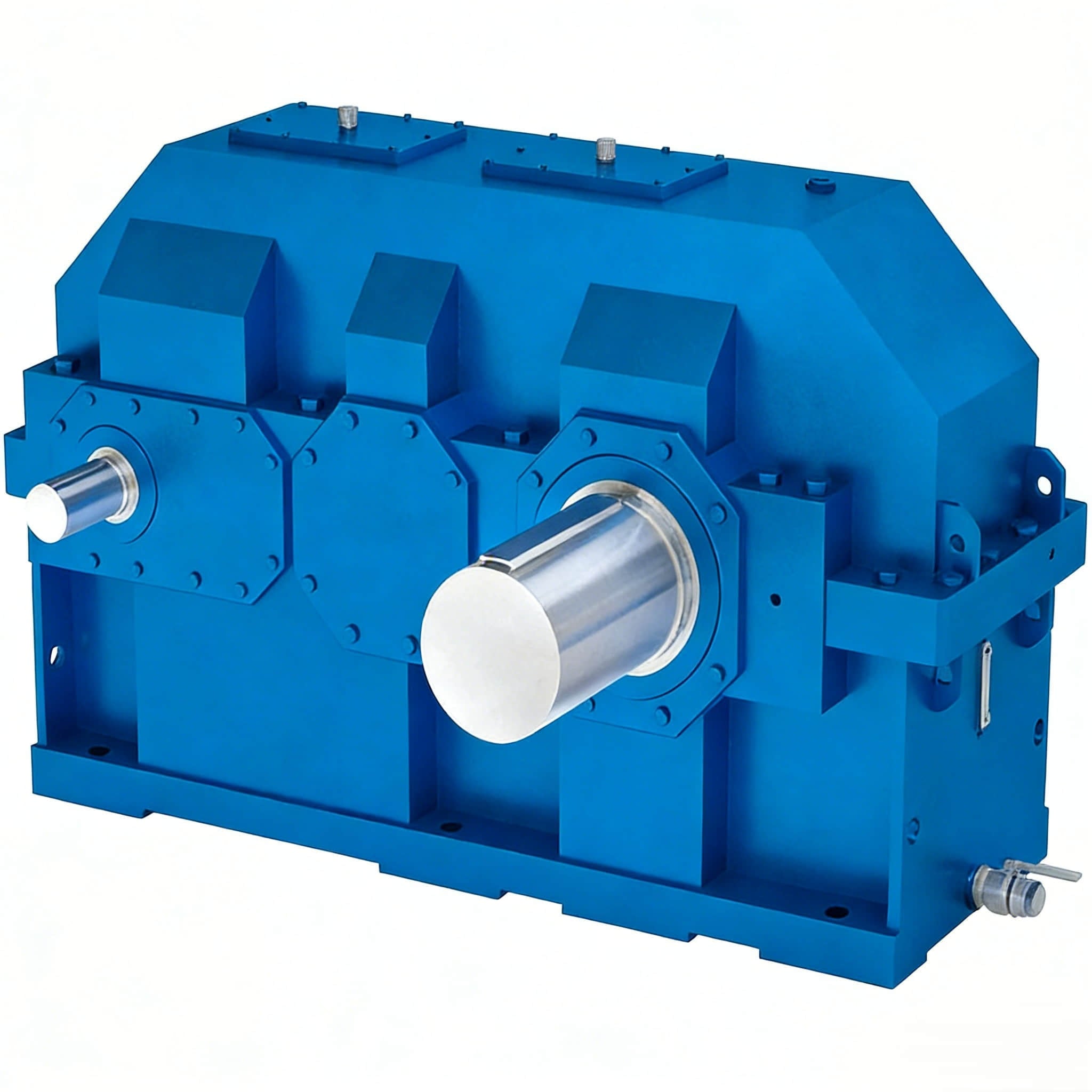
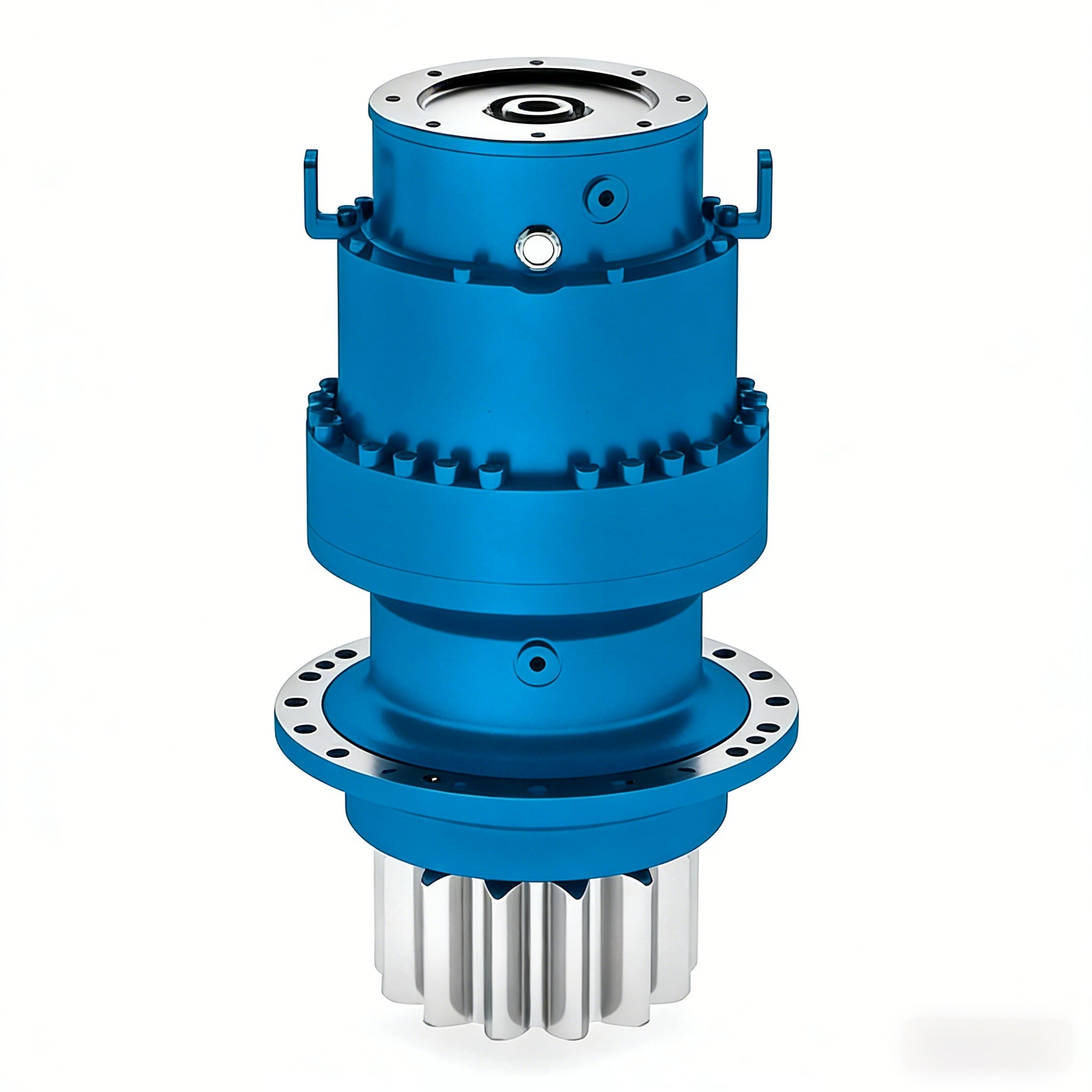
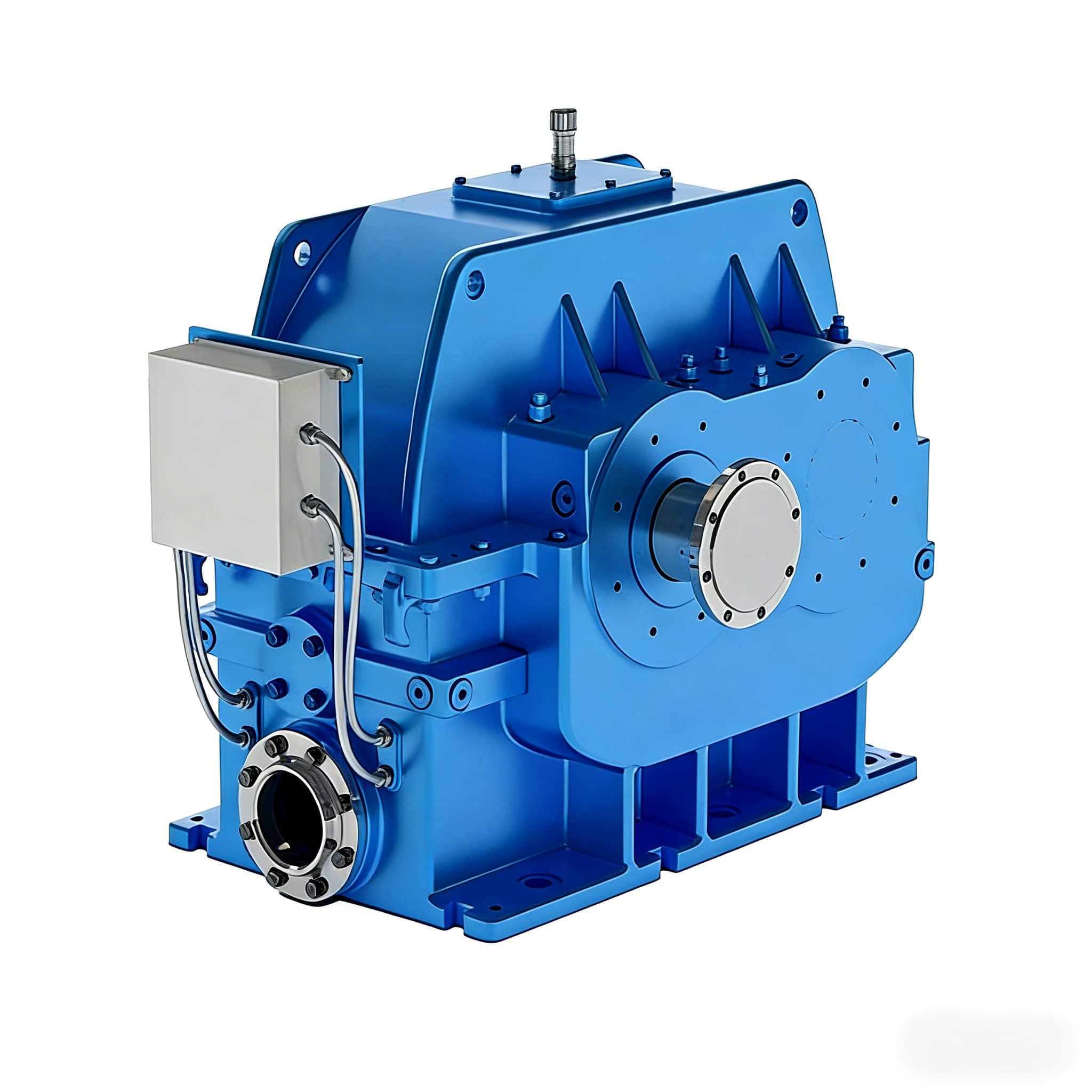
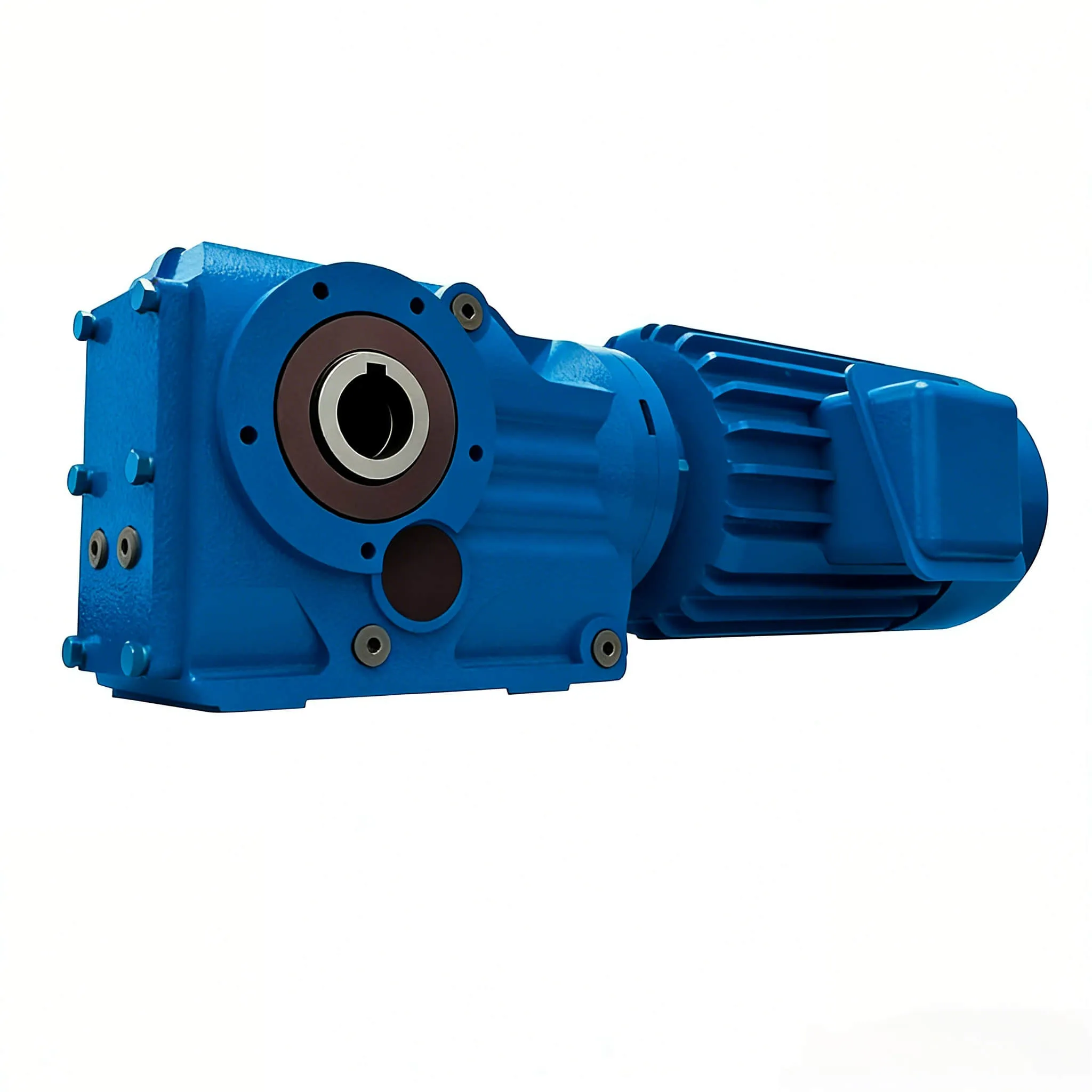
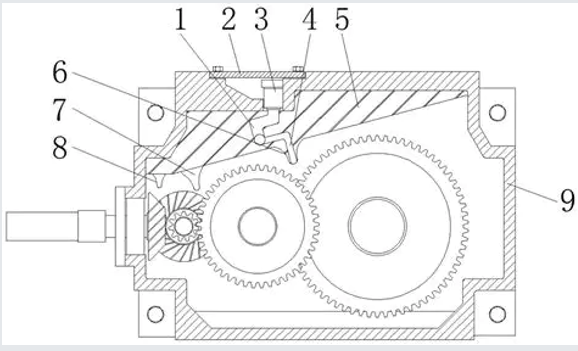
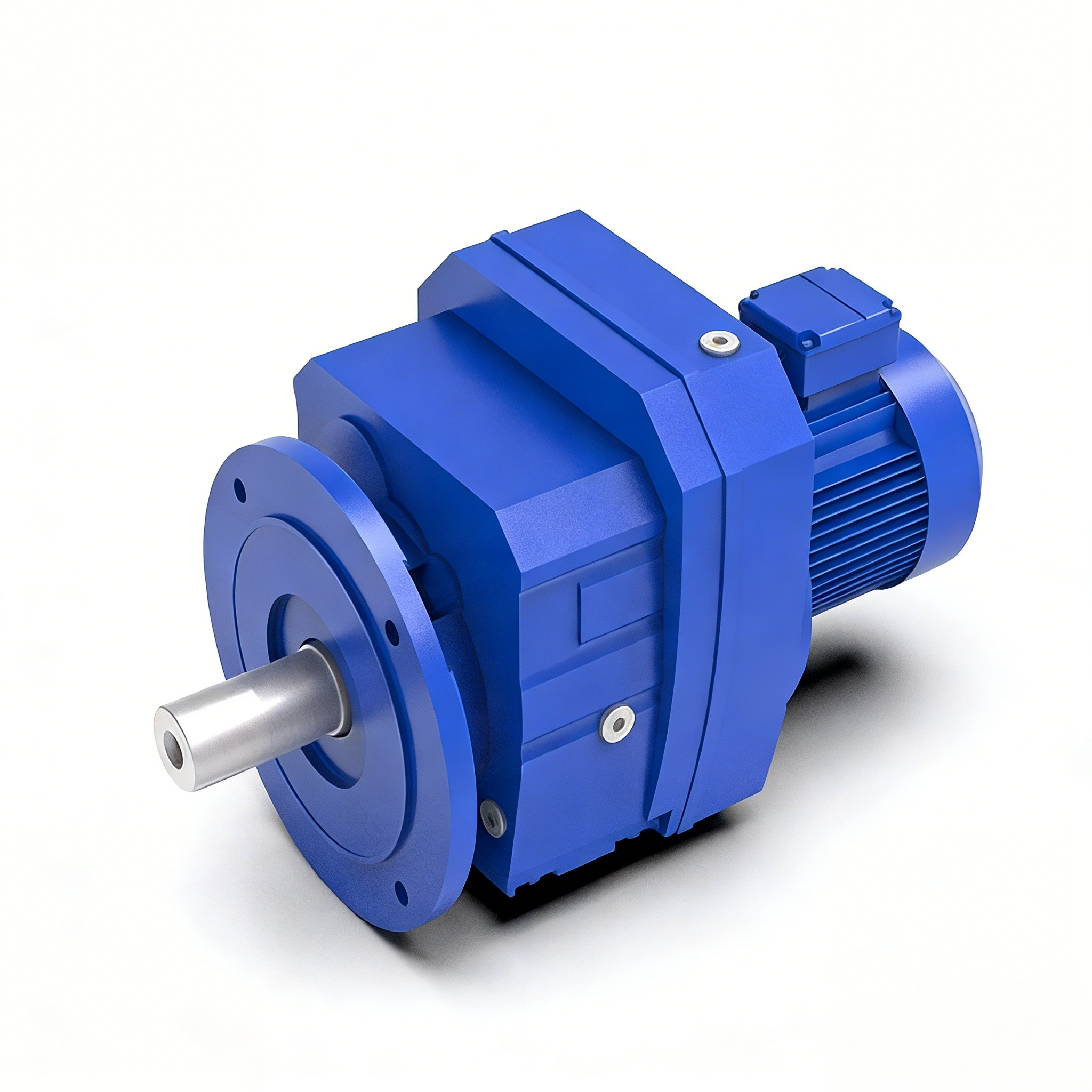
A worm gear transmission represents a specialized mechanical power transmission system that consists of a worm screw meshing with a worm wheel to transfer rotational motion between perpendicular shafts. This sophisticated engineering solution operates through the threaded worm screw rotating against the teeth of the worm wheel, creating a smooth and controlled power transfer mechanism. The worm gear transmission design incorporates precise helical threading on the worm component that engages with specially cut gear teeth on the worm wheel, enabling efficient torque multiplication and speed reduction in a compact configuration. The main functions of worm gear transmission systems include speed reduction, torque amplification, directional change of rotational motion, and providing mechanical advantage in various industrial applications. These transmissions excel at converting high-speed, low-torque input into low-speed, high-torque output, making them invaluable for applications requiring substantial mechanical advantage. The technological features of worm gear transmission systems encompass their inherent self-locking properties, which prevent reverse rotation and provide excellent holding capability when the system is not actively driven. The gear ratio in worm gear transmission units can range from 5:1 to over 300:1, offering exceptional flexibility in meeting specific application requirements. Applications for worm gear transmission technology span numerous industries, including material handling equipment, conveyor systems, elevator mechanisms, automotive steering systems, machine tools, packaging machinery, and industrial automation equipment. Manufacturing sectors rely heavily on worm gear transmission solutions for their reliability and precision control capabilities. The compact design of worm gear transmission units makes them particularly suitable for space-constrained installations where traditional gear systems would be impractical. These transmissions provide smooth, quiet operation with minimal vibration, making them ideal for applications where noise reduction is important. The worm gear transmission mechanism offers excellent positional accuracy and repeatability, crucial for precision manufacturing and automated systems where exact positioning is essential for optimal performance and product quality.

Popular Products

Worm gear transmission systems deliver exceptional benefits that make them the preferred choice for countless industrial applications worldwide. These mechanical powerhouses provide remarkable torque multiplication capabilities, allowing operators to achieve significant mechanical advantage with relatively small input forces. The worm gear transmission design naturally reduces rotational speed while simultaneously increasing torque output, eliminating the need for additional reduction stages in many applications. This inherent characteristic saves space, reduces complexity, and minimizes maintenance requirements compared to multi-stage gear systems. The self-locking feature of worm gear transmission units represents one of their most valuable advantages, as the system automatically prevents reverse rotation when input power is removed. This eliminates the need for separate braking systems in many applications, reducing overall system costs and complexity while enhancing safety. Operators benefit from the smooth, quiet operation that worm gear transmission technology provides, creating more pleasant working environments and reducing noise pollution in industrial settings. The compact footprint of worm gear transmission assemblies makes them ideal for space-limited installations where traditional parallel-shaft gear systems would be impractical or impossible to implement. These units can handle substantial loads while occupying minimal space, maximizing efficiency in equipment design and factory floor layouts. Worm gear transmission systems offer exceptional durability and longevity when properly maintained, providing years of reliable service with minimal downtime. The gradual engagement between worm and wheel teeth reduces shock loads and impact stresses, extending component life and reducing replacement costs. The flexibility of worm gear transmission ratios allows engineers to select the optimal speed reduction and torque multiplication for specific applications without costly custom manufacturing. Standard worm gear transmission units are readily available in numerous ratio configurations, simplifying design processes and reducing lead times. The precise control capabilities of worm gear transmission systems make them invaluable for applications requiring accurate positioning and smooth speed regulation. These transmissions provide excellent load distribution across multiple teeth, ensuring consistent performance even under varying load conditions. Maintenance requirements for worm gear transmission units remain relatively low, typically involving periodic lubrication and routine inspections rather than frequent component replacements. This translates to reduced operating costs and improved equipment uptime for businesses relying on these transmission systems.

Tips And Tricks

A Warm Invitation to Visit Our Manufacturing Base

15

Jan

A Warm Invitation to Visit Our Manufacturing Base

View More
Precision Quality Control: Safeguarding High-Precision Heavy-Duty Gear Transmission Release Date: August 20 , 2025

15

Jan

Precision Quality Control: Safeguarding High-Precision Heavy-Duty Gear Transmission Release Date: August 20 , 2025

View More
R&D Innovation Upgrade: Focus on Heavy-Duty Conditions, Empower Transmission Tech Breakthroughs

15

Jan

R&D Innovation Upgrade: Focus on Heavy-Duty Conditions, Empower Transmission Tech Breakthroughs

View More

Get a Free Quote

Our representative will contact you soon.
Email
Name
Company Name
Message
0/1000

worm gear transmission

Superior Self-Locking Capability and Safety Enhancement

Superior Self-Locking Capability and Safety Enhancement

The self-locking characteristic of worm gear transmission systems stands as one of their most distinctive and valuable features, providing unmatched safety and operational benefits across numerous applications. This inherent property occurs due to the unique geometry and friction characteristics between the worm screw and worm wheel, creating a mechanical lock that prevents reverse rotation when the input drive is removed. Unlike conventional gear systems that can freely rotate in either direction, worm gear transmission units automatically maintain their position, eliminating the risk of load drift or unwanted movement. This self-locking behavior proves invaluable in applications such as lifting equipment, where maintaining precise positioning under load is critical for both safety and operational efficiency. The worm gear transmission mechanism achieves this locking action through the steep helix angle of the worm thread combined with the friction coefficient between mating surfaces, creating a wedging effect that resists reverse motion. This natural braking capability eliminates the need for additional safety devices, external brakes, or holding mechanisms in many installations, significantly reducing system complexity and associated costs. Manufacturing facilities benefit tremendously from this feature when using worm gear transmission systems in conveyor applications, where products must remain stationary during loading, unloading, or processing operations without requiring continuous power input. The reliability of this self-locking function provides peace of mind for operators and maintenance personnel, knowing that equipment will maintain its position even during power outages or system shutdowns. Quality worm gear transmission designs ensure this locking capability remains effective throughout the equipment's service life, providing consistent performance without degradation over time. The self-locking feature also contributes to energy efficiency by eliminating the power consumption typically required to maintain position in other transmission types, resulting in lower operating costs and reduced environmental impact for facilities using these systems extensively.
Compact Design with High Torque Multiplication

Compact Design with High Torque Multiplication

The compact design philosophy of worm gear transmission systems delivers exceptional space efficiency while providing substantial torque multiplication capabilities that exceed those of comparable transmission alternatives. This unique combination makes worm gear transmission technology indispensable for applications where space constraints limit equipment options but high torque output remains essential for proper operation. The perpendicular shaft arrangement inherent in worm gear transmission designs allows engineers to create more compact machinery configurations compared to parallel-shaft gear systems, which often require significantly more installation space and complex mounting arrangements. Manufacturing equipment designers particularly value this space-saving characteristic when developing automated systems where multiple transmission units must fit within confined spaces while maintaining accessibility for maintenance and operation. The impressive torque multiplication ratios achievable with worm gear transmission units range from moderate 5:1 reductions to extreme ratios exceeding 300:1, all within relatively small housings that maximize power density. This remarkable capability stems from the fundamental operating principle where each revolution of the worm screw advances the worm wheel by only the number of threads on the worm, creating substantial mechanical advantage in minimal space. Industrial applications benefit significantly from this high torque density when dealing with heavy loads or high-resistance operations that would otherwise require much larger conventional gear systems or multiple reduction stages. The streamlined design of modern worm gear transmission assemblies incorporates advanced engineering techniques that optimize internal space utilization while maintaining robust construction capable of handling demanding operational conditions. Installation flexibility improves dramatically with worm gear transmission systems due to their compact profiles and perpendicular shaft orientations, allowing equipment designers to position these units in locations that would be impossible with other transmission types. This design efficiency translates directly into cost savings for equipment manufacturers and end users through reduced material requirements, simplified assembly processes, and more efficient use of available factory floor space.
Smooth Operation with Precise Control and Low Maintenance

Smooth Operation with Precise Control and Low Maintenance

The exceptional operational smoothness of worm gear transmission systems provides unparalleled precision control while maintaining remarkably low maintenance requirements, making them ideal for applications demanding consistent performance and minimal downtime. The unique sliding contact between worm threads and wheel teeth creates a smooth power transfer mechanism that eliminates the impact and vibration commonly associated with conventional gear systems, resulting in quieter operation and reduced wear on connected equipment. This smooth engagement characteristic of worm gear transmission technology proves particularly valuable in precision manufacturing applications where vibration and irregularities in motion can negatively impact product quality and dimensional accuracy. The gradual load transfer across multiple teeth simultaneously distributes forces evenly throughout the worm gear transmission mechanism, preventing stress concentrations that could lead to premature component failure or unexpected downtime. Manufacturing processes benefit from the inherent vibration damping properties of worm gear transmission systems, which help isolate sensitive operations from external disturbances and maintain stable operating conditions essential for consistent product quality. The precise control capabilities of worm gear transmission units enable operators to achieve accurate positioning and speed regulation that meets demanding application requirements without the complexity and cost associated with additional control systems. Maintenance requirements for properly designed worm gear transmission systems remain minimal throughout their operational life, typically involving only periodic lubrication checks and routine visual inspections rather than frequent component replacements or complex overhaul procedures. The durability of quality worm gear transmission assemblies stems from their robust construction and the favorable load distribution characteristics that minimize wear and extend component life significantly beyond that of alternative transmission types. Lubrication systems for worm gear transmission units operate efficiently due to the sliding contact nature of the mechanism, which helps distribute lubricants effectively throughout the gear mesh and maintains proper film thickness for optimal protection. The predictable wear patterns and maintenance schedules of worm gear transmission systems allow facility managers to implement effective preventive maintenance programs that minimize unexpected failures and optimize equipment availability for critical production operations.

Get a Free Quote

Our representative will contact you soon.
Email
Name
Company Name
Message
0/1000