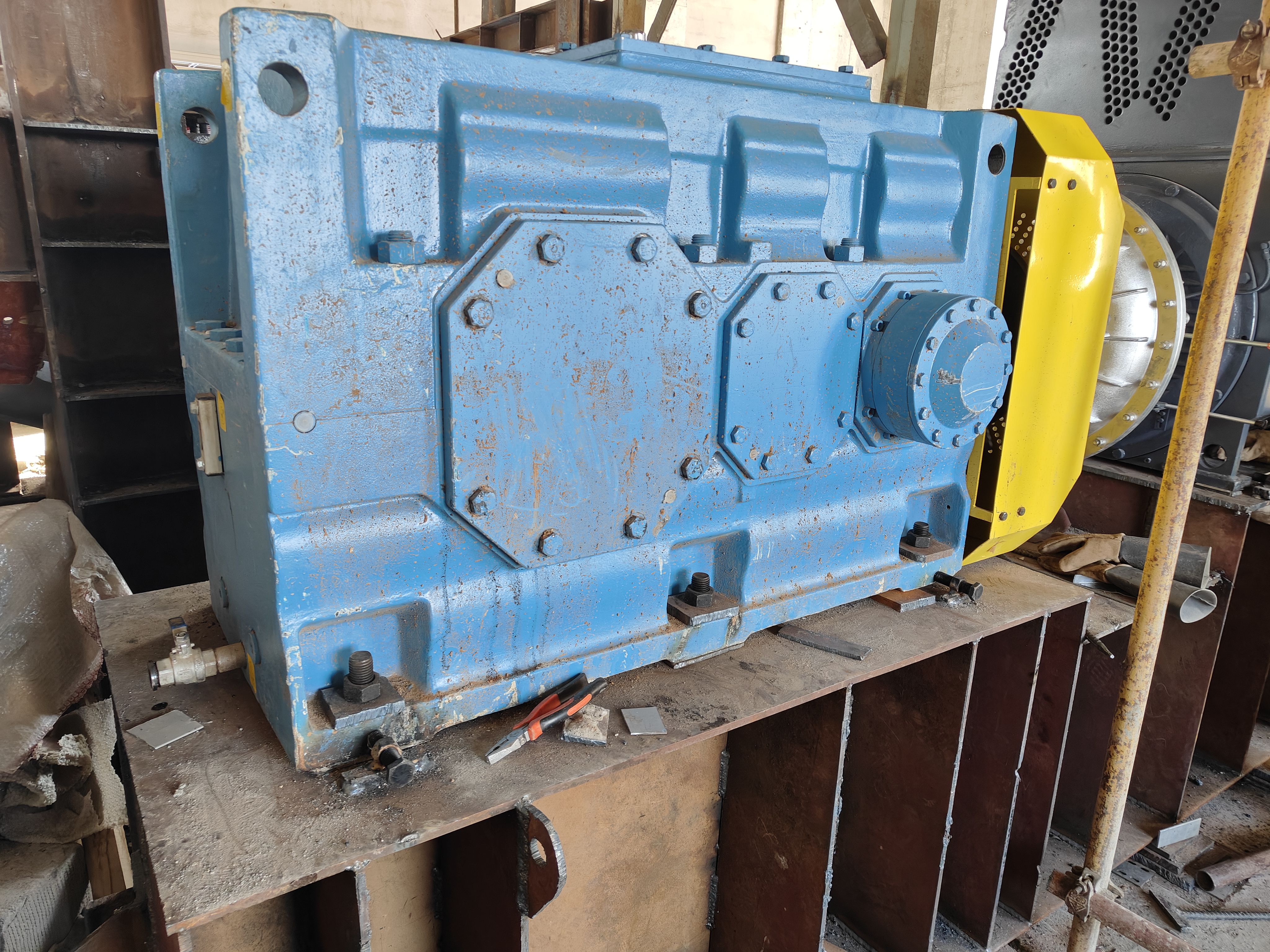
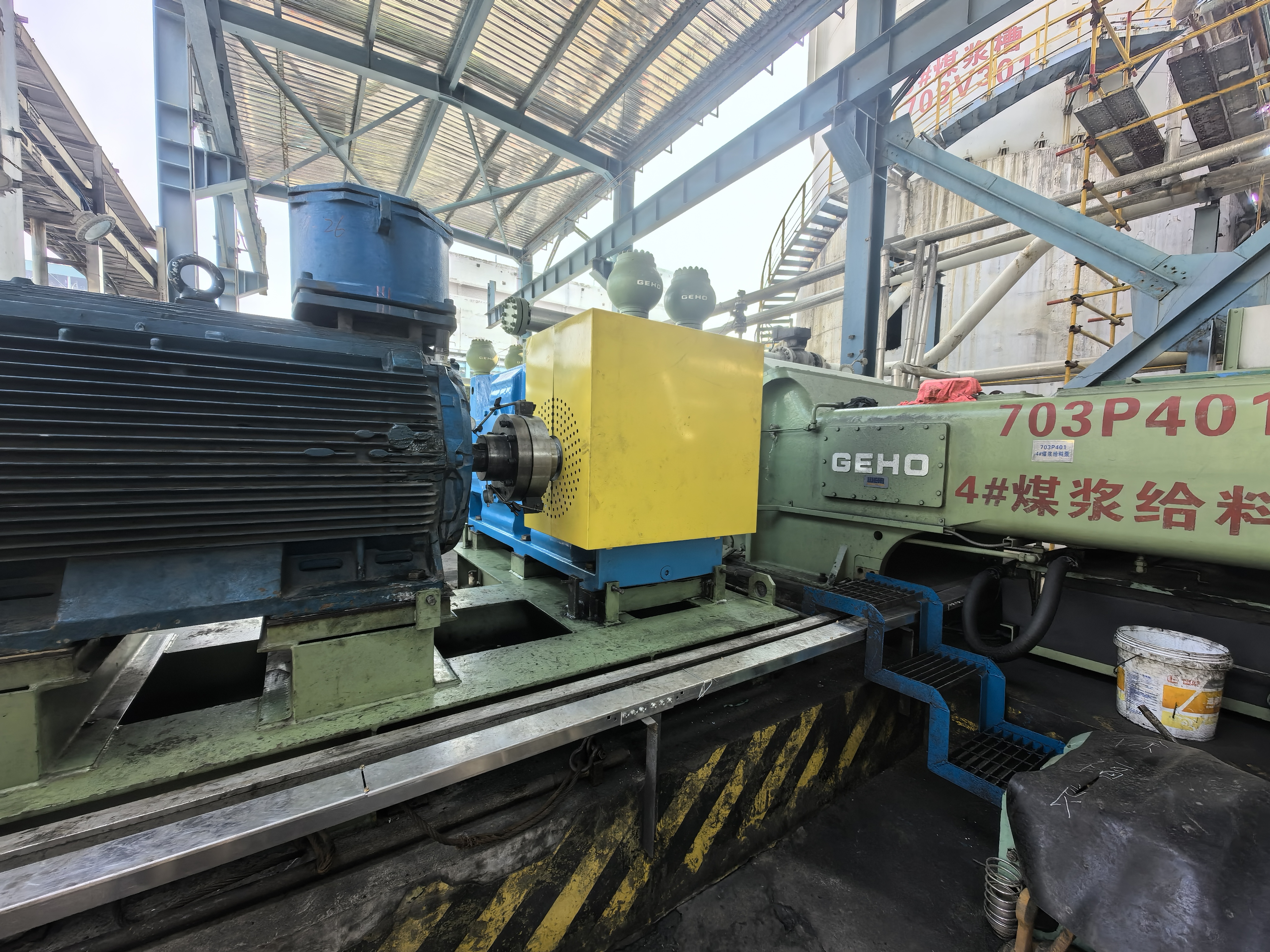
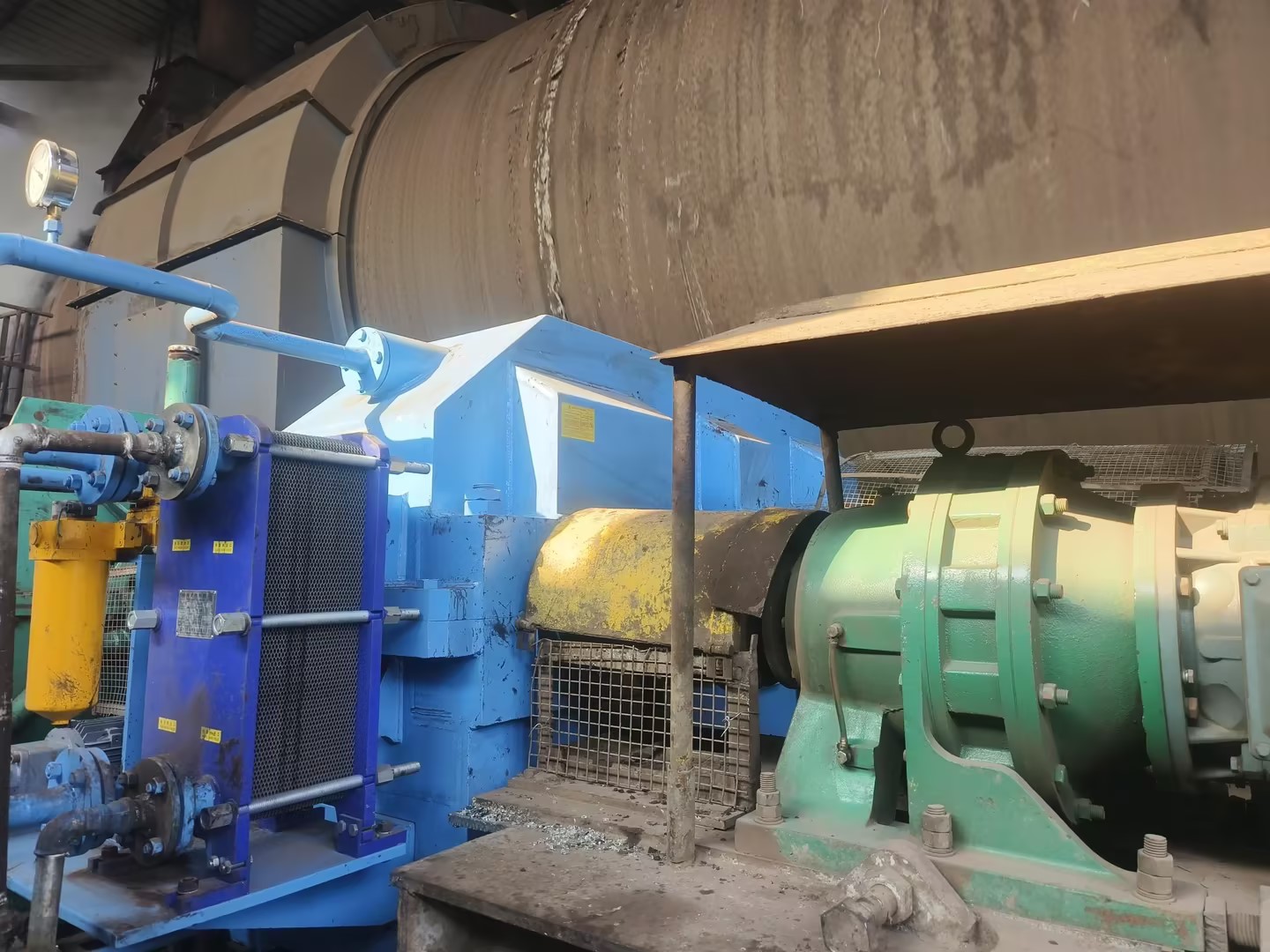
gearbox transmission system
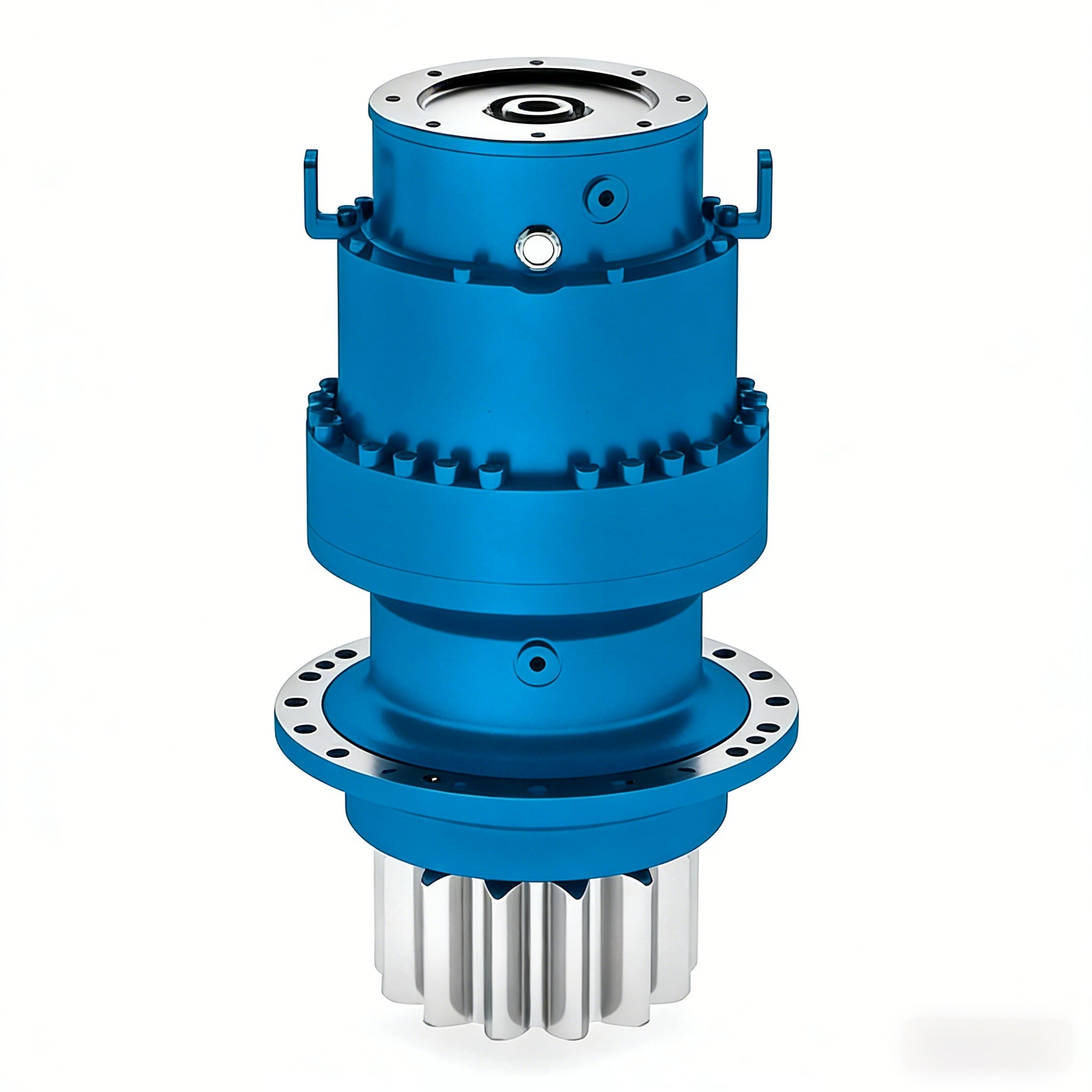
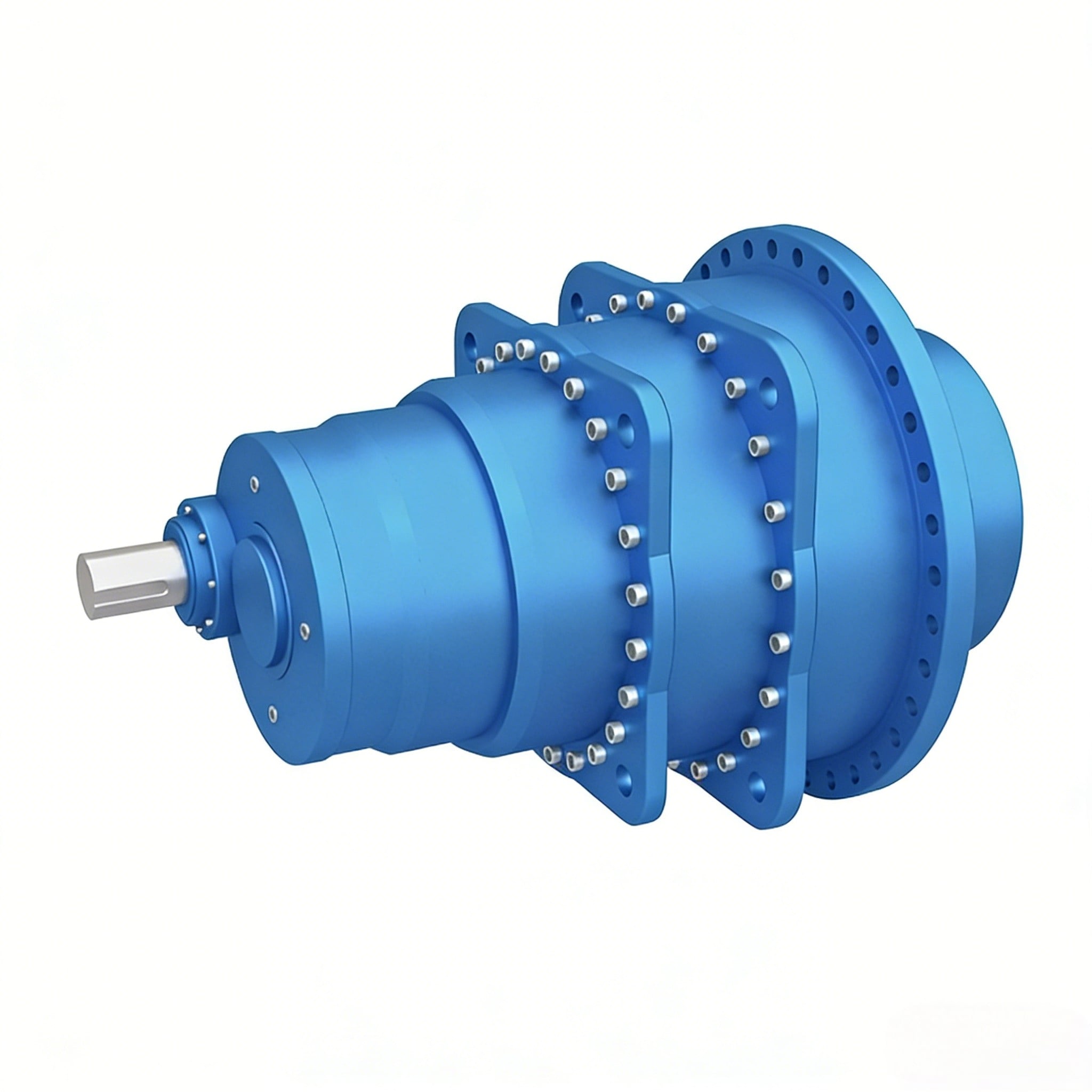
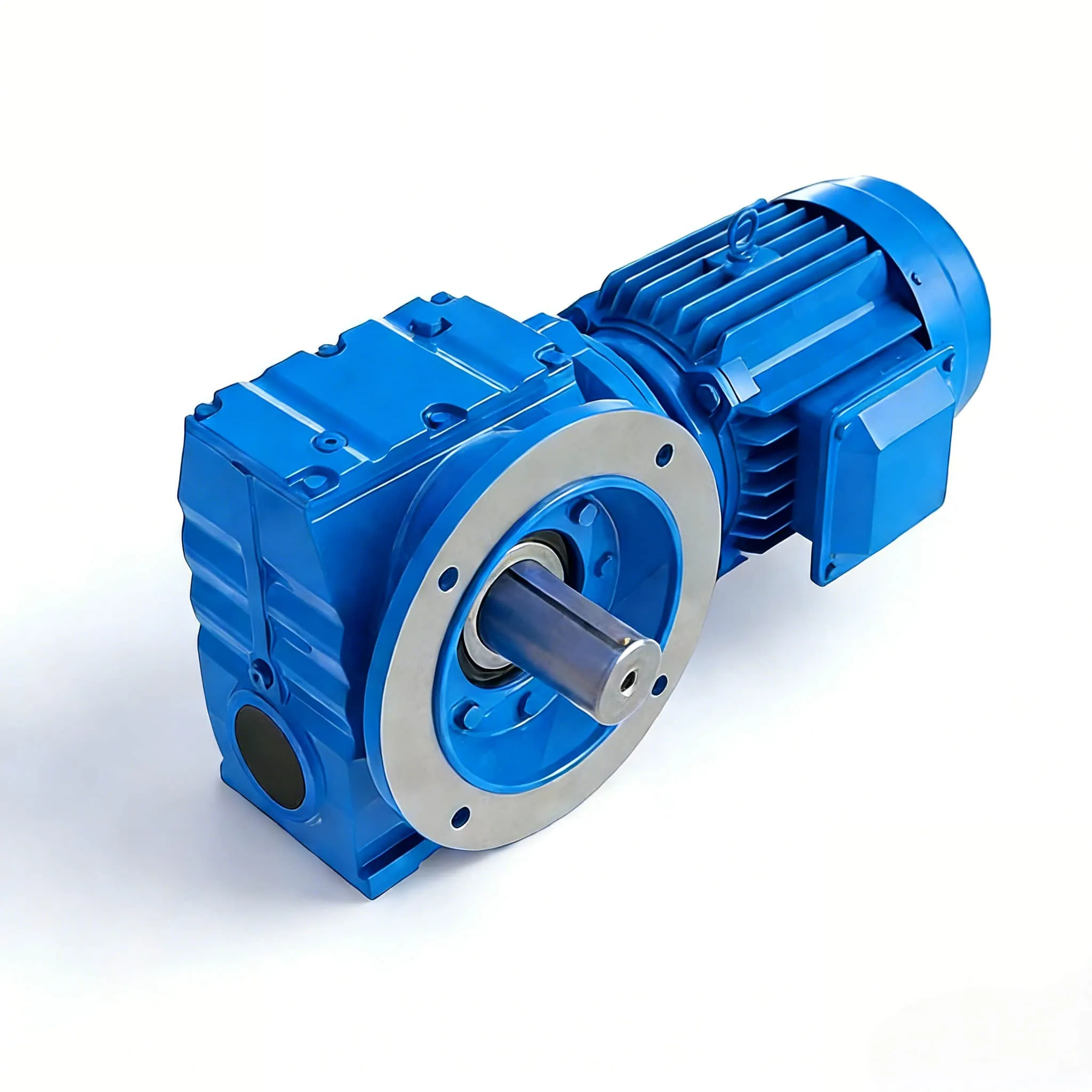
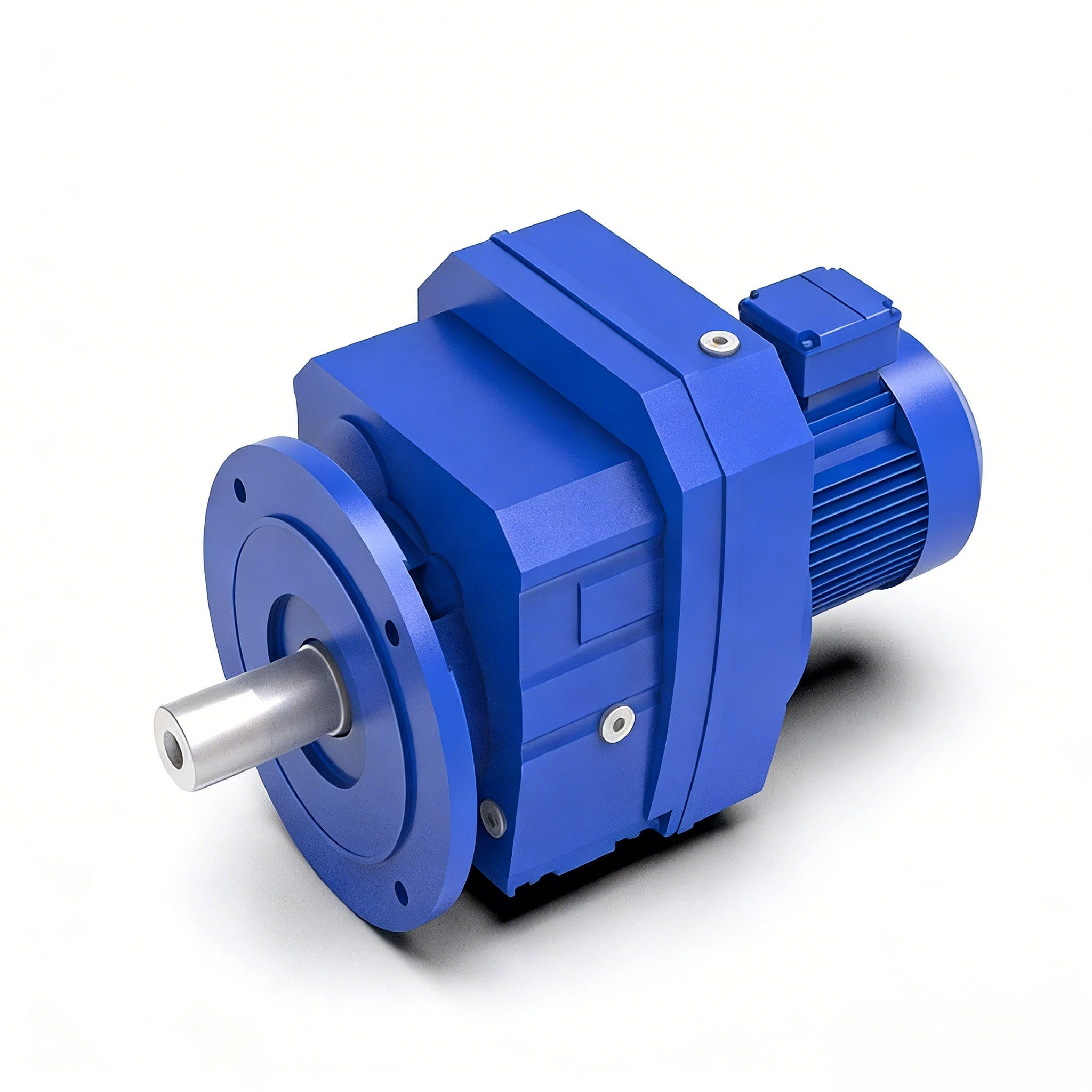
A gearbox transmission system represents a sophisticated mechanical assembly designed to modify the rotational speed and torque characteristics between an input power source and output mechanism. This essential component serves as the intermediary between motors, engines, or other prime movers and the driven equipment, ensuring optimal power delivery across various operating conditions. The gearbox transmission system fundamentally operates on the principle of gear ratios, utilizing different sized gears to achieve desired speed reductions or increases while simultaneously adjusting torque output accordingly. Modern gearbox transmission systems incorporate advanced engineering materials, precision manufacturing techniques, and innovative design methodologies to deliver exceptional performance, reliability, and longevity. The core functionality revolves around mechanical advantage, where the system can multiply torque output while reducing rotational speed, or conversely, increase speed while reducing available torque. This flexibility makes gearbox transmission systems indispensable across numerous industrial sectors, from automotive applications to heavy machinery operations. Technological features include hardened gear teeth, precision bearings, advanced lubrication systems, and robust housing construction designed to withstand extreme operating environments. The gearbox transmission system accommodates various input configurations, including electric motors, internal combustion engines, and hydraulic drives, making it universally adaptable to diverse power sources. Applications span manufacturing equipment, conveyor systems, mining machinery, construction equipment, marine propulsion systems, and renewable energy installations such as wind turbines. The versatility of gearbox transmission systems extends to their mounting options, with configurations available for horizontal, vertical, or angular installations to suit specific spatial requirements. Advanced variants incorporate electronic monitoring systems, temperature sensors, and vibration detection capabilities to ensure optimal performance and predictive maintenance scheduling, significantly enhancing operational efficiency and reducing unexpected downtime across industrial applications.

 EN
EN