torque limiter coupling
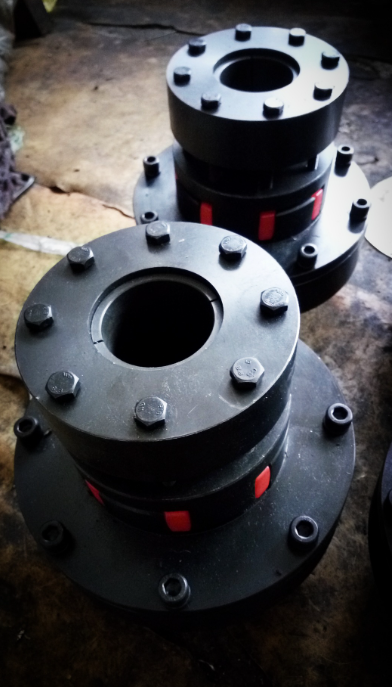
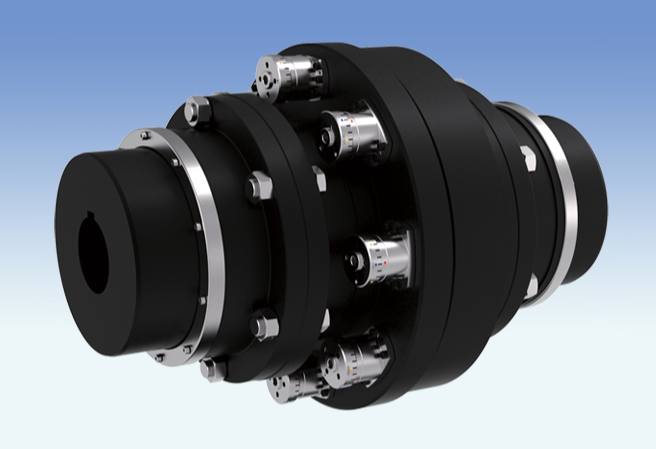
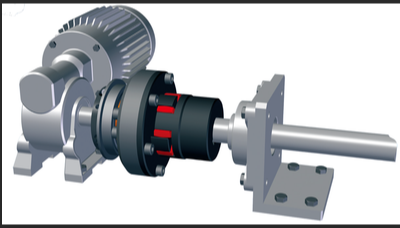
A torque limiter coupling represents a sophisticated mechanical safety device designed to protect valuable machinery and equipment from potentially damaging overload conditions. This essential component functions as an intelligent barrier between driving and driven equipment, automatically disconnecting when torque levels exceed predetermined safe thresholds. The primary purpose of implementing a torque limiter coupling involves preventing catastrophic equipment failure, reducing maintenance costs, and ensuring operational continuity across various industrial applications. Modern torque limiter coupling systems utilize advanced engineering principles to deliver precise torque control while maintaining exceptional reliability under demanding operational conditions. The device operates through multiple technological approaches, including friction-based mechanisms, shear pin designs, and magnetic slip systems, each offering distinct performance characteristics suited to specific application requirements. Key technological features encompass adjustable torque settings, rapid reset capabilities, and compact installation profiles that accommodate space-constrained environments. The torque limiter coupling demonstrates remarkable versatility across diverse industries, including conveyor systems, packaging machinery, printing equipment, textile manufacturing, and automotive assembly lines. These applications benefit from the coupling's ability to provide consistent protection against mechanical shock loads, material jams, and unexpected resistance variations. Installation procedures remain straightforward, requiring minimal modification to existing equipment configurations while delivering immediate protective benefits. Quality torque limiter coupling designs incorporate durable materials resistant to wear, corrosion, and temperature fluctuations, ensuring extended service life and reliable performance. Maintenance requirements stay minimal due to robust construction and self-contained operational mechanisms. The coupling's responsiveness allows for immediate disconnection during overload events, preventing damage propagation throughout connected machinery systems. Advanced models feature visual indicators and electronic monitoring capabilities that provide real-time operational feedback to maintenance personnel. This technology proves indispensable for protecting expensive equipment investments while maintaining production efficiency and worker safety standards across modern manufacturing environments.

 EN
EN