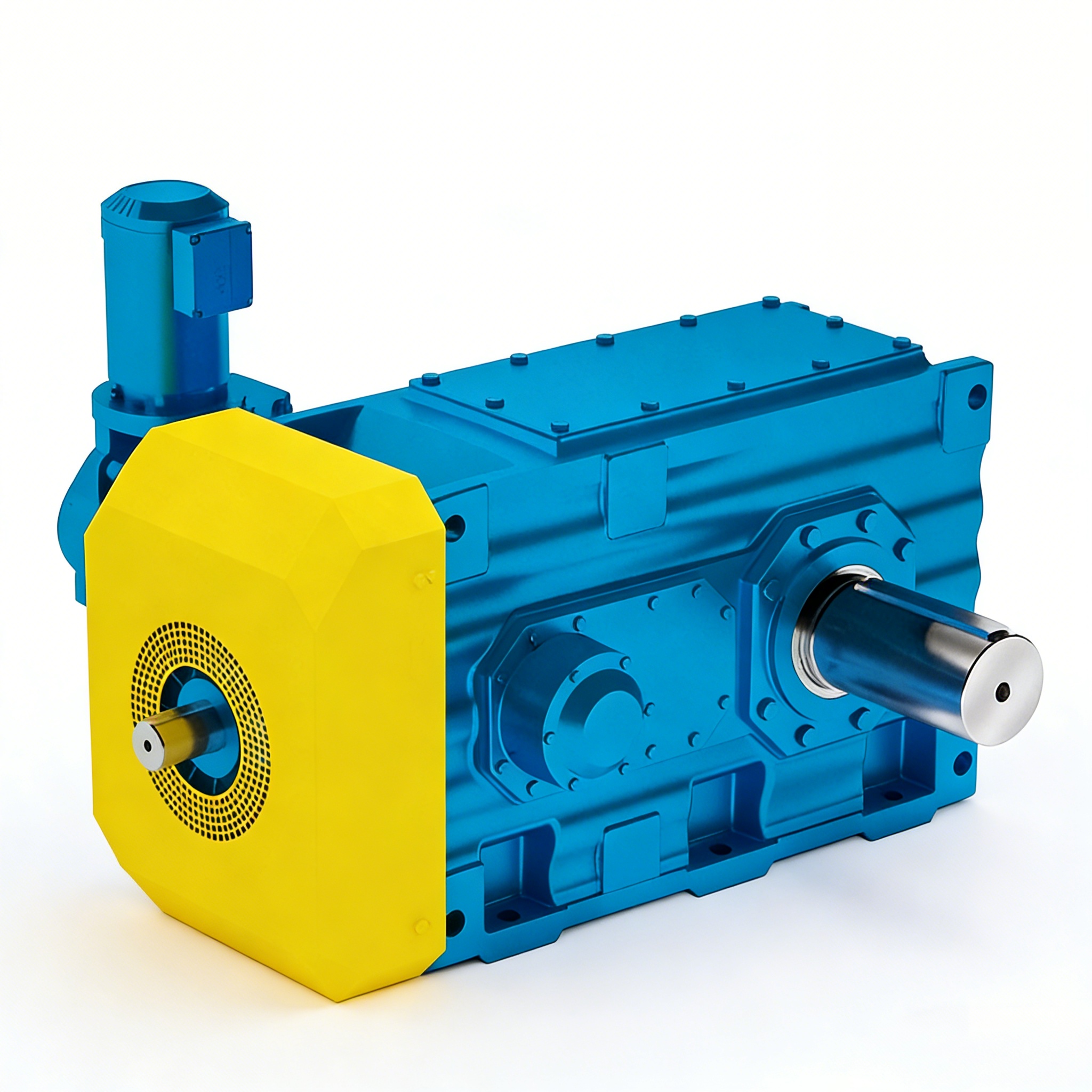
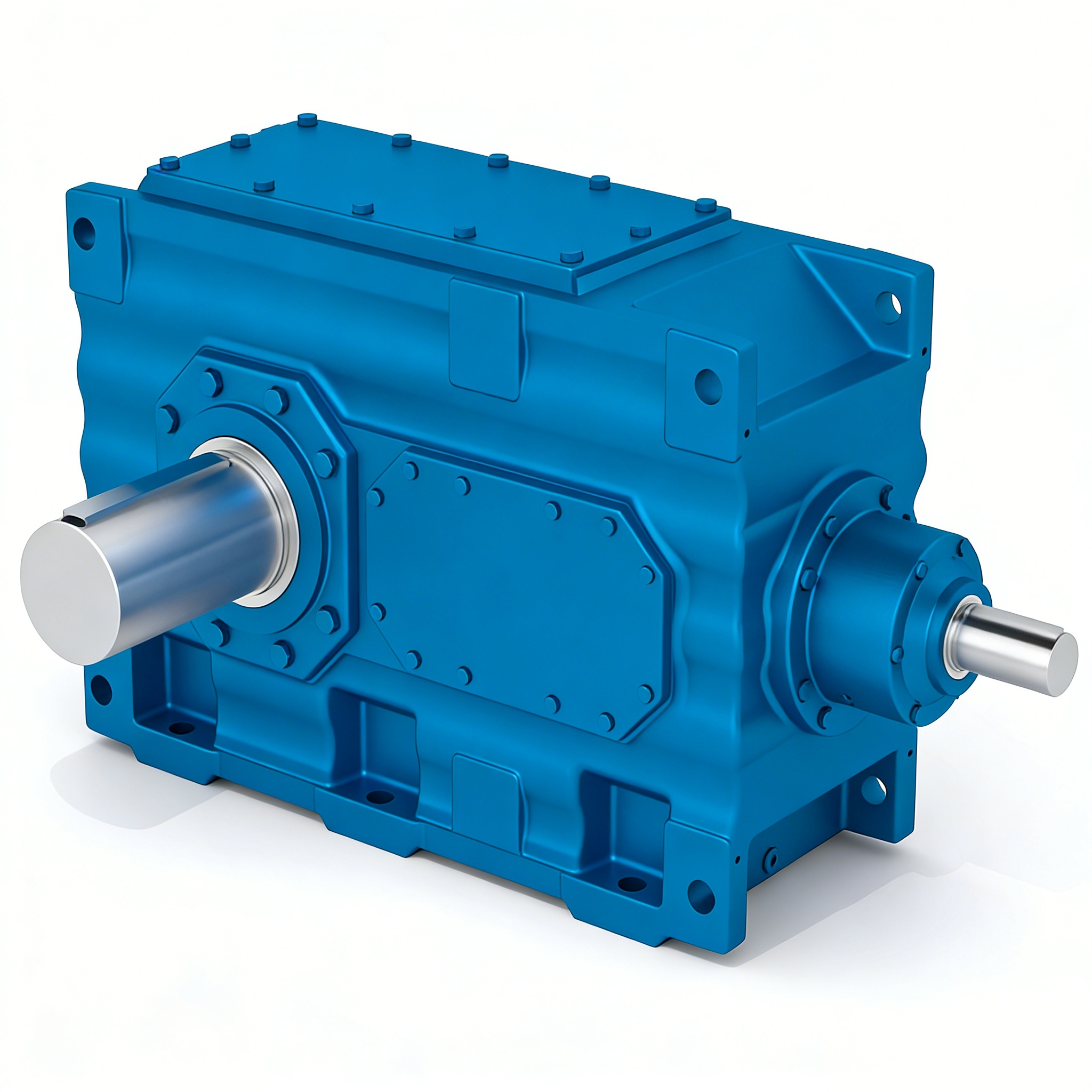
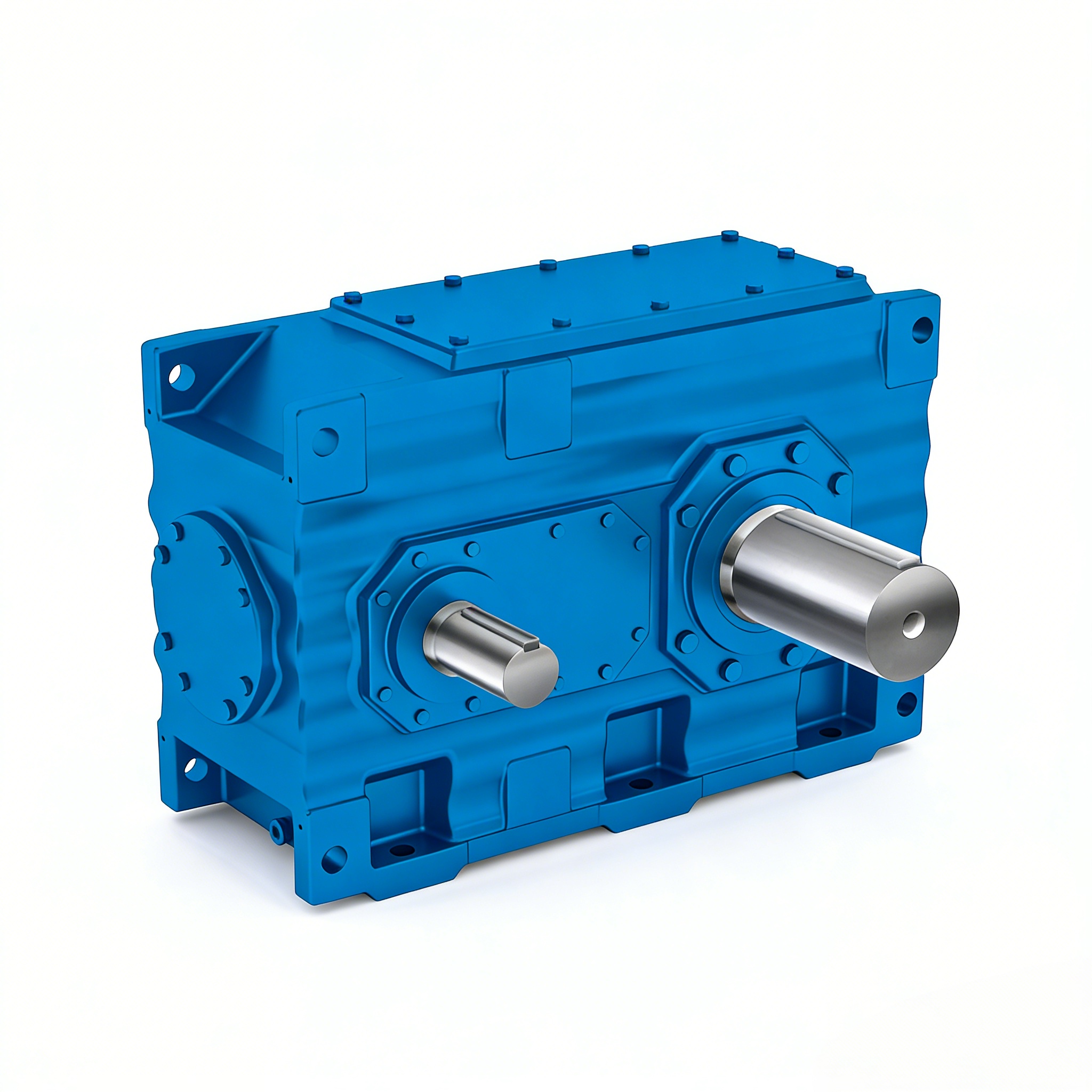
solid shaft gearbox
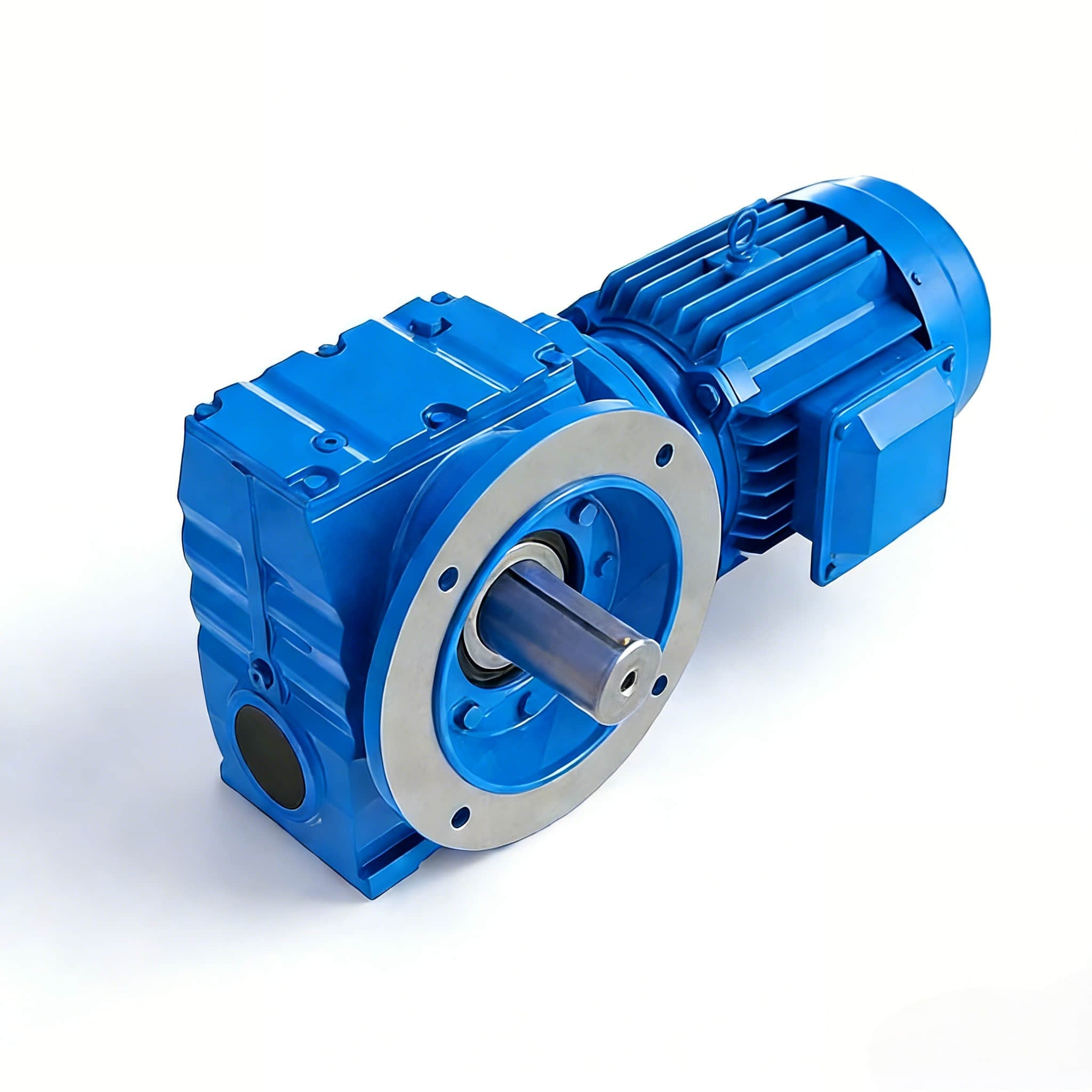
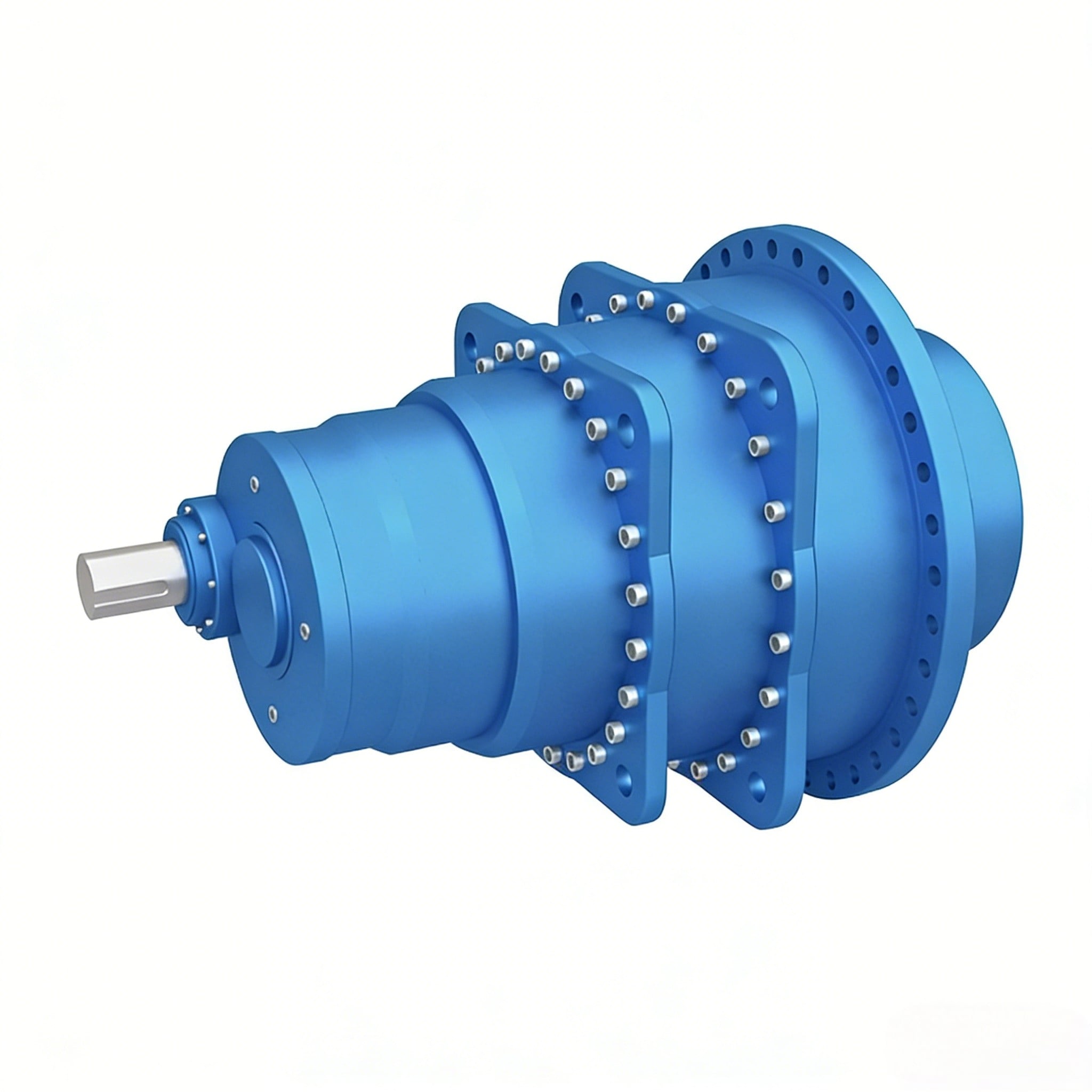
A solid shaft gearbox represents a fundamental mechanical transmission system engineered to deliver reliable power transfer and speed reduction capabilities across diverse industrial applications. This robust transmission mechanism features a continuous, uninterrupted shaft construction that eliminates weak points commonly found in segmented or hollow shaft designs. The solid shaft gearbox operates by utilizing precisely machined gear ratios to convert high-speed, low-torque input into low-speed, high-torque output, making it essential for heavy-duty machinery and equipment. The core functionality centers around its ability to maintain consistent rotational power while providing substantial mechanical advantage through gear reduction principles. Modern solid shaft gearbox designs incorporate advanced metallurgy and precision engineering to ensure optimal performance under demanding operational conditions. The technological framework includes hardened steel construction, precise bearing assemblies, and sophisticated lubrication systems that work together to minimize friction and maximize efficiency. These gearboxes feature sealed housing units that protect internal components from contamination while maintaining proper lubrication levels throughout extended operational periods. The solid shaft configuration provides superior structural integrity compared to alternative designs, enabling the transmission to handle significant radial and axial loads without compromising performance. Industrial applications span manufacturing, mining, construction, and material handling sectors where reliable power transmission remains critical for operational success. The versatility of solid shaft gearbox systems makes them suitable for conveyor systems, crushers, mixers, extruders, and various rotating machinery configurations. Installation flexibility allows for multiple mounting orientations while maintaining consistent performance characteristics. Quality solid shaft gearbox units deliver exceptional service life when properly maintained, reducing total cost of ownership and minimizing unexpected downtime in critical applications.

 EN
EN