Wastewater Treatment Gearbox Solutions - Reliable Power Transmission for Water Treatment Plants

Get a Free Quote

Our representative will contact you soon.
Email
Name
Company Name
Message
0/1000

wastewater treatment gearbox

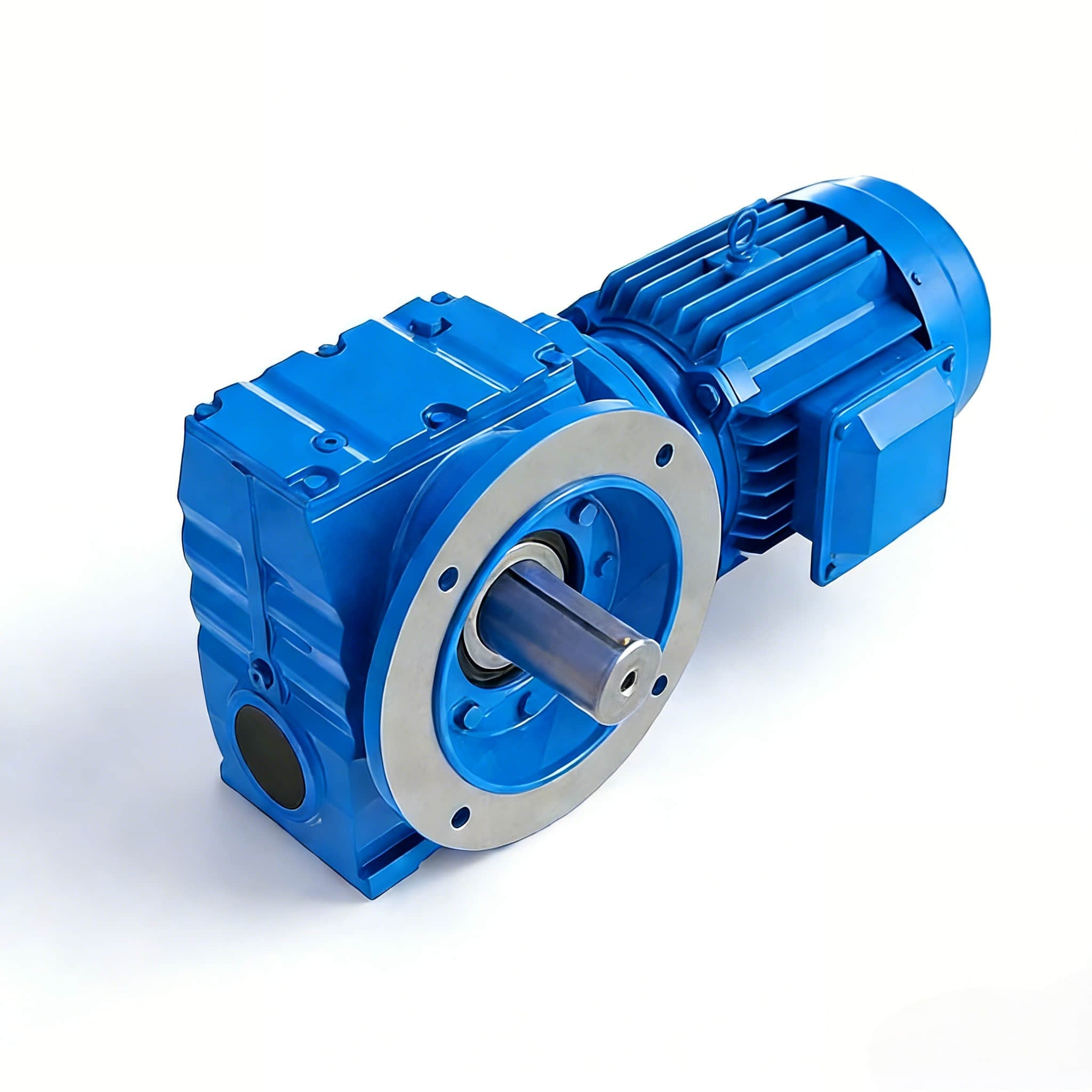
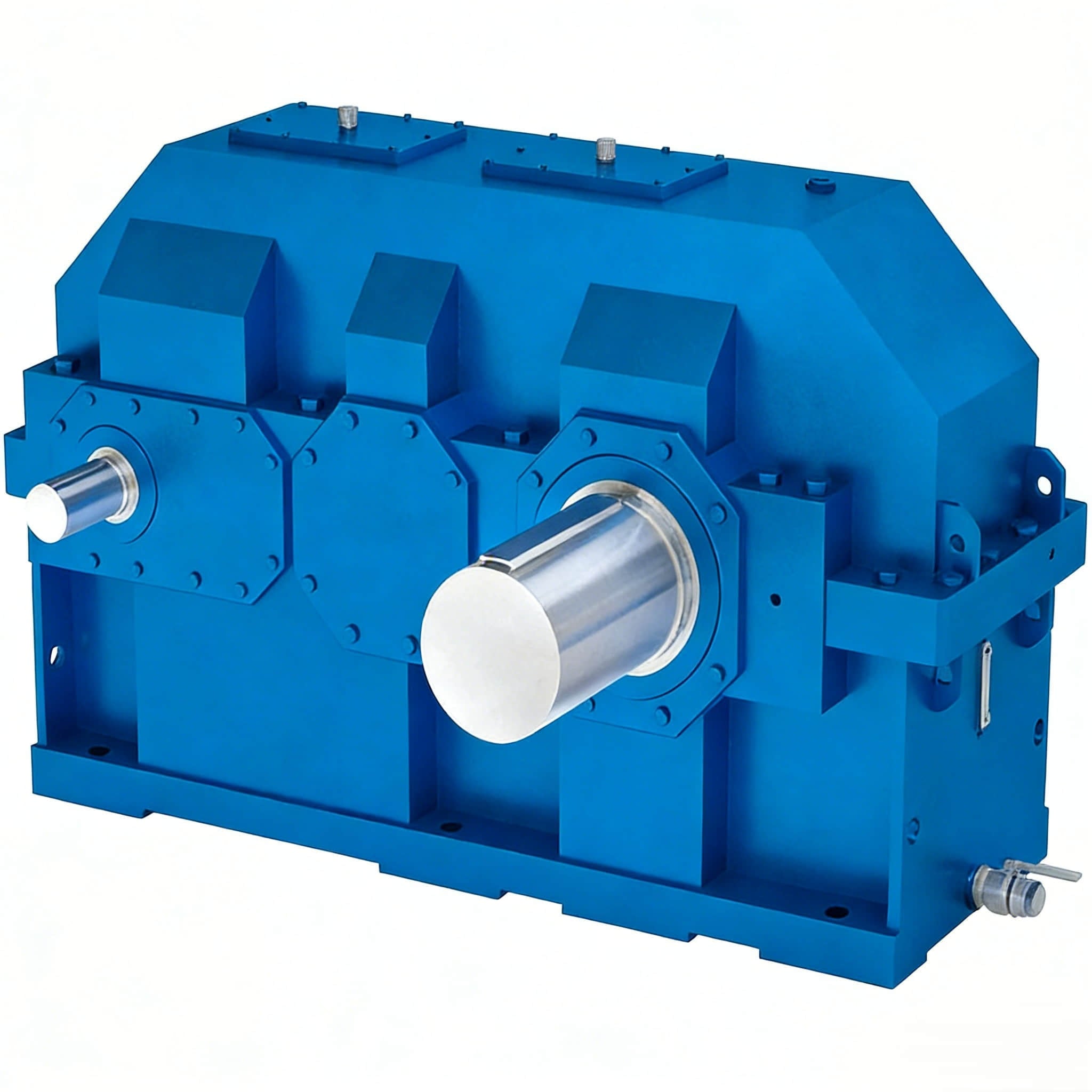
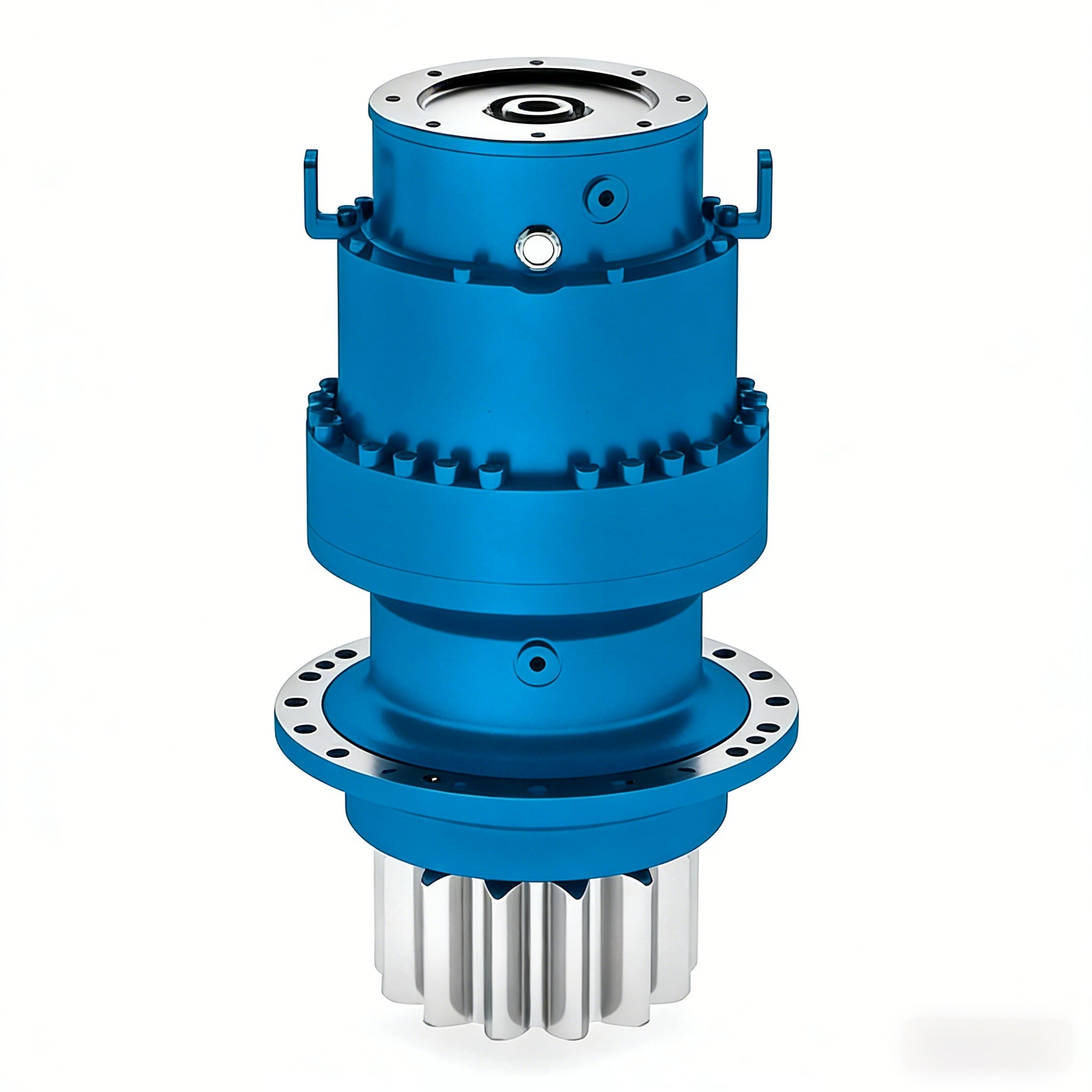
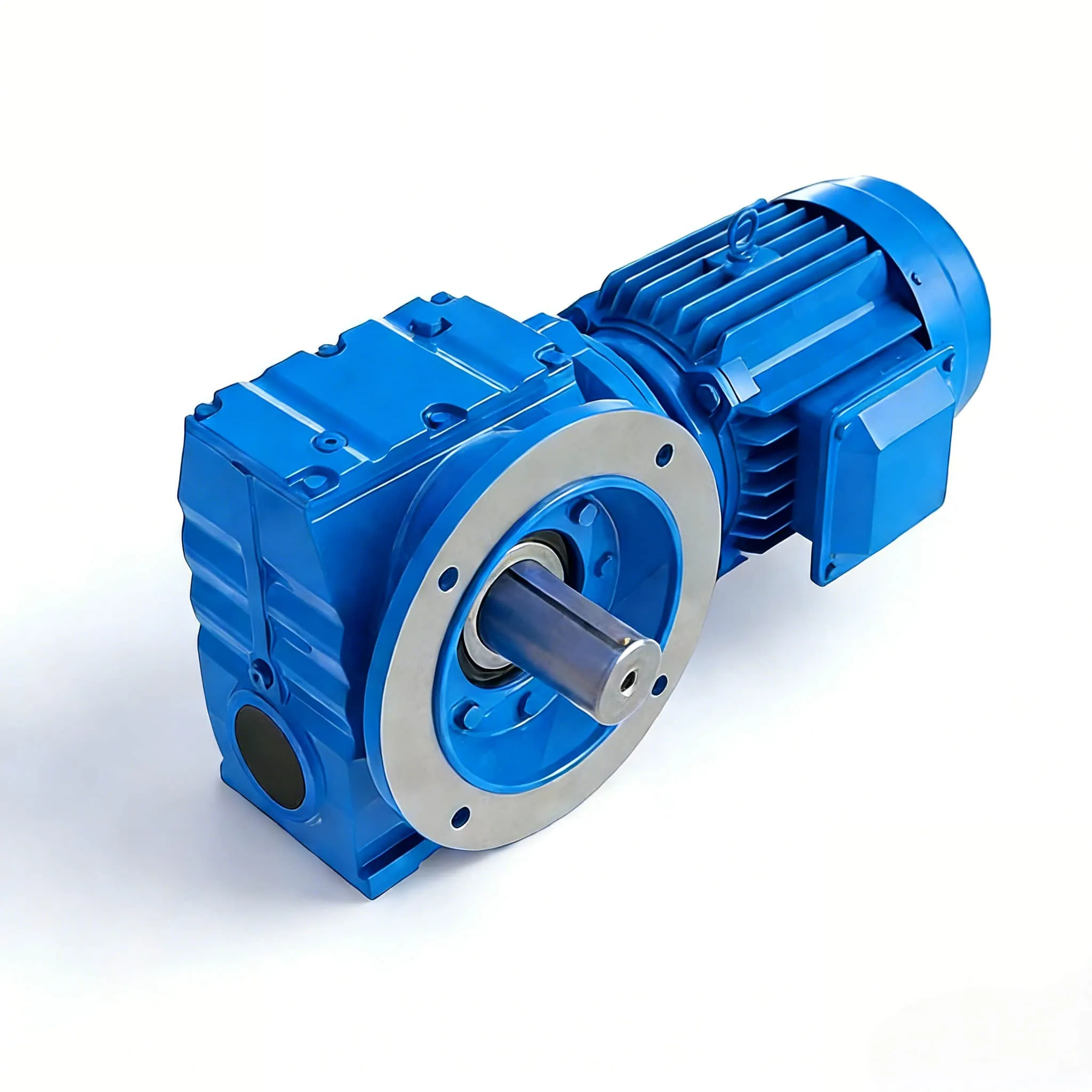
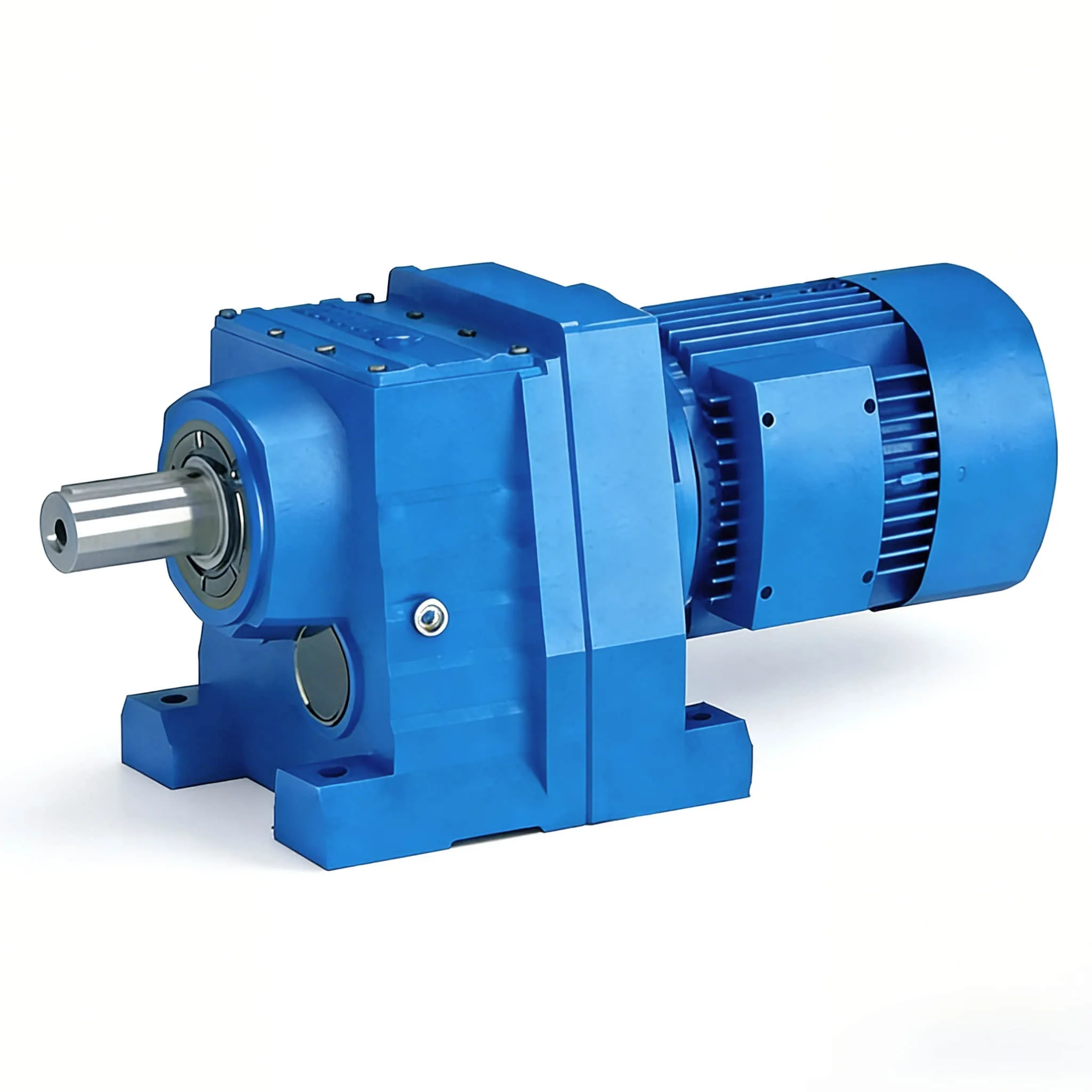
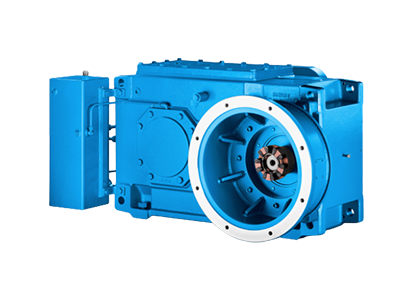
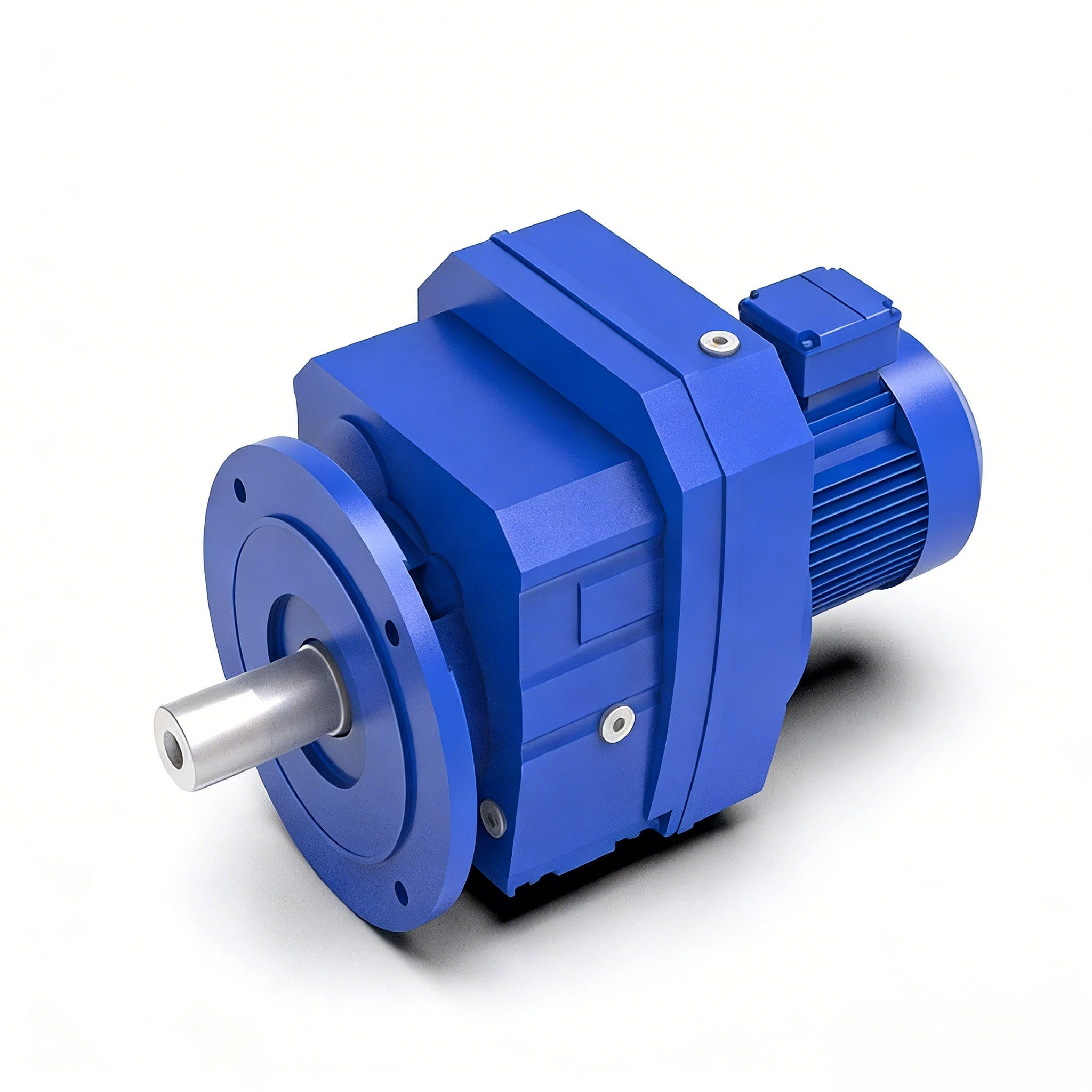
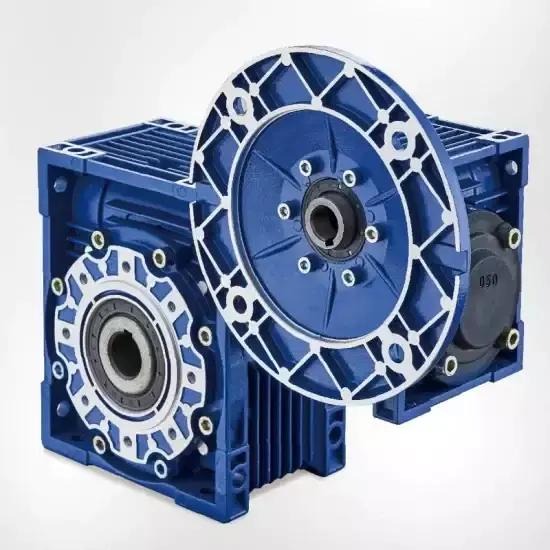
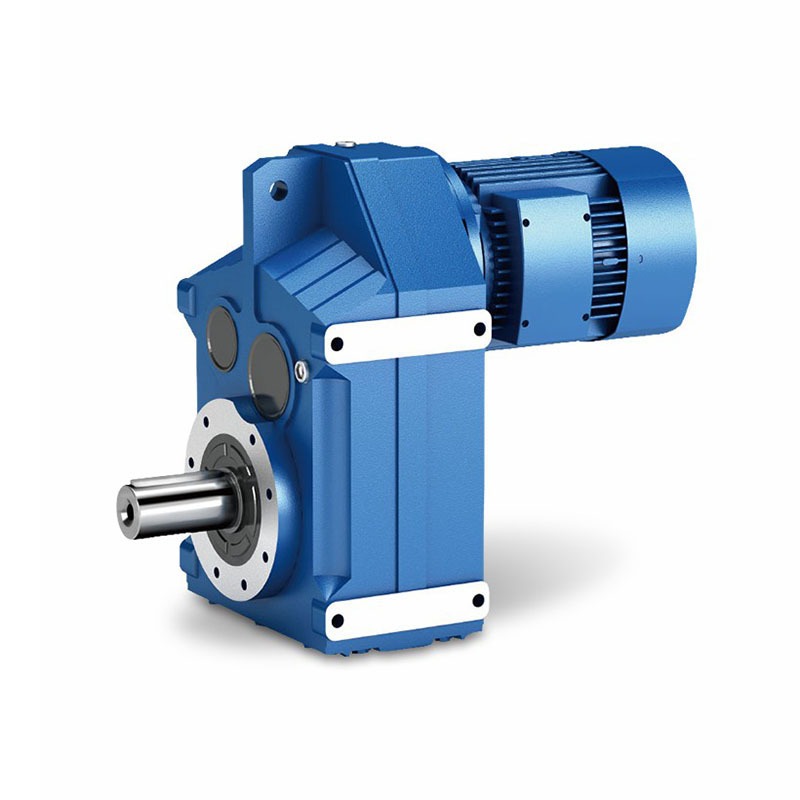
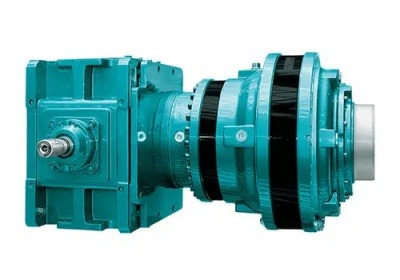
A wastewater treatment gearbox represents a critical mechanical component engineered specifically for driving equipment in sewage and water purification facilities. This specialized gearbox serves as the power transmission hub that converts high-speed motor rotation into the lower speeds required for optimal operation of various treatment equipment. The primary function of a wastewater treatment gearbox centers on providing reliable torque multiplication while maintaining precise speed control for clarifiers, thickeners, aerators, and other essential water treatment machinery. These robust units operate continuously in harsh environments characterized by moisture, chemical exposure, and varying operational demands. The technological features of modern wastewater treatment gearboxes include corrosion-resistant housing materials, sealed bearing systems, and advanced lubrication technologies designed to withstand the challenging conditions typical in sewage processing plants. Many units incorporate modular designs that facilitate maintenance access and component replacement without complete system shutdown. Advanced models feature integrated monitoring systems that track operating temperatures, vibration levels, and oil conditions to prevent unexpected failures. The gear ratios in these specialized gearboxes typically range from 10:1 to 100:1, depending on specific application requirements. Applications span across municipal water treatment facilities, industrial wastewater processing plants, and specialized treatment systems for various industries including food processing, pharmaceuticals, and chemical manufacturing. These gearboxes drive rotating mechanisms in primary clarifiers where they facilitate sludge collection, secondary treatment aerators that provide essential oxygen mixing, and final clarifiers that separate treated water from biological solids. The design considerations for wastewater treatment gearboxes emphasize durability, efficiency, and environmental resistance, making them indispensable components in modern water infrastructure systems that protect public health and environmental quality.

New Product Recommendations

The wastewater treatment gearbox delivers exceptional operational reliability that directly translates to reduced maintenance costs and improved facility uptime. Plant operators benefit from the robust construction that withstands continuous operation in corrosive environments without frequent breakdowns or component failures. This reliability means fewer emergency service calls, reduced replacement part expenses, and minimized disruption to critical water treatment processes. The enhanced durability stems from specialized materials and protective coatings that resist chemical attack and moisture damage common in sewage treatment applications. Energy efficiency represents another significant advantage as modern wastewater treatment gearboxes optimize power transmission with minimal energy loss during operation. This efficiency reduces electricity consumption across treatment facilities, leading to substantial cost savings on utility bills while supporting environmental sustainability goals. The precise speed control capabilities enable operators to fine-tune treatment processes for optimal performance, ensuring consistent water quality output while adapting to varying influent conditions and seasonal demand fluctuations. Maintenance simplification stands out as a practical benefit that facility managers appreciate. These gearboxes feature accessible service points, standardized components, and clear maintenance schedules that reduce the technical expertise required for routine upkeep. Many models include built-in diagnostic capabilities that alert operators to potential issues before they become costly problems, enabling proactive maintenance strategies that extend equipment lifespan. The modular design approach allows for component replacement without complete unit removal, minimizing downtime during service intervals. Cost-effectiveness emerges through the combination of lower operating expenses, reduced maintenance requirements, and extended service life compared to standard industrial gearboxes. The specialized design eliminates premature wear and failure modes common when using general-purpose equipment in wastewater applications. Installation flexibility accommodates various mounting configurations and space constraints typical in retrofit projects or facility expansions. The standardized interfaces simplify integration with existing drive systems and control networks, reducing installation complexity and associated labor costs.

Latest News

A Warm Invitation to Visit Our Manufacturing Base

15

Jan

A Warm Invitation to Visit Our Manufacturing Base

View More
Precision Quality Control: Safeguarding High-Precision Heavy-Duty Gear Transmission Release Date: August 20 , 2025

15

Jan

Precision Quality Control: Safeguarding High-Precision Heavy-Duty Gear Transmission Release Date: August 20 , 2025

View More
R&D Innovation Upgrade: Focus on Heavy-Duty Conditions, Empower Transmission Tech Breakthroughs

15

Jan

R&D Innovation Upgrade: Focus on Heavy-Duty Conditions, Empower Transmission Tech Breakthroughs

View More

Get a Free Quote

Our representative will contact you soon.
Email
Name
Company Name
Message
0/1000

wastewater treatment gearbox

Corrosion-Resistant Engineering Excellence

Corrosion-Resistant Engineering Excellence

The cornerstone of any effective wastewater treatment gearbox lies in its ability to withstand the relentless chemical assault present in sewage processing environments. This specialized engineering incorporates multiple layers of protection that extend far beyond standard industrial gearbox specifications. The housing construction utilizes marine-grade aluminum alloys or specialized cast iron formulations that resist chloride attack, hydrogen sulfide corrosion, and the acidic conditions commonly encountered in biological treatment processes. Advanced surface treatments including epoxy powder coatings, specialized primers, and protective sealants create barrier layers that prevent moisture infiltration and chemical penetration. Internal components receive similar protection through precision-applied coatings and material selection that prioritizes corrosion resistance without compromising mechanical strength. The bearing systems employ stainless steel races and specialized lubricants formulated to maintain viscosity and protective properties despite exposure to treatment plant atmospheres. Seal technology represents another critical aspect where multiple redundant sealing systems prevent contamination ingress while maintaining internal lubrication integrity. These seals utilize materials specifically chosen for chemical compatibility with common wastewater treatment chemicals including chlorine compounds, caustic solutions, and various flocculants. The gear teeth themselves receive specialized heat treatments and surface hardening processes that create wear-resistant surfaces capable of maintaining precision meshing despite the challenging operating environment. This comprehensive approach to corrosion resistance translates directly into extended service intervals, reduced replacement costs, and improved process reliability. Facility operators report significantly longer service life compared to standard gearboxes, often achieving operational periods exceeding fifteen years with proper maintenance. The investment in corrosion-resistant engineering pays dividends through reduced lifecycle costs, improved facility uptime, and enhanced treatment process reliability that ultimately protects public health and environmental quality.
Precision Speed Control for Optimal Treatment Performance

Precision Speed Control for Optimal Treatment Performance

Modern wastewater treatment processes demand precise mechanical control to achieve optimal treatment efficiency and regulatory compliance. The wastewater treatment gearbox delivers this precision through advanced gear design and manufacturing techniques that maintain consistent output speeds despite varying load conditions and environmental factors. The gear ratio selection process considers the specific requirements of different treatment processes, ensuring that clarifier scrapers operate at optimal speeds for effective sludge collection while aerator systems maintain proper mixing velocities for biological oxygen demand reduction. This precision enables treatment plant operators to fine-tune process parameters for maximum efficiency across varying seasonal conditions and influent characteristics. The mechanical advantage provided by precision gear ratios allows smaller, more efficient motors to drive large treatment equipment, reducing energy consumption while maintaining required torque output. Variable speed capabilities, when integrated with modern control systems, enable dynamic process optimization that responds to real-time treatment demands. This adaptability proves crucial during peak flow events, seasonal variations, or when processing industrial discharge with varying characteristics. The smooth power transmission characteristics minimize shock loads and vibration that could disrupt delicate biological treatment processes or damage sensitive equipment components. Precise speed control also extends the service life of downstream equipment by eliminating the mechanical stress associated with speed fluctuations or sudden load changes. The consistent operation promotes stable biological populations in activated sludge systems and ensures uniform mixing in chemical treatment processes. Plant operators appreciate the predictable performance characteristics that simplify process control and reduce the need for constant manual adjustments. The reliability of speed control translates into more consistent treatment outcomes, improved regulatory compliance, and reduced operator intervention requirements. This precision ultimately supports the primary mission of wastewater treatment facilities by ensuring consistent water quality output that meets or exceeds environmental discharge standards while optimizing operational efficiency and resource utilization.
Maintenance-Friendly Design for Operational Excellence

Maintenance-Friendly Design for Operational Excellence

The operational demands of wastewater treatment facilities require equipment designs that prioritize accessibility, serviceability, and maintenance efficiency to minimize downtime and operational disruptions. The wastewater treatment gearbox incorporates innovative design features that transform routine maintenance from a complex undertaking into a straightforward procedure that facility maintenance teams can execute efficiently. Strategically positioned service ports provide easy access to lubrication points, drain plugs, and inspection openings without requiring equipment disassembly or specialized tools. The modular construction approach allows individual components to be serviced or replaced without disturbing the entire gearbox assembly, significantly reducing maintenance time and associated labor costs. Clear sight gauges and accessible dipsticks enable quick visual inspection of lubricant levels and condition, while magnetic drain plugs capture metallic debris that provides early warning of internal wear conditions. The standardized fastener selection eliminates the need for specialized tools, enabling maintenance teams to perform routine service using common workshop equipment. Comprehensive maintenance documentation includes detailed lubrication schedules, torque specifications, and troubleshooting guides that reduce the technical expertise required for proper service procedures. Many modern units incorporate condition monitoring capabilities through vibration sensors, temperature probes, and oil analysis ports that enable predictive maintenance strategies. These monitoring systems provide early warning of developing problems, allowing maintenance teams to schedule repairs during planned downtime rather than responding to unexpected failures. The robust construction tolerates minor maintenance delays without catastrophic failure, providing operational flexibility during busy periods or when replacement parts require ordering. Replacement component availability represents another practical consideration where standardized bearings, seals, and hardware ensure rapid parts procurement from multiple suppliers. The design philosophy emphasizes component longevity while acknowledging that periodic service remains necessary, striking an optimal balance between durability and maintainability that serves the practical needs of wastewater treatment facility operators who must balance operational continuity with prudent maintenance practices.

Get a Free Quote

Our representative will contact you soon.
Email
Name
Company Name
Message
0/1000