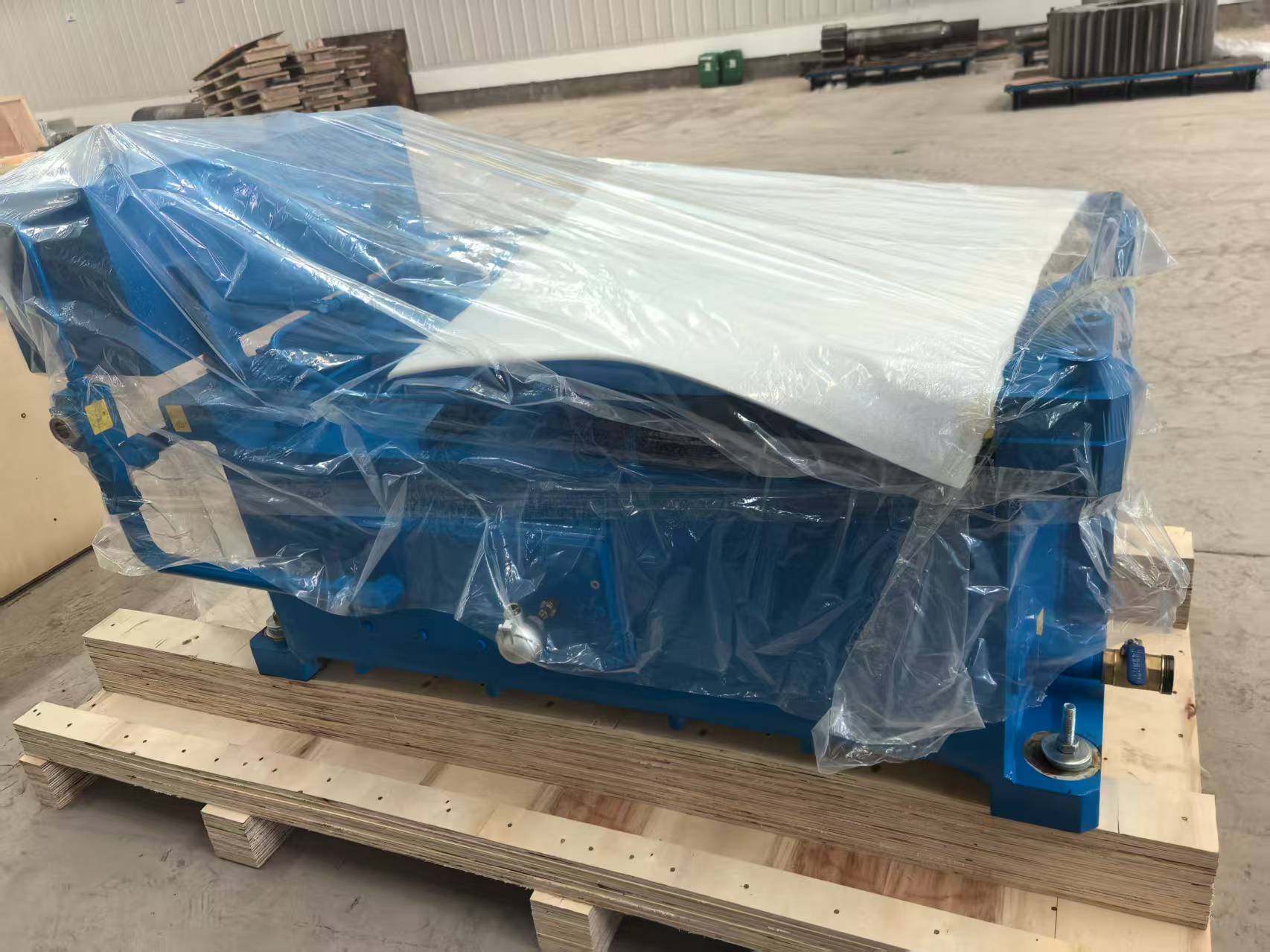
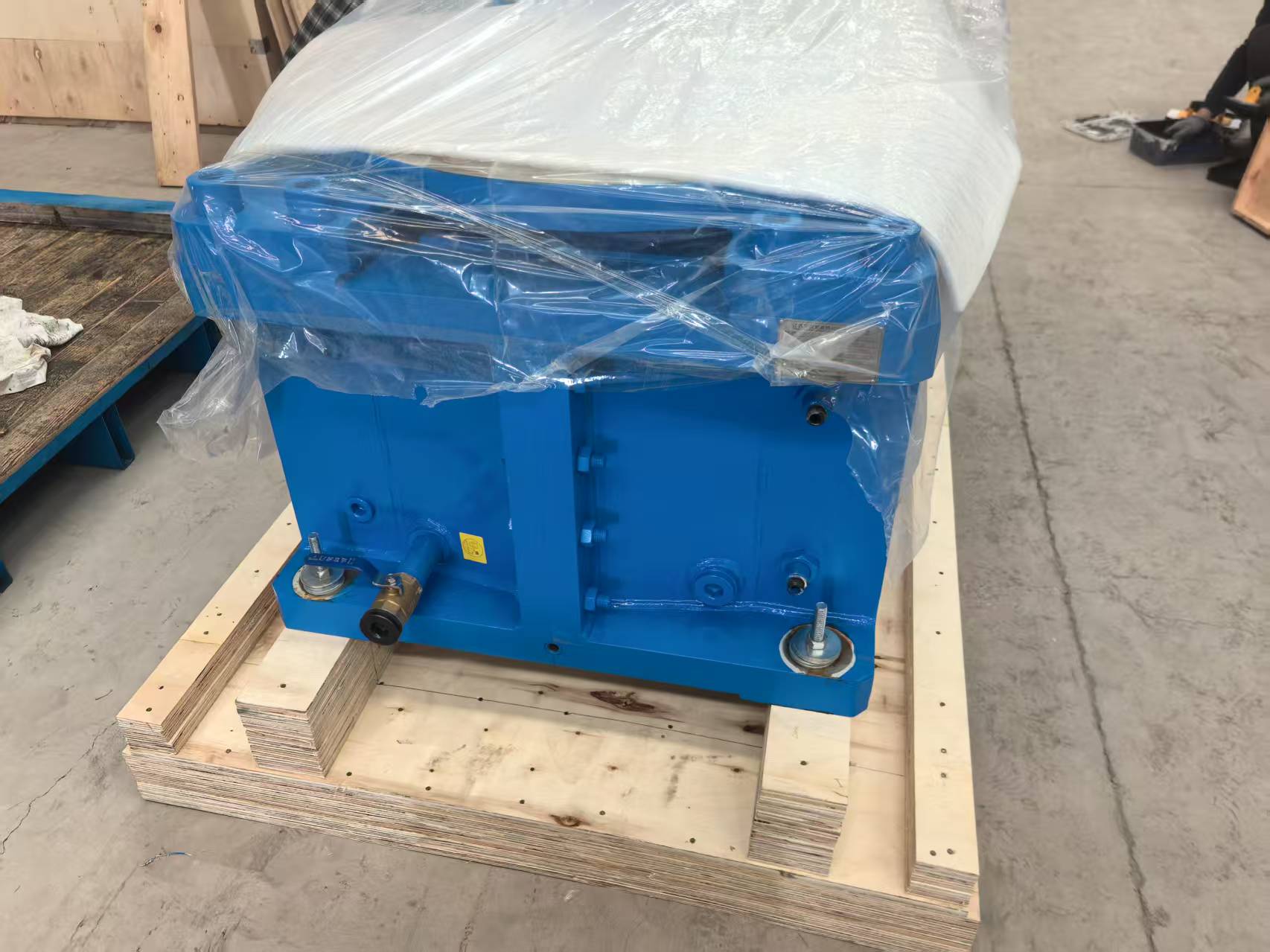
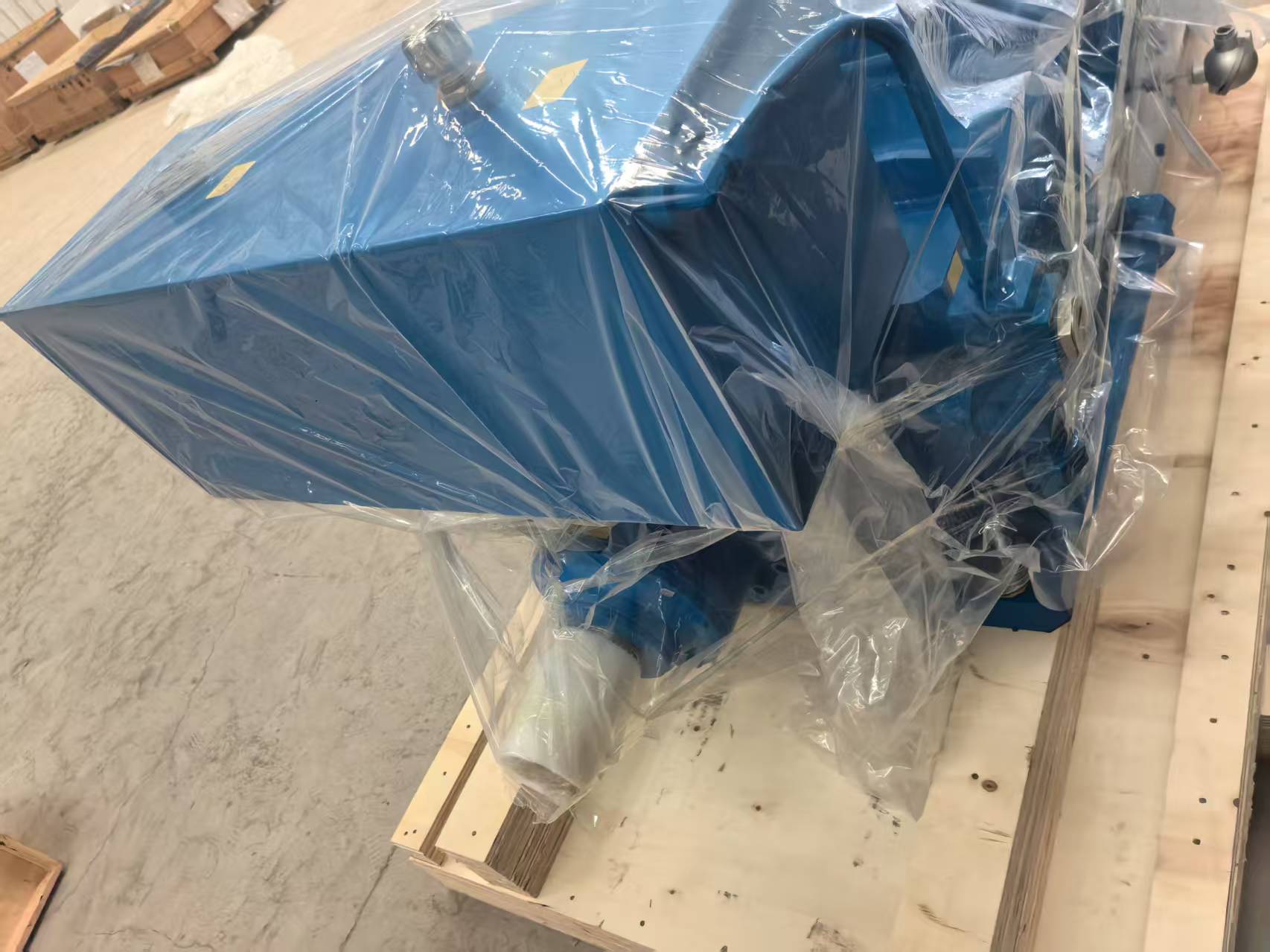
low backlash gearbox
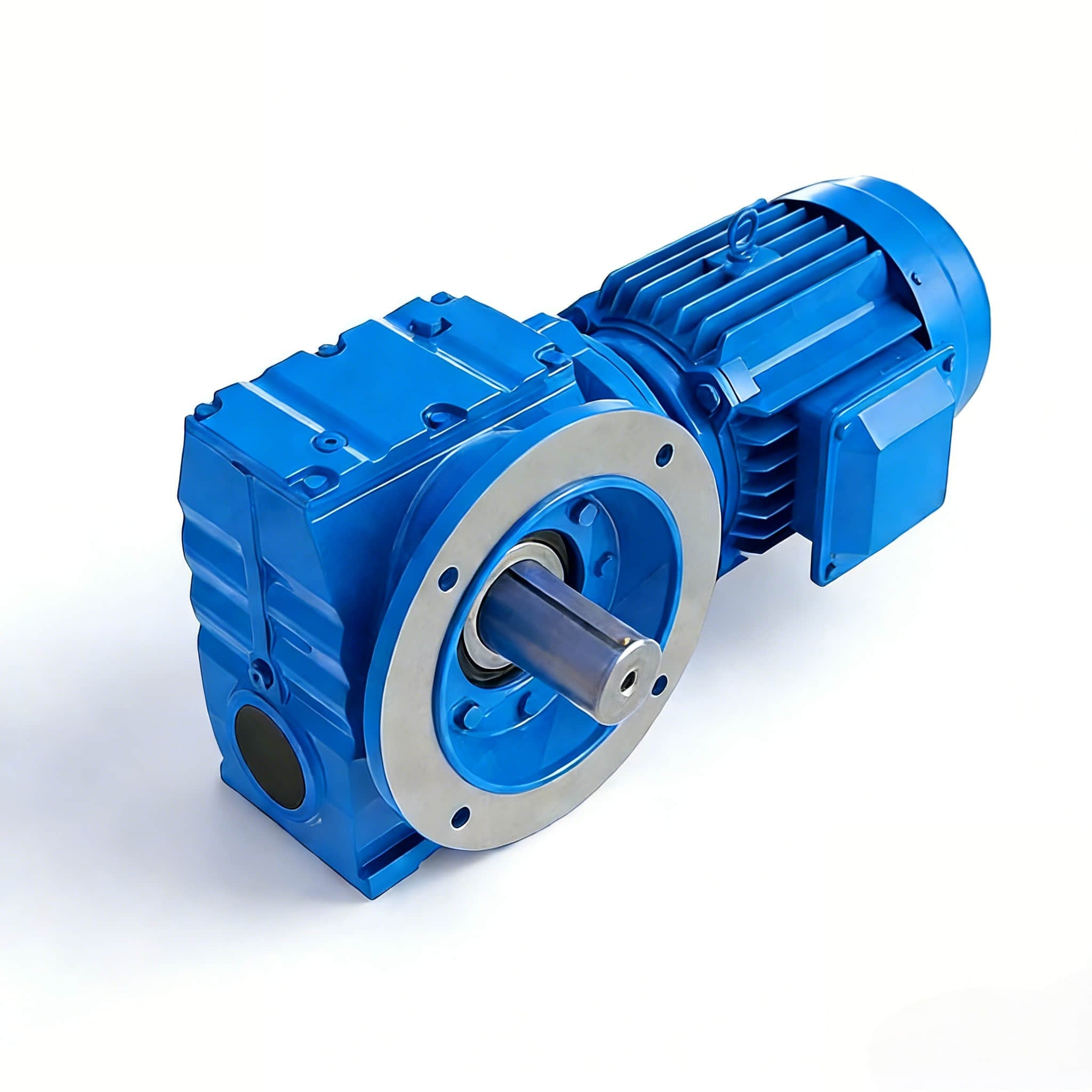
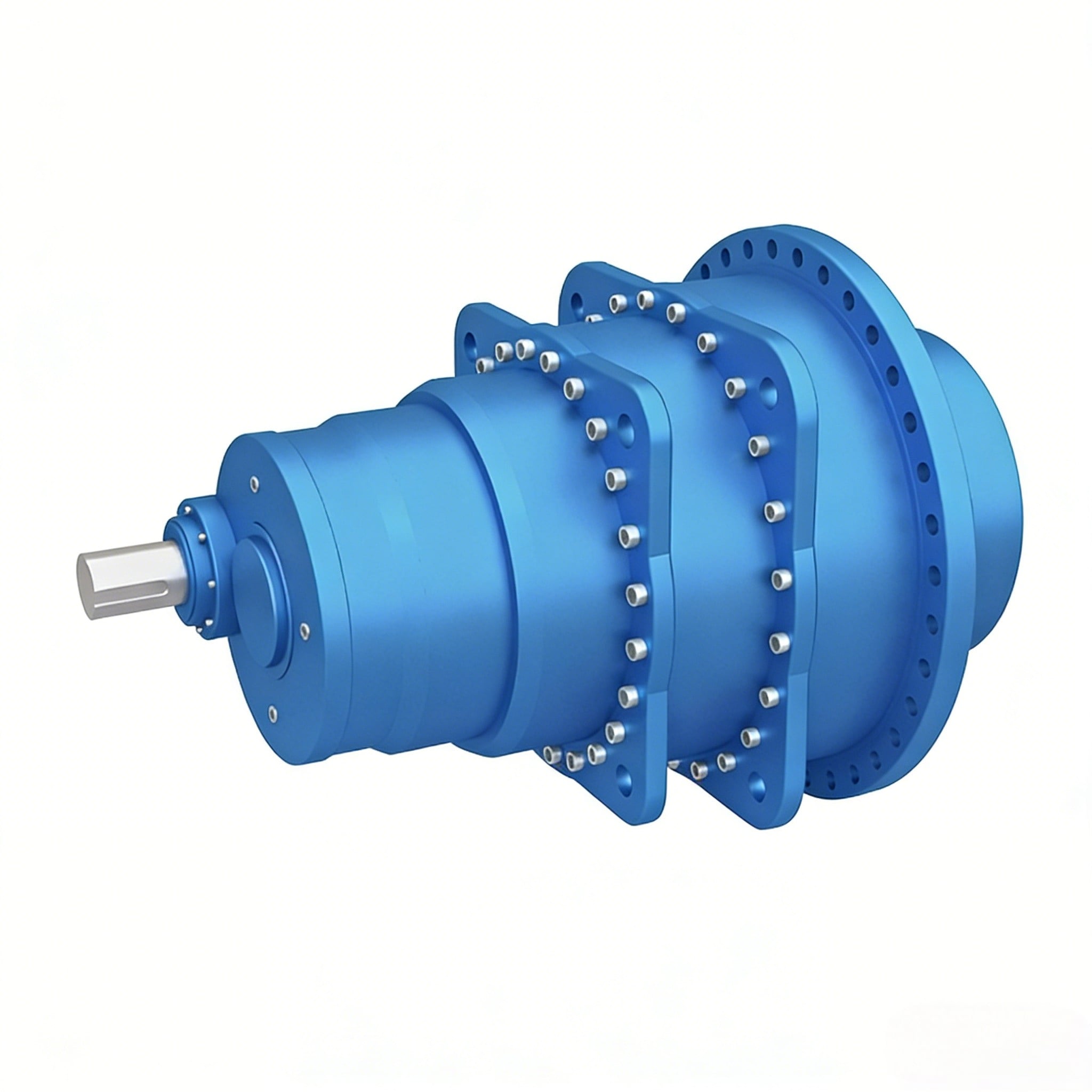
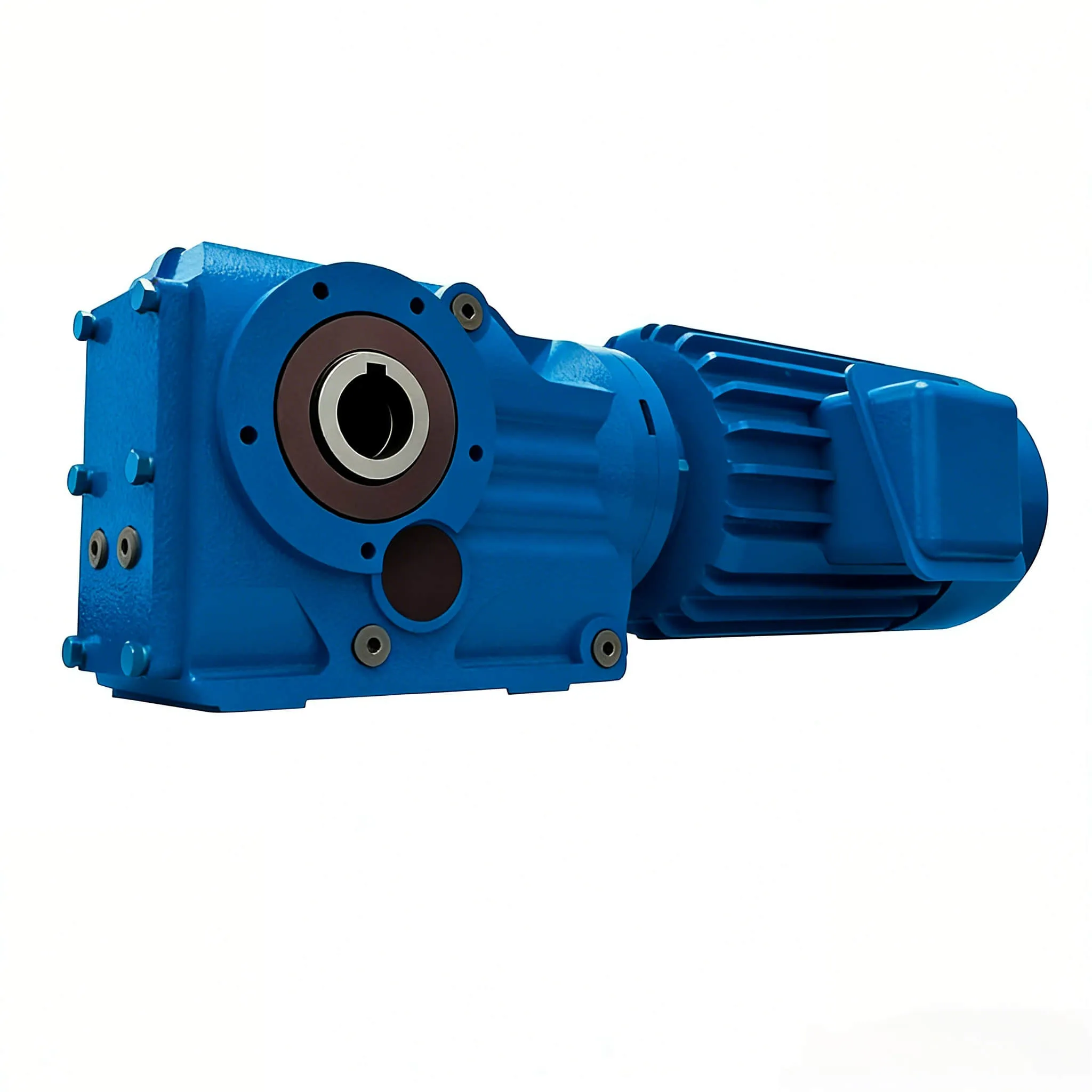
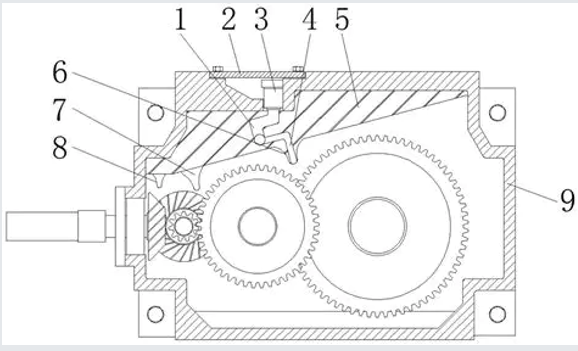
A low backlash gearbox represents a precision-engineered mechanical transmission system designed to minimize angular displacement between input and output shafts when load direction changes. This advanced gearing solution eliminates the unwanted movement that occurs when gear teeth separate from their mating surfaces during directional transitions. The low backlash gearbox achieves superior positioning accuracy through meticulously manufactured gear teeth with tighter tolerances and specialized tooth profiles that maintain constant contact. These sophisticated transmission units incorporate high-grade materials such as hardened steel alloys and advanced surface treatments to ensure consistent performance under demanding operational conditions. The primary function of a low backlash gearbox centers on delivering precise motion control while maintaining excellent repeatability in positioning applications. Technological features include specialized gear cutting techniques, optimized tooth geometry, and enhanced bearing systems that support smooth operation with minimal play. Advanced manufacturing processes ensure gear teeth mesh with exceptional precision, reducing the gap between mating surfaces to virtually zero. The gearbox design typically incorporates preloaded bearings and rigid housing construction to maintain structural integrity during high-precision operations. Applications for low backlash gearboxes span across industries requiring exact positioning control, including robotics, CNC machinery, semiconductor manufacturing equipment, medical devices, and automated assembly systems. These transmission systems prove essential in servo motor applications where precise angular positioning directly impacts product quality and operational efficiency. The technology enables manufacturers to achieve superior accuracy in automated processes while reducing maintenance requirements through robust construction and premium component materials. Modern low backlash gearbox designs often feature modular construction allowing easy integration into existing systems while providing long-term reliability in demanding industrial environments where precision and consistency remain paramount for successful operations.

 EN
EN