slewing drive gearbox
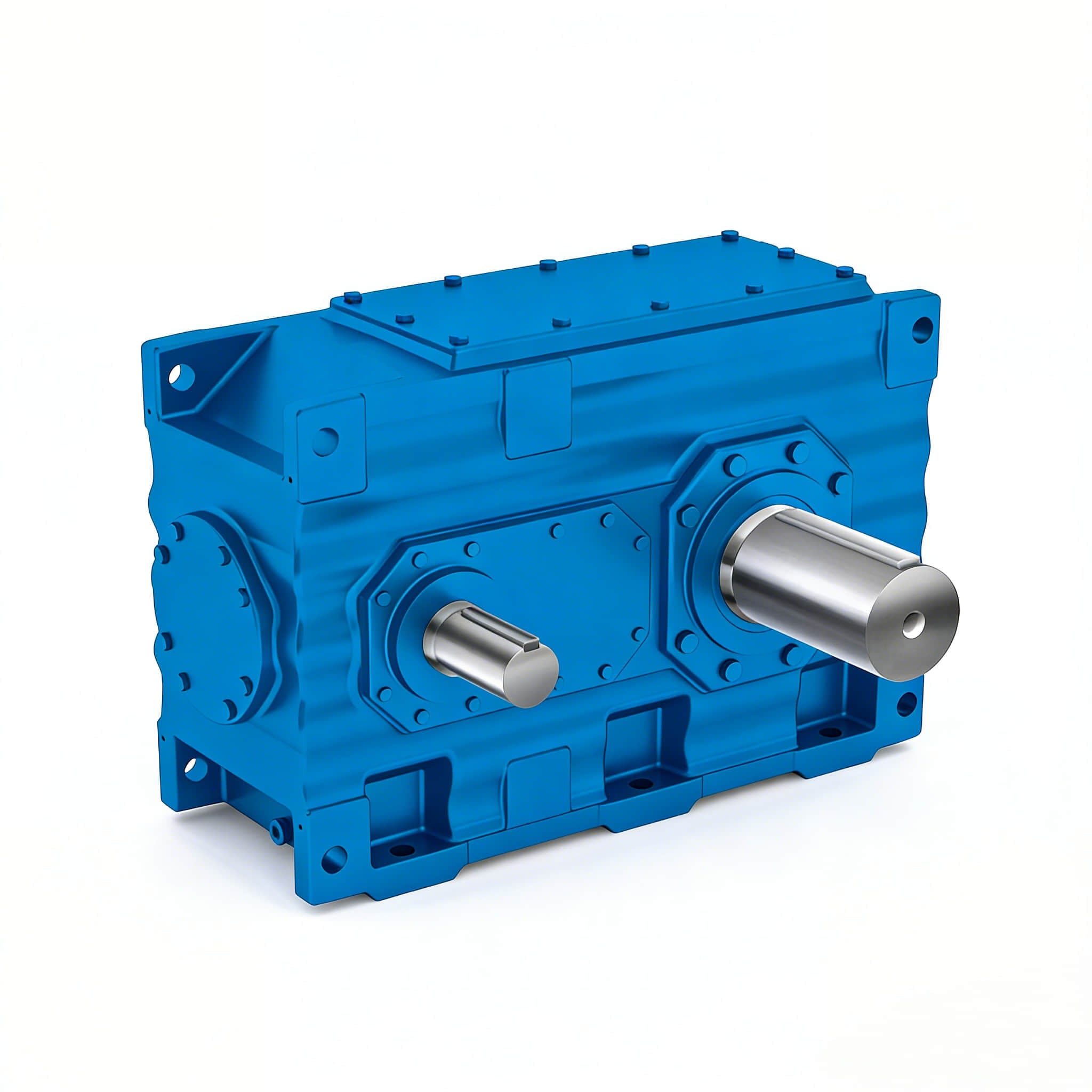
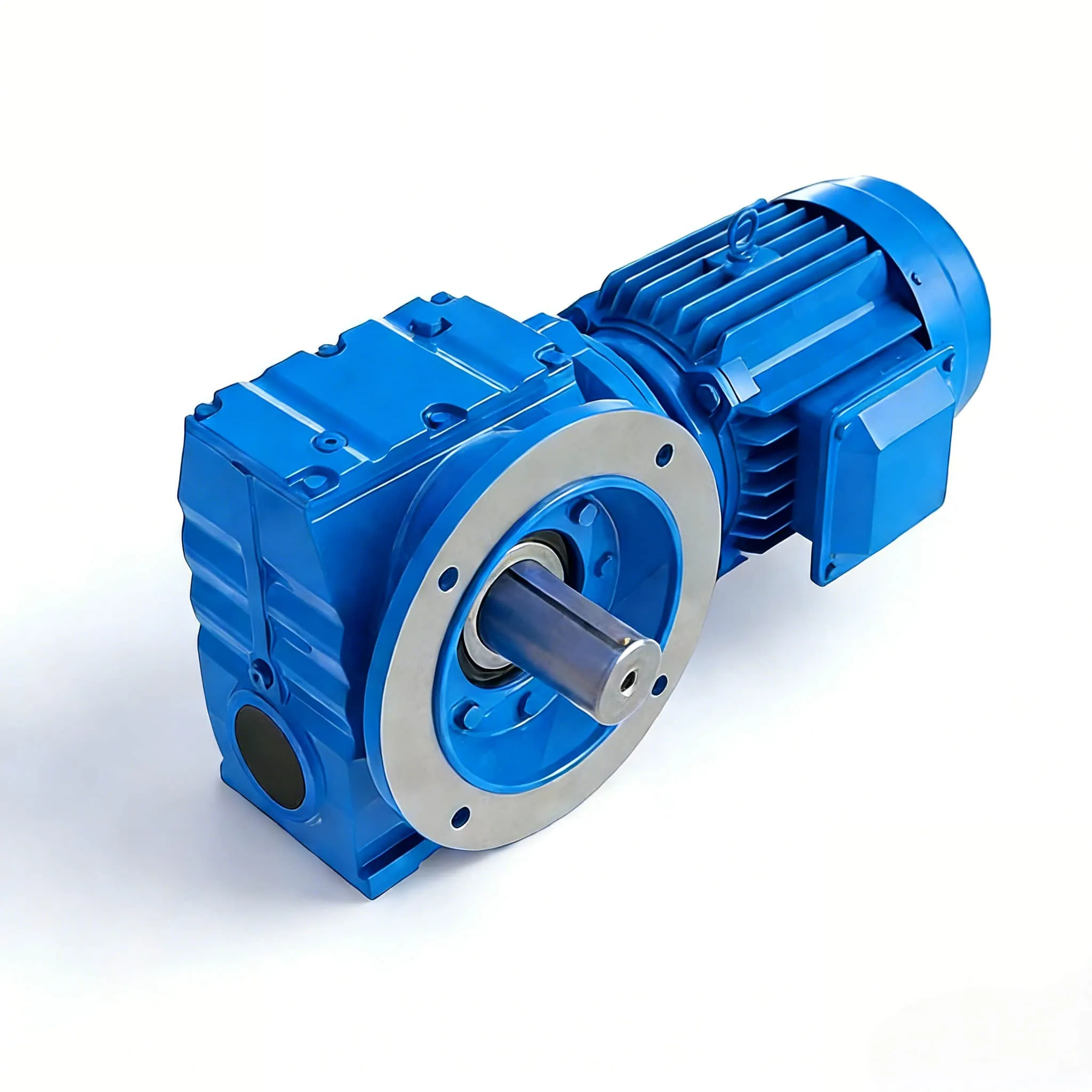
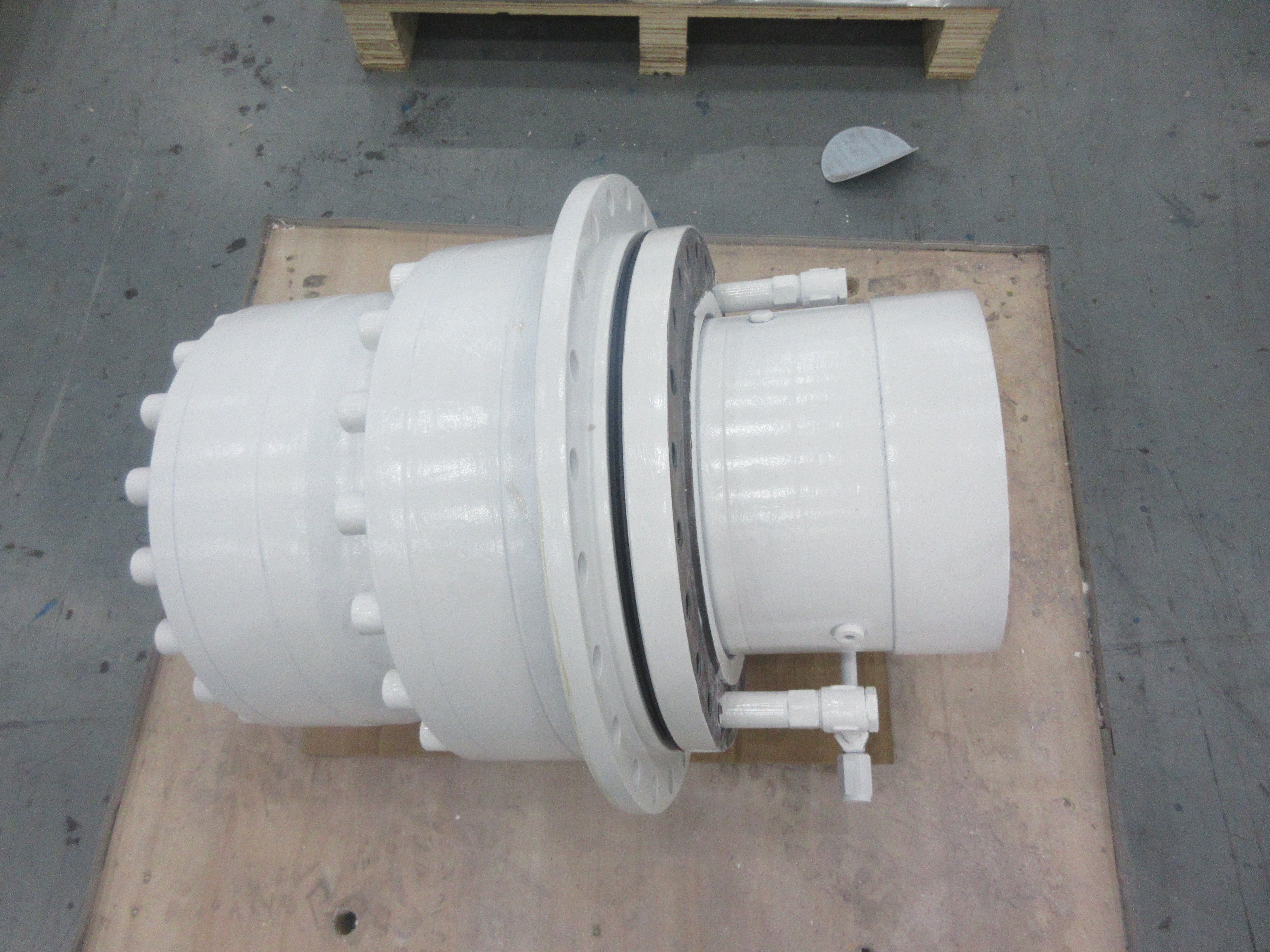
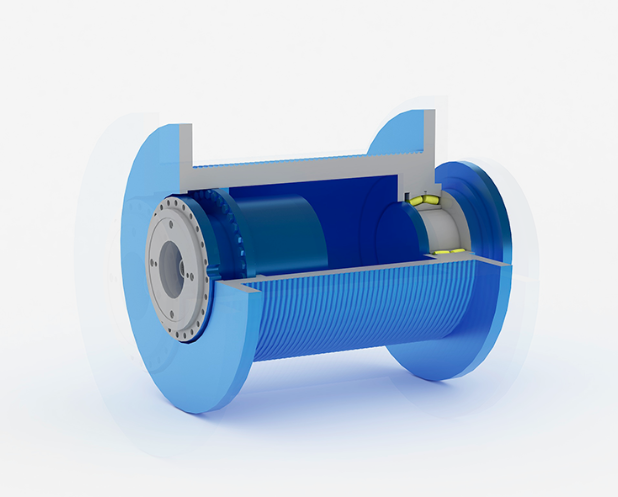
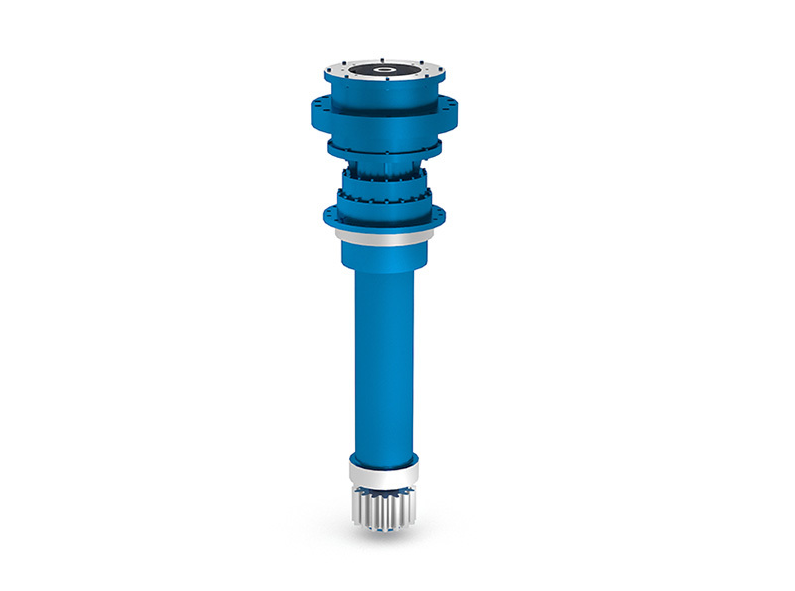
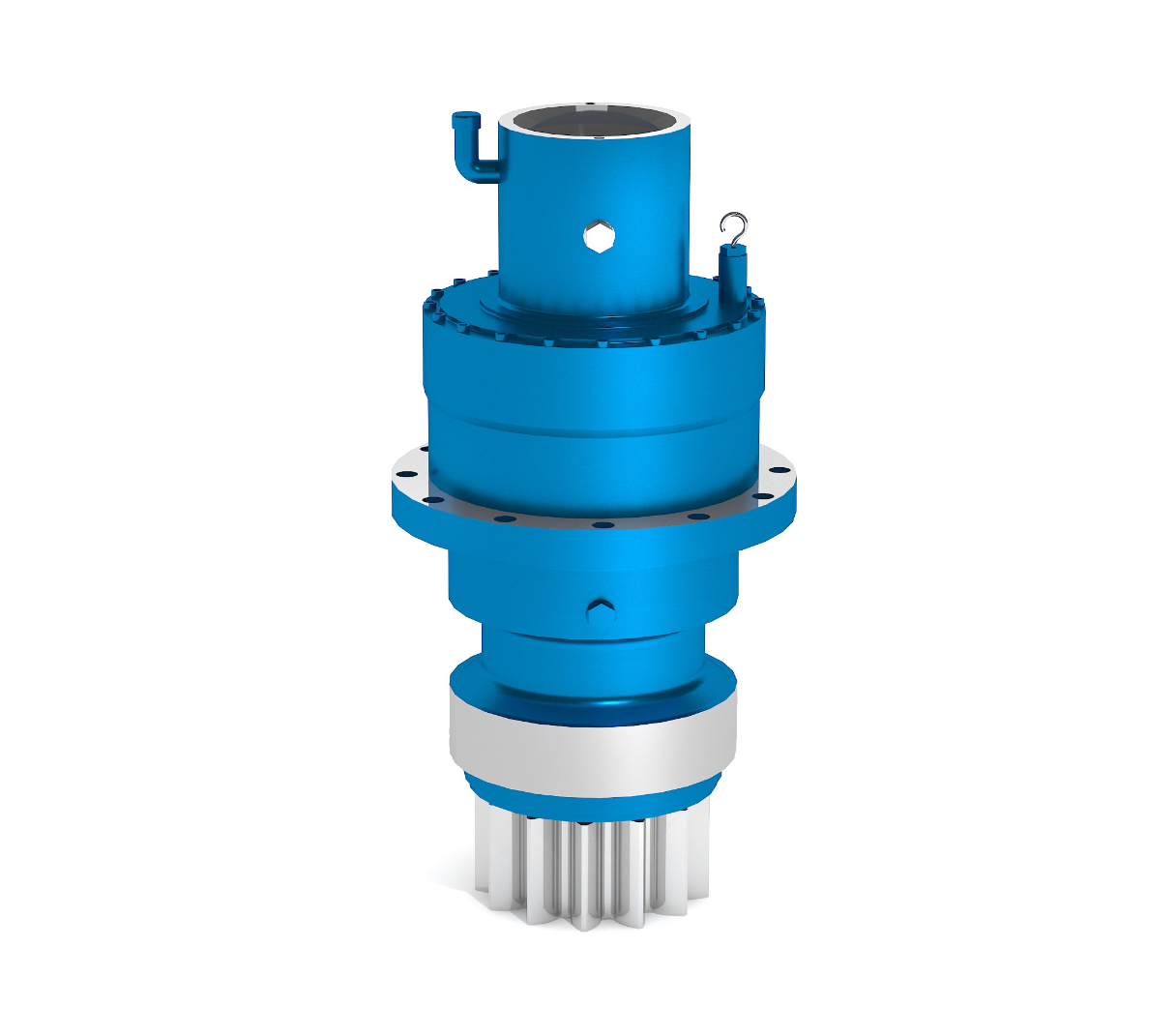
The slewing drive gearbox represents a critical mechanical component engineered to deliver precise rotational motion and exceptional load-bearing capabilities across diverse industrial applications. This sophisticated system integrates a worm gear mechanism with a slewing bearing, creating a compact yet powerful solution for applications requiring controlled rotation under substantial loads. The primary function of a slewing drive gearbox involves converting high-speed input rotation into low-speed, high-torque output motion, making it indispensable for heavy machinery operations. The technological foundation of this system relies on precision-manufactured worm gears that mesh with a ring gear integrated into the slewing bearing assembly. This configuration enables smooth, controlled rotation while maintaining exceptional positional accuracy and load distribution. Modern slewing drive gearbox units feature advanced sealing systems that protect internal components from environmental contaminants, ensuring reliable performance in challenging operating conditions. The bearing assembly utilizes multiple rows of rolling elements, typically ball or roller bearings, arranged to handle combined radial, axial, and moment loads simultaneously. This multi-directional load capability makes the slewing drive gearbox particularly valuable for applications where equipment must support significant weight while maintaining rotational freedom. Manufacturing processes involve precision machining and heat treatment procedures that optimize gear tooth profiles and bearing races for extended service life. Quality control measures ensure consistent performance characteristics across production runs, with rigorous testing protocols validating load capacity, rotational accuracy, and durability specifications. The modular design approach allows for customization based on specific application requirements, including gear ratios, mounting configurations, and load ratings. Integration capabilities enable seamless incorporation into existing machinery designs, with standardized mounting interfaces simplifying installation procedures and reducing implementation costs for manufacturers and end users alike.

 EN
EN