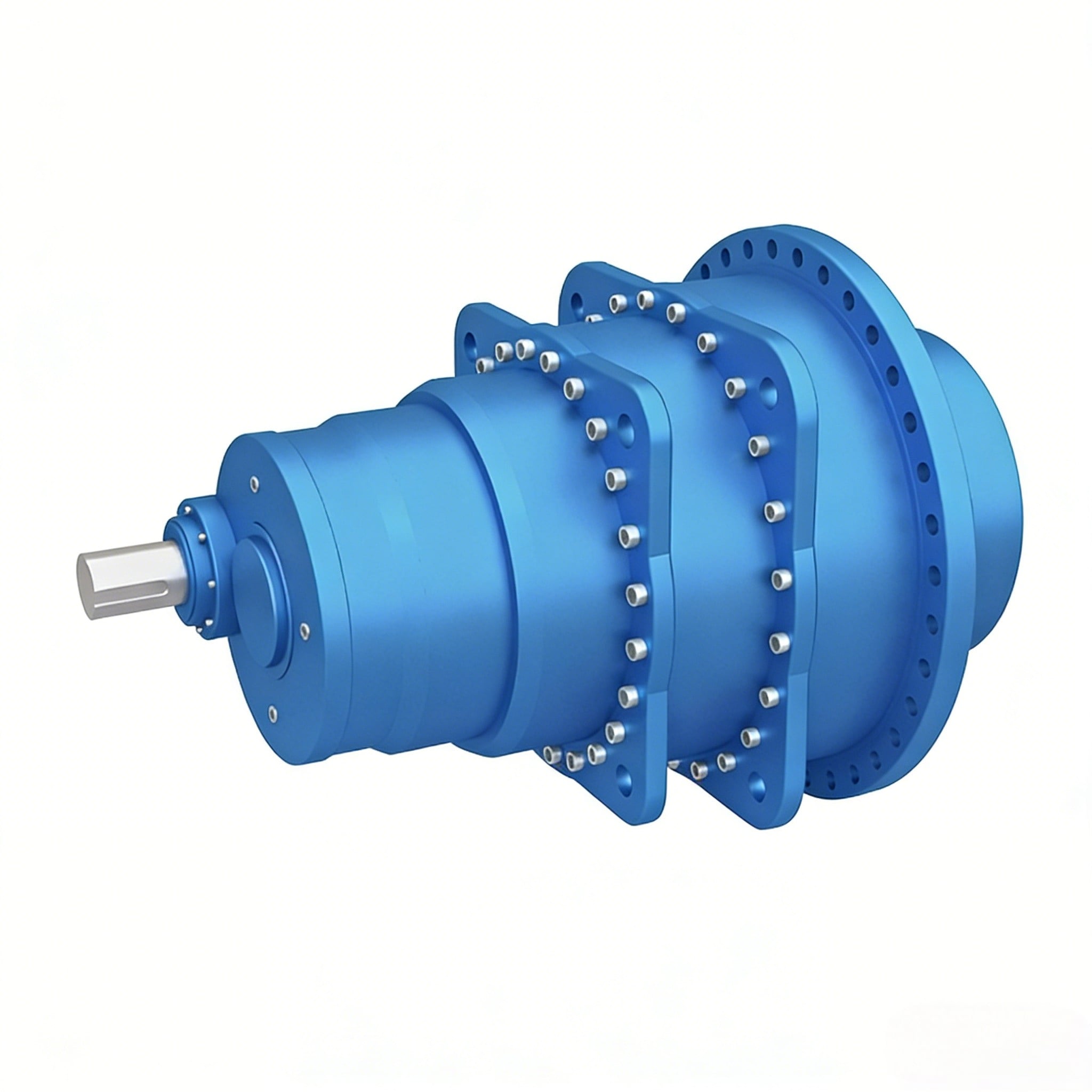
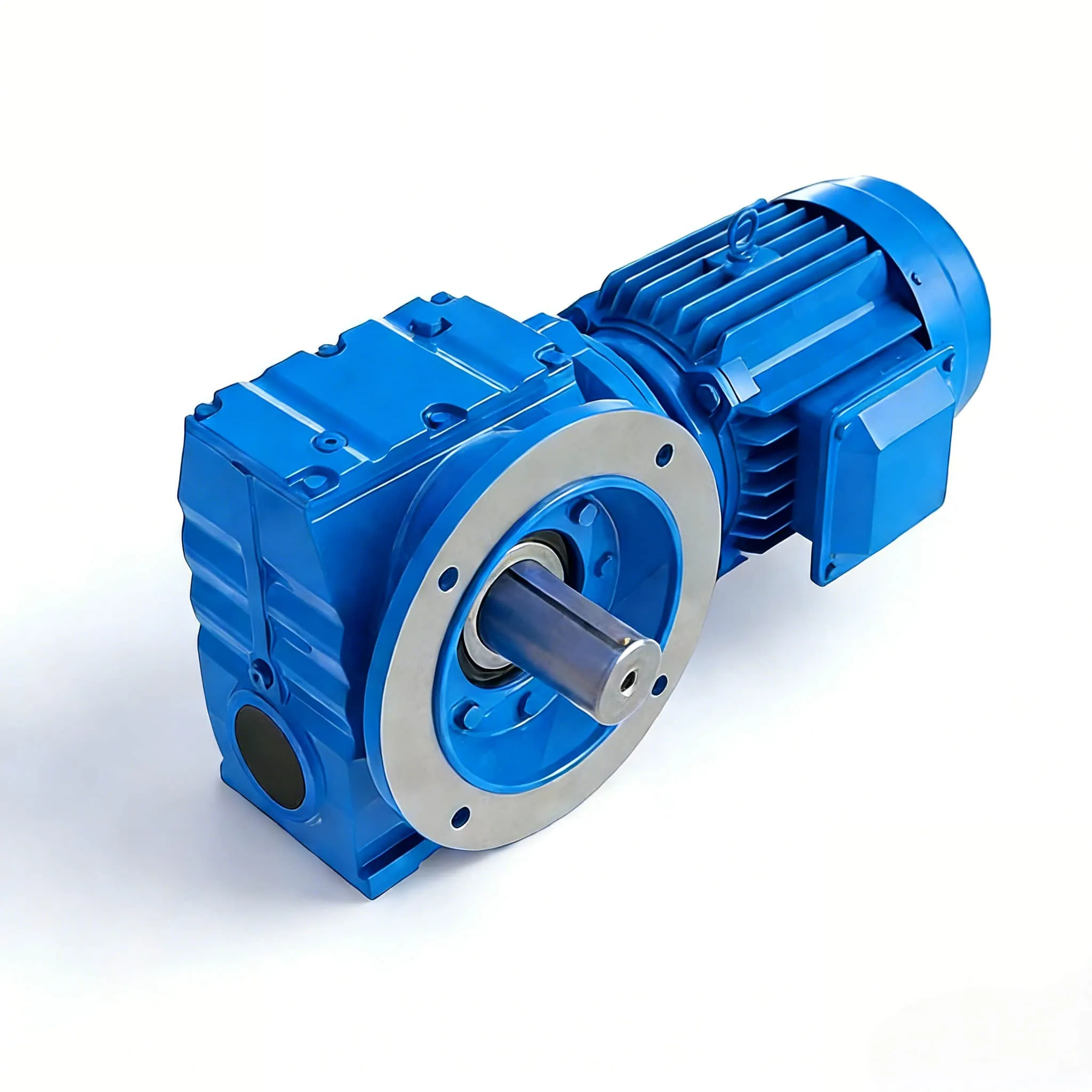
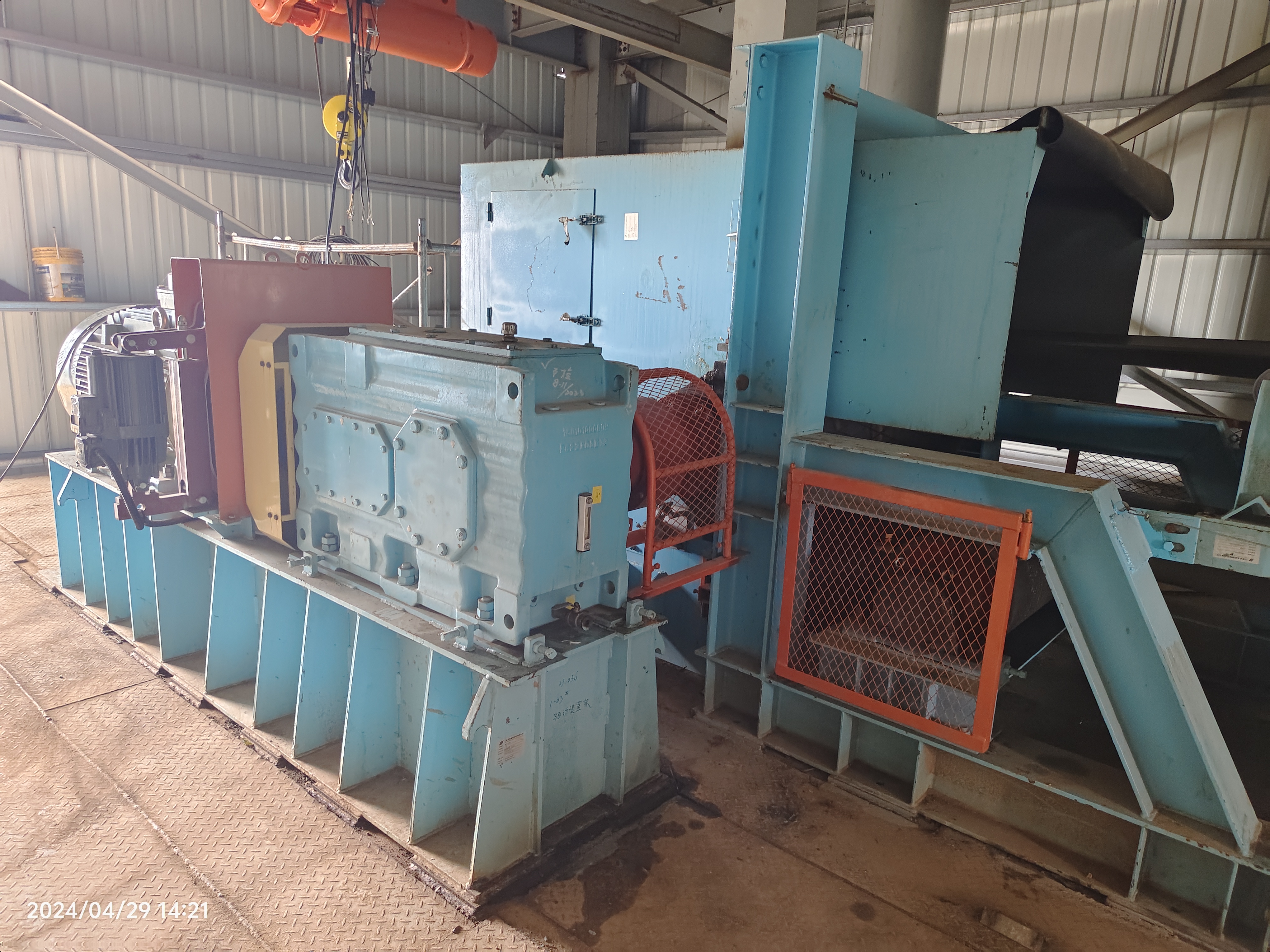
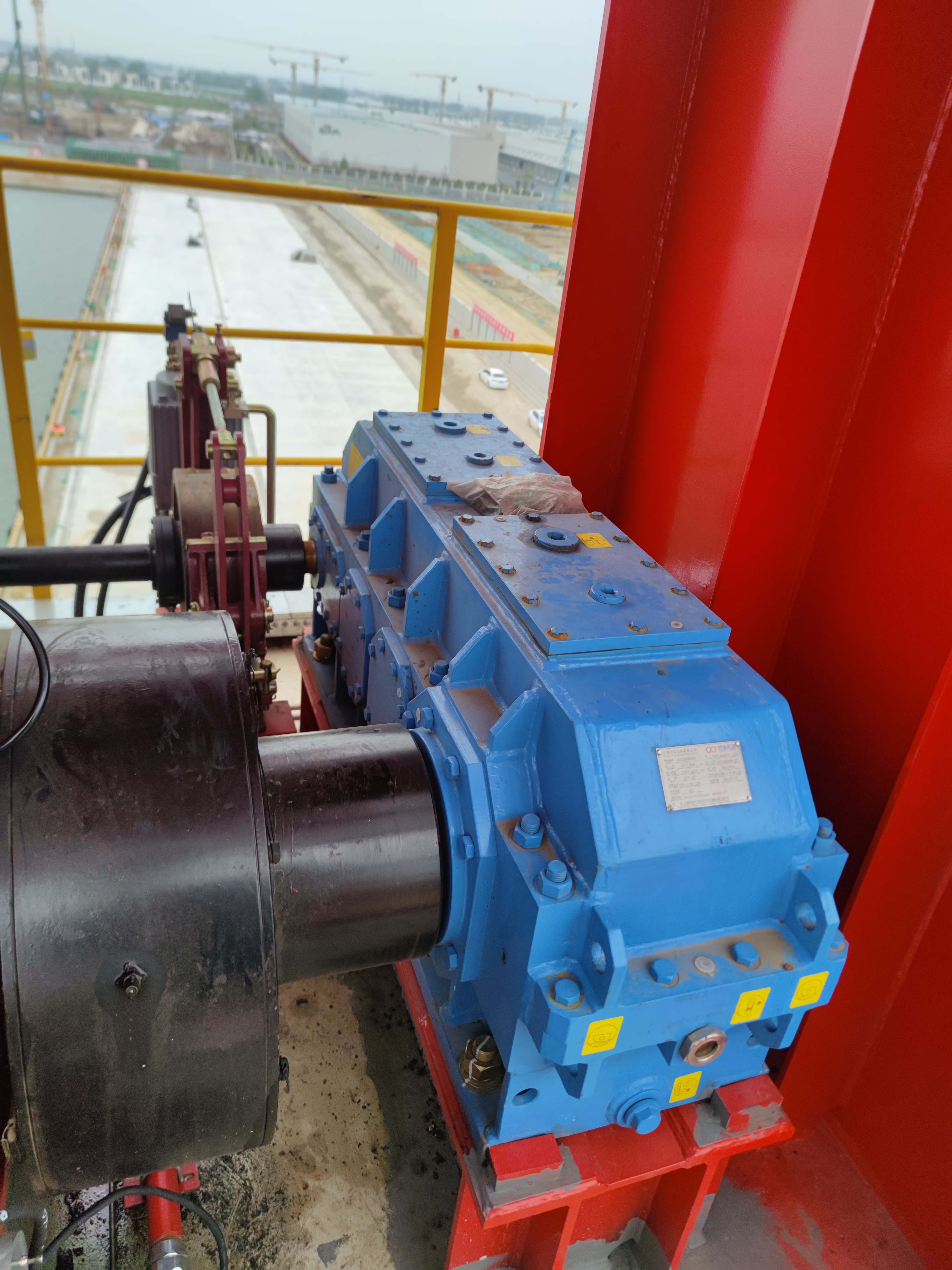
industrial gear box
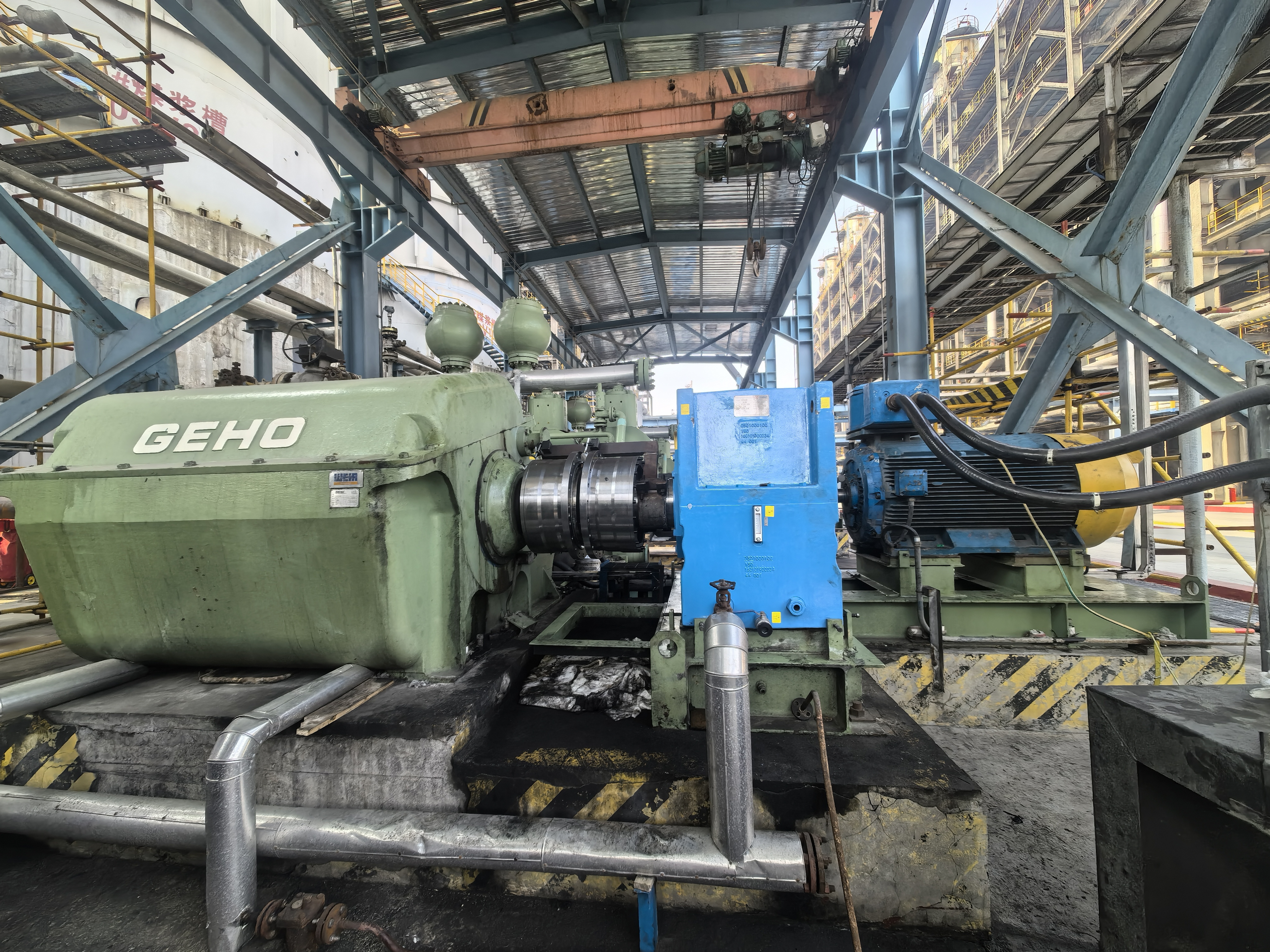
An industrial gear box serves as a critical mechanical component that transmits power and reduces speed in manufacturing and processing equipment across diverse industries. This sophisticated device functions as an intermediary between high-speed motors and low-speed machinery, converting rotational energy while multiplying torque output to meet specific operational requirements. The industrial gear box incorporates precision-engineered gears, bearings, shafts, and housings designed to withstand extreme operating conditions including heavy loads, temperature fluctuations, and continuous operation cycles. Modern industrial gear box systems utilize advanced metallurgy and heat treatment processes to ensure exceptional durability and performance consistency. These units employ various gear configurations including helical, spur, bevel, and planetary arrangements, each optimized for particular load characteristics and speed reduction ratios. The technological features of an industrial gear box encompass precision machining tolerances, advanced lubrication systems, and robust sealing mechanisms that prevent contamination while maintaining optimal operating temperatures. Contemporary designs integrate condition monitoring capabilities through vibration sensors and temperature gauges, enabling predictive maintenance strategies that minimize unexpected downtime. Applications for industrial gear box systems span numerous sectors including mining operations, steel production facilities, cement manufacturing plants, conveyor systems, wind energy generation, marine propulsion, and heavy machinery manufacturing. In mining applications, these units power crushers, mills, and conveyor belts that process raw materials. Steel production relies on industrial gear box technology for rolling mills, furnace mechanisms, and material handling equipment. Cement plants utilize these systems in kilns, crushers, and raw material preparation machinery. The versatility of industrial gear box designs allows customization for specific torque requirements, environmental conditions, and integration parameters, making them indispensable components in modern industrial infrastructure.

 EN
EN