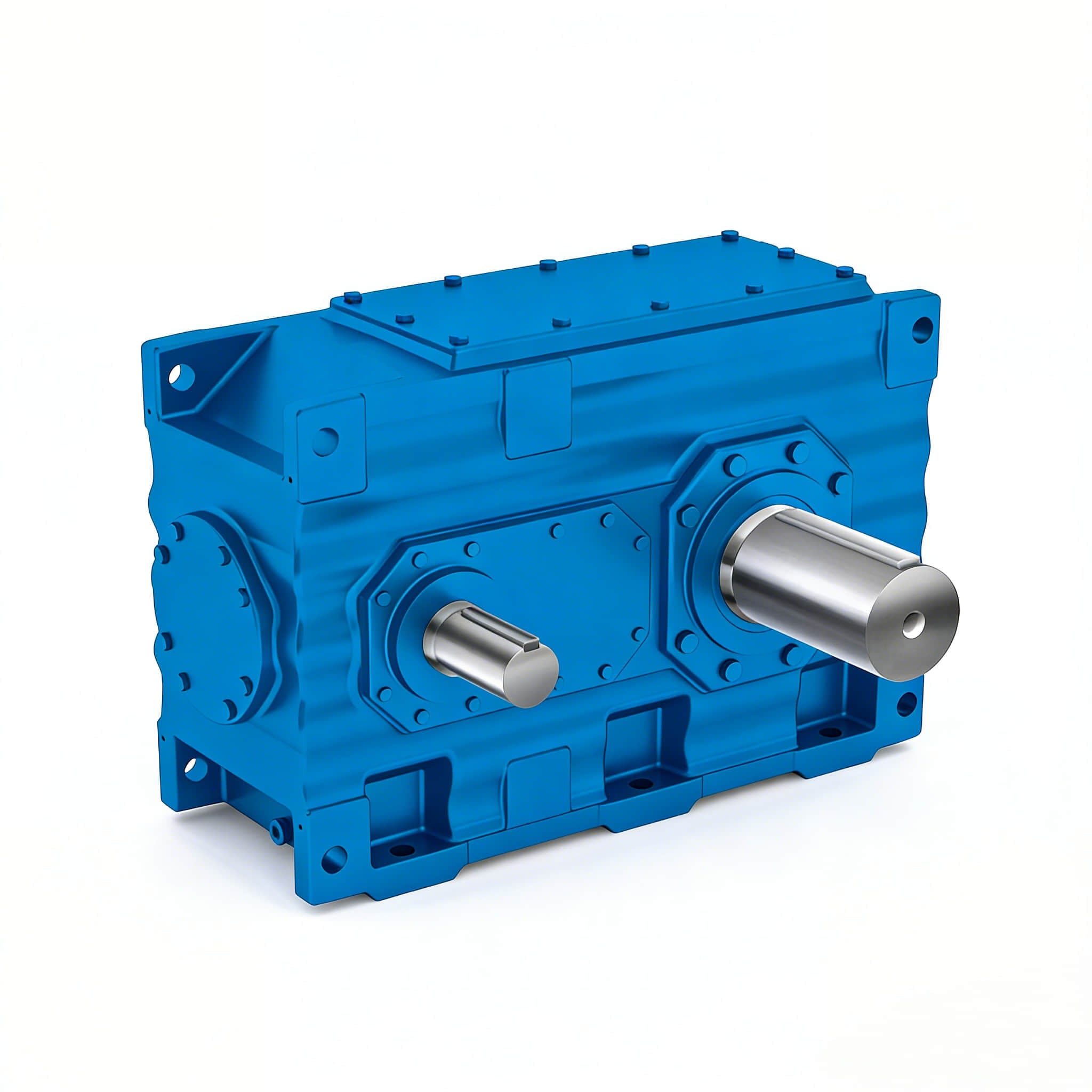
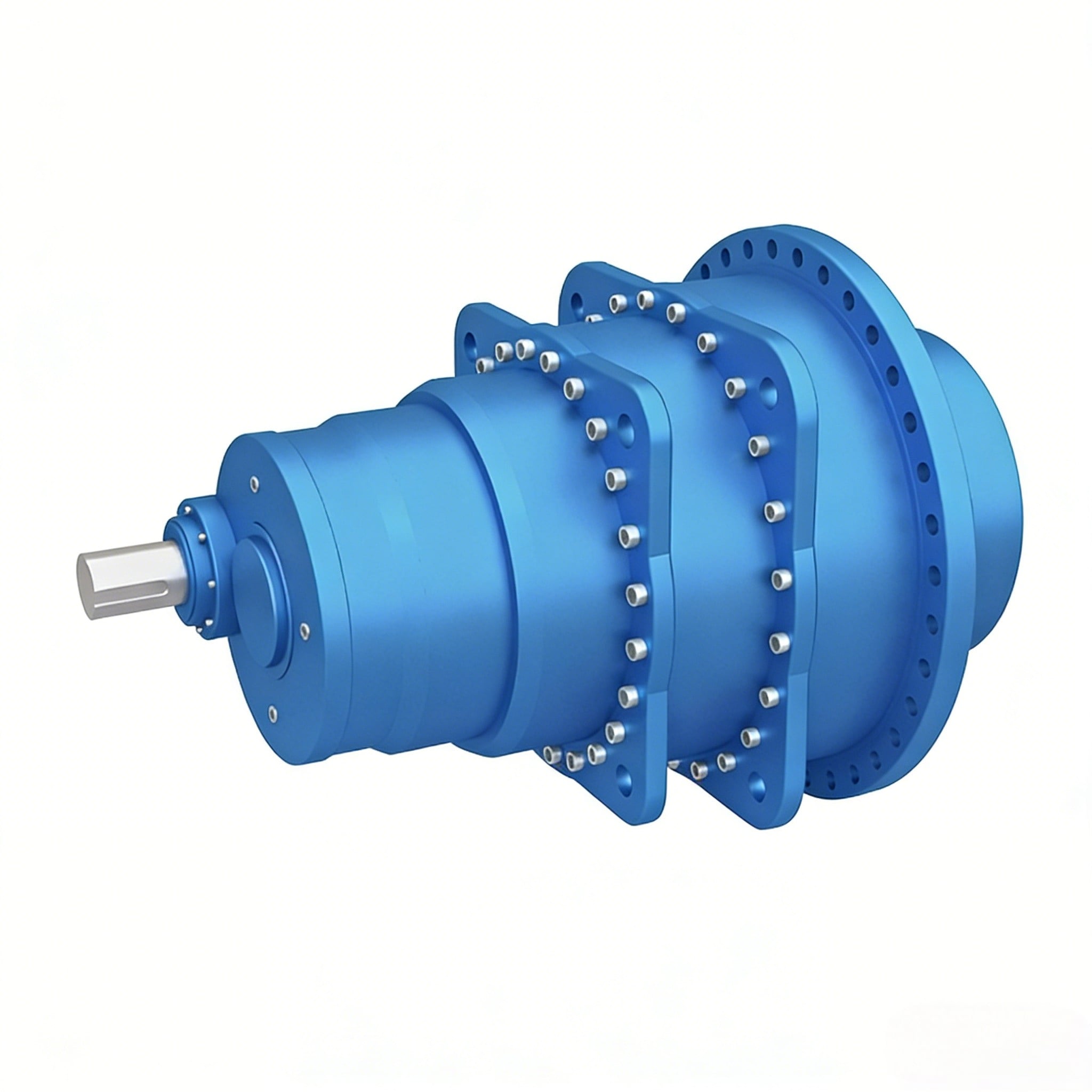
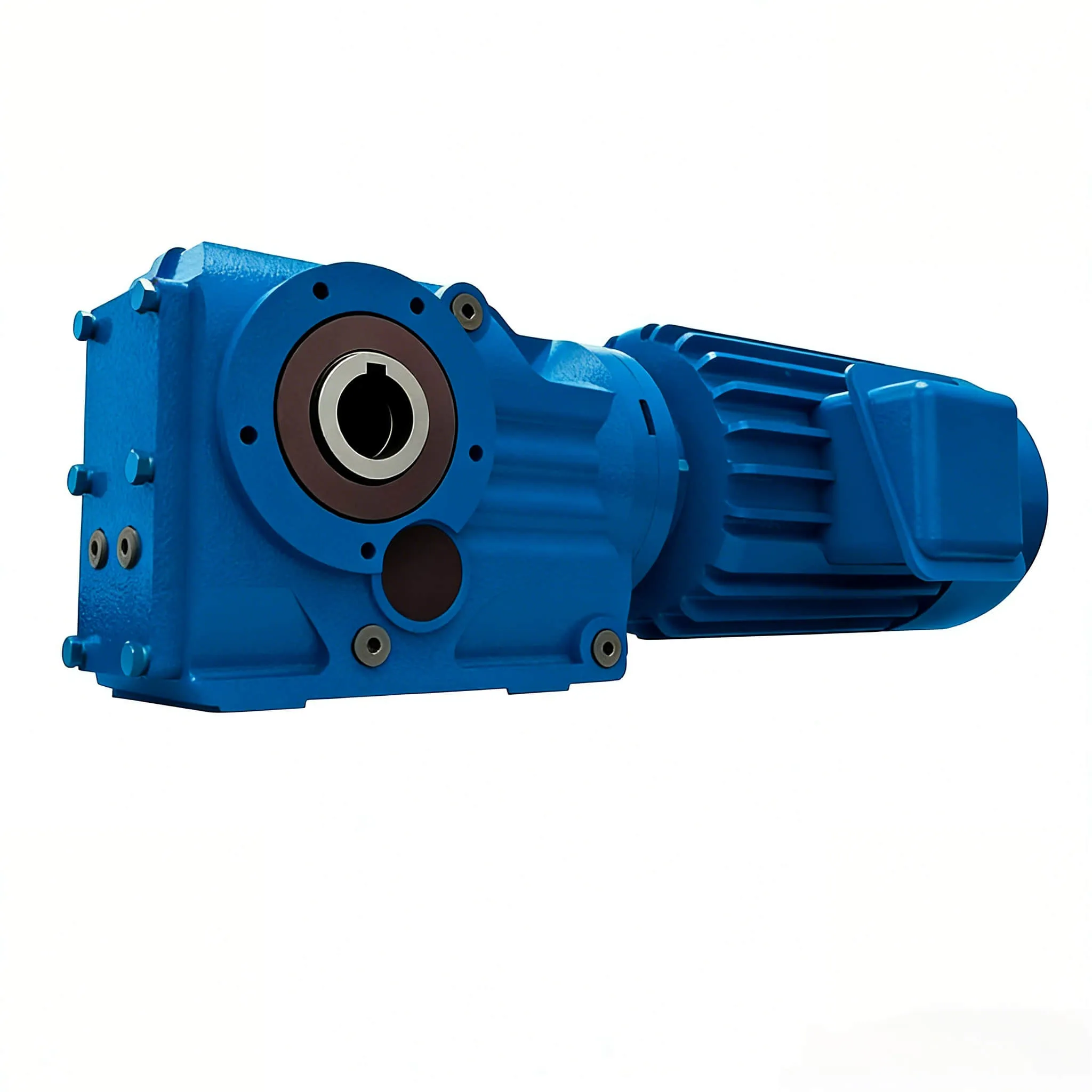
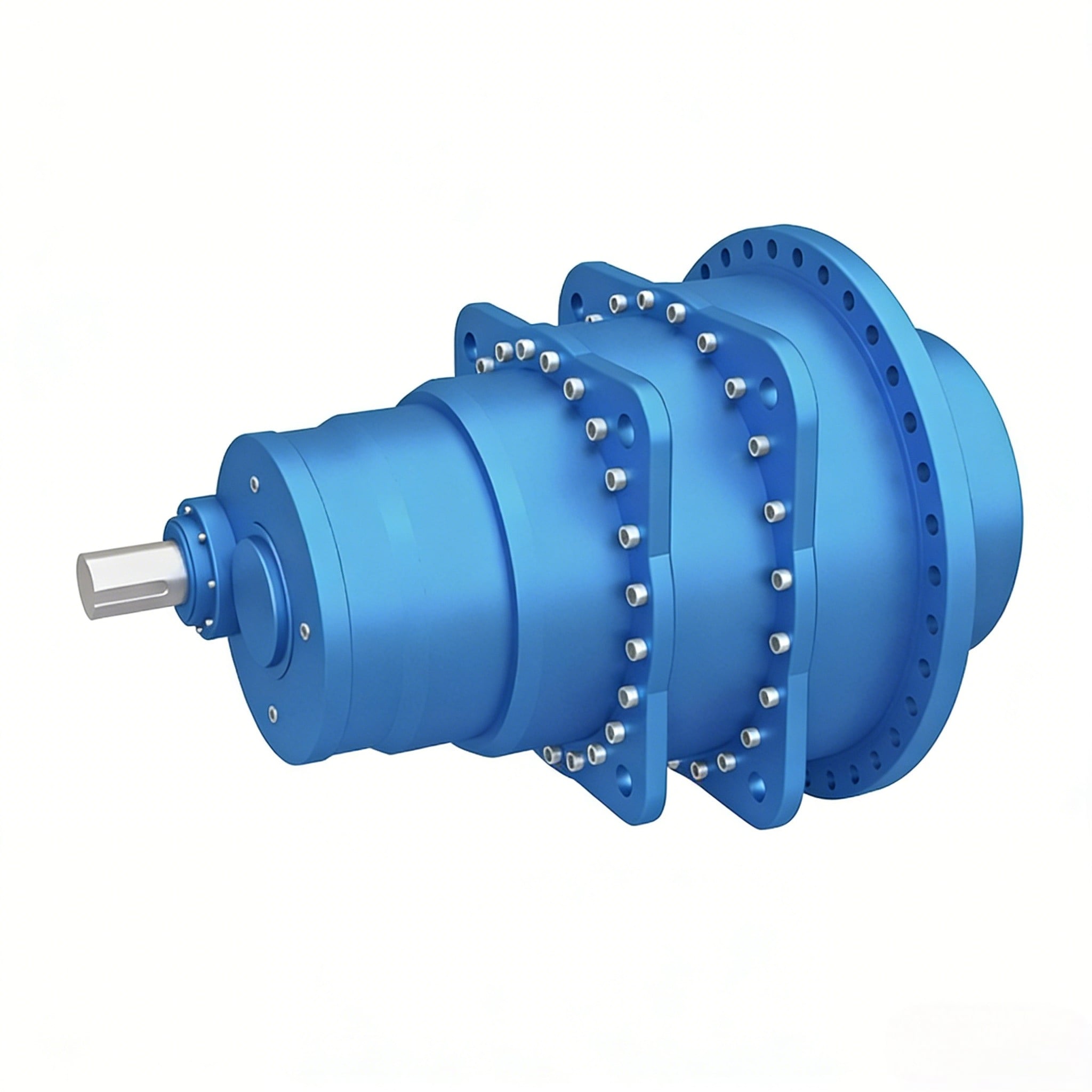
High-Performance Elevator Gearbox Systems - Superior Speed Control & Durability

Get a Free Quote

Our representative will contact you soon.
Email
Name
Company Name
Message
0/1000

elevator gearbox

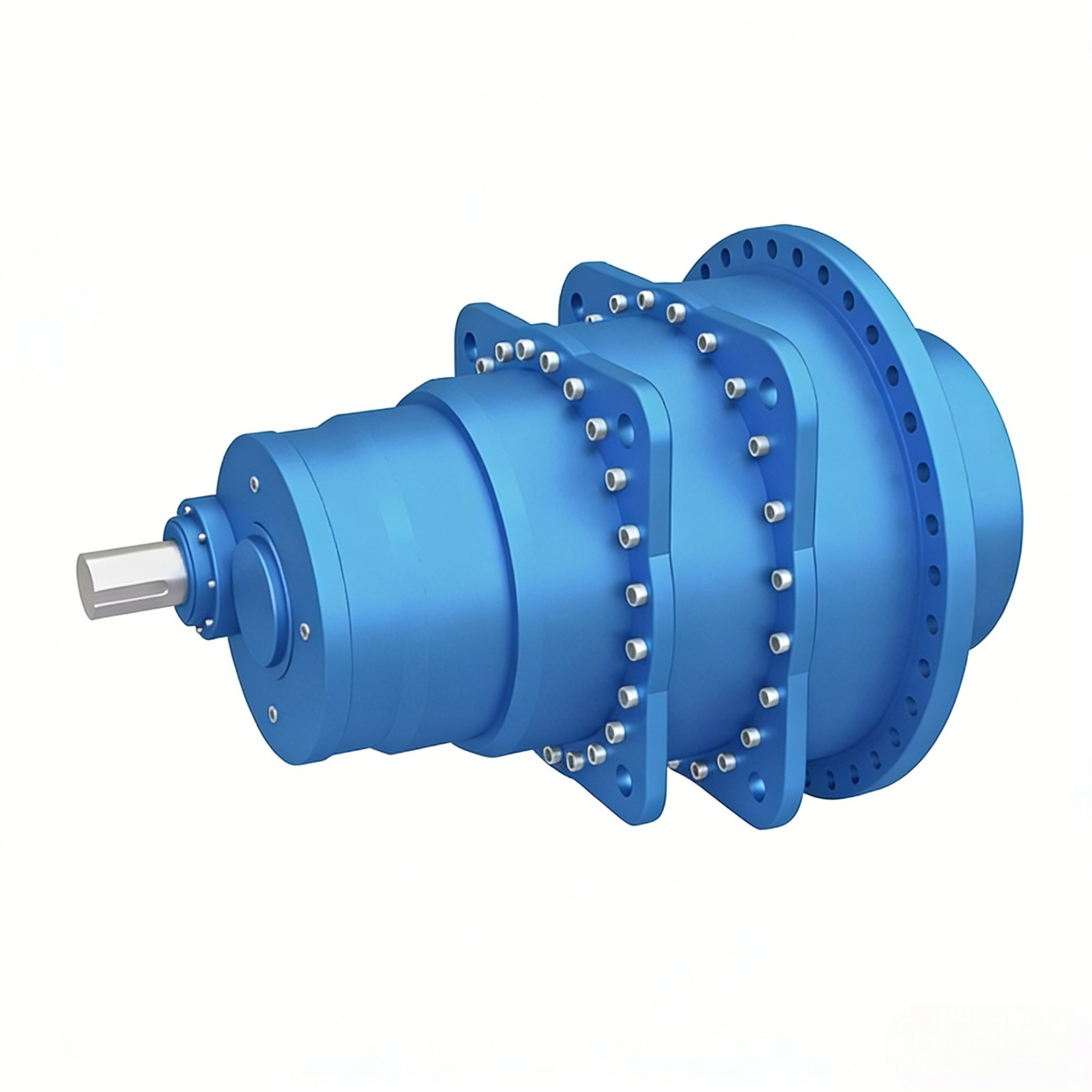
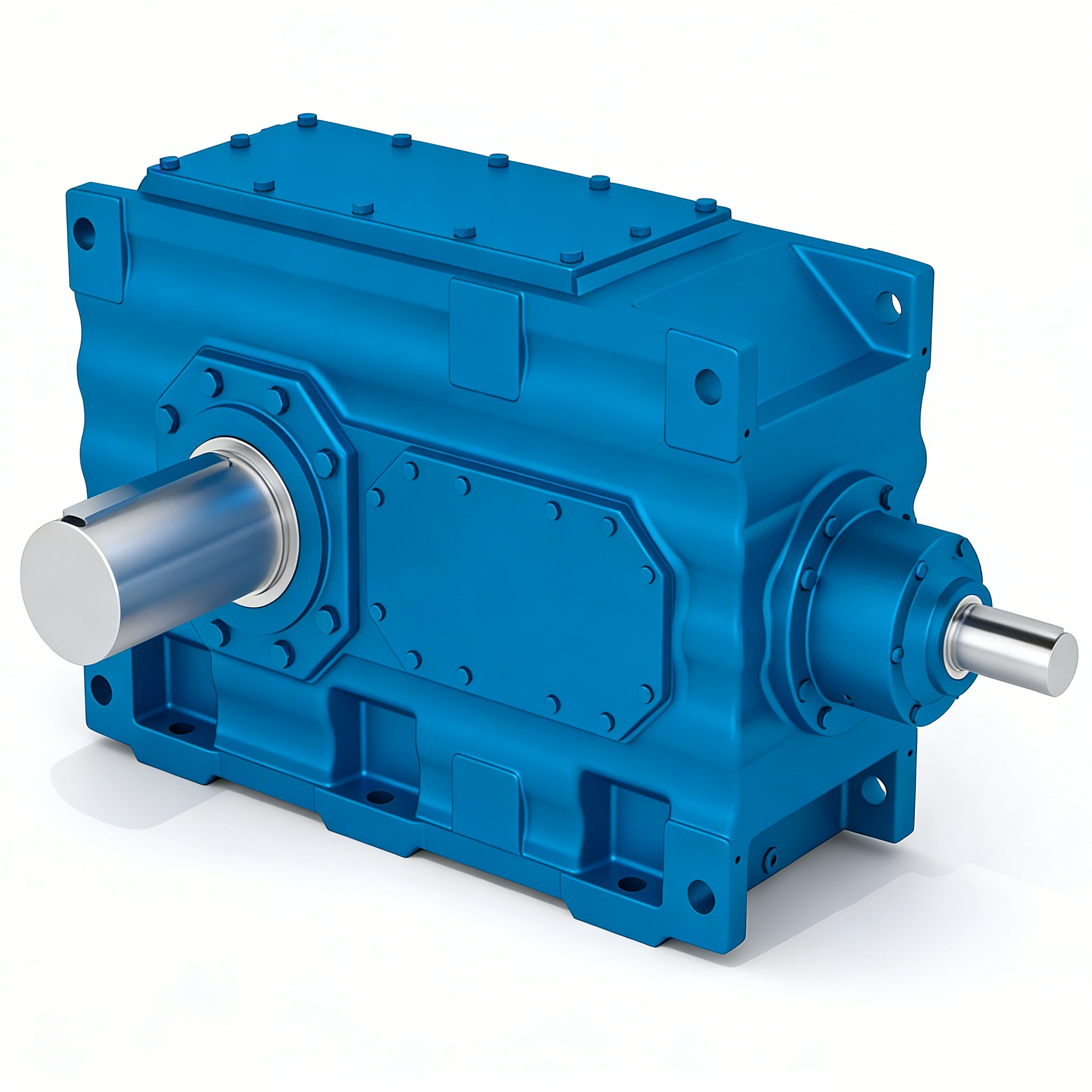
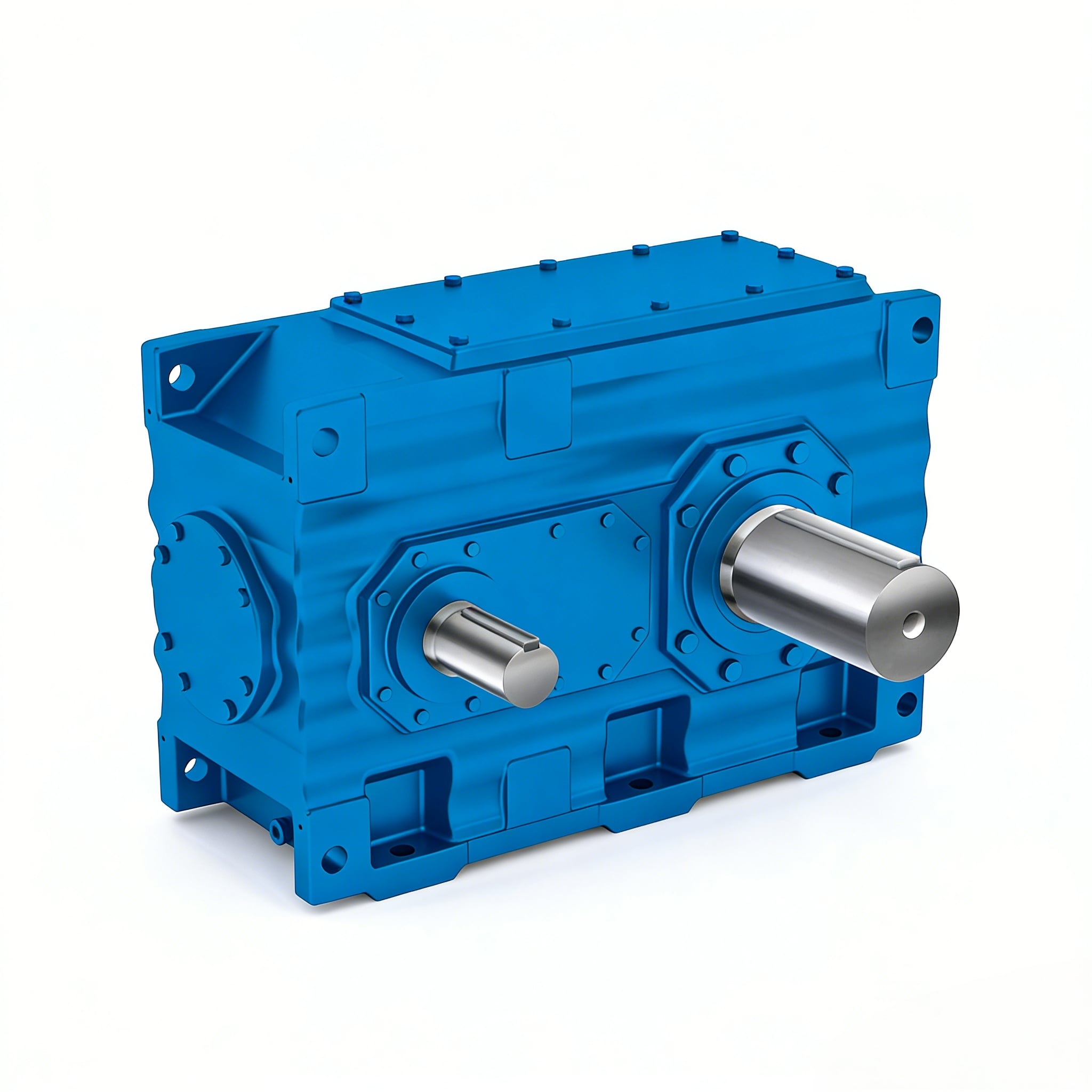
An elevator gearbox represents a critical mechanical component that serves as the power transmission system within elevator installations. This sophisticated device transforms the high-speed rotation from electric motors into the controlled, low-speed movement required for safe and efficient elevator operation. The elevator gearbox functions as an intermediary mechanism that regulates speed reduction while simultaneously amplifying torque output, ensuring smooth passenger transportation between building floors. Modern elevator gearboxes incorporate advanced engineering principles to deliver reliable performance across residential, commercial, and industrial applications. The primary function of an elevator gearbox involves converting motor shaft rotation into appropriate speeds for lifting mechanisms. Through precision-engineered gear ratios, these systems achieve optimal speed reduction that enables elevators to operate within safe velocity parameters while maintaining sufficient lifting capacity for various load requirements. Contemporary elevator gearbox designs feature multiple gear stages that work in coordination to provide exact speed control and consistent performance. The technological features of elevator gearboxes include robust construction materials, precision manufacturing tolerances, and advanced lubrication systems that ensure long-term operational reliability. These components typically incorporate hardened steel gears, high-quality bearings, and sealed housing units that protect internal mechanisms from environmental contamination. Modern elevator gearbox systems also integrate noise reduction technologies and vibration dampening features that contribute to quieter elevator operation. Applications for elevator gearboxes span across diverse building types and elevator configurations. From low-rise residential buildings to high-rise commercial towers, these systems adapt to various installation requirements and capacity specifications. The elevator gearbox proves essential in both traction and hydraulic elevator systems, providing the necessary mechanical advantage for safe and reliable vertical transportation solutions.

New Product Releases

The elevator gearbox delivers exceptional operational benefits that directly impact building owners, maintenance professionals, and end users through improved performance and cost savings. These systems provide superior speed control capabilities that ensure smooth acceleration and deceleration patterns, eliminating jarring movements that could compromise passenger comfort or safety. The precise gear ratios within elevator gearboxes enable operators to achieve optimal travel speeds while maintaining energy efficiency standards that reduce overall operational costs. Buildings equipped with high-quality elevator gearbox systems experience significantly reduced maintenance requirements compared to direct-drive alternatives, as these components distribute mechanical stress across multiple gear stages rather than concentrating forces on single components. This distributed load approach extends component lifespan and minimizes unexpected breakdowns that could disrupt building operations. The elevator gearbox design inherently provides mechanical advantage that allows smaller, more energy-efficient motors to handle substantial lifting loads, resulting in reduced electrical consumption and lower utility expenses. Property managers benefit from the enhanced reliability that elevator gearbox systems provide through their robust construction and proven mechanical principles. These systems operate effectively across wide temperature ranges and varying environmental conditions, making them suitable for installations in diverse geographic locations and building types. The standardized design of elevator gearboxes facilitates easier maintenance procedures and parts availability, enabling service technicians to perform routine maintenance tasks efficiently while minimizing system downtime. Building owners appreciate the long-term value proposition that elevator gearbox systems offer through their extended operational lifespan and consistent performance characteristics. These systems typically require fewer major repairs throughout their service life compared to alternative drive technologies, contributing to predictable maintenance budgets and reduced total cost of ownership. The elevator gearbox also provides excellent load handling capabilities that accommodate varying passenger loads without performance degradation, ensuring consistent service quality regardless of usage patterns. Safety benefits represent another significant advantage of elevator gearbox systems, as these components provide multiple levels of mechanical redundancy that enhance overall system reliability and passenger protection.

Practical Tips

A Warm Invitation to Visit Our Manufacturing Base

15

Jan

A Warm Invitation to Visit Our Manufacturing Base

View More
Precision Quality Control: Safeguarding High-Precision Heavy-Duty Gear Transmission Release Date: August 20 , 2025

15

Jan

Precision Quality Control: Safeguarding High-Precision Heavy-Duty Gear Transmission Release Date: August 20 , 2025

View More
R&D Innovation Upgrade: Focus on Heavy-Duty Conditions, Empower Transmission Tech Breakthroughs

15

Jan

R&D Innovation Upgrade: Focus on Heavy-Duty Conditions, Empower Transmission Tech Breakthroughs

View More

Get a Free Quote

Our representative will contact you soon.
Email
Name
Company Name
Message
0/1000

elevator gearbox

Enhanced Load Capacity and Torque Multiplication

Enhanced Load Capacity and Torque Multiplication

The elevator gearbox excels in providing exceptional load capacity through its advanced torque multiplication capabilities, making it an indispensable component for buildings requiring reliable vertical transportation solutions. This sophisticated mechanical system transforms the relatively low torque output from electric motors into the high torque levels necessary for lifting substantial passenger and cargo loads safely and efficiently. The gear reduction ratios within elevator gearbox units typically range from 10:1 to 40:1, depending on specific application requirements, enabling these systems to generate the mechanical advantage needed for various building configurations and usage demands. The torque multiplication process occurs through carefully engineered gear trains that distribute forces across multiple contact points, reducing stress concentrations that could lead to premature component failure. This distributed force approach allows elevator gearbox systems to handle peak loading conditions without compromising operational integrity or safety margins. Building owners benefit from this enhanced load capacity through increased elevator utilization rates and the ability to accommodate fully loaded passenger cars during peak traffic periods without performance degradation. The robust construction of elevator gearbox components ensures consistent torque delivery across the entire operational range, providing smooth acceleration and deceleration characteristics that enhance passenger comfort while maintaining energy efficiency standards. Professional maintenance teams appreciate the reliability that comes from the proven mechanical principles employed in elevator gearbox design, as these systems demonstrate predictable wear patterns and maintenance requirements that facilitate proactive service scheduling. The load capacity advantages extend beyond passenger transportation to include freight applications, where elevator gearbox systems provide the necessary torque multiplication for moving heavy equipment, furniture, and materials between building levels. This versatility makes elevator gearbox technology suitable for mixed-use buildings that require both passenger and freight transportation capabilities within a single installation.
Superior Speed Control and Smooth Operation

Superior Speed Control and Smooth Operation

The elevator gearbox delivers unparalleled speed control precision that directly translates into enhanced passenger comfort and operational efficiency across diverse building applications. This advanced mechanical system provides infinitely variable speed control through its sophisticated gear reduction mechanisms, enabling elevator operators to achieve optimal travel velocities that balance passenger comfort with energy efficiency requirements. The inherent speed regulation capabilities of elevator gearbox systems eliminate the harsh acceleration and deceleration patterns often associated with direct-drive alternatives, creating a smoother riding experience that reduces passenger anxiety and improves overall user satisfaction. The precision engineering within elevator gearbox units ensures consistent speed maintenance throughout the entire travel range, preventing the velocity fluctuations that can occur with other drive technologies during varying load conditions. This stability proves particularly valuable in high-rise applications where speed consistency becomes critical for passenger comfort during extended travel times between floors. Building managers appreciate the operational flexibility that elevator gearbox systems provide through their ability to accommodate different speed requirements for various building zones or time periods, such as reduced speeds during maintenance operations or high-traffic periods. The mechanical speed control inherent in elevator gearbox design provides an additional safety layer by preventing over-speed conditions that could compromise passenger safety or system integrity. This built-in protection mechanism operates independently of electronic control systems, offering reliable backup protection that enhances overall elevator safety standards. The smooth operation characteristics of elevator gearbox systems also contribute to reduced mechanical stress on associated components, including cables, pulleys, and structural supports, thereby extending the operational lifespan of the entire elevator installation. Professional service technicians recognize the maintenance advantages that come from the consistent operational patterns provided by elevator gearbox systems, as these predictable characteristics facilitate more accurate diagnostic procedures and preventive maintenance scheduling that minimizes unexpected service interruptions.
Exceptional Durability and Maintenance Efficiency

Exceptional Durability and Maintenance Efficiency

The elevator gearbox stands out for its exceptional durability characteristics that deliver long-term operational reliability while minimizing maintenance requirements and associated costs throughout its service life. This robust mechanical system incorporates high-grade materials and precision manufacturing processes that ensure consistent performance across millions of operational cycles, making it an ideal choice for buildings with high elevator usage rates and demanding operational requirements. The sealed housing design of modern elevator gearbox units protects internal components from environmental contaminants, moisture, and debris that could compromise operational integrity or accelerate wear patterns. This protective approach significantly extends component lifespan and reduces the frequency of major maintenance interventions required to maintain optimal performance standards. Building owners benefit from the proven track record of elevator gearbox technology, which demonstrates operational lifespans often exceeding twenty years with proper maintenance protocols, providing exceptional return on investment compared to alternative drive technologies. The modular construction approach employed in elevator gearbox design facilitates efficient maintenance procedures by allowing service technicians to access and replace individual components without requiring complete system replacement. This design philosophy reduces maintenance costs and minimizes elevator downtime during service procedures, ensuring building occupants maintain consistent access to vertical transportation services. The standardized component specifications used in elevator gearbox manufacturing ensure widespread parts availability and competitive pricing for replacement components, enabling building managers to maintain cost-effective maintenance programs throughout the system's operational life. Professional maintenance teams appreciate the straightforward diagnostic procedures associated with elevator gearbox systems, as mechanical wear patterns and performance indicators provide clear guidance for preventive maintenance scheduling and component replacement timing. The inherent reliability of elevator gearbox technology reduces emergency service calls and unexpected breakdowns that could disrupt building operations or compromise tenant satisfaction. This operational stability proves particularly valuable in commercial and residential applications where elevator reliability directly impacts business continuity and resident convenience.

Get a Free Quote

Our representative will contact you soon.
Email
Name
Company Name
Message
0/1000