Double Reduction Gearbox: High-Performance Power Transmission Solutions for Industrial Applications

Get a Free Quote

Our representative will contact you soon.
Email
Name
Company Name
Message
0/1000

double reduction gearbox

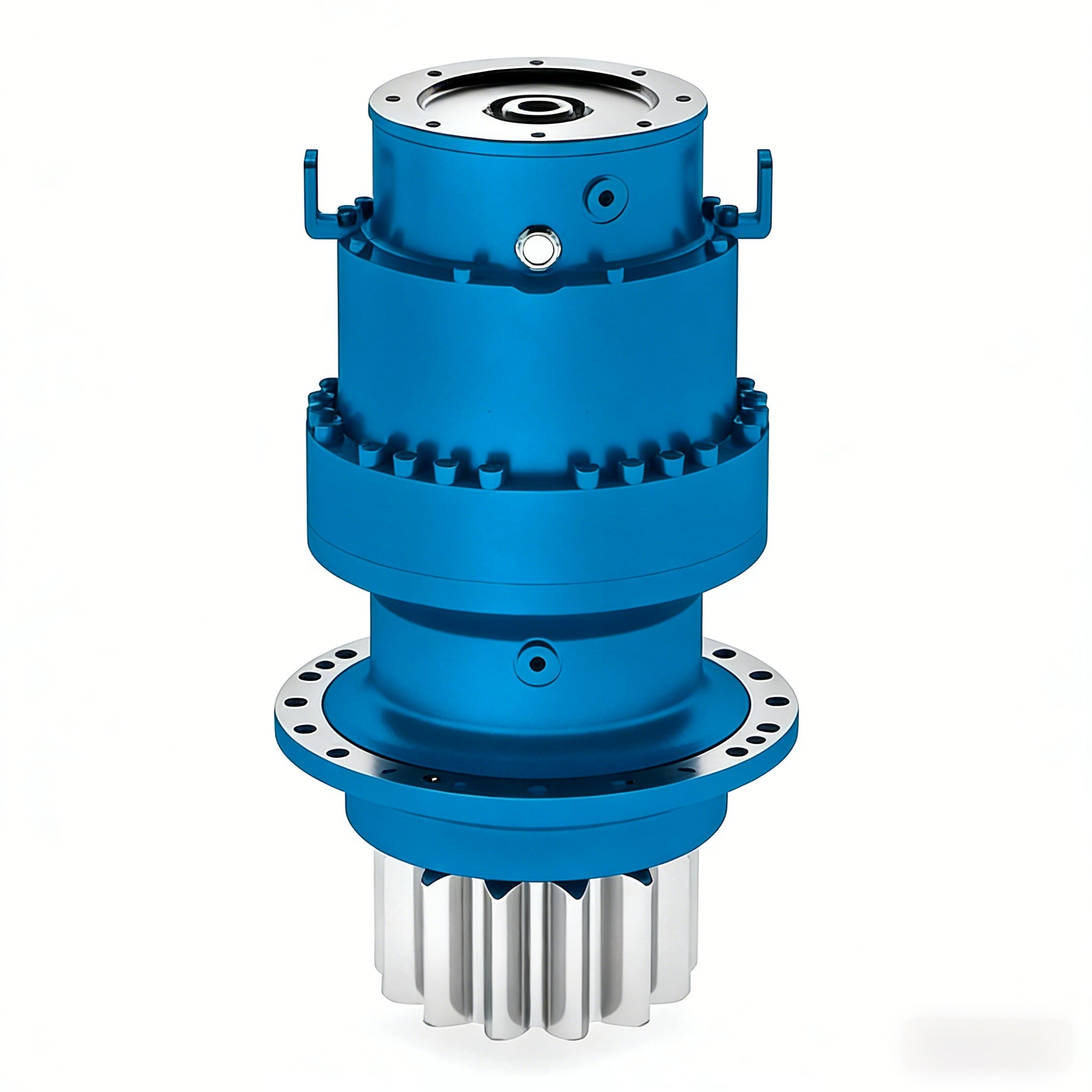
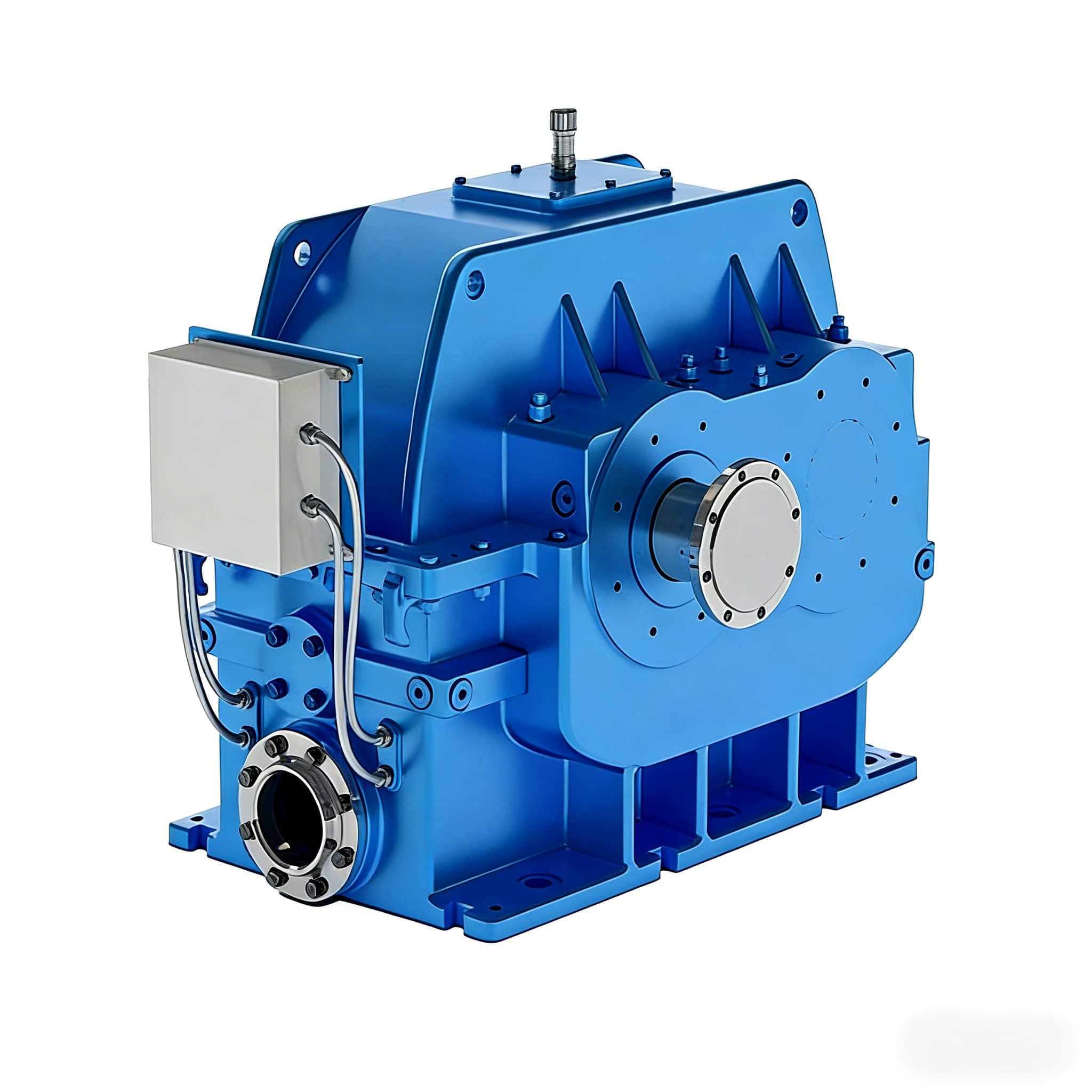
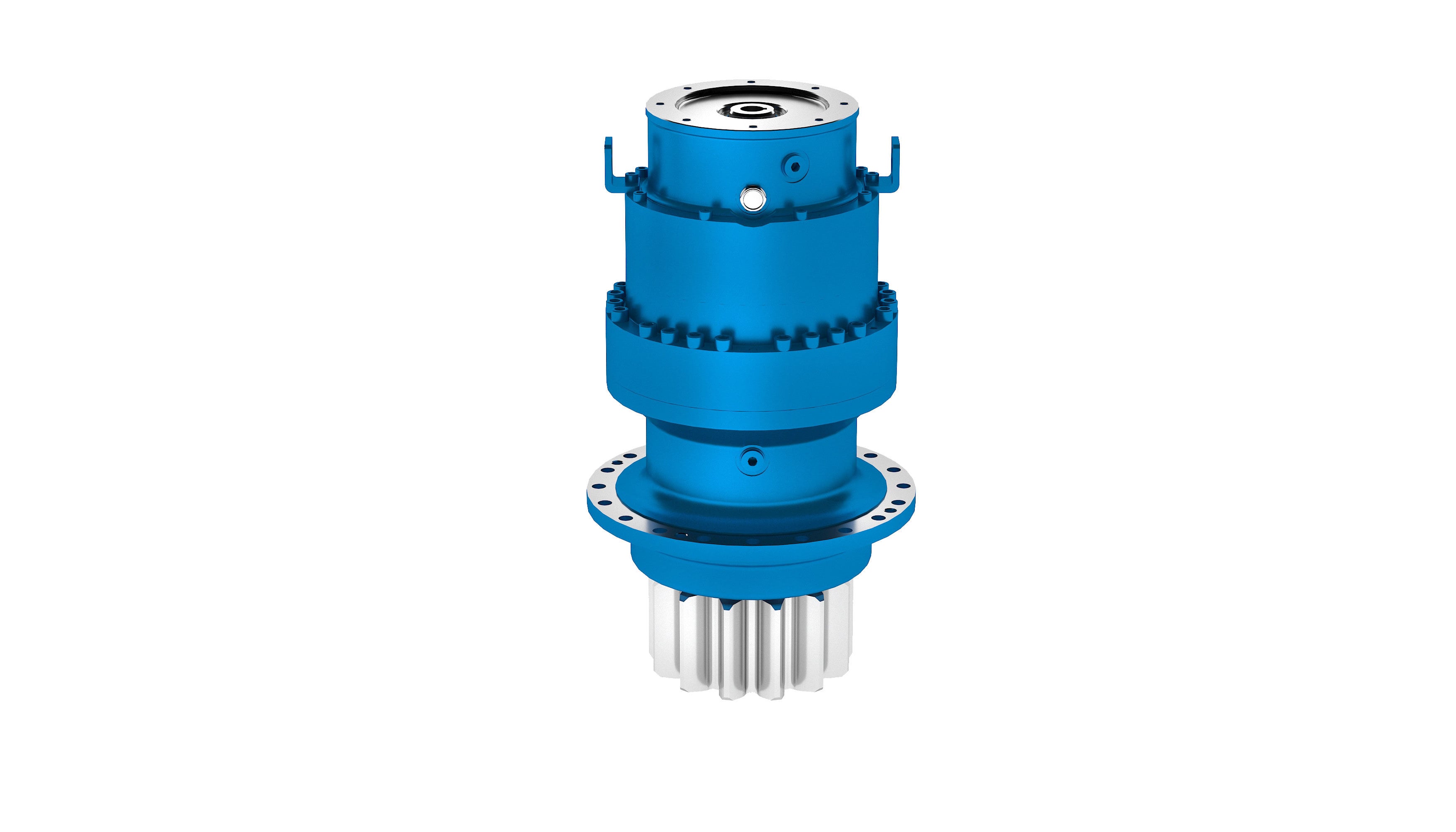
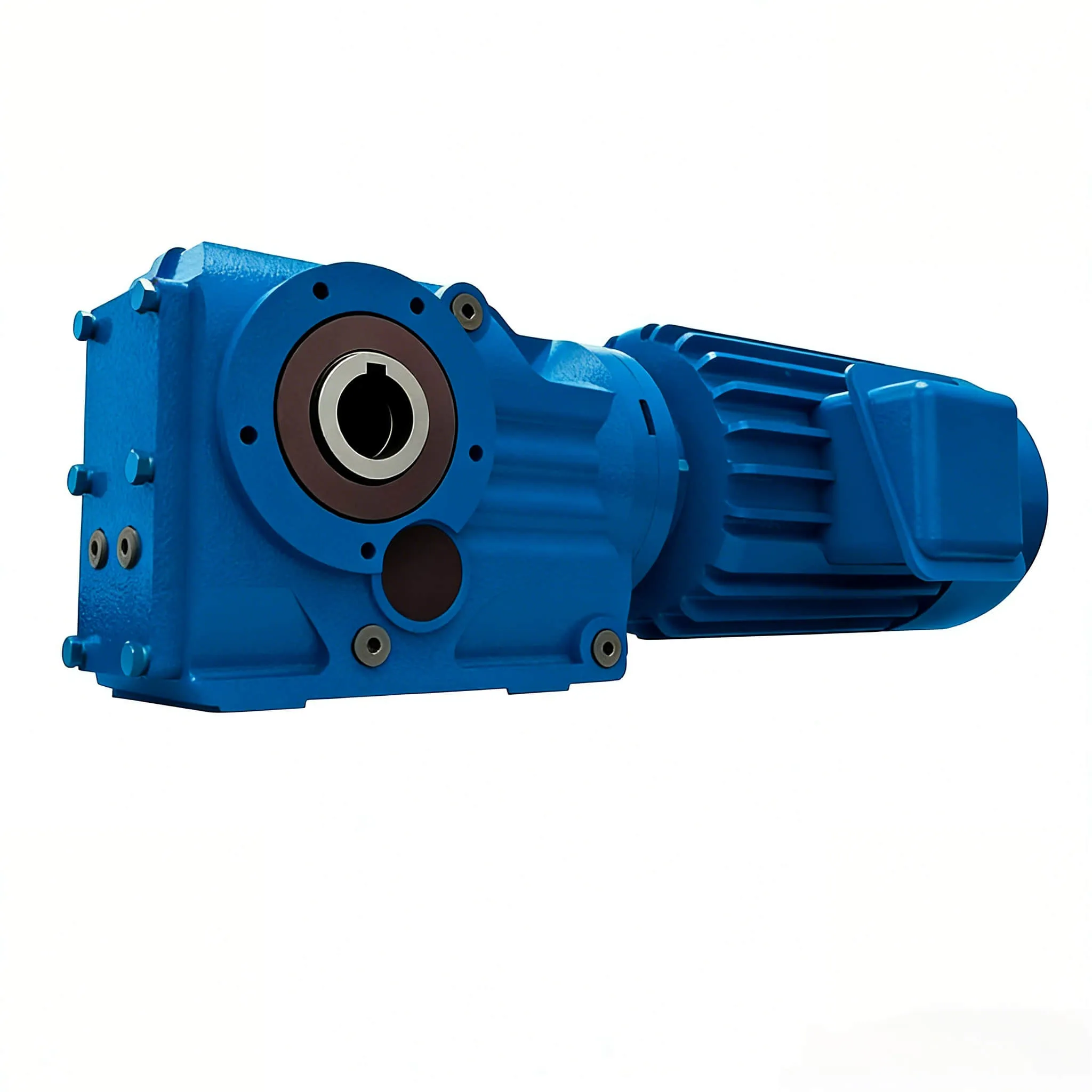
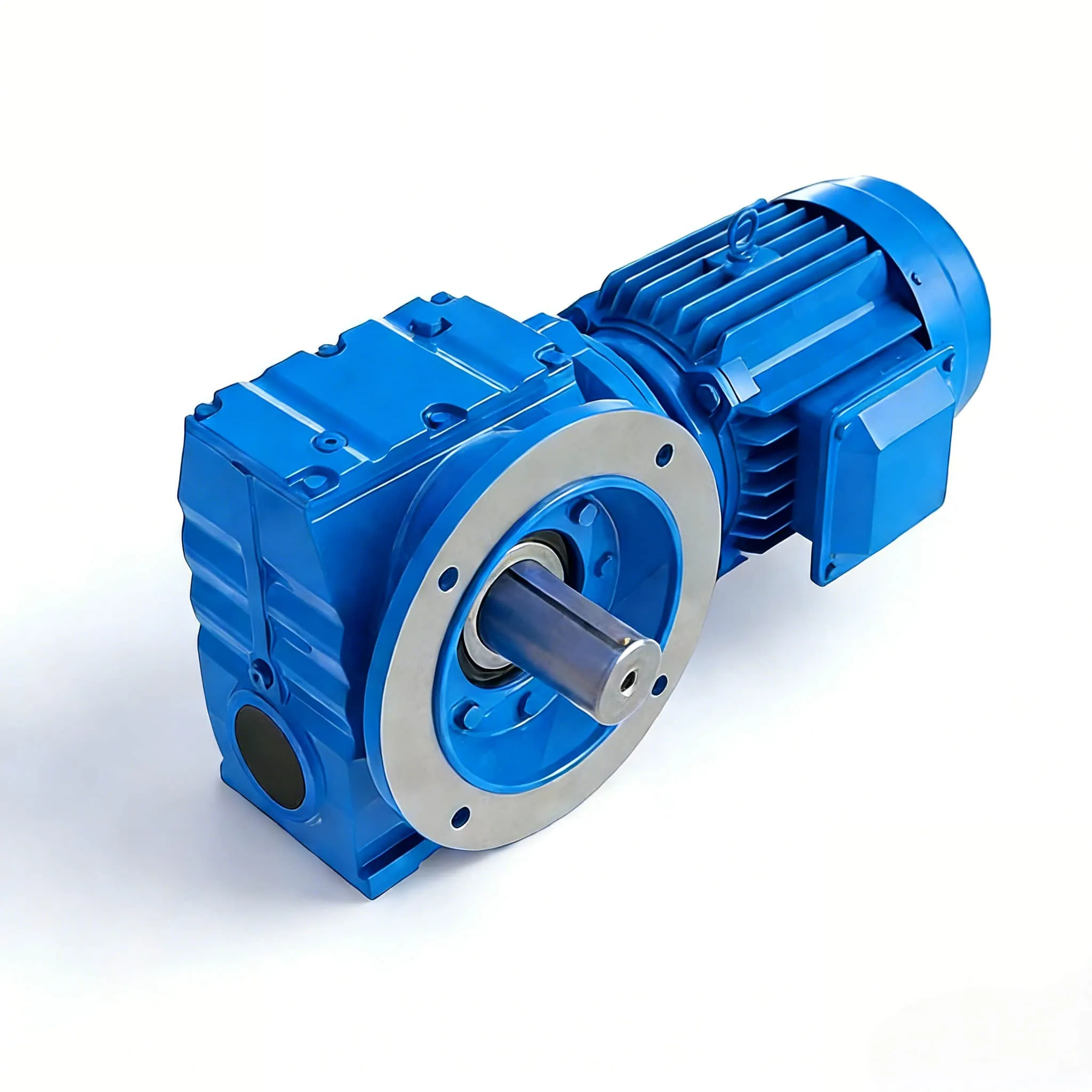
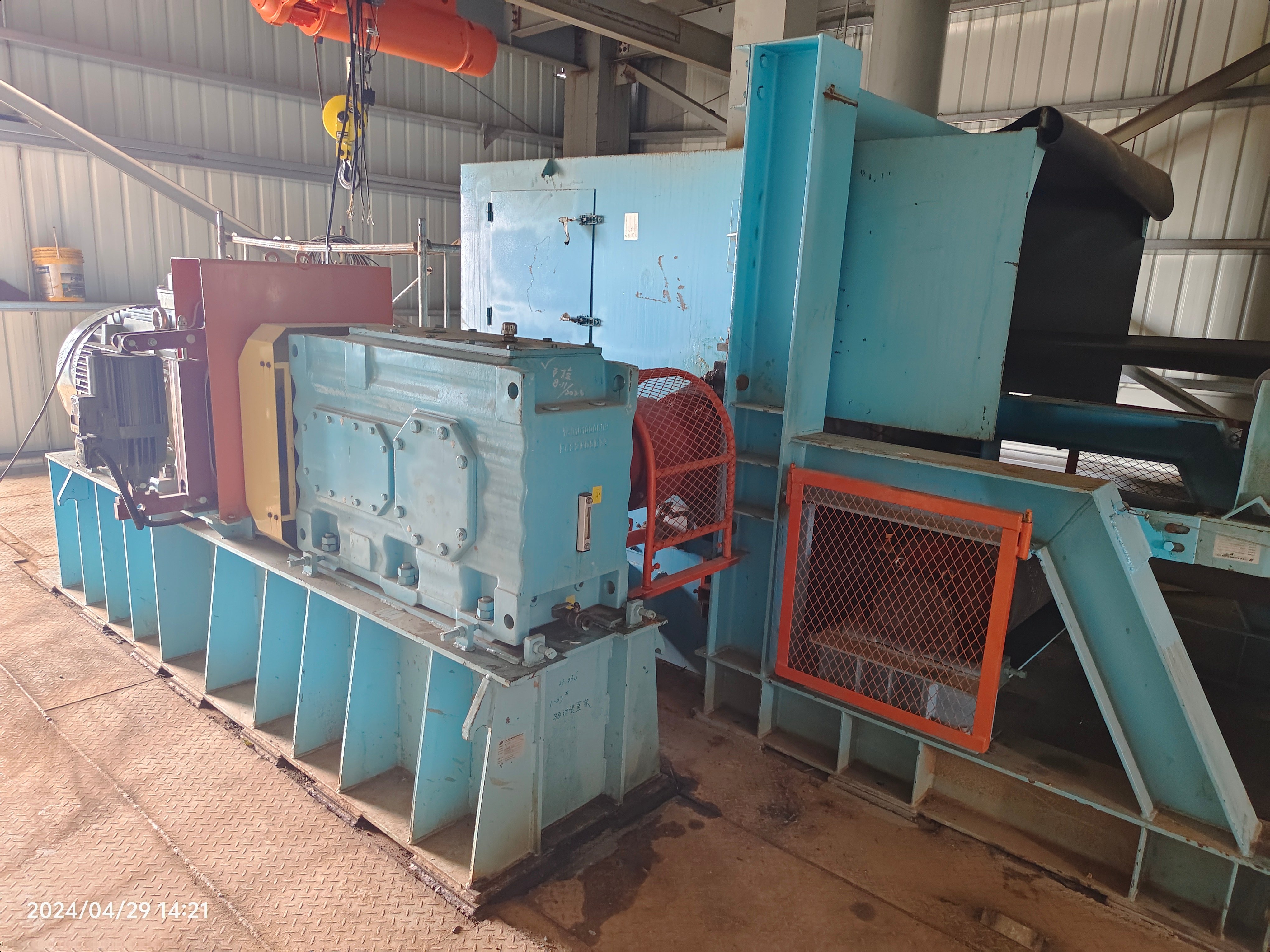
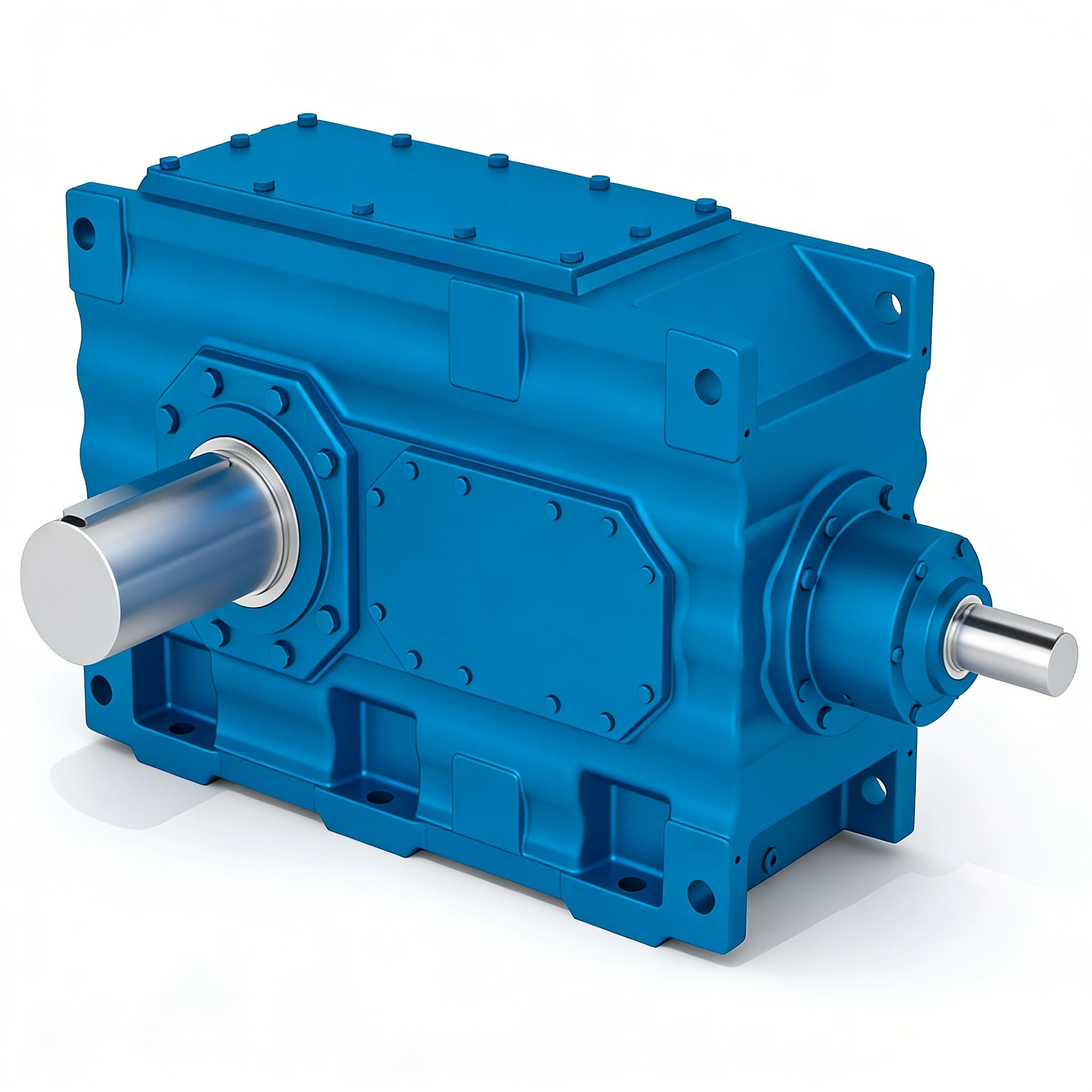
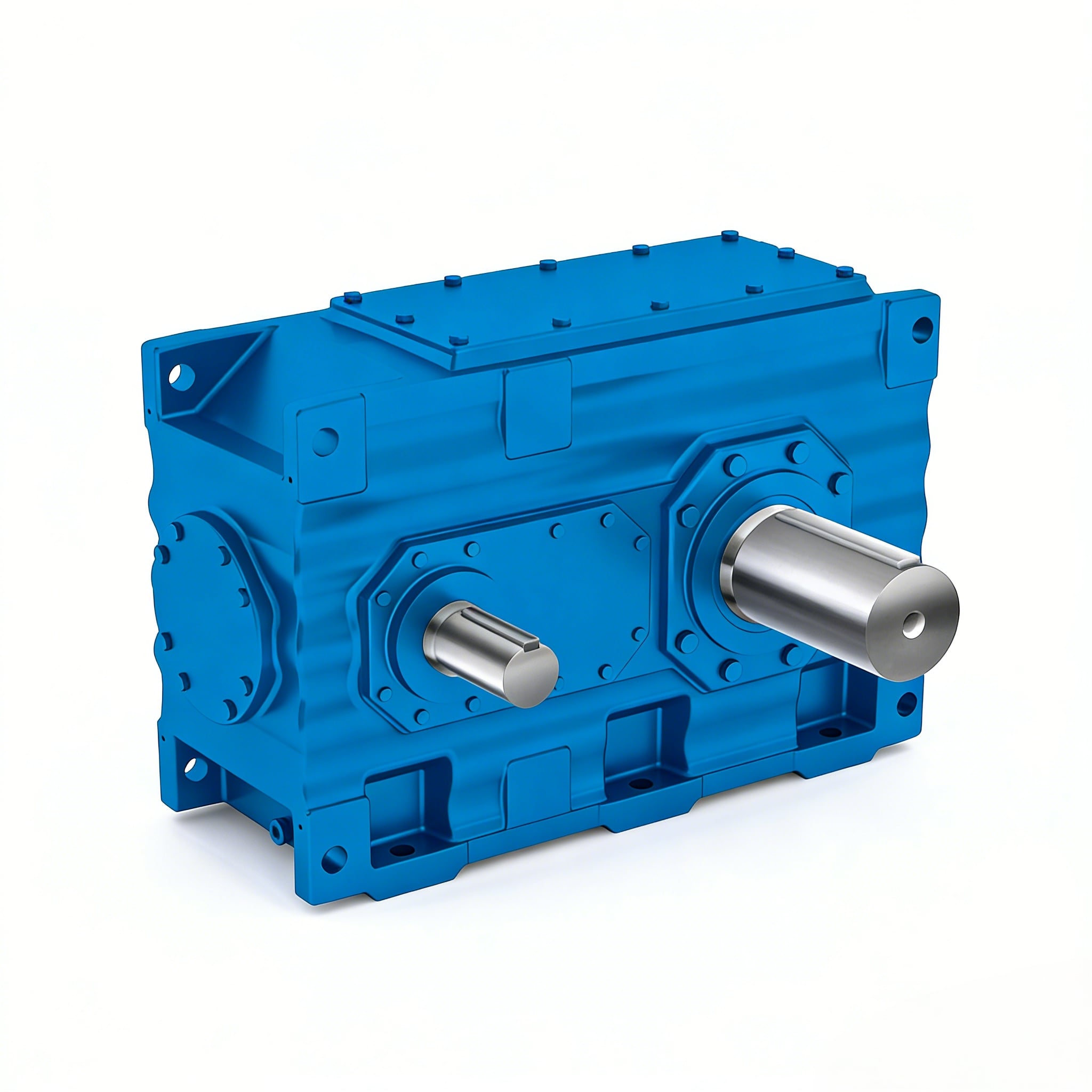
A double reduction gearbox represents an advanced mechanical power transmission system that employs two sequential gear reduction stages to achieve substantial speed reduction while simultaneously increasing torque output. This sophisticated engineering solution operates through a cascading arrangement where the input shaft connects to the first reduction stage, which then feeds into a second reduction stage before delivering power to the output shaft. The double reduction gearbox configuration enables manufacturers to achieve gear ratios that would be impractical or impossible with single-stage systems. The primary function of this dual-stage mechanism involves converting high-speed, low-torque input from motors or engines into low-speed, high-torque output suitable for heavy-duty applications. The technological architecture typically incorporates precision-engineered gear trains, often utilizing helical or planetary gear arrangements that optimize load distribution and minimize mechanical stress. Modern double reduction gearbox designs feature enhanced lubrication systems, advanced bearing configurations, and robust housing construction to ensure reliable operation under demanding conditions. These systems find extensive applications across diverse industrial sectors including manufacturing equipment, conveyor systems, mining machinery, marine propulsion, wind turbines, and heavy construction equipment. The versatility of the double reduction gearbox makes it particularly valuable in scenarios requiring precise speed control, high torque multiplication, and consistent performance over extended operational periods. Manufacturing facilities rely on these systems for powering large-scale production equipment, while the renewable energy sector utilizes them in wind turbine applications where variable input speeds must be converted to optimal generator speeds. The marine industry employs double reduction gearboxes in ship propulsion systems, where engine output must be adapted to propeller requirements. Construction and mining operations benefit from the exceptional torque capabilities that enable heavy machinery to perform demanding tasks efficiently and reliably.

New Product Recommendations

The double reduction gearbox delivers exceptional performance benefits that directly translate into operational efficiency and cost savings for businesses across multiple industries. The primary advantage lies in its ability to achieve significantly higher gear ratios compared to single-stage alternatives, enabling precise speed control and torque multiplication that meets the most demanding application requirements. This enhanced ratio capability allows operators to match motor characteristics perfectly with load demands, resulting in optimized energy consumption and reduced operating costs. The dual-stage design distributes mechanical loads more evenly across multiple gear sets, substantially reducing wear patterns and extending component lifespan. This load distribution characteristic translates into decreased maintenance requirements, longer service intervals, and reduced downtime costs that positively impact overall productivity. The compact design philosophy of modern double reduction gearbox systems maximizes power density while minimizing installation footprint, allowing engineers to integrate powerful transmission capabilities into space-constrained applications without compromising performance. The improved efficiency ratings of contemporary designs, often exceeding 95 percent, ensure minimal energy losses during power transmission, contributing to reduced operational expenses and enhanced environmental sustainability. The smooth operation characteristics inherent in double reduction gearbox technology result in significantly reduced vibration and noise levels compared to alternative transmission methods, creating more comfortable working environments and reducing the need for additional noise control measures. The robust construction methodology employed in manufacturing these systems ensures reliable performance in harsh operating conditions, including extreme temperatures, contaminated environments, and high-duty cycle applications. The modular design approach facilitates easier maintenance procedures, with accessible service points and standardized component interfaces that simplify routine inspections and repairs. The versatility of mounting configurations and input-output arrangements allows engineers to adapt the double reduction gearbox to diverse installation requirements without custom modifications. The superior torque handling capabilities enable these systems to manage sudden load changes and shock loads effectively, protecting downstream equipment from damage while maintaining consistent operational performance throughout varying load conditions.

Practical Tips

A Warm Invitation to Visit Our Manufacturing Base

15

Jan

A Warm Invitation to Visit Our Manufacturing Base

View More
Precision Quality Control: Safeguarding High-Precision Heavy-Duty Gear Transmission Release Date: August 20 , 2025

15

Jan

Precision Quality Control: Safeguarding High-Precision Heavy-Duty Gear Transmission Release Date: August 20 , 2025

View More
R&D Innovation Upgrade: Focus on Heavy-Duty Conditions, Empower Transmission Tech Breakthroughs

15

Jan

R&D Innovation Upgrade: Focus on Heavy-Duty Conditions, Empower Transmission Tech Breakthroughs

View More

Get a Free Quote

Our representative will contact you soon.
Email
Name
Company Name
Message
0/1000

double reduction gearbox

Superior Torque Multiplication and Speed Reduction Capabilities

Superior Torque Multiplication and Speed Reduction Capabilities

The double reduction gearbox excels in providing exceptional torque multiplication through its innovative dual-stage gear reduction system, making it the preferred choice for applications requiring substantial power conversion. This advanced mechanism operates by sequentially reducing speed through two distinct gear stages, with each stage contributing to the overall reduction ratio while proportionally increasing the available torque output. The significance of this capability becomes evident when comparing the torque handling capacity of double reduction systems against single-stage alternatives, where the former can achieve torque multiplication factors of 100:1 or greater while maintaining compact dimensions and efficient operation. The engineering sophistication behind this torque multiplication involves carefully calculated gear tooth profiles, optimized load distribution patterns, and precision manufacturing tolerances that ensure smooth power transfer throughout the reduction process. Industrial applications particularly benefit from this enhanced torque capability, especially in scenarios involving heavy machinery, large-scale manufacturing equipment, and material handling systems where substantial force generation is essential for effective operation. The reliability of torque delivery remains consistent across varying operating conditions, with the dual-stage design providing inherent load sharing that prevents individual components from experiencing excessive stress concentrations. This load distribution characteristic not only enhances the immediate performance but also contributes significantly to the longevity of the entire system, reducing the frequency of maintenance interventions and associated operational disruptions. The practical value for customers manifests in improved equipment productivity, reduced energy consumption per unit of work performed, and enhanced operational flexibility that allows the same gearbox to handle diverse load profiles effectively. The torque multiplication efficiency of modern double reduction gearbox designs typically exceeds industry standards, ensuring that customers receive maximum value from their power input while minimizing energy waste and operational costs.
Enhanced Durability and Reduced Maintenance Requirements

Enhanced Durability and Reduced Maintenance Requirements

The double reduction gearbox demonstrates exceptional durability characteristics that stem from its sophisticated load distribution methodology and robust construction principles, delivering substantial long-term value for customers through reduced maintenance costs and extended operational lifespan. The dual-stage configuration inherently distributes mechanical stresses across multiple gear sets and bearing assemblies, preventing the concentration of forces that typically leads to premature component failure in single-stage systems. This distributed loading approach allows individual components to operate well within their design stress limits, significantly extending their service life and reducing the frequency of replacement requirements. The advanced lubrication systems integrated into modern double reduction gearbox designs ensure optimal lubricant distribution to all critical wear surfaces, maintaining proper film thickness and temperature control that prevents metal-to-metal contact and associated wear patterns. The precision manufacturing processes employed in producing these systems result in superior surface finishes, accurate gear tooth profiles, and precise bearing clearances that minimize friction losses while maximizing component longevity. The robust housing construction utilizing high-strength materials provides excellent protection against environmental contaminants while maintaining structural integrity under high-load conditions. The modular design philosophy facilitates efficient maintenance procedures, with strategically positioned access points that allow technicians to perform routine inspections and service operations without complete system disassembly. The standardized component interfaces and widely available replacement parts ensure that maintenance operations can be completed quickly and cost-effectively, minimizing downtime impacts on production schedules. The predictive maintenance capabilities enabled by modern monitoring systems allow operators to schedule maintenance activities based on actual component condition rather than arbitrary time intervals, optimizing maintenance resources while ensuring reliable operation. The enhanced durability translates directly into improved return on investment for customers, with many double reduction gearbox installations providing decades of reliable service with minimal maintenance intervention, making them an economically attractive solution for critical applications.
Compact Design with Maximum Power Density

Compact Design with Maximum Power Density

The double reduction gearbox achieves remarkable power density through intelligent engineering that maximizes transmission capability within minimal physical dimensions, providing customers with significant installation flexibility and space utilization benefits. The compact design philosophy underlying these systems involves sophisticated gear arrangement strategies that optimize the use of available volume while maintaining structural integrity and thermal management capabilities. This space efficiency becomes particularly valuable in applications where installation space is limited, such as mobile equipment, marine vessels, and industrial facilities with restrictive layout constraints. The high power density characteristics enable engineers to specify more powerful drive systems without expanding equipment footprints, allowing for enhanced productivity within existing facility boundaries. The vertical integration of gear stages within the double reduction gearbox eliminates the need for external coupling arrangements and intermediate shafting that would otherwise consume additional space and introduce potential failure points. The streamlined housing design incorporates integrated mounting provisions that simplify installation procedures while reducing the overall system complexity and associated costs. The thermal management strategies employed in compact double reduction gearbox designs include optimized fin configurations, enhanced heat dissipation pathways, and efficient lubrication circulation patterns that maintain acceptable operating temperatures despite the concentrated power levels. The reduced installation envelope enables more flexible equipment placement options, allowing designers to optimize workflow patterns and maintenance access routes without compromising transmission performance. The weight optimization achieved through advanced materials and manufacturing techniques provides additional benefits in mobile applications where payload capacity and fuel efficiency considerations are paramount. The standardized mounting interfaces and connection provisions facilitate rapid installation and replacement procedures, minimizing installation costs and reducing project completion timeframes. The modular construction approach allows customers to configure the double reduction gearbox to match specific spatial constraints while maintaining full performance capabilities, ensuring that space limitations do not compromise operational requirements. The compact design delivers exceptional value by enabling customers to achieve higher productivity levels within existing facilities while maintaining the flexibility to adapt to changing operational requirements without extensive facility modifications.

Get a Free Quote

Our representative will contact you soon.
Email
Name
Company Name
Message
0/1000