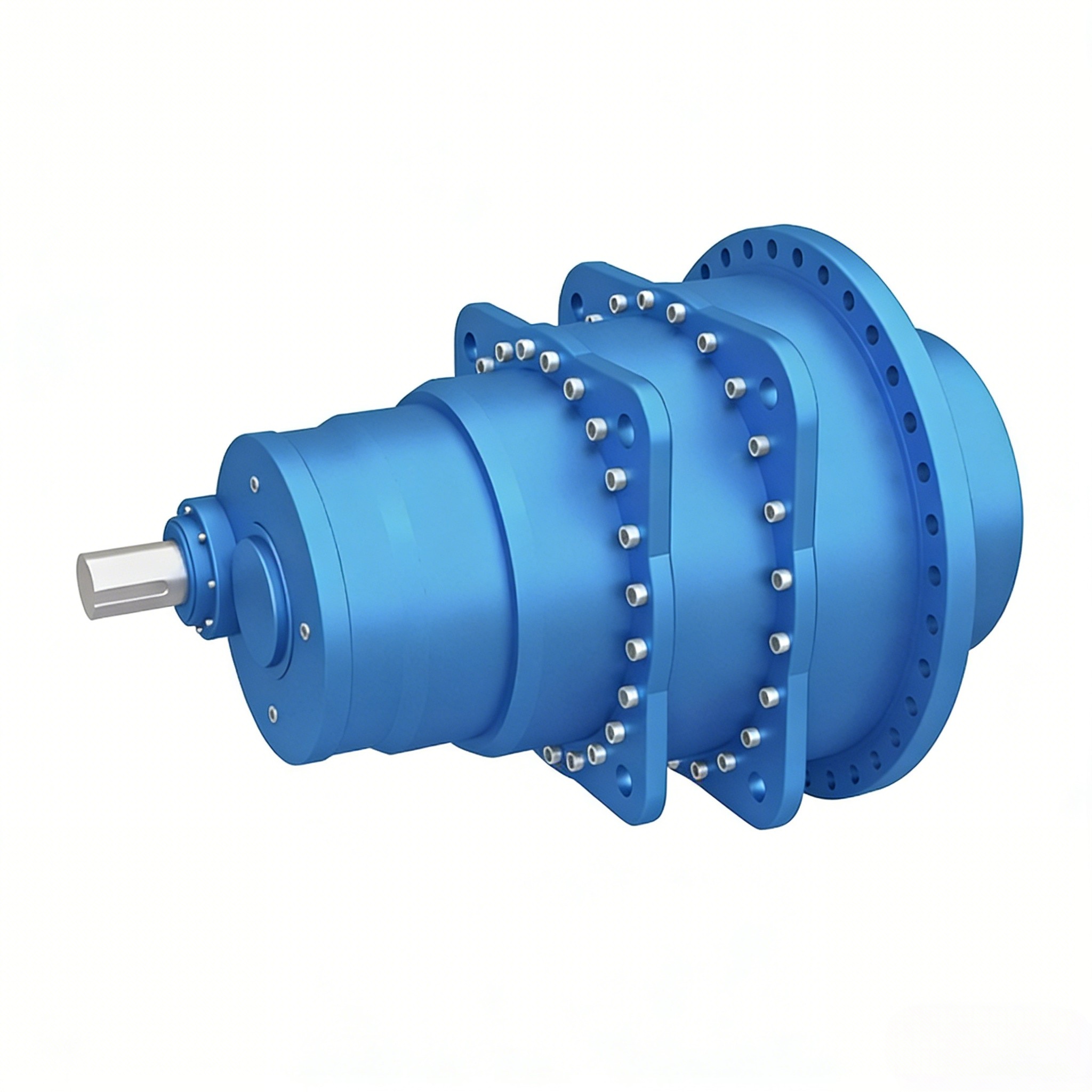
solar tracking gearbox
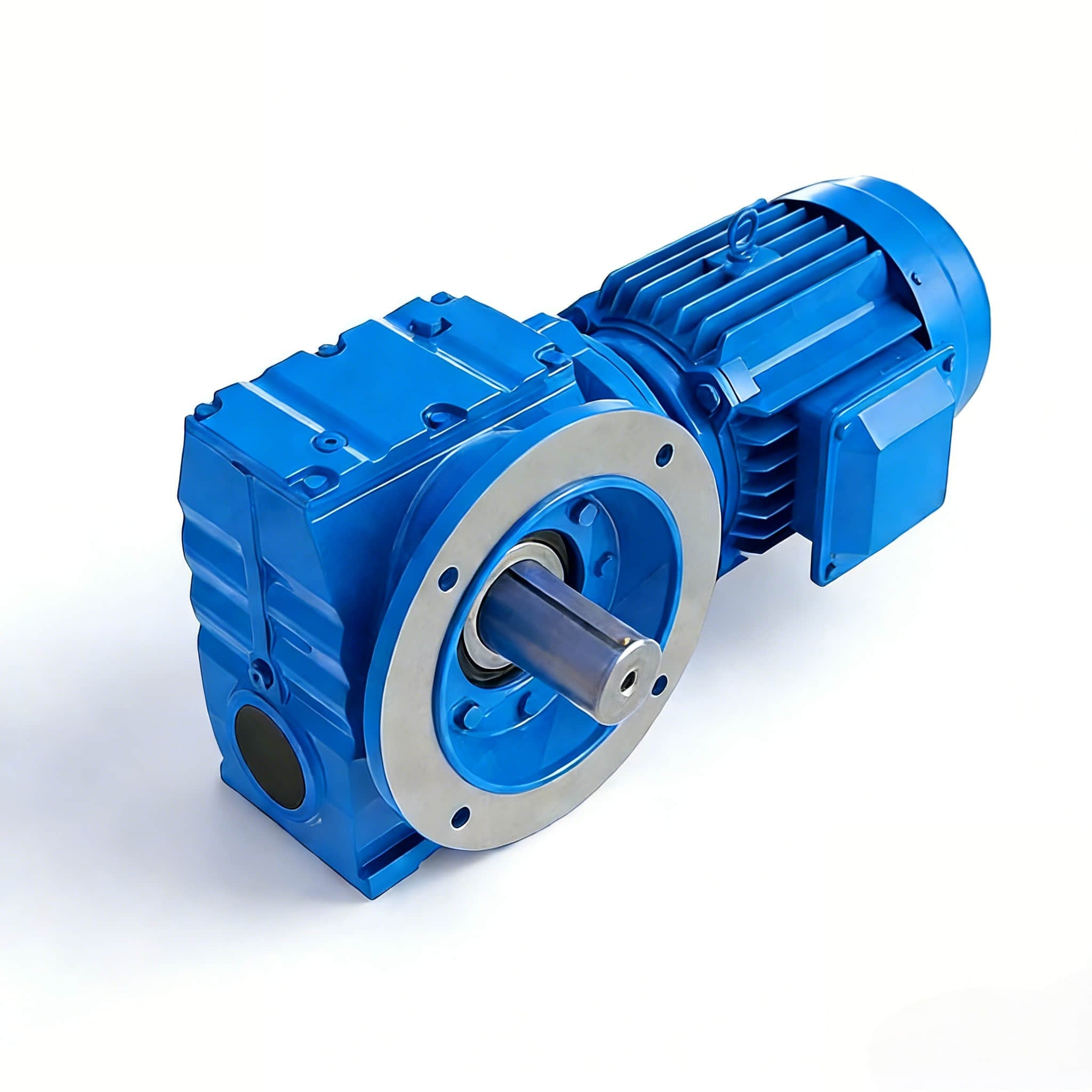
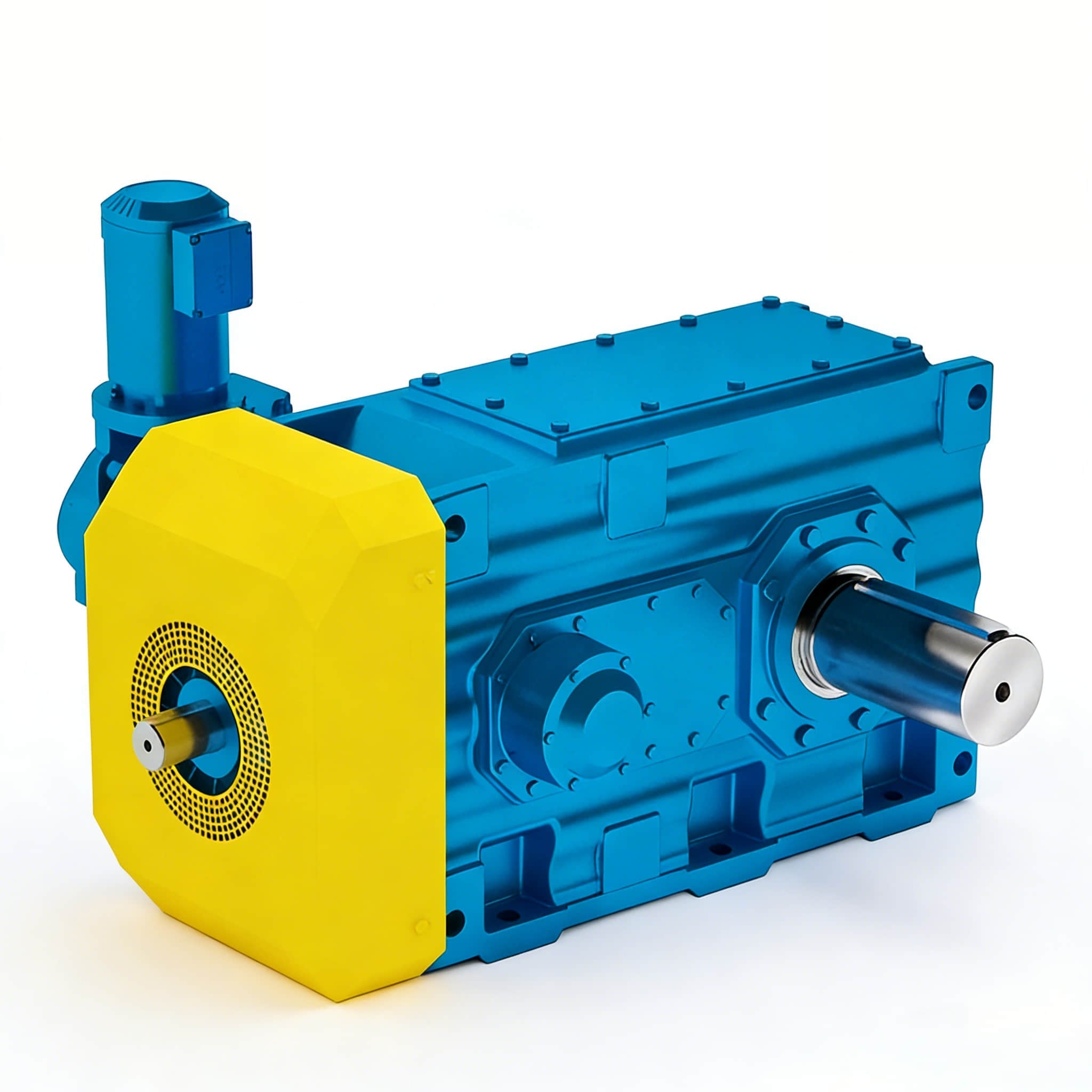
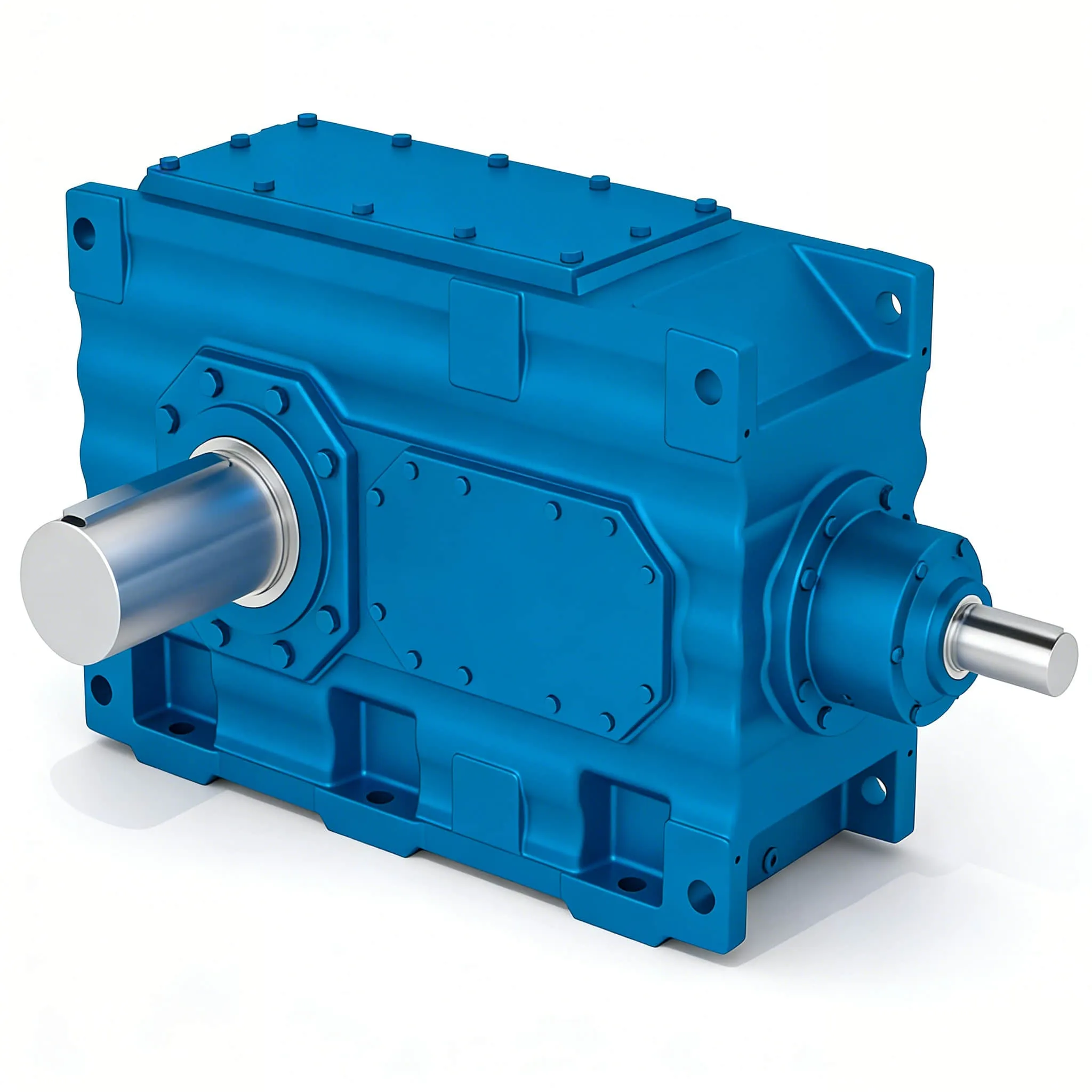
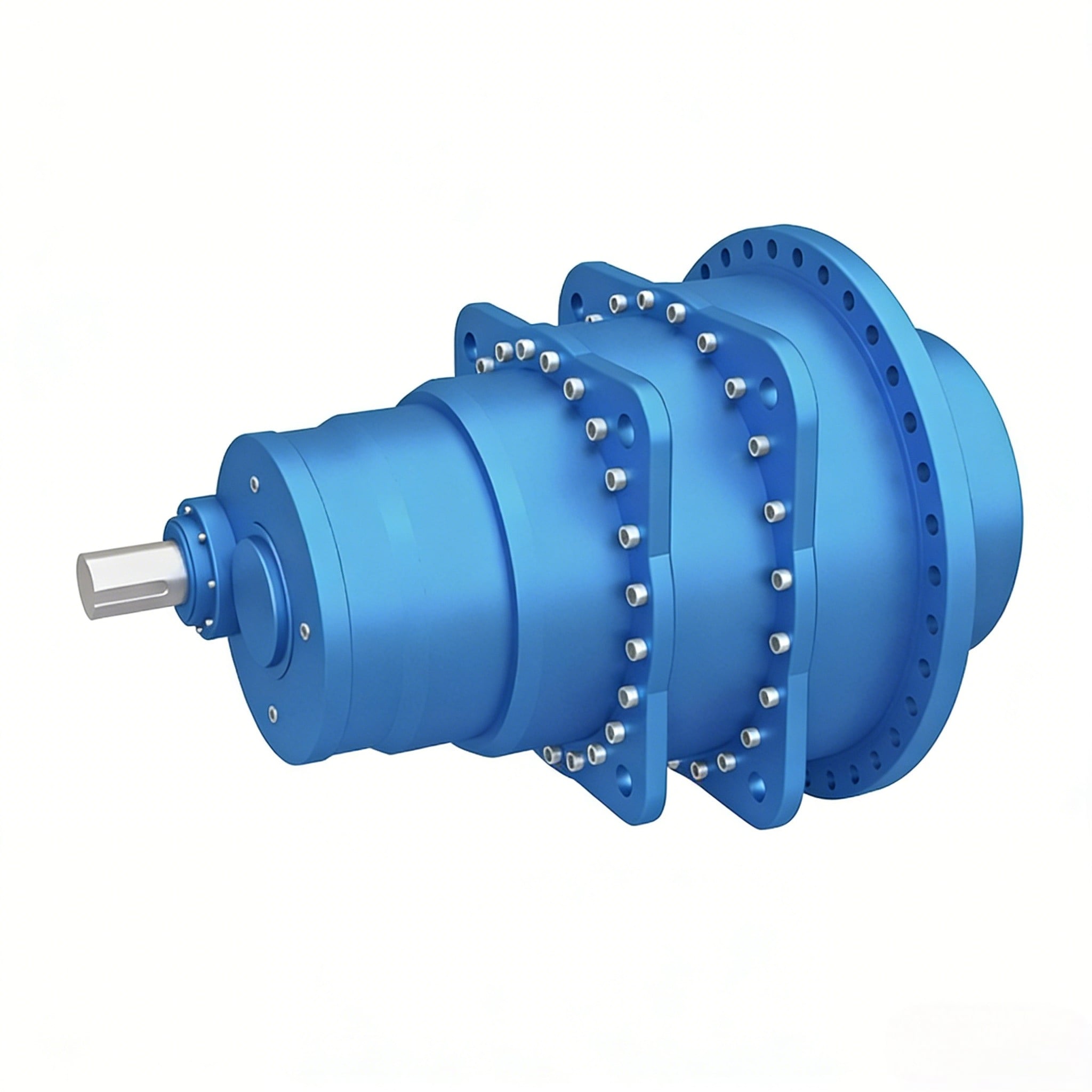
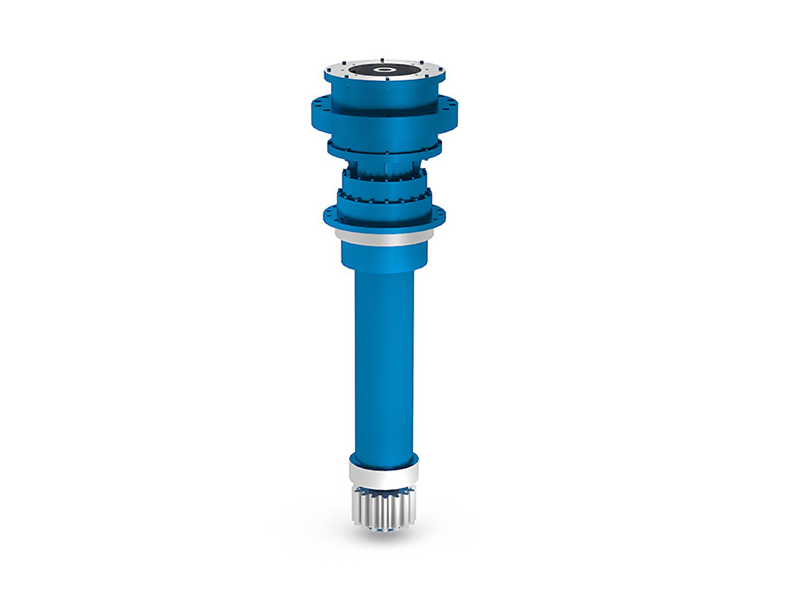
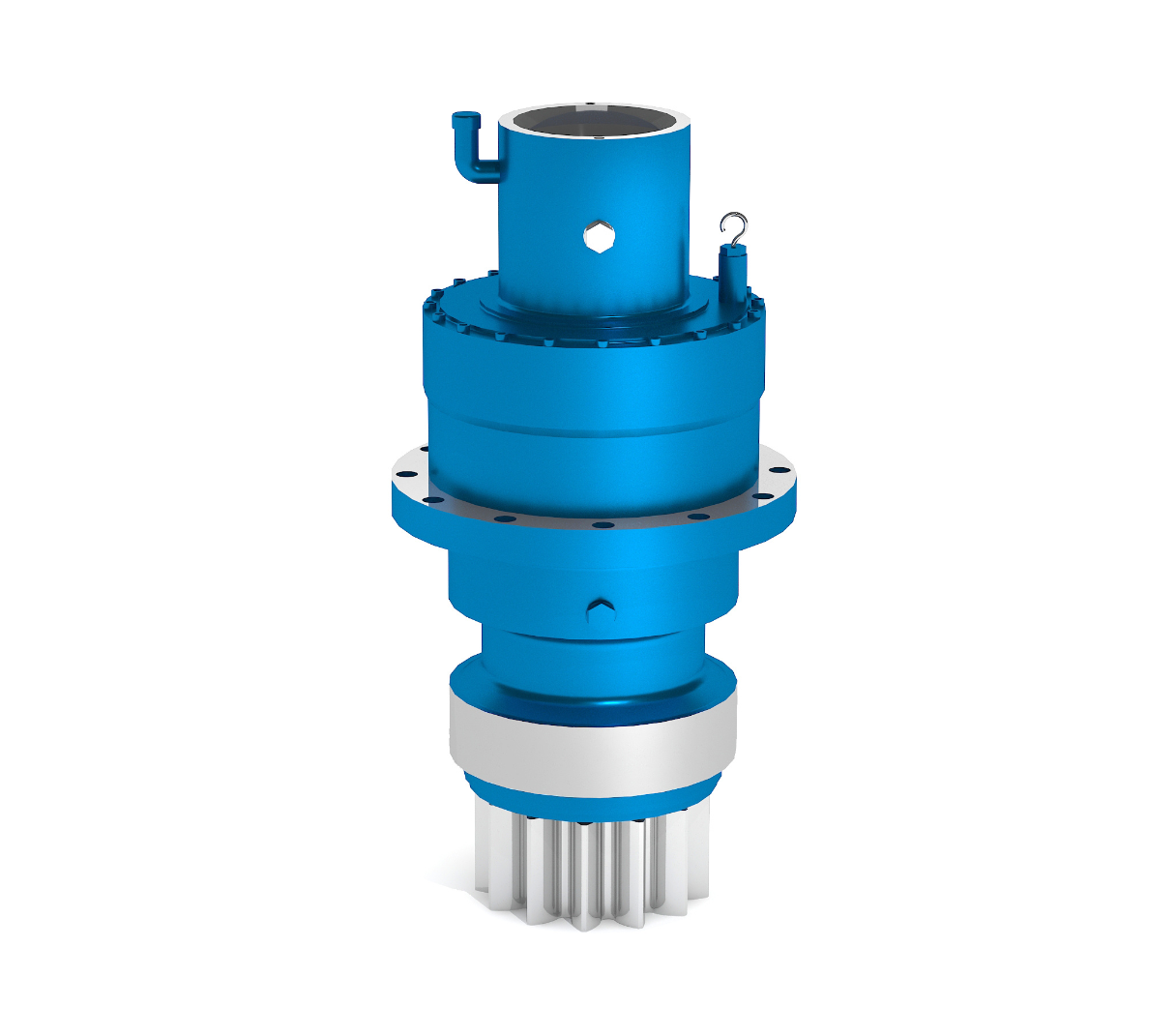
A solar tracking gearbox represents a critical mechanical component that enables photovoltaic systems to follow the sun's movement throughout the day, maximizing energy capture and system efficiency. This sophisticated device serves as the primary drivetrain mechanism within solar tracking systems, converting the rotational input from motors into precise, controlled movement that positions solar panels at optimal angles relative to the sun's position. The solar tracking gearbox operates through a complex arrangement of gears, bearings, and housing components specifically engineered to withstand harsh outdoor environmental conditions while maintaining exceptional reliability over extended operational periods. The main functions of this essential component include speed reduction, torque multiplication, and directional control of solar panel arrays. Modern solar tracking gearbox designs incorporate advanced materials and manufacturing techniques to ensure smooth operation under varying weather conditions, from extreme temperatures to high humidity and dust exposure. The technological features of contemporary solar tracking gearbox systems include precision-engineered gear ratios that provide optimal balance between tracking speed and positioning accuracy. These units typically feature robust sealing systems that protect internal components from moisture infiltration and contamination, while specialized lubricants ensure consistent performance across temperature ranges. Applications for solar tracking gearbox technology span utility-scale solar farms, commercial installations, and residential tracking systems. The versatility of these mechanisms allows integration with various tracking architectures, including single-axis and dual-axis configurations. Installation flexibility makes the solar tracking gearbox suitable for diverse geographical locations and mounting configurations. Quality manufacturing processes ensure each solar tracking gearbox delivers consistent performance metrics while minimizing maintenance requirements throughout its operational lifespan, contributing significantly to overall system reliability and energy production optimization.

 EN
EN