High-Performance Slewing Gearboxes: Precision Rotary Drive Solutions for Industrial Applications

Get a Free Quote

Our representative will contact you soon.
Email
Name
Company Name
Message
0/1000

slewing gearbox

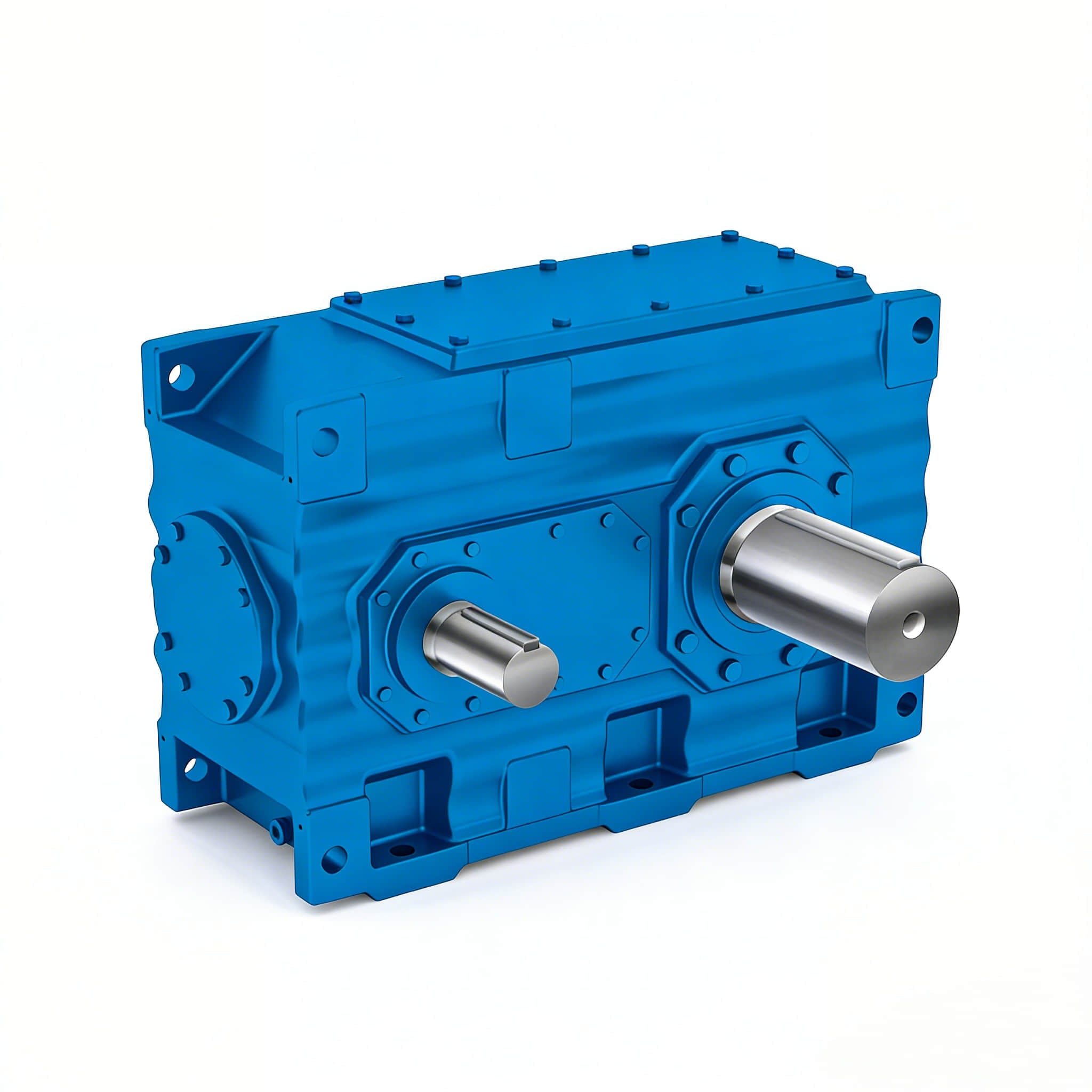
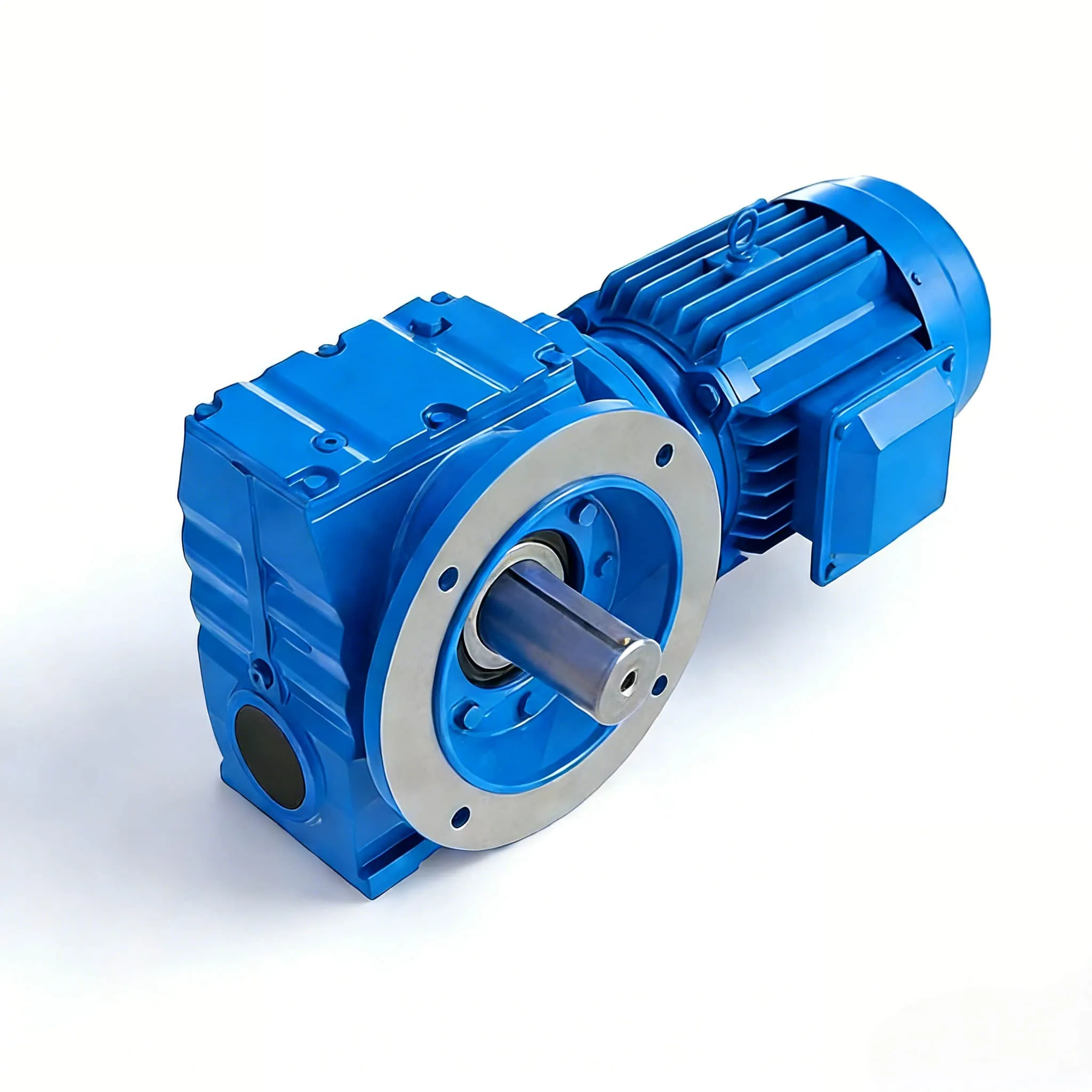
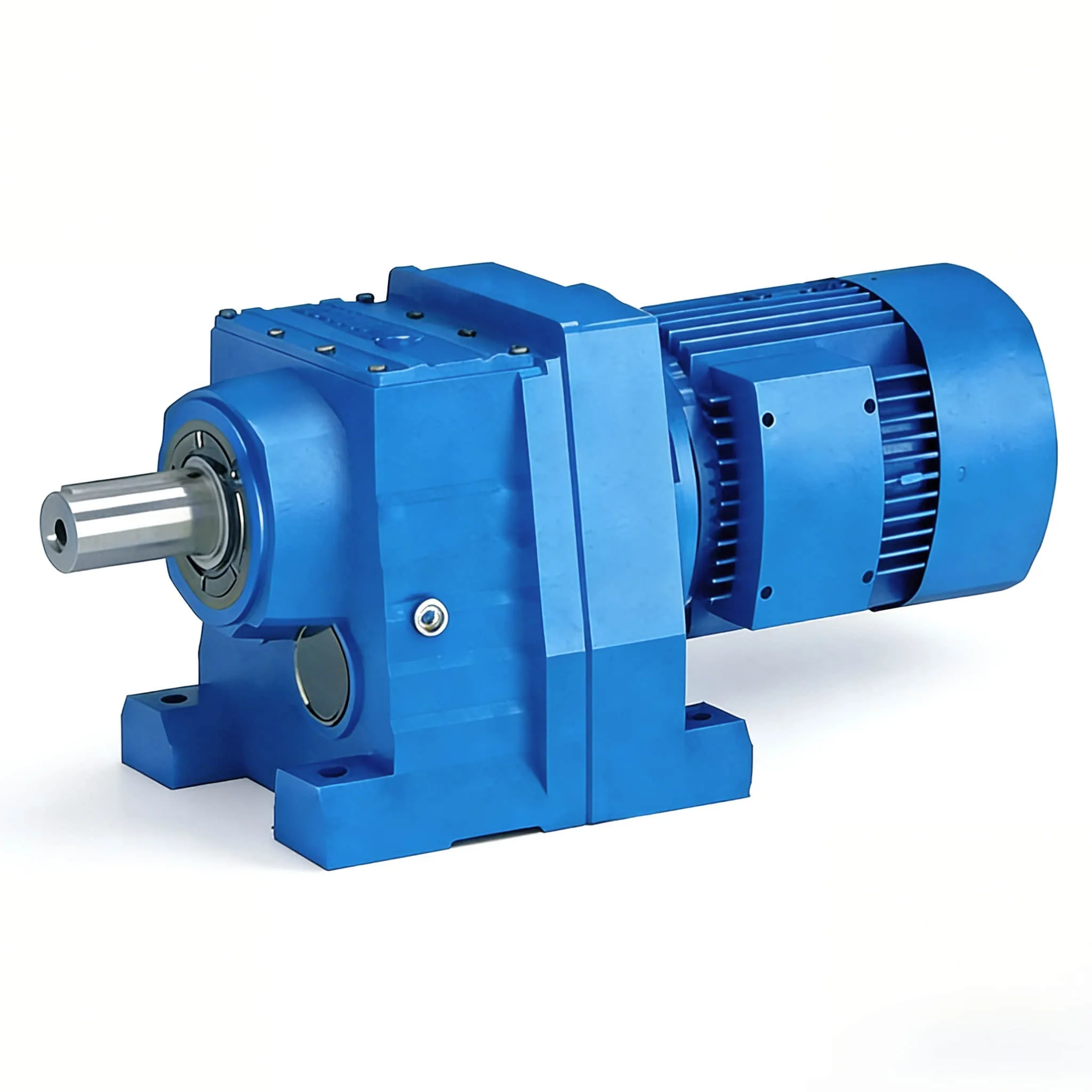
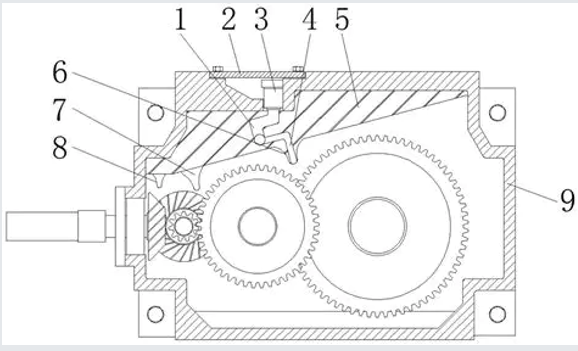
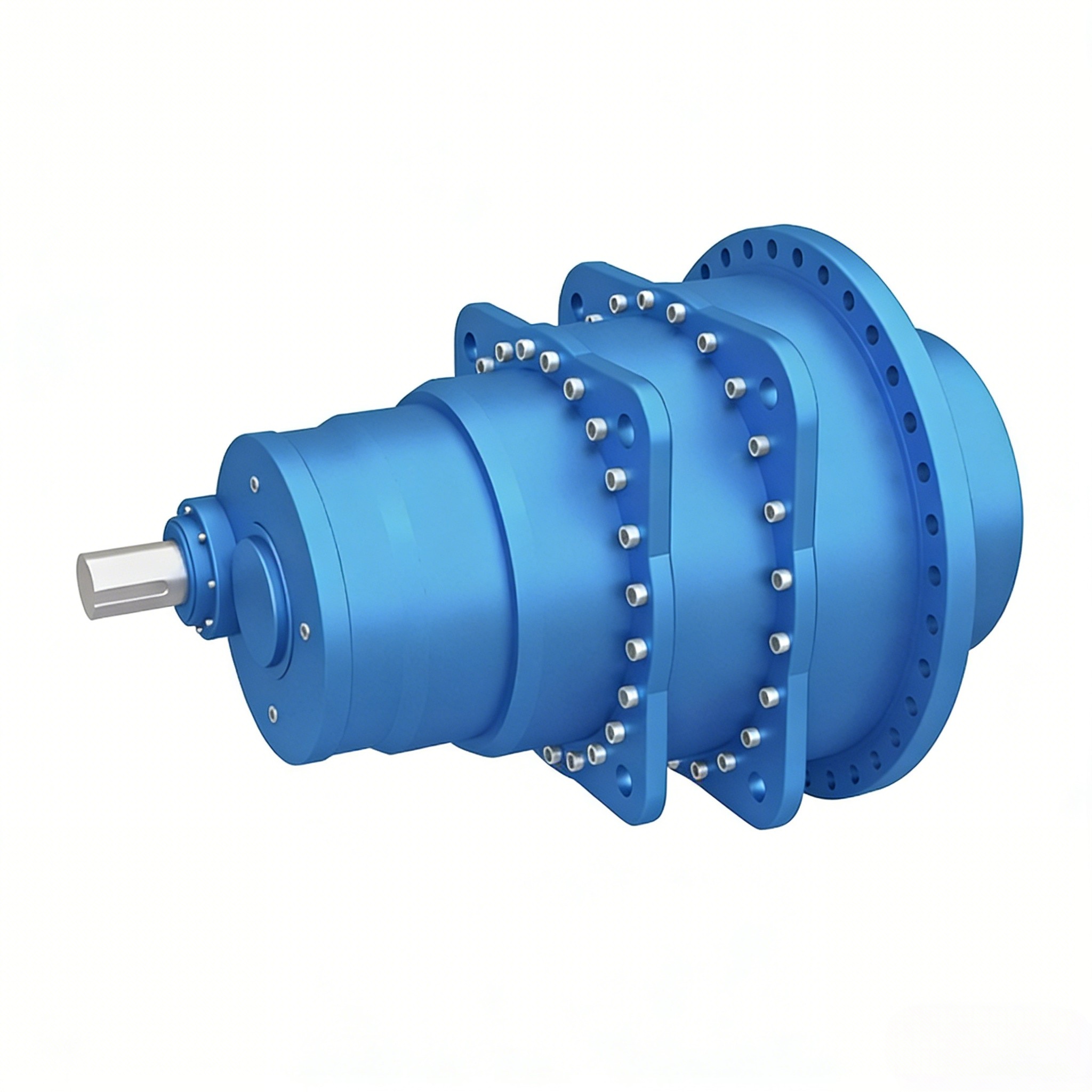
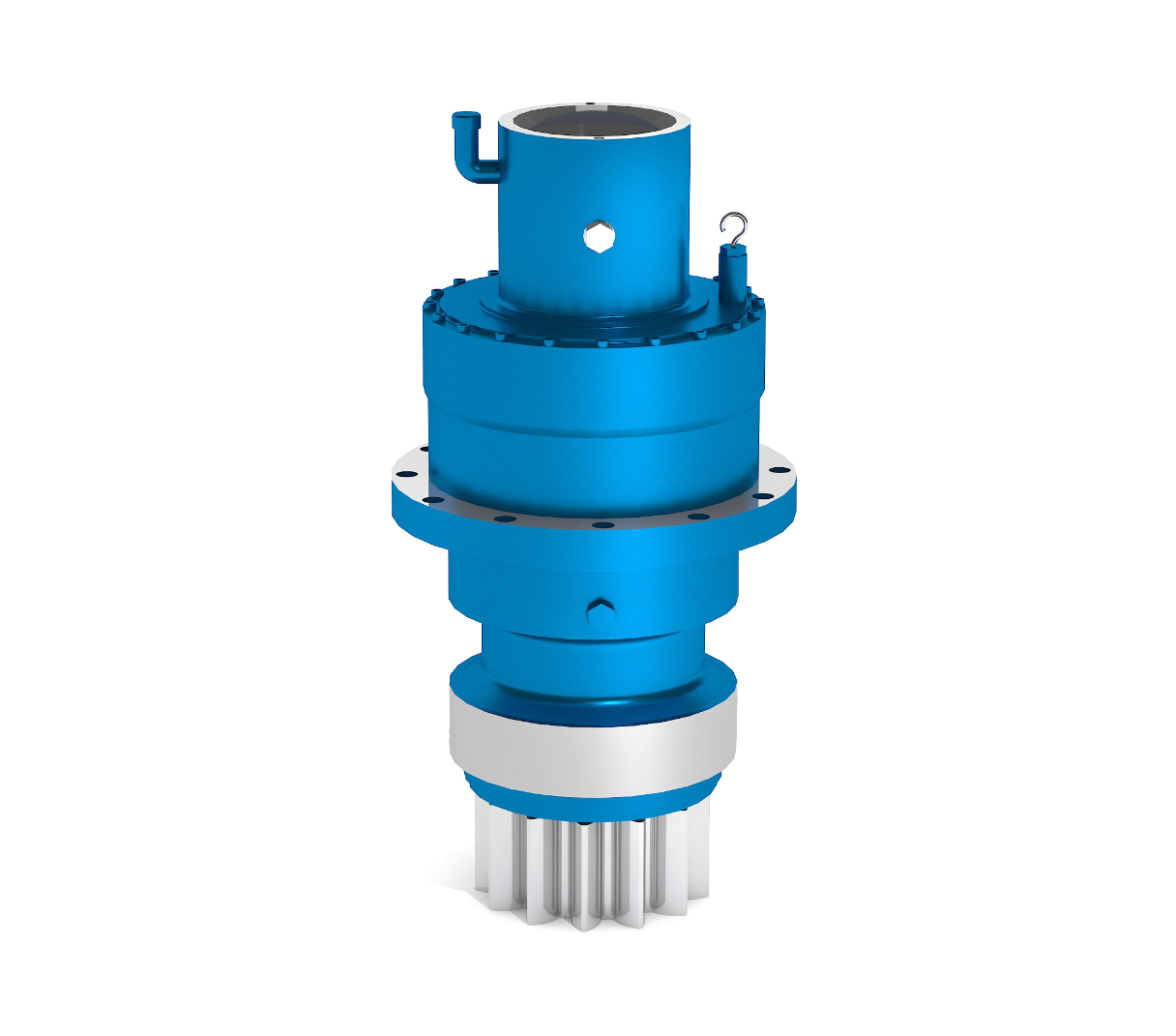
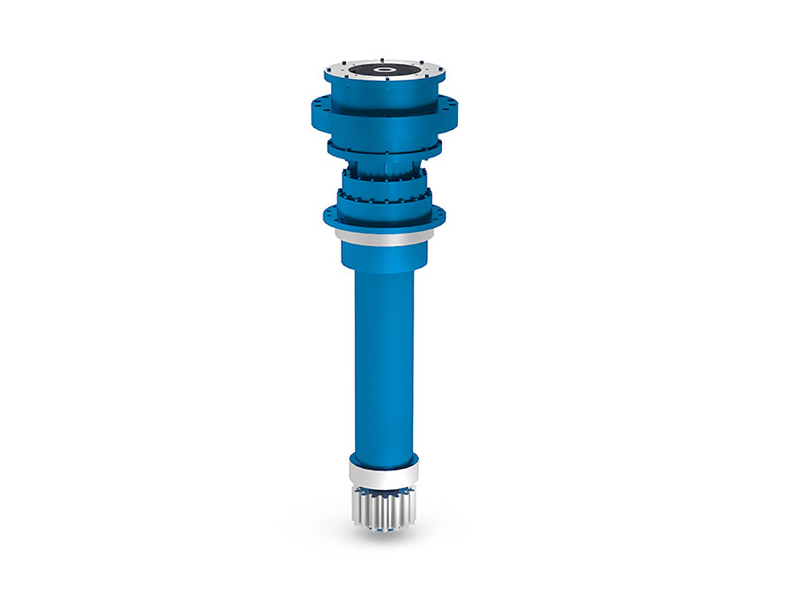
A slewing gearbox represents a specialized mechanical transmission system designed to facilitate controlled rotational movement in heavy-duty industrial applications. This sophisticated component serves as the primary drive mechanism for equipment requiring precise 360-degree rotation capabilities, combining advanced engineering principles with robust construction materials to deliver exceptional performance under demanding operational conditions. The slewing gearbox fundamentally operates by converting high-speed, low-torque input from electric motors or hydraulic drives into low-speed, high-torque output suitable for rotating massive structures and loads. The internal mechanism typically incorporates a complex arrangement of planetary gears, worm gears, or cycloidal reduction systems that work in harmony to achieve the desired speed reduction ratios while maintaining exceptional precision and reliability. Key technological features of modern slewing gearboxes include advanced bearing systems that support both radial and axial loads simultaneously, precision-machined gear teeth with optimized profiles for reduced noise and increased efficiency, and specialized lubrication systems that ensure consistent performance across varying temperature ranges. The housing construction utilizes high-grade cast iron or steel alloys that provide superior structural integrity and resistance to environmental factors such as moisture, dust, and chemical exposure. Applications for slewing gearboxes span numerous industries, with prominent usage in construction equipment including tower cranes, excavators, and concrete pumps where reliable rotation is essential for operational effectiveness. Wind energy systems rely heavily on slewing gearboxes for nacelle positioning and blade pitch control, ensuring optimal power generation efficiency. Additionally, these transmission systems find extensive application in manufacturing environments for rotary tables, welding positioners, and automated assembly lines where precise angular positioning is crucial for product quality and operational efficiency.

New Product Recommendations

The slewing gearbox delivers significant operational benefits that directly translate into improved productivity and reduced operational costs for businesses across diverse industries. One primary advantage lies in its exceptional torque multiplication capabilities, enabling equipment to handle substantially heavier loads while maintaining smooth, controlled movement. This enhanced load capacity eliminates the need for multiple smaller drive systems, reducing complexity and maintenance requirements while improving overall system reliability. The precision engineering inherent in slewing gearbox design ensures accurate positioning control, allowing operators to achieve exact angular placement with minimal effort and maximum repeatability. This precision translates into improved work quality, reduced material waste, and enhanced safety for personnel working around rotating equipment. Another crucial benefit involves the compact design that integrates multiple functions into a single unit, including rotation drive, load support, and positioning control. This consolidation saves valuable space in equipment design while reducing the total number of components that require maintenance, inspection, and potential replacement over the equipment lifecycle. The robust construction of slewing gearboxes provides exceptional durability even under extreme operating conditions, including temperature variations, shock loads, and continuous duty cycles. This resilience results in extended service life, reduced downtime for repairs, and lower total cost of ownership compared to alternative drive solutions. Energy efficiency represents another significant advantage, as modern slewing gearboxes incorporate advanced gear geometries and bearing technologies that minimize power losses during operation. This efficiency improvement leads to reduced energy consumption, lower operating costs, and decreased environmental impact. The sealed design of most slewing gearboxes protects internal components from contamination by dust, moisture, and other environmental factors, ensuring consistent performance and reducing the frequency of maintenance interventions. Installation simplicity offers additional value, as slewing gearboxes typically mount directly to equipment structures without requiring complex alignment procedures or additional support frameworks. This straightforward installation reduces initial setup time and costs while minimizing the potential for installation errors that could compromise performance or reliability.

Practical Tips

A Warm Invitation to Visit Our Manufacturing Base

15

Jan

A Warm Invitation to Visit Our Manufacturing Base

View More
Precision Quality Control: Safeguarding High-Precision Heavy-Duty Gear Transmission Release Date: August 20 , 2025

15

Jan

Precision Quality Control: Safeguarding High-Precision Heavy-Duty Gear Transmission Release Date: August 20 , 2025

View More
R&D Innovation Upgrade: Focus on Heavy-Duty Conditions, Empower Transmission Tech Breakthroughs

15

Jan

R&D Innovation Upgrade: Focus on Heavy-Duty Conditions, Empower Transmission Tech Breakthroughs

View More

Get a Free Quote

Our representative will contact you soon.
Email
Name
Company Name
Message
0/1000

slewing gearbox

Superior Load Handling and Torque Management

Superior Load Handling and Torque Management

The slewing gearbox excels in managing extreme loads and delivering exceptional torque output, making it an indispensable component for heavy-duty industrial applications. This remarkable capability stems from the sophisticated internal gear arrangements that multiply input torque by factors ranging from 10:1 to over 1000:1, depending on the specific configuration and application requirements. The planetary gear systems commonly employed in slewing gearboxes distribute load forces across multiple gear teeth simultaneously, significantly reducing stress concentrations and extending component life while enabling the transmission of massive torque values. This load distribution mechanism proves particularly valuable in applications such as crane operations, where the gearbox must support not only the weight of the rotating superstructure but also the dynamic loads imposed by lifted materials and environmental factors like wind forces. The bearing systems integrated within slewing gearboxes feature specialized designs that accommodate combined radial, axial, and moment loads simultaneously, eliminating the need for separate support bearings and simplifying overall system design. These bearings typically incorporate multiple rows of rolling elements with optimized contact angles that maximize load capacity while minimizing friction and wear. The result is a transmission system capable of handling loads that would overwhelm conventional gear reducers, all while maintaining smooth operation and precise control. Temperature management becomes critical under high-load conditions, and slewing gearboxes address this challenge through advanced lubrication systems and heat dissipation features. Specially formulated gear oils maintain their viscosity and protective properties across wide temperature ranges, ensuring consistent lubrication even during extended high-load operation periods. The housing design incorporates cooling fins or provisions for external cooling systems when necessary, preventing thermal degradation of internal components and maintaining optimal performance throughout the duty cycle.
Exceptional Precision and Positioning Accuracy

Exceptional Precision and Positioning Accuracy

Precision positioning represents one of the most valuable attributes of modern slewing gearboxes, delivering accuracy levels that meet the demanding requirements of sophisticated industrial processes. The inherent design characteristics of slewing gearboxes, particularly those incorporating cycloidal or harmonic drive principles, achieve positioning accuracies measured in arc-minutes or even arc-seconds, far exceeding the capabilities of conventional gear systems. This extraordinary precision results from the unique engagement patterns of specialized gear profiles that virtually eliminate backlash, the undesirable play between gear teeth that can compromise positioning accuracy. The manufacturing processes employed in producing slewing gearbox components utilize state-of-the-art machining centers and precision grinding equipment to achieve surface finishes and dimensional tolerances that support these exceptional accuracy levels. Quality control procedures include comprehensive testing of each unit to verify positioning accuracy, repeatability, and long-term stability under various load conditions. The integrated bearing systems contribute significantly to positioning precision by maintaining exact center distances between rotating elements while accommodating thermal expansion and contraction cycles that occur during normal operation. Advanced sealing systems protect these precision components from contamination that could degrade accuracy over time, ensuring that initial precision levels are maintained throughout the equipment service life. Real-world applications demonstrate the practical value of this positioning accuracy in industries such as semiconductor manufacturing, where wafer positioning must be maintained within micrometers, and aerospace assembly operations, where component alignment directly impacts performance and safety. The consistent repeatability of slewing gearbox positioning enables automated systems to perform complex sequences of movements with confidence, reducing the need for constant recalibration and adjustment procedures that can interrupt production schedules and increase operational costs.
Comprehensive Integration and Space Efficiency

Comprehensive Integration and Space Efficiency

The integrated design philosophy of slewing gearboxes provides unmatched space efficiency and system simplification benefits that directly address the constraints faced by modern equipment designers. Unlike traditional drive systems that require separate components for rotation drive, load support, and positioning feedback, the slewing gearbox consolidates these functions into a single, compact unit that significantly reduces the overall footprint of rotating machinery. This integration eliminates the need for complex mounting brackets, coupling alignments, and support structures that would otherwise be required to connect multiple separate components. The space savings achieved through this consolidation approach enables equipment manufacturers to design more compact machines without sacrificing performance capabilities, a critical advantage in industries where workspace limitations or transportation restrictions constrain equipment dimensions. The mounting interface of slewing gearboxes typically incorporates standardized bolt patterns and flange designs that simplify integration with existing equipment designs while providing flexibility for custom applications. This standardization reduces engineering time and costs while ensuring compatibility with industry-standard components and accessories. The self-contained nature of slewing gearboxes includes integrated lubrication systems that eliminate the need for external oil circulation equipment, further reducing system complexity and maintenance requirements. Internal oil sumps with splash lubrication or positive displacement pumps ensure that all critical components receive adequate lubrication without requiring external monitoring or maintenance procedures. The electrical integration capabilities of modern slewing gearboxes accommodate position feedback devices, motor mounts, and control interfaces within the same housing envelope, creating a complete drive system that requires only power and control signal connections to become operational. This comprehensive integration approach significantly reduces installation time and complexity while improving system reliability by eliminating potential failure points associated with external connections and separate components. The modular design concepts employed in slewing gearbox construction allow for customization of specific features such as gear ratios, mounting configurations, and accessory options without requiring complete redesign of the basic transmission elements.

Get a Free Quote

Our representative will contact you soon.
Email
Name
Company Name
Message
0/1000