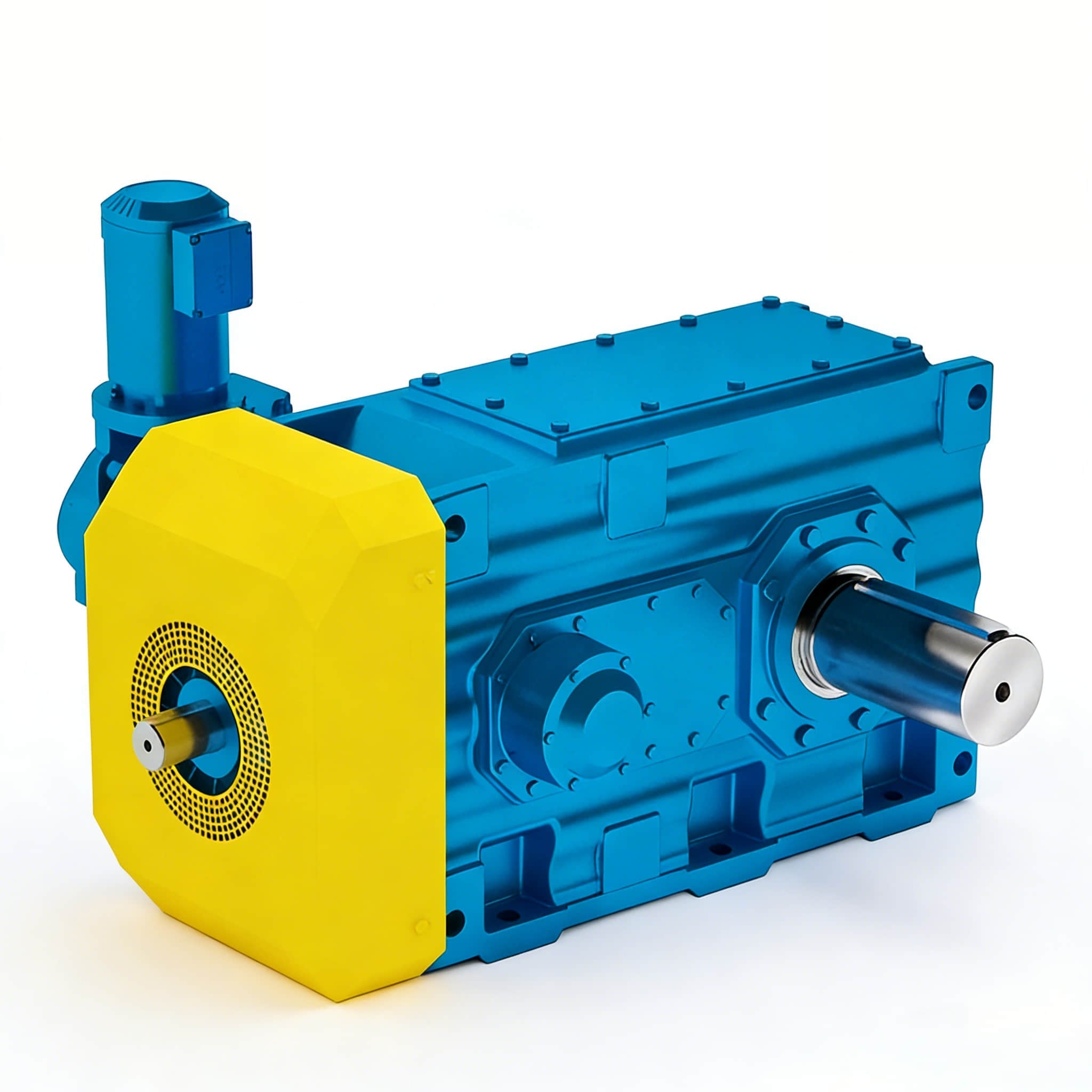
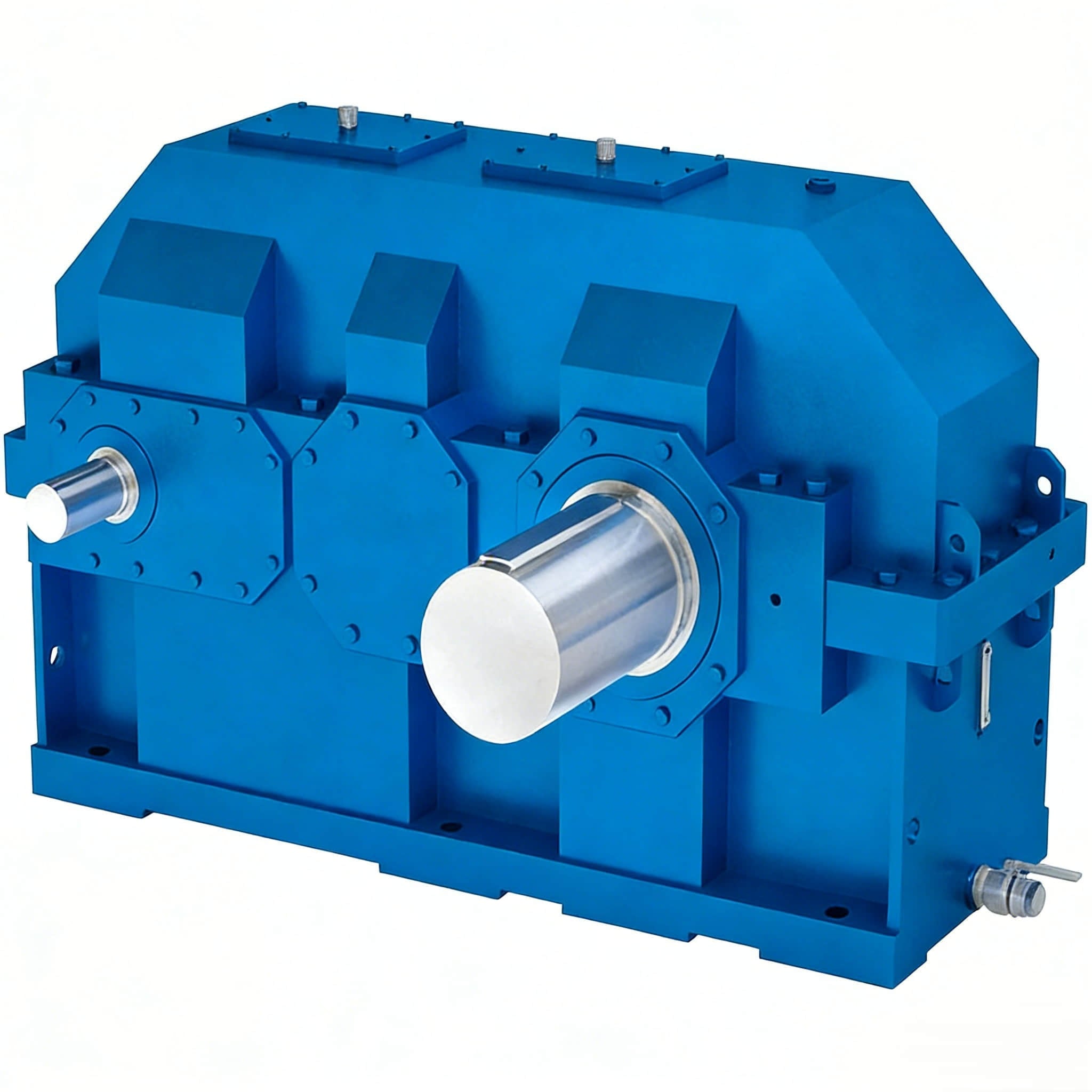
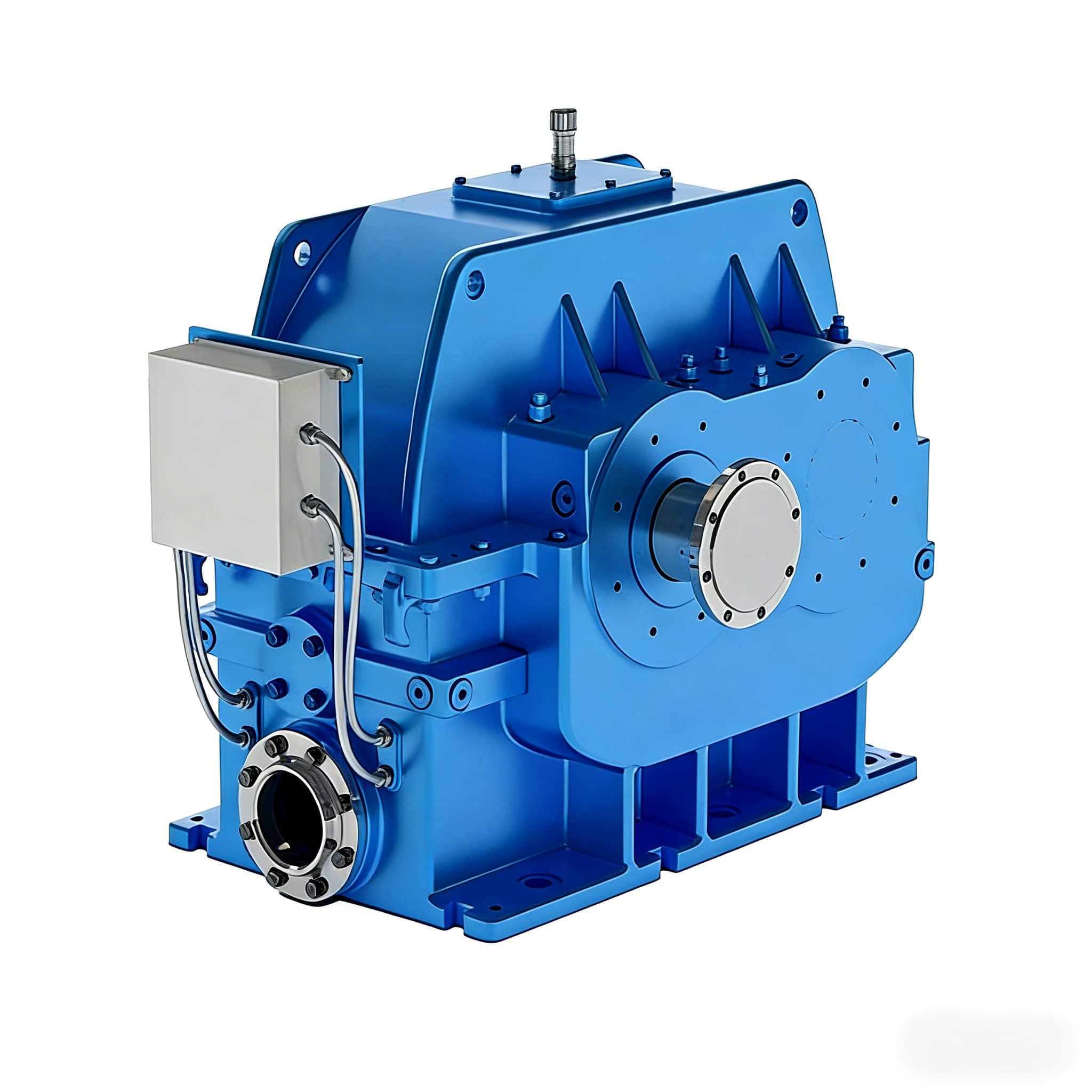
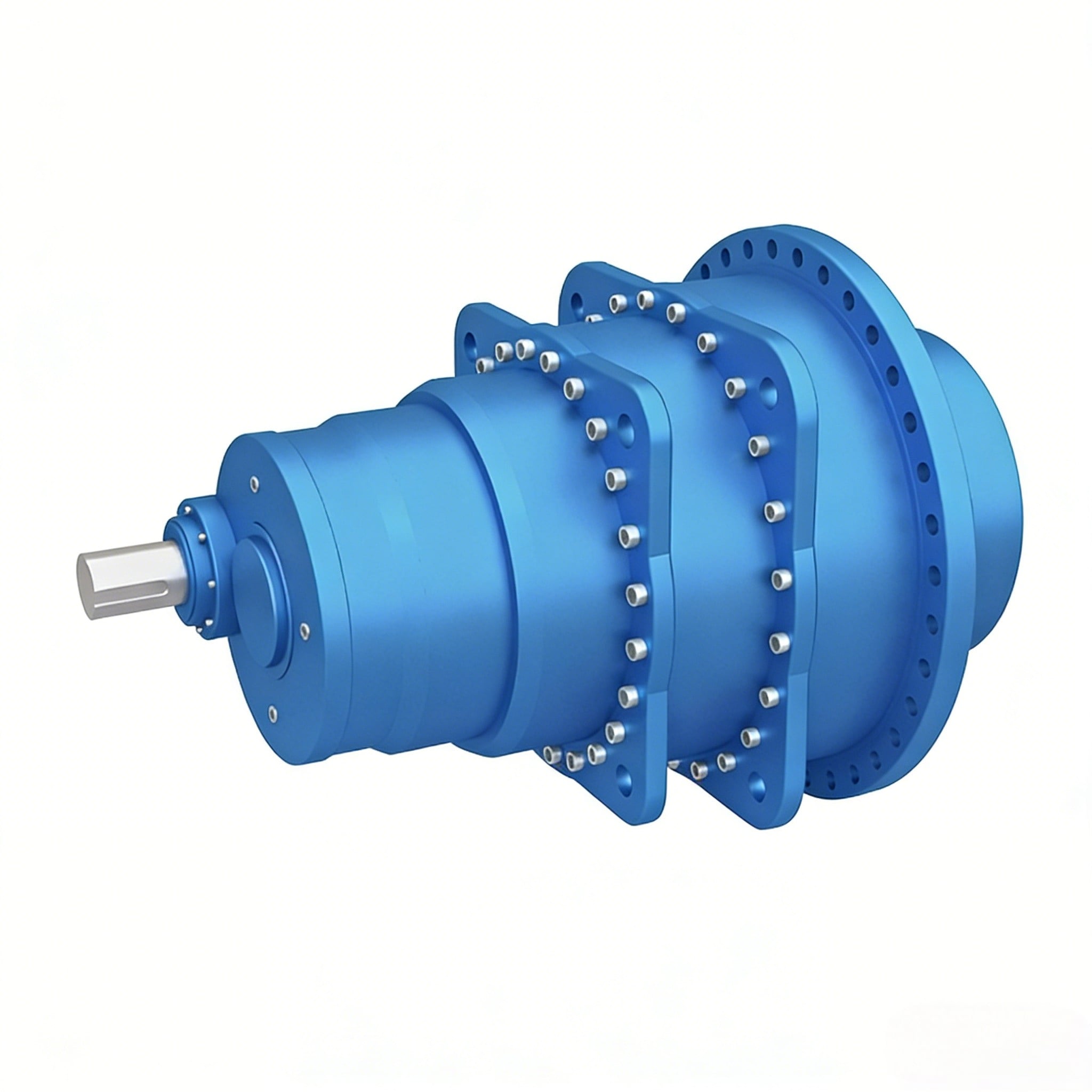
slewing drive
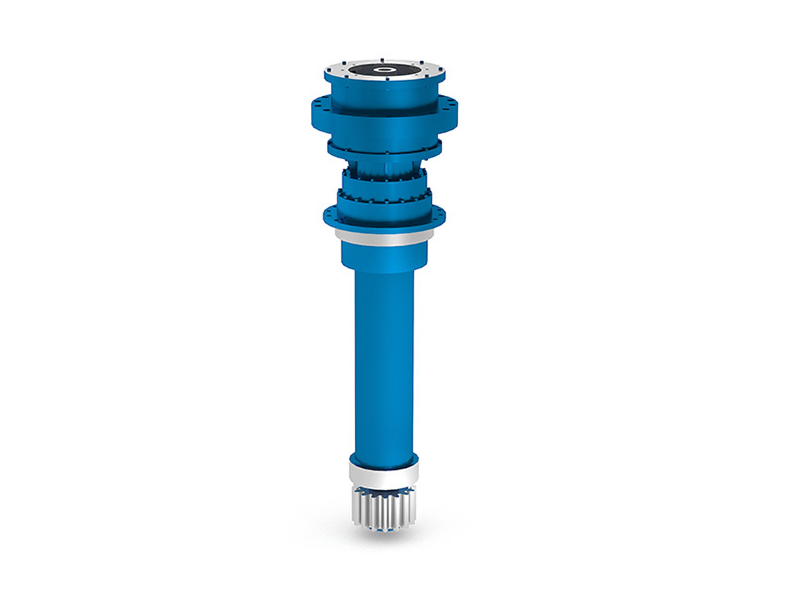
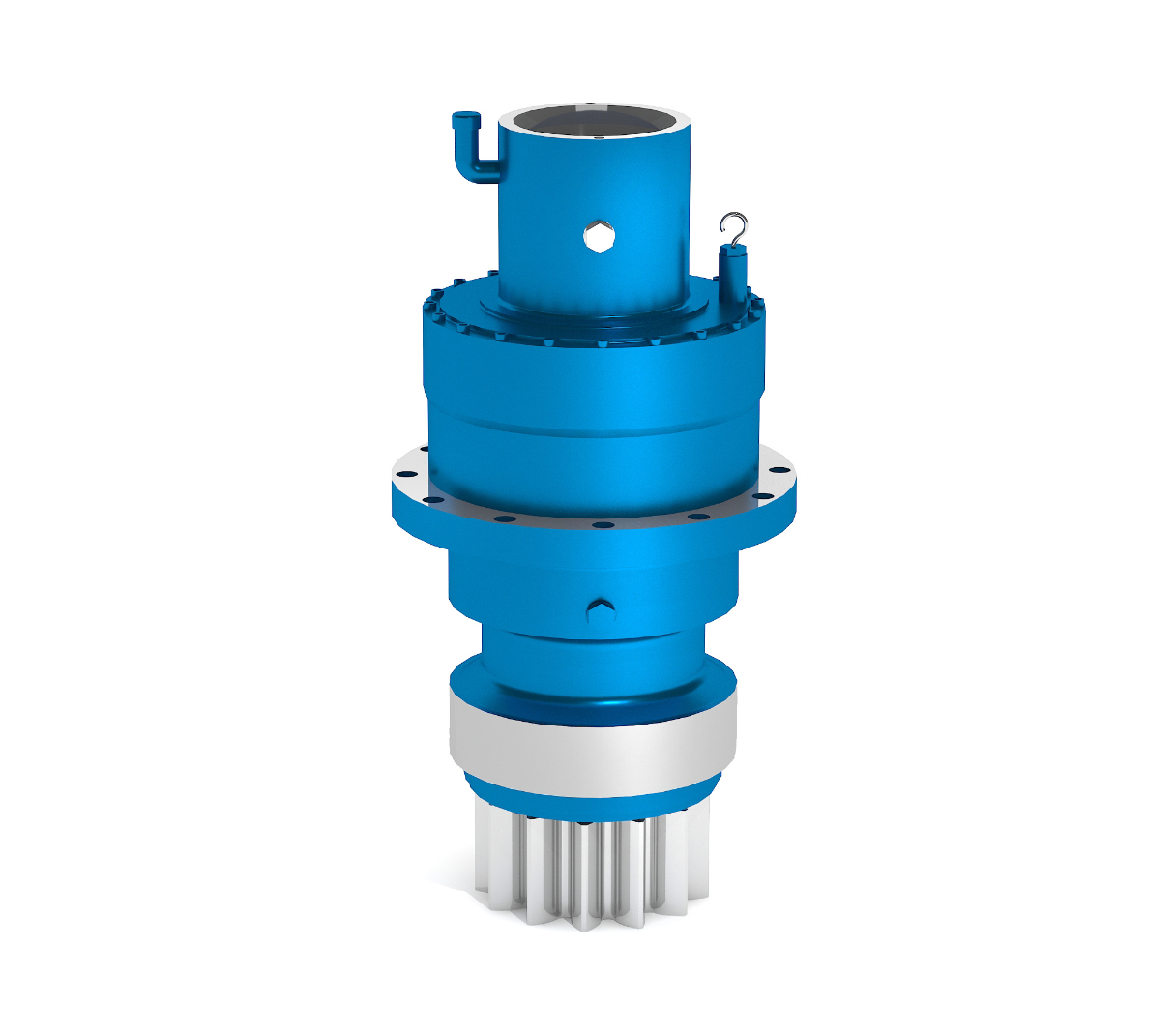
A slewing drive represents a sophisticated mechanical component that combines the functionality of a bearing, motor, and gearbox into a single, integrated unit. This innovative system enables controlled rotational movement while simultaneously supporting substantial axial and radial loads. The slewing drive operates through a precision-engineered assembly that incorporates a worm gear mechanism, high-quality bearings, and a robust housing structure designed to withstand demanding operational conditions. The primary function of this component involves facilitating smooth, accurate rotation in applications requiring both load-bearing capacity and precise positioning control. Modern slewing drives utilize advanced materials and manufacturing processes to ensure exceptional durability and performance consistency. The technological features of these systems include sealed construction that protects internal components from environmental contamination, self-locking capabilities that maintain position without continuous power input, and customizable gear ratios that accommodate specific torque and speed requirements. The compact design philosophy maximizes power density while minimizing installation space requirements. These drives incorporate specialized sealing systems that prevent lubricant leakage and exclude harmful contaminants, ensuring extended operational life even in harsh environments. The application spectrum for slewing drives spans numerous industries, including construction equipment, renewable energy systems, material handling machinery, and industrial automation platforms. In construction, they power the rotation mechanisms of cranes, excavators, and concrete mixers. Solar tracking systems rely on slewing drives for precise panel positioning throughout the day. Wind turbines utilize these components for yaw control systems that optimize blade orientation relative to wind direction. Manufacturing facilities employ slewing drives in automated production lines, robotic systems, and conveyor mechanisms where reliable rotational control is essential for operational efficiency and product quality consistency.

 EN
EN