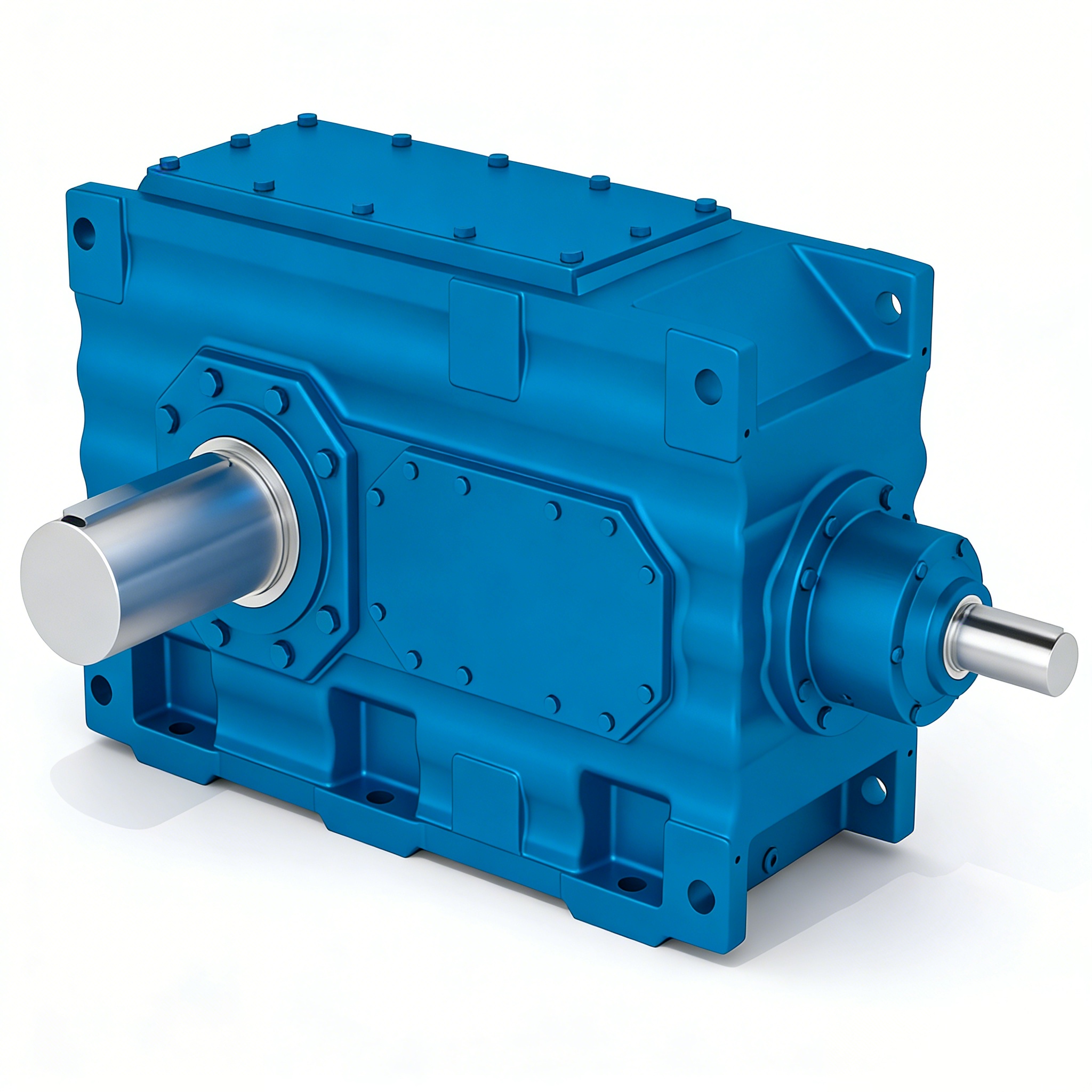
agricultural gearbox
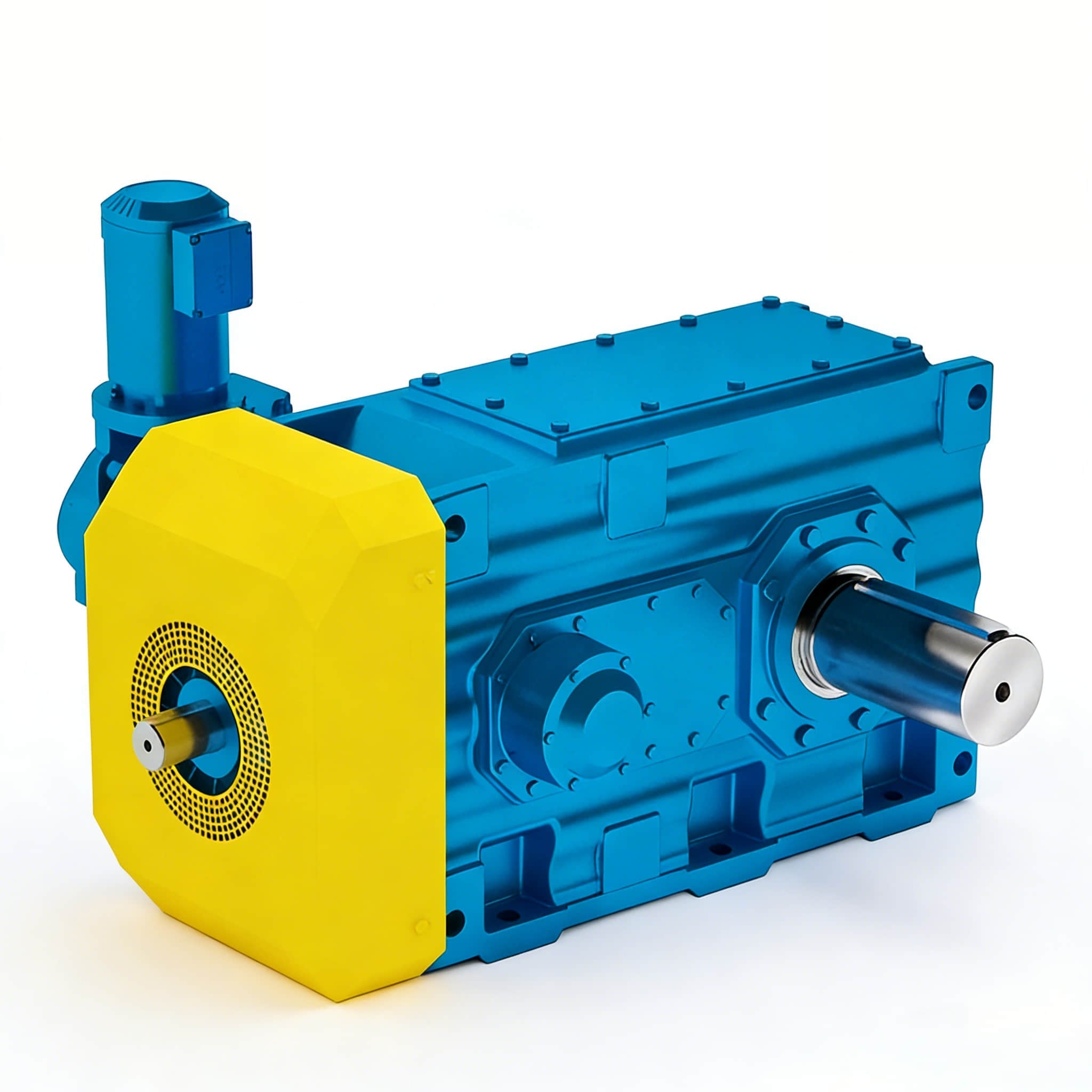
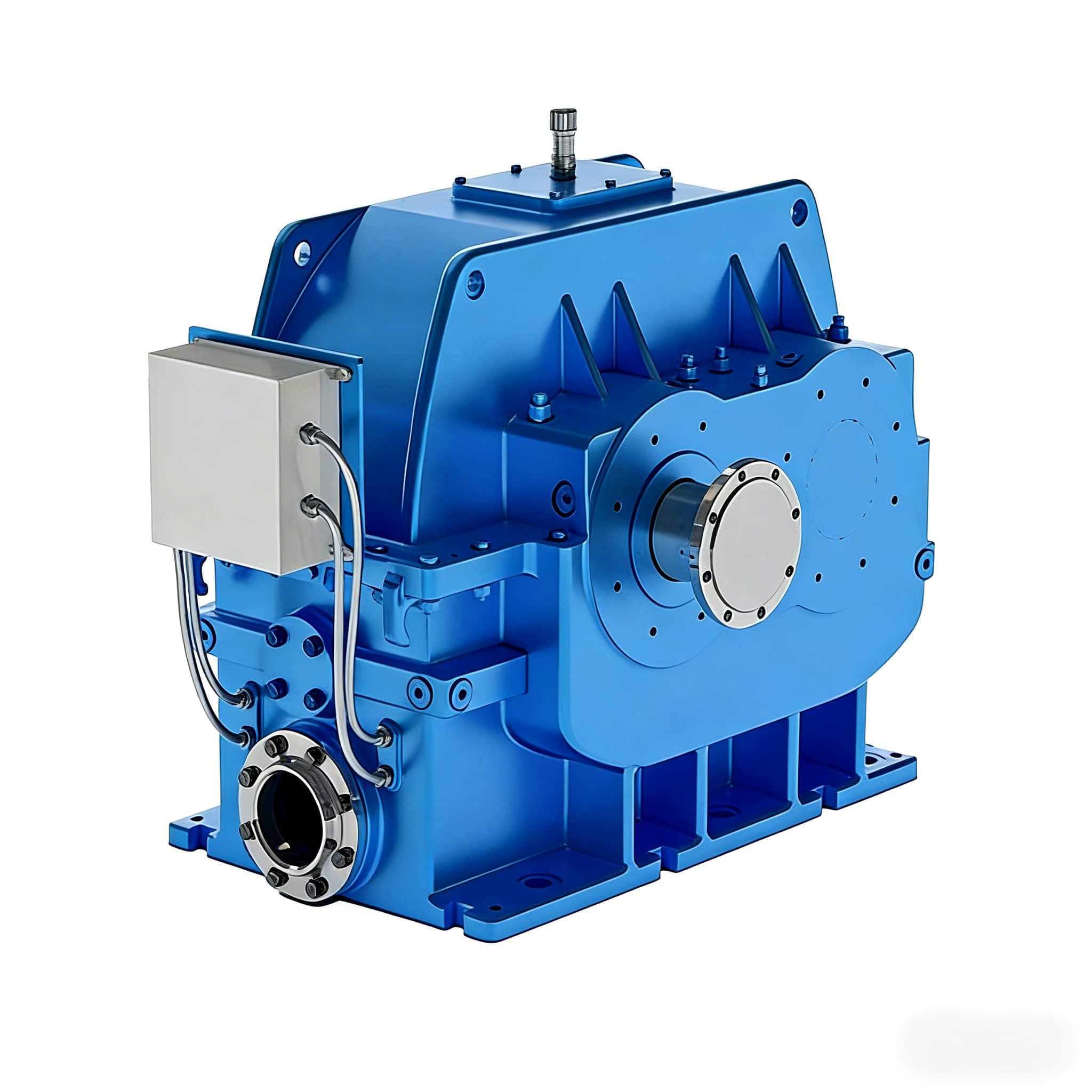
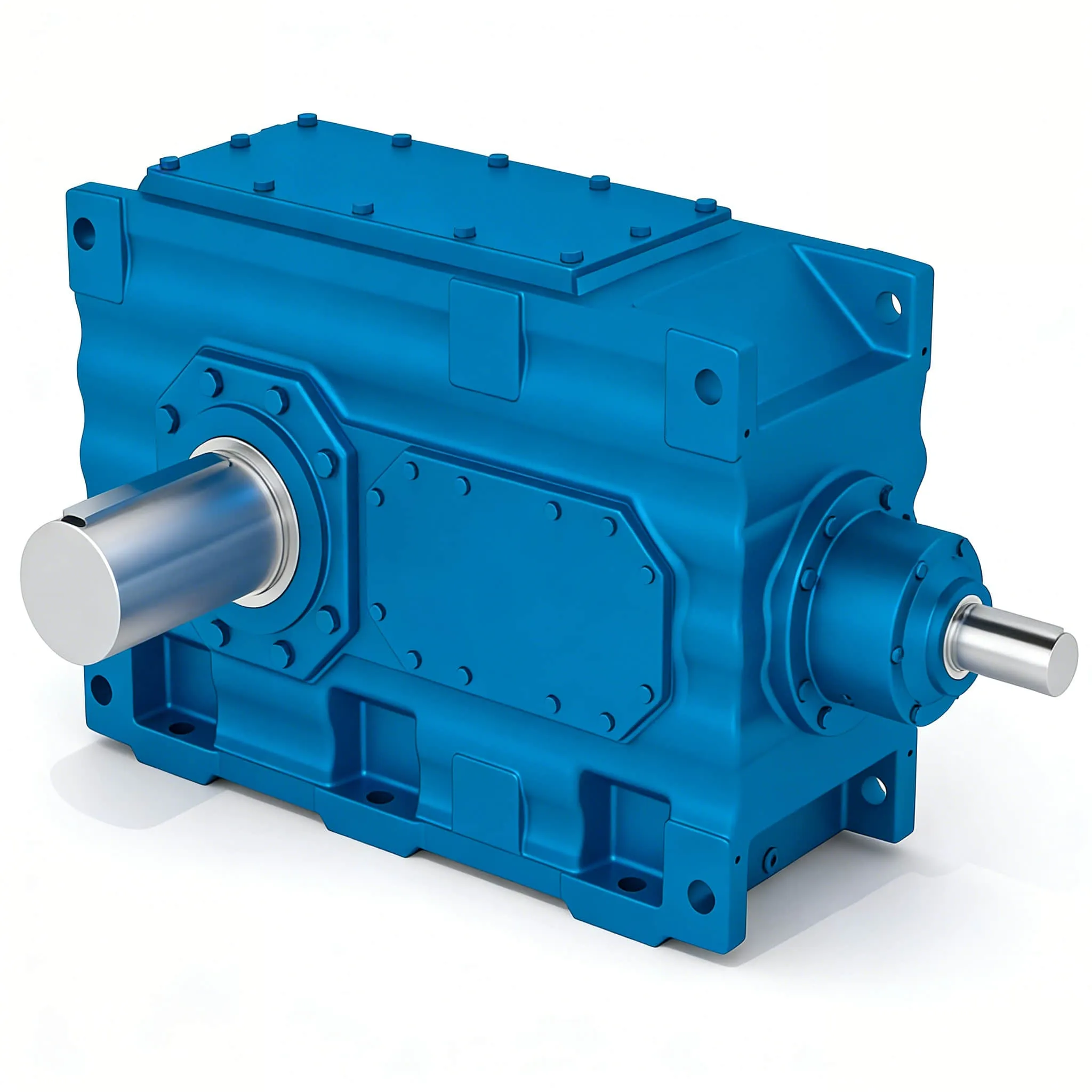
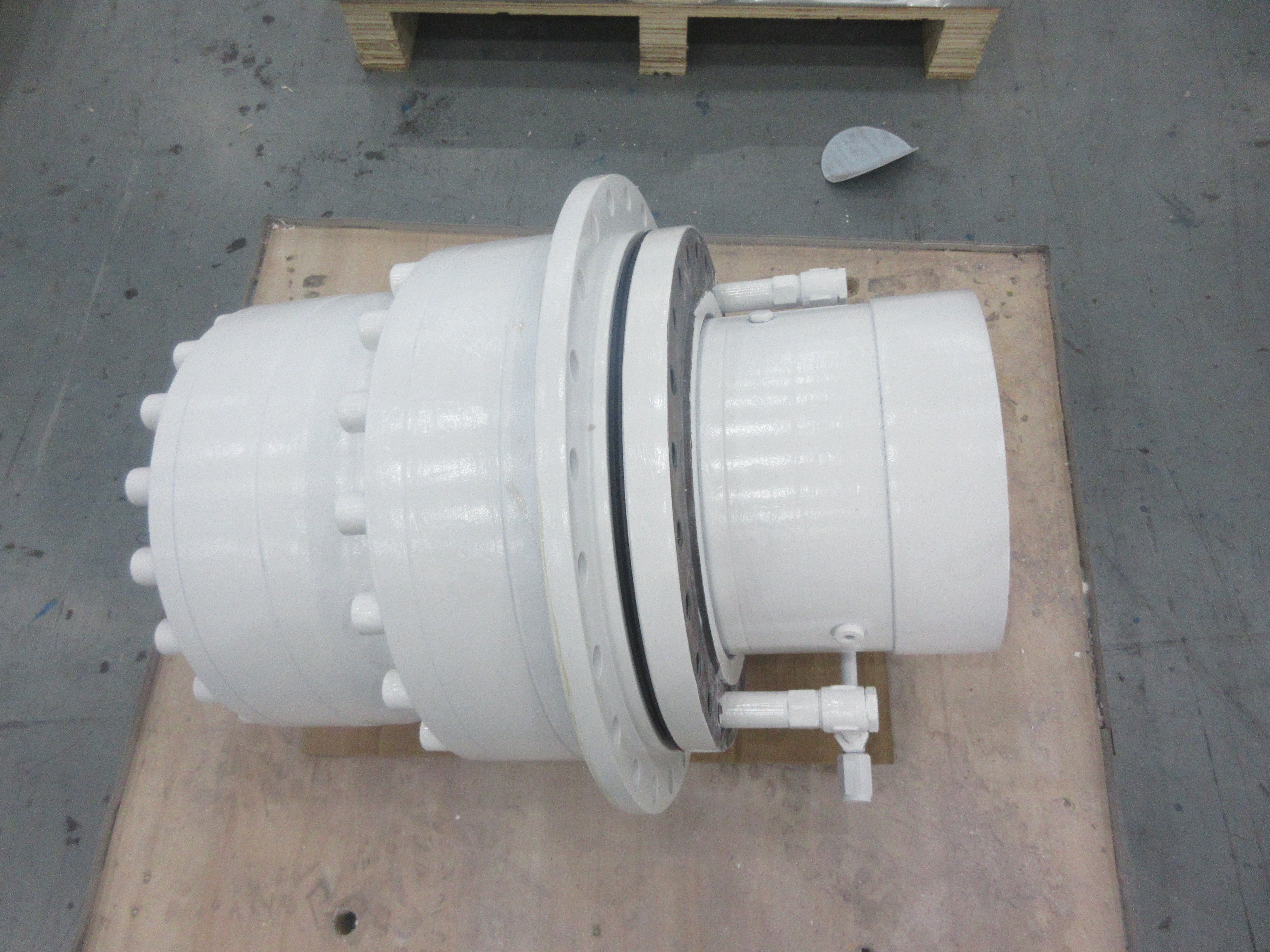
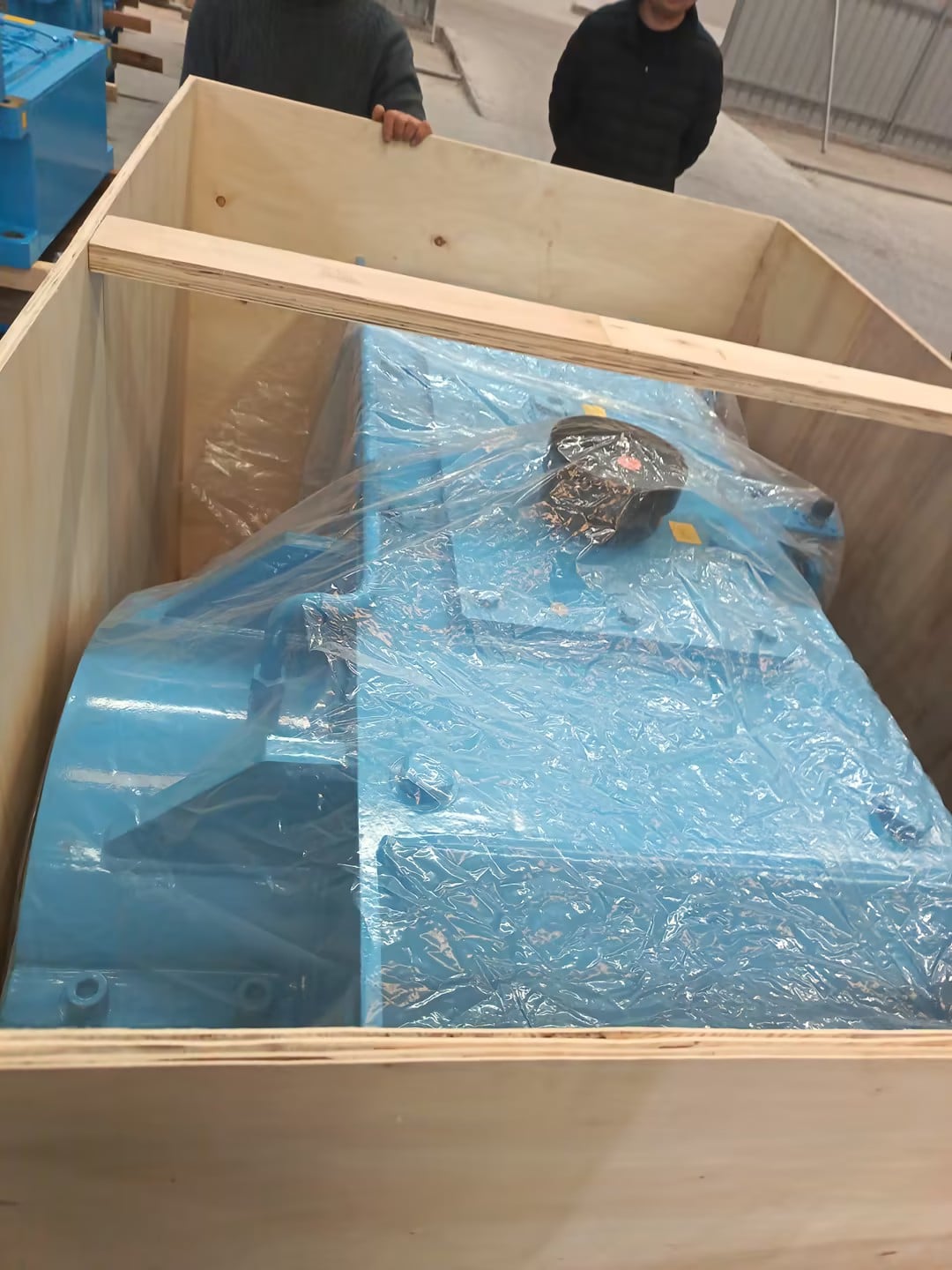
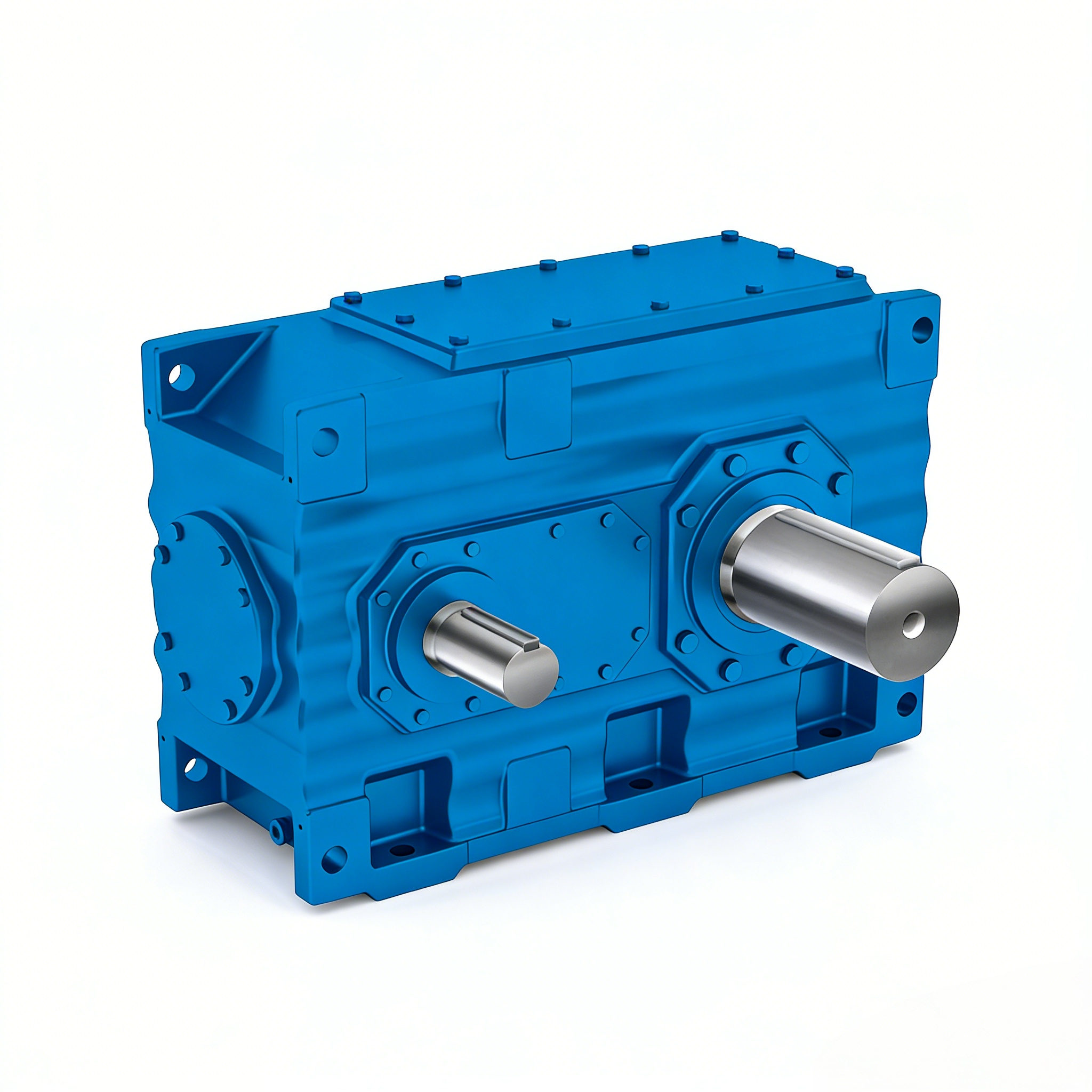
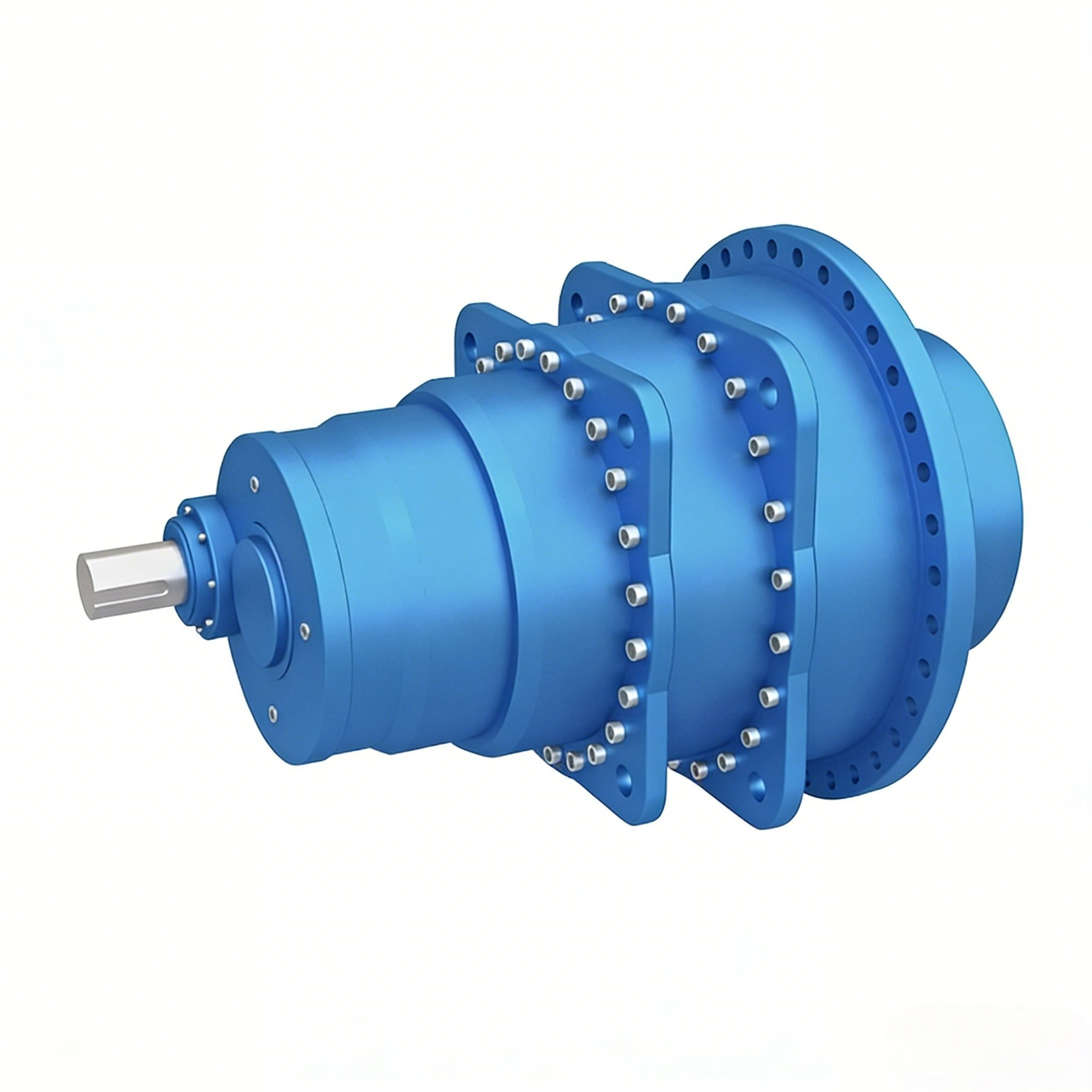
The agricultural gearbox represents a critical mechanical component designed specifically to optimize power transmission in farming equipment and machinery. This sophisticated device serves as the fundamental link between engines and operational mechanisms, transforming raw motor power into precisely controlled rotational force that drives various agricultural implements. Agricultural gearboxes are engineered to handle the demanding conditions of modern farming, where reliability and performance directly impact productivity and operational efficiency. The primary function of an agricultural gearbox involves speed reduction and torque multiplication, allowing high-speed engine output to be converted into the slower, more powerful rotational motion required by farming implements such as tillers, harvesters, mowers, and cultivation equipment. These gearboxes incorporate multiple gear ratios to provide operators with flexible speed control options, enabling them to match equipment performance to specific field conditions and crop requirements. Technologically, agricultural gearboxes feature robust construction using hardened steel gears, precision-engineered bearings, and weather-resistant housings designed to withstand exposure to dust, moisture, and temperature fluctuations common in agricultural environments. Advanced lubrication systems ensure smooth operation and extended component life, while sealed designs prevent contamination from field debris. Modern agricultural gearboxes often incorporate modular designs that facilitate maintenance and component replacement, reducing downtime during critical farming seasons. Applications for agricultural gearboxes span virtually every aspect of mechanized farming, from soil preparation and planting to harvesting and post-harvest processing. They power rotary cutters that maintain pastures, drive conveyor systems in grain handling facilities, and operate irrigation equipment that ensures consistent crop watering. The versatility of agricultural gearboxes makes them indispensable components in both small-scale farming operations and large commercial agricultural enterprises, where their reliable performance directly contributes to operational success and profitability.

 EN
EN