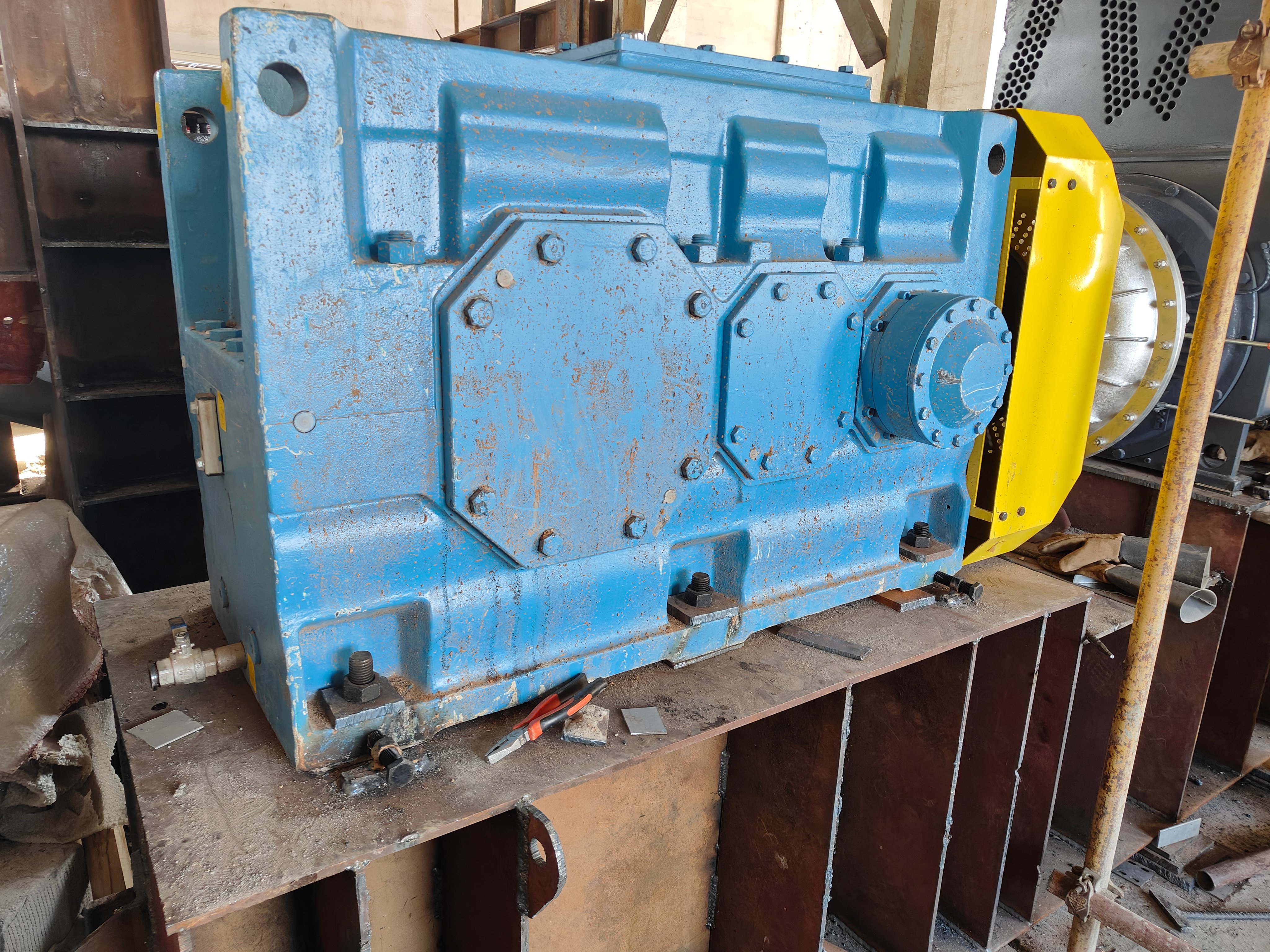
Triple Stage Gearbox: Superior Torque Control and Precision Speed Reduction Solutions

Get a Free Quote

Our representative will contact you soon.
Email
Name
Company Name
Message
0/1000

triple stage gearbox

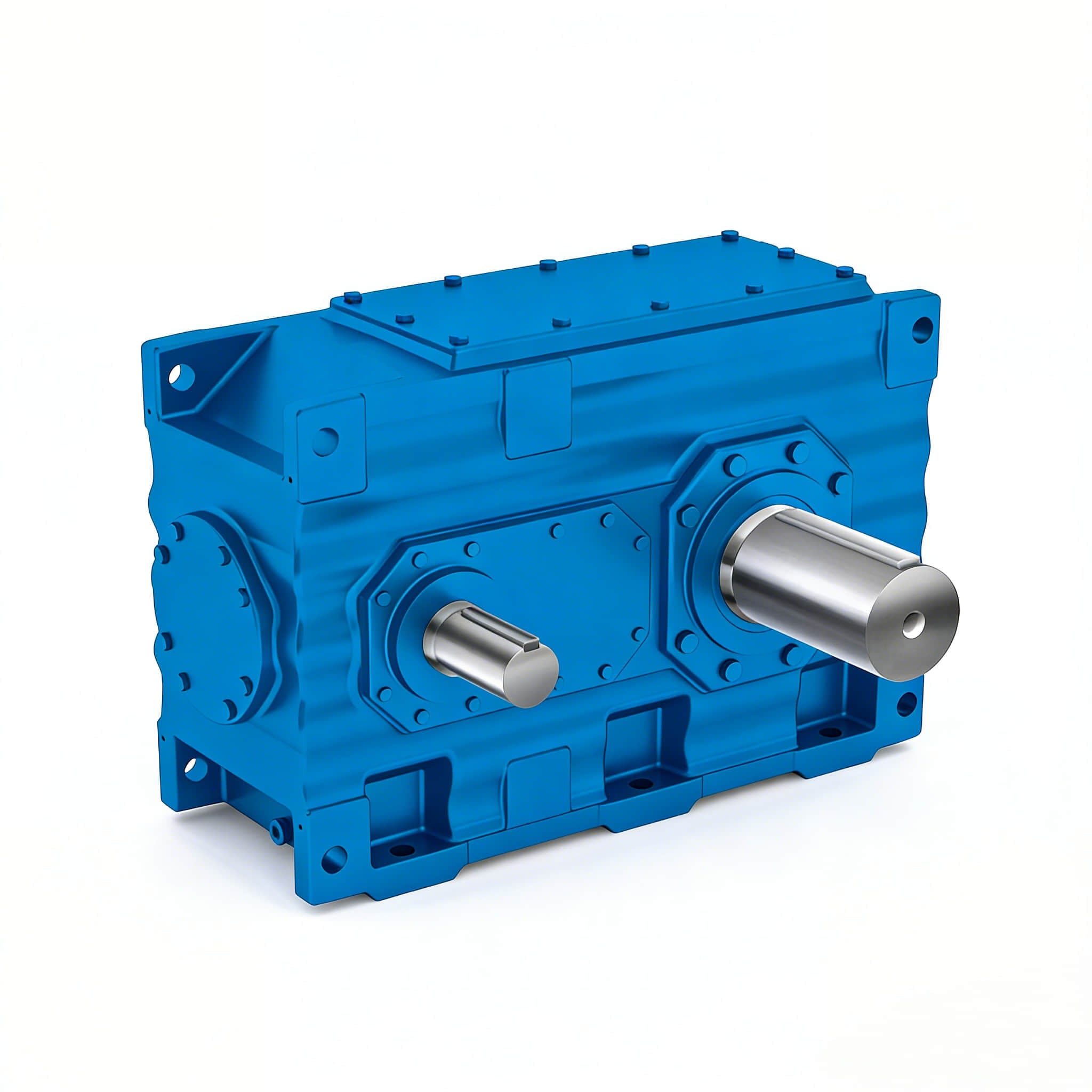
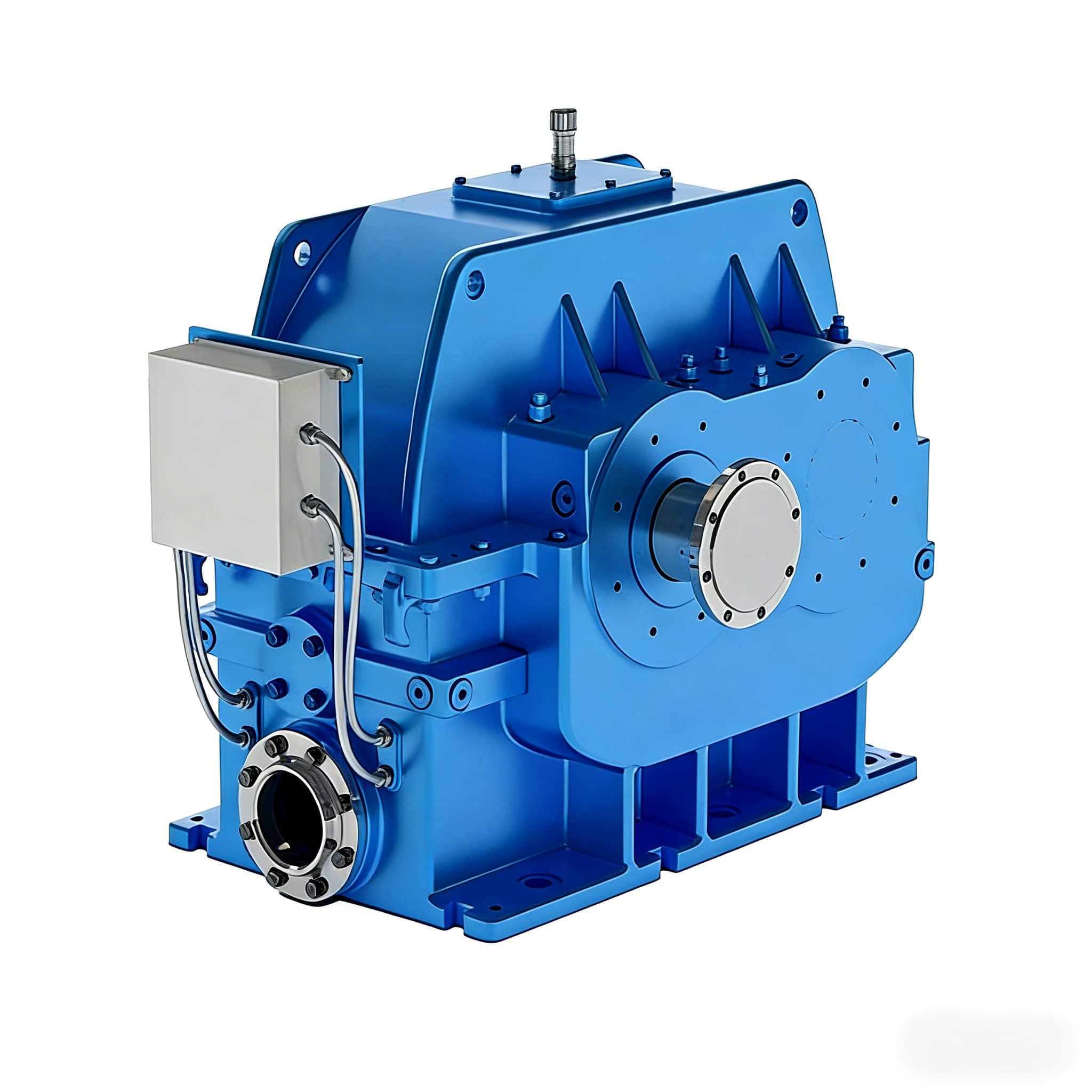
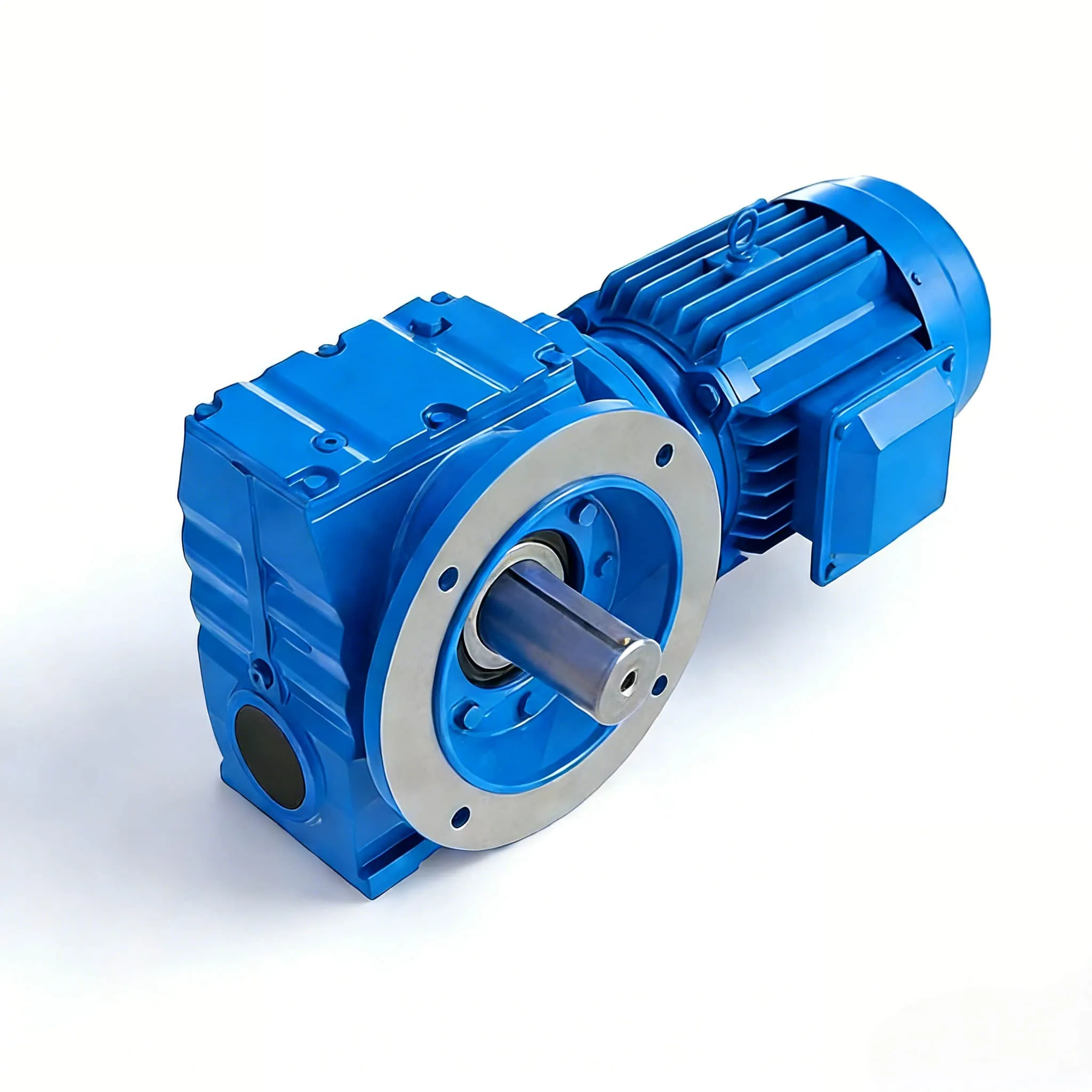
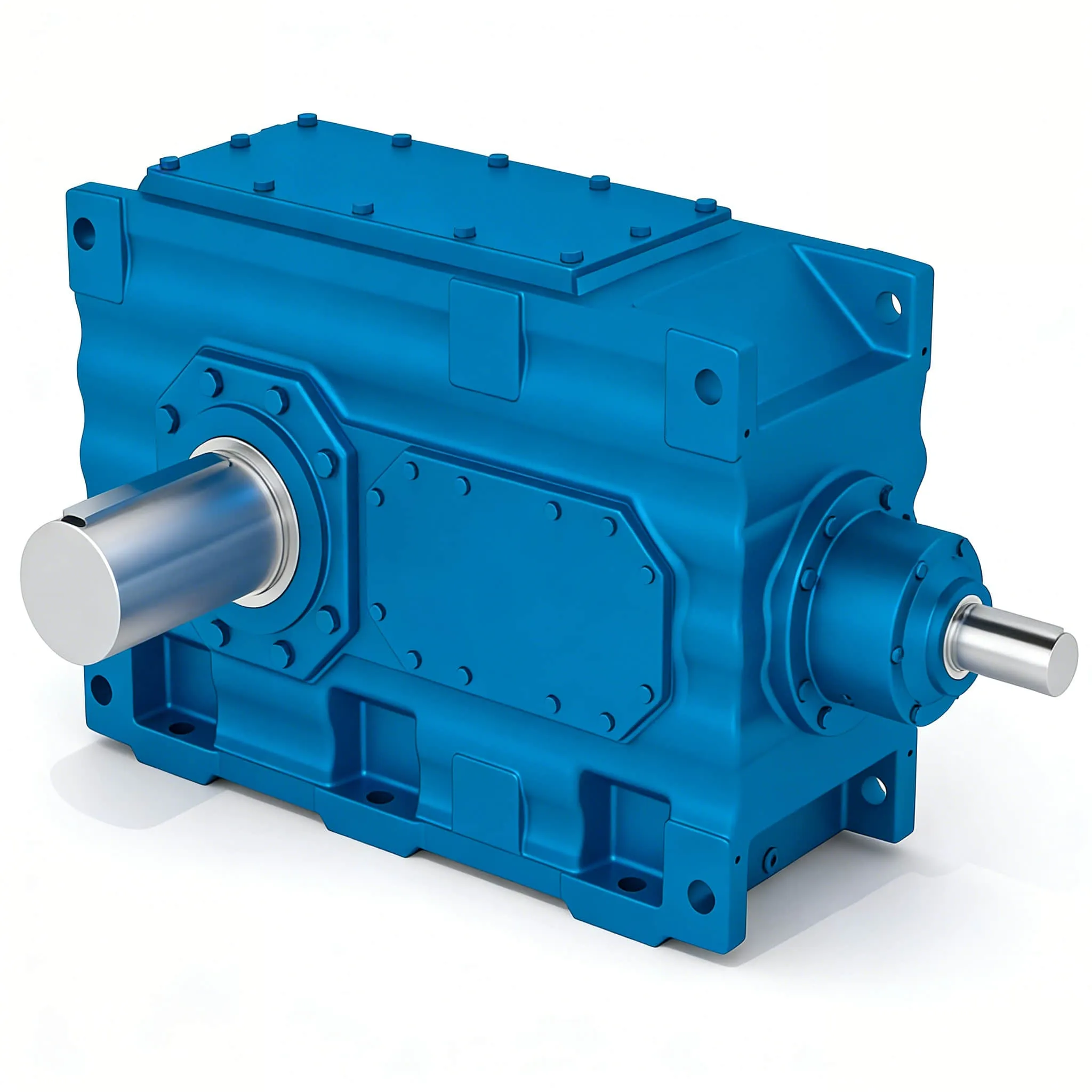
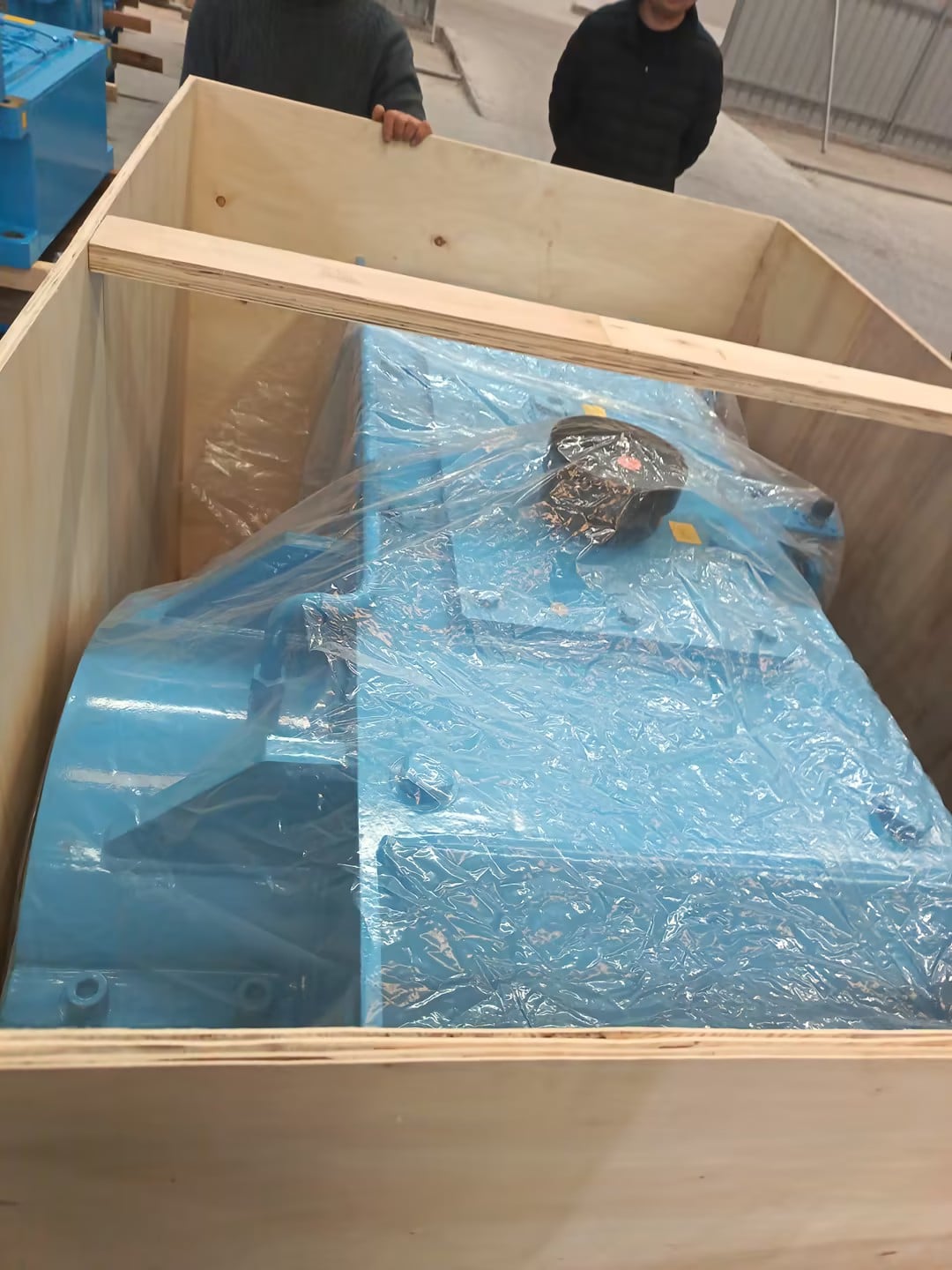
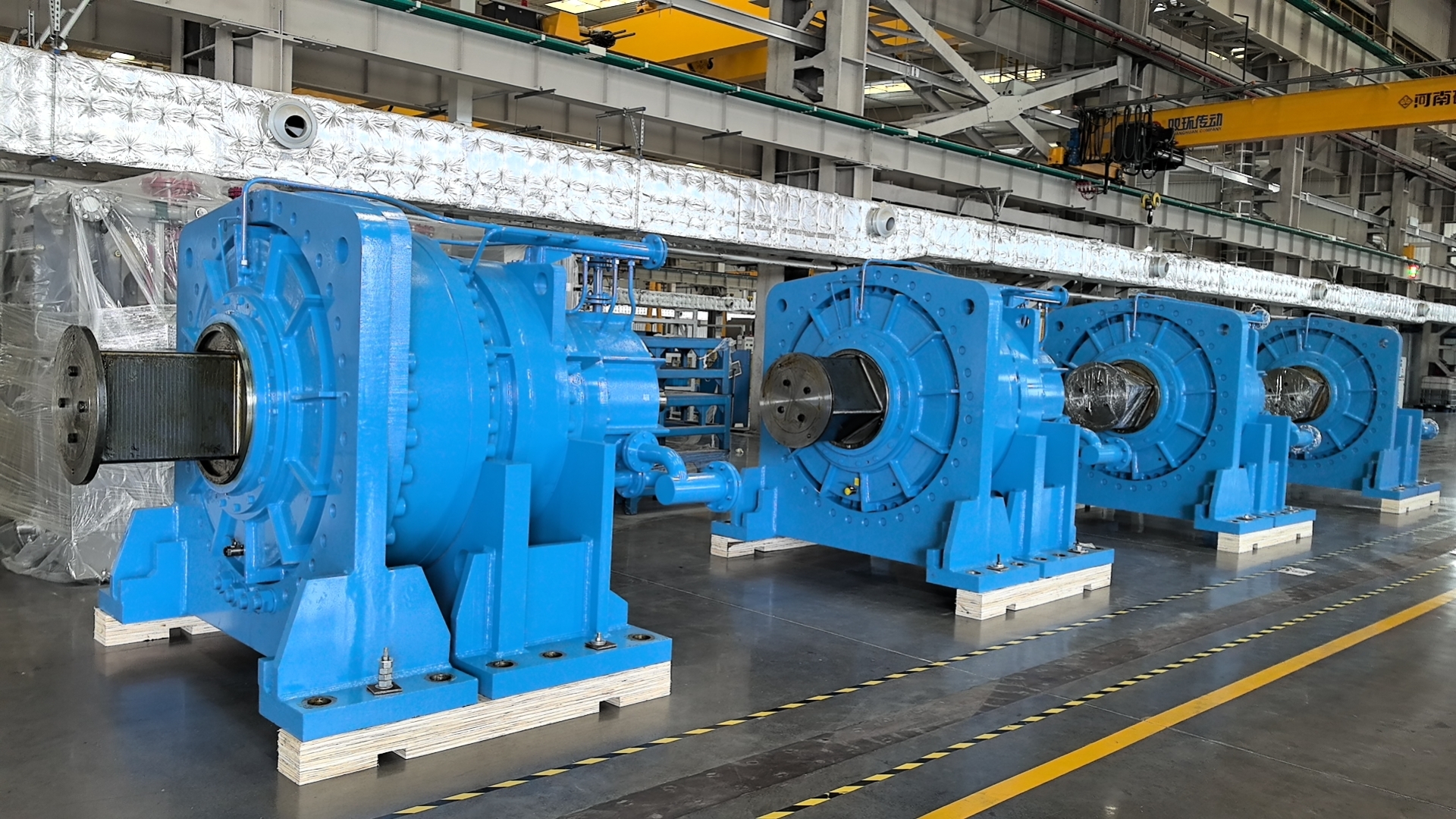
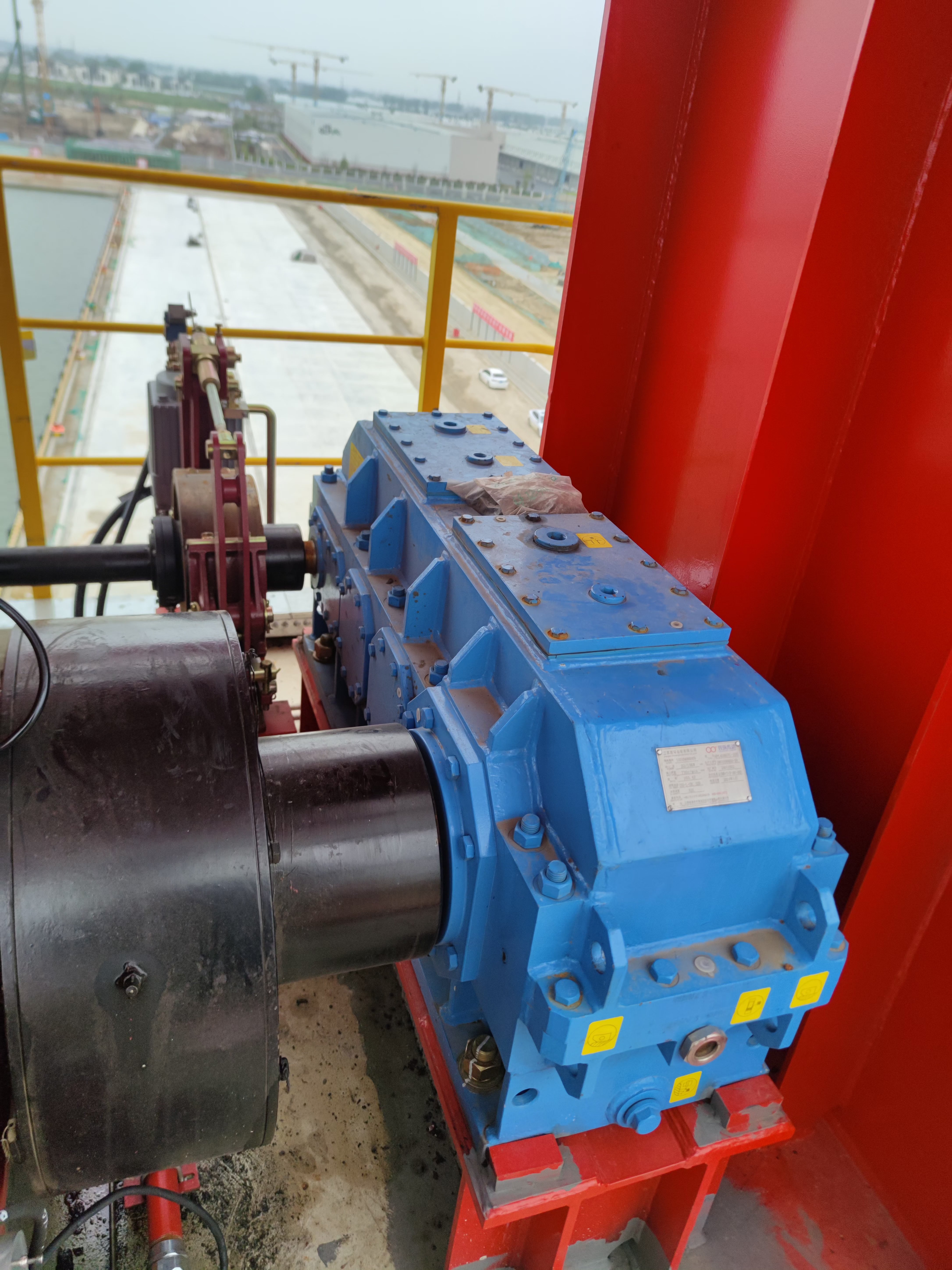
A triple stage gearbox represents an advanced mechanical transmission system that utilizes three distinct gear reduction stages to achieve precise speed control and torque multiplication. This sophisticated engineering solution consists of three sequential gear sets working in harmony to deliver exceptional performance across various industrial applications. The primary function of a triple stage gearbox involves transforming high-speed, low-torque input into low-speed, high-torque output through a carefully calibrated reduction process. Each stage contributes to the overall gear ratio, allowing manufacturers to achieve significant speed reductions while maintaining smooth power transmission. The technological features of this gearbox design include robust housing construction, precision-machined gear teeth, and advanced bearing systems that ensure reliable operation under demanding conditions. The first stage typically handles the initial speed reduction from the input shaft, while the second stage provides intermediate reduction, and the final stage delivers the precise output characteristics required for specific applications. Modern triple stage gearbox systems incorporate advanced materials and manufacturing techniques, including hardened steel gears, precision bearings, and optimized lubrication systems. These technological enhancements contribute to extended service life, reduced maintenance requirements, and improved operational efficiency. The applications for triple stage gearbox systems span numerous industries, including manufacturing automation, material handling equipment, conveyor systems, and heavy machinery. In robotics applications, these gearboxes provide the precise motion control necessary for accurate positioning and smooth operation. The construction industry relies on triple stage gearbox technology for crane operations, concrete mixers, and earth-moving equipment. Additionally, renewable energy sectors utilize these systems in wind turbine applications where reliable speed reduction is critical for power generation efficiency.

New Products

The triple stage gearbox delivers numerous practical benefits that make it an excellent choice for demanding industrial applications. This transmission system provides exceptional torque multiplication capabilities, allowing operators to achieve significantly higher output torque compared to single or double-stage alternatives. The enhanced torque output enables equipment to handle heavier loads and perform more challenging tasks with improved reliability and efficiency. Another major advantage lies in the precise speed control that triple stage gearbox systems offer. Users can achieve exact speed ratios through the combination of three reduction stages, resulting in more accurate equipment operation and better process control. This precision translates directly into improved product quality and reduced waste in manufacturing processes. The design inherently provides smoother power transmission due to the distributed load across multiple gear stages. This characteristic reduces vibration and noise levels, creating a more comfortable working environment while extending the lifespan of connected machinery. Operators benefit from quieter operation and reduced maintenance requirements, leading to lower total ownership costs. Energy efficiency represents another significant advantage of triple stage gearbox systems. The optimized gear ratios and reduced friction losses result in better power transmission efficiency compared to alternative solutions. This efficiency improvement translates into lower energy consumption, reduced operating costs, and enhanced environmental sustainability for businesses. The modular design of many triple stage gearbox systems provides exceptional flexibility for various applications. Engineers can easily adapt these systems to different requirements by adjusting gear ratios or mounting configurations without extensive redesign work. This adaptability reduces development time and costs while ensuring optimal performance for specific applications. Durability stands out as a key benefit, with triple stage gearbox systems typically offering extended service life due to distributed loading across multiple stages. The reduced stress on individual components results in less wear and tear, fewer breakdowns, and improved reliability. Maintenance teams appreciate the predictable service intervals and readily available replacement parts. The compact design of modern triple stage gearbox units maximizes space utilization while delivering high performance. This space efficiency proves particularly valuable in applications where installation space is limited but high torque output remains essential for proper operation.

Latest News

A Warm Invitation to Visit Our Manufacturing Base

15

Jan

A Warm Invitation to Visit Our Manufacturing Base

View More
Precision Quality Control: Safeguarding High-Precision Heavy-Duty Gear Transmission Release Date: August 20 , 2025

15

Jan

Precision Quality Control: Safeguarding High-Precision Heavy-Duty Gear Transmission Release Date: August 20 , 2025

View More
R&D Innovation Upgrade: Focus on Heavy-Duty Conditions, Empower Transmission Tech Breakthroughs

15

Jan

R&D Innovation Upgrade: Focus on Heavy-Duty Conditions, Empower Transmission Tech Breakthroughs

View More

Get a Free Quote

Our representative will contact you soon.
Email
Name
Company Name
Message
0/1000

triple stage gearbox

Superior Torque Multiplication and Load Handling Capacity

Superior Torque Multiplication and Load Handling Capacity

The triple stage gearbox excels in torque multiplication through its innovative three-stage reduction design, making it an indispensable component for heavy-duty industrial applications. This exceptional capability stems from the multiplicative effect of combining three separate gear reduction stages, where each stage contributes to the overall torque increase while simultaneously reducing rotational speed. The mathematical relationship between input and output torque creates substantial mechanical advantage, enabling equipment to handle loads that would be impossible with direct drive systems or simpler transmission alternatives. Manufacturing facilities benefit tremendously from this enhanced load handling capacity, particularly in applications involving heavy material movement, pressing operations, or high-resistance processes. The distributed torque multiplication across three stages ensures that no single gear set experiences excessive stress, contributing to improved reliability and extended operational life. This design philosophy proves especially valuable in continuous operation environments where equipment downtime translates directly into production losses and revenue impact. Construction and mining industries rely heavily on the superior torque characteristics of triple stage gearbox systems for excavators, bulldozers, and material processing equipment. The ability to generate substantial output torque from relatively modest input power enables these machines to perform demanding tasks efficiently while maintaining fuel economy and operational cost effectiveness. Wind energy applications showcase another critical use case where torque multiplication becomes essential for converting variable wind speeds into consistent electrical generation. The triple stage gearbox transforms low-speed, high-torque rotor rotation into the high-speed rotation required by electrical generators, making renewable energy production economically viable. Marine applications also benefit significantly from the robust torque characteristics, with ship propulsion systems and deck machinery requiring reliable power transmission under challenging environmental conditions.
Exceptional Precision and Speed Control for Critical Applications

Exceptional Precision and Speed Control for Critical Applications

Precision speed control represents one of the most compelling advantages of triple stage gearbox technology, delivering unmatched accuracy for applications requiring exact rotational speeds and positioning. The three-stage reduction system enables engineers to achieve virtually any desired speed ratio through careful selection of individual stage ratios, providing unprecedented flexibility in matching output characteristics to specific application requirements. This precision proves critical in automated manufacturing processes where consistent product quality depends on maintaining exact speeds throughout production cycles. Robotics and automation systems particularly benefit from the exceptional speed control capabilities of triple stage gearbox units. Industrial robots require precise joint movement and positioning to perform complex assembly tasks, welding operations, and material handling with consistent accuracy. The smooth speed reduction and elimination of backlash through proper gear design ensure that robotic systems can achieve repeatable positioning within tight tolerance specifications. CNC machining applications showcase another area where precision speed control becomes paramount for achieving desired surface finishes and dimensional accuracy. The triple stage gearbox enables machine tools to maintain consistent cutting speeds across varying load conditions, resulting in superior part quality and reduced tool wear. Textile manufacturing processes rely heavily on synchronized speed control to maintain proper tension and fabric quality throughout production. Multiple drive systems must operate in perfect coordination, and triple stage gearbox technology provides the precision necessary to prevent material defects and production interruptions. Packaging machinery represents another critical application where speed control accuracy directly impacts productivity and product integrity. The ability to maintain precise conveyor speeds and synchronize multiple packaging stations ensures consistent package quality while maximizing throughput rates. Laboratory and testing equipment also depends on the exceptional speed control characteristics for conducting accurate experiments and measurements where even minor speed variations could compromise results and research validity.
Enhanced Durability and Reduced Maintenance Requirements

Enhanced Durability and Reduced Maintenance Requirements

The triple stage gearbox design inherently provides superior durability through intelligent load distribution and advanced engineering principles that minimize wear and extend operational life significantly beyond conventional transmission alternatives. The fundamental advantage stems from dividing the total speed reduction across three separate stages rather than placing excessive demands on fewer gear sets, resulting in reduced stress concentrations and more uniform wear patterns. This distributed loading approach ensures that individual gears operate within optimal stress ranges, preventing premature failure and maintaining consistent performance throughout extended service periods. High-quality materials and precision manufacturing processes further enhance the durability characteristics of modern triple stage gearbox systems. Manufacturers typically utilize hardened steel gears with advanced surface treatments that provide excellent wear resistance and fatigue strength. These materials undergo rigorous quality control procedures to ensure consistent metallurgical properties and dimensional accuracy that contribute directly to extended service life and reliable operation. Advanced lubrication systems integrated into triple stage gearbox designs play a crucial role in durability enhancement by maintaining optimal operating temperatures and preventing metal-to-metal contact between moving components. Synthetic lubricants with superior thermal stability and additive packages specifically formulated for gear applications provide enhanced protection against wear, corrosion, and oxidation. The maintenance advantages of triple stage gearbox systems translate into significant cost savings and improved equipment availability for industrial operations. Predictable maintenance intervals allow facility managers to schedule service activities during planned downtime periods, avoiding unexpected failures that disrupt production schedules. The modular design of many systems enables technicians to service individual components without complete unit disassembly, reducing maintenance time and labor costs. Condition monitoring capabilities integrated into modern triple stage gearbox units provide early warning of potential issues through vibration analysis, temperature monitoring, and lubricant condition assessment. These predictive maintenance features enable maintenance teams to address developing problems before they result in costly failures or extended downtime periods, maximizing equipment return on investment.

Get a Free Quote

Our representative will contact you soon.
Email
Name
Company Name
Message
0/1000