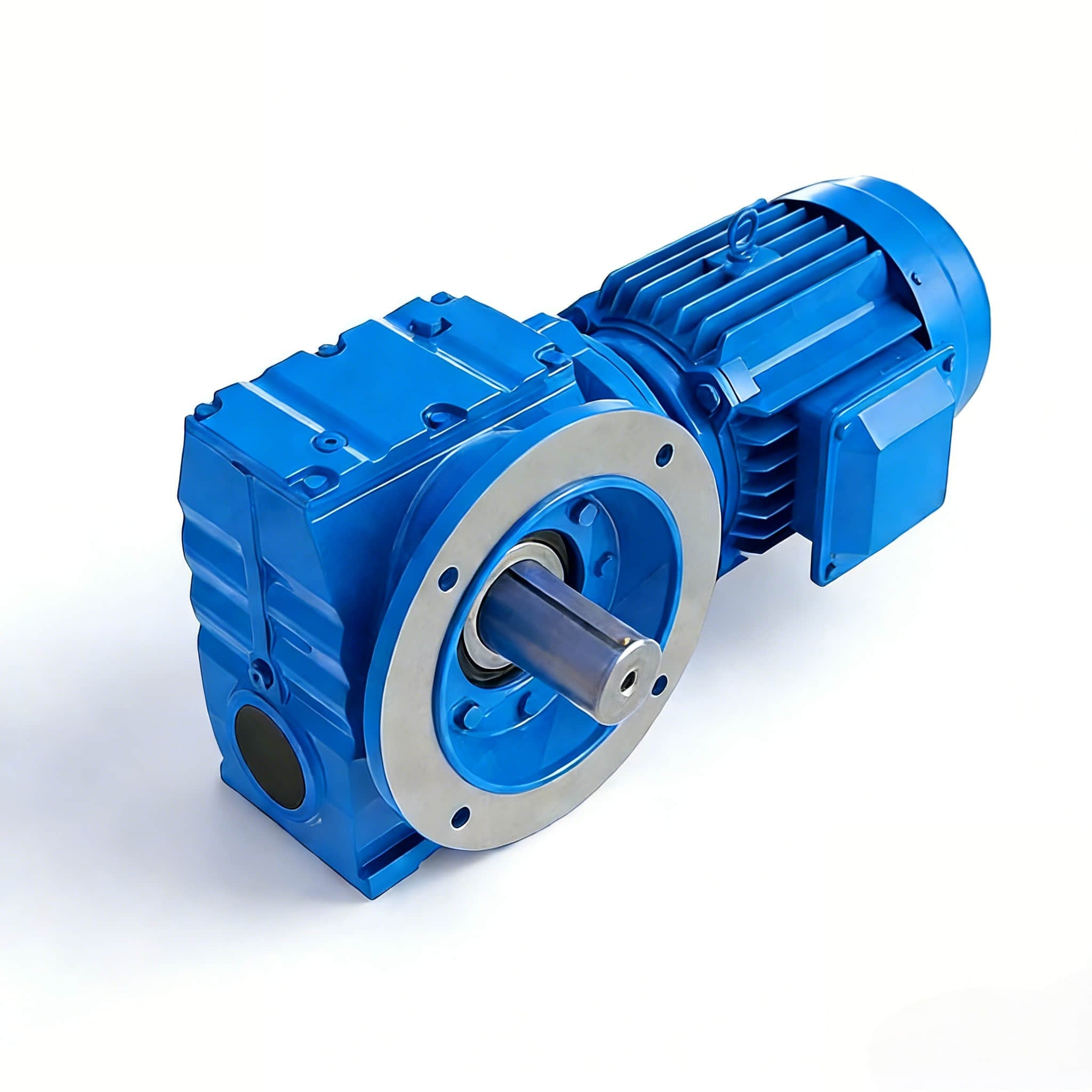
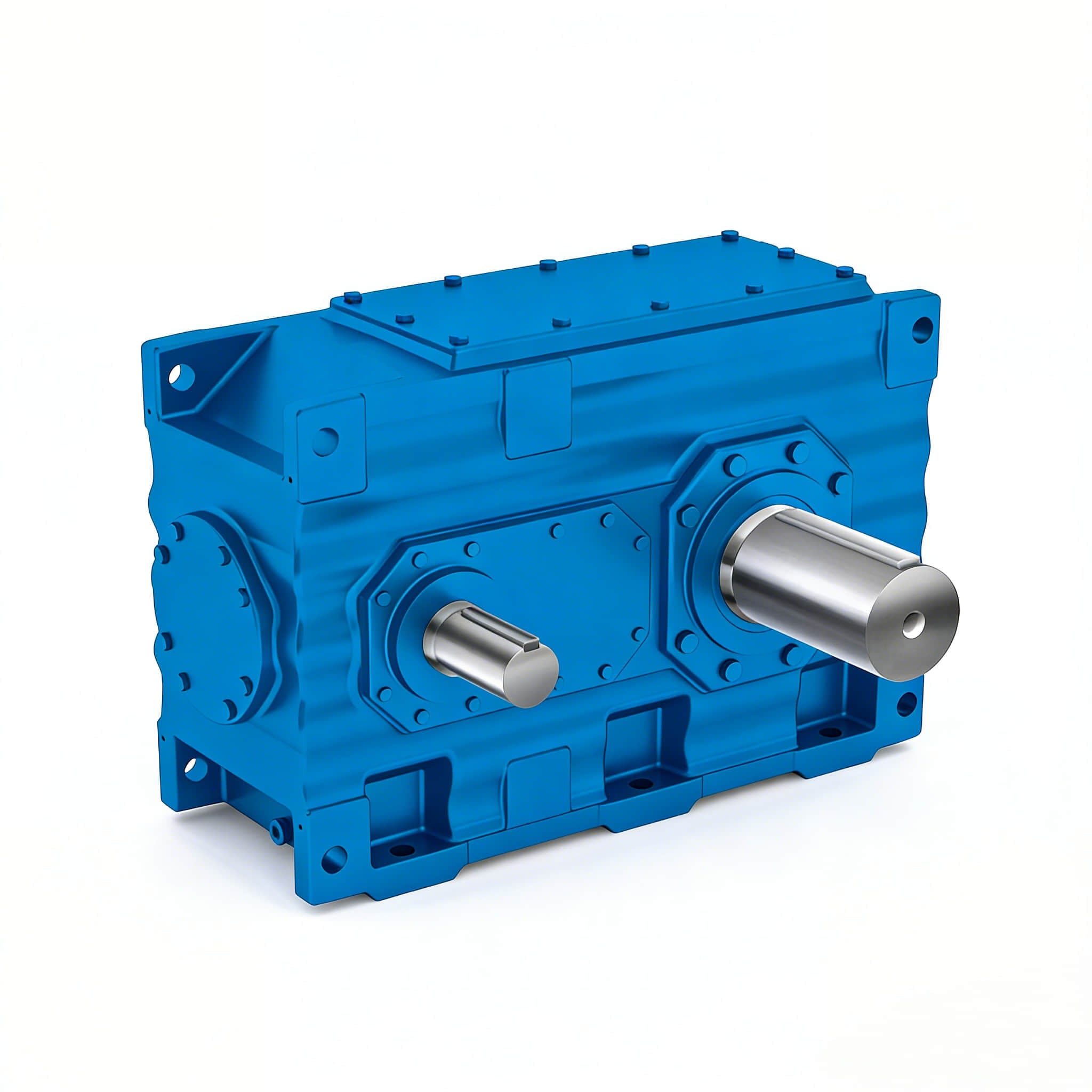
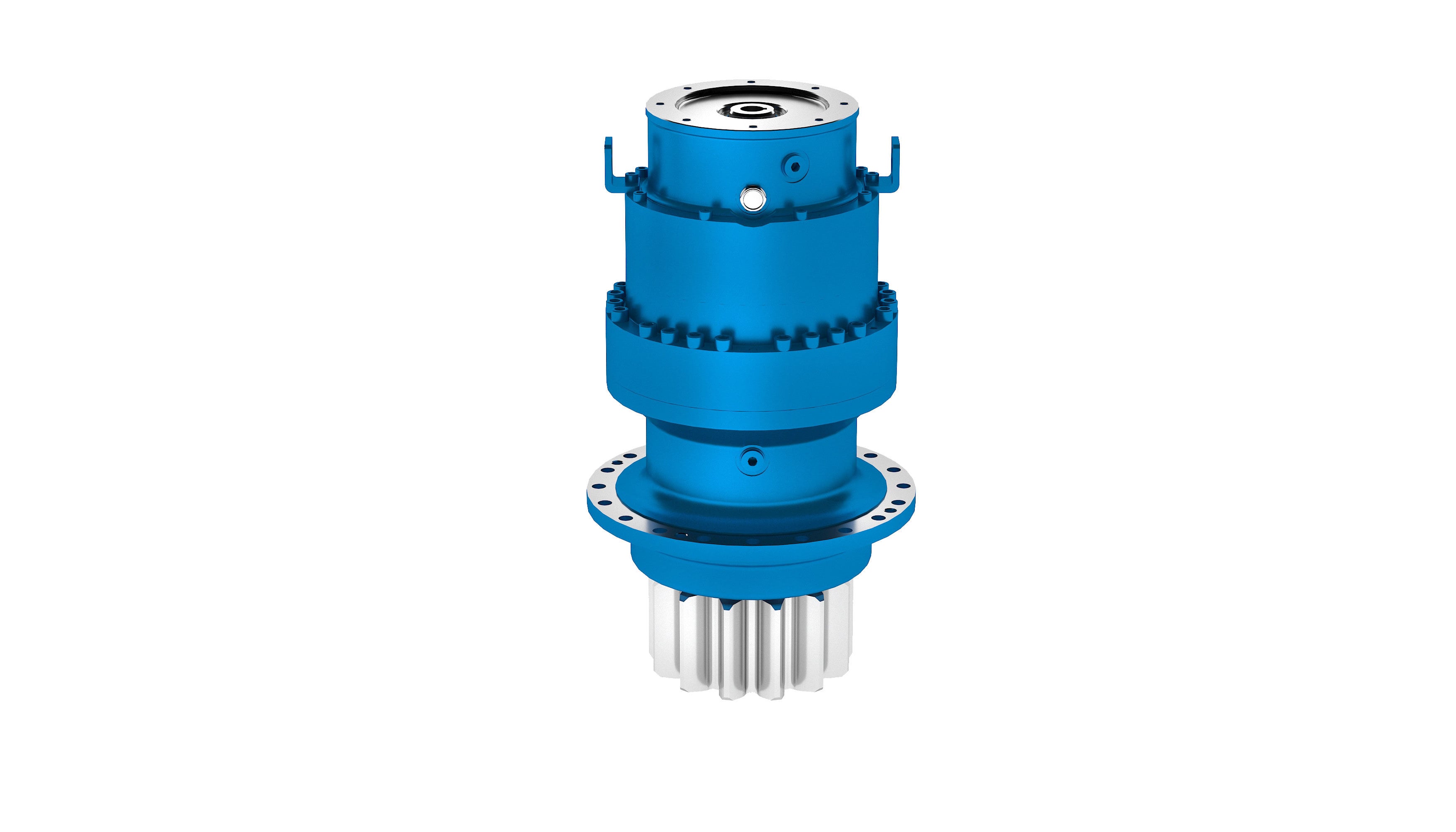
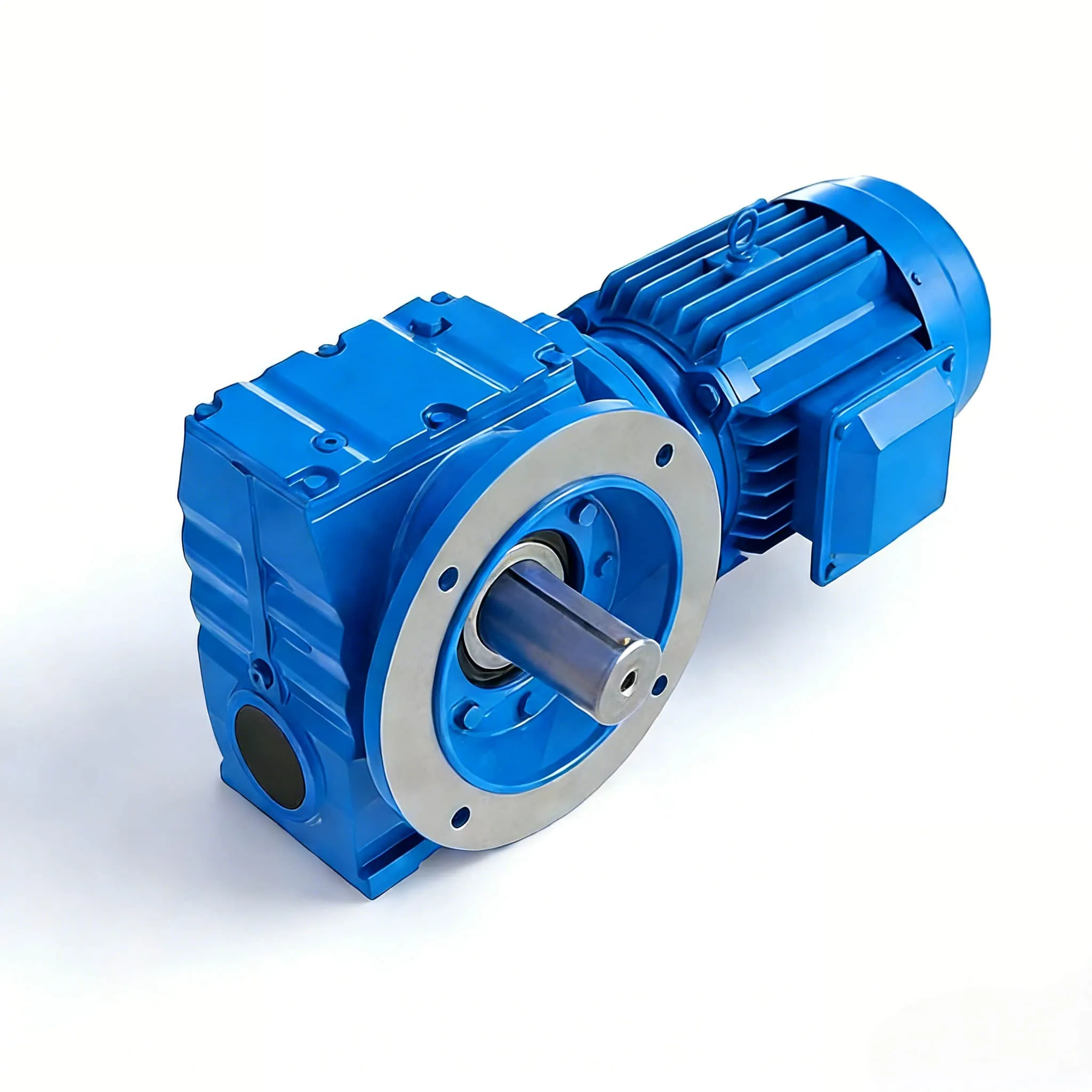
High-Performance Gearbox for Conveyor Systems - Superior Load Handling & Precision Control

Get a Free Quote

Our representative will contact you soon.
Email
Name
Company Name
Message
0/1000

gearbox for conveyor

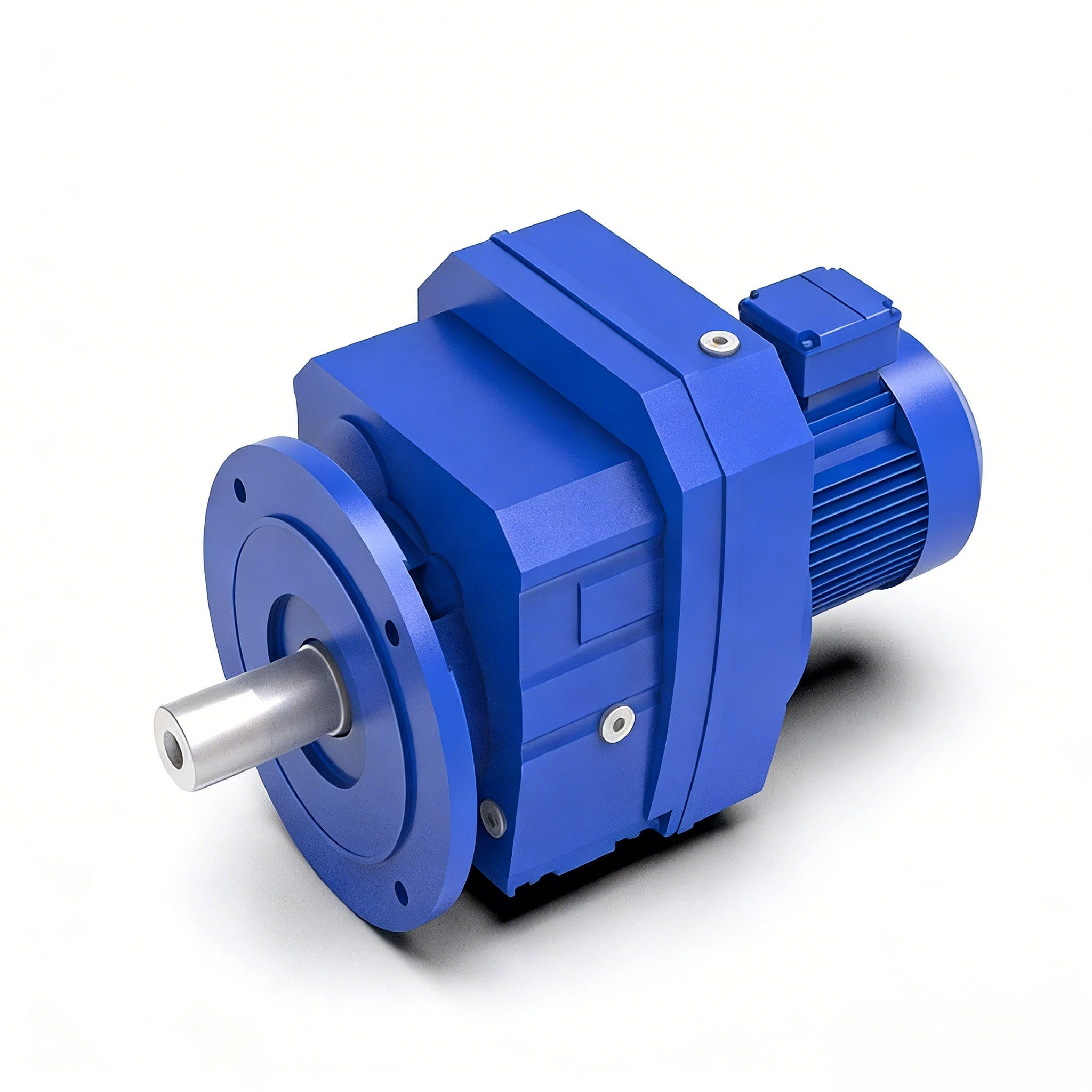
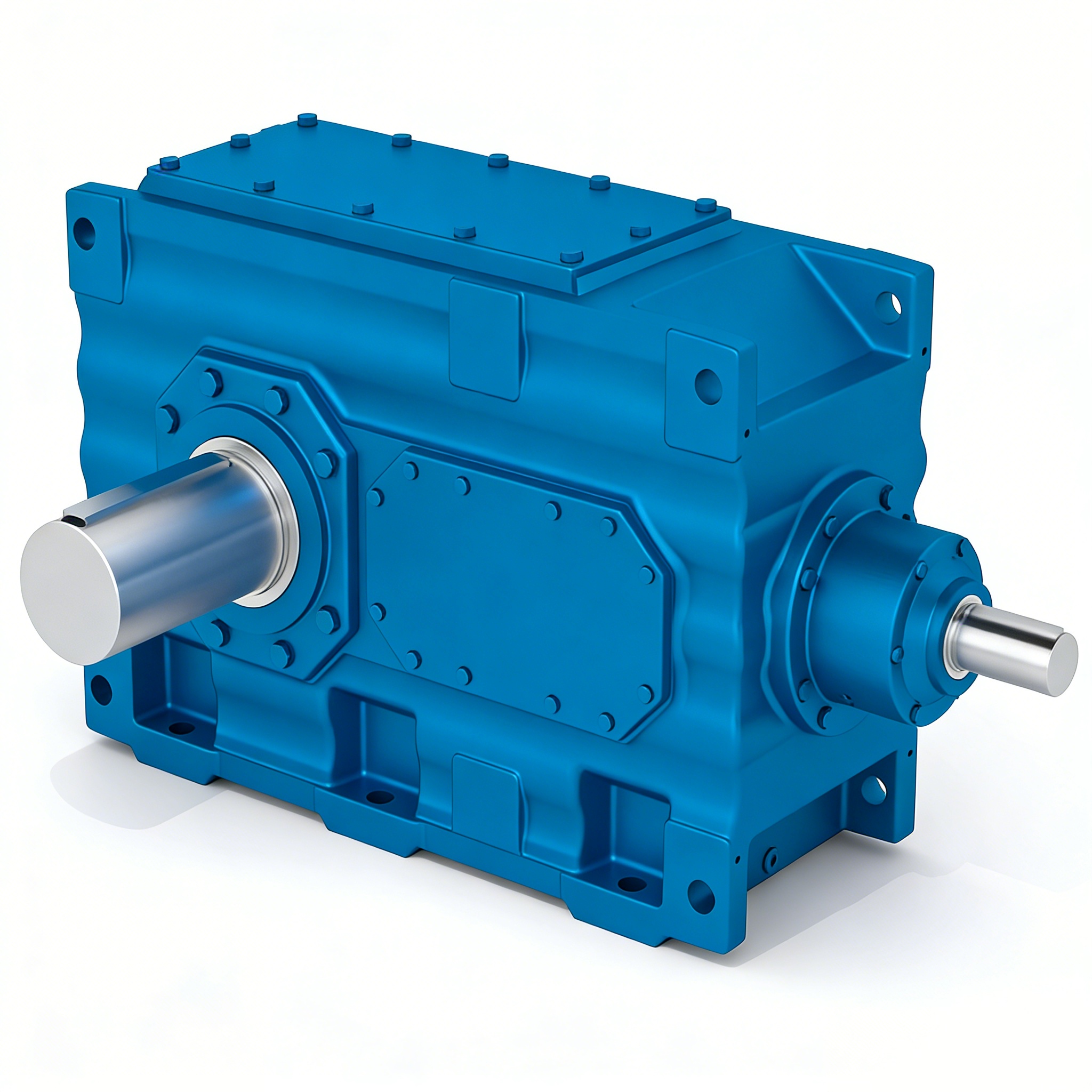
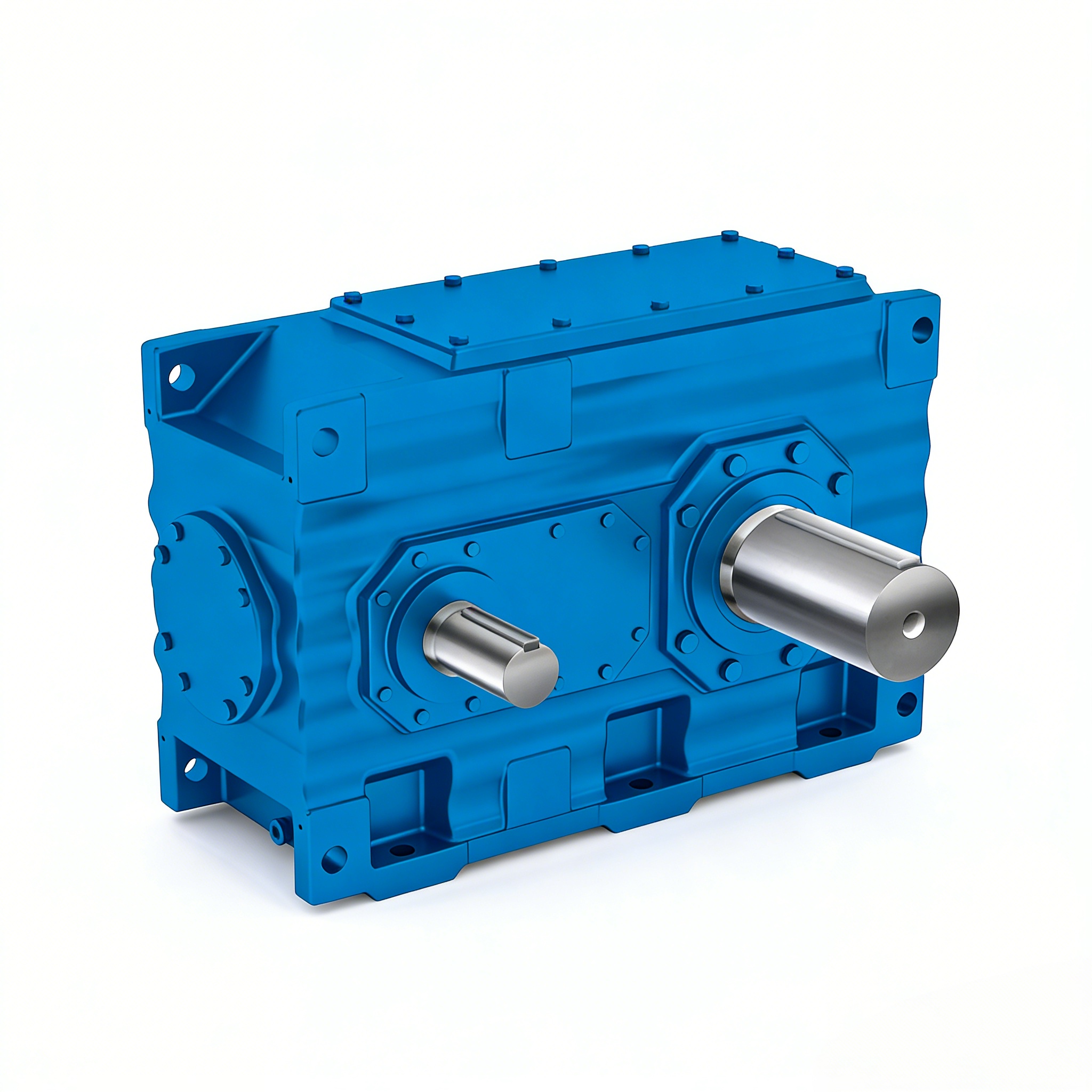
A gearbox for conveyor systems represents a critical mechanical component that serves as the power transmission interface between the driving motor and the conveyor belt mechanism. This sophisticated piece of equipment functions by reducing the high-speed rotation of electric motors to the optimal speed required for efficient conveyor operation while simultaneously increasing torque output. The gearbox for conveyor applications incorporates precision-engineered gear trains, typically featuring helical or worm gear configurations, housed within robust cast iron or steel enclosures designed to withstand demanding industrial environments. The primary function of a gearbox for conveyor systems involves speed reduction, torque multiplication, and directional control of rotational motion. These units effectively convert high-speed, low-torque motor output into low-speed, high-torque power suitable for moving heavy loads across conveyor belts. Modern conveyor gearboxes integrate advanced lubrication systems, sealed bearing arrangements, and temperature monitoring capabilities to ensure reliable continuous operation. Technologically, these gearboxes feature optimized gear tooth profiles that minimize noise generation, reduce mechanical losses, and extend operational lifespan. Many units incorporate modular designs allowing for easy maintenance access and component replacement. The applications for conveyor gearboxes span numerous industries including mining, manufacturing, food processing, packaging, automotive assembly, and material handling facilities. In mining operations, heavy-duty conveyor gearboxes manage the transportation of bulk materials over extended distances. Manufacturing plants rely on these systems for assembly line operations, while food processing facilities utilize sanitary-grade conveyor gearboxes that meet strict hygiene standards. The versatility of conveyor gearbox designs enables customization for specific load requirements, environmental conditions, and operational parameters, making them indispensable components in modern automated material handling systems.

New Product Releases

The gearbox for conveyor systems delivers substantial operational benefits that directly translate into improved productivity and reduced operational costs for businesses. First and foremost, these systems provide exceptional energy efficiency by optimizing power transmission between motors and conveyor mechanisms. A well-designed gearbox for conveyor applications can achieve efficiency ratings exceeding 95 percent, meaning minimal energy waste during power conversion. This efficiency translates into lower electricity consumption and reduced operating expenses over the equipment's lifespan. The precise speed control offered by conveyor gearboxes enables operators to match conveyor speeds to specific production requirements, ensuring optimal material flow rates and preventing product damage caused by excessive speeds. Durability represents another significant advantage, as quality conveyor gearboxes are engineered to operate continuously for years with minimal maintenance requirements. The robust construction typically includes hardened steel gears, premium bearings, and corrosion-resistant housings that withstand harsh industrial environments including dust, moisture, and temperature fluctuations. Maintenance convenience is greatly enhanced through accessible design features such as removable inspection covers, standardized mounting configurations, and readily available replacement parts. This accessibility reduces downtime during routine servicing and emergency repairs. Cost-effectiveness extends beyond initial purchase price, as reliable conveyor gearboxes minimize unexpected breakdowns that can halt production lines and result in expensive delays. The modular construction of many conveyor gearbox designs allows for easy upgrades or modifications as operational requirements change, protecting capital investment over time. Noise reduction capabilities built into modern conveyor gearboxes create more comfortable working environments while meeting occupational health regulations. Advanced sealing systems prevent contamination ingress while retaining lubricants, extending service intervals and reducing maintenance frequency. The standardized mounting interfaces of conveyor gearboxes facilitate quick installation and replacement procedures, minimizing installation labor costs and project timelines. These combined advantages make the gearbox for conveyor systems an essential investment for any operation seeking reliable, efficient material handling solutions.

Latest News

A Warm Invitation to Visit Our Manufacturing Base

15

Jan

A Warm Invitation to Visit Our Manufacturing Base

View More
Precision Quality Control: Safeguarding High-Precision Heavy-Duty Gear Transmission Release Date: August 20 , 2025

15

Jan

Precision Quality Control: Safeguarding High-Precision Heavy-Duty Gear Transmission Release Date: August 20 , 2025

View More
R&D Innovation Upgrade: Focus on Heavy-Duty Conditions, Empower Transmission Tech Breakthroughs

15

Jan

R&D Innovation Upgrade: Focus on Heavy-Duty Conditions, Empower Transmission Tech Breakthroughs

View More

Get a Free Quote

Our representative will contact you soon.
Email
Name
Company Name
Message
0/1000

gearbox for conveyor

Superior Load Handling Capacity and Torque Multiplication

Superior Load Handling Capacity and Torque Multiplication

The exceptional load handling capacity of a gearbox for conveyor systems stems from its advanced torque multiplication capabilities, which transform standard motor output into the substantial force required for heavy-duty material transport applications. This critical feature enables conveyor systems to move loads weighing several tons while maintaining consistent operational speeds and preventing motor overload conditions. The gear reduction mechanism within these units typically provides ratios ranging from 10:1 to 100:1 or higher, depending on specific application requirements. This means that a motor producing relatively modest torque at high speed can be converted into massive torque output at the slower speeds optimal for conveyor operation. The engineering behind this torque multiplication involves precision-manufactured gear sets with carefully calculated tooth profiles that distribute loads evenly across multiple contact points, preventing localized stress concentrations that could lead to premature failure. Heavy-duty applications such as mining conveyors, steel mill transport systems, and bulk material handling facilities particularly benefit from this enhanced load capacity. The gearbox for conveyor systems accomplishes this through robust internal components including oversized bearings capable of handling both radial and axial loads, reinforced gear housings that resist deformation under extreme loading conditions, and advanced metallurgy that ensures gear teeth maintain their strength characteristics even after millions of operational cycles. This superior load handling capability directly translates into operational flexibility, allowing facilities to transport heavier materials, increase throughput rates, and adapt to varying load conditions without equipment modifications. The economic impact of this capability cannot be overstated, as it eliminates the need for multiple smaller conveyors or frequent equipment upgrades when production demands increase. Furthermore, the reliable torque multiplication prevents costly motor burnouts that occur when standard drive systems are overloaded, protecting valuable electrical components and maintaining production continuity. This feature represents a fundamental advantage that distinguishes quality conveyor gearboxes from basic transmission components, providing the foundation for robust, scalable material handling solutions.
Advanced Precision Speed Control and Operational Reliability

Advanced Precision Speed Control and Operational Reliability

The advanced precision speed control capabilities of a gearbox for conveyor applications represent a technological achievement that enables unprecedented operational control and reliability in material handling systems. This sophisticated feature allows operators to maintain exact conveyor speeds regardless of load variations, environmental conditions, or power supply fluctuations, ensuring consistent product quality and production timing. The precision engineering involved in achieving this level of control includes manufacturing tolerances measured in thousandths of inches, computer-optimized gear tooth geometry, and balanced rotating assemblies that eliminate speed variations caused by mechanical irregularities. Modern conveyor gearboxes incorporate backlash elimination systems that prevent the slight reversals in motion that can cause speed inconsistencies and product positioning errors. This precision becomes critically important in applications such as food processing lines where products must be positioned accurately for packaging, automotive assembly operations requiring exact timing for robotic installations, and pharmaceutical manufacturing where dosing accuracy depends on consistent material flow rates. The operational reliability aspect of these systems extends far beyond simple durability, encompassing predictable performance characteristics that allow production managers to optimize entire manufacturing processes around consistent conveyor operation. Advanced lubrication systems within these gearboxes maintain optimal viscosity and contamination control, ensuring that gear meshing remains smooth and precise throughout extended operating periods. Temperature monitoring and compensation features automatically adjust for thermal expansion effects that could otherwise affect speed accuracy. The reliability benefits compound over time, as consistent operation reduces wear patterns that typically develop in systems experiencing speed variations. This translates into extended service life, reduced maintenance requirements, and decreased likelihood of unexpected failures that disrupt production schedules. Quality control processes benefit significantly from this precision, as consistent conveyor speeds eliminate variables that could affect product characteristics or assembly procedures. The economic advantages include reduced waste from speed-related defects, improved production planning accuracy, and decreased insurance costs associated with reliable equipment operation. This combination of precision control and operational reliability makes the gearbox for conveyor systems an essential component for any facility prioritizing consistent, high-quality production output.
Versatile Environmental Adaptability and Maintenance Efficiency

Versatile Environmental Adaptability and Maintenance Efficiency

The versatile environmental adaptability of a gearbox for conveyor systems represents a crucial advantage that enables reliable operation across diverse industrial conditions while maintaining peak performance standards. This adaptability encompasses resistance to extreme temperatures, corrosive atmospheres, high humidity levels, and contaminated environments that would quickly degrade standard transmission equipment. Specialized sealing systems incorporated into these gearboxes utilize multiple barrier technologies including labyrinth seals, mechanical face seals, and magnetic seals that prevent ingress of water, dust, chemicals, and other contaminants while retaining critical lubricants. The housing materials are specifically selected and treated to resist corrosion from acids, alkalis, salt spray, and other aggressive substances commonly encountered in industrial environments. Temperature adaptation features include thermal expansion compensation, specialized lubricants that maintain viscosity across wide temperature ranges, and ventilation systems that manage heat buildup during intensive operations. These capabilities prove essential in applications ranging from outdoor mining operations exposed to weather extremes, chemical processing plants with corrosive atmospheres, food facilities requiring washdown procedures, and manufacturing environments with airborne particulates. The maintenance efficiency aspect of modern conveyor gearboxes significantly reduces operational overhead through intelligent design features that simplify routine servicing while extending service intervals. Sight glasses enable visual lubricant level monitoring without opening the unit, while magnetic drain plugs capture metallic wear particles for condition assessment during oil changes. Modular construction allows technicians to replace individual components without complete unit disassembly, dramatically reducing maintenance time and associated production downtime. Standardized mounting dimensions and connection interfaces ensure that replacement units can be quickly installed using existing infrastructure. Advanced diagnostic capabilities built into many conveyor gearbox designs provide early warning of developing issues through vibration monitoring, temperature sensing, and lubricant analysis systems. This predictive maintenance approach prevents catastrophic failures while optimizing service scheduling around production requirements. The combination of environmental adaptability and maintenance efficiency creates substantial cost savings through reduced repair frequency, extended equipment life, and minimized production interruptions. These features transform the gearbox for conveyor applications from a basic mechanical component into a sophisticated, self-managing system that adapts to changing conditions while providing consistent, reliable performance across its operational lifespan.

Get a Free Quote

Our representative will contact you soon.
Email
Name
Company Name
Message
0/1000