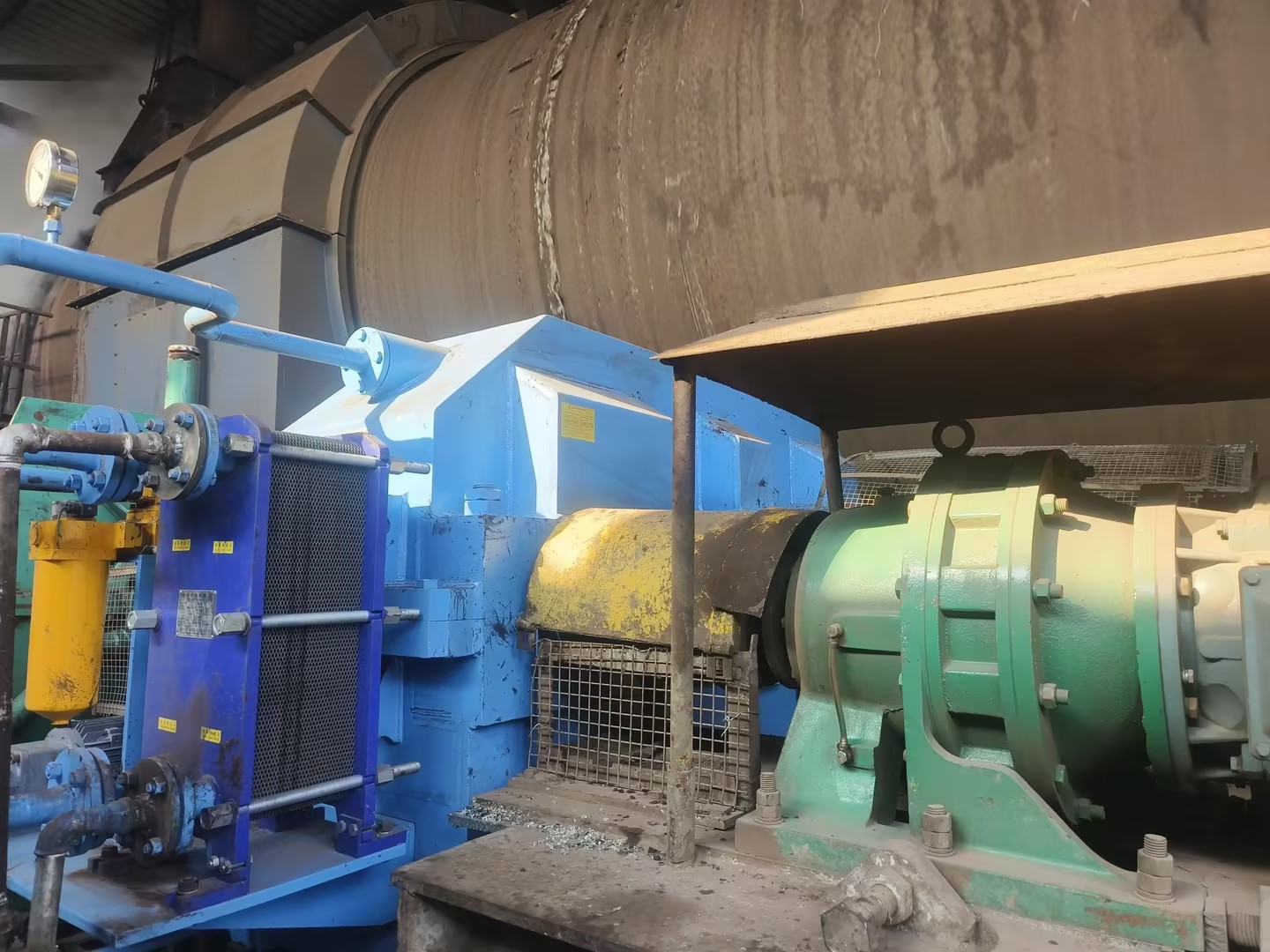
Heavy Duty Transmission Systems - Superior Performance and Reliability for Commercial Applications

Get a Free Quote

Our representative will contact you soon.
Email
Name
Company Name
Message
0/1000

heavy duty transmission

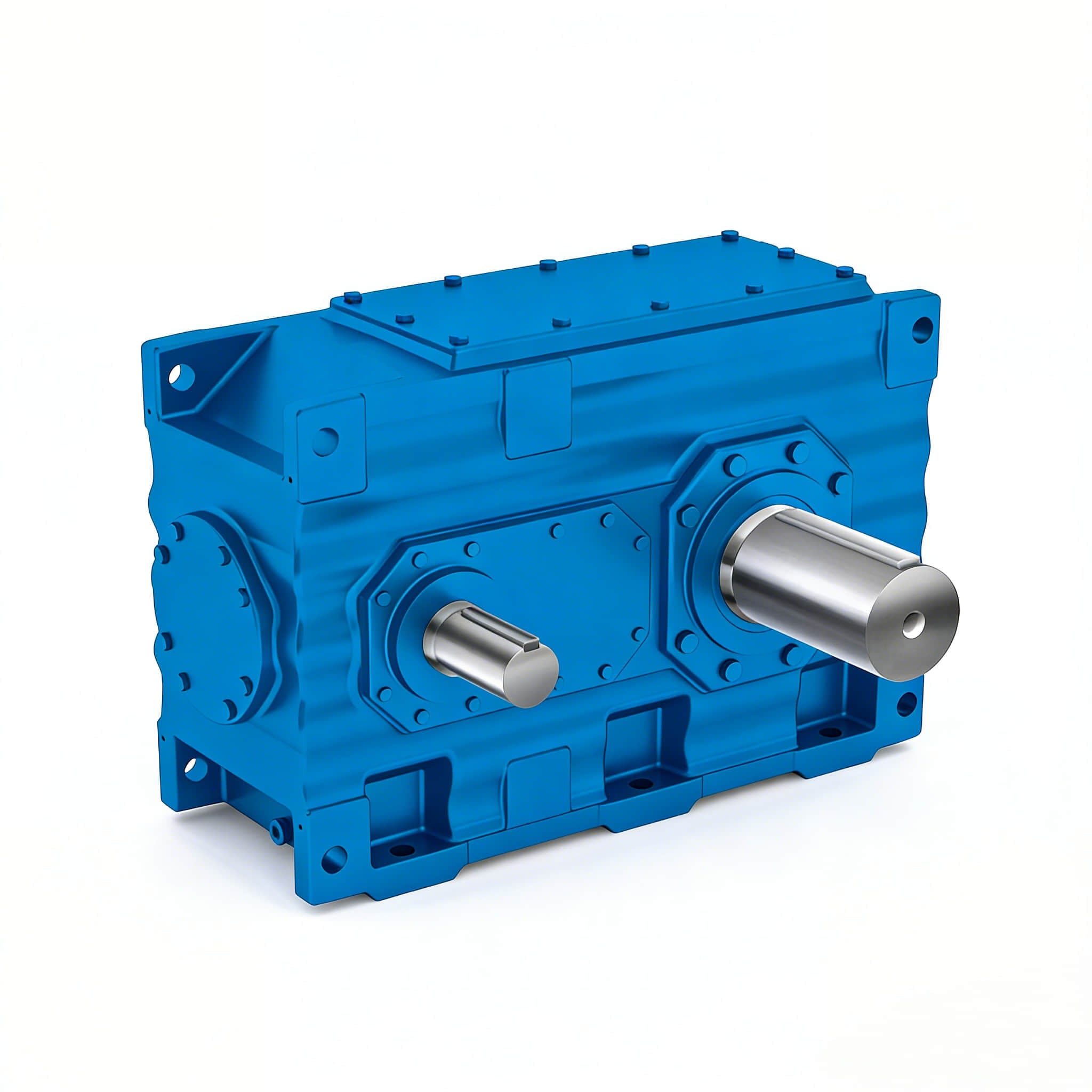
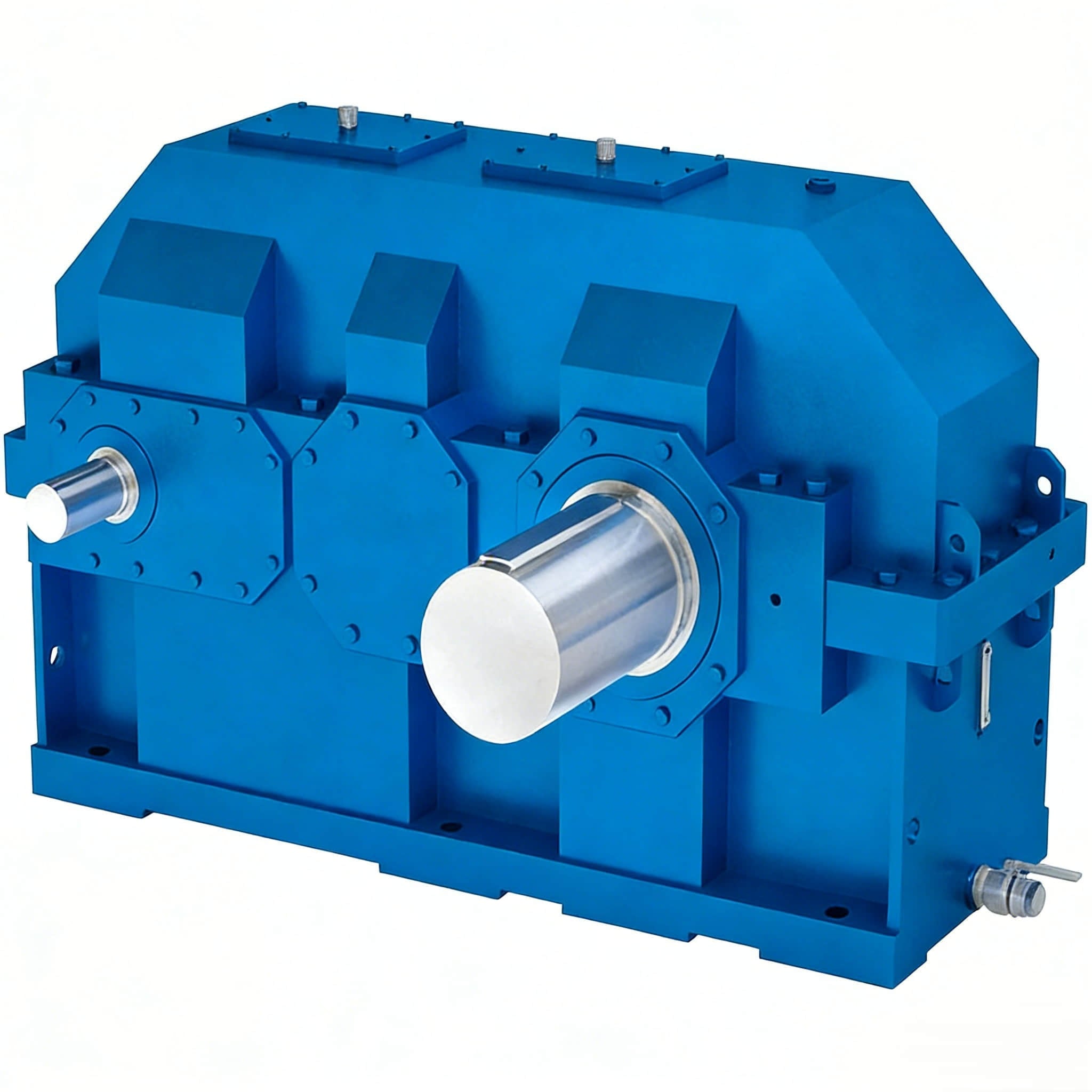
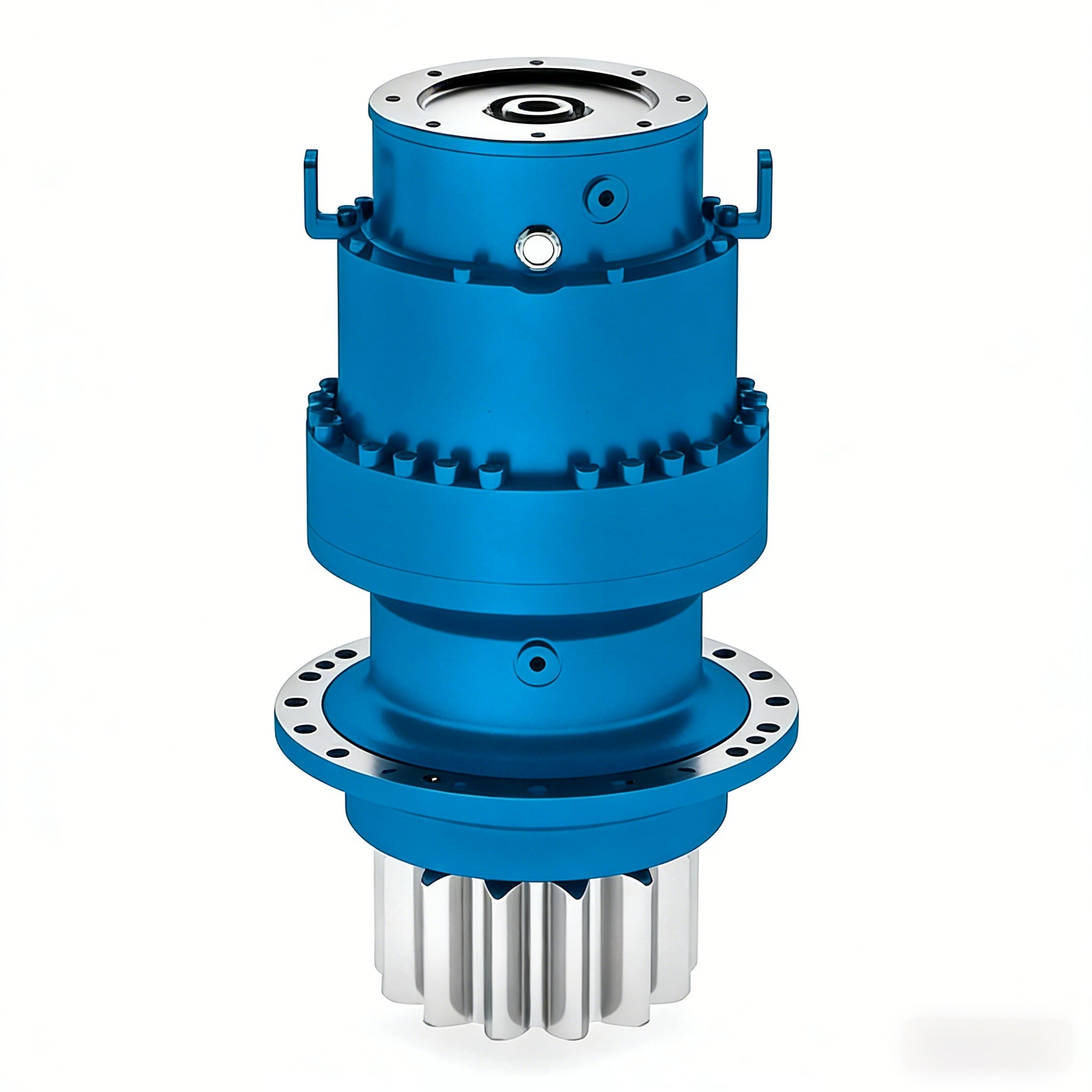
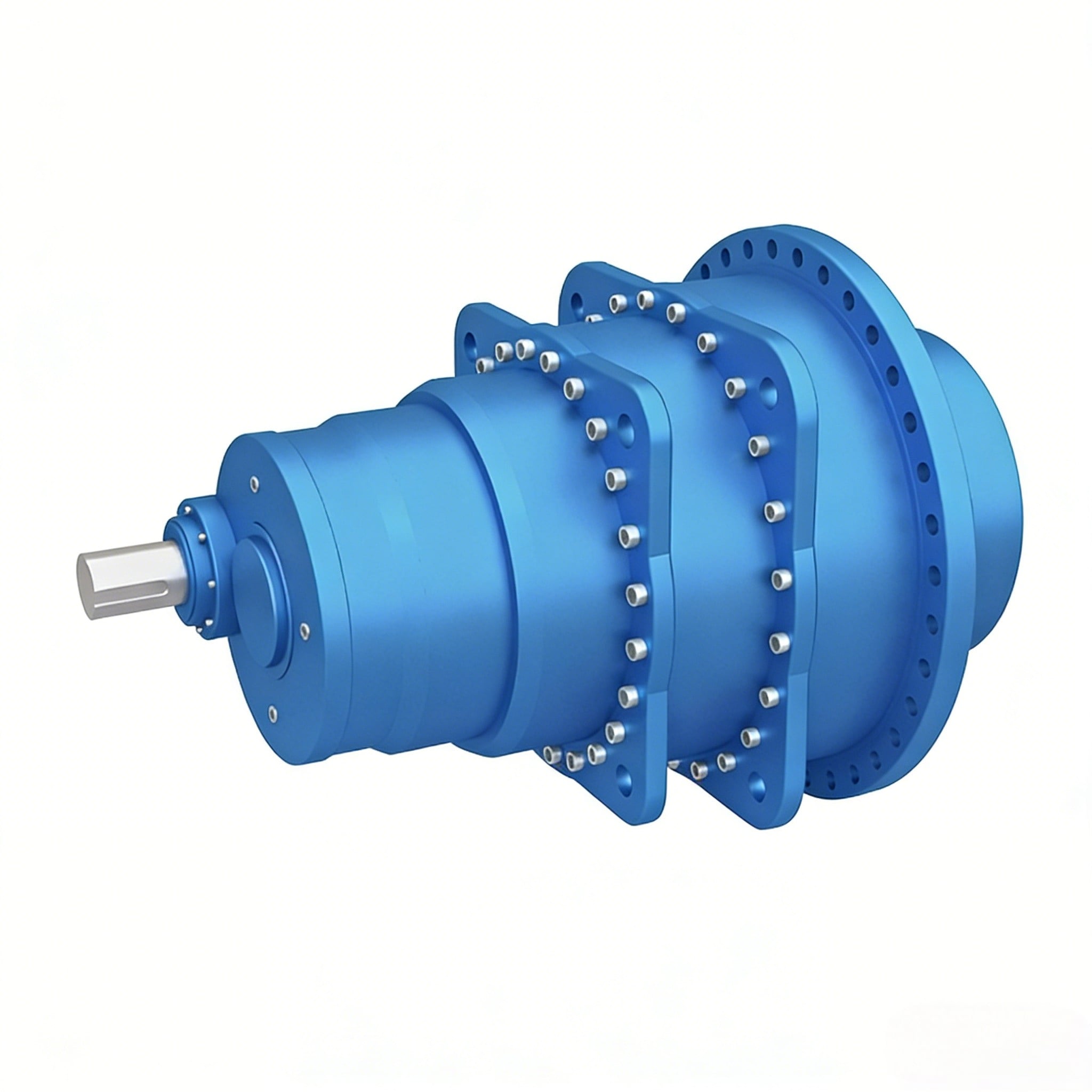
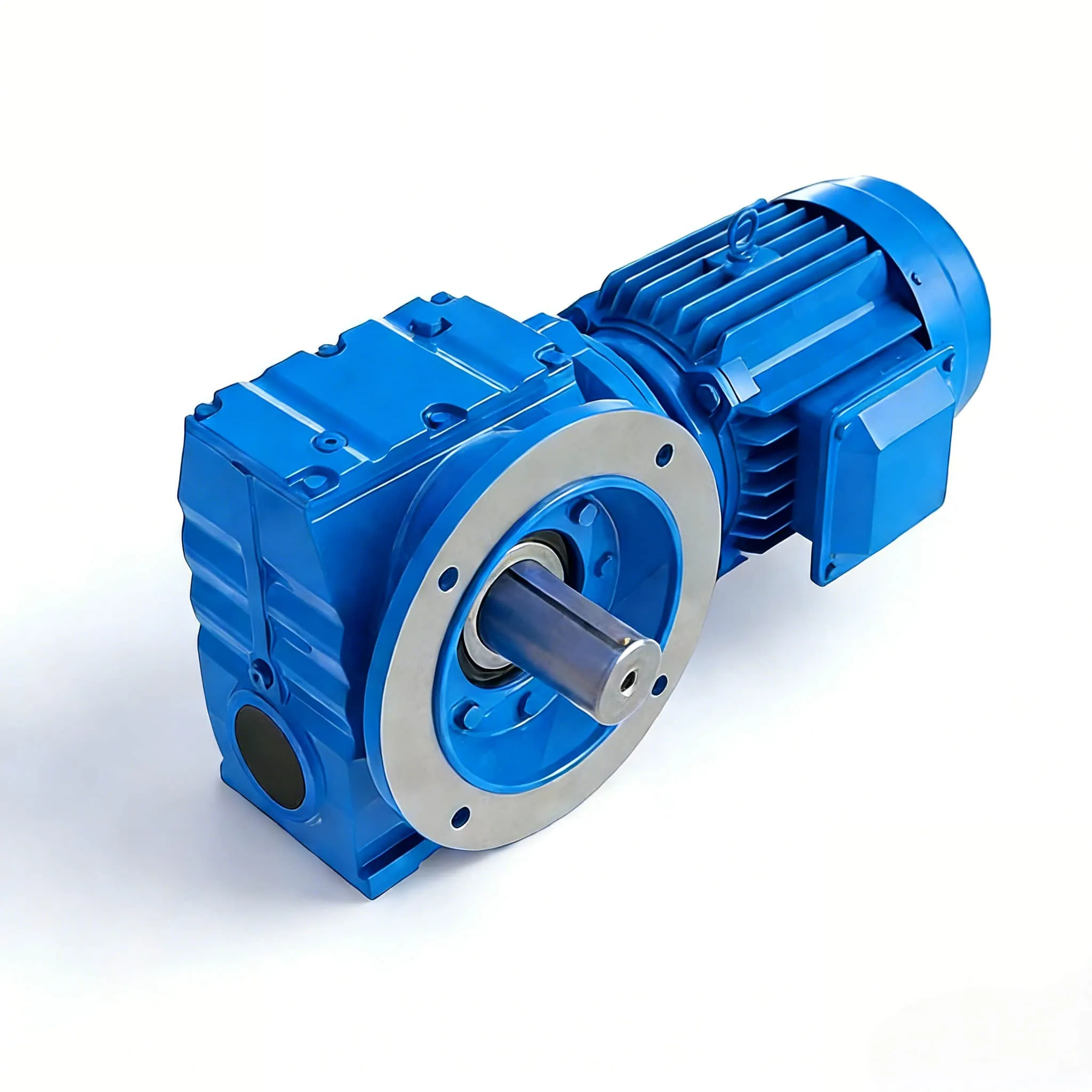
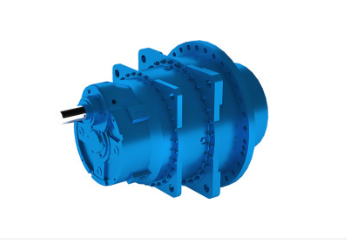
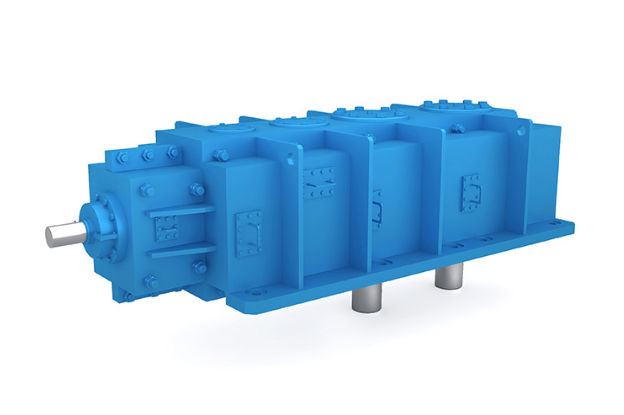
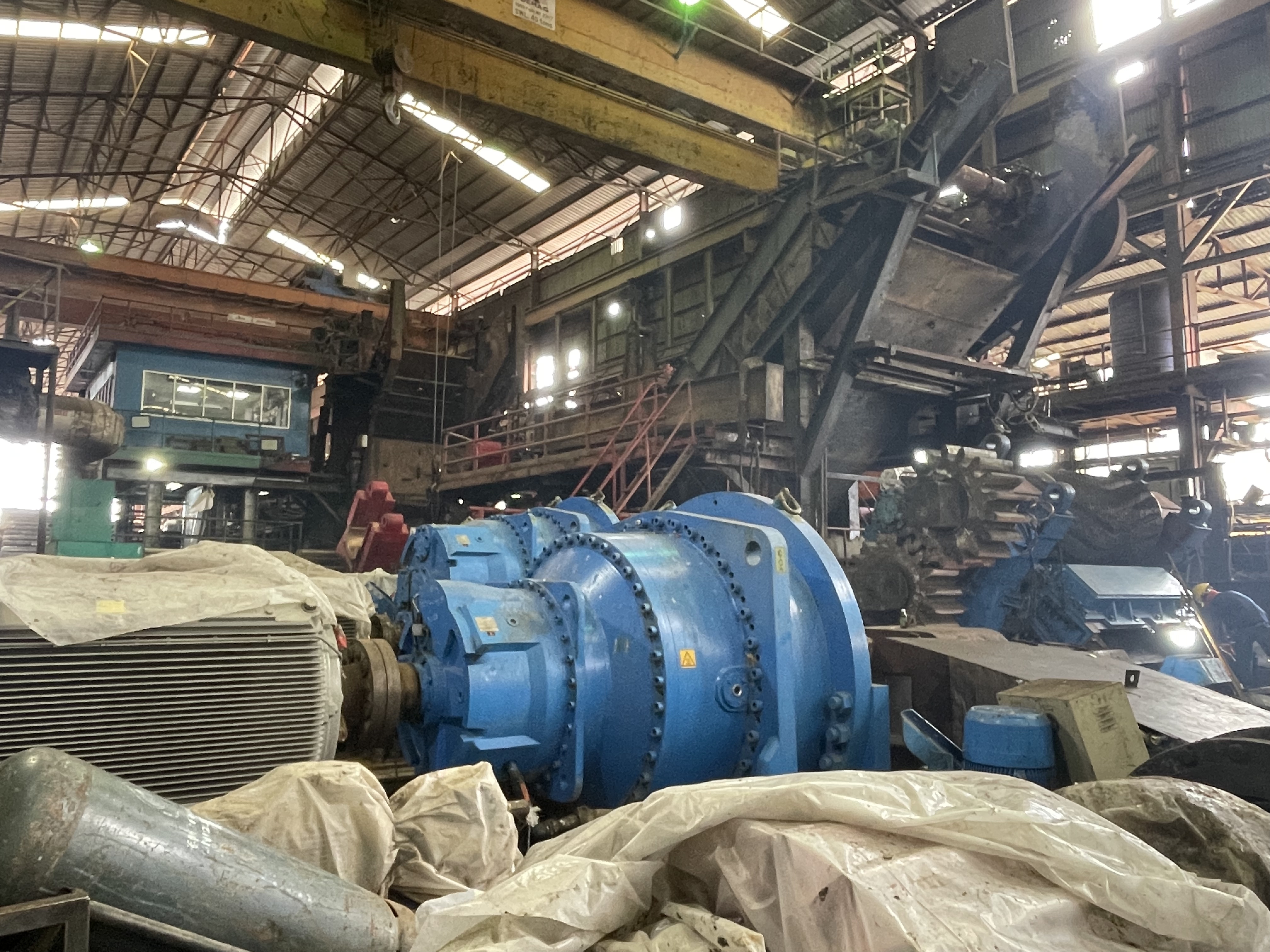
A heavy duty transmission represents the cornerstone of commercial and industrial vehicle performance, serving as the critical mechanical system that transfers power from the engine to the wheels while providing optimal torque multiplication and speed control. These robust transmission systems are specifically engineered to withstand extreme operating conditions, heavy payload demands, and continuous duty cycles that would overwhelm standard automotive transmissions. The heavy duty transmission incorporates advanced gear ratios, reinforced internal components, and sophisticated control mechanisms to deliver reliable power transfer across various load conditions. Modern heavy duty transmission units feature multiple gear configurations, typically ranging from 6 to 18 speeds, allowing operators to select the most efficient power band for specific applications. The technological architecture includes hardened steel gears, upgraded clutch assemblies, enhanced cooling systems, and precision-engineered synchronizers that ensure smooth shifting under load. These transmissions utilize either manual, automated manual, or fully automatic control systems, each designed to optimize fuel efficiency while maintaining maximum durability. The cooling infrastructure within a heavy duty transmission incorporates dedicated oil circulation systems, external heat exchangers, and temperature monitoring capabilities to prevent overheating during extended operations. Additionally, these units feature advanced lubrication systems that distribute specialized transmission fluid throughout critical components, reducing friction and extending service intervals. Heavy duty transmission applications span across commercial trucking, construction equipment, agricultural machinery, mining vehicles, and marine propulsion systems where consistent power delivery and operational reliability are paramount. The modular design of these transmissions allows for customization based on specific vehicle requirements, gross vehicle weight ratings, and intended operational environments, making them versatile solutions for diverse industrial applications.

New Products

Heavy duty transmission systems provide numerous practical benefits that directly impact operational efficiency and long-term cost savings for commercial vehicle operators. These transmissions deliver superior durability compared to standard units, featuring reinforced components that withstand continuous heavy-load operations without frequent maintenance interventions. The enhanced gear ratios available in heavy duty transmission configurations enable operators to maintain optimal engine RPM ranges across various driving conditions, resulting in improved fuel economy and reduced engine wear. These systems provide better torque multiplication, allowing vehicles to handle steep grades, heavy payloads, and challenging terrain while maintaining consistent performance levels. The advanced cooling systems integrated into heavy duty transmission designs prevent overheating during extended operations, reducing the risk of component failure and costly downtime. Operators benefit from extended service intervals due to the robust construction and superior lubrication systems, which minimize maintenance requirements and associated labor costs. The precise gear selection capabilities of heavy duty transmission units allow drivers to match power delivery to specific load requirements, optimizing performance while reducing unnecessary fuel consumption. These transmissions offer improved reliability in extreme weather conditions, maintaining consistent operation in temperatures ranging from arctic cold to desert heat. The modular construction of heavy duty transmission systems simplifies repair procedures, allowing maintenance teams to replace individual components without complete unit replacement, reducing repair costs and minimizing vehicle downtime. Advanced electronic controls in modern heavy duty transmission systems provide real-time performance monitoring, enabling predictive maintenance strategies that prevent catastrophic failures. The superior power handling capacity of these transmissions extends overall vehicle lifespan by reducing stress on other drivetrain components, including differential assemblies and drive axles. Fleet operators appreciate the standardized maintenance procedures across heavy duty transmission models, streamlining training requirements and inventory management. The enhanced shift quality and reduced driver fatigue associated with these transmissions improve operator comfort during long-haul operations, contributing to better retention rates and improved safety records.

Practical Tips

A Warm Invitation to Visit Our Manufacturing Base

15

Jan

A Warm Invitation to Visit Our Manufacturing Base

View More
Precision Quality Control: Safeguarding High-Precision Heavy-Duty Gear Transmission Release Date: August 20 , 2025

15

Jan

Precision Quality Control: Safeguarding High-Precision Heavy-Duty Gear Transmission Release Date: August 20 , 2025

View More
R&D Innovation Upgrade: Focus on Heavy-Duty Conditions, Empower Transmission Tech Breakthroughs

15

Jan

R&D Innovation Upgrade: Focus on Heavy-Duty Conditions, Empower Transmission Tech Breakthroughs

View More

Get a Free Quote

Our representative will contact you soon.
Email
Name
Company Name
Message
0/1000

heavy duty transmission

Advanced Multi-Speed Configuration Excellence

Advanced Multi-Speed Configuration Excellence

The multi-speed configuration capability represents one of the most significant advantages of heavy duty transmission systems, offering operators unprecedented control over power delivery and fuel efficiency optimization. Modern heavy duty transmission units typically feature between 9 to 18 forward gears, with some specialized applications incorporating even more ratios to provide precise power management across diverse operating conditions. This extensive gear range enables drivers to maintain engines within their optimal power bands, regardless of load weight, terrain challenges, or speed requirements. The close-ratio gear spacing in heavy duty transmission systems ensures smooth power transitions without significant RPM drops between shifts, maintaining momentum during acceleration and reducing engine strain during loaded operations. Each gear ratio is precisely calculated to provide maximum torque multiplication when needed while offering efficient cruising capabilities at highway speeds. The intelligent gear progression design allows for skip-shifting capabilities, where the transmission can bypass intermediate gears when operating conditions permit, further enhancing fuel economy and reducing shift frequency. Heavy duty transmission systems incorporate sophisticated algorithms that automatically select optimal gear ratios based on load sensors, throttle position, and vehicle speed, ensuring consistent performance regardless of operator experience level. The robust synchronizer assemblies within these transmissions enable smooth gear engagement even under heavy load conditions, preventing gear clash and extending component lifespan. Additionally, the multiple gear options provide operators with flexibility to adapt to changing operational requirements without compromising performance, whether hauling maximum payloads up steep grades or operating empty vehicles in urban environments. This configuration excellence translates directly into reduced operating costs through improved fuel efficiency, extended component life, and enhanced operational versatility that maximizes vehicle utilization across diverse applications.
Superior Durability and Reliability Engineering

Superior Durability and Reliability Engineering

Heavy duty transmission systems are engineered with uncompromising durability standards that far exceed conventional automotive transmissions, incorporating specialized materials and construction techniques designed to withstand extreme operational demands. The internal components utilize premium alloy steels that undergo advanced heat treatment processes, creating gear teeth and bearing surfaces capable of handling massive torque loads without deformation or premature wear. These transmissions feature oversized bearings, reinforced housing castings, and upgraded clutch assemblies that distribute stress loads more effectively, preventing concentrated wear points that typically cause failures in lighter-duty units. The enhanced lubrication systems within heavy duty transmission designs circulate specialized synthetic fluids that maintain optimal viscosity across extreme temperature ranges while providing superior anti-wear protection for critical components. Advanced filtration systems remove contaminants and debris that could compromise internal component integrity, extending service intervals and reducing maintenance frequency. The robust construction methodology includes precision-machined surfaces, tight manufacturing tolerances, and comprehensive quality control processes that ensure consistent performance across production runs. Heavy duty transmission casings incorporate reinforced mounting points and vibration-dampening features that reduce stress transmission to surrounding vehicle components, extending overall drivetrain longevity. The electrical control systems utilize military-grade components and weatherproof connections that maintain reliable operation in harsh environmental conditions, including extreme temperatures, moisture exposure, and vibration loads. Comprehensive diagnostic capabilities enable real-time monitoring of transmission health parameters, allowing operators to identify potential issues before they result in catastrophic failures. The modular design philosophy enables component-level replacement and rebuild capabilities, extending transmission life well beyond initial service expectations while maintaining like-new performance characteristics. This engineering excellence provides operators with confidence in their equipment reliability, reducing unexpected downtime and enabling more aggressive operational scheduling that maximizes revenue potential.
Enhanced Fuel Efficiency and Performance Optimization

Enhanced Fuel Efficiency and Performance Optimization

The fuel efficiency optimization capabilities of heavy duty transmission systems represent a crucial competitive advantage for commercial operators seeking to minimize operational costs while maximizing performance output. These transmissions incorporate advanced gear ratio algorithms specifically designed to maintain engines within their most efficient operating ranges, reducing fuel consumption by up to 15 percent compared to conventional transmission systems. The precise gear selection logic continuously monitors engine load, vehicle speed, and throttle input to determine optimal shift points that balance performance requirements with fuel economy objectives. Heavy duty transmission systems feature lock-up torque converters and direct-drive capabilities that eliminate power losses associated with fluid coupling, ensuring maximum power transfer efficiency during cruising operations. The advanced electronic control modules integrate with engine management systems to coordinate shifting strategies with fuel injection timing and turbocharger boost levels, creating synergistic efficiency improvements throughout the powertrain. Adaptive learning algorithms within heavy duty transmission controllers adjust shift patterns based on individual driving styles and route characteristics, personalizing performance optimization for specific operational profiles. The reduced parasitic losses achieved through precision-engineered internal components and low-friction lubricants contribute significantly to overall fuel savings, particularly during extended highway operations. Progressive shift scheduling enables these transmissions to anticipate upcoming terrain changes and traffic conditions, pre-selecting appropriate gear ratios to maintain optimal engine loading without unnecessary gear hunting. The integration of GPS data and topographical mapping allows heavy duty transmission systems to prepare for grade changes and optimize gear selection before reaching challenging terrain sections. Energy recovery features capture kinetic energy during deceleration phases, utilizing engine braking capabilities more effectively while reducing brake wear and heat generation. The sophisticated torque management capabilities enable heavy duty transmission systems to extract maximum performance from available engine power while maintaining component longevity, creating sustainable performance advantages that compound over vehicle lifespans. This optimization excellence translates into tangible cost savings through reduced fuel consumption, extended component life, and improved operational efficiency that enhances profitability across diverse commercial applications.

Get a Free Quote

Our representative will contact you soon.
Email
Name
Company Name
Message
0/1000